The Ultimate Guide to Crafting High-Performing Instagram Captions for Brands and Creators


While Instagram remains fundamentally rooted in visual media—distinguishing itself from text-heavy platforms like Facebook, LinkedIn, or X (formerly Twitter)—the written word plays an increasingly vital role in modern digital marketing. For brands striving to build meaningful connections, expand their digital footprint, and drive tangible conversions, visual assets alone are no longer sufficient. Captions serve as the contextual bridge between a brand and its audience, transforming passive scrollers into active community members and paying customers.

As digital marketing strategies evolve, understanding how to construct compelling, optimized Instagram captions is an essential skill for social media managers, business owners, and content creators alike. This comprehensive analysis explores the anatomy of an effective Instagram caption, proven writing methodologies, and essential formatting techniques designed to maximize engagement in an increasingly crowded digital ecosystem.
The Evolution and Strategic Importance of Instagram Captions
Instagram launched in 2010 as a purely photo-sharing application, where captions served as brief, often conversational footnotes to imagery. Over the past decade, however, the platform has transformed into a robust commercial hub encompassing Reels, carousels, and integrated shopping features. Despite this visual diversification, the caption area—capable of holding up to 2,200 characters—has emerged as a powerful tool for narrative-driven marketing.

Industry data consistently demonstrates that visual content paired with thoughtful, context-rich text outperforms standalone imagery. Captions allow brands to articulate their value proposition, inject personality into their corporate identity, and guide user behavior through targeted calls to action (CTAs). Without a strategic caption, brands risk leaving the interpretation of their visual assets entirely to chance, frequently resulting in missed conversion opportunities and lower algorithmic visibility.
Deconstructing the Anatomy of a Perfect Instagram Caption
Writing an Instagram caption that successfully balances creativity with commercial objectives requires a structured approach. Industry experts and digital strategists generally recommend focusing on five core components: a strong hook, optimized length, cultural relevance, strategic hashtag placement, and a clear call to action.

1. Hook the Audience Immediately
In an era defined by shrinking attention spans, the first line of an Instagram caption is critical. Because Instagram truncates captions in the main feed after approximately two to three lines—requiring users to click "more" to read the full text—marketers must place their primary value proposition or most intriguing statement at the very beginning.
A "thumb-stopping" opening line addresses the user’s immediate needs, curiosity, or pain points. For instance, food and lifestyle brands frequently succeed by leading with seasonal practicality, such as highlighting a five-ingredient weeknight dinner during the busy autumn holiday season, thereby offering an immediate solution to audience fatigue caused by complex, time-consuming recipes.
2. Navigating the Caption Length Debate
A frequent dilemma for social media managers is determining the ideal length of a post. While short, punchy captions (under 125 characters) remain popular for aesthetic or minimalist accounts, extensive industry research reveals a shifting trend toward longer, narrative-driven content.
An empirical study conducted by social media management platform Hootsuite analyzed engagement rates across thousands of Instagram posts and discovered that captions ranging between 400 and 705 characters—roughly equivalent to a short paragraph or mini-blog post—frequently generated higher engagement than ultra-short captions. Providing adequate context, storytelling, or educational value encourages users to spend more time on the post, signaling positive engagement metrics to Instagram’s content delivery algorithm.
3. Leveraging Pop Culture and Seasonal Relevance
Contextual marketing relies heavily on timeliness. Integrating subtle pop culture references, widely recognized idioms, or seasonal motifs helps humanize a brand, making its content feel accessible and culturally attuned.
Successful retailers frequently synchronize their messaging with environmental and cultural shifts—such as referencing changing foliage, impending holidays, or viral internet vernacular. When executed authentically, these references foster a sense of shared experience between the brand and the consumer, paving the way for deeper brand loyalty.
4. Strategic Hashtag Architecture
Hashtags remain one of the primary discovery mechanisms on Instagram, allowing content to reach users outside an account’s existing follower base. While Instagram permits up to 30 hashtags per post, digital marketing best practices advise against keyword stuffing, recommending a moderated, highly curated approach instead.
Effective hashtag strategies typically incorporate a diversified mix of four distinct categories:

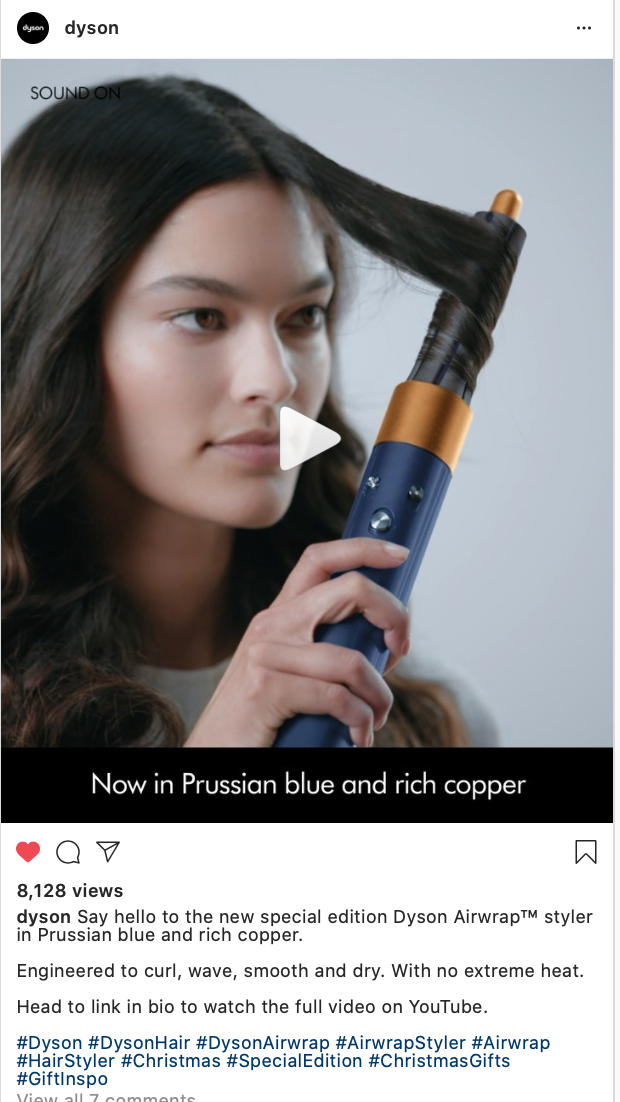
- Branded hashtags: Unique identifiers specific to the company or campaign (e.g., #DysonHair).
- Seasonal or trending hashtags: Timely tags capturing current events or holiday shopping trends (e.g., #GiftInspo, #SummerVibes).
- Interest-based or niche hashtags: Descriptive terms targeting specific communities or hobbies.
- Location-based hashtags: Geographic tags designed to capture local or regional consumer interest.
By rotating these categories across different posts, brands can maximize their algorithmic reach without appearing repetitive or spammy.
5. Optimizing for Engagement and Conversion
Because Instagram restricts clickable links primarily to user bios, Stories, and paid advertisements, organic feed posts must rely on engagement-driven metrics to build brand equity. Metrics such as likes, saves, shares, and comments directly influence how Instagram’s recommendation algorithm distributes content.

To stimulate user interaction, brands employ several proven psychological triggers:
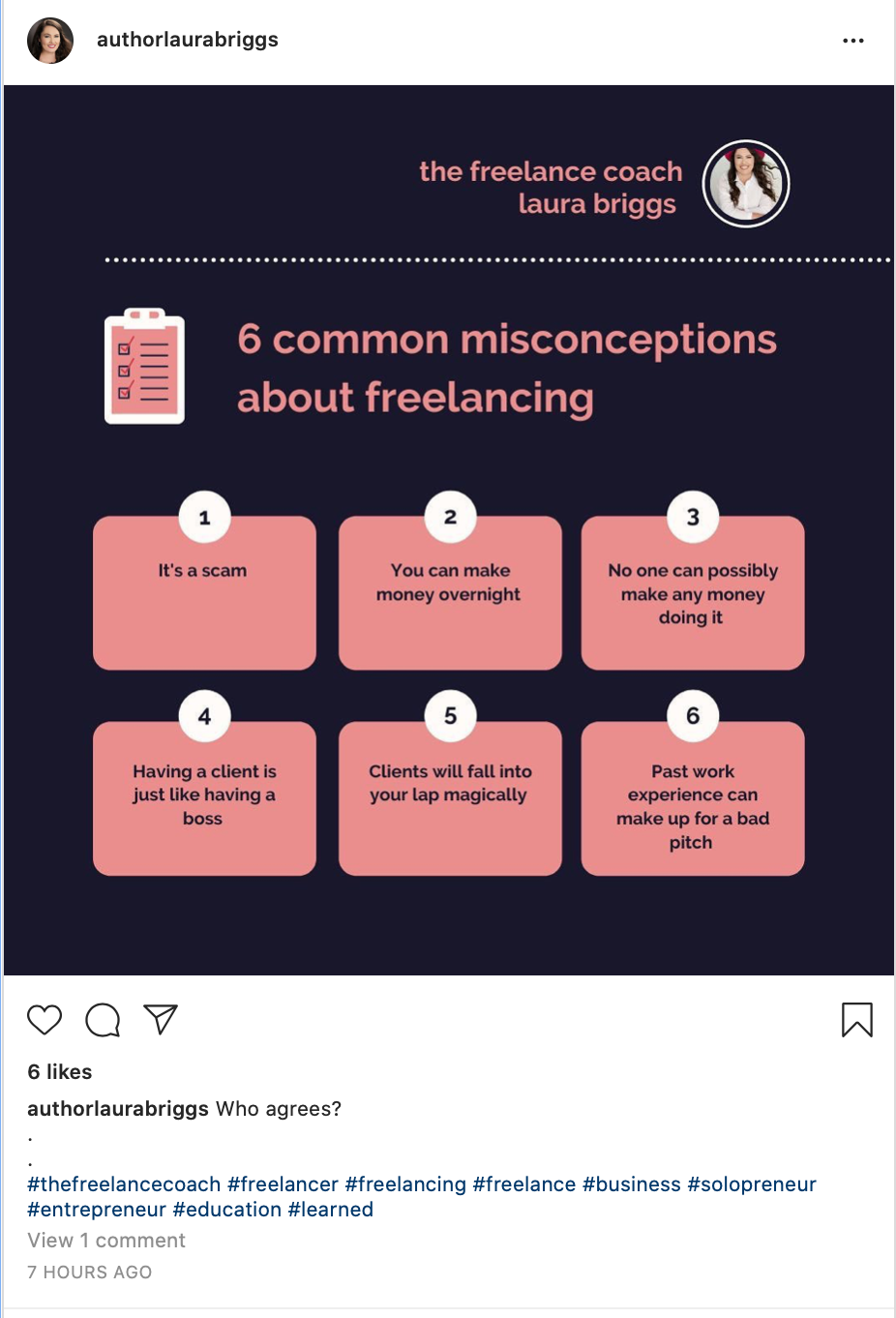
- Direct Inquiry: Asking simple, binary, or opinion-based questions (e.g., "Who agrees?") lowers the barrier to entry for commenting.
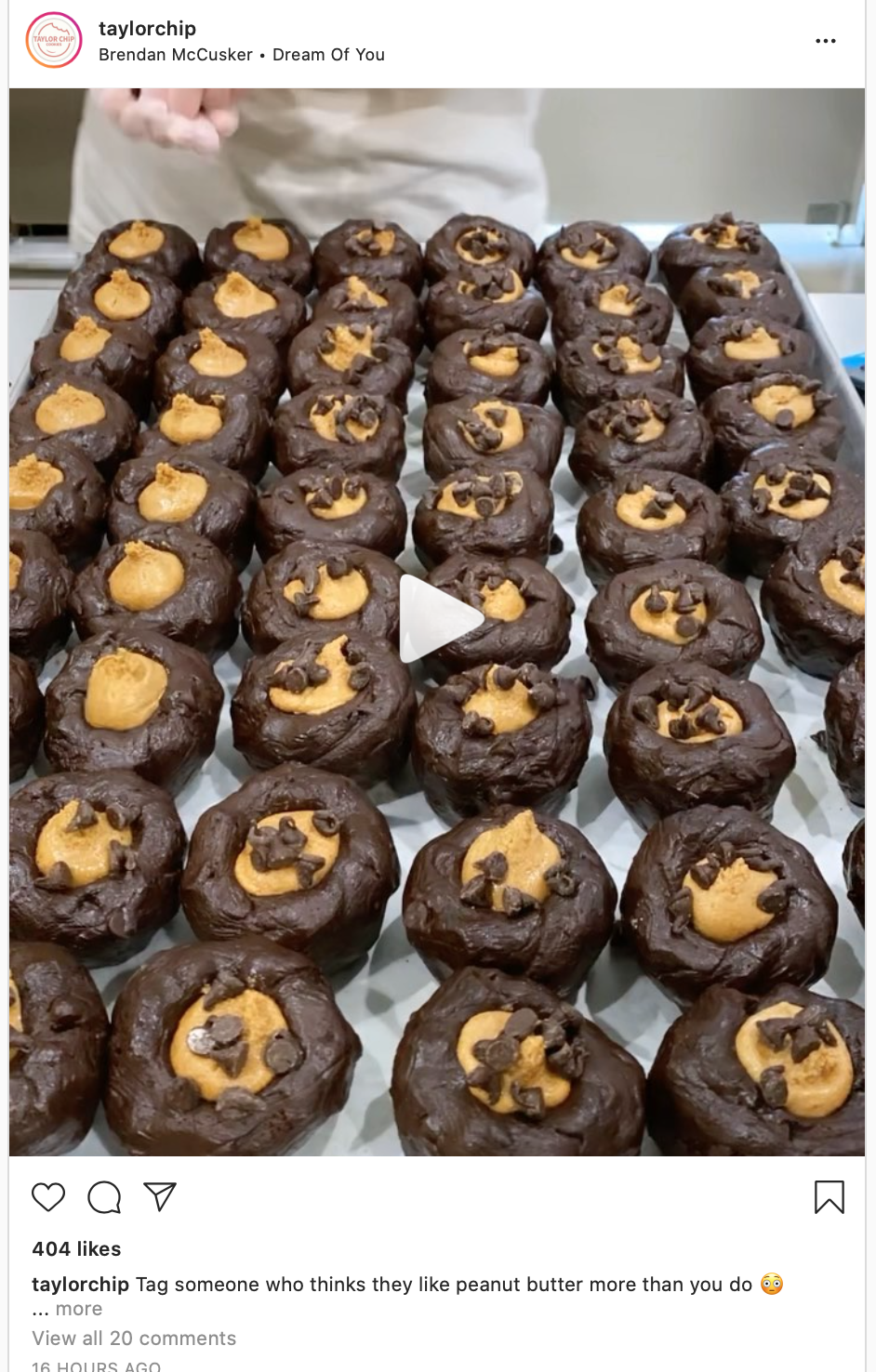
- Peer Tagging: Encouraging users to tag friends in the comments section (e.g., "Tag a friend who loves chocolate as much as you do") expands organic reach exponentially while fostering micro-communities within comment threads.
- Clear Calls to Action (CTAs): Directing users to take specific off-platform actions—such as registering for an upcoming seasonal workshop, visiting a local storefront, or checking the link in bio—ensures that social media engagement translates into measurable business outcomes.
Technical Best Practices: Formatting, Editing, and Typography
Beyond the semantic content of a caption, technical execution plays a significant role in user experience and readability. Poorly formatted text blocks often cause users to scroll past content without reading.
Mastering Spacing and Paragraph Breaks
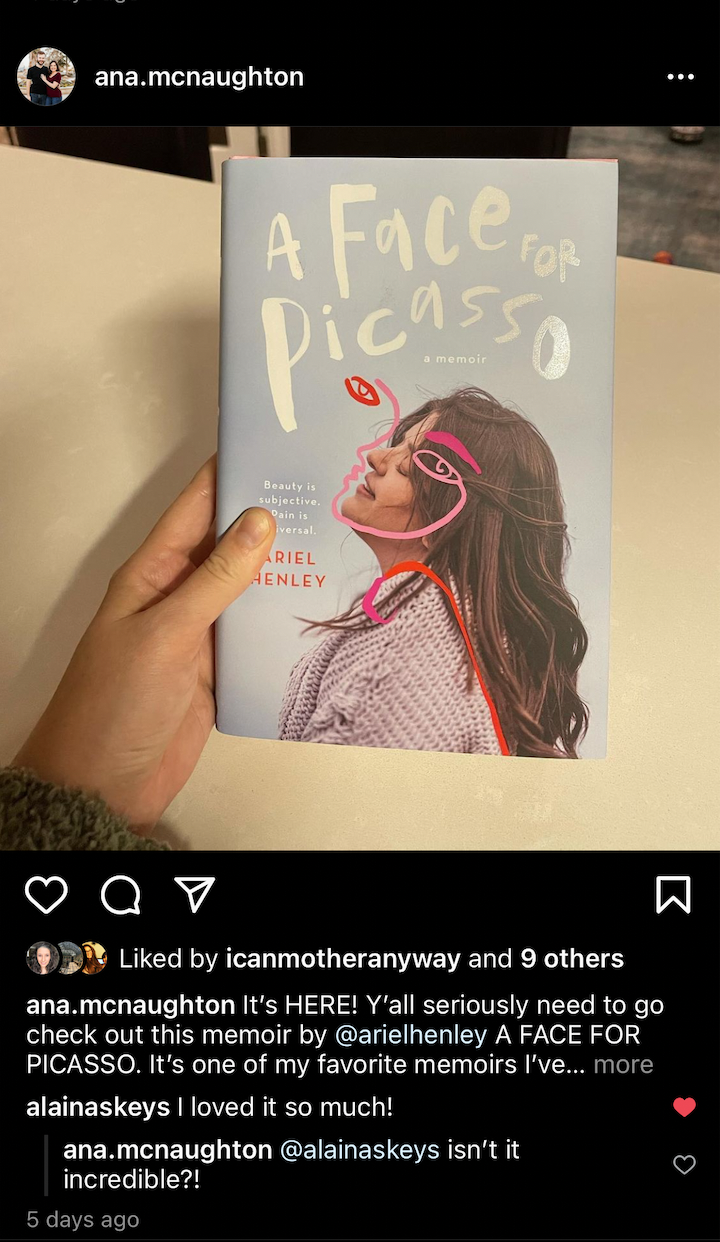
Long blocks of uninterrupted text are notoriously difficult to read on mobile devices. To combat this, creators utilize strategic spacing, breaking their thoughts into distinct sections separated by blank lines or minimalist symbols.
A standard, high-performing structural template involves:
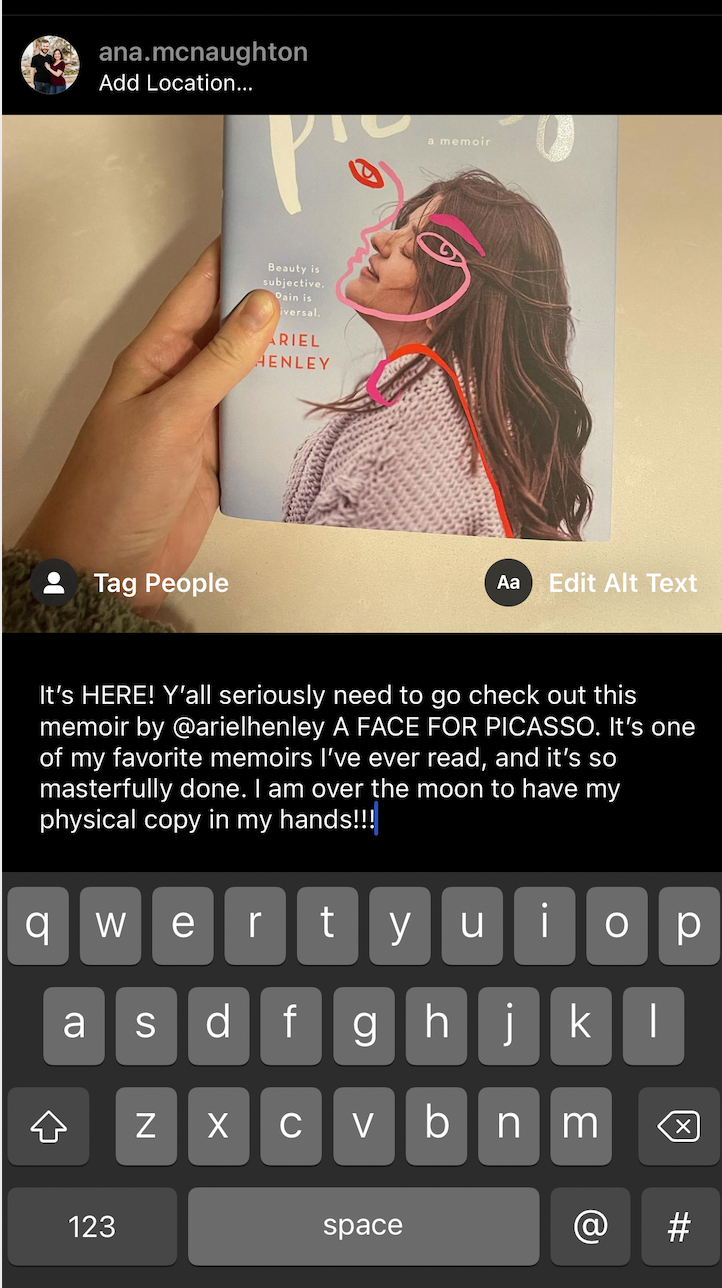
- The Hook: A single-line opening statement summarizing the core message.
- The Body: A blank line followed by the narrative elaboration or value proposition.
- The Conclusion/CTA: A separate section detailing the next steps or asking an engagement question.
- The Hashtag Block: Further separated at the very bottom or posted in the first comment thread to maintain aesthetic cleanliness.
Post-Publishing Flexibility: Editing Captions
Digital communication requires agility, and mistakes do happen. Fortunately, Instagram permits seamless post-publication editing. Administrators can update any published caption by navigating to the specific post, selecting the three-dot menu icon in the upper right-hand corner, choosing the "Edit" option, and revising the text. Changes are implemented instantly, preserving the post’s existing engagement metrics and comment history while ensuring brand messaging remains accurate and up-to-date.
Enhancing Typography and Visual Hierarchy
To make specific words or phrases stand out within a feed, many forward-thinking brands utilize external Unicode text generators (such as Instagram Fonts). These browser-based tools allow marketers to convert standard alphanumeric characters into stylized fonts, bold text, or italics. When used sparingly—such as highlighting a key sale announcement or section header—these typographic variations create a distinct visual hierarchy that catches the user’s eye during rapid scrolling.

Future Implications for Brand Marketing on Instagram
As social commerce continues to mature, the distinction between content creation and direct-to-consumer sales will continue to blur. Algorithms increasingly reward accounts that foster genuine community interaction over those that broadcast purely promotional material. Consequently, mastering the art and science of the Instagram caption is no longer a peripheral task for social media teams; it is a foundational pillar of digital brand strategy.
Organizations that invest time in crafting narrative-driven, well-formatted, and strategically optimized captions will be best positioned to capture consumer attention, build lasting brand affinity, and drive sustainable growth in the digital marketplace.