In an era where consumer trust in institutional messaging is at an all-time low, organizations are increasingly turning to their most potent, yet underutilized, asset: their employees. Employee advocacy—the strategic practice of empowering staff to promote their company’s culture, products, and insights through their own social media channels—has evolved from a niche marketing tactic into a cornerstone of enterprise digital strategy. By leveraging the personal networks of the workforce, companies are effectively humanizing their brand, circumventing the limitations of organic reach on algorithmic platforms, and driving measurable business outcomes ranging from recruitment efficiency to lead generation.

The shift toward employee-centric branding is grounded in a stark reality: audiences trust individuals significantly more than they trust corporate logos. According to the 2026 Edelman Trust Barometer, employees are now regarded as the most trusted institution globally, with a 78% trust rating. This institutional shift is supported by recent consumer research indicating that 60% of consumers place higher credibility on a creator’s endorsement of a brand than on the brand’s own direct communications. Consequently, when an employee shares a company update on platforms like LinkedIn, X, or TikTok, the message often gains traction that a standard corporate page cannot replicate.
The Mechanics and Evolution of Advocacy Programs

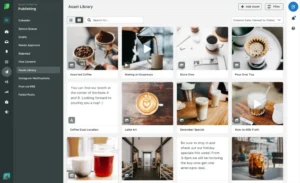
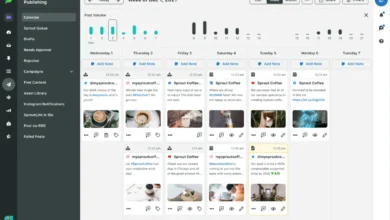
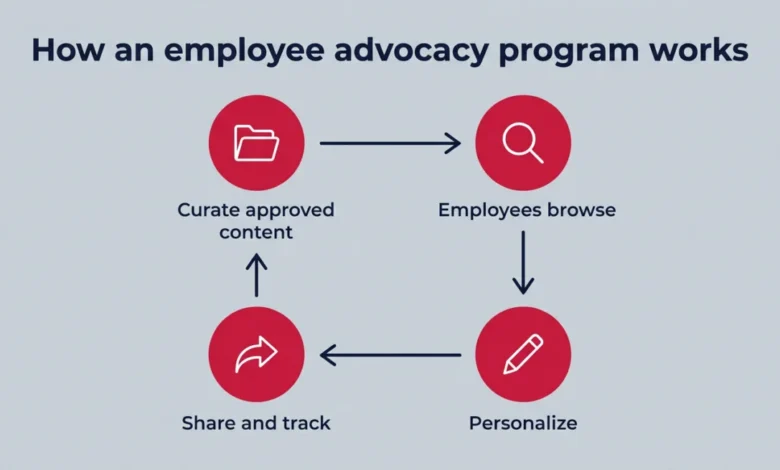
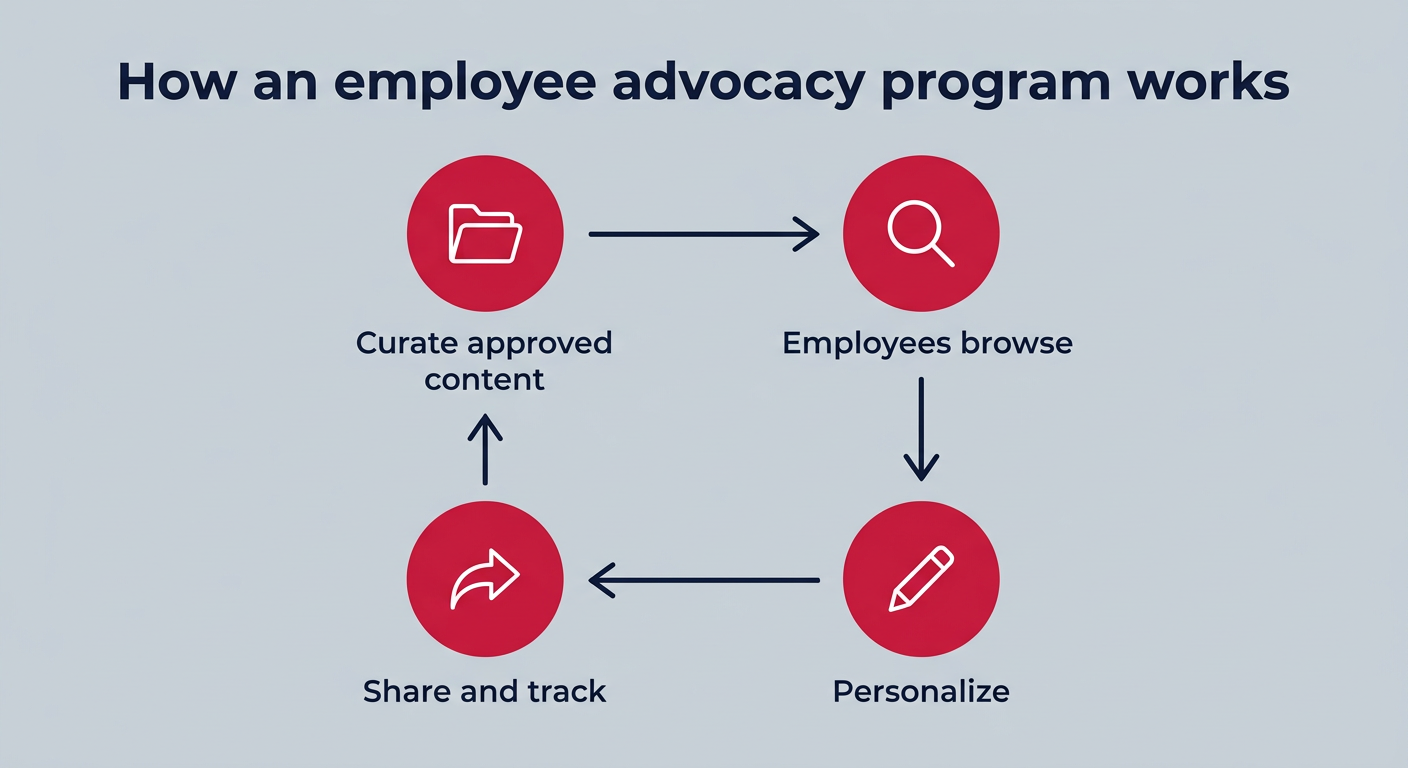
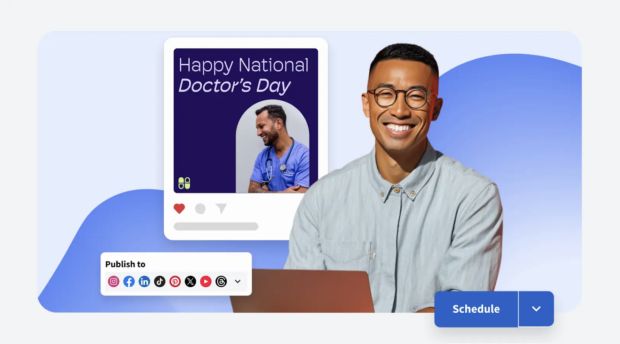
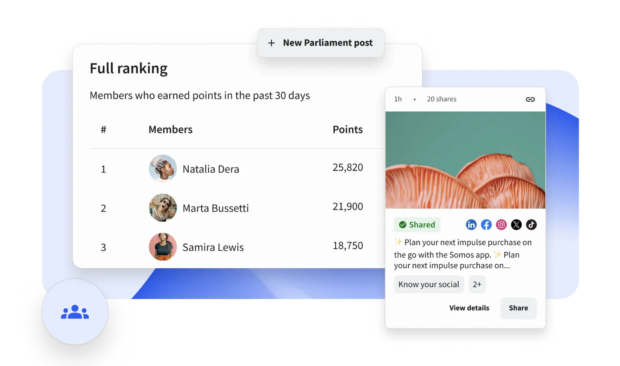
Modern employee advocacy operates through a structured cycle of content curation and distribution. Rather than relying on sporadic, organic posts, high-performing enterprises implement formal programs that provide staff with approved, high-quality assets. These programs typically utilize centralized platforms—such as Hootsuite’s Parliament—which allow communication teams to curate content, track engagement, and provide employees with the resources to personalize their messaging.
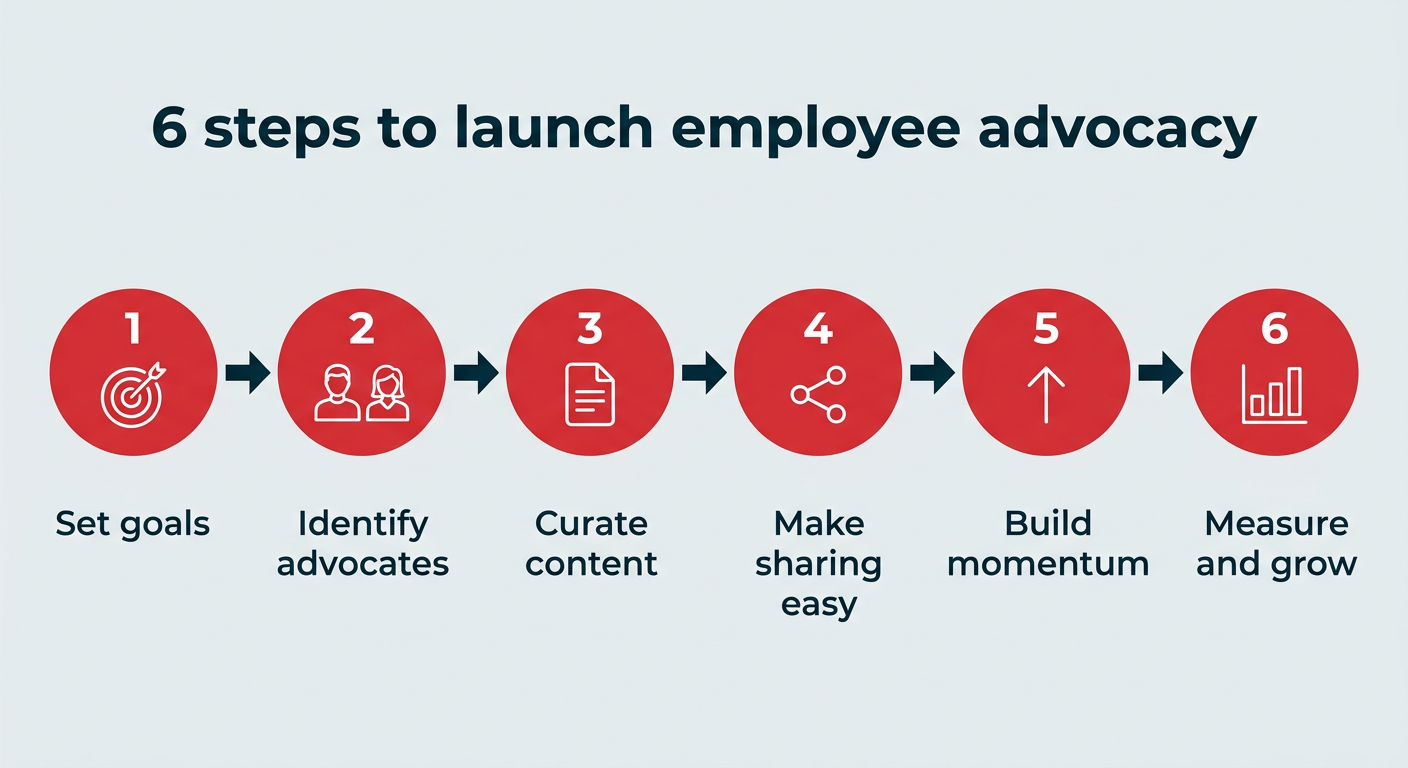
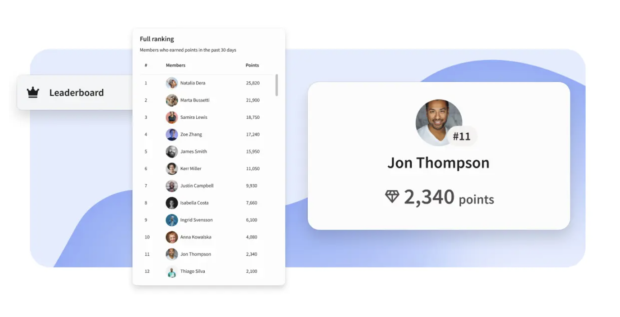
The transition from a disorganized approach to a structured program involves six critical phases: defining organizational goals, identifying internal brand ambassadors, curating authentic content, simplifying the sharing process, building momentum through gamification, and rigorous performance measurement. By removing the friction associated with content creation, companies encourage higher participation rates, which, according to internal data from Hootsuite, can lead to individual posts reaching an average of nearly 22,000 people.
Distinguishing Advocacy from Influencer and Brand Marketing
It is essential to distinguish employee advocacy from broader marketing categories. Influencer marketing typically involves a transactional, external relationship where a brand pays a third party to promote a product. Conversely, brand advocacy is driven by customers and external fans who share experiences based on loyalty or incentive. Employee advocacy sits in a unique middle ground: it is internal, rooted in a professional connection to the organization, and relies on the employee’s genuine desire to share their work environment.
While external influencers may provide reach, employee advocates provide depth and credibility. The data suggests that employee networks are, on average, ten times larger than the official follower base of the companies they work for. This massive, untapped potential acts as a force multiplier for a brand’s marketing spend, turning every team member into a potential media channel.
Chronology and Real-World Impact
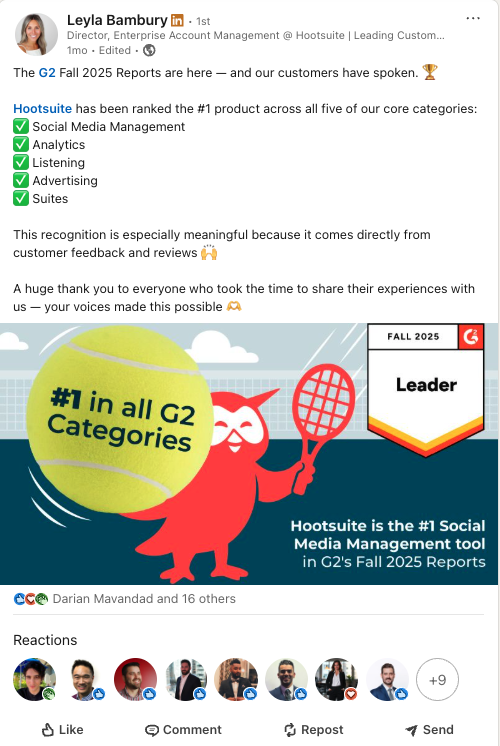
The adoption of formal advocacy programs has yielded quantifiable results across diverse industries. For instance, the IT solutions provider Carahsoft leveraged advocacy to generate 8,700 new website visits directly from employee-shared content, demonstrating the tangible link between internal advocacy and digital traffic. Similarly, Athletico Physical Therapy observed a 40% growth in reach after empowering their staff to share personal stories during high-engagement periods like National Physical Therapy Month.
The impact is perhaps most visible in human resources. DaVita, a global healthcare organization, utilized employee-driven content to highlight workplace culture, which resulted in a 136% increase in traffic to their LinkedIn careers page and a 27% year-over-year rise in job applications sourced from social media. These figures illustrate a fundamental change in how recruitment is conducted: potential hires no longer rely solely on corporate job boards; they look for the social proof provided by current employees.
Strategic Implications of the 2026 AI Integration
As of 2026, the integration of Artificial Intelligence has further refined the scalability of these programs. AI orchestration layers, such as Hootsuite’s Wisdom, are now being used to analyze content resonance in real-time, helping social media teams determine which topics, formats, and regional nuances are most effective. AI tools are also addressing the "writer’s block" that often prevents employees from participating, by providing conversational drafts that employees can adapt.
However, the human element remains paramount. The most successful programs do not use AI to replace the employee’s voice, but rather to remove the technical hurdles that prevent that voice from being heard. The consensus among marketing strategists is that the most effective content remains simple, text-based, or image-focused, avoiding the overly corporate jargon that often characterizes stagnant, traditional brand accounts.
Challenges and Governance at Scale
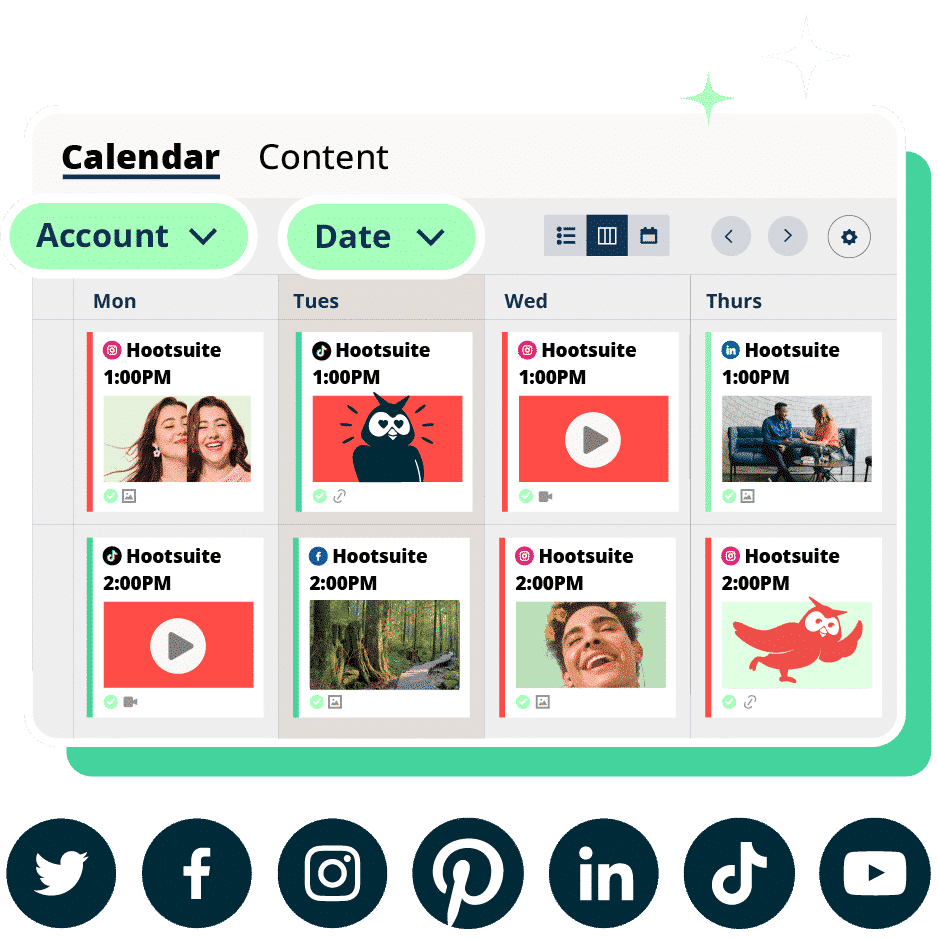
Despite the benefits, enterprises face significant hurdles in scaling these programs. The most common challenges include low participation rates, content fatigue, and the inherent risk of off-brand messaging. Governance is the primary solution to these risks. Large-scale programs utilize "governance layers"—such as Vigil within the Hootsuite Social OS—to establish clear, role-based permissions and ensure compliance with regulatory standards. This is particularly critical in industries like finance or healthcare, where the cost of a non-compliant social media post can be substantial.
The Role of Leadership and Culture
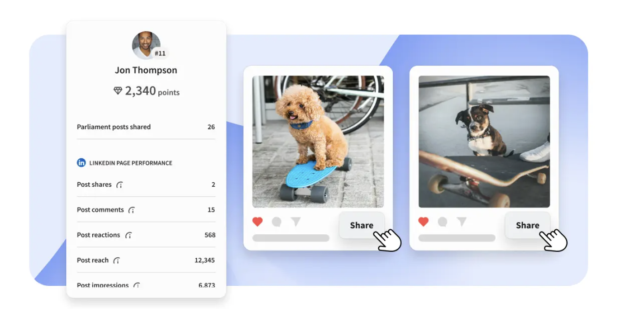
The success of any advocacy program is ultimately tethered to executive support. When leadership openly encourages and participates in advocacy, it signals that the initiative is a core business priority rather than a peripheral marketing task. Furthermore, advocacy acts as a feedback loop for company culture; when employees feel empowered to tell their stories, their sense of professional ownership and organizational pride increases. This, in turn, makes the brand more attractive to top-tier talent, creating a virtuous cycle of engagement and recruitment.
Measuring ROI and Future Outlook
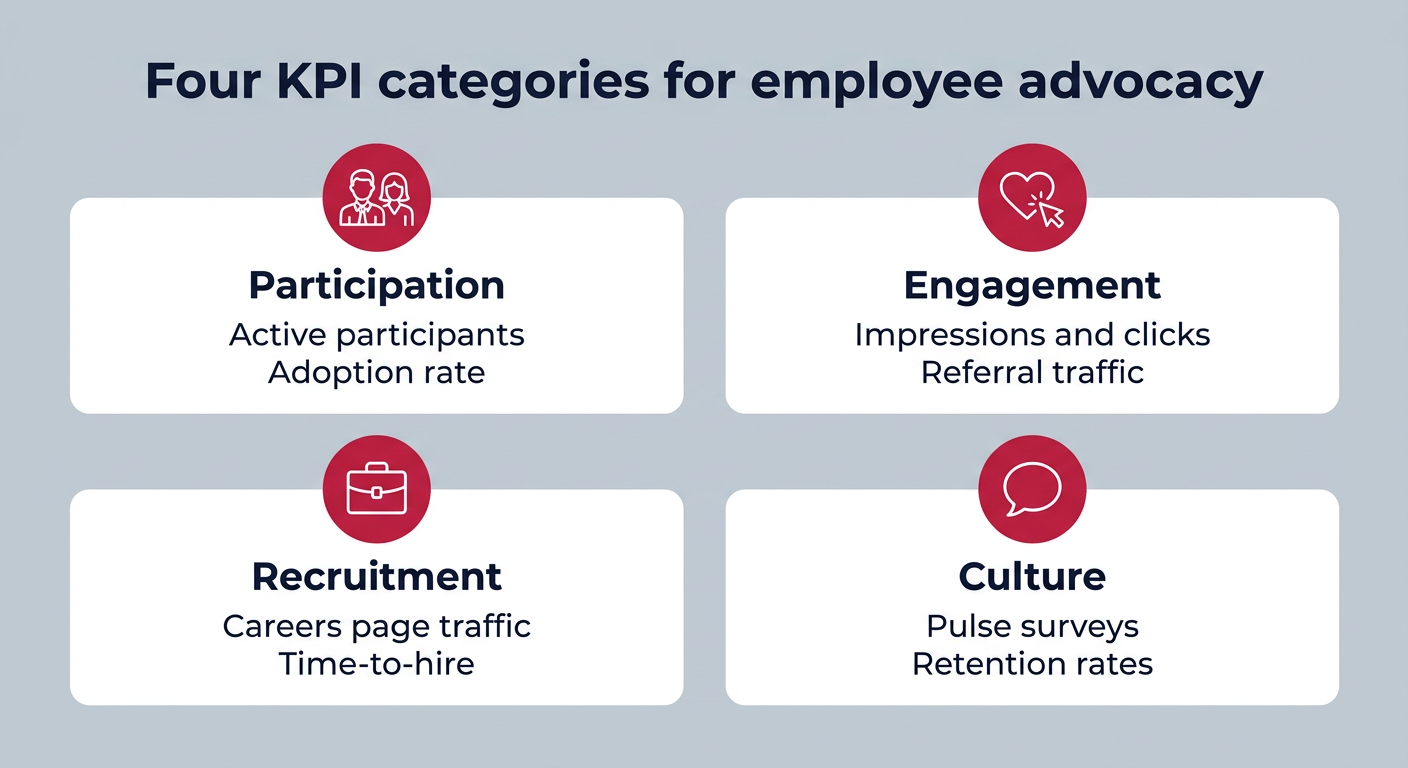
To justify the continued investment in advocacy programs, organizations must move beyond vanity metrics like likes or impressions. Effective measurement focuses on KPIs that map to specific business objectives:
- Participation Metrics: Tracking adoption rates and the frequency of posts per user.
- Engagement Metrics: Analyzing comments, shares, and the quality of discussions generated.
- Recruitment Metrics: Monitoring the volume of qualified applicants coming from employee-driven channels.
- Culture Metrics: Measuring employee sentiment and internal alignment.
By calculating the Earned Media Value (EMV)—the cost to achieve the same reach through paid advertising—organizations can demonstrate a clear financial return on investment. As the digital landscape continues to fragment, the reliance on algorithmic reach will likely continue to decline. In this environment, the authentic voice of the employee is becoming the most reliable way to maintain brand visibility.
The trajectory of the next few years suggests that advocacy will move from a "nice-to-have" campaign to a standard operational requirement. Companies that fail to enable their employees to act as brand ambassadors risk being drowned out by the noise of paid advertising and impersonal corporate messaging. Conversely, those that invest in the tools, training, and culture necessary to facilitate employee advocacy will find themselves better positioned to build sustainable, trust-based relationships with their audiences, prospective employees, and the market at large. The future of brand marketing is not found in a new advertising platform, but in the people who define the organization every day.