In the modern digital landscape, the ability to manage multiple social media accounts efficiently has transitioned from a niche marketing skill to an essential operational requirement for enterprises and growing brands. As businesses expand their digital footprint across diverse platforms, regions, and demographics, the complexity of maintaining a cohesive brand identity while managing high volumes of content has grown exponentially. Organizations currently spending on social media advertising are projected to contribute to a market exceeding $121 billion in 2026, underscoring the critical need for sophisticated, centralized management systems to ensure return on investment and brand safety.

The Evolution of Multi-Account Management
Historically, social media management was performed through native applications, requiring teams to manually toggle between individual logins. This fragmented approach frequently led to "context switching" fatigue, where social media managers struggled to maintain consistent brand voices across different platforms. The rapid maturation of social media management software—often referred to as Social Operating Systems—has shifted this dynamic. According to recent market analysis from Gartner, the integration of social media listening, publishing, and analytics into a single, unified workflow is now a standard requirement for businesses aiming to scale operations without compromising quality or compliance.

Core Challenges in Distributed Social Operations
Enterprises managing dozens or hundreds of accounts face a specific set of operational hazards. The most prominent of these include fragmented messaging, which can dilute brand equity; compliance risks, particularly for firms in highly regulated sectors like finance and healthcare; and the high risk of employee burnout due to the relentless nature of real-time community management.
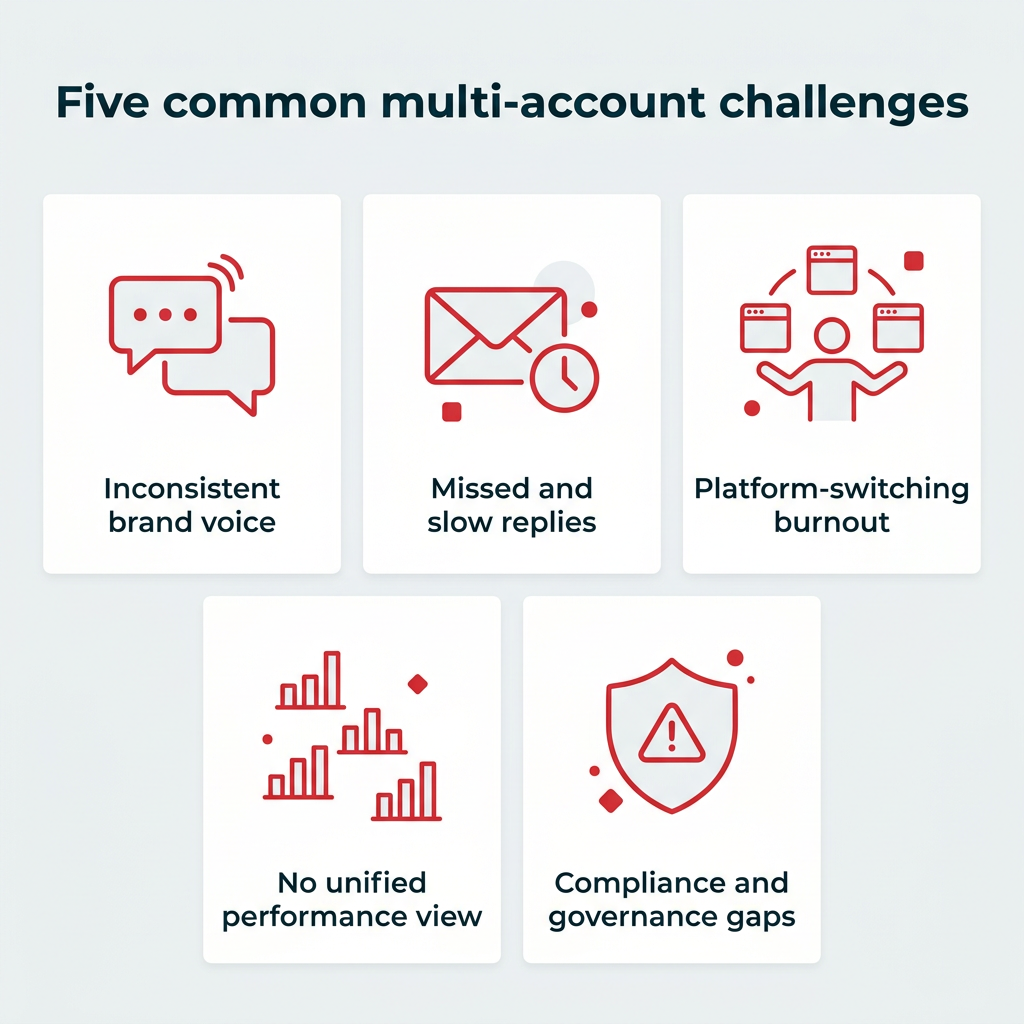
Research indicates that without a unified platform, customer inquiries often go unanswered for extended periods, directly impacting customer satisfaction scores. Furthermore, the lack of a centralized approval workflow often results in the publication of errors or unauthorized content, which can trigger significant PR crises. To mitigate these risks, industry leaders have moved toward a "hub-and-spoke" model of management, where a central team maintains governance while regional or departmental teams handle localized execution.
A Ten-Step Framework for Operational Excellence
To successfully navigate the complexities of multi-account management, organizations should adopt a repeatable, data-driven system.
- Strategic Goal Alignment: Every account must have a defined purpose. Before content production begins, teams must establish specific KPIs for each profile, ensuring that effort is directed toward meaningful business outcomes rather than vanity metrics.
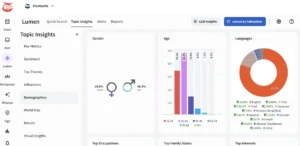
- Platform Rationalization: Data confirms that audience demographics vary wildly by platform. For example, demographic research shows that approximately 80% of adults aged 18 to 29 utilize Instagram, while participation among those over 65 is significantly lower. Brands are advised to prioritize platforms where their specific target audience is most active.
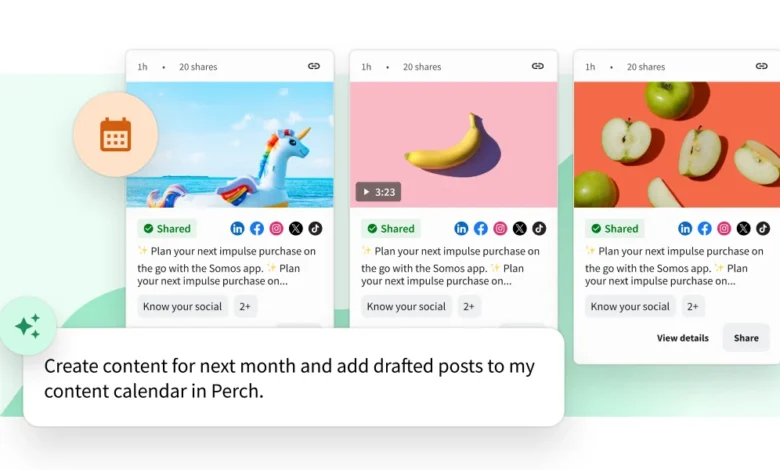
- Centralized Tooling: The implementation of a social operating system is no longer optional for large teams. By consolidating publishing, listening, and engagement into one dashboard, teams can eliminate the inefficiencies of jumping between tabs.
- Content Templating and Repurposing: Utilizing standardized templates for recurring content types significantly reduces production time. Sophisticated teams take a "pillar content" approach, where one long-form asset is atomized into various formats tailored for specific platforms.
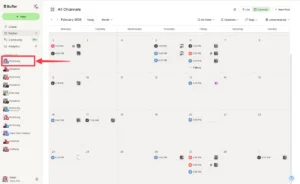
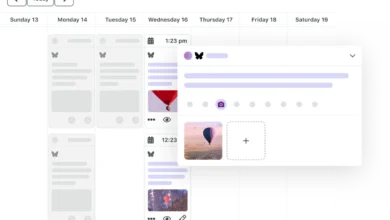
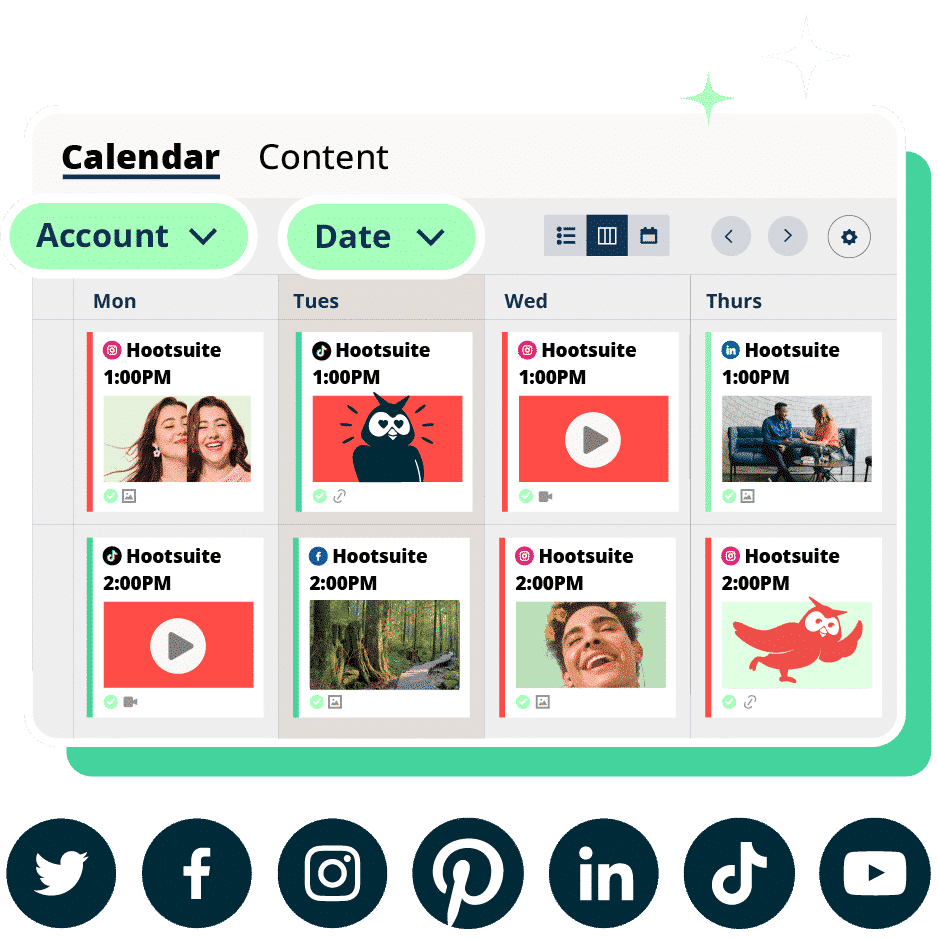
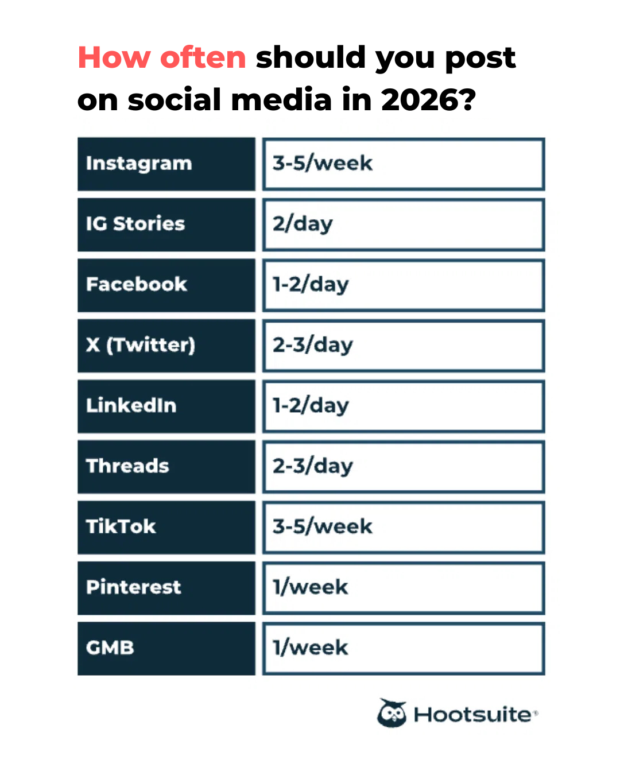
- Systematic Scheduling: Moving away from live, reactive posting is essential for long-term sustainability. By scheduling content in advance, teams can maintain a consistent cadence while allowing for the necessary flexibility to pivot during unexpected news cycles.
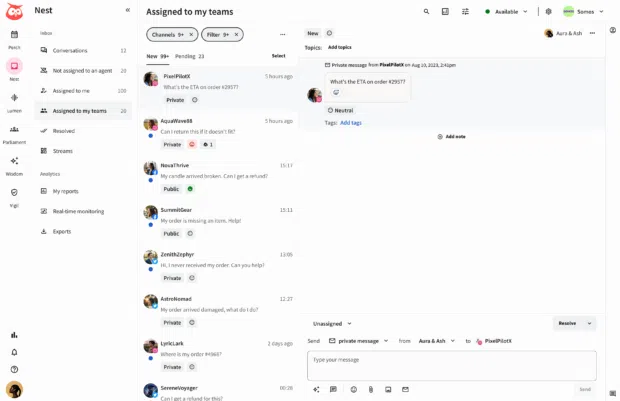
- Unified Inbox Management: Implementing a centralized, AI-supported inbox allows for the prioritization of messages based on sentiment and urgency. This ensures that critical customer service inquiries are resolved promptly, regardless of which platform they originate from.
- Governance and Approval Workflows: For organizations subject to regulatory oversight, robust approval hierarchies are mandatory. These systems ensure that no post goes live without secondary review, thereby safeguarding the organization against legal and brand-related risks.
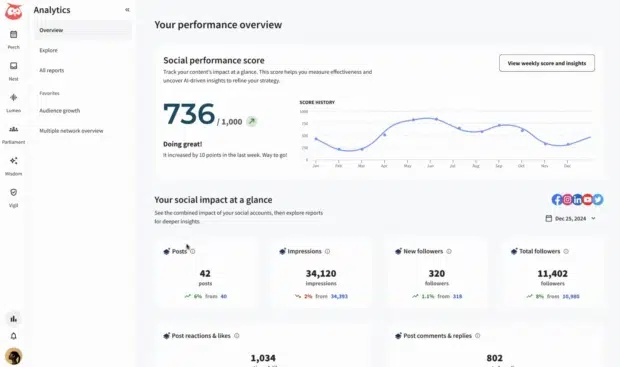
- Performance Auditing: Regular, cross-account performance reviews are vital. By auditing results monthly, managers can identify underperforming assets and adjust strategies before small issues become systemic failures.
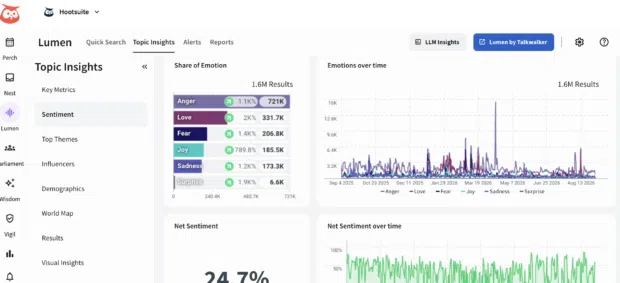
- Active Social Listening: Engagement is the lifeblood of social media. Using social listening tools to monitor brand mentions and industry trends allows teams to participate in relevant conversations proactively rather than waiting for direct interaction.
- Visibility and Reporting: To secure continued investment, social media teams must clearly articulate their impact. Reporting should focus on business-centric metrics, such as lead generation, conversion rates, and the impact of social sentiment on brand equity.
The Role of Artificial Intelligence in Workflow Optimization
The emergence of generative AI has fundamentally altered the economics of social media production. Rather than replacing human strategy, AI serves as an always-on assistant capable of handling repetitive tasks such as resizing images, drafting initial captions, and summarizing vast amounts of sentiment data from listening tools.
Industry experts emphasize that the most effective teams are currently training AI on their specific brand guidelines. By integrating AI layers into existing software, teams can automate the repurposing of content across channels while ensuring the tone remains consistent. The consensus among digital strategists is clear: organizations that fail to incorporate AI into their workflow will find themselves at a distinct competitive disadvantage in terms of speed, cost, and efficiency.
Context Switching and Team Dynamics
One of the most overlooked aspects of multi-account management is the cognitive load placed on the individual practitioner. Switching between the professional, authoritative tone of a B2B LinkedIn profile and the informal, creative tone of a B2C TikTok account is mentally taxing. To combat this, successful teams employ "time-boxing"—dedicating specific blocks of time to individual brands or tasks. This practice, combined with weekly 20-minute editorial syncs, ensures that team members remain aligned on priorities and aware of upcoming campaign milestones.
Furthermore, the clear assignment of roles—who creates, who reviews, and who publishes—is essential. By documenting these responsibilities in a formal social media policy and mapping them to system permissions, organizations can maintain order even as they scale.
Implications for Future Growth
The future of social media management lies in the continued convergence of data and creativity. As social media platforms continue to evolve into primary channels for customer discovery and support, the distinction between "marketing" and "customer care" will continue to blur. Organizations that invest in robust, scalable infrastructure today will be best positioned to capitalize on the increasing complexity of the digital consumer journey.
Ultimately, the goal of managing multiple social media accounts is to build a scalable, resilient operation that provides value to the organization while maintaining the human connection that makes social media unique. By standardizing workflows, leveraging AI, and maintaining rigorous governance, teams can move past the cycle of reactive, high-stress management and into a phase of strategic growth and long-term brand building. Whether a team is managing five accounts or fifty, the principles of organization, alignment, and data-driven adjustment remain the cornerstone of enduring digital success.