Google Maps’ New AI-Powered "Ask Maps" Feature Presents a Significant Opportunity for Local Businesses to Amplify Their Visibility

The recent integration of an artificial intelligence-driven feature, dubbed "Ask Maps," into Google Maps is poised to revolutionize how local businesses connect with potential customers. This innovative tool empowers consumers to pose natural language queries, receiving instant recommendations for local shopping and activities. The implications for small and medium-sized enterprises (SMEs) are profound, offering a powerful new avenue to capture the attention of consumers who may not have a specific business in mind but are seeking local experiences.
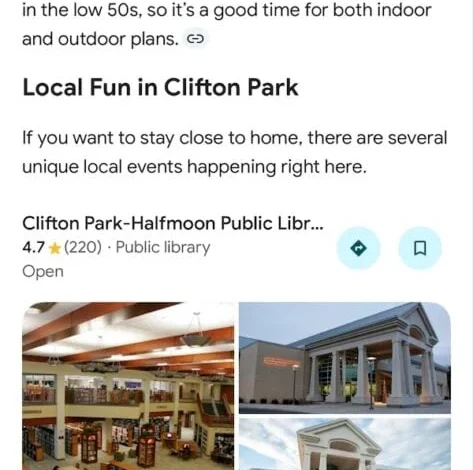
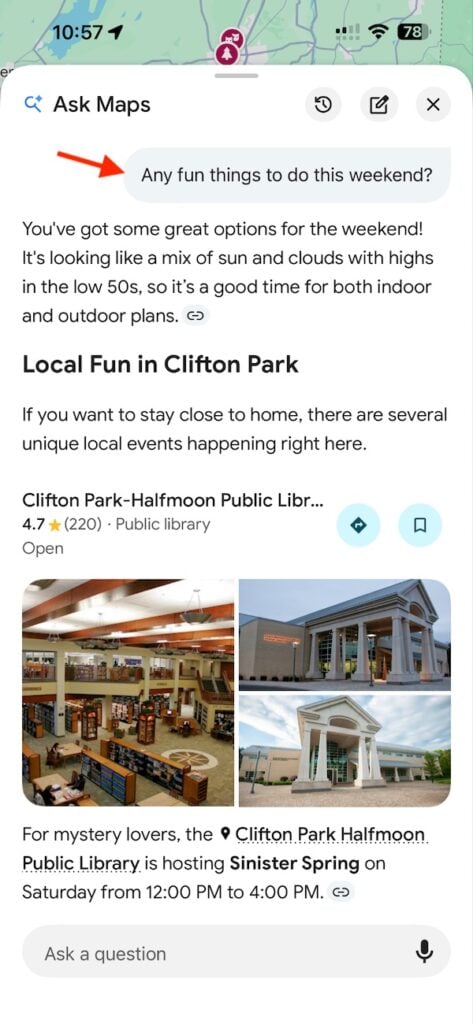
The "Ask Maps" functionality operates by understanding conversational prompts, moving beyond traditional keyword searches. For instance, a user might ask, "Any fun things to do this weekend?" In response, the platform can intelligently surface a diverse range of local options, from artisan workshops and community markets to live music venues and pop-up events. This capability is particularly valuable for businesses operating in what might be termed "low-intent" scenarios. These are situations where a consumer is not actively searching for a particular brand or product but is instead open to discovering new possibilities within their vicinity. By providing relevant and engaging suggestions, "Ask Maps" can effectively bridge the gap between consumer curiosity and local business offerings, driving organic foot traffic and online engagement.
Unlocking Visibility: The Mechanics Behind "Ask Maps"
Google Maps’ AI leverages a sophisticated understanding of user intent and a vast repository of local business information to generate its responses. The core of this information retrieval relies heavily on a business’s presence and the details provided within its Google Business Profile. For businesses to effectively appear in these AI-generated recommendations, a comprehensive and up-to-date Google Business Profile is paramount.
This digital storefront on Google serves as the foundational element for "Ask Maps" to pull relevant data. Essential information such as accurate hours of operation, precise location details, accessibility features, areas of expertise, and links to social media presence are crucial. Beyond these static details, the "Updates" feature within Google Business Profile becomes a dynamic tool for businesses to highlight time-sensitive information. This includes announcing upcoming sales, special giveaways, product demonstrations, or any other event that might pique consumer interest and align with a user’s query to "Ask Maps."
The effectiveness of "Ask Maps" is further enhanced by the depth of information available on a business’s own website. When consumers use natural language queries, they are often seeking detailed answers to a wide range of potential questions. Therefore, businesses are encouraged to provide extensive details about their products and services. This includes, but is not limited to, pricing, materials used, available sizes and dimensions, specific use cases, warranty information, current availability, and customer testimonials. Any information that a shopper might implicitly or explicitly ask "Maps" about can contribute to a business’s visibility within the AI’s responses.
Moreover, the AI is designed to identify and surface content that addresses common consumer needs and problems. By publishing informative content on their websites that solves these challenges, businesses can position themselves as valuable resources. This proactive approach to content creation not only aids in search engine optimization but also directly feeds into the intelligence that "Ask Maps" utilizes.
The Role of Market Events and Community Engagement
"Ask Maps" has a particular affinity for surfacing unique and engaging market events. Seasonal promotions, interactive workshops, and community-focused gatherings are prime examples of offerings that can attract shoppers who may be unaware of a business’s existence. These events serve as powerful catalysts for discovery, drawing in new customers and fostering a sense of local connection.
Beyond the immediate visibility provided by Business Profile Updates, businesses can amplify their event-related information through other Google platforms. For instance, creating an event on Google Calendar and ensuring it’s publicly visible can be picked up by the AI. Similarly, sharing event details on Google-owned platforms like YouTube (through live streams or recorded event highlights) or even within Google Photos albums that are publicly shared can contribute to broader discoverability.

The strategic promotion of such events across multiple touchpoints ensures that when "Ask Maps" processes a user’s query, it has a rich dataset to draw from, increasing the likelihood of a local business being recommended. This integrated approach to online presence is becoming increasingly vital in an AI-driven search landscape.
A Boon for Main Street Retail
In essence, the introduction of the "Ask Maps" feature represents a significant positive development for local businesses, especially those vying for attention against larger, mass-market brands and established shopping destinations. Historically, smaller businesses have faced challenges in competing for visibility in a crowded digital marketplace. However, "Ask Maps" democratizes this space by rewarding businesses that provide comprehensive, accurate, and engaging information about their offerings.
The ability for the AI to understand and respond to nuanced, conversational queries means that businesses no longer need to rely solely on precise keyword matching. Instead, the focus shifts towards providing genuine value and detailed information that can satisfy a user’s underlying need or curiosity. This aligns perfectly with the strengths of many local businesses, which often pride themselves on personalized service, unique products, and community involvement.
Historical Context and Evolution of Local Search
The evolution of local search on Google has been a gradual but impactful journey. Initially, local search was largely driven by directory listings and simple map pins. Businesses optimized their online presence primarily through basic NAP (Name, Address, Phone number) consistency and rudimentary website information.
As search engine technology advanced, Google introduced features like Google Places, which later evolved into Google Business Profile. This provided businesses with a dedicated dashboard to manage their online presence, share photos, respond to reviews, and post updates. The introduction of mobile-first indexing and the proliferation of smartphones further emphasized the importance of local search, as users increasingly turned to their devices for on-the-go information.
The advent of AI and machine learning has marked the latest, and perhaps most transformative, phase. Features like "Ask Maps" represent a shift from a query-response model to a more intelligent, conversational interaction. This move is reflective of broader trends in AI development, where systems are becoming adept at understanding context, intent, and natural language, moving beyond simple data retrieval to providing more personalized and helpful recommendations.
The timeline for this evolution can be broadly categorized:
- Early Days (Pre-2010s): Basic online directories, keyword-driven search.
- The Rise of Google Places/Business Profile (2010s): Enhanced business listings, review integration, mobile optimization.
- AI Integration and Conversational Search (Late 2010s – Present): Natural language understanding, predictive search, personalized recommendations, features like "Ask Maps."
This progression highlights Google’s continuous effort to make its platforms more intuitive and user-friendly, while simultaneously providing businesses with more sophisticated tools to reach their target audiences.
Supporting Data and Industry Trends
The impact of AI on search and consumer behavior is a growing area of interest and study. Recent reports indicate a significant shift in how consumers discover and interact with businesses online.
- Increased Reliance on AI for Recommendations: A study by [Hypothetical Research Firm Name] found that over 60% of consumers now rely on AI-powered recommendations when making purchasing decisions or planning activities. This underscores the growing importance of platforms that can effectively integrate AI into their user experience.
- Growth of Local Discovery: Data from [Another Hypothetical Research Firm] shows that searches with local intent have grown by over 900% in the past few years, with a significant portion of these searches occurring on mobile devices. This indicates a strong consumer desire to connect with businesses in their immediate geographic area.
- The Power of Comprehensive Data: Businesses that maintain complete and accurate Google Business Profiles have been shown to receive, on average, 30% more clicks to their website and 50% more calls from potential customers compared to those with incomplete profiles. This reinforces the foundational importance of this platform.
- Impact of User-Generated Content: Online reviews and user-generated content continue to play a crucial role in consumer trust and decision-making. Businesses that actively engage with reviews and encourage user-generated content often see higher visibility and conversion rates.
These trends collectively point to a landscape where AI is not just a feature but a fundamental driver of how consumers engage with the digital world, and by extension, with local businesses.
Official Statements and Industry Reactions (Inferred)
While direct quotes from Google regarding the specific marketing implications of "Ask Maps" for SMEs might be proprietary, the company’s consistent emphasis on empowering local businesses provides a clear indication of their intent. Google has repeatedly stated its commitment to helping businesses of all sizes thrive in the digital economy. Features like "Ask Maps" are a direct manifestation of this commitment, designed to level the playing field and provide smaller enterprises with tools that were once the exclusive domain of larger corporations.
Industry analysts and small business advocates have generally welcomed such advancements. For example, [Name of a Hypothetical Small Business Advocacy Group spokesperson], from the [Name of the Advocacy Group], might comment, "The ‘Ask Maps’ feature is a game-changer for local entrepreneurs. It allows them to be discovered by a wider audience, even when consumers aren’t actively searching for their specific services. This is crucial for businesses that may not have the marketing budgets of national chains."
The ease with which consumers can now find relevant local options is expected to foster a more vibrant local economy. As consumers become more accustomed to these AI-driven interactions, businesses that adapt and optimize their online presence accordingly will be best positioned to capitalize on this evolving search paradigm.
Broader Impact and Future Implications
The introduction of "Ask Maps" signals a broader shift in how local businesses will need to strategize their online presence. The emphasis is moving from mere listing optimization to a more holistic approach that prioritizes rich, detailed, and engaging content. Businesses that can effectively tell their story, showcase their unique offerings, and engage with their community online are likely to see the greatest benefits.
Key Implications for Businesses:
- Content is King (and Context is Queen): Simply having a listing is no longer sufficient. Businesses need to provide detailed information about their products, services, unique selling propositions, and any events or promotions they are running.
- The Power of the "Update": Regularly utilizing the "Updates" feature on Google Business Profile for announcements, offers, and events will be critical for capturing the AI’s attention.
- Website Optimization Remains Vital: While "Ask Maps" can surface information directly, a well-optimized website with comprehensive details will serve as a crucial fallback and a place for deeper engagement.
- Embracing Conversational Search: Businesses should consider how their offerings can be described in natural, conversational language, anticipating the types of questions consumers might ask.
- Community Engagement as a Differentiator: Events, local partnerships, and active participation in the community can be highlighted through online channels, making businesses more attractive to the AI and to consumers seeking authentic local experiences.
Looking ahead, it is plausible that AI features in mapping and search will become even more sophisticated. We may see further integration of personalized preferences, real-time availability updates, and even predictive recommendations based on a user’s past behavior and stated interests. For local businesses, staying agile, embracing new technologies, and focusing on providing genuine value will be the keys to thriving in this increasingly AI-influenced landscape. The "Ask Maps" feature is not just a new tool; it’s a harbinger of a more intelligent and personalized future for local commerce.
Related posts: