New Android Malware Mantax Otax Combines Ransomware, Advanced Spyware, and Psychological Harassment


Cybersecurity researchers have uncovered a sophisticated and aggressive new strain of Android malware designated as Mantax Otax. This emerging threat uniquely bridges the gap between traditional mobile ransomware and invasive spyware while introducing psychological intimidation and harassment tactics to coerce victims into compliance. Active primarily in Southeast Asia, the malware campaign is orchestrated by operators targeting mobile users through localized phishing messages and direct social engineering vectors.
The discovery, first detailed publicly by mobile security specialists at Zimperium, highlights a growing evolution in cybercriminal methodology on mobile platforms. Rather than relying solely on data exfiltration or silent encryption, Mantax Otax actively terrorizes victims by hijacking device functionality, replacing personal photo galleries with ransom demands, and bombarding users with jarring audiovisual interruptions. As mobile devices increasingly serve as the central repository for personal, financial, and professional lives, the emergence of multi-functional threats like Mantax Otax underscores the urgent need for heightened user vigilance and advanced endpoint security.
Anatomy of an Attack: Delivery and Initial Compromise
The distribution model for Mantax Otax bypasses official vetting channels entirely. Operators do not distribute the malware through the Google Play Store; instead, they rely on traditional sideloading mechanisms. Victims are typically lured into downloading malicious Android Application Package (APK) files hosted on external servers. These downloads are usually precipitated by phishing lures sent via SMS, messaging applications, or fraudulent web portals designed to mimic legitimate services or government notifications.
Once a user downloads and attempts to install the malicious APK, the malware immediately begins setting up its infrastructure for persistence and control. The critical inflection point of the compromise occurs when the application requests permission to utilize Android’s Accessibility service. By exploiting this high-level system feature, which is ostensibly designed to assist users with disabilities, Mantax Otax gains profound, automated control over the device. This includes the ability to simulate user touches, read screen content, navigate menus, and grant itself additional permissions without requiring further user interaction.

Following successful installation and privilege escalation, the malware initiates communication with its external command-and-control (C2) infrastructure. Unlike traditional malware that hardcodes static server addresses, Mantax Otax dynamically retrieves its current C2 domain hosted on GitHub, rendering traditional domain-blocking techniques less effective. Upon contacting the server, the application harvests and transmits a comprehensive profile of the compromised device. This telemetry includes precise location data, cellular carrier information, the specific Android operating system version, and unique device identifiers. To maintain operational flexibility, the C2 server utilizes Firebase services or WebSockets to issue real-time execution commands to the infected handset.
Encryption Capabilities and Platform Limitations
The ransomware component of Mantax Otax represents a calculated effort to monetize the compromise by locking victims out of their personal files. However, the efficacy of this encryption module is heavily dictated by the underlying Android architecture of the target device.
According to Zimperium’s technical analysis, the malware’s file-encryption routine is exclusively functional on devices running Android 9 (Pie) or older operating versions. This limitation stems from a pivotal security enhancement introduced by Google in Android 10 known as "Scoped Storage." Scoped Storage fundamentally altered how applications interact with device storage, strictly isolating app directories and preventing third-party applications from indiscriminately accessing and modifying files across shared external storage locations.
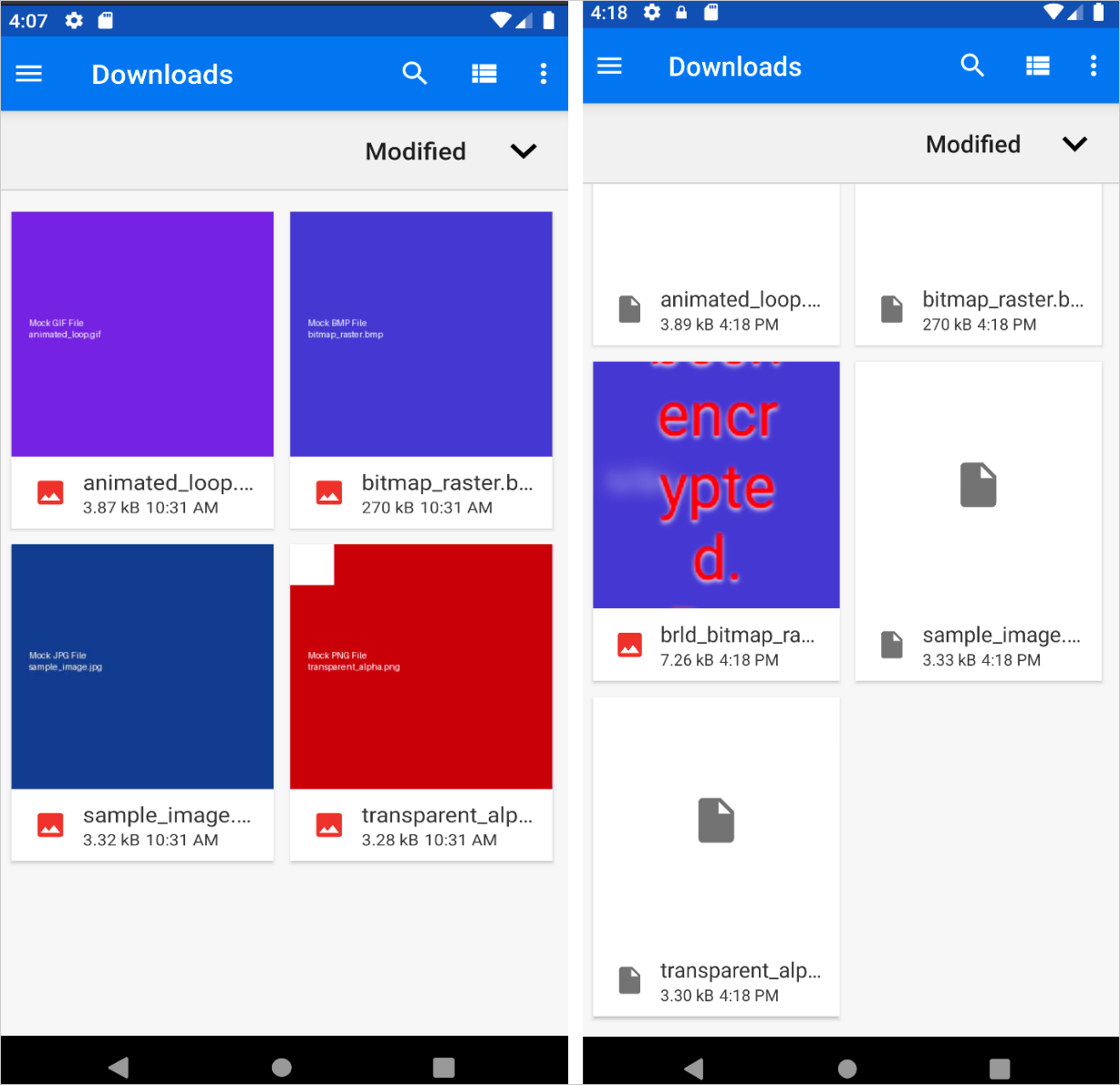
On vulnerable legacy devices, however, Mantax Otax operates with impunity. It systematically scans shared storage directories, locates targeted file extensions, and encrypts them utilizing a victim-specific Advanced Encryption Standard (AES) key retrieved directly from the C2 server. Once the encryption process is complete, the malware deletes the original unencrypted files and appends a ".enc" extension to the newly generated ciphertext copies.
To maximize psychological impact, the malware automatically strips away local images stored on the device and replaces them with custom-generated ransom notes. Simultaneously, it launches a full-screen chat interface hosted via Firebase infrastructure, enabling attackers to directly negotiate ransom payments with the distressed victim. Interestingly, cybersecurity researchers were able to gain critical visibility into the criminal enterprise by identifying a misconfiguration in the attackers’ Firebase C2 server, which inadvertently exposed ongoing extortion chats and historical victim communications.
Spyware Functionality and Deep Data Harvesting
While the ransomware features are limited to older operating system versions, the spyware capabilities of Mantax Otax are universally effective across all supported modern Android iterations. The malware functions as a comprehensive surveillance suite capable of harvesting a vast array of sensitive personal and professional data.
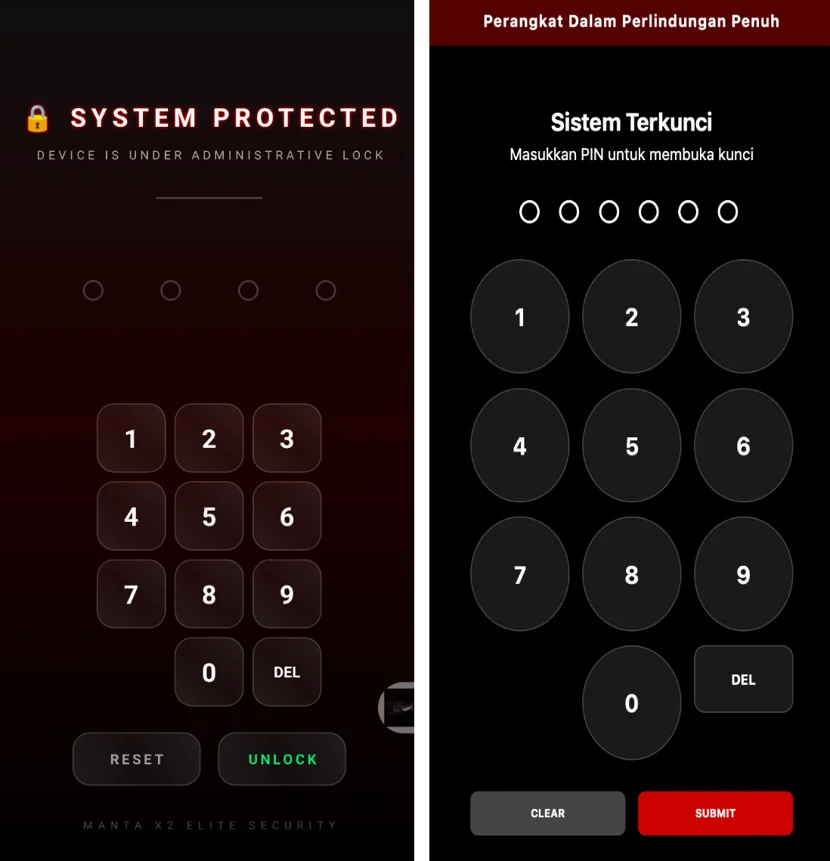
By abusing Android’s Accessibility services and deploying sophisticated screen overlays, Mantax Otax can intercept and record lock-screen PINs, effectively granting the operators persistent backdoor access to the physical device. Furthermore, the malware systematically reads incoming and outgoing SMS messages—including sensitive multi-factor authentication (MFA) and one-time passwords (OTPs)—accesses call logs, synchronizes contacts, maps browsing histories, catalogs installed applications, extracts Google account credentials, and continuously tracks the device’s geographical location.
The spyware module also targets popular third-party communication platforms. By programmatically simulating user interactions through the abused Accessibility permissions, Mantax Otax extracts user profile data and chat histories from encrypted messaging applications such as WhatsApp and Telegram.
Surveillance is not limited to text-based data. The malware actively abuses Android’s native MediaProjection API to capture high-resolution screenshots, record MP4 video files, and stream the victim’s device display in near real-time to external file-hosting services like Catbox. Coupled with the ability to silently capture photographs using the device’s front and rear cameras and upload them directly to the operators, Mantax Otax provides its controllers with an unprecedented level of real-time visibility into the victim’s private life.
Psychological Warfare and Harassment Tactics
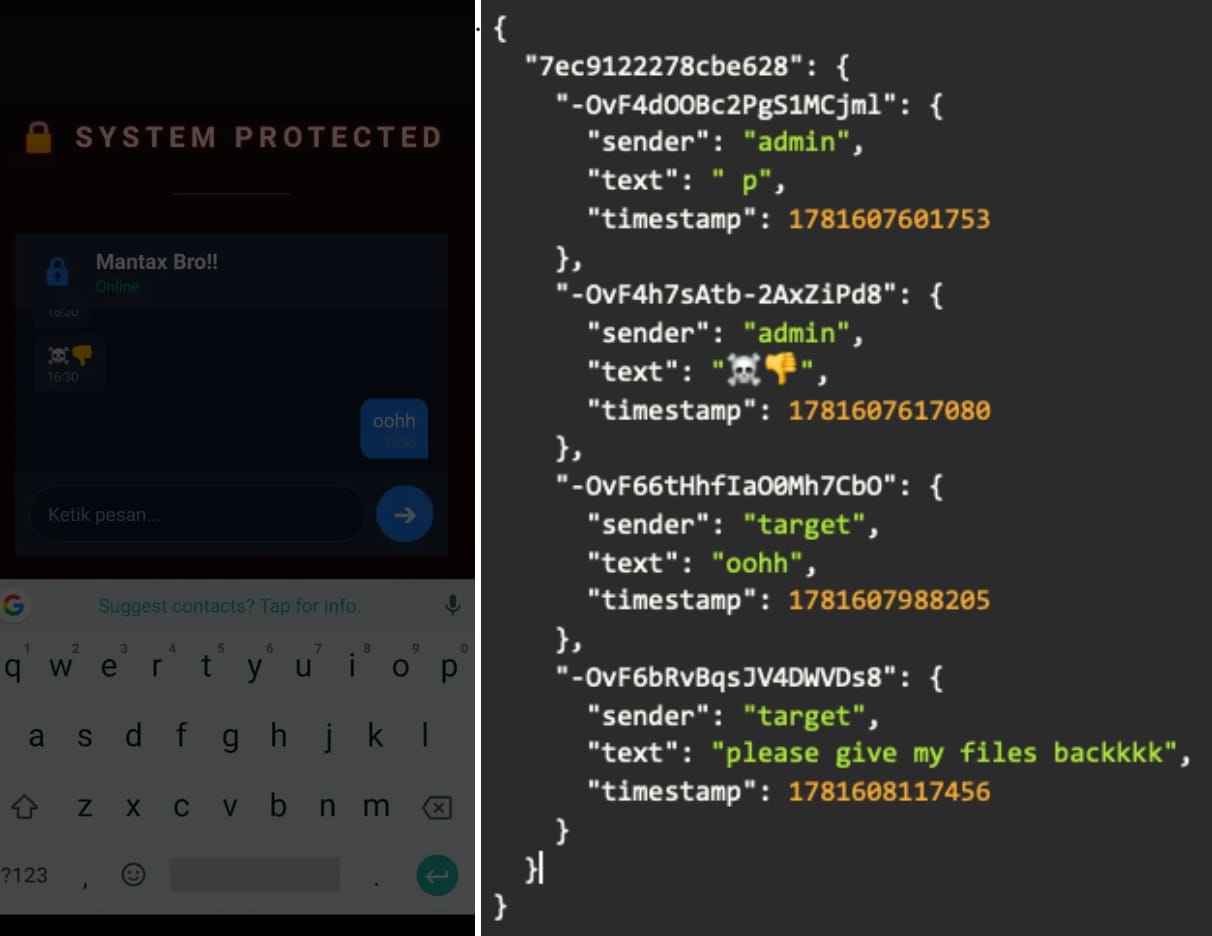
Perhaps the most distinct characteristic of Mantax Otax, particularly observed in its iteration as Version 2, is the heavy integration of psychological harassment and intimidation modules designed to compel payment. Traditional ransomware typically relies on static desktop locks or simple notification banners. Mantax Otax, by contrast, turns the infected smartphone into an active instrument of psychological distress.
The harassment toolkit includes repeated, inescapable dialog boxes that freeze device usability, the forced playback of jarring full-screen videos, and rapid "jumpscare" image overlays designed to startle the user. Additionally, the malware can leverage the device’s text-to-speech engine to remotely trigger synthesized audio messages played loudly through the phone’s internal speakers. These compounding tactics are specifically engineered to elevate the victim’s stress levels, creating an atmosphere of urgency and panic that drives them toward paying the demanded ransom.
Broader Industry Implications and the Evolving Threat Landscape
The emergence of Mantax Otax reflects a broader, troubling trend within the mobile threat landscape: the convergence of distinct malware families into multi-purpose hybrid strains. Historically, mobile threats were cleanly categorized into distinct buckets—banking Trojans, spyware, ransomware, or adware. The success of campaigns like Mantax Otax demonstrates that modern cybercriminal syndicates are adopting an all-in-one approach, maximizing the monetization potential of every single successful device compromise.
Furthermore, the reliance on legitimate cloud infrastructure—such as GitHub for C2 configuration recovery and Firebase for communications and chat management—highlights the ongoing challenge of attribution and mitigation. By leveraging trusted platforms that are routinely whitelisted by corporate and consumer network filters, attackers effectively mask their malicious traffic within normal web operations, complicating the defensive posture of traditional network monitors.
Official Responses and Mitigation Strategies
As an established Google security partner through the App Defense Alliance (ADA), Zimperium’s telemetry and threat intelligence sharing ensured that defensive countermeasures were rapidly integrated into the broader Android security ecosystem. Consequently, Mantax Otax is actively identified, flagged, and blocked by Google Play Protect on up-to-date Android devices, preventing successful execution even if an unwary user attempts to sideload the malicious APK.
Despite automated platform protections, security analysts and industry experts reiterate foundational digital hygiene guidelines to protect against sophisticated hybrid threats. Users are strongly advised to adhere strictly to the following defensive practices:
- Avoid Sideloading: Refrain from downloading and installing APK files from third-party websites, unverified app stores, or unsolicited links received via text messages or social media.
- Scrutinize Permissions: Exercise extreme caution when applications request sensitive system-level permissions, particularly accessibility services, screen recording capabilities, and overlay permissions.
- Maintain Software Updates: Ensure that Android operating systems and security patches are updated to the latest available versions, ensuring the protection of security frameworks like Scoped Storage.
- Verify Publishers: Only download applications developed by reputable, verifiable publishers with transparent development histories and positive community reviews.
As mobile malware continues to evolve in complexity and aggression, campaigns like Mantax Otax serve as a stark reminder of the critical importance of layered defense models, combining robust automated endpoint protection with user awareness and proactive threat intelligence.