July 2026 Software Releases: Comprehensive Overview of Developer Tools, AI Agent Ecosystems, and Productivity Utilities

The software development landscape experienced a notable influx of architectural tooling, agentic artificial intelligence frameworks, and systems infrastructure enhancements throughout July 2026. Developers, systems administrators, and DevOps engineers saw the debut of numerous open-source utilities designed to streamline workflows, optimize resource management, and refine how autonomous coding agents interact with codebase repositories. This month’s technology release cycle emphasized local-first privacy, self-hosted alternatives to prominent software-as-a-service platforms, and advanced compilation strategies that bridge interpreted languages with native execution.

Evolution of AI Coding Agents and Evaluation Frameworks
The proliferation of autonomous artificial intelligence systems in software engineering necessitated new standards for measuring performance, reliability, and code generation quality. Historically, evaluations of coding agents relied primarily on unit test pass rates, which often failed to reflect real-world production readiness.
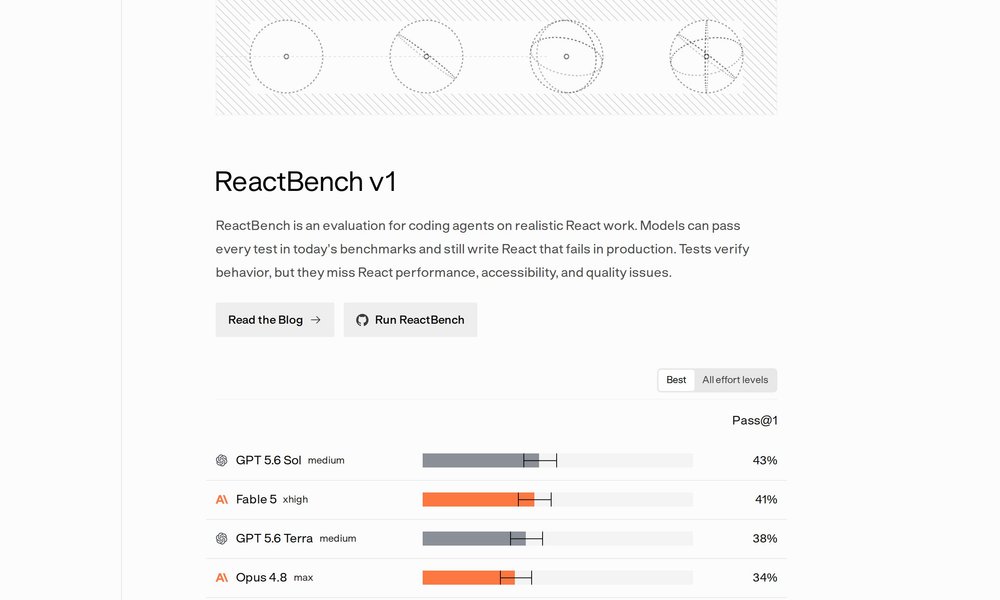
To address this gap, developers released specialized evaluation suites and constraint protocols in July. ReactBench launched as a dedicated benchmark designed to test coding agents specifically on complex React engineering tasks. Rather than measuring isolated algorithmic success, ReactBench evaluates user interface performance, accessibility compliance, and structural component quality. Industry analysts note that such benchmarks provide essential empirical data for engineering teams selecting large language models for frontend development pipelines.
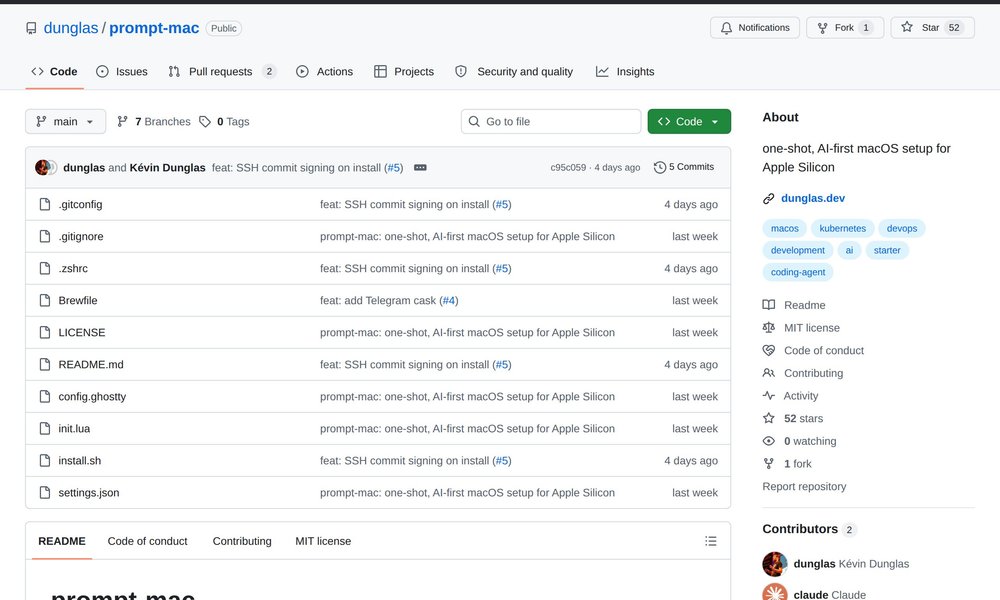
Concurrently, the open-source community introduced rule-based optimization frameworks to curb the verbosity often associated with automated code generation. Ponytail, a specialized ruleset compatible with prominent coding assistants like Claude Code and GitHub Copilot, gained traction by enforcing concise output standards. Benchmarks associated with the project indicated a significant reduction in generated code volume without compromising functional safety or code coverage, addressing enterprise concerns regarding technical debt introduced by generative tools.
Modernizing Development Environments and Local Infrastructure
Local development workflows underwent significant structural improvements with the release of specialized command-line interfaces, compilation pipelines, and containerization dashboards.
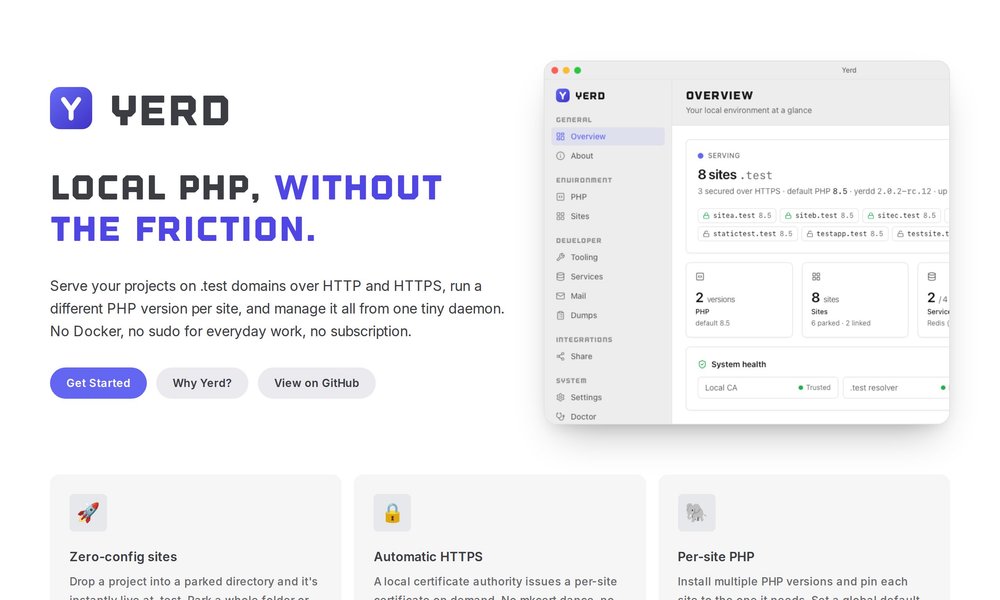
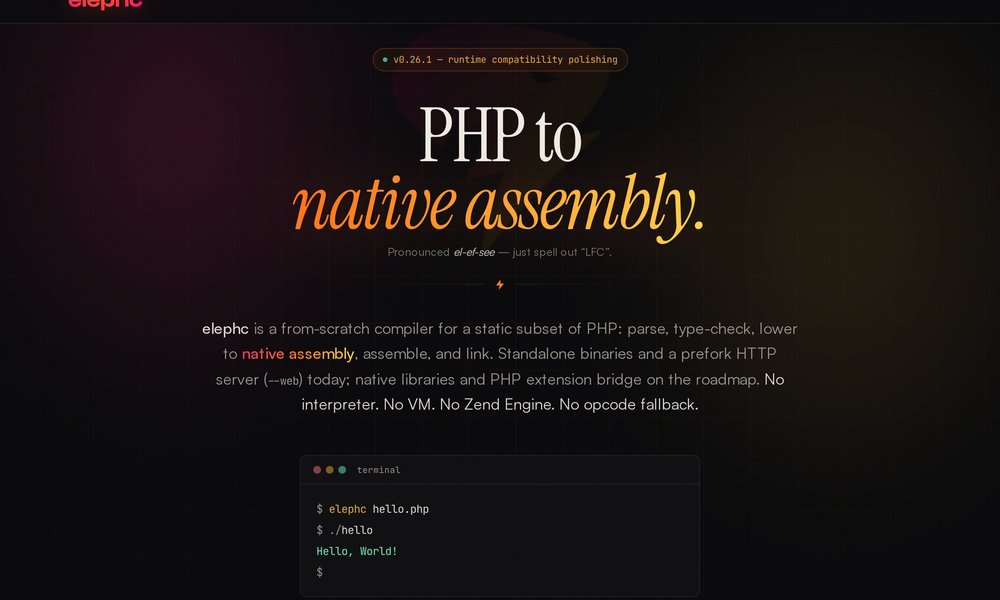
In the PHP ecosystem, developers received two notable infrastructure projects. Yerd emerged as a lightweight desktop daemon for macOS and Linux, offering local management of multiple PHP versions, automated test domain generation with HTTPS, and integrated support for databases such as PostgreSQL, MySQL, and Redis without requiring Docker or Electron runtimes. Meanwhile, elephc introduced a native compilation pipeline for a static subset of PHP, translating code directly into standalone binaries without the overhead of the Zend Engine or standard virtual machine interpreters.
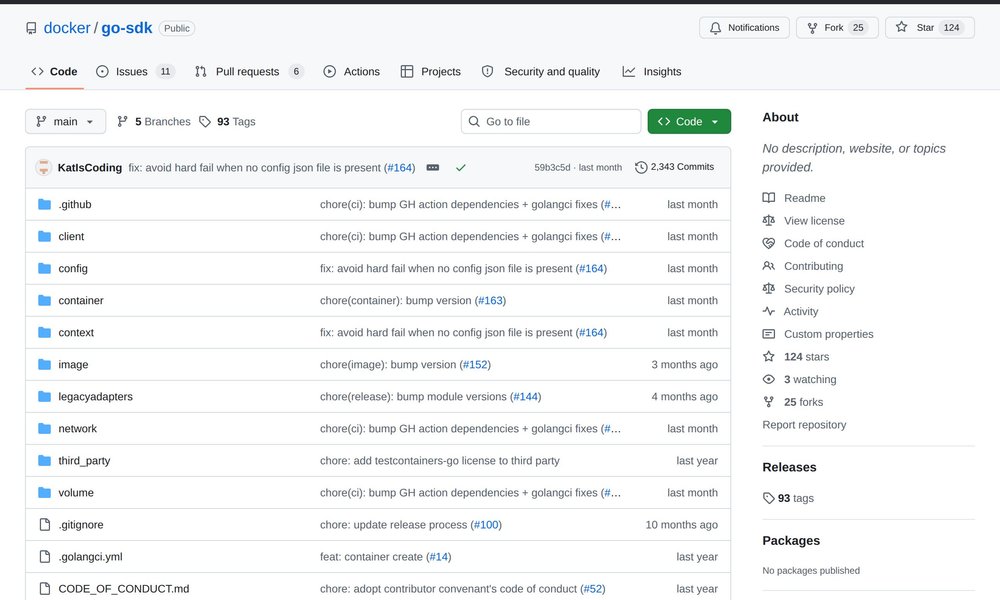
Containerization and remote system management also saw modern GUI and SDK advancements. Contained launched as a native SwiftUI interface for Apple’s native Container command-line utility, providing developers working on Apple Silicon hardware with visual management of images, volumes, and networks. For backend infrastructure integration, Docker published an updated official Go SDK, offering high-level client abstractions for image authentication, container lifecycle management, and automated port allocation.
Network administration and file transfer utilities expanded with the release of TermSCP, a cross-platform terminal user interface supporting secure copy protocols, SFTP, S3 storage buckets, Kubernetes pods, and SMB shares within a single executable.
Decentralized Collaboration and Self-Hosted Security Solutions
A prevailing trend throughout the July 2026 release cycle was the acceleration of self-hosted alternatives to centralized commercial platforms, driven by organizational demands for data sovereignty and credential security.
Shoutrrr debuted as an open-source alternative to enterprise social media management platforms like Buffer and Hootsuite. Designed for deployment via Docker or managed cloud infrastructure, the platform enables synchronized scheduling and cross-posting to multiple networks while enforcing local credential encryption and role-based workspace access.
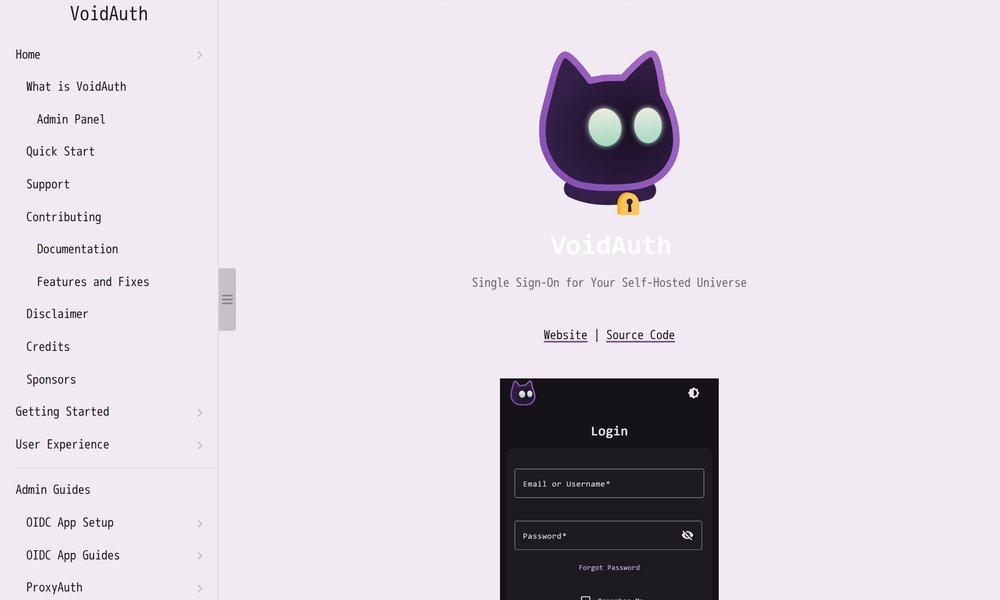
In the realm of identity and access management, VoidAuth established a robust open-source single sign-on framework tailored for self-hosted server architectures. Supporting OpenID Connect, Lightweight Directory Access Protocol directories, cryptographic passkeys, and multi-factor authentication, VoidAuth mitigates the administrative friction of managing credentials across disparate internal services.
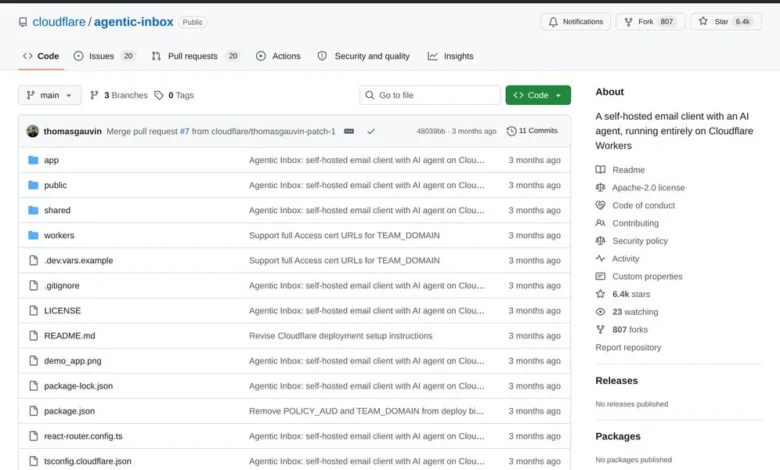
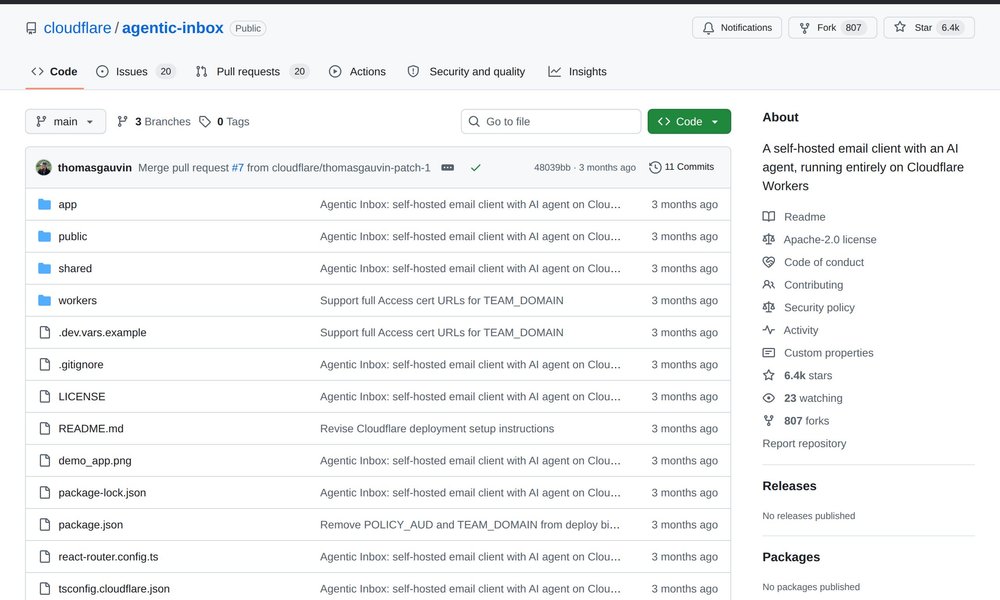
Cloudflare contributed to the decentralized tooling space with Agentic Inbox, a self-hosted email client architecture operating entirely on Cloudflare Workers, Durable Objects, and R2 storage. By routing inbound messages through serverless workers equipped with embedded SQLite instances, the system permits autonomous AI agents to index, search, and draft correspondence without requiring traditional, resource-intensive mail server configurations.
Implications for Industry Standards and Future Deployments
The concentration of releases focused on agentic developer environments, native compilation, and localized infrastructure points toward a broader strategic shift within software engineering. Enterprises are increasingly prioritizing tools that reduce vendor lock-in, enhance local data privacy, and provide deterministic control over autonomous artificial intelligence agents.
Industry observers suggest that the maturation of code evaluation metrics—such as those introduced by ReactBench—alongside strict code-generation constraints like Ponytail, will force model providers to optimize for architectural precision rather than raw output volume. Furthermore, the convergence of high-performance native compilers for interpreted languages and lightweight container GUIs indicates that developers continue to seek maximal computational efficiency with minimal resource overhead. As these open-source utilities transition from beta phases to stable production releases, enterprise adoption will likely accelerate throughout the remainder of the year.