Meta Platforms Inc. Concludes 2022 with Major Algorithm Shifts, Native Scheduling Tools, and Evolving Advertising Infrastructure

The final quarter of 2022 was an exceptionally high-activity period for Meta Platforms Inc., marked by sweeping updates across Facebook, Instagram, Messenger, and the company’s emerging virtual reality ecosystem. Throughout the fourth quarter, the tech giant introduced new Reels functionalities, advanced Groups engagement options, streamlined advertising interfaces, and stringent brand safety protocols. These modifications arrived alongside a broader strategic realignment aimed at guiding marketers and advertisers into 2023 with heightened automation, enhanced machine learning capabilities, and a more cohesive cross-platform user experience.
As digital marketers navigate the complexities of modern social media advertising, Meta’s rolling updates reflect an ongoing corporate transition toward algorithmic efficiency, automated campaign management, and enhanced privacy compliance. A comprehensive examination of the developments implemented from late 2021 through December 2022 illustrates a systematic effort to modernize platform infrastructure in response to shifting consumer habits and regulatory pressures.
The Strategic Shift Toward Short-Form Video and Native Scheduling
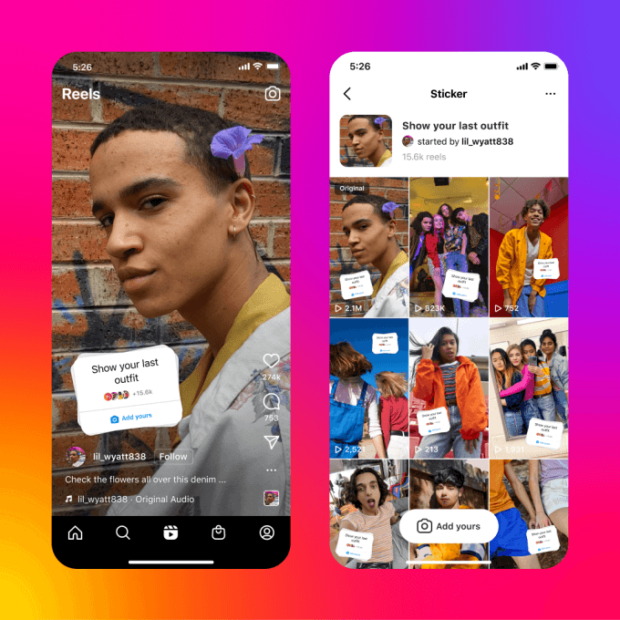
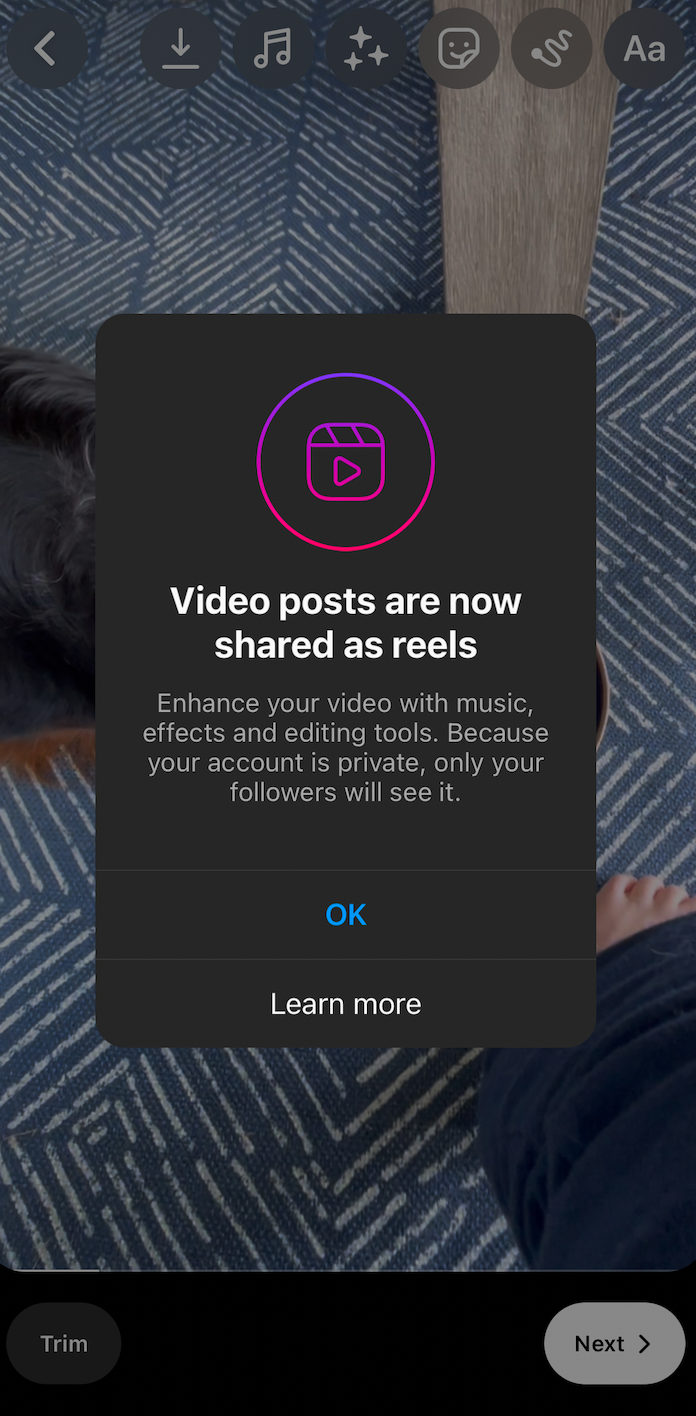
Throughout 2022, short-form video content remained a primary operational focus for Meta. Building on the explosive popularity of Instagram Reels, the company systematically integrated vertical video formats across its primary applications. By mid-2022, Instagram initiated a structural shift wherein standard video posts under 15 minutes were automatically converted into Reels, effectively merging the traditional video and Reels profile tabs. This integration granted all video creators access to advanced mobile-first editing suites, filters, and audio tools.
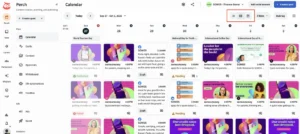
To further streamline content production, Meta addressed a long-standing request from creators and small business owners by launching native content scheduling directly within the Instagram mobile application. Previously restricted to desktop tools or external third-party software, Business and Creator accounts gained the ability to schedule photos, carousel posts, and Reels up to 75 days in advance.
While this native scheduling feature significantly reduced friction for social media managers, platform limitations remained. Certain functionalities—such as native product tagging, cross-posting to Facebook, and direct post-boosting—continued to require manual activation at the time of publication. Simultaneously, Meta expanded third-party developer access by introducing Reels Application Programming Interfaces (APIs). This technical integration allowed approved social media management platforms, including Hootsuite, to incorporate Reels publishing, analytics, and comment moderation directly into their enterprise dashboards.
Evolution of Paid Advertising and the Advantage+ Suite
The evolution of Meta’s advertising architecture in 2022 was heavily defined by the rollout and expansion of the Meta Advantage suite. Designed to consolidate automated ad products under a single operational umbrella, the Advantage suite leverages machine learning algorithms to optimize audience targeting, creative optimization, and budget allocation.
The Advantage+ Automated Ecosystem
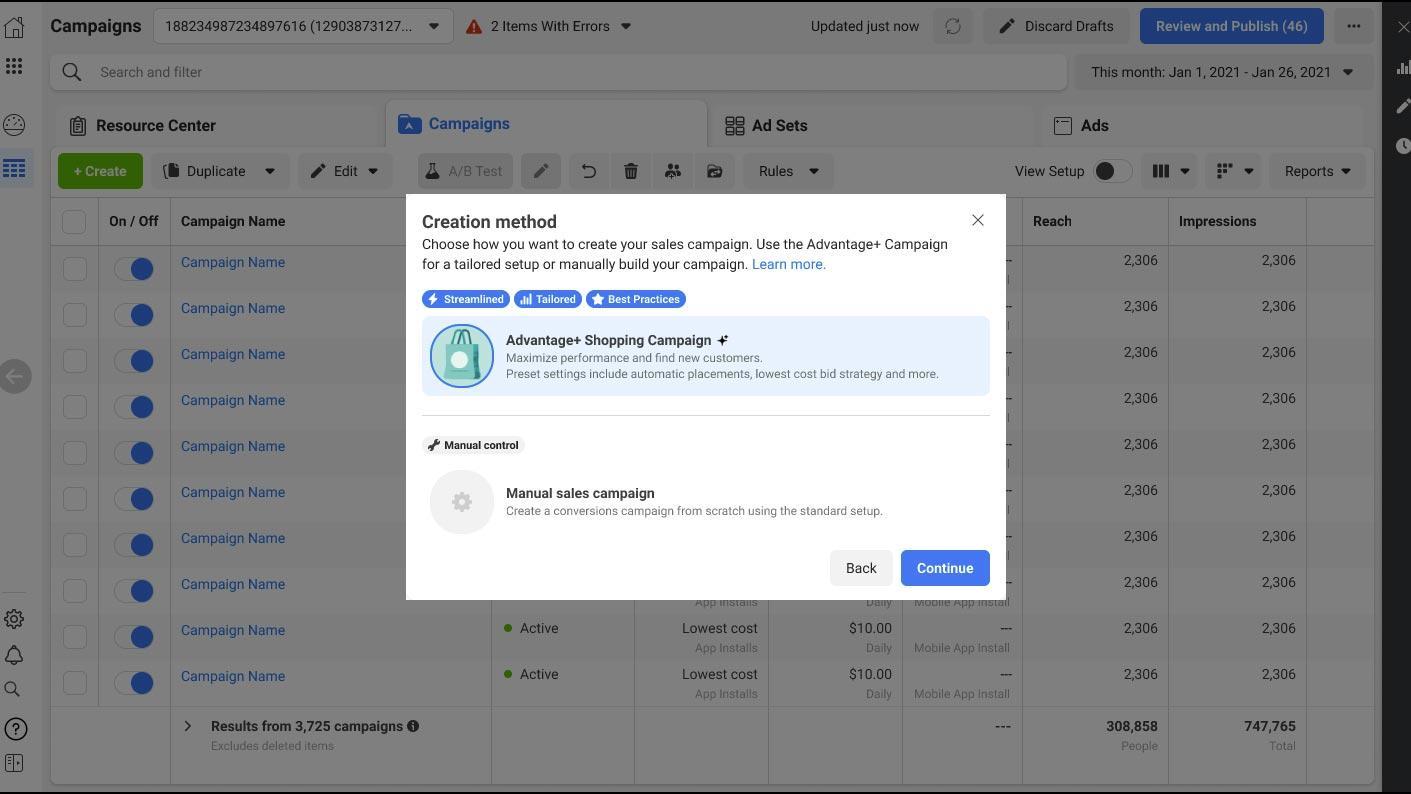
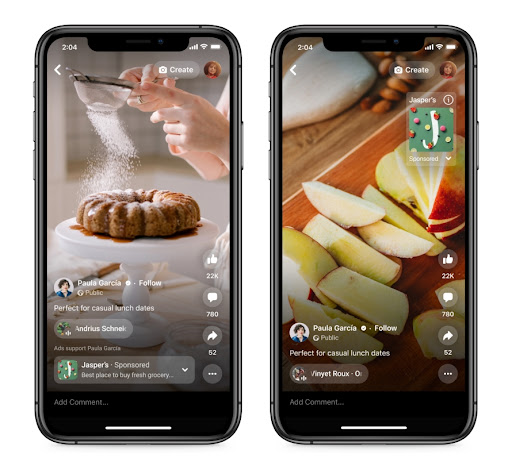
Meta’s introduction of Advantage+ Shopping campaigns in August 2022 represented a significant departure from manual ad creation workflows. By utilizing machine learning to generate and split-test up to 150 creative variations simultaneously, the automated system demonstrated substantial efficiency gains. Internal platform testing indicated that Advantage+ Shopping campaigns yielded a 12% lower cost-per-purchase conversion rate compared to standard, manually configured ad sets.

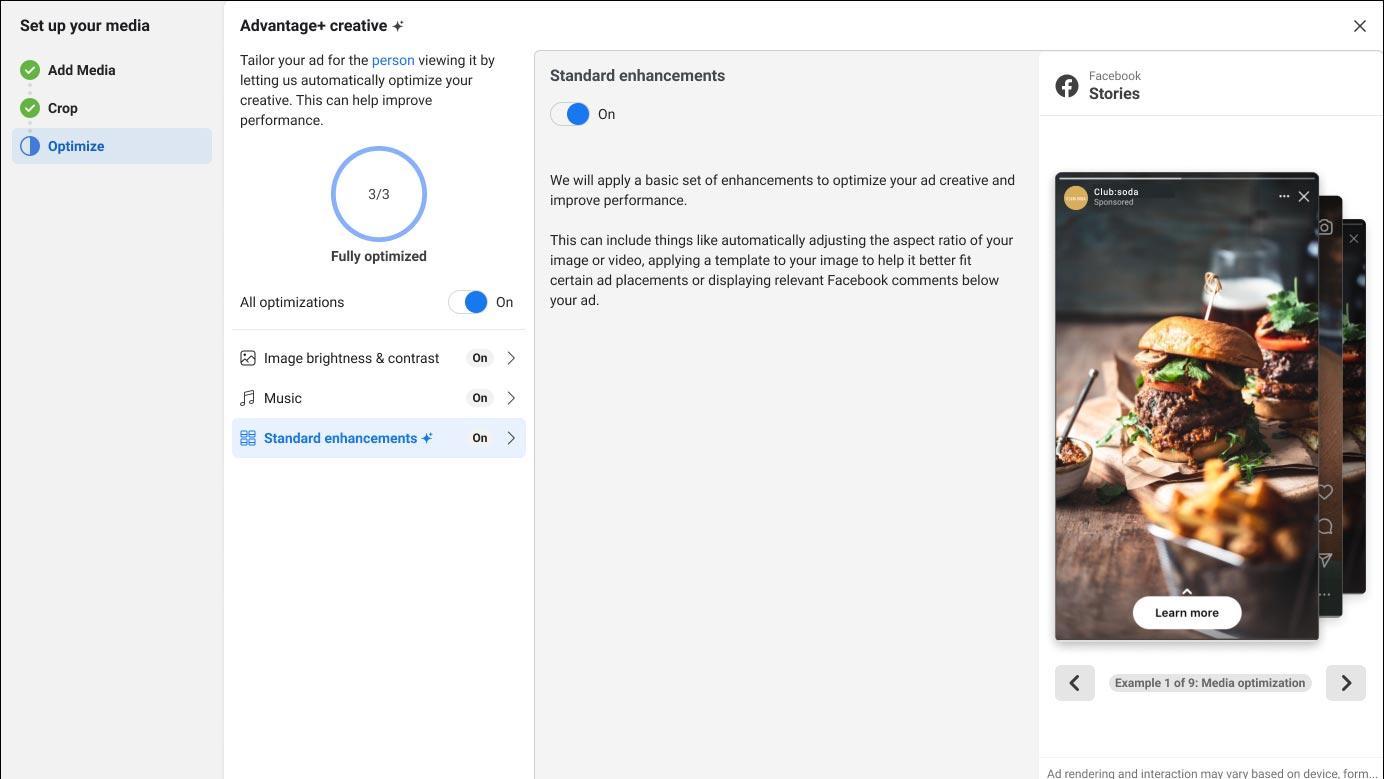
The broader Advantage suite includes two distinct categories: automated campaigns (such as Advantage+ App and Shopping campaigns) and automated features (such as Advantage+ creative and Advantage audience). These tools dynamically adjust visual elements, copy, and audience parameters for individual users based on real-time behavioral data, maximizing the likelihood of conversion.
Regulatory Adaptations and B2B Targeting Enhancements
Amidst ongoing privacy updates—most notably Apple’s AppTracking Transparency (ATT) framework introduced in previous quarters—Meta sought to provide advertisers with alternative targeting methodologies. In late 2022, the company rolled out expanded Business-to-Business (B2B) targeting parameters based on platform-specific job titles and professional interests. These segments were designed to narrow the performance gap between Meta and professional networking platforms like LinkedIn.

Furthermore, Meta overhauled its policies and reporting structures regarding social issues, elections, and political advertising. To comply with rigorous regulatory standards, the company updated its Ad Library to include comprehensive targeting summaries for vetted academic researchers, ensuring transparency while maintaining user data privacy. Additionally, Meta achieved a significant industry milestone in November 2022 when its content-level Brand Safety controls on Facebook received official accreditation from the Media Rating Council (MRC). This accreditation validated Meta’s Partner and Content Monetization policies, reinforcing advertiser confidence in feed and in-stream video placements.
Monetization, Social Commerce, and Community Management
Meta’s monetization frameworks underwent considerable restructuring throughout 2022, balancing creator financial incentives with enhanced on-platform security measures.
Expanding Creator Monetization and Live Commerce
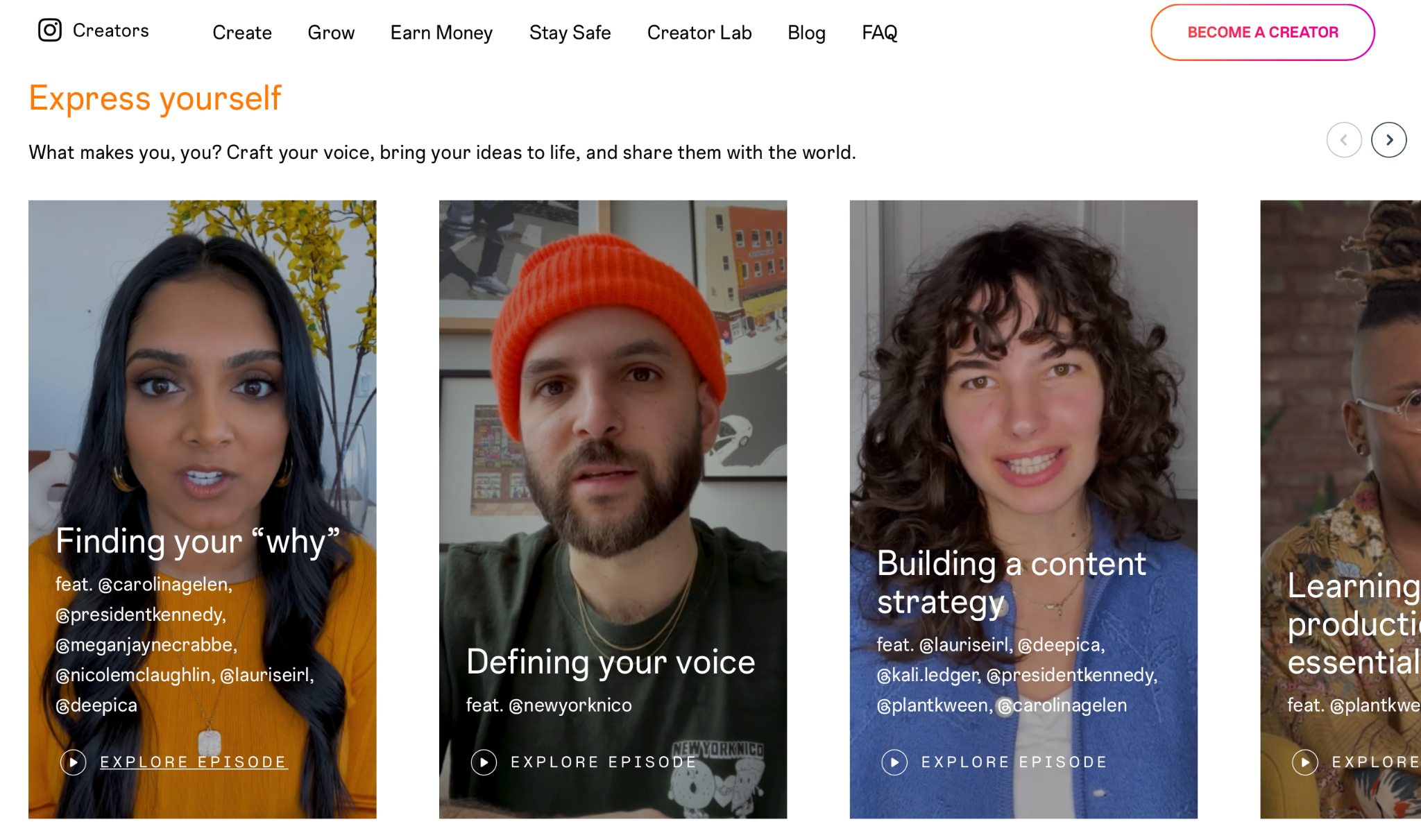
In an effort to retain top-tier talent amidst intensifying competition from rival platforms like TikTok, Meta leadership announced that revenue-sharing models for creators would remain paused through 2024. This policy allowed creators to retain 100% of their earnings from features such as Badges, Subscriptions, and paid online events. Additionally, Meta expanded native monetization options by introducing Instagram Subscriptions, enabling creators to establish recurring monthly revenue streams by offering exclusive content to paying subscribers.
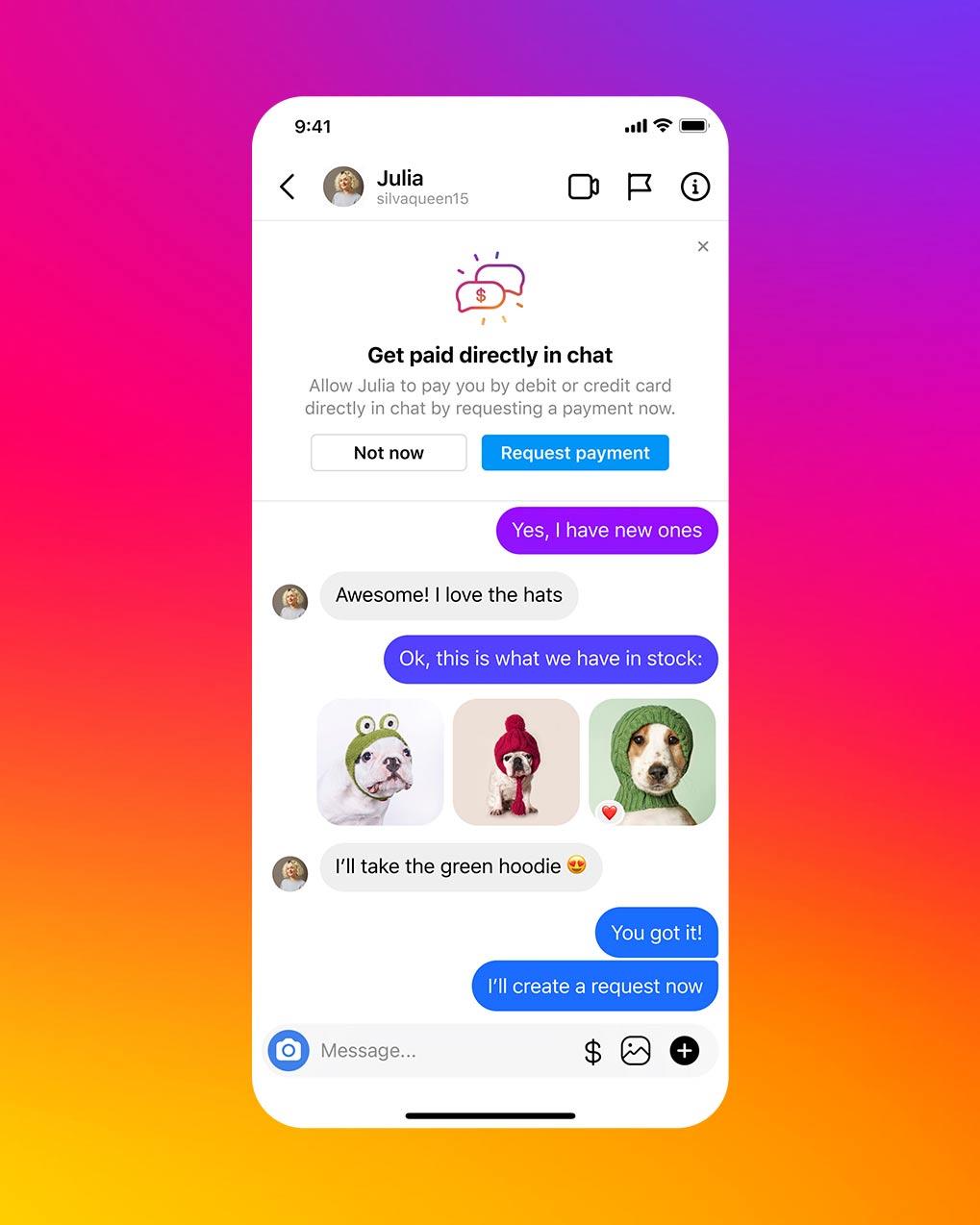
Simultaneously, the platform experimented with direct-response social commerce tools. Instagram rolled out in-chat payment options, allowing eligible business accounts to accept payments and manage invoices directly within Direct Message (DM) threads without redirecting users to external websites. However, the company also demonstrated a willingness to sunset underperforming commercial features; notably, Facebook Live Shopping was officially phased out in October 2022 to redirect technical resources toward Reels-based monetization and short-form video discovery.
Community Governance and Facebook Groups
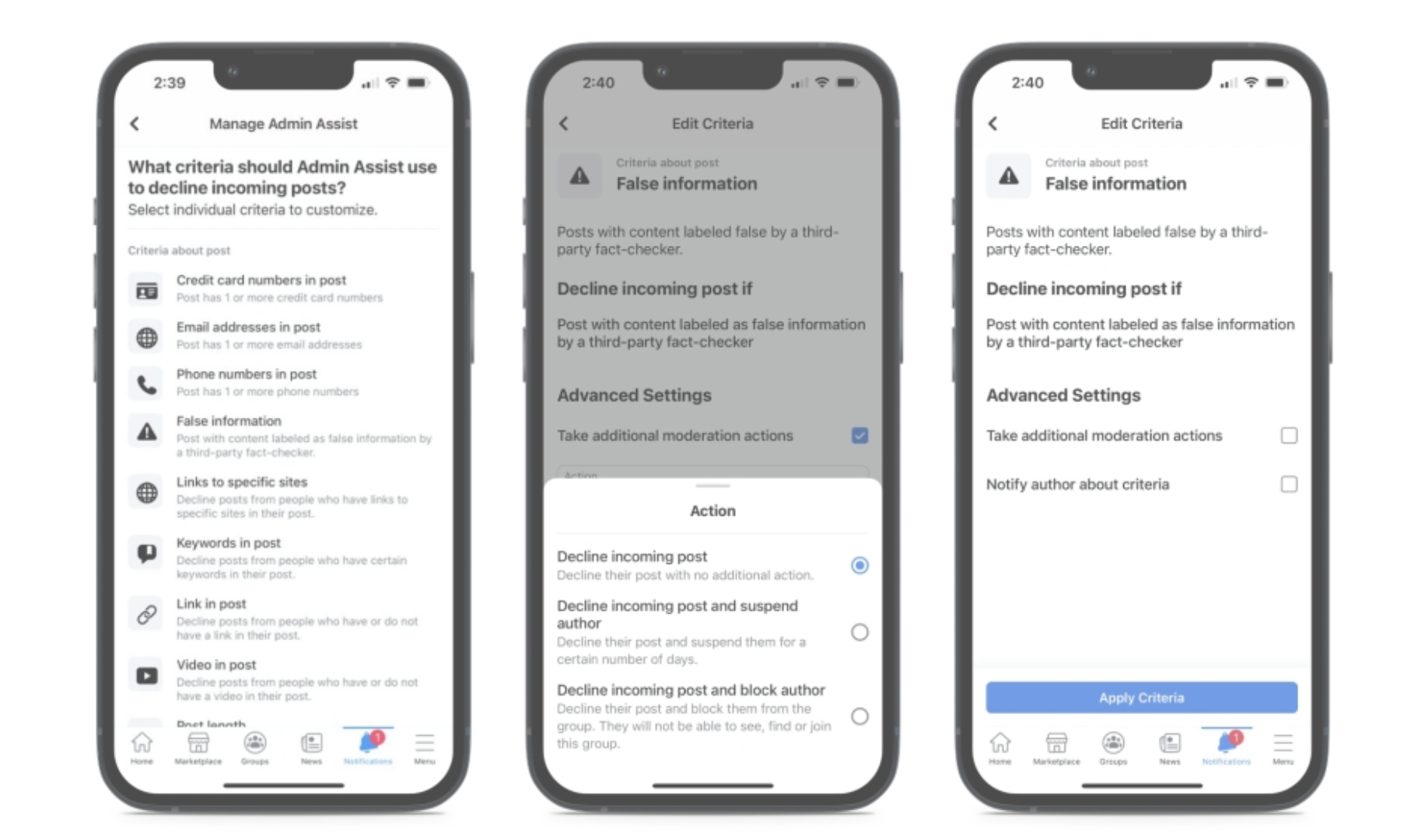
Facebook Groups remained a cornerstone of Meta’s community-engagement strategy. Throughout 2022, the company deployed advanced administrative toolsets, including the Admin Assist center, which enabled group moderators to automate comment filtering, member approval, and keyword blocking. Subscription-based groups were introduced to provide community leaders and brands with viable monetization pathways, while increased newsfeed visibility reinforced Groups as primary drivers of organic engagement.
Future Outlook and Broader Implications for Digital Marketing
As Meta transitions into 2023, the strategic trajectory of the company is characterized by a firm commitment to three core pillars: algorithmic automation via the Advantage suite, the continuous optimization of short-form video formats, and long-term financial investments in the metaverse. Despite skepticism surrounding commercial returns on virtual and augmented reality infrastructure—evidenced by substantial multi-billion-dollar expenditures on projects such as Horizon Worlds—Chief Executive Officer Mark Zuckerberg has signaled no intention of decelerating spatial computing development.
For digital marketers and brand strategists, the cumulative updates of late 2022 necessitate a fundamental adaptation of campaign management practices. The era of hyper-manual audience segmentation is progressively being supplanted by machine-learning-driven optimization. Success within Meta’s ecosystem now requires a dual focus: producing high-performing, native short-form video content tailored for Reels, and relinquishing granular control to automated algorithms designed to identify high-intent consumers at scale.
As regulatory frameworks surrounding data privacy continue to evolve globally, Meta’s ongoing refinement of brand safety controls, zero-party data collection methods, and automated ad delivery systems will dictate the efficacy of social media marketing in the digital economy.
Related posts: