Mastering TikTok Marketing in 2026: A Comprehensive Strategy for Brand Growth and Digital Commerce

As of 2026, TikTok has firmly transitioned from a platform defined by viral dance trends into a sophisticated, multi-billion-dollar engine for global commerce and consumer discovery. With an advertising reach exceeding 1.59 billion users, the platform now serves as a critical touchpoint for brands ranging from small enterprises to multinational corporations. As users continue to dedicate significant time—averaging 44 hours per month in the U.S. alone—to the platform, the imperative for businesses to develop a robust, data-driven TikTok strategy has never been greater.

The Evolution of TikTok as a Commercial Ecosystem

The platform’s growth trajectory has been marked by a strategic shift toward integrated shopping experiences. Features like TikTok Shop and the platform’s internal search engine have transformed the user journey, allowing for a seamless transition from discovery to purchase. This shift is substantiated by projections indicating that TikTok will generate over $17 billion in U.S. ad revenue in 2026. For marketing professionals, this means the platform is no longer merely a top-of-funnel awareness tool; it is a direct-conversion channel.
Despite ongoing regulatory discussions regarding ownership and data governance in specific markets, the platform’s operational status remains steady. Market experts advise that while brands should maintain a posture of flexibility, the sheer volume of high-intent traffic makes TikTok an essential component of any modern omnichannel marketing mix.

An Eight-Step Strategic Framework
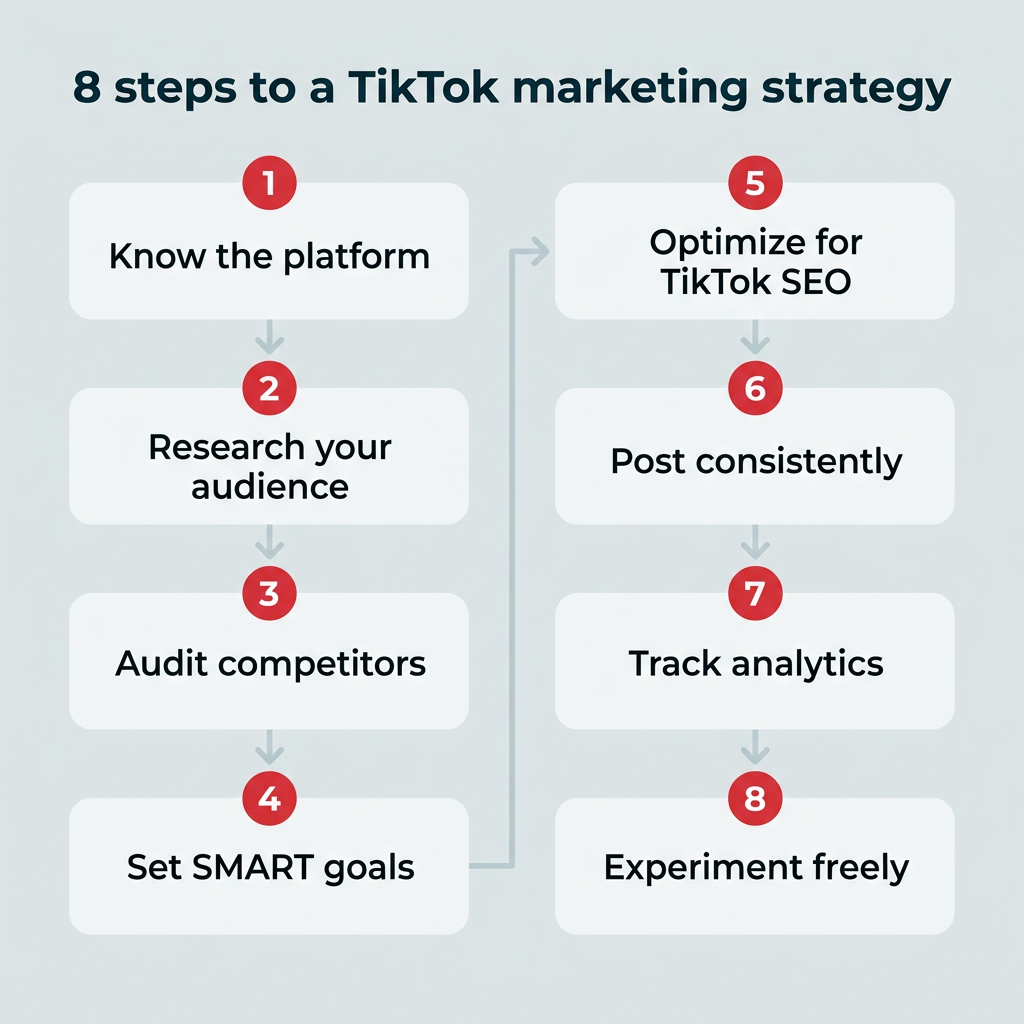
For organizations looking to formalize their presence, a structured approach is required to ensure long-term sustainability and ROI.
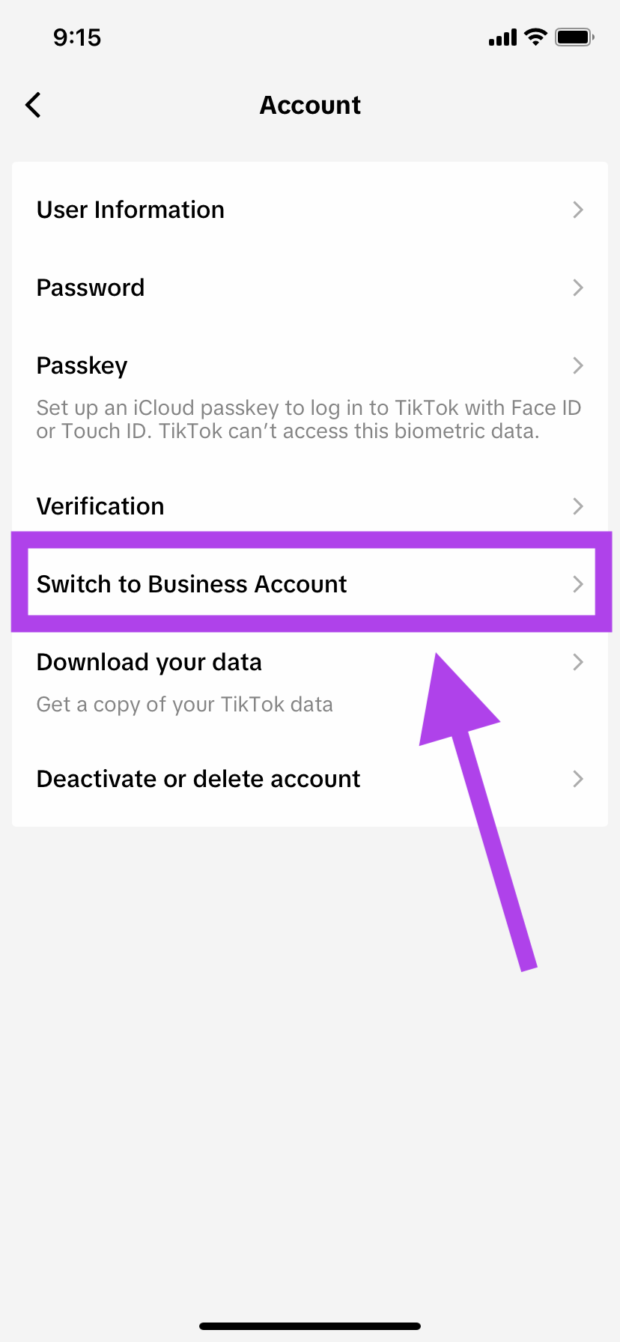
- Deep Platform Familiarization: Before deploying capital, teams must understand the nuances of the algorithm. The "For You" feed remains the primary discovery mechanism, prioritizing content based on relevance and engagement rather than follower count.
- Audience Segmentation: While often associated with Gen Z, current data shows that 37% of U.S. adults are active on the platform, with a significant user concentration in the 25–34 age demographic. Brands should leverage native audience insights to tailor messaging to these distinct segments.
- Competitive Auditing: A thorough S.W.O.T. analysis of peer organizations and category-specific influencers provides a baseline for performance. Understanding the content styles, audio trends, and engagement tactics used by competitors is essential for identifying white space in the market.
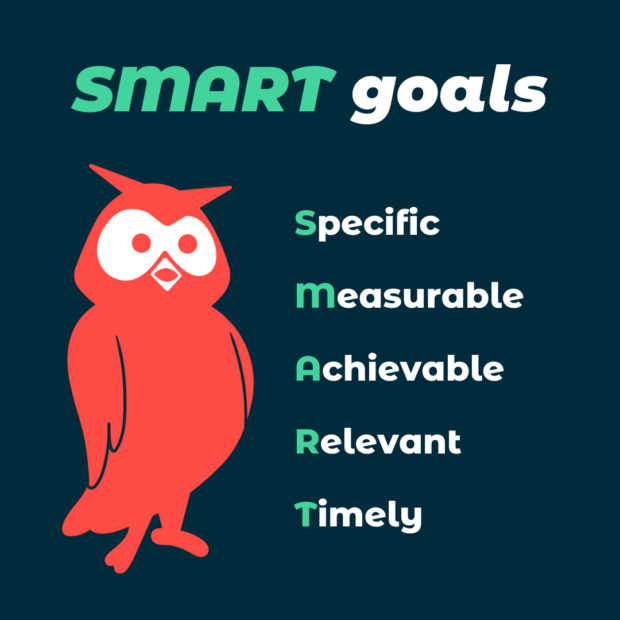
- Setting S.M.A.R.T. Objectives: Strategy must be aligned with tangible business outcomes. Whether the goal is to increase website traffic by 25% or to secure 500 leads via TikTok Shop, objectives should be Specific, Measurable, Attainable, Relevant, and Timely.
- Search Engine Optimization: Nearly half of all consumers now utilize TikTok as a search engine. Optimizing video captions, on-screen text, and hashtags with relevant keywords is critical for discoverability.
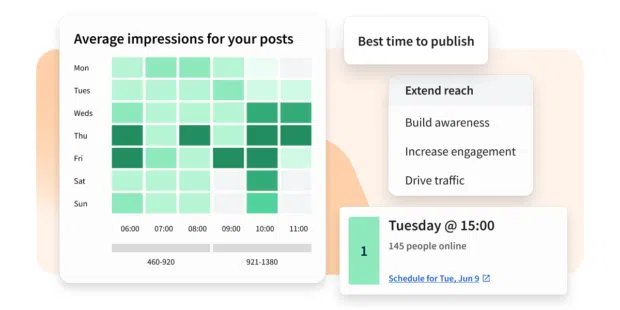
- Consistent Cadence: The algorithm favors fresh content. Data suggests that posting 3–5 times per week is the optimal frequency for maintaining visibility.
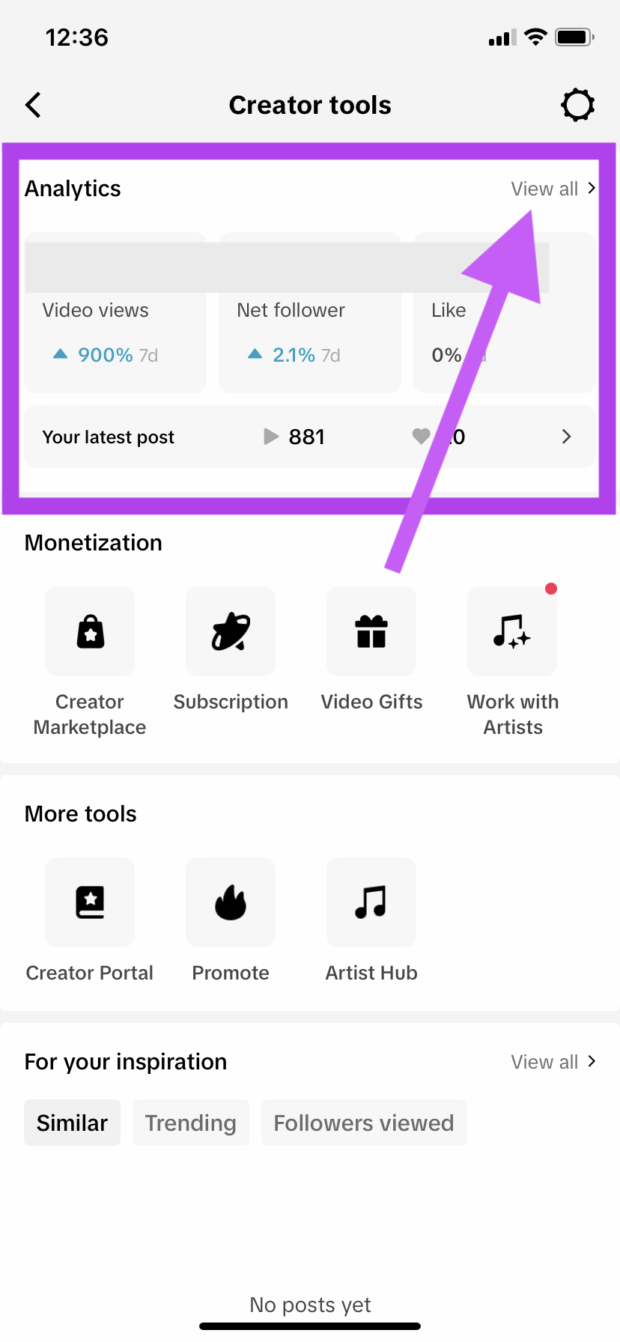
- Performance Tracking and ROI Analysis: Beyond vanity metrics like views, teams must prioritize conversion rates and cost-per-acquisition. Integrating TikTok performance into a broader social media operating system allows for better data attribution.
- Iterative Experimentation: The platform is inherently unpredictable. Successful brands treat their strategy as a living document, testing new formats—such as live streaming—and pivoting based on real-time performance data.
The Role of Influencer and Affiliate Marketing
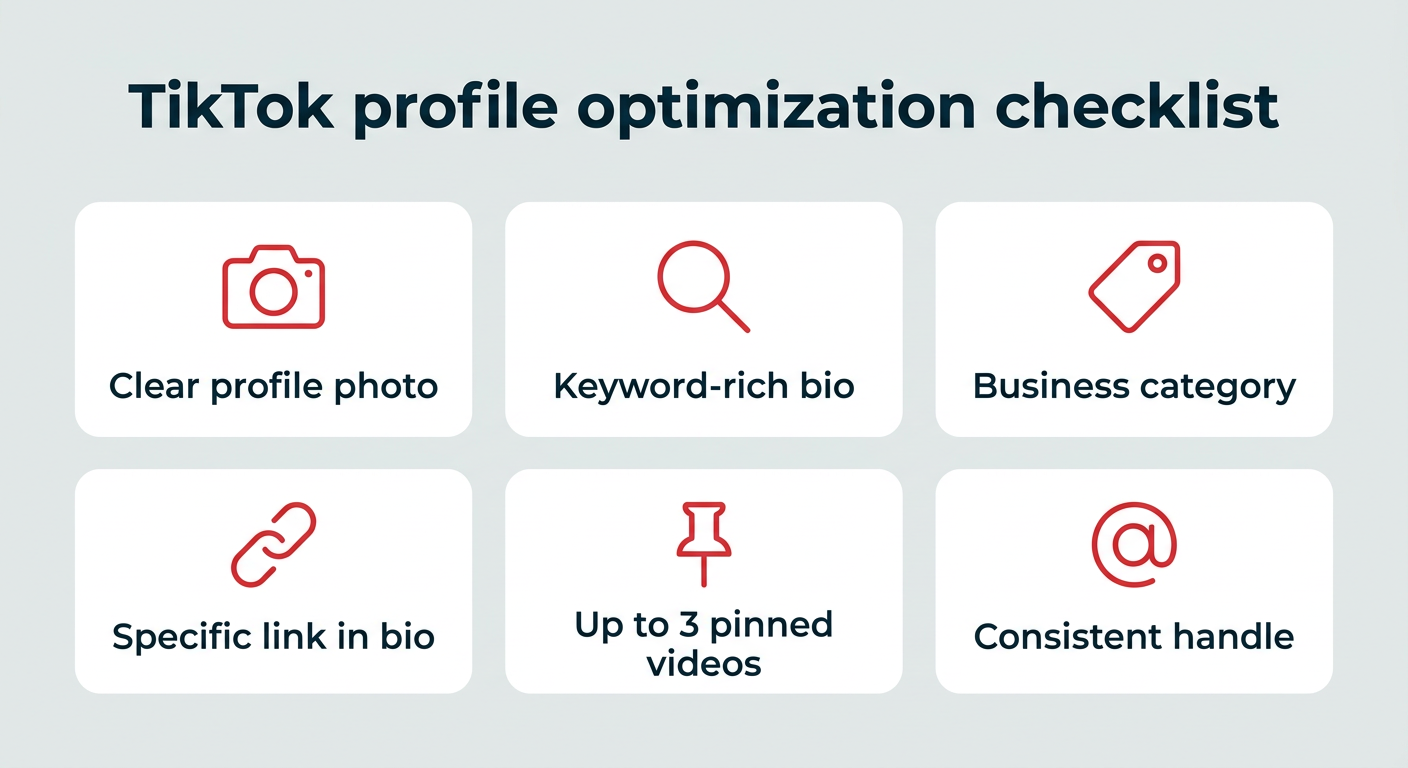
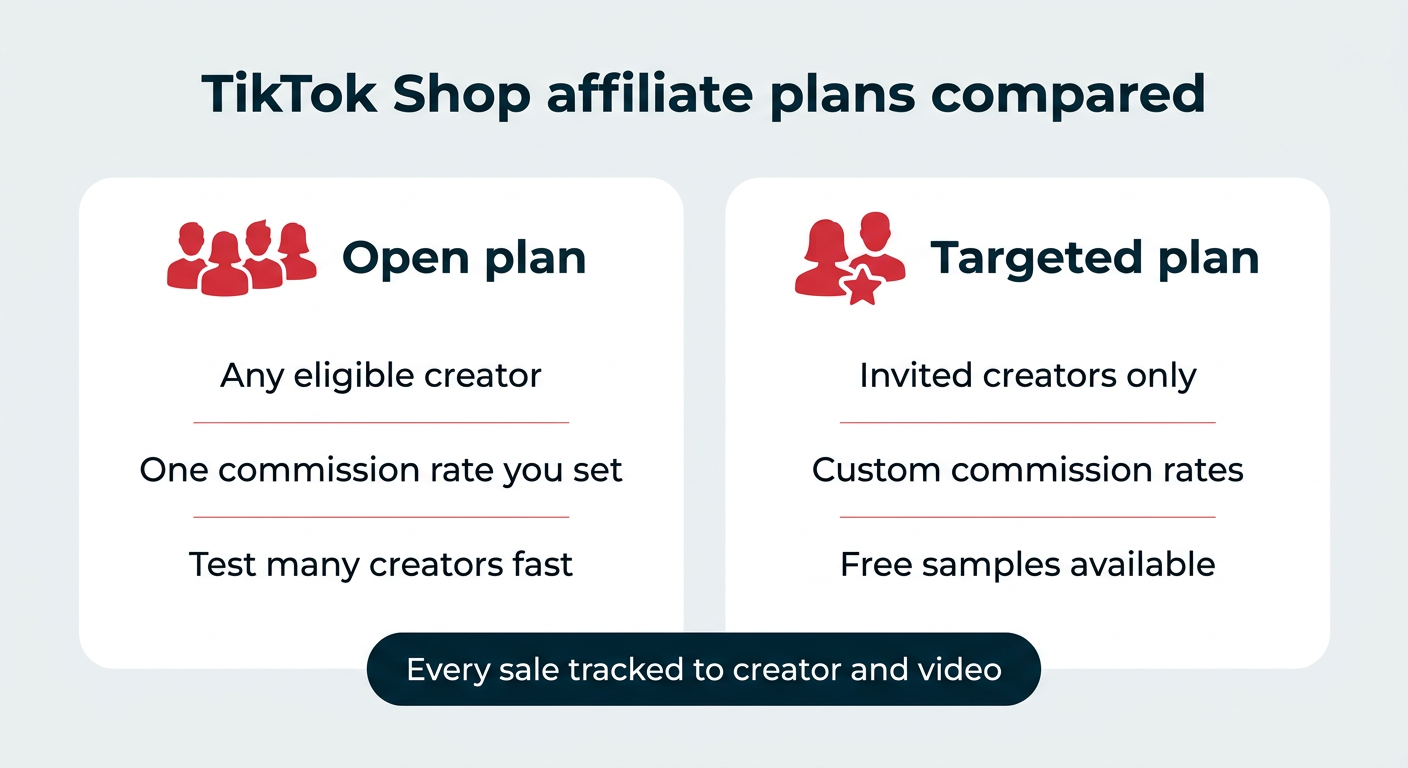
Influencer marketing on TikTok has moved beyond simple product placement into highly trackable, performance-based partnerships. Through the TikTok Shop affiliate marketplace, brands can establish commission-based collaborations where sales are directly attributed to specific creator videos. This model allows brands to test multiple creator partnerships simultaneously, scaling investment only when results are verified.
Industry analysts note that this shift to performance-based marketing is a significant maturation of the creator economy. Brands are no longer just paying for reach; they are paying for verified conversions, which simplifies the process of tying marketing spend to revenue growth.
Content Best Practices: The 3-Second Rule
Content creation on TikTok demands a unique creative approach. The "3-second rule" remains the industry standard: the first three seconds of a video must contain a compelling hook to prevent the user from scrolling. This hook should be followed by a clear, concise message and a direct call to action.

Furthermore, brands that lean into authenticity—often referred to as "Lo-Fi" content—frequently outperform high-production commercials. Behind-the-scenes footage, unscripted responses to customer comments, and participation in community-led memes humanize a brand and foster trust. When a brand attempts to over-produce content, it often creates a "corporate" barrier that disconnects the viewer from the brand’s personality.
Advertising Strategy and Ad Formats
For organizations requiring more immediate reach, TikTok Ads Manager offers a suite of sophisticated targeting options. From In-Feed ads to TopView placements and Spark Ads, which boost organic content, the platform allows for granular control over audience demographics, interests, and behaviors.
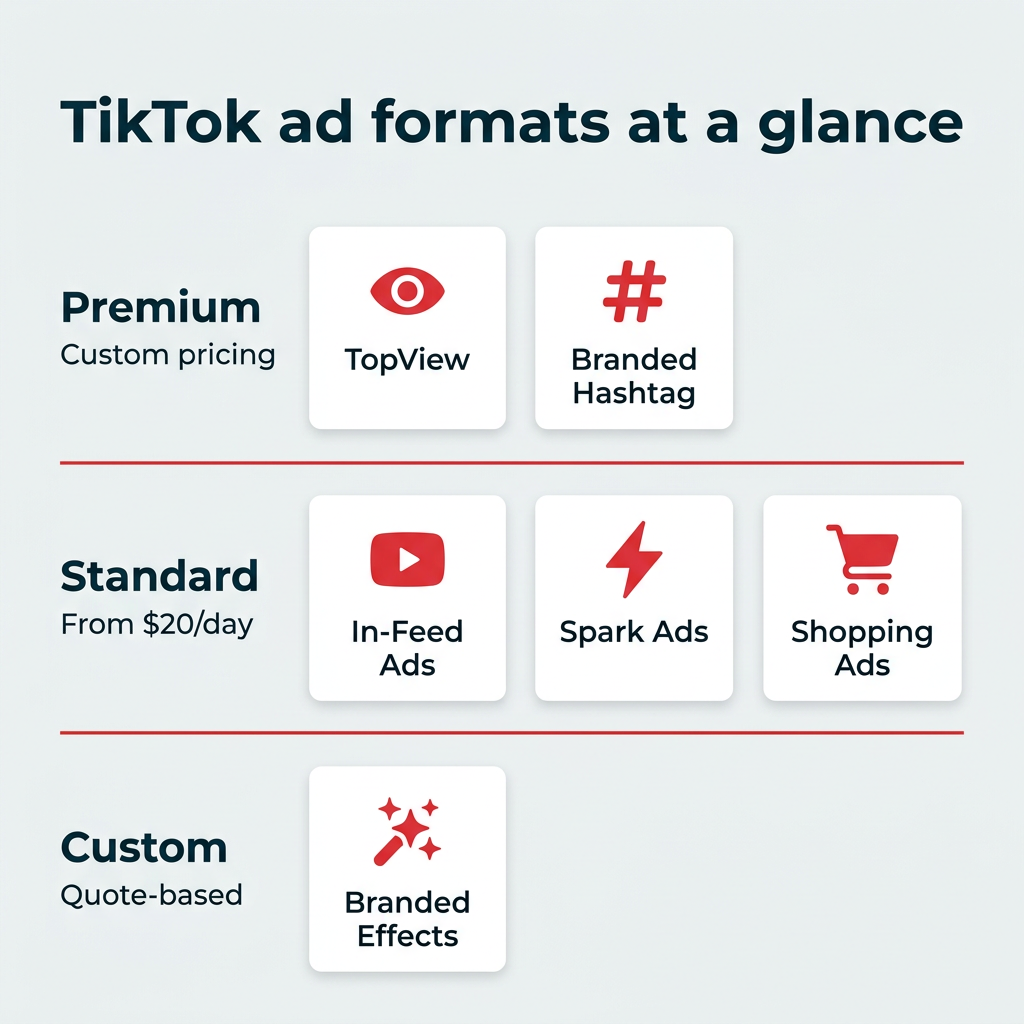
The minimum investment threshold—$20 per day at the ad group level and $50 at the campaign level—makes the platform accessible to a wide range of budgets. However, premium placements like Branded Hashtag Challenges require significantly higher investment and custom negotiation. The most successful advertising strategies integrate these paid placements with organic efforts, using Spark Ads to amplify content that has already shown high organic engagement.

Navigating Risks and Common Pitfalls
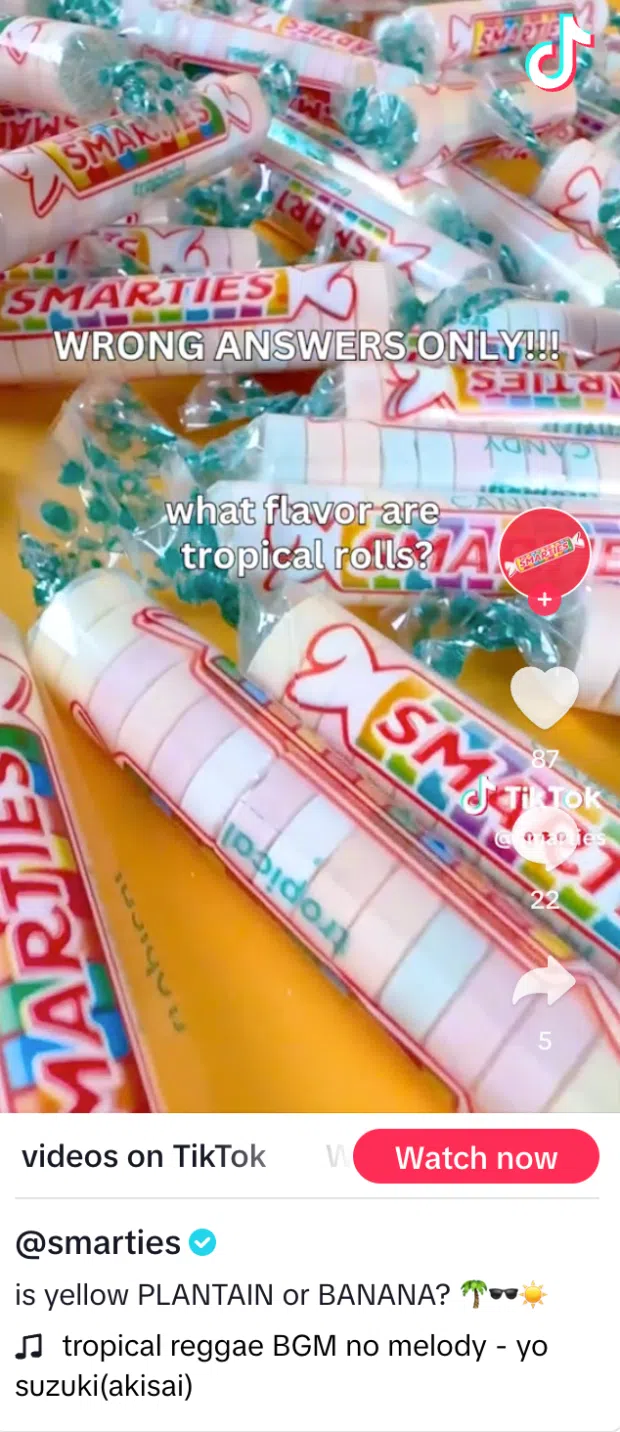
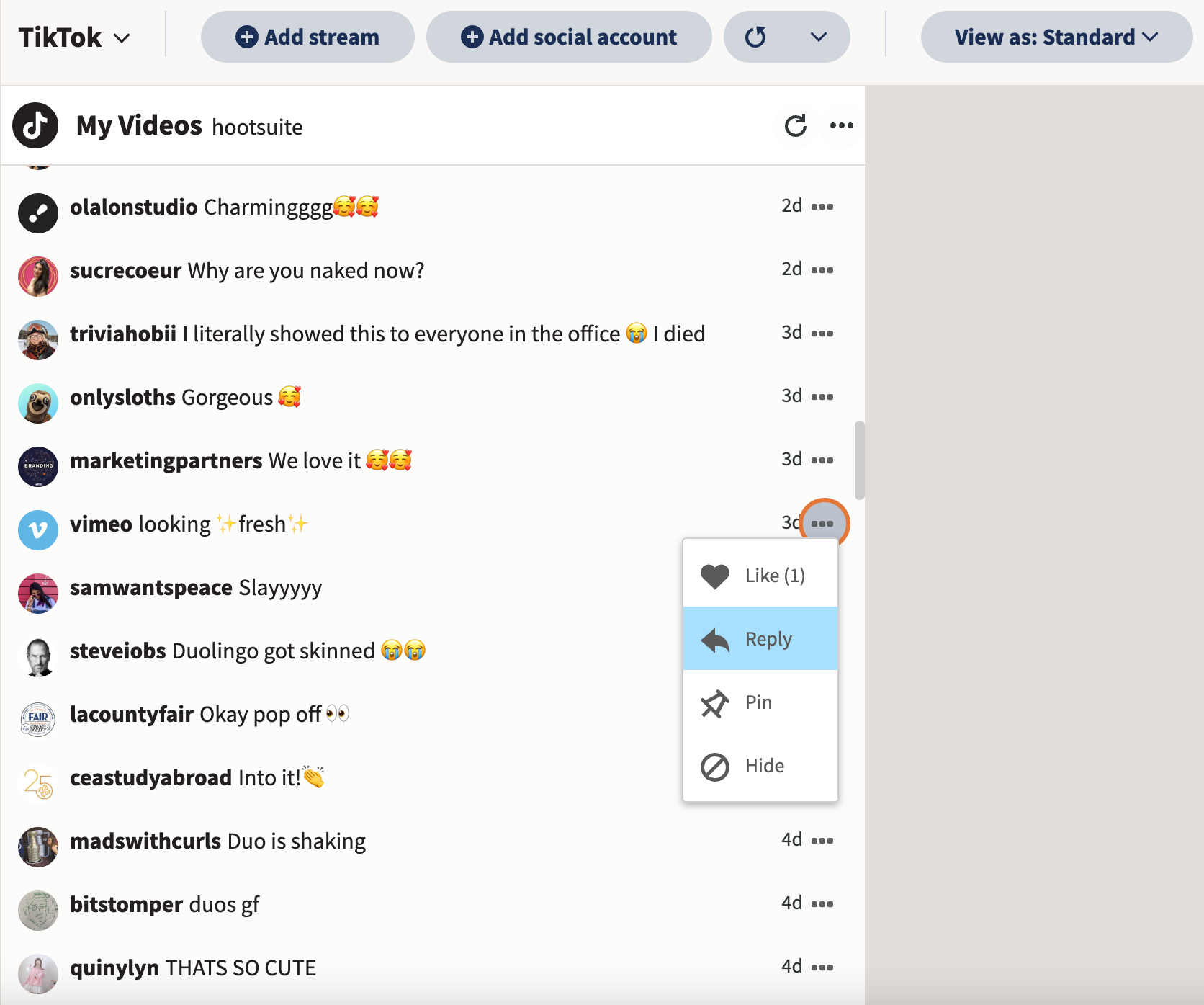
A common mistake for brands is attempting to treat TikTok like an extension of other social platforms. Content that performs well on LinkedIn or Facebook rarely translates to TikTok without significant adaptation. Another frequent failure is ignoring the comments section; engagement is a two-way street. By responding to comments—and even creating video responses to user queries—brands signal to the algorithm that they are active, which in turn boosts the video’s ranking.

Furthermore, relying on a single channel for critical business outcomes is a strategic risk. Expert consensus remains that while TikTok is a powerful tool, it should function as part of a diversified ecosystem. By maintaining an omnichannel presence, brands ensure that they remain reachable even if one platform’s reach or regulatory environment shifts.
Conclusion: Looking Toward the Future

As we head deeper into 2026, the barrier to entry for professionalized TikTok marketing has lowered, while the potential for significant ROI has increased. The brands that will succeed are those that view TikTok not as a trend, but as a long-term infrastructure investment. By combining data-driven decision-making with a commitment to authentic storytelling, companies can leverage the platform’s vast reach to build lasting, high-value relationships with their target audiences.

Success on TikTok requires a disciplined adherence to consistency, a willingness to experiment with emerging formats, and the agility to adapt to the platform’s rapid pace of change. Whether through organic community building or performance-focused advertising, the opportunity for brands to influence consumer behavior at scale is unprecedented. Those who prioritize the integration of social commerce, SEO, and authentic creator partnerships will be best positioned to capture the evolving attention of the modern consumer.
Related posts: