Mastering Social Video Analytics: A Comprehensive Guide to Measuring Content Performance and ROI


In an era where digital advertising spending on social video is projected to consume one out of every five dollars of total ad budgets, the ability to interpret performance data has moved from a niche skill to a foundational business requirement. As platforms like TikTok, Instagram, and LinkedIn continue to evolve their recommendation algorithms, the metrics defining success have become increasingly complex. Understanding the nuance between a "view," "retention," and "conversion" is no longer just about vanity metrics; it is the primary bridge between creative investment and measurable revenue growth.

The current landscape of social video is characterized by a rapid fragmentation of metrics across platforms. While a "view" on TikTok might be registered after a single second of playback, a YouTube view typically requires a 30-second duration. This discrepancy creates a significant reporting burden for marketing teams attempting to synthesize cross-platform performance. The failure to normalize these metrics can lead to skewed ROI projections, potentially resulting in the misallocation of resources or the premature termination of high-potential campaigns.
Defining Success Through Key Performance Indicators

The architecture of a successful video strategy begins with aligning specific metrics to organizational objectives. Industry experts suggest a framework that categorizes KPIs into four distinct tiers: awareness, engagement, audience retention, and conversion.
For brand awareness initiatives, the focus remains on reach, total view counts, and impressions. These metrics provide a top-level view of how effectively content is penetrating the target market. Conversely, when the goal shifts toward community building, attention must pivot to comments, shares, and saves. These interaction-based metrics serve as high-fidelity signals of brand loyalty and content resonance.
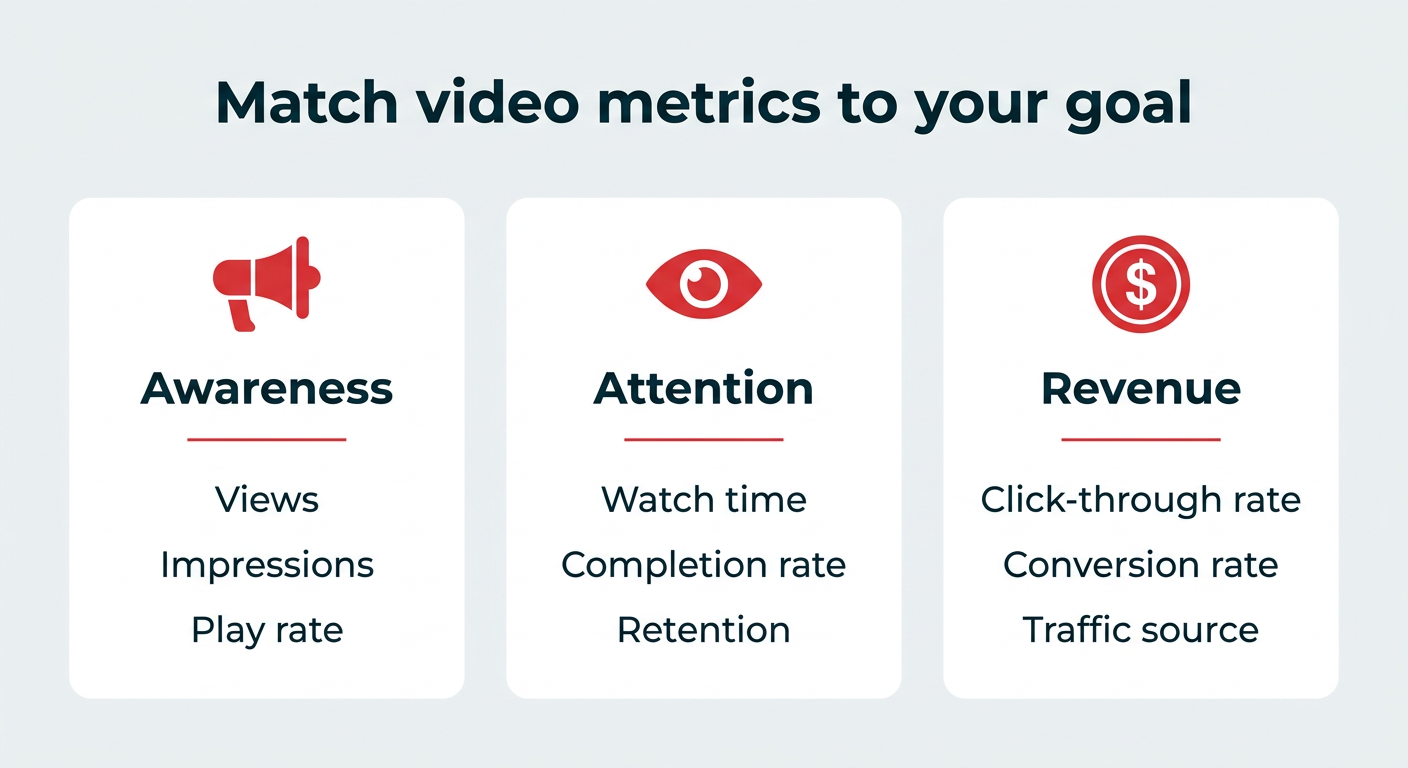
The most sophisticated metrics, however, are those that measure behavioral change. Conversion rates and click-through rates (CTR) represent the ultimate validation of a video’s efficacy. When a viewer transitions from passive consumption to an active step—such as clicking a link, registering for a webinar, or making a purchase—the video has successfully fulfilled its role in the marketing funnel.
A Comparative Analysis of Platform-Specific Metrics
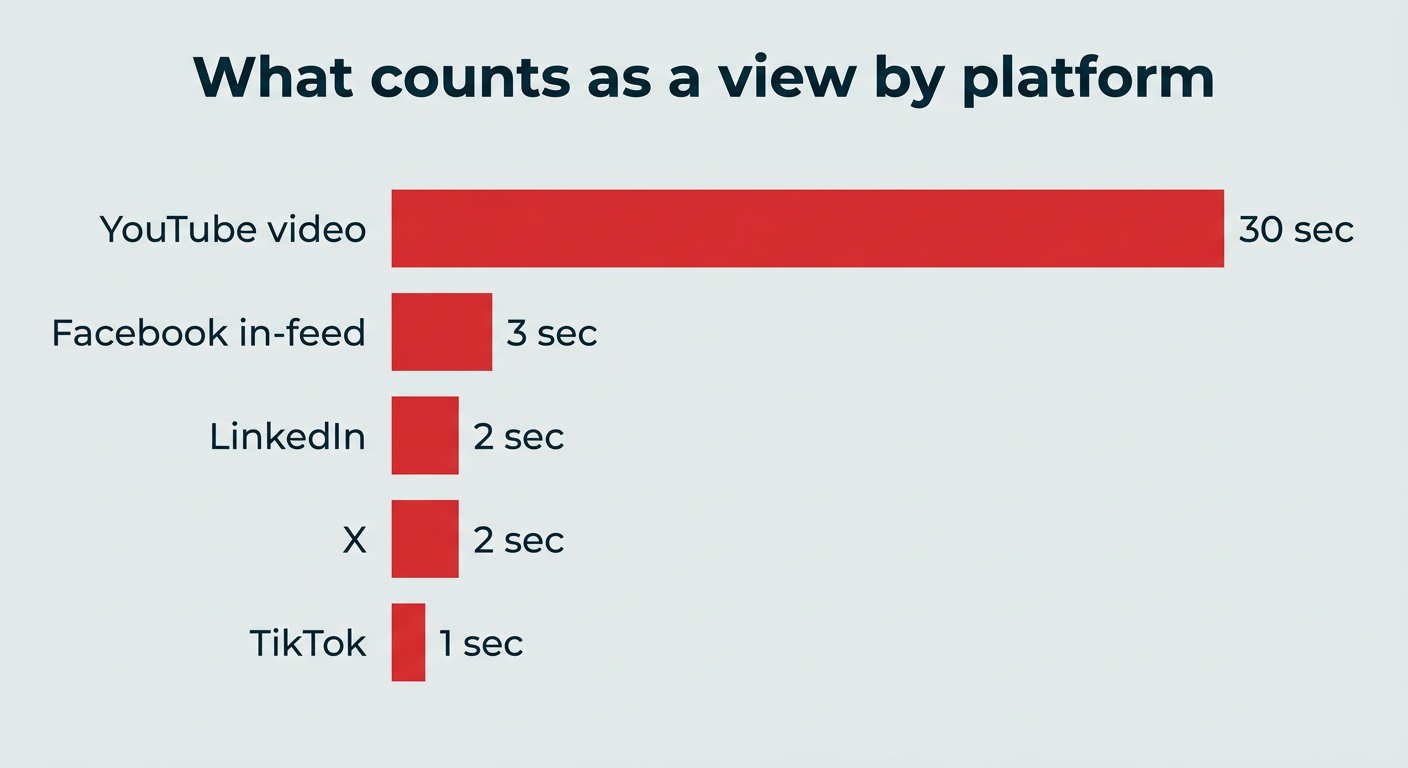
To effectively evaluate performance, marketers must navigate the disparate definitions of success established by major platforms. On LinkedIn, a video completion is recognized when a user views between 97% and 100% of the content. In contrast, YouTube favors "average percentage viewed," providing a more granular look at how content holds attention over time.
Research indicates that the "first three seconds" are the most critical real estate in modern social video. This window is where the battle for user attention is won or lost. Data suggests that if a viewer does not receive a compelling hook—a problem-solution narrative or a high-energy visual—within this initial timeframe, the probability of them completing the video drops precipitously. This phenomenon has led to the rise of "loopable" content, where creators intentionally design video endings to bleed seamlessly into the beginning, encouraging multiple views and signaling to algorithms that the content is highly engaging.

The Role of Data in Strategic Decision-Making
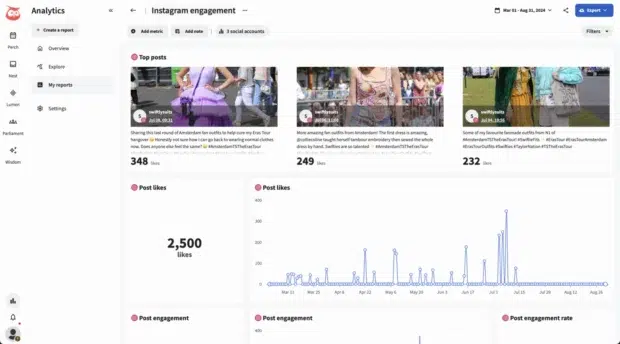
Data-driven decision-making in social media involves looking beyond the aggregate numbers to identify specific "drop-off" points. Advanced analytics tools, such as those integrated into comprehensive social media management platforms, allow marketers to visualize retention graphs. These graphs pinpoint the exact second a viewer exits a video. If consistent drop-offs occur at the 45-second mark of a 60-second video, the implication is clear: the content is losing momentum, or the pacing is failing to justify the length.

This diagnostic approach allows for iterative improvement. Rather than reshooting entire campaigns, teams can refine their approach to thumbnails, captions, and the "mute test"—ensuring that the visual narrative is strong enough to capture interest even before a user enables audio. Furthermore, by utilizing UTM parameters and tracking pixels—such as the Meta Pixel or LinkedIn Conversions API—organizations can establish a direct attribution model that links social engagement to bottom-line revenue.
Economic Implications and Industry Standards

The financial stakes of this data transparency are high. As businesses demand greater accountability for social media expenditure, the ability to produce a clean, defensible report becomes a competitive advantage. The industry has seen a shift toward the "as short as possible, as long as necessary" mantra. This efficiency-focused approach is not merely a stylistic choice; it is a response to the algorithmic preference for content that provides high value per second.
The broader implications for the workforce are also significant. Social media managers are increasingly expected to function as data analysts, capable of translating complex platform exports into actionable insights for executive stakeholders. This requires a transition from manual data entry—often involving the reconciliation of screenshots from multiple dashboards—to automated, centralized reporting systems.

Strategies for Optimization and Growth
Industry practitioners, such as Mariam (MJ) Ordubadi, have identified several strategies that consistently yield higher engagement and retention. Among these is the use of AI-native formats, such as "talking document" videos, where creators provide context to complex internal strategy files. These formats resonate particularly well with B2B audiences, who prioritize clarity and authenticity over highly produced, glossy advertisements.

Moreover, the integration of AI tools for drafting captions and hooks allows for a scalable content strategy, enabling teams to repurpose a single core message into multiple, platform-optimized iterations. This efficiency does not dilute the message; rather, it ensures that the content is tailored to the unique behavioral expectations of users on different networks.
The Future of Social Video Measurement
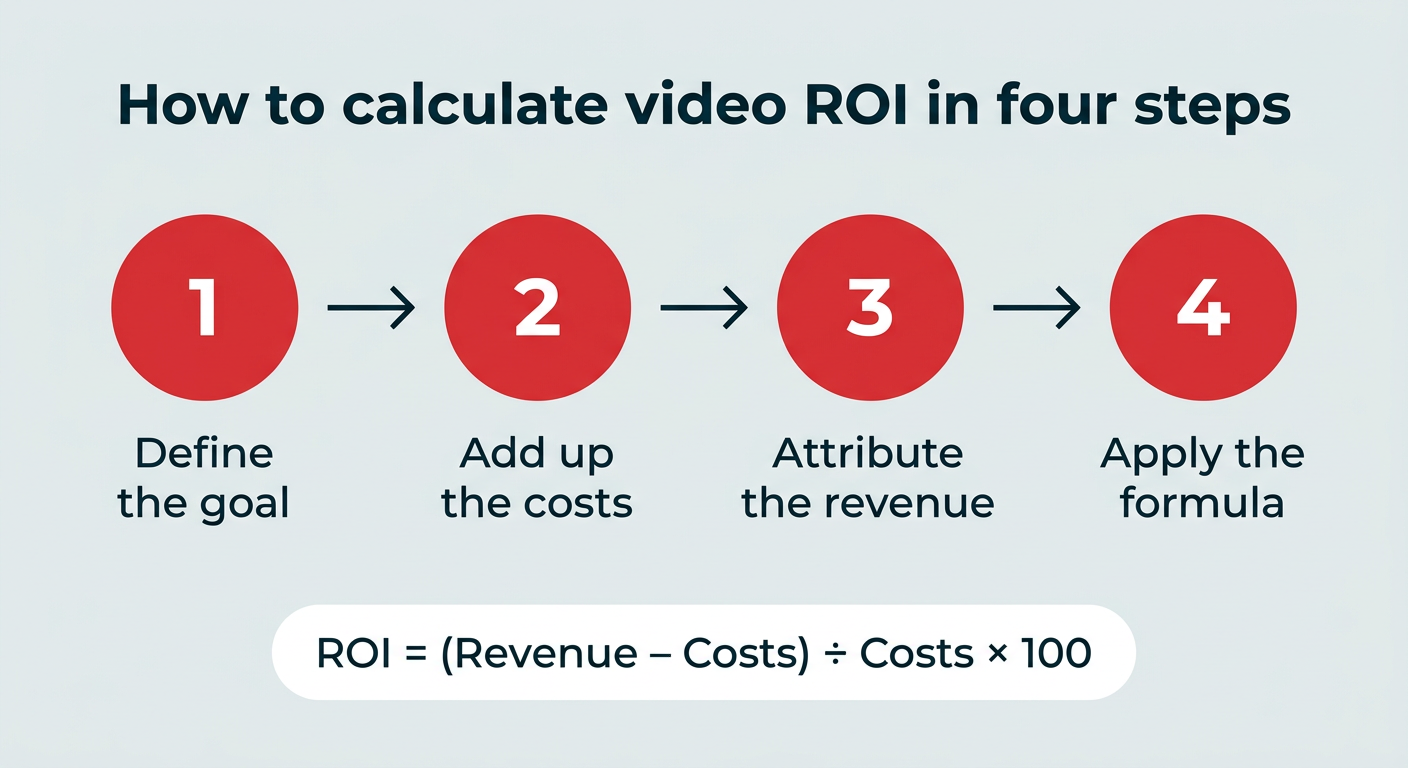
As we look toward the future of digital marketing, the convergence of social media and e-commerce will likely necessitate even more sophisticated measurement tools. Sentiment analysis, integrated listening apps, and real-time trend monitoring are becoming essential components of the social media ecosystem. These tools allow brands to understand not just that a video was watched, but how the surrounding conversation and brand sentiment shifted as a result of that exposure.
Ultimately, the most successful organizations are those that move past the "vanity" of raw view counts and embrace the complexity of audience retention and conversion. By aligning video strategy with measurable business outcomes and leveraging the right analytics infrastructure, brands can transform their social media presence from a broadcast channel into a high-performance engine for growth and customer acquisition.
In summary, the transition toward a more rigorous, data-centric approach to social video is inevitable. As the cost of attention continues to rise, the ability to measure, report, and optimize performance will remain the defining characteristic of successful digital marketing teams. Whether through native platform tools or centralized management systems, the imperative remains the same: treat every second of video as an opportunity to provide value, capture interest, and drive the business forward.