The Evolution of Social Media Leadership: Navigating Enterprise Complexity in 2026


The role of the social media leader has undergone a radical transformation, shifting from a tactical, platform-centric function to a critical pillar of enterprise strategy. As of 2026, organizations are increasingly recognizing that social media is no longer merely a marketing channel; it is a vital business utility that influences product development, customer retention, recruitment, and brand reputation. With global social ad spending projected to exceed $121 billion this year, the demand for sophisticated leadership that can navigate this high-stakes landscape has never been greater.

The Shift from Management to Strategic Governance
Historically, social media management was defined by execution: scheduling posts, monitoring engagement, and reacting to community comments. However, the contemporary social media leader functions more like a conductor of a complex, global symphony. While a manager focuses on the output of a specific campaign, a leader focuses on the integration of that campaign into the broader business architecture.
This distinction is fundamental. According to a 2025 study by IBM, 69% of surveyed CEOs identified the presence of a leadership tier with deep strategic authority and technical literacy as the primary driver of organizational success. In the social media sphere, this manifests as a move away from siloed activity toward unified governance. Leaders are now tasked with managing cross-functional systems, complex budgets, and international teams, often across disparate time zones.

Core Competencies for the Modern Leader
To succeed in 2026, social media leaders must master five essential competencies that distinguish high-impact departments from those stuck in legacy workflows.
1. Strategic Goal Alignment
The most effective leaders are those who can clearly articulate how social metrics ladder up to revenue and business outcomes. This involves a rigorous prioritization process. In an enterprise environment, the ability to say "no" to viral trends or peripheral platforms is just as important as the ability to capitalize on them. By aligning social efforts with the company’s core objectives, leaders ensure their teams avoid the "everything, everywhere" trap that leads to burnout and diluted brand identity.
2. AI Adoption and Governance
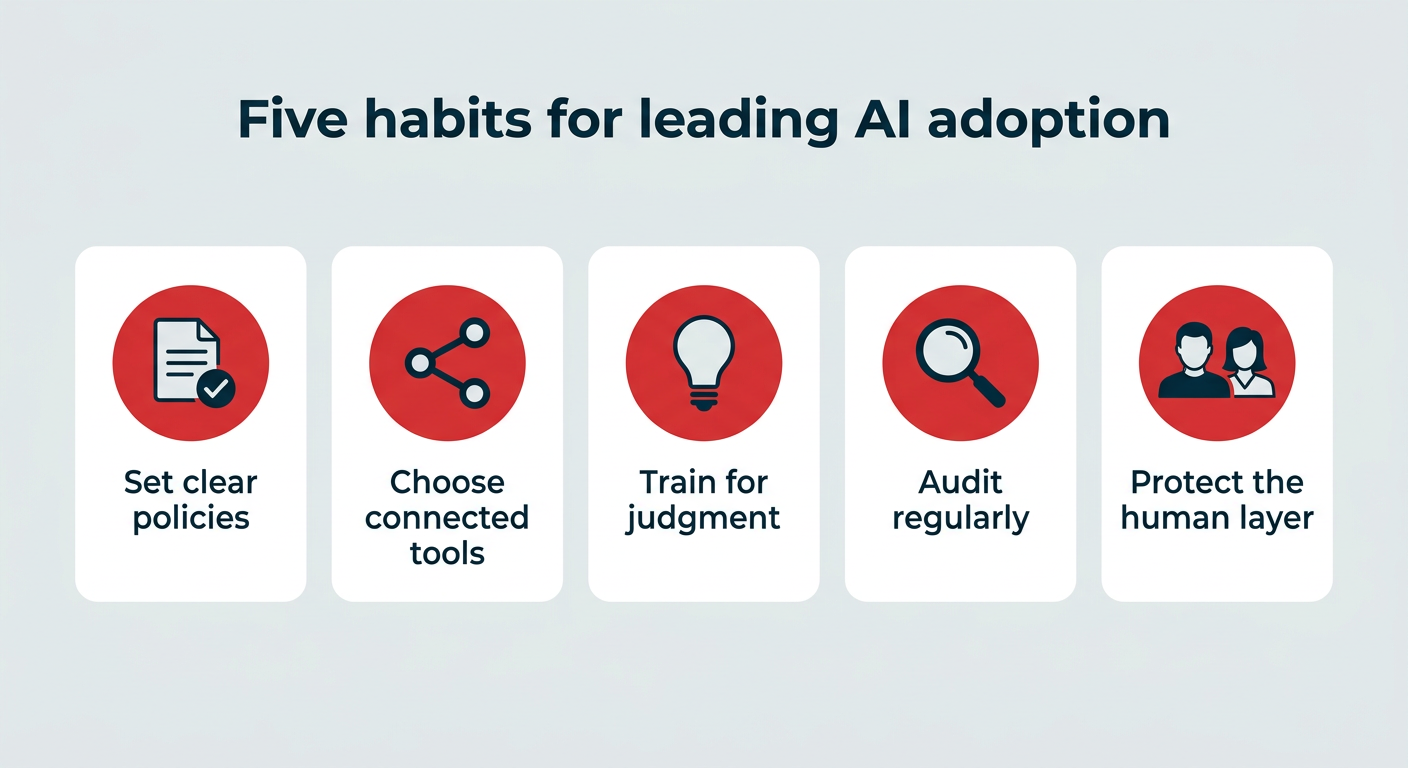
The rapid integration of generative AI into marketing workflows has placed a new burden on social leadership. Leaders must now act as the primary architects of AI governance. This involves implementing protocols that ensure AI-assisted content maintains brand integrity, legal compliance, and emotional resonance. As AI-driven automation is expected to double by 2028, the leaders who establish robust, transparent AI policies today will be the ones who maintain a competitive edge.
3. Data-Driven Storytelling
Executive leadership rarely prioritizes raw vanity metrics like "likes" or "follower counts." Instead, they demand data that demonstrates impact. Skilled leaders translate social data—such as sentiment shifts, share-of-voice, and social-attributed pipeline—into narratives that inform board-level decisions. As industry expert Shakivla Todd notes, the most compelling data is often qualitative; she advocates for documenting real-world conversations and brand mentions to provide context that a spreadsheet alone cannot capture.

4. Crisis Leadership and Reputation Management
In the digital age, a brand’s reputation is subject to 24/7 scrutiny. Modern leaders are expected to have sophisticated crisis response protocols that operate across global markets. This requires not only internal readiness but also the use of advanced social listening tools that can detect sentiment shifts in real-time, allowing teams to pivot before a minor issue escalates into a full-scale reputational crisis.
5. Cross-Functional Collaboration
Social media intelligence is a goldmine for other departments. Product teams can benefit from customer feedback, sales teams can leverage competitor intelligence, and HR departments can utilize social insights to bolster employer branding. The best leaders actively break down these organizational silos, positioning the social team as a central nervous system for the entire company.
The Anatomy of the Social Media Director
The role of the social media director serves as the bridge between high-level strategy and daily operations. This individual is typically responsible for setting the "rules of the road"—the governance frameworks that allow for creative freedom within safe boundaries. A director must possess the agility to navigate uncertainty, as the industry continues to evolve at a pace that often renders multi-year plans obsolete.
The challenge of scaling these operations globally cannot be overstated. Managing distributed teams requires a culture of trust, supported by centralized systems that provide visibility without requiring micro-management. By utilizing unified operating systems—such as Hootsuite Social OS—directors can ensure that every team member, regardless of their location, is adhering to the same brand standards and regulatory requirements.
Operationalizing Compliance and Creativity
A common misconception in corporate environments is that compliance acts as an impediment to creativity. However, sophisticated leaders view compliance as an enabler. By implementing clear, automated approval workflows and regulatory guardrails, leaders provide their teams with the psychological safety to innovate. When the rules are clearly defined and embedded into the workflow, the team spends less time questioning whether a post is "safe" and more time focusing on engagement and brand building.
Measuring Impact in a Post-Vanity Metric World
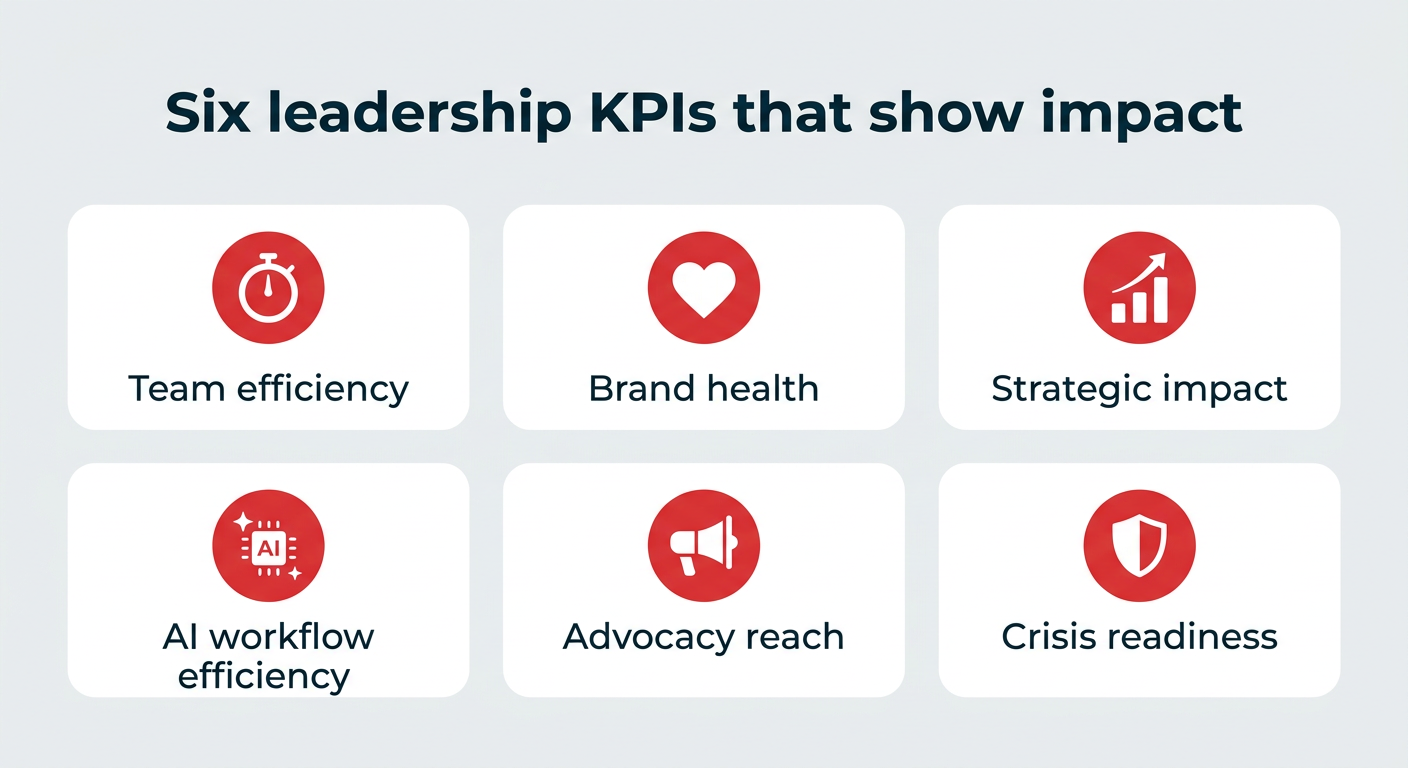
The transition toward impact-focused leadership requires a complete overhaul of reporting structures. Leaders must shift their focus toward metrics that reflect business health:

- Brand Sentiment and Share of Voice: These metrics provide a comparative analysis of how the market perceives the brand relative to competitors.
- Team Efficiency: By tracking approval turnaround times and delivery speeds, leaders can identify bottlenecks and optimize operational costs.
- Social-Attributed Pipeline: For B2B and high-consideration consumer brands, connecting social interactions to the customer journey is the ultimate validation of the function’s value.
- Crisis Response Speed: This KPI measures the efficacy of the team’s protocols during high-pressure events.
The Path Forward
The path to becoming a social media leader is rarely linear. It requires a commitment to continuous learning, the cultivation of a robust professional network, and the willingness to treat every failure as a data point for future success. For those currently managing social teams, the transition to leadership starts with building a case for one’s own role. By meticulously logging successes and connecting them to bottom-line results, aspiring leaders can demonstrate the necessity of a more strategic, better-resourced social function.
As we look toward the remainder of the decade, the divide between companies that treat social media as a superficial marketing layer and those that integrate it into their operational core will only widen. Leaders who prioritize visibility, governance, and cross-functional intelligence will not only survive the rapid shifts in digital communication but will actively steer their organizations toward greater market relevance.

In conclusion, the modern social media leader is a strategist, a diplomat, and a technician. They are the guardians of the brand’s voice and the architects of its digital future. By moving away from reactive posting toward proactive, systemized growth, these leaders are ensuring that social media remains the most potent tool in the modern enterprise’s arsenal. The future of the industry belongs to those who can translate the chaos of the online world into the clarity required for business success.
Related posts: