Navigating the Evolving Landscape: A Comprehensive Review of Leading AI Image Generators in 2026

The realm of digital content creation has undergone a profound transformation, with Artificial Intelligence (AI) image generators emerging as indispensable tools, particularly for creators lacking traditional artistic skills. A recent comprehensive evaluation of nine leading AI image generation models underscores their capacity to bridge creative gaps, moving beyond simple photorealism to deliver complex, stylized visuals that were once the exclusive domain of skilled illustrators. This analysis reveals a sophisticated ecosystem of AI tools, each with distinct strengths and optimal use cases, fundamentally altering how visual content is conceived and produced.
The Paradigm Shift in Visual Creation
Initially, many, including seasoned content creators, approached AI image generation with a narrow perspective, often defaulting to its potential for photorealistic outputs. The prevailing thought was, "Why generate a realistic image when I can simply capture one with a camera?" However, this perspective overlooks a critical slice of AI’s capability. The true power of these tools, as demonstrated by an extensive evaluation, lies not in replicating reality, but in fabricating unique visual assets that might otherwise be unattainable for individuals without advanced drawing or illustration proficiencies. For creators proficient in writing or design software like Canva and Figma but unable to produce intricate illustrations, AI image generators have become an essential extension of their creative toolkit. This accessibility democratizes visual storytelling, enabling a broader range of individuals to produce high-quality, customized graphics for their content.
Mastering the AI Canvas: Prompt Engineering Best Practices
The rapid advancement of AI models means the bottleneck in image generation has shifted from the tool’s capability to the user’s ability to articulate their vision. Effective "prompt engineering" is now paramount. Through extensive testing and research across creator communities and industry guides, a clear pattern of successful prompting strategies has emerged, emphasizing precision and structure.
-
Subject-First Approach: Consistently, models respond better when the prompt begins with what is in the image, followed by how it should appear. For instance, "A woman sitting at a desk with a laptop open" yields more focused results than leading with stylistic descriptors like "editorial lifestyle photography." Prioritizing the subject ensures the AI model correctly identifies the core elements before applying aesthetic layers.
-
Leveraging Camera Terminology for Photorealism: To achieve convincing photorealistic outputs, specific photography terms are invaluable. Phrases such as "shallow depth of field," "shot from a slight angle," "soft golden hour lighting," and "35mm film photography" resonate deeply with models trained on vast datasets of image captions and photography metadata. Vague adjectives like "beautiful" or "high quality" offer minimal guidance.
-
Color Specification: Descriptive vs. Hex Codes: While some design-centric tools like Recraft demonstrate proficiency with hex codes for brand-accurate palettes, descriptive color names (e.g., "light blue," "butter yellow") generally yield more accurate results across a wider range of AI generators. It is advisable to start with descriptive terms and experiment with hex codes if precise brand alignment is critical and the tool is known for that capability.
-
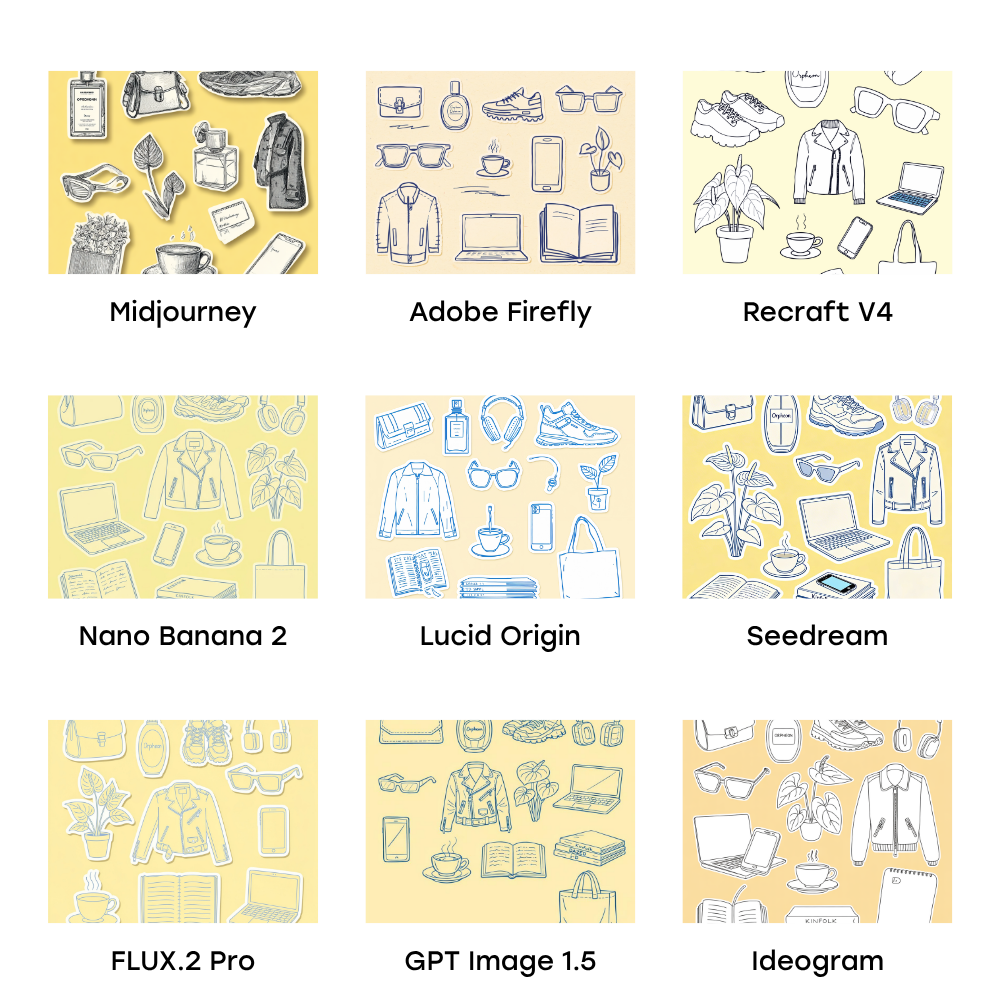
Defining Illustration Styles with Precision: When generating illustrations, ambiguity leads to generic or outdated aesthetics. Success hinges on precise stylistic anchors. Detailed descriptions like "hand-drawn doodle, light blue ink, single color, simple line art with slightly wobbly quality, outlines only" produce usable results. Drawing from illustration-specific terminology such as "ink hatching," "gouache blocks," "flat vector shapes," or "stipple shading" further refines the output, aligning it closely with the creator’s vision.
-
The Power of Negative Prompts: Often overlooked, negative prompts are crucial for refining outputs. Including directives like "no watermark," "no text," or "no photorealism" can significantly clean up generated images. However, their efficacy relies on a strong initial positive prompt; they cannot compensate for a vague starting point. Strategic placement of critical exclusions early in the negative prompt string maximizes their impact.
-
A Universal Prompt Template: A reliable structure that consistently performed well across diverse tools is: [Subject and what they’re doing] + setting + [2 or more specific details] + [style]. This structured approach was applied to test prompts, including:
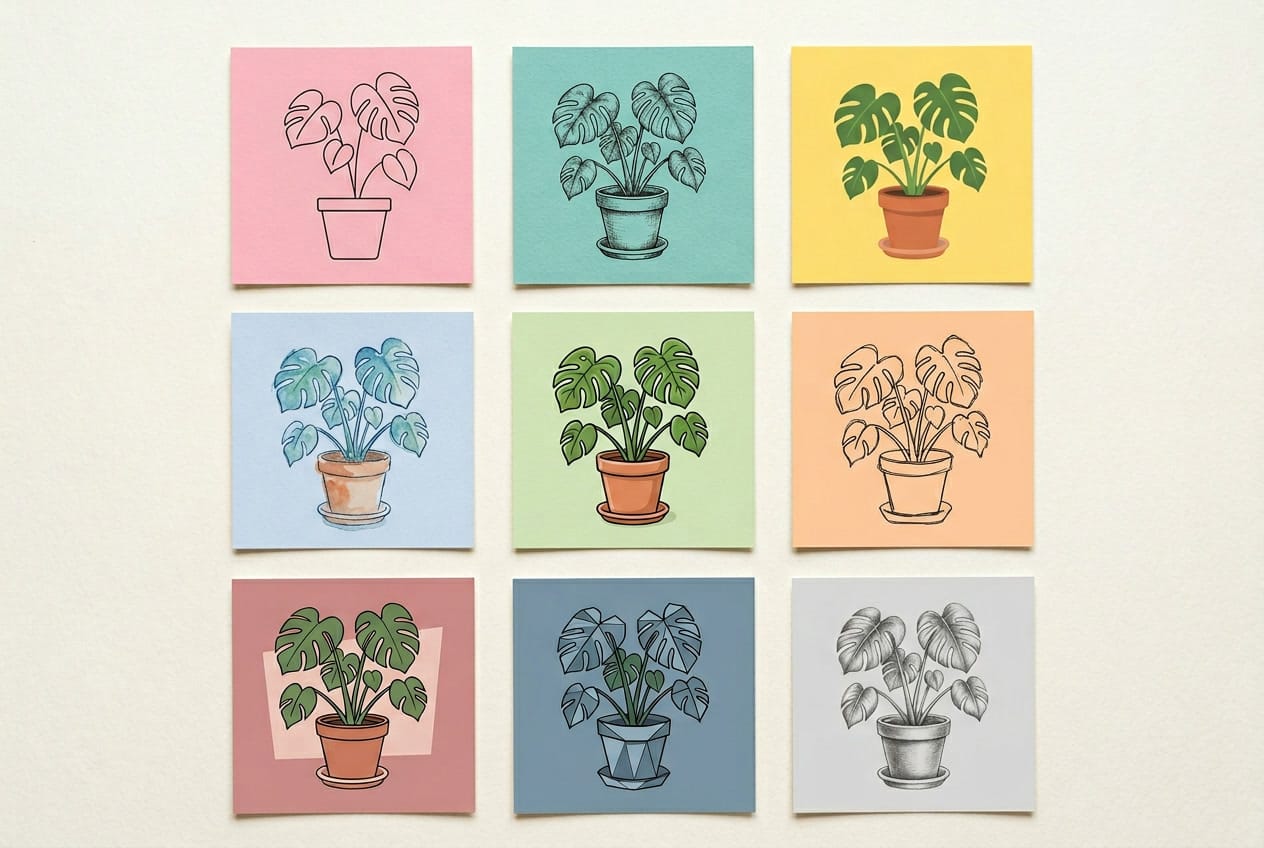
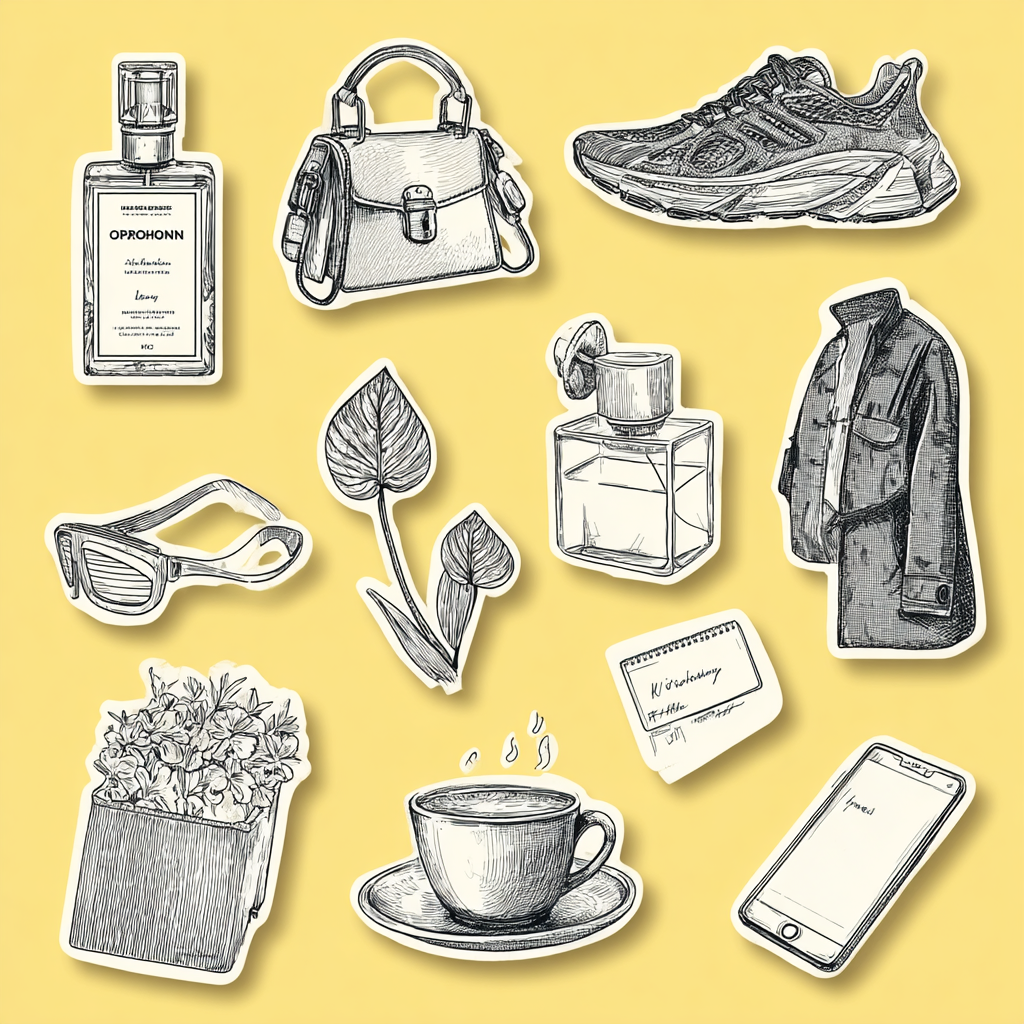
- Illustration: A sticker sheet of hand-drawn doodle illustrations on a butter yellow background, with generous spacing between every object so each can be cropped as an individual sticker. Exactly these objects and nothing else: 1) a structured clutch bag with clasp hardware, 2) a tall oval perfume bottle with a label reading "Orpheon", 3) chunky lace-up trail running sneakers, 4) wireless square transparent over-ear headphones with absolutely no wire and no earbud attached completely standalone, 5) angular rectangular sunglasses, 6) a leather zip-up moto biker jacket with zippered pockets, 7) an anthurium plant with large waxy leaves and a spadix, 8) an open laptop computer, 9) a smartphone with a screen, 10) a single hot steaming cup of tea in a teacup on a saucer no iced drinks, no straws, no second cup, 11) an open journal with handwritten lines on the pages, 12) a flat neat stack of magazines with spines reading Kinfolk, Dazed, i-D, 13) a plain simple canvas tote bag with handles not mesh, not net. Light blue line art on butter yellow background, single color, simple wobbly hand-drawn line art, outlines only, zero shading, zero fill, zero color blocks. Flat lay arrangement.
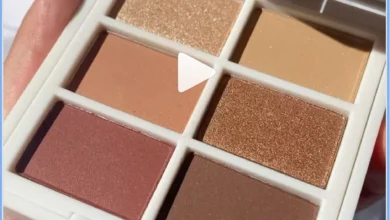
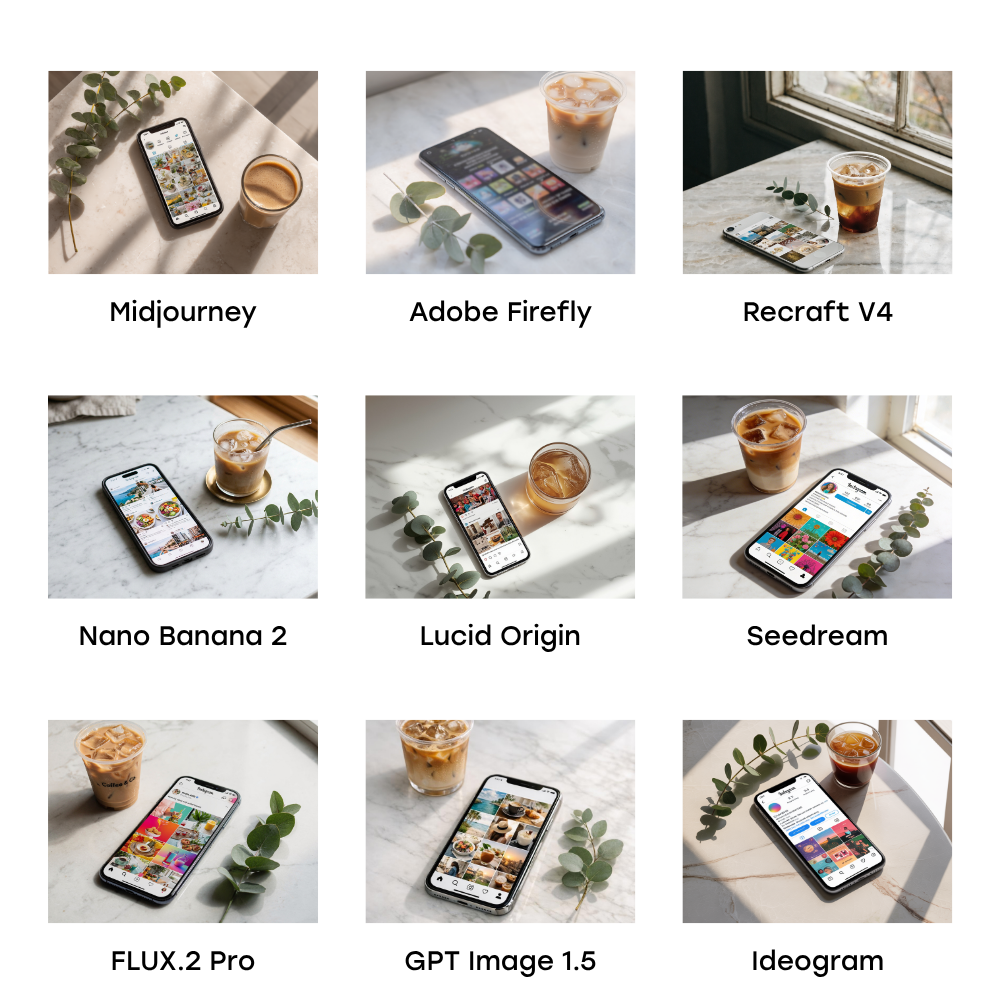
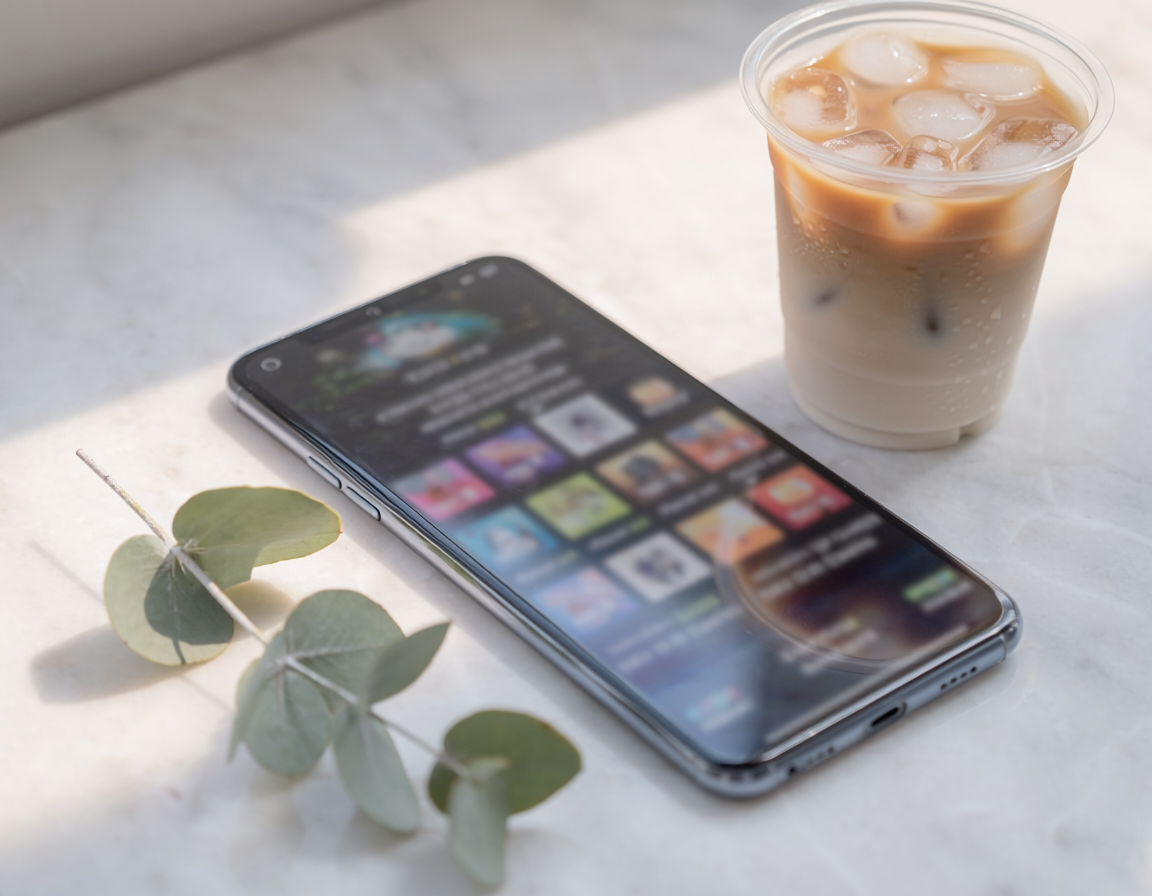
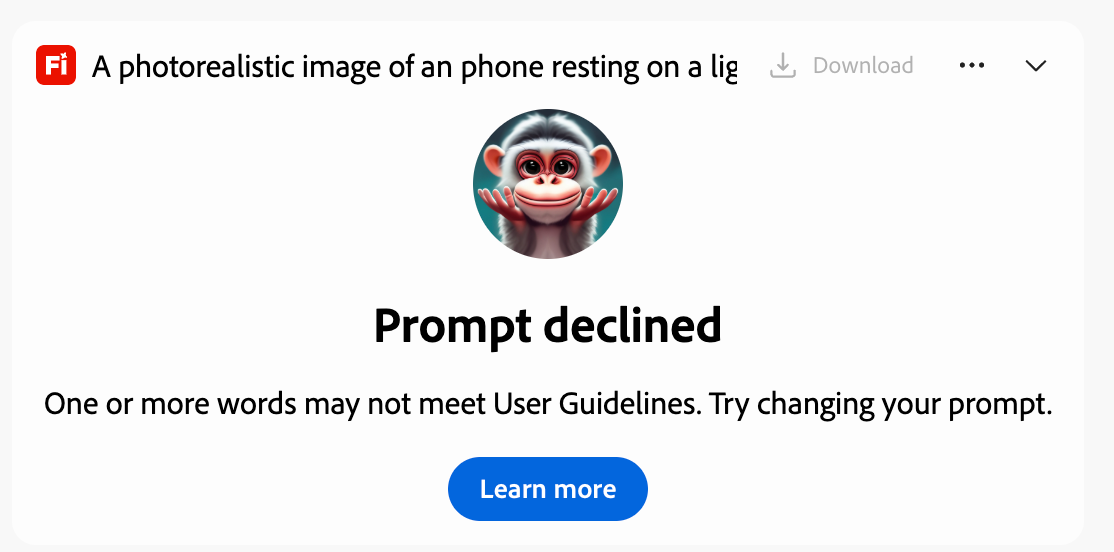
- Photorealism: A photorealistic image of an iPhone resting on a light marble surface, screen facing up, showing a colorful Instagram feed. A small iced coffee in a clear cup and a sprig of eucalyptus beside it. Three-quarter overhead angle, soft natural window light from the right, gentle shadows. Clean, styled, editorial product photography. No people, no hands, no text overlays, no watermarks.
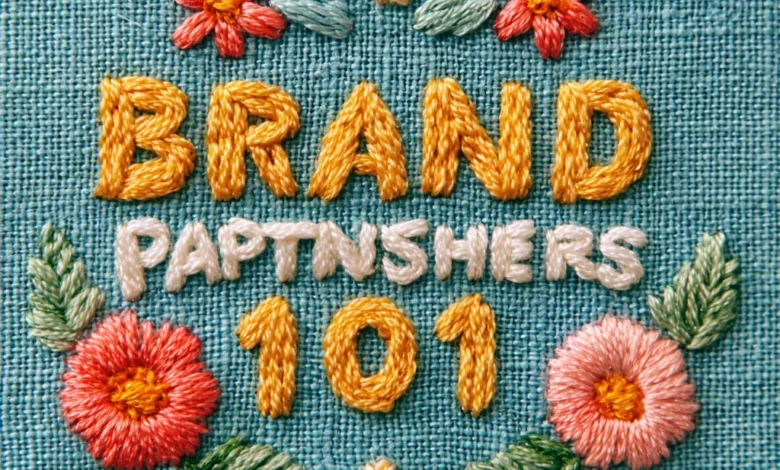
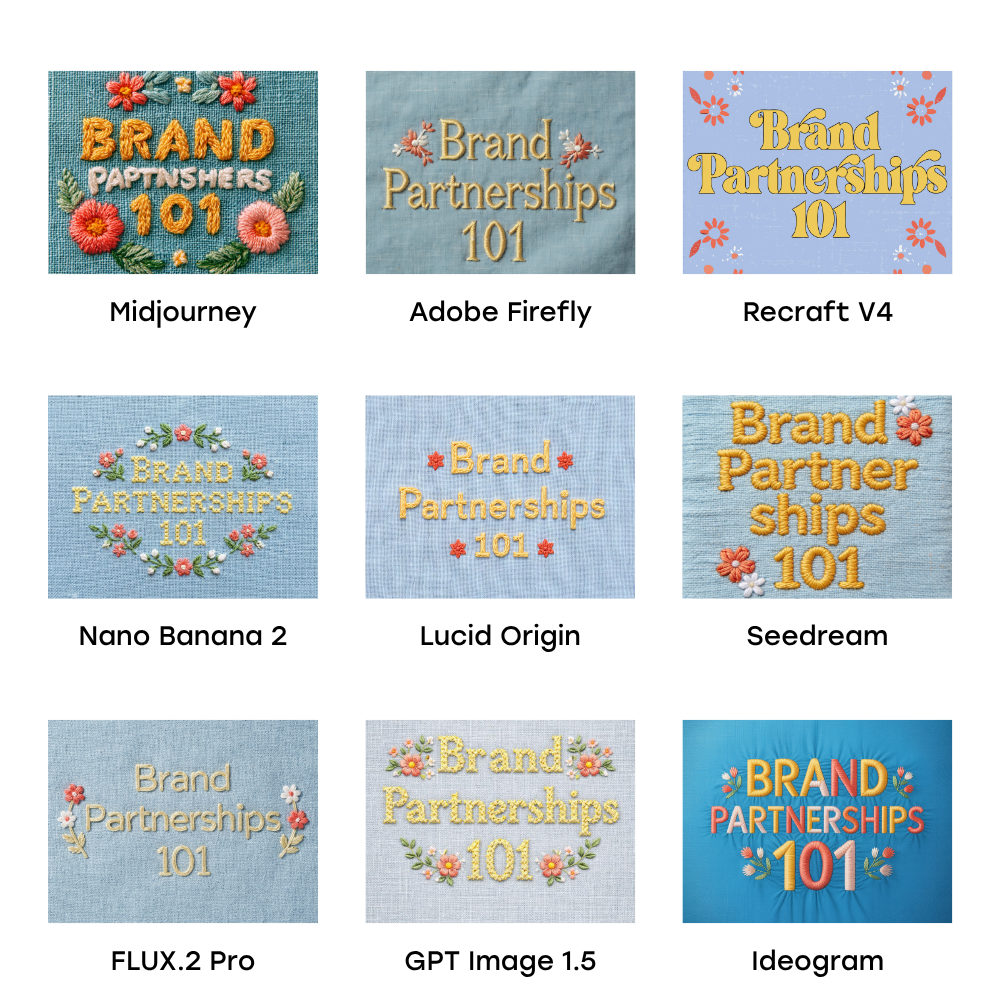
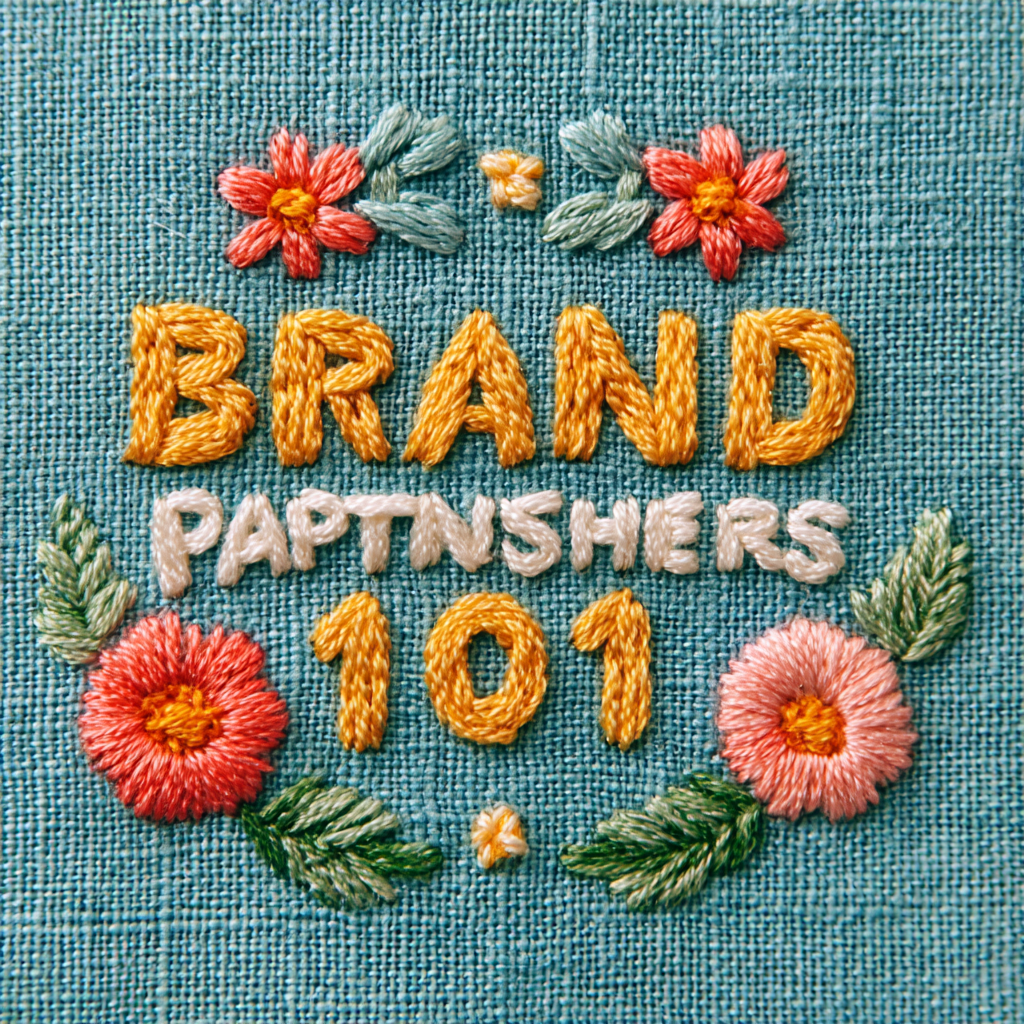
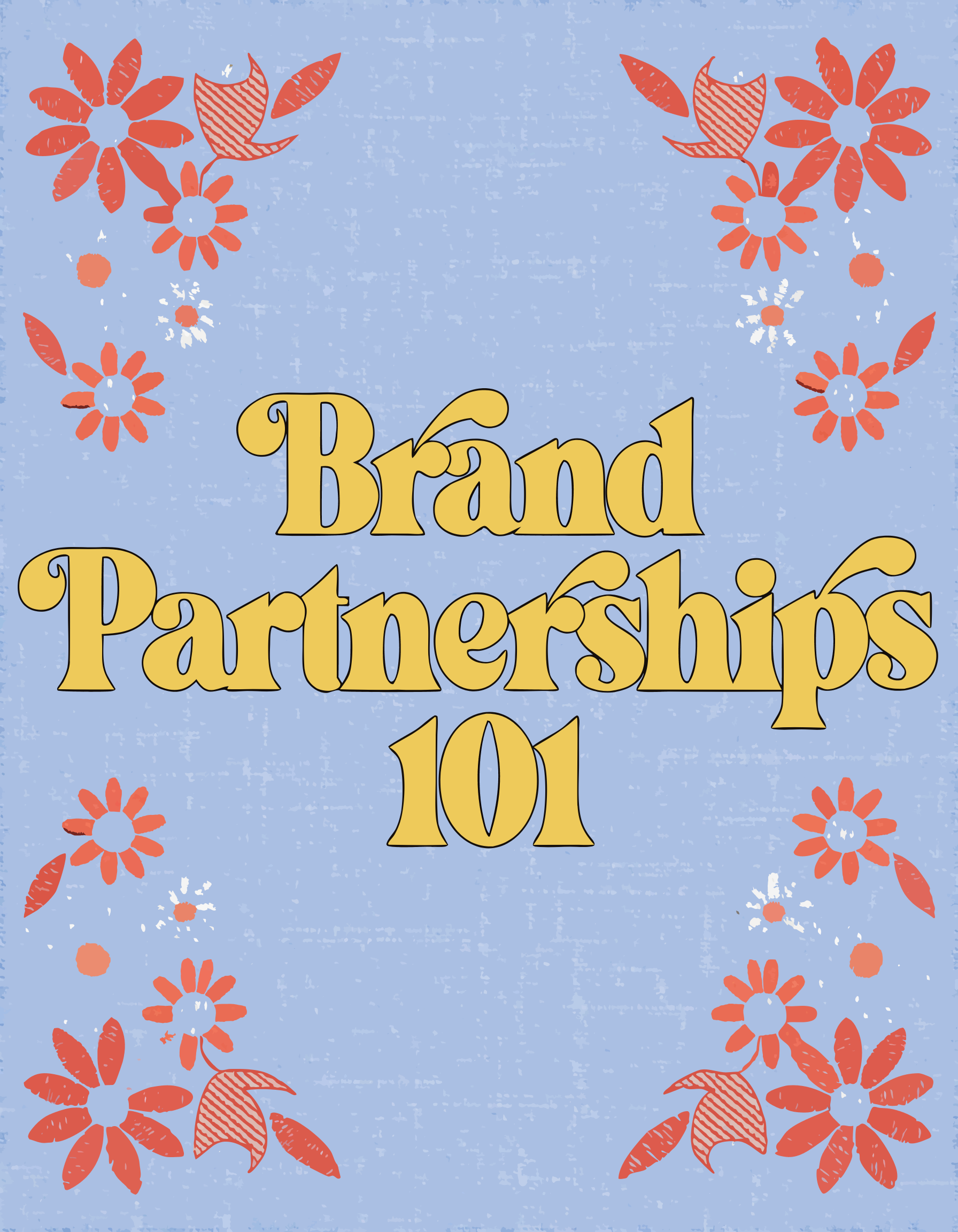
- Typography as Design: Square graphic. The phrase ‘Brand Partnerships 101’ rendered as colorful embroidery stitching on light blue linen fabric background. Letters in butter yellow thread with visible stitch texture, cross-stitch style. Small decorative floral embroidery accents in coral and white thread flanking the text. Fabric has subtle woven texture. Warm, tactile, handcrafted feel. No photographs of real objects, no watermarks.
In-Depth Analysis: Performance Across Leading AI Image Generators
The evaluation spanned nine prominent AI image generation models, assessing their performance against the three distinct prompts. The testing leveraged Leonardo.ai as a central hub for multiple models due to its Canva integration, alongside standalone platforms like Midjourney, Recraft, and Adobe Firefly.
-
Nano Banana 2 (Google): The Benchmark for Accuracy: Google’s Nano Banana 2 emerged as the most consistent and accurate performer across all three categories. Its exceptional ability to render specific real-world objects and styles, particularly in illustration, is attributed to Google’s vast indexed visual data (search, shopping). It accurately depicted brand-specific items and nuanced aesthetics, delivering the most complete and faithful sticker sheet illustration and a highly believable photorealistic scene.
-
Seedream (ByteDance): A Leader in Text Fidelity: ByteDance’s Seedream, accessible via CapCut Pro, distinguished itself with remarkably reliable text generation. While it exhibited some inaccuracies in object rendering for illustrations (e.g., unexpected phones, incorrect headphone transparency), its ability to spell correctly and place text effectively was superior. It also accurately rendered specific plant types like anthurium, a detail that often stumped other models.

-
Midjourney: Unrivaled Artistic Vision, Textual Challenges: Midjourney maintains its reputation as the "artistic" AI generator, producing visually rich, mood-driven outputs with exceptional compositional strength. However, its performance significantly faltered when precision was required, particularly with detailed object lists and accurate text. It often garbled longer words in typography tests, highlighting a trade-off between artistic flair and literal prompt adherence.
-
Recraft V4 Pro: Design Control and Stylistic Versatility: Recraft stands out as a robust platform for designers, offering extensive control over visual style, color palettes, and refinement through agentic chat. Its ability to incorporate reference images from its vast library streamlines the design process. While initial attempts showed some inconsistencies (e.g., generic sneakers, unexpected laptop colors), its inherent tools for refinement suggest a shorter path to polished results. Its typography output, though not strictly adhering to the embroidery prompt, demonstrated a strong, usable aesthetic vision.
-
Adobe Firefly 5: Ecosystem Integration and Copyright Clarity: Adobe Firefly 5’s primary appeal lies in its seamless integration within the Adobe Creative Cloud ecosystem, allowing direct image transfer to Photoshop or Illustrator. Crucially, Firefly is trained on licensed Adobe Stock content and public-domain material, offering cleaner commercial-use rights and IP indemnification for enterprise users. This focus on ethical sourcing means it may decline prompts referencing specific brand names (e.g., "iPhone," "Instagram") to avoid trademark issues. Its embroidery text output showcased genuine depth and realistic fabric textures.
-
GPT Image 1.5 (OpenAI): Accessibility Meets Core Functionality: OpenAI’s GPT Image 1.5, often accessed through ChatGPT or platforms like Leonardo.ai, provides accessible image generation. While it adheres to prompts with reasonable fidelity, its outputs can sometimes appear compressed or feature an identifiable "AI filter" quality. Its typography results, particularly for cross-stitch, were technically accurate but lacked the aesthetic appeal of other models.

-
FLUX.2 Pro: Creative Interpretation and Distinctive Outputs: FLUX.2 Pro demonstrated a tendency to take creative liberties, occasionally delivering surprisingly distinctive outputs. For instance, its illustration prompt resulted in images that appeared as physically arranged printed stickers rather than flat digital drawings, creating a unique dimensional effect. While object details sometimes diverged from the prompt, its artistic interpretation offered an unexpected and visually interesting perspective.
-
Lucid Origin: Dimensionality and Rapid Prototyping: Lucid Origin offers fast generation with a unique dimensional quality, giving outputs an embossed or slightly 3D effect. It notably interpreted "flat lay" more literally than other tools, producing true top-down shots. However, its text generation was weaker, and photorealistic elements like ice or phone screens often appeared unrealistic.
-
Ideogram 3.0: Striving for Textual Precision, Mixed Artistic Results: Ideogram 3.0 is marketed for its text generation capabilities, yet its performance was mixed, achieving approximately 75% accuracy in some text requests. Its illustrations tended to be generic, with colors deviating from the prompt and objects like plants being pattern-matched rather than precisely rendered. Its photorealism suffered from an "uncanny valley" effect, and its typography, while stylized, lacked the handcrafted realism of its competitors.
The Evolving Landscape: Technical Underpinnings of AI Art
The varying performance of these models stems from their underlying architectural differences. The two primary approaches are diffusion models and autoregressive models, though hybrid architectures are increasingly common.
-
Diffusion Models: These models, exemplified by FLUX, Stable Diffusion, and Midjourney, begin with visual noise and iteratively refine it into a coherent image, guided by the text prompt. This process often imparts a painterly or textured quality, making them adept at artistic styles as they construct the entire image holistically.

-
Autoregressive Models: Used by Google’s Imagen (behind Nano Banana 2) and OpenAI’s GPT Image, these models build images sequentially, predicting each piece based on preceding elements, similar to generating text. This sequential processing often makes them more effective at following complex, detailed prompts and maintaining logical consistency across multiple specified objects.
The blurring lines between these architectures, with models incorporating elements of both, drive continuous innovation. Crucially, all models learn from vast datasets of images and their accompanying descriptions. This explains why precise photography terms and specific illustration vocabulary (e.g., "ink hatching") yield superior results—users are "speaking the language" the AI was trained on.

Legal and Ethical Considerations: Navigating the AI Art Frontier
The rapid proliferation of AI-generated content has brought significant legal and ethical challenges, particularly concerning copyright and intellectual property.

-
Copyrightability: As of March 2026, the U.S. Copyright Office maintains that AI-generated images are not copyrightable by the prompt creator, a stance upheld by the U.S. Supreme Court’s decision not to reconsider this ruling. This means that while commercial use is generally permitted by the tools’ terms of service, creators cannot claim exclusive ownership of AI-generated images in the same way they would for self-created works. However, significant modification and integration of AI assets into a broader, original design can strengthen a creator’s claim to the overall derivative work.
-
Training Data and Lawsuits: A major point of contention is the training data used by most AI models, often scraped from the internet without explicit artist consent. Over 70 copyright lawsuits are currently active, with a landmark case (Andersen v. Stability AI, also naming Midjourney) slated for trial in September 2026. This legal battle is expected to set precedents for intellectual property rights in the age of AI. Adobe Firefly stands as an exception, having been trained exclusively on licensed Adobe Stock content and public-domain material, a move that provides users with greater legal assurances through IP indemnification for enterprise plans.
-
Ethical Implications and Deepfakes: The ability of AI to generate convincing images of non-existent people or even mimic real individuals raises serious ethical questions, including right-of-publicity issues and the potential for misuse (e.g., deepfakes). Creators are urged to exercise caution and ethical judgment when generating images of human subjects.
Commercial Viability and Accessibility

The market for AI image generation tools is burgeoning, with projections indicating sustained growth as more industries integrate AI into their creative workflows. Many platforms offer free tiers or credits, enabling broad experimentation: Leonardo.ai provides daily refreshable tokens, while Recraft, Ideogram, and Meta AI offer free access. Midjourney requires a paid subscription (starting at $10/month), and Adobe Firefly is included with most Creative Cloud plans, with limited free generations available online. This tiered accessibility ensures that both casual users and professional enterprises can leverage these technologies. The strategic choice of an AI image generator depends on specific needs: Nano Banana 2 and Recraft for illustrations in design platforms like Canva, Nano Banana 2 and FLUX.2 Pro for photorealistic product shots (with caveats for fine details), and Seedream or Ideogram 3.0 for text-heavy graphics.
The Future Trajectory of AI in Creative Industries

The trajectory of AI image generation points towards increasing sophistication, greater control, and even more seamless integration into existing creative workflows. Future models are expected to enhance fidelity at the micro-level, minimize "AI tells," and potentially resolve the challenges of copyright and ethical sourcing. This technology is poised to further democratize design, enabling individuals and small businesses to produce high-quality visuals previously requiring significant investment in human artistic talent. However, the ongoing legal battles and ethical discussions underscore the critical need for responsible development and deployment, ensuring that innovation proceeds hand-in-hand with robust frameworks for intellectual property and digital ethics.
In conclusion, AI image generators have cemented their place as transformative tools in the creative landscape of 2026. Their ability to empower non-artists, coupled with increasingly precise prompt engineering and specialized model strengths, makes them indispensable for modern content creation. As the technology continues to evolve, addressing both its technical capabilities and its broader societal implications will be key to unlocking its full, responsible potential.