Buffer Versus RecurPost: A Comprehensive Comparison of Leading Social Media Management Platforms

In the rapidly evolving landscape of digital marketing, selecting the appropriate social media management tool remains a foundational decision for creators, small businesses, and enterprise agencies alike. As digital strategies diverge—with some organizations prioritizing rapid, text-based updates and others focusing on continuous video distribution or evergreen recycling—software solutions have adapted to meet these specialized demands. A rigorous, hands-on evaluation of two prominent platforms, Buffer and RecurPost, reveals distinct operational philosophies regarding publishing workflows, community engagement, analytics, and team collaboration.
Main Facts and Core Operational Differences
Buffer and RecurPost approach the mechanics of social media management from fundamentally opposite directions. Buffer is engineered for agility, rapid content creation, and flexibility. It is designed to accommodate individual creators and expanding teams through a streamlined user interface that minimizes the learning curve and offers a functional free-forever tier without contractual obligations.
Conversely, RecurPost is built around the paradigm of automation and content longevity. Its infrastructure centers on evergreen content libraries that auto-loop behind the scenes, alongside targeted engagement features such as Instagram Direct Message (DM) automation. These structural differences dictate how users interact with each platform, manage their content pipelines, and allocate marketing budgets.
Pricing and Cost-Scaling Models
The financial models governing these two platforms reflect their target demographics and scaling strategies. Buffer utilizes a tiered pricing structure within specific plans, offering volume discounts when users manage more than ten channels. Notably, Buffer’s Team plan incorporates unlimited user seats, decoupling team size from monthly overhead expenses.
RecurPost employs a flat-rate plan model supplemented by à la carte add-ons for additional channels, user seats, and specialized features. While RecurPost does not offer a permanent free tier—providing only a 14-day trial—it allows administrators to expand specific resource limits without forcing an immediate upgrade to a higher tier. For instance, extra social profiles can be integrated for a nominal per-profile fee, whereas additional user seats on agency-tier plans incur a fixed monthly surcharge.
A comparative cost analysis demonstrates that for solo creators managing three or fewer channels, Buffer offers significant cost advantages due to its robust free tier. However, for smaller teams managing a moderate number of accounts, RecurPost often presents a competitive pricing structure. As enterprise scaling accelerates—incorporating higher volumes of users and channels—Buffer’s per-channel and unlimited-user model generally proves more economically sustainable.

Scheduling, Publishing, and Content Architecture
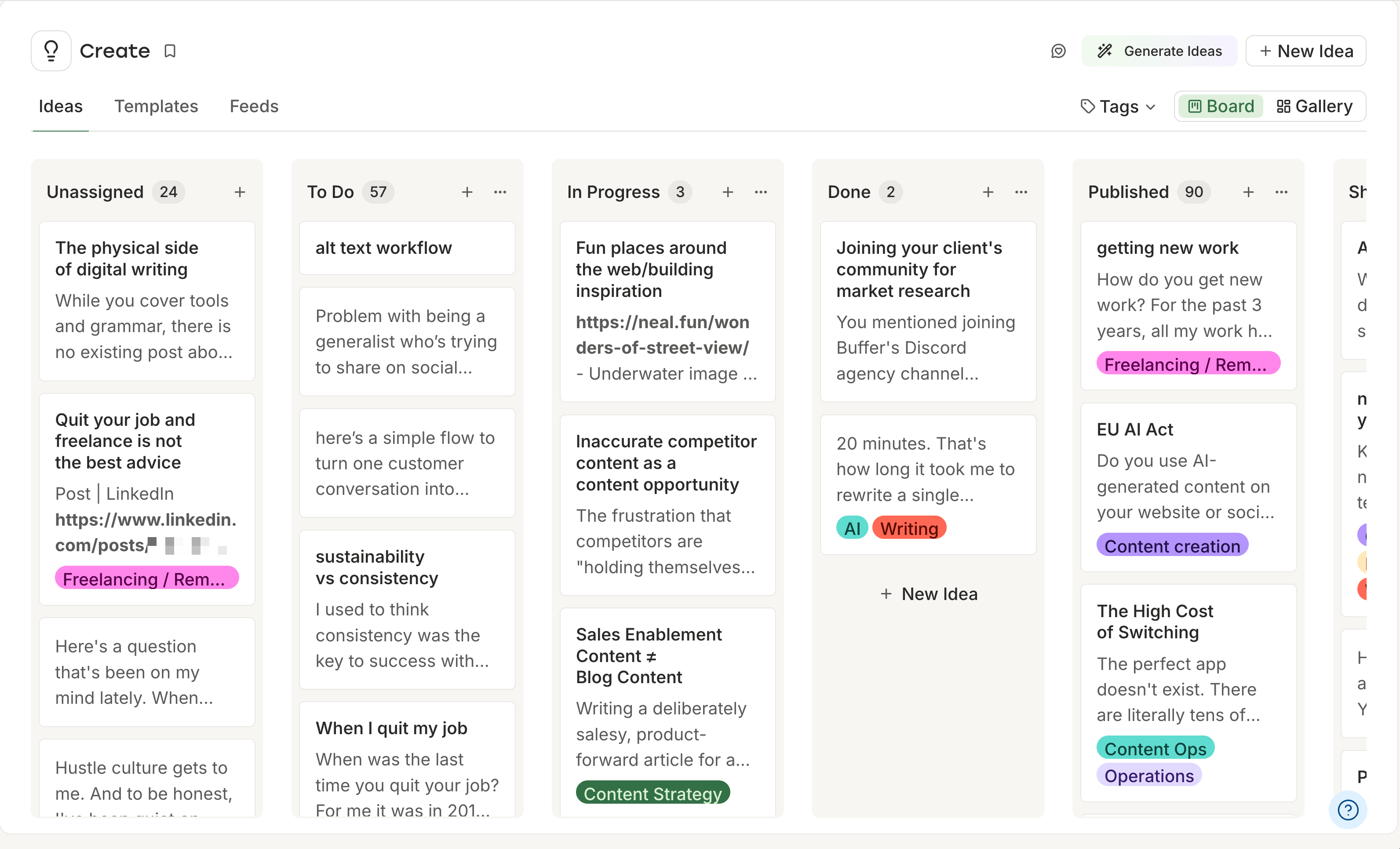
The scheduling architecture of each platform dictates daily workflow efficiency. Buffer emphasizes fresh content creation. Its composer allows users to transition rapidly from ideation to scheduling, utilizing a flexible queue system where posting slots can be customized or optimized using historical data. Furthermore, Buffer’s "Create" space functions as a collaborative ideation board, enabling teams to stage, categorize, and refine concepts before they enter the publishing queue.
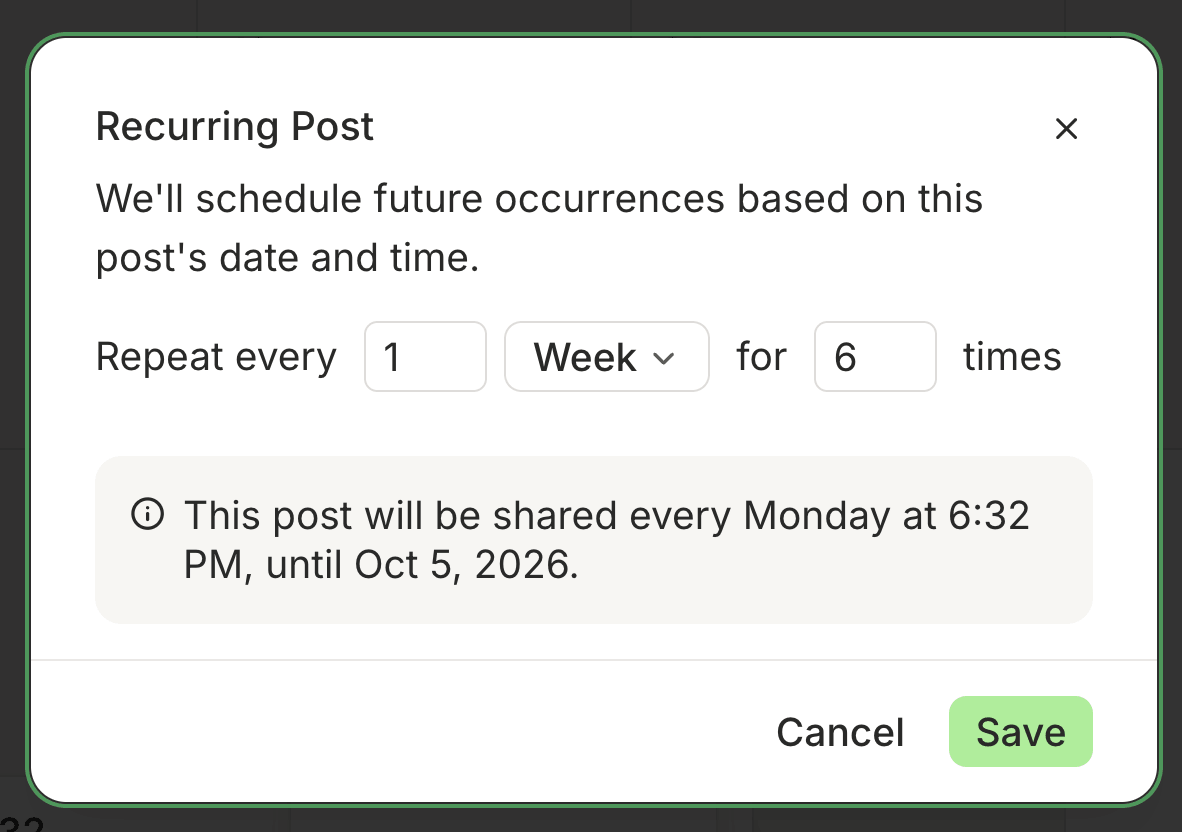
RecurPost prioritizes automated content recycling. Users organize content into categorized libraries, assign recurring time slots by day or month, and allow posts to cycle and loop automatically. While this system requires a more complex initial setup, it excels at maintaining a steady stream of evergreen material. Buffer offers a more recent, simplified recurring post feature, but it lacks the multi-post cyclical library architecture inherent to RecurPost.
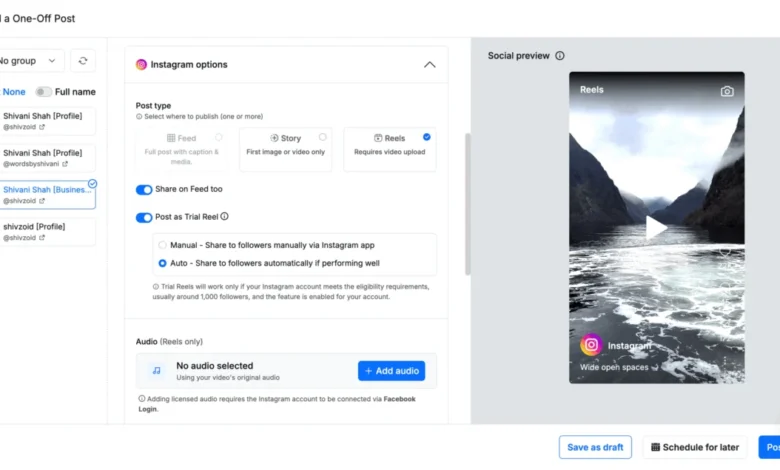
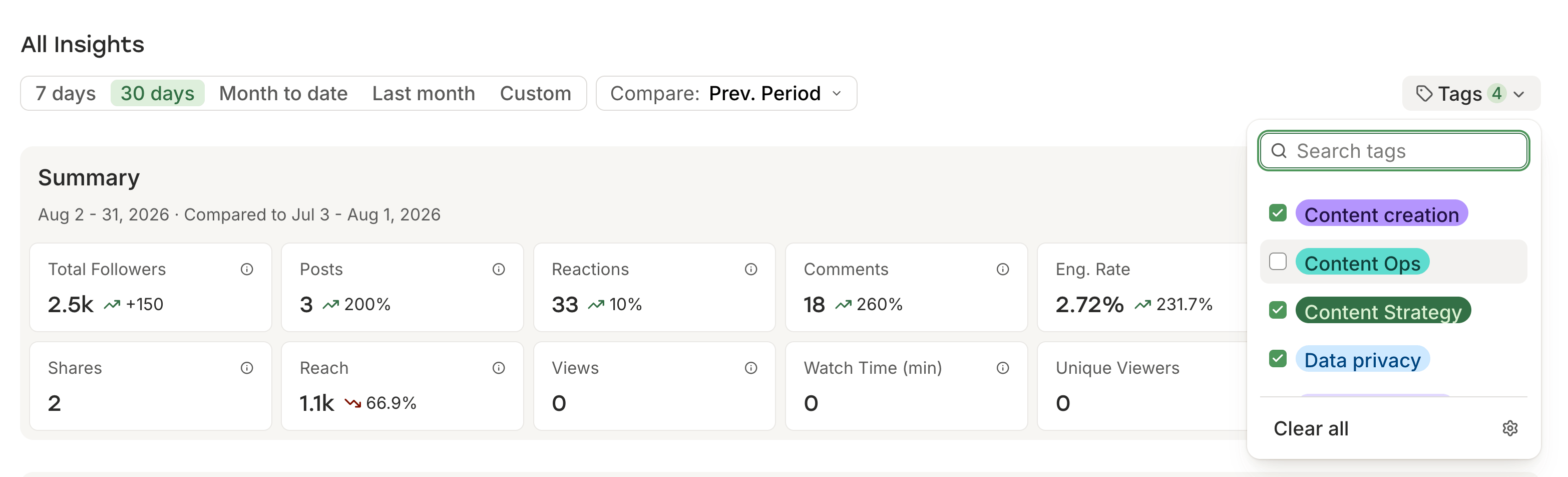
For visual and platform-specific formatting, RecurPost offers advanced Instagram capabilities, including the scheduling of trial reels, the integration of licensed audio via Facebook, and direct meta-ads boosting from within the dashboard.
Inbox Management and Engagement Capabilities
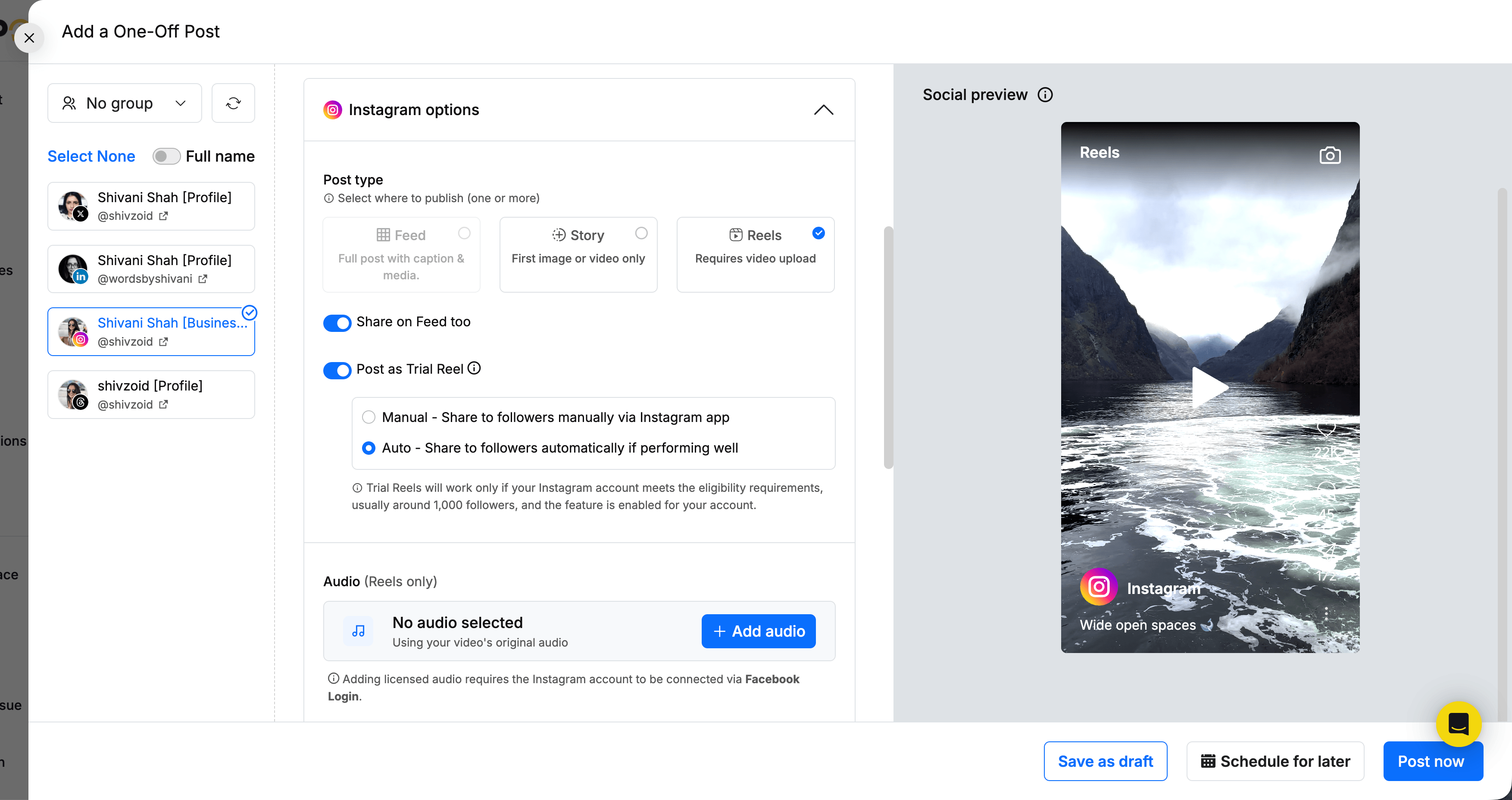
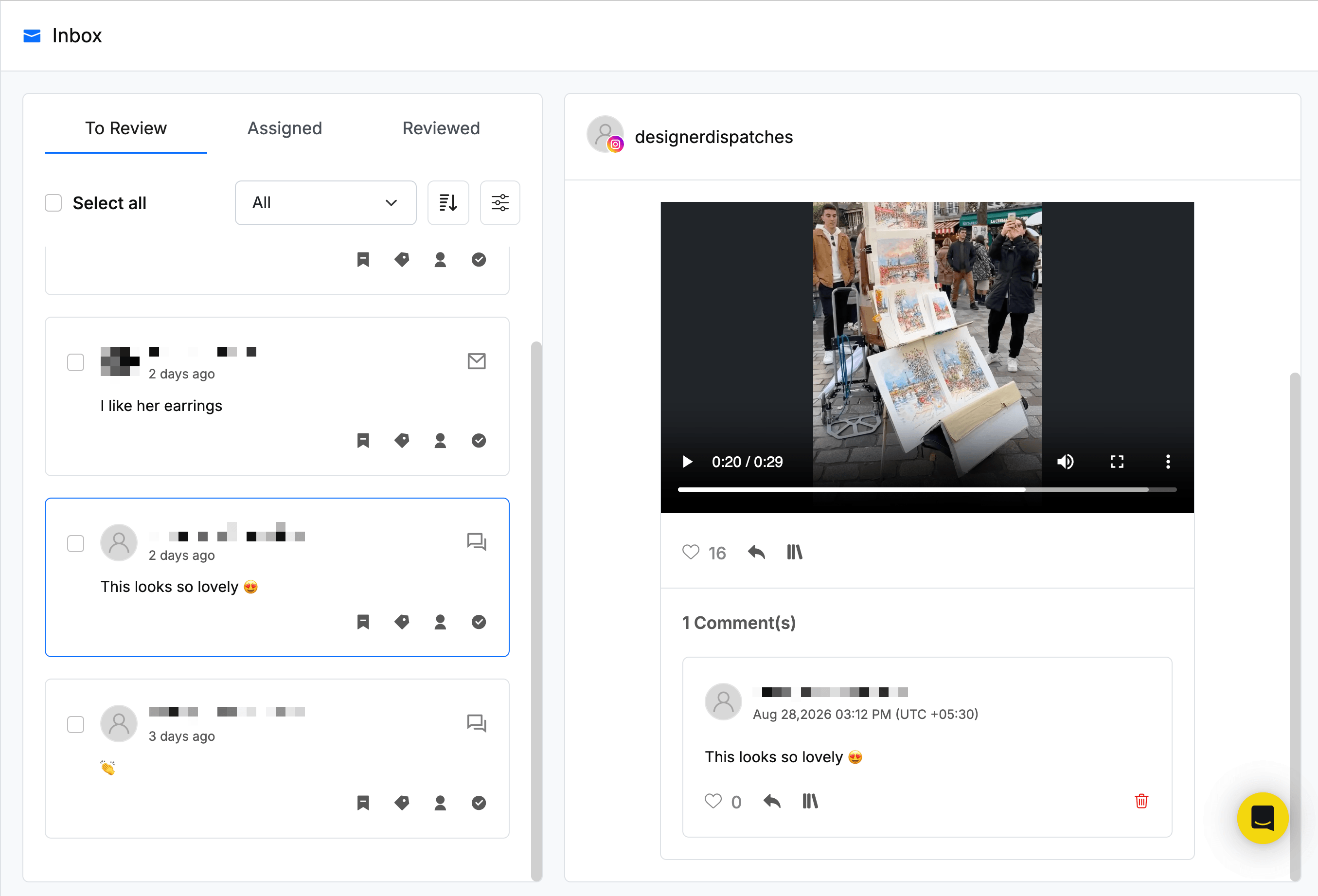
Audience engagement tools reveal another strategic divergence between the platforms. Buffer’s Community inbox covers a wide platform footprint, enabling administrators to manage comments and mentions across eleven distinct platforms, including emerging networks like Bluesky and Mastodon. It includes AI-driven reply suggestions, response time tracking, and organization-wide saved replies to streamline customer service operations.
RecurPost covers a narrower range of platforms in its inbox—focusing on Instagram professional accounts, Facebook Pages, LinkedIn Company Pages, and Google Business Profiles—but extends its functionality to include direct message management for Facebook and Instagram. RecurPost’s Instagram DM automation stands out as a powerful tool for keyword-triggered campaigns, allowing brands to instantly distribute resources or links based on user comments. However, it currently lacks saved replies for non-Instagram channels, introducing potential inefficiencies for teams handling high volumes of repetitive inquiries.
Analytics, Reporting, and Data Utilization
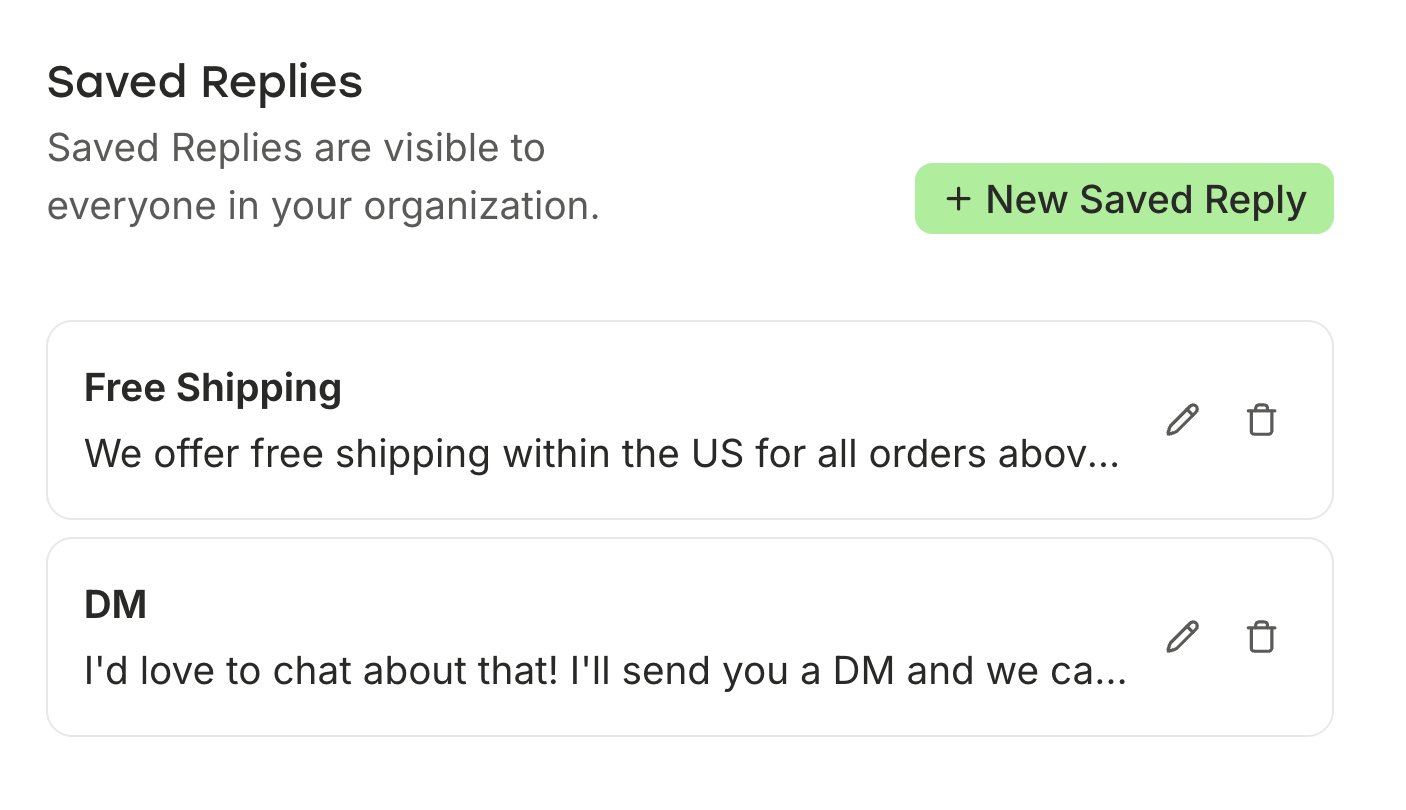
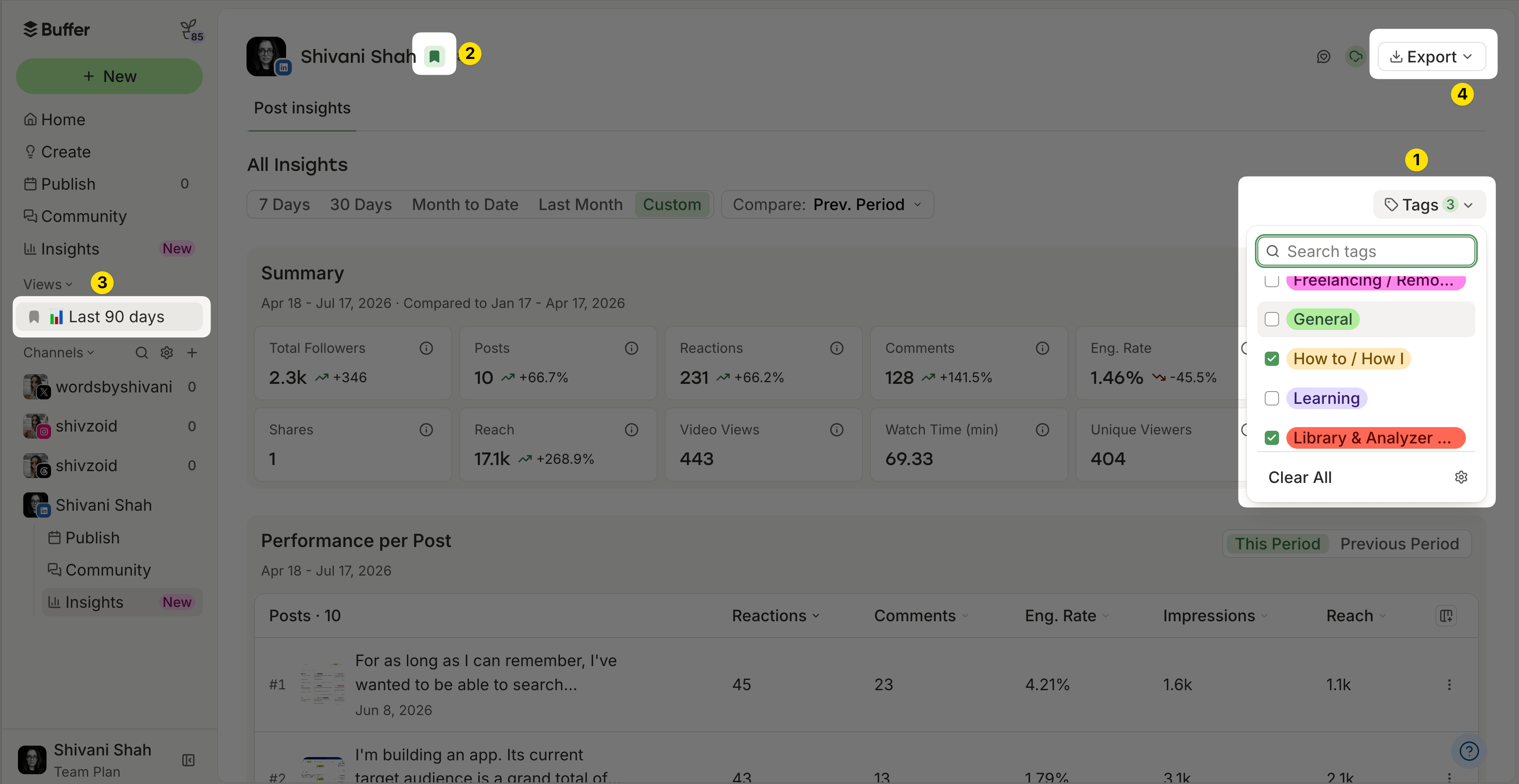
Data analysis and reporting capabilities cater to distinct user requirements. Buffer’s Insights dashboard provides a unified view across ten platforms, empowering users to filter data by custom tags, evaluate campaign performance, and export clean reports in PDF, CSV, or Markdown formats for advanced external analysis.
RecurPost approaches analytics with an emphasis on exhaustive reporting tailored for agency environments. Its dashboards capture granular audience demographics, link-click performance, and publishing cadence. The platform’s agency tiers enable white-labeled PDF reporting with customizable visualizations and automated client delivery. Additionally, RecurPost integrates a natural language AI chat interface for querying performance metrics, though users must verify data provenance carefully during client presentations.
Team Collaboration and Workflow Governance
Organizational hierarchy and approval protocols define the administrative experience. Buffer’s Team plan supports unlimited users at no extra charge, permitting granular, per-channel permission settings. Administrators can independently assign full publishing access, review-dependent approval workflows, or view-only privileges for both publishing queues and community inboxes. This ensures strict compliance and quality control before any content goes live.
RecurPost utilizes a workspace-oriented collaboration model. Resources are distributed across separate workspaces assigned to different clients or projects. While this ensures clean data separation for agency environments, RecurPost lacks mandatory, enforced approval workflows for general library posts, meaning team members can publish or engage without prior administrative sign-off unless operating within specific review constraints.
API Accessibility and Developer Ecosystem
For technical users and software developers, the availability of robust APIs and Model Context Protocols (MCPs) is a critical consideration. Buffer provides a publicly accessible API across all plans—including the free tier—accompanied by comprehensive developer documentation, integration guides, active community support via Discord, and dedicated developer advocacy. This ecosystem enables non-technical and technical users alike to build custom automation workflows, trend analysis engines, and internal communication integrations.
RecurPost maintains underlying API and MCP infrastructures, but lacks the accompanying educational resources, usage documentation, and developer community support found in competing ecosystems, leaving technical implementers largely unsupported.
Strategic Recommendations and Industry Implications
As the digital marketing sector continues to mature, the choice between Buffer and RecurPost ultimately depends on organizational structure and campaign objectives.
For solo creators, solopreneurs, and organizations emphasizing fresh content publication across diverse platforms, Buffer provides a cost-effective, scalable, and highly supported environment. Its robust free tier, comprehensive analytics, and enforced approval workflows make it particularly well-suited for growing teams and corporate communications departments requiring strict oversight.
Conversely, RecurPost serves as an optimal solution for video-first creators leveraging advanced Instagram and YouTube distribution, as well as agencies specializing in evergreen content recycling and automated engagement campaigns. Organizations must carefully weigh their requirements for content recycling, DM automation, team permissions, and budgetary scaling to determine which platform aligns with their long-term digital strategy.