The Best Link in Bio Tools to Optimize Your Social Media Traffic and Conversions

Modern social media platforms have long presented a significant challenge for digital marketers and creators: the restriction of clickable URLs. Platforms like Instagram, for instance, famously limit users to a single, static link in their profile bio. This design choice, while intended to keep users within the app’s ecosystem, creates a bottleneck for brands attempting to drive traffic toward e-commerce stores, blog content, or lead-generation forms. To circumvent these limitations, the industry has seen the rapid rise of "link-in-bio" tools—dynamic landing page solutions that serve as a bridge between social media engagement and tangible website traffic.
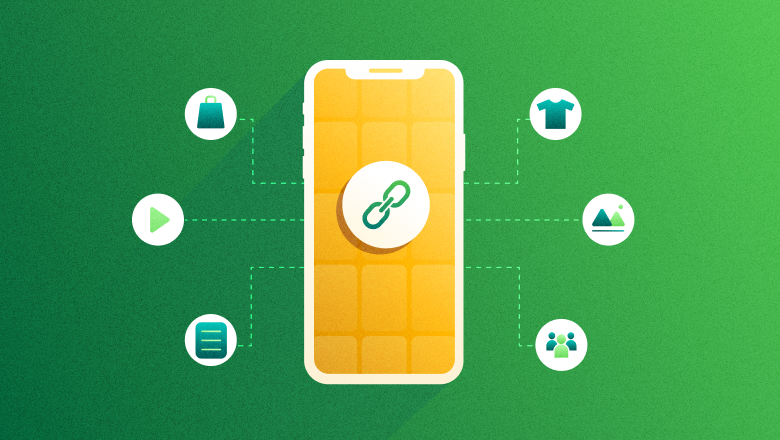
The evolution of these tools reflects a broader shift in digital marketing. In the early days of social media, brands were forced to manually swap out the link in their bio every time they posted a new piece of content. This process was not only inefficient but also led to significant data loss, as older posts became "dead ends" for interested followers. The advent of link-in-bio services transformed this experience, allowing a single, permanent URL to host a catalog of destination links, effectively turning a social media profile into a flexible, multi-channel navigation hub.
The Chronology of Social Media Navigation
The transition from static links to dynamic hubs occurred in tandem with the rise of the creator economy. Between 2016 and 2018, as influencers and small businesses began to monetize their Instagram presence, the demand for "all-in-one" link solutions grew exponentially. Early pioneers such as Linktree established the category by offering a simple, mobile-first list of buttons. By 2020, the market had matured, with companies beginning to integrate advanced analytics and e-commerce capabilities. Today, the sector has moved beyond simple redirection; it now encompasses comprehensive storefronts and integrated marketing suites that are directly embedded into broader social media management ecosystems.
Top-Tier Solutions for Modern Marketing Teams
1. Sprout Social (SproutLink)
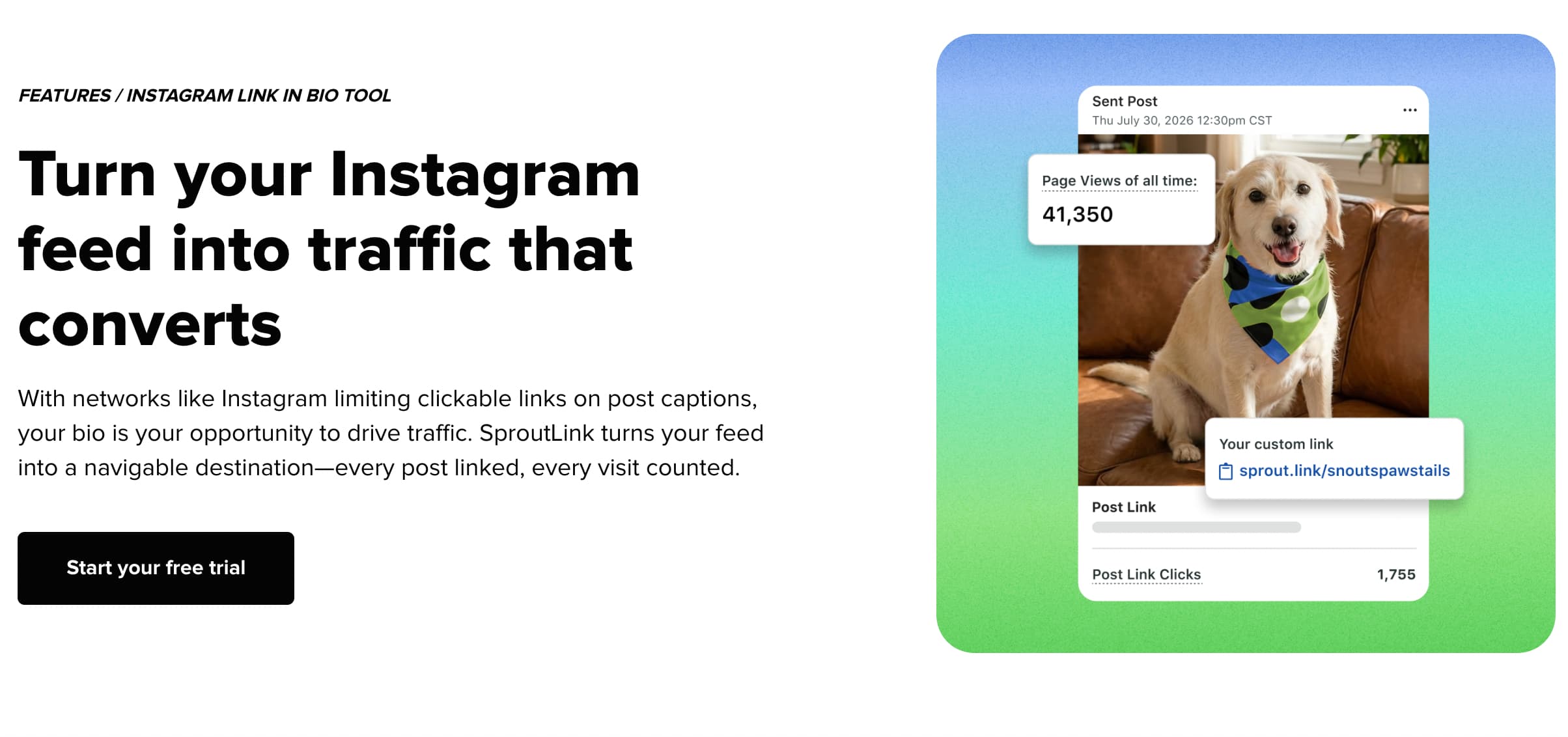
For organizations managing complex social media workflows, integrated tools offer a distinct advantage. SproutLink, a native feature within the Sprout Social platform, eliminates the friction of switching between third-party apps. By allowing users to tag destination URLs directly during the scheduling process, it ensures that a brand’s landing page is updated automatically as content goes live. Research conducted by Sprout Social indicates that businesses utilizing this integrated approach experienced a 17% average daily lift in profile engagement, suggesting that a seamless transition from "post to page" significantly reduces user drop-off.
2. Linktree
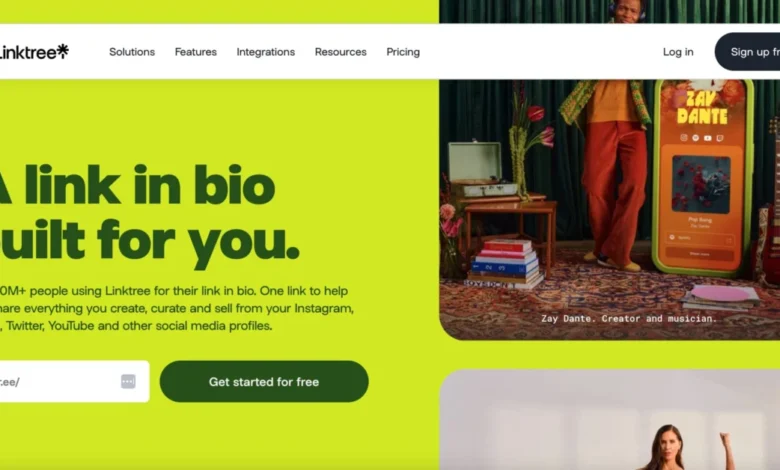
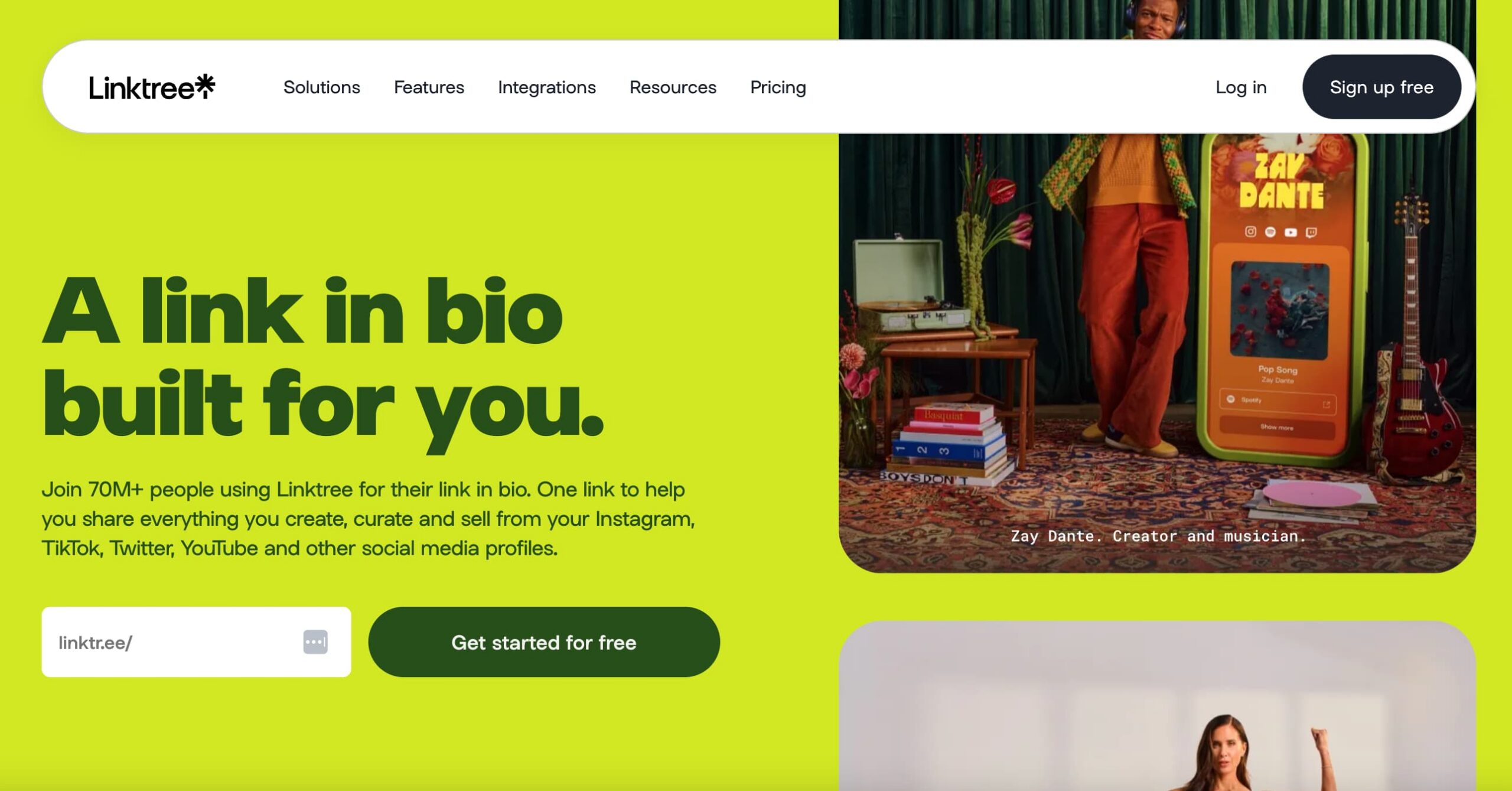
Widely recognized as the progenitor of the category, Linktree remains the standard for solopreneurs seeking a low-barrier-to-entry solution. Its strength lies in its simplicity and ubiquity. The platform allows for the aggregation of content across multiple social networks and offers offline integration via QR codes. While its free tier provides basic functionality, its subscription models offer the depth of tracking required by growing brands to measure the efficacy of their social campaigns.
3. Beacons and Stan Store
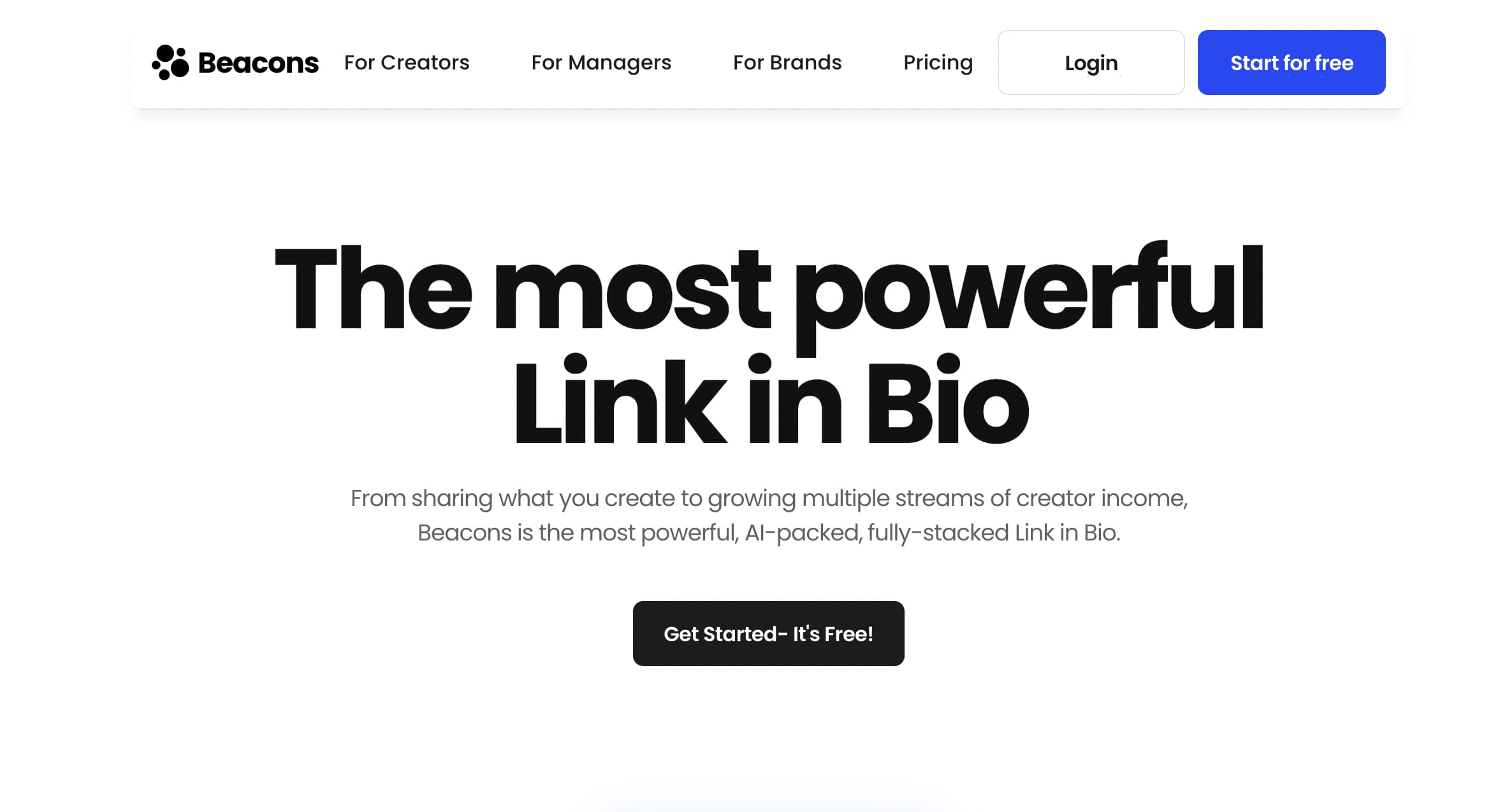
These platforms represent the transition of link-in-bio tools from mere navigation hubs to full-scale "creator-commerce" suites. Beacons focuses on the unified business hub model, incorporating multimedia elements, sign-up forms, and digital product hosting. Similarly, Stan Store caters specifically to creators selling digital products, coaching sessions, or memberships. By offering one-tap checkout, these tools minimize the steps between discovery and purchase, directly addressing the conversion-rate optimization challenges that plague traditional social media traffic.
4. Specialized Utility: Shorby, Milkshake, and Carrd
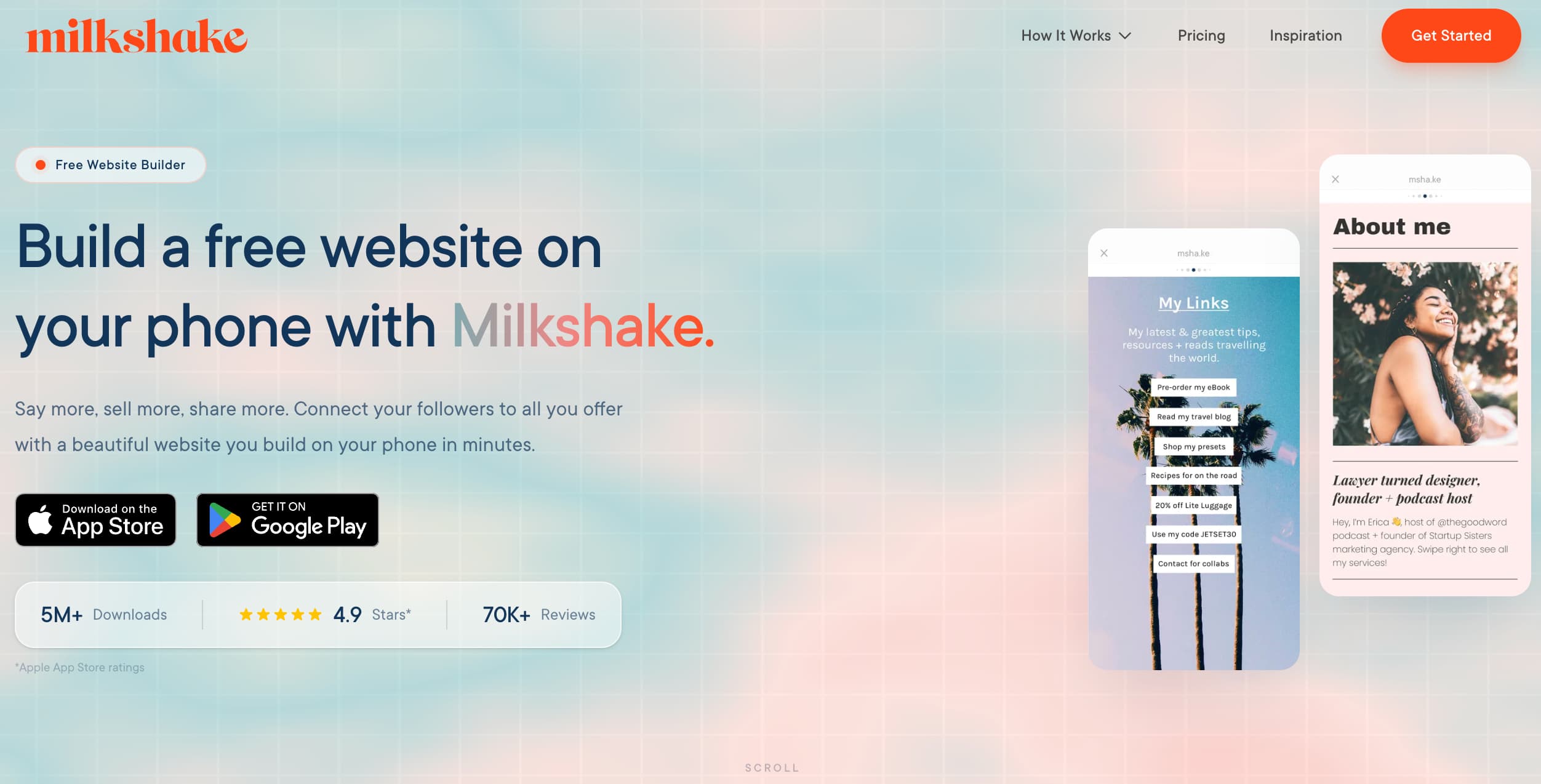
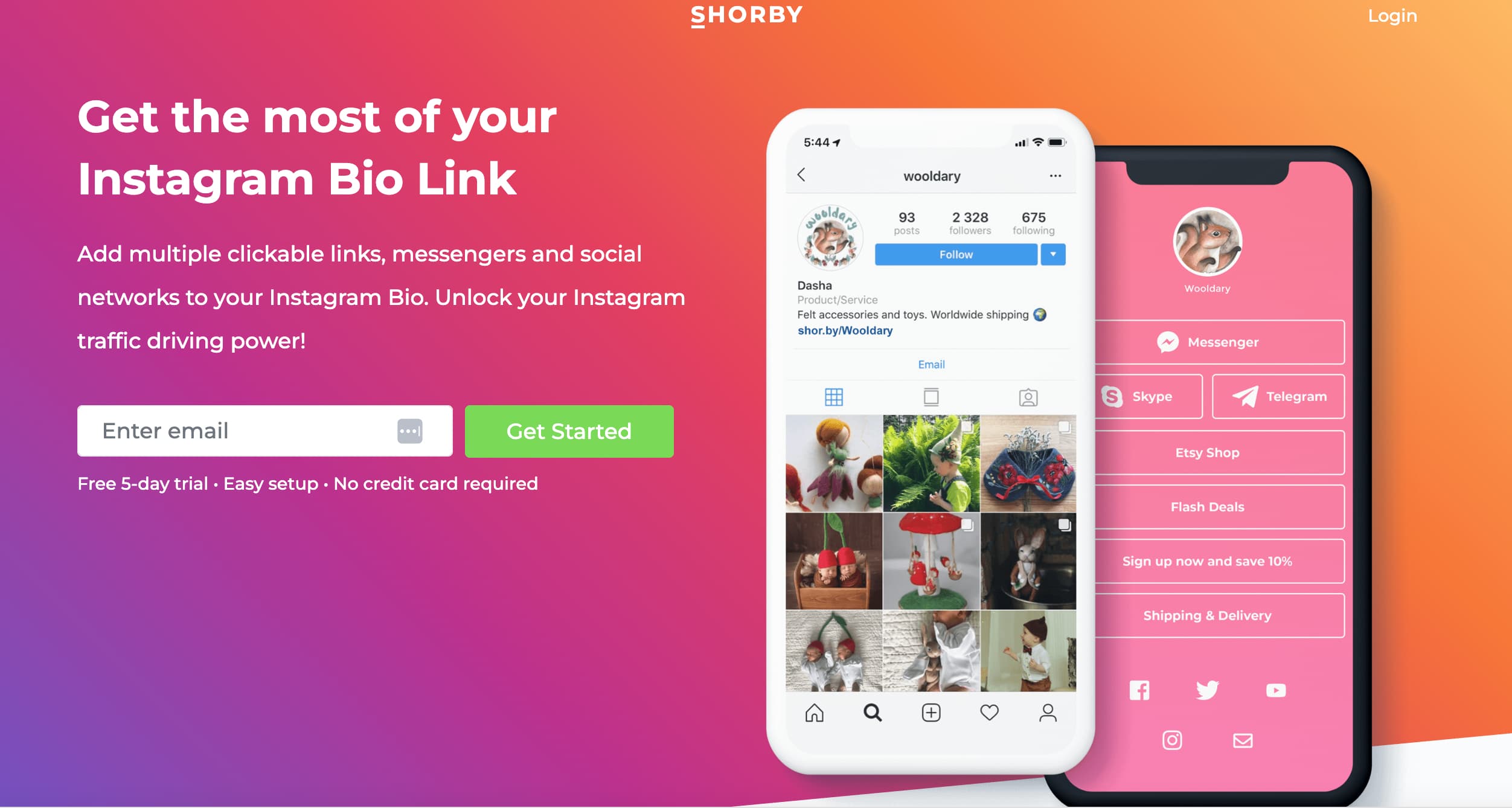
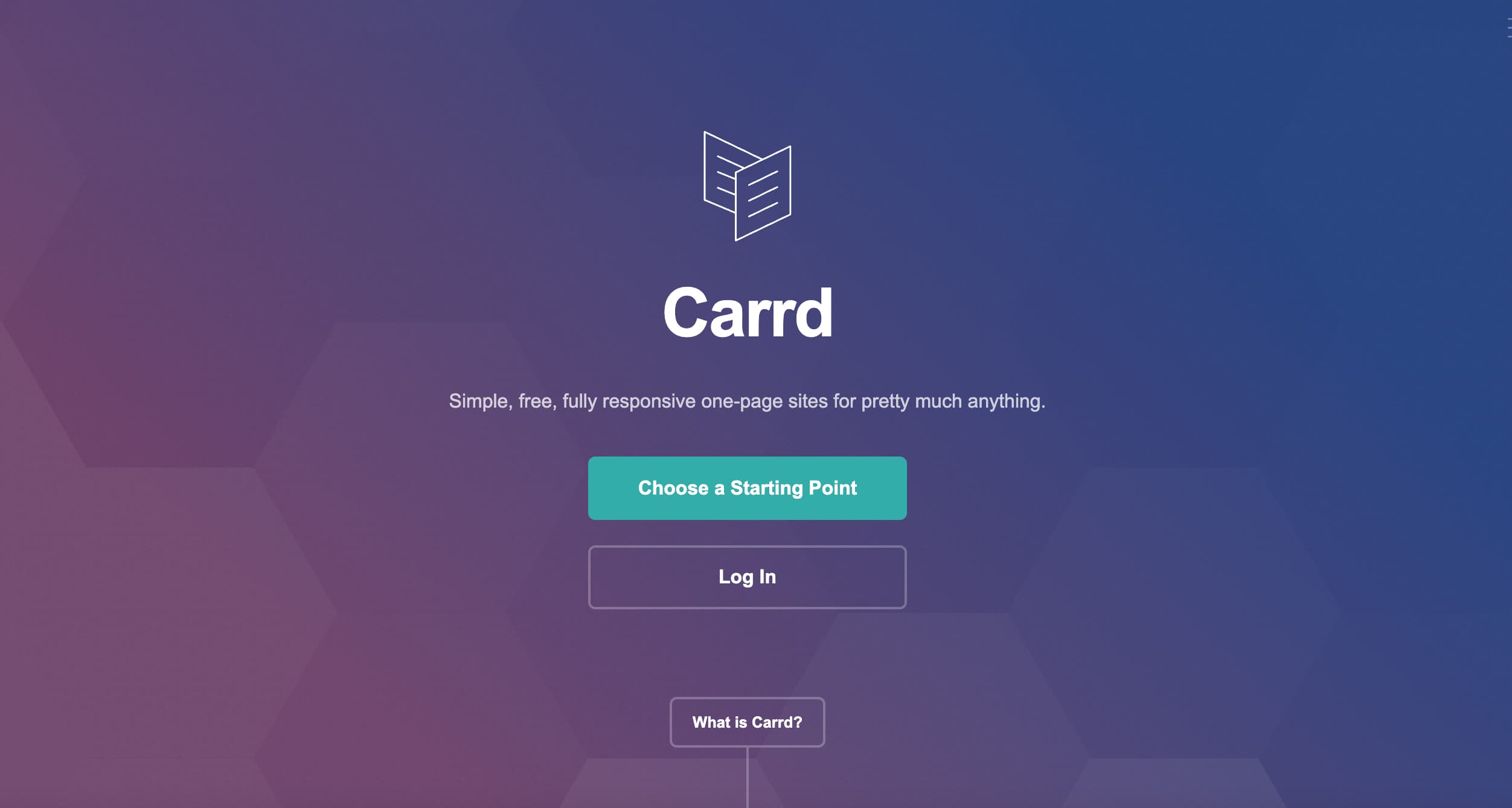
For marketers whose primary goal is data-driven performance, tools like Shorby offer advanced tracking capabilities, including the integration of tracking pixels. This allows brands to retarget visitors who clicked on their link-in-bio with relevant ads on other platforms. Conversely, for those prioritizing visual design and mobile-native aesthetics, Milkshake and Carrd provide website-builder-like experiences. Milkshake, in particular, emphasizes a "card-based" layout that mimics a mini-application, while Carrd offers extensive design freedom for brands seeking to move beyond the constraints of standard templates.
5. Lnk.Bio
For users who require a no-nonsense, functional utility without the overhead of complex design features, Lnk.Bio remains a viable choice. It provides an efficient way to house a long list of links, supporting multimedia embeds and geographic maps, making it a reliable, straightforward option for those who do not require e-commerce or complex funnel tracking.
Analysis: Data-Driven Decision Making
The selection of a link-in-bio tool should be predicated on three core pillars: organizational goal, team structure, and budget allocation.
From an analytical standpoint, the "cost" of a tool must be weighed against the opportunity cost of manual management. While a free, standalone tool might appear economical, the time investment required to manually update links across multiple profiles can hinder a team’s overall output. Furthermore, the loss of consistent, real-time analytics often results in a lack of visibility regarding which social content is driving the highest return on investment (ROI).
Industry experts suggest that larger teams prioritize tools that offer administrative access and multi-profile connectivity. For instance, platforms that allow for distinct landing pages for individual social profiles enable more granular A/B testing and campaign-specific tracking.
Broader Implications for Digital Strategy
The rise of link-in-bio tools has forced a shift in how brands view social media metrics. Engagement is no longer just about likes, comments, and shares; it is now fundamentally about click-through rates (CTR) and conversion attribution. As social media platforms continue to tighten their grip on user attention, the ability to effectively funnel that attention to owned channels—such as websites, newsletters, or storefronts—has become a vital competency for any digital marketing team.
The implications for the future are clear: social media is moving toward a "frictionless commerce" model. As these tools continue to incorporate sophisticated features like direct checkout, influencer affiliate tracking, and advanced behavioral retargeting, the distinction between a social media profile and a brand’s primary website will continue to blur. Organizations that fail to leverage these tools are likely to find themselves at a competitive disadvantage, as their competitors capitalize on the seamless, high-conversion pathways that these dynamic landing pages facilitate.
In conclusion, the decision to implement a link-in-bio strategy should be viewed as an infrastructure investment. Whether a brand chooses the workflow-integrated benefits of a tool like SproutLink or the specialized e-commerce focus of a platform like Stan Store, the goal remains the same: transforming transient social engagement into permanent, actionable traffic. By carefully auditing their current marketing goals and identifying which gaps exist in their customer journey, brands can select the tool that not only solves the "single-link" problem but also serves as a high-performance engine for their digital growth.