The 2026 Holiday Shopping Outlook: How Social Media Is Reshaping Consumer Behavior and Economic Strategy

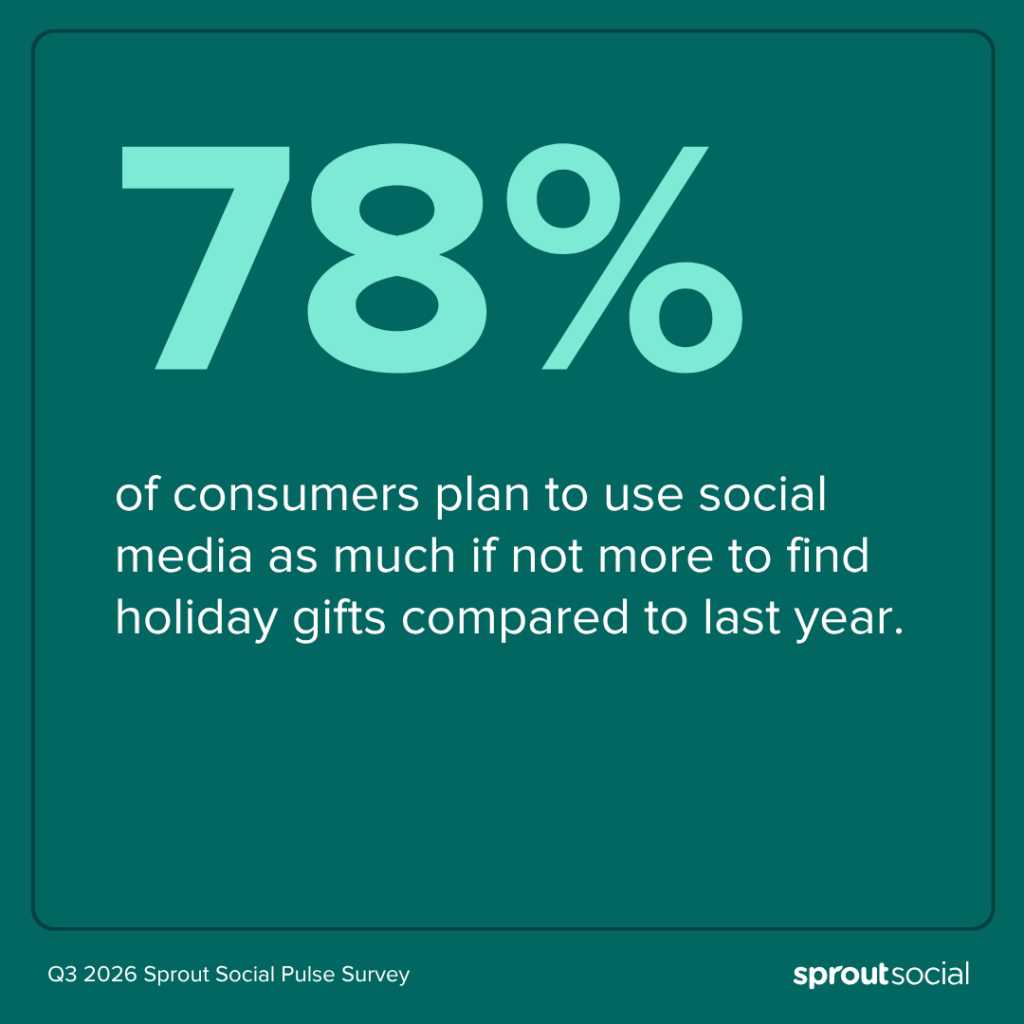
As the 2026 holiday season approaches, the digital marketplace has transformed into the primary arena for consumer engagement, product discovery, and brand interaction. Data from the Q3 2026 Sprout Social Pulse Survey indicates that social media is no longer merely a channel for brand awareness; it has become an indispensable utility for the modern shopper. With over 78% of consumers intending to rely on social platforms as much as, or more than, they did last year to source holiday gifts, retailers are facing a shift in how they must approach their year-end campaigns to remain competitive in an increasingly cautious economic climate.

The Shifting Timeline of Holiday Retail
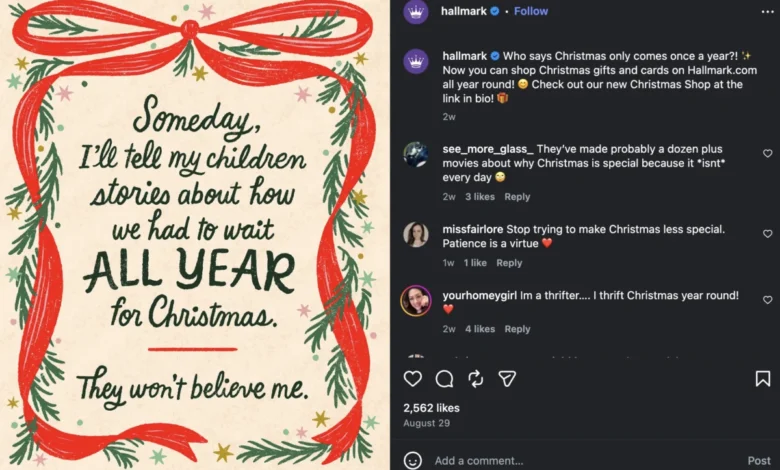
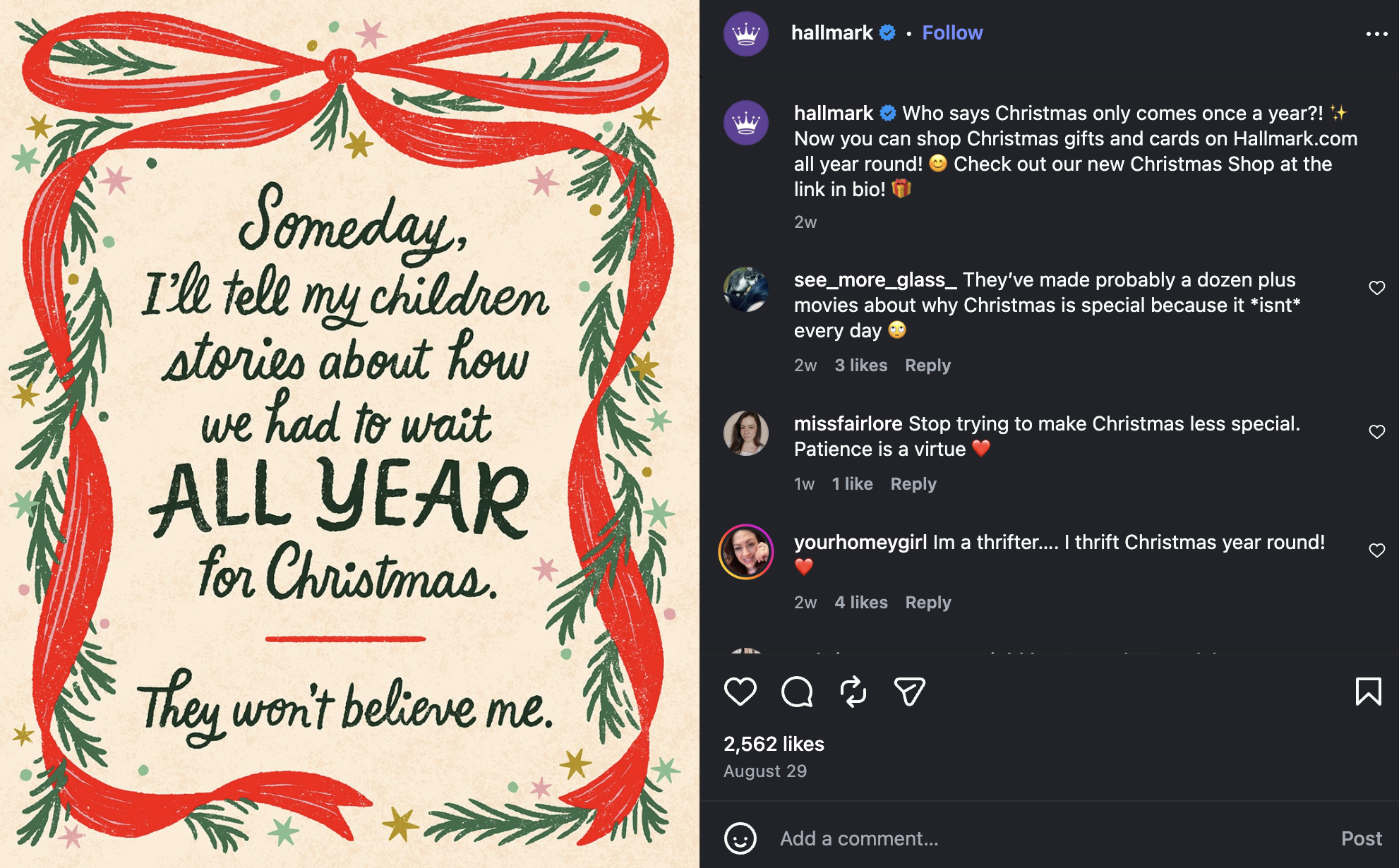
The traditional "holiday season," once demarcated by the post-Thanksgiving rush, has undergone a radical compression of the calendar. In recent years, retailers have experimented with early-bird promotions, pushing holiday messaging into late summer. However, 2026 data reveals a growing disconnect between brand strategy and consumer sentiment. While companies like Hallmark and Starbucks began teasing holiday-themed content as early as August, 50% of surveyed consumers expressed a preference for campaigns to launch in October.
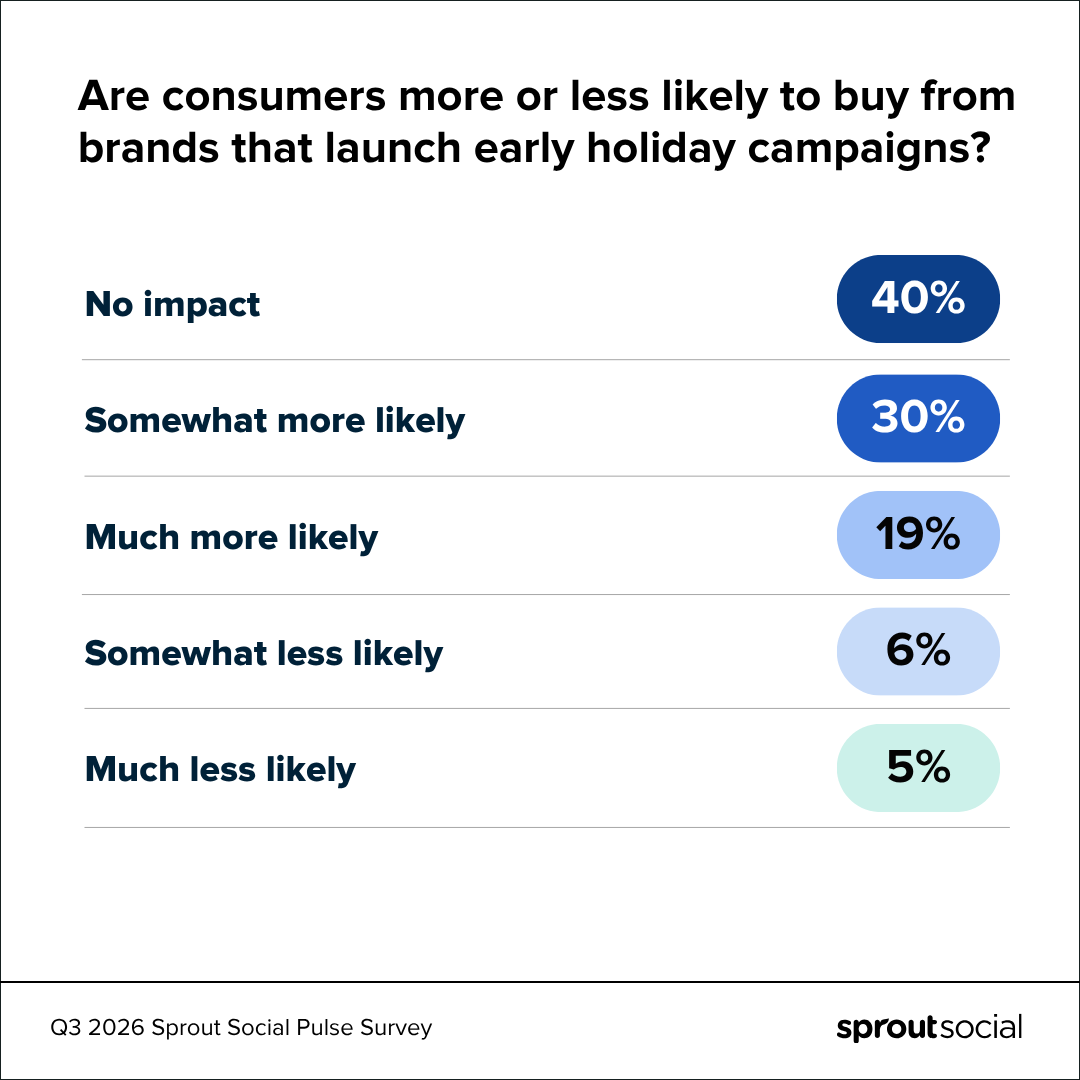
Despite this preference for a traditional start date, the data suggests that consumer purchasing behavior remains largely agnostic toward timing. Approximately 40% of shoppers reported that early-start campaigns have no significant impact on their decision-making process. More notably, nearly 50% of respondents indicated that they are more likely to engage with a brand that initiates holiday advertising as early as August. This dichotomy presents a strategic challenge for marketing departments: while consumers may vocalize a desire for later starts, their wallets suggest a readiness to participate whenever compelling value is presented. Consequently, the timing of a campaign has become secondary to the quality of the content and the tangible value offered to the consumer.
Economic Headwinds and the Tariff Factor
The 2026 retail landscape is heavily influenced by macroeconomic pressures, specifically the looming impact of new tariffs and broader inflationary concerns. The survey findings highlight a distinct trend toward fiscal conservatism, with 56% of consumers explicitly planning to reduce their overall holiday expenditure. Furthermore, 69% of shoppers expressed concern regarding price increases linked to tariff-related supply chain costs.
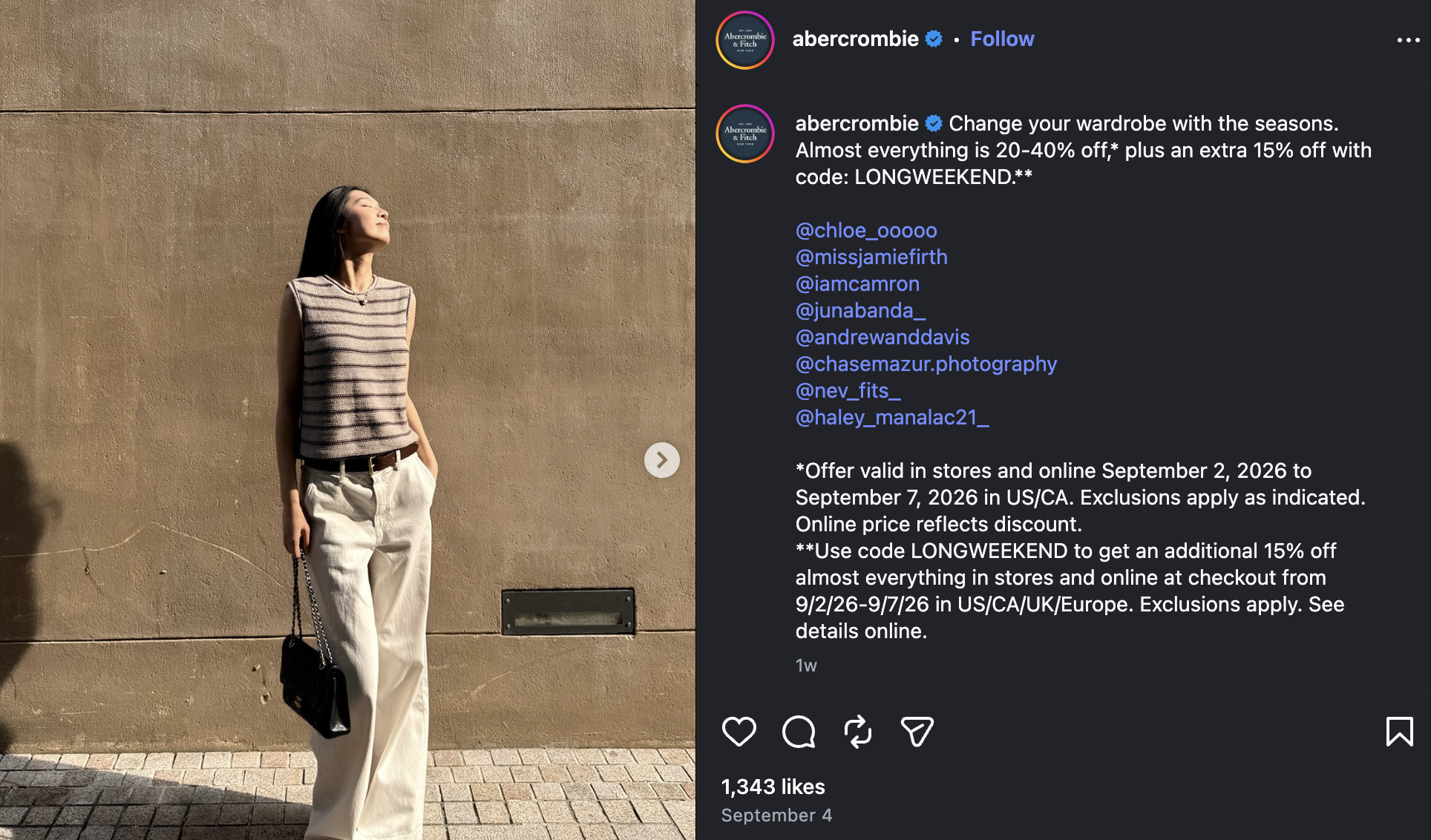
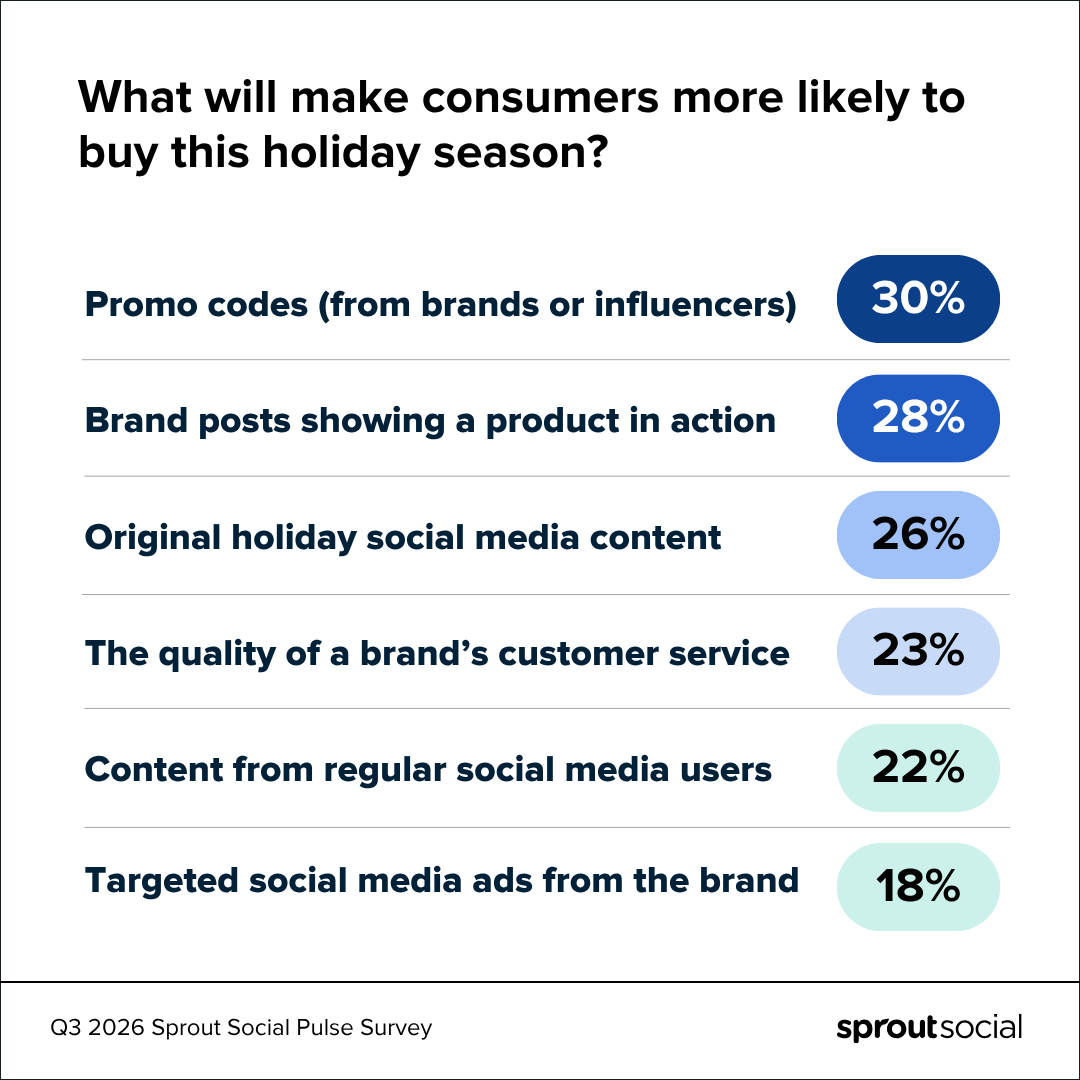
This environment has fundamentally altered the consumer’s strategic planning. To mitigate the risk of future price hikes, 36% of shoppers intend to complete their gift buying earlier than in previous years. This proactive approach serves as a defensive measure against anticipated volatility. For brands, this necessitates a shift in promotional messaging. The data underscores that promotional codes are currently the most effective tool for capturing consumer attention, with 30% of shoppers identifying discounts as the primary factor that would persuade them to finalize a purchase. This emphasis on value marks a departure from the 2025 season, where customer service and user-generated content were the dominant drivers of purchase intent.
Social Media as a Modern Search Engine
The role of social media platforms has expanded significantly beyond social networking, effectively functioning as a search engine for a new generation of shoppers. For Gen Z and Millennial demographics, social platforms are the preferred destination for product discovery, often surpassing traditional search engines. In 2026, social media achieved parity with physical retail as the top source for gift inspiration, with 46% of consumers citing these platforms as their primary research tool.
This shift toward "social search" is particularly pronounced in categories that benefit from high-visual and peer-led validation, such as travel, dining, and lifestyle products. Brands that fail to optimize their social presence—not just for visibility, but for searchability—risk being excluded from the consideration phase of the buyer journey. Furthermore, the integration of native shopping features, such as TikTok Shop and Instagram Checkout, has shortened the path to purchase. Over 50% of consumers have expressed openness to conducting their entire holiday shopping experience within a social application, bypassing traditional e-commerce websites entirely.
Customer Care and the AI Transition
The heightened volume of holiday commerce naturally places a strain on customer support systems. The 2026 data shows that 86% of users plan to utilize social media channels for customer service inquiries, with direct messages (DMs) remaining the preferred point of contact for 55% of users. However, the emergence of the "public comment section" as a secondary customer service forum is an important development. Nearly one-third of consumers now prefer to address concerns in public threads, forcing brands to be more transparent and efficient in their public-facing responses.
Speed is the defining metric for success, with 70% of consumers expecting a brand to respond to a query within 24 hours. To manage this influx, many organizations are integrating Artificial Intelligence (AI) to handle sentiment analysis, message prioritization, and automated responses. Consumer reception to this technology is largely positive, with 70% expressing comfort with brands employing AI to streamline service. Among Gen Z, that approval rating climbs to 77%.
Despite this acceptance, the human element remains critical. While AI can successfully handle routine inquiries and administrative tasks, the expectation for personalized, high-quality resolution remains high. A failure in customer service is not merely a localized issue; in the age of social media, it is a public relations event that can damage brand reputation instantaneously. Therefore, the most successful firms are expected to be those that utilize AI to handle the "behind-the-scenes" workload while keeping human agents ready to address complex or sensitive interactions.
Implications for the Competitive Landscape
The 2026 holiday season will likely be defined by the ability of brands to synthesize value, convenience, and responsiveness. As economic conditions tighten, the "middle-ground" retailer—one that fails to offer deep value or a superior, frictionless shopping experience—will be at the highest risk. The data indicates that the most successful holiday strategies will leverage influencer partnerships that serve a dual purpose: demonstrating product utility and providing exclusive promotional access.
Furthermore, the transition of social media into a holistic customer experience hub means that silos within marketing and support teams must be dismantled. A customer who discovers a product on Instagram, purchases it via a social shop, and seeks support via a DM expects a seamless, consistent journey. Any friction point in this chain is now a potential point of churn.
Looking toward the remainder of the year, the brands that thrive will be those that view social media not as a broadcasting platform, but as a community-driven marketplace. By focusing on search optimization, providing clear and immediate financial incentives, and utilizing AI-supported but human-led customer service, companies can effectively navigate the volatility of the 2026 economy. As the lines between entertainment, communication, and commerce continue to blur, the "holiday rush" is no longer just a busy time of year—it is the ultimate stress test for a brand’s digital infrastructure.
Summary of Key Findings
- Early Engagement: While consumers prefer an October start, they remain responsive to early August campaigns if the value proposition is strong.
- Economic Sensitivity: 56% of consumers are actively planning to reduce spending, with 69% citing tariff-related concerns.
- Search Behavior: Social media is the top discovery platform for Gen Z and Millennials, acting as a primary search engine for gift ideas.
- Customer Service Standards: A 24-hour response window is the baseline expectation, with 70% of consumers supporting the use of AI for service efficiency.
- Strategic Pivot: Brands must prioritize promotional codes, product-in-action content, and frictionless, in-app checkout experiences to maintain market share during this period of economic caution.