How to Build a High-Performing Social Media Team: Roles, Strategies, and Future-Proofing


The modern social media landscape has evolved from a simple broadcast channel into a complex, multi-functional ecosystem that serves as the primary touchpoint between global brands and their consumers. As of late 2026, organizations are no longer asking if they need a social media presence, but rather how to structure that presence for maximum business impact. Building a high-performing social media team today requires a sophisticated blend of creative talent, analytical rigor, and operational agility.

The Strategic Evolution of Social Media Units
Historically, social media departments began as an experimental sub-section of marketing, often handled by a single entry-level employee tasked with posting updates. Today, these units have matured into critical business functions. According to industry analysis, social media is now a primary driver for customer acquisition, market research, and brand equity.
The shift from reactive posting to proactive strategic management is largely driven by the increasing need for brand governance. In an era of viral misinformation and rapid-fire public relations cycles, the social media team acts as the frontline for brand reputation. Consequently, the structure of these teams has become increasingly specialized, moving away from the "generalist" model toward a matrixed, skill-based approach that integrates with customer support, sales, and product development departments.

Organizational Structures for Modern Scaling
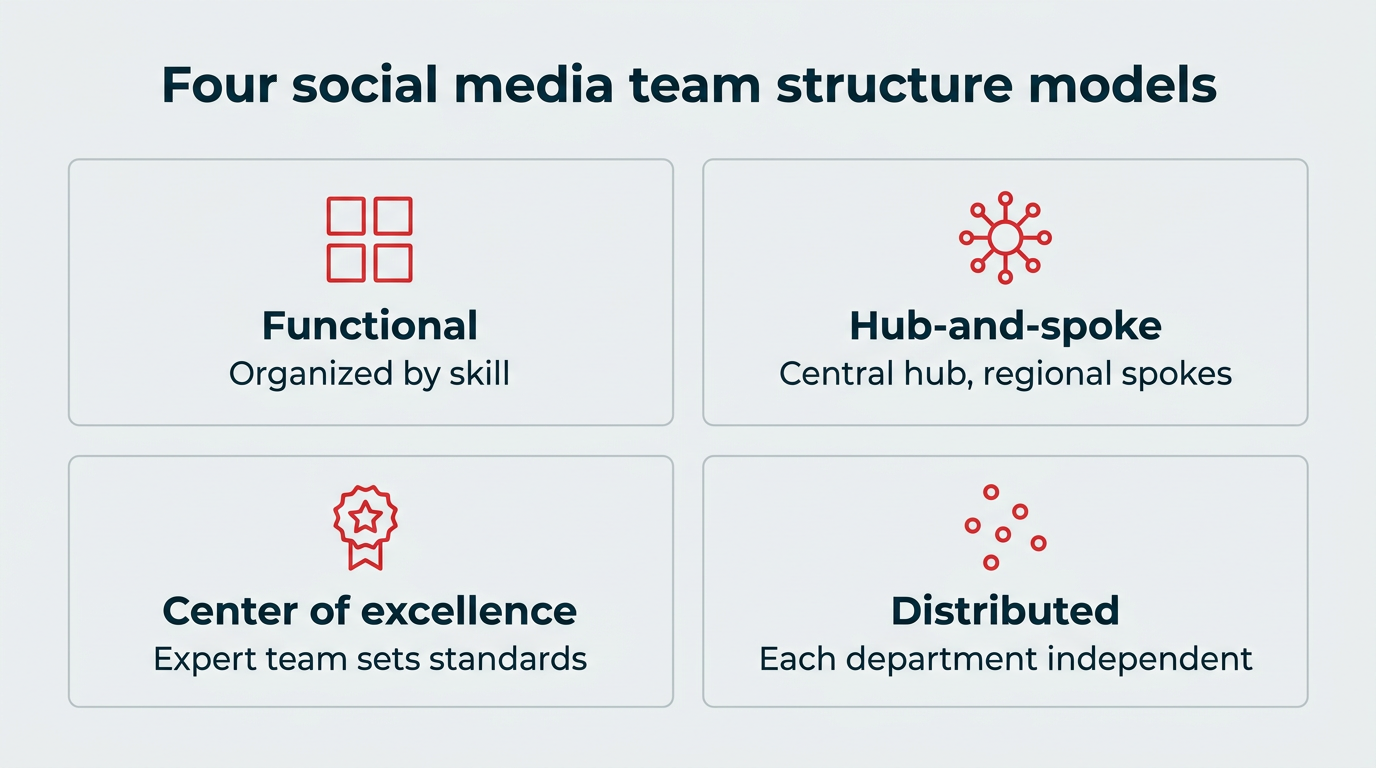
As companies grow, the challenge of maintaining brand consistency across multiple regions and platforms becomes a primary concern. Research into organizational behavior within digital marketing reveals four primary structures currently employed by leading global enterprises:
- The Functional Structure: This model organizes the team by specific skill sets, such as content production, community management, and paid advertising. While this creates high-level expertise within each silo, it requires a centralized "head of social" to synthesize these efforts into a cohesive brand narrative.
- The Hub-and-Spoke Model: Favored by multinational corporations, this approach maintains a central "hub" that dictates global brand guidelines and overarching strategy, while regional "spokes" handle localized execution. This ensures global consistency while allowing for cultural nuances in specific markets.
- The Center of Excellence (CoE): This is a decentralized model where a small, expert team develops training, playbooks, and best practices, which are then implemented by employees embedded in other departments. This is particularly effective for large organizations where social media is integrated into HR, PR, and customer care.
- The Distributed Model: In this model, individual departments manage their own accounts. While this provides the highest level of speed and autonomy, it carries significant risk regarding brand fragmentation and compliance failures, leading many organizations to eventually transition toward the Hub-and-Spoke model as they reach enterprise scale.
Key Roles and the Shifting Talent Landscape
Defining the composition of a social media team requires a clear understanding of the specific objectives of the business. A startup may prioritize a "Social Media Manager" who acts as a jack-of-all-trades, while an enterprise firm will likely require a suite of specialized roles.
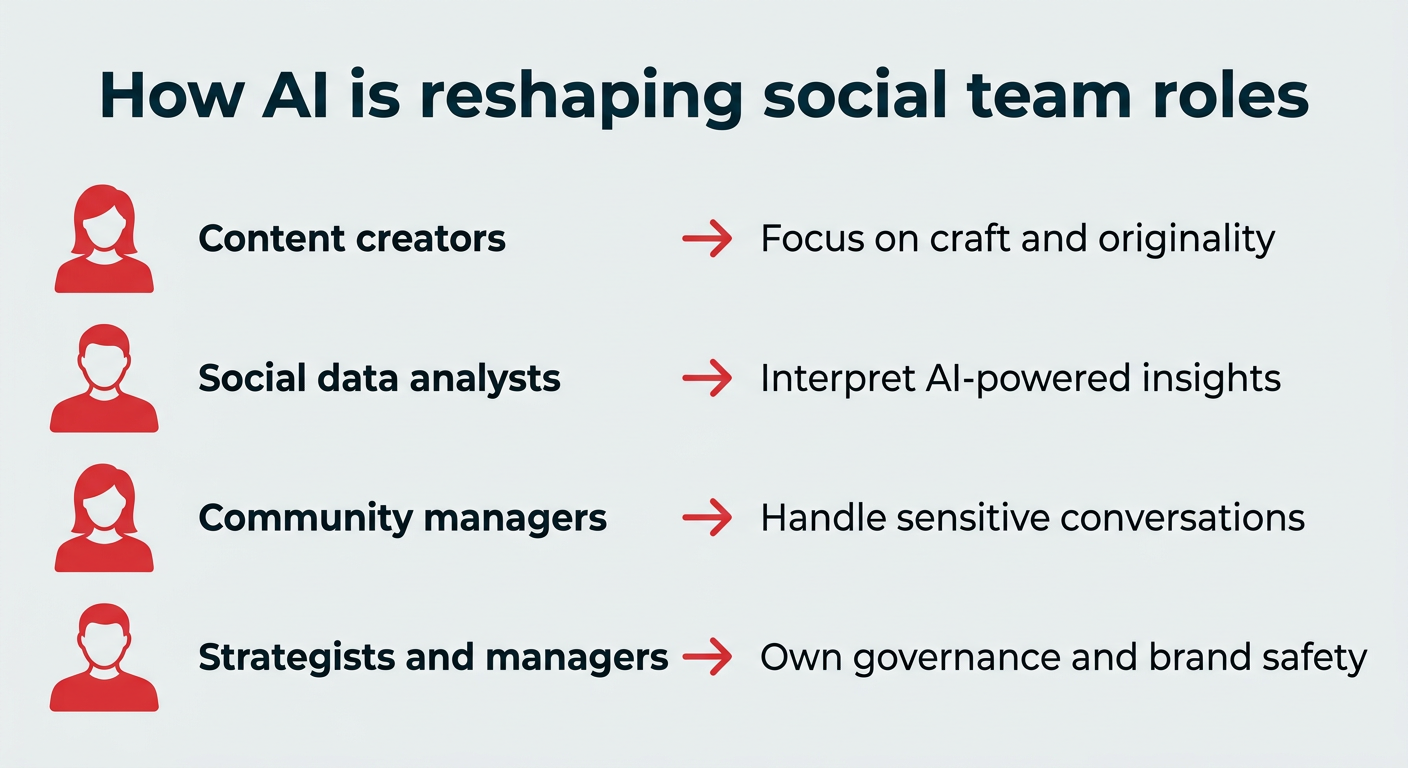
The Social Media Strategist serves as the architect of the brand’s online presence. Their role is to align social KPIs with bottom-line business metrics, such as lead generation or customer lifetime value. Unlike the Manager, who focuses on daily execution, the Strategist operates at a higher level, interpreting market trends and competitive shifts.
Complementing this is the Content Creator, whose focus has shifted toward high-fidelity, native-platform storytelling. With the rise of short-form video, these creators must possess the technical skills to shoot, edit, and optimize content for algorithmic performance. In parallel, the Community Manager has become more vital than ever; they are no longer just "repliers," but the primary interface for customer sentiment, often serving as an early-warning system for shifts in consumer satisfaction.
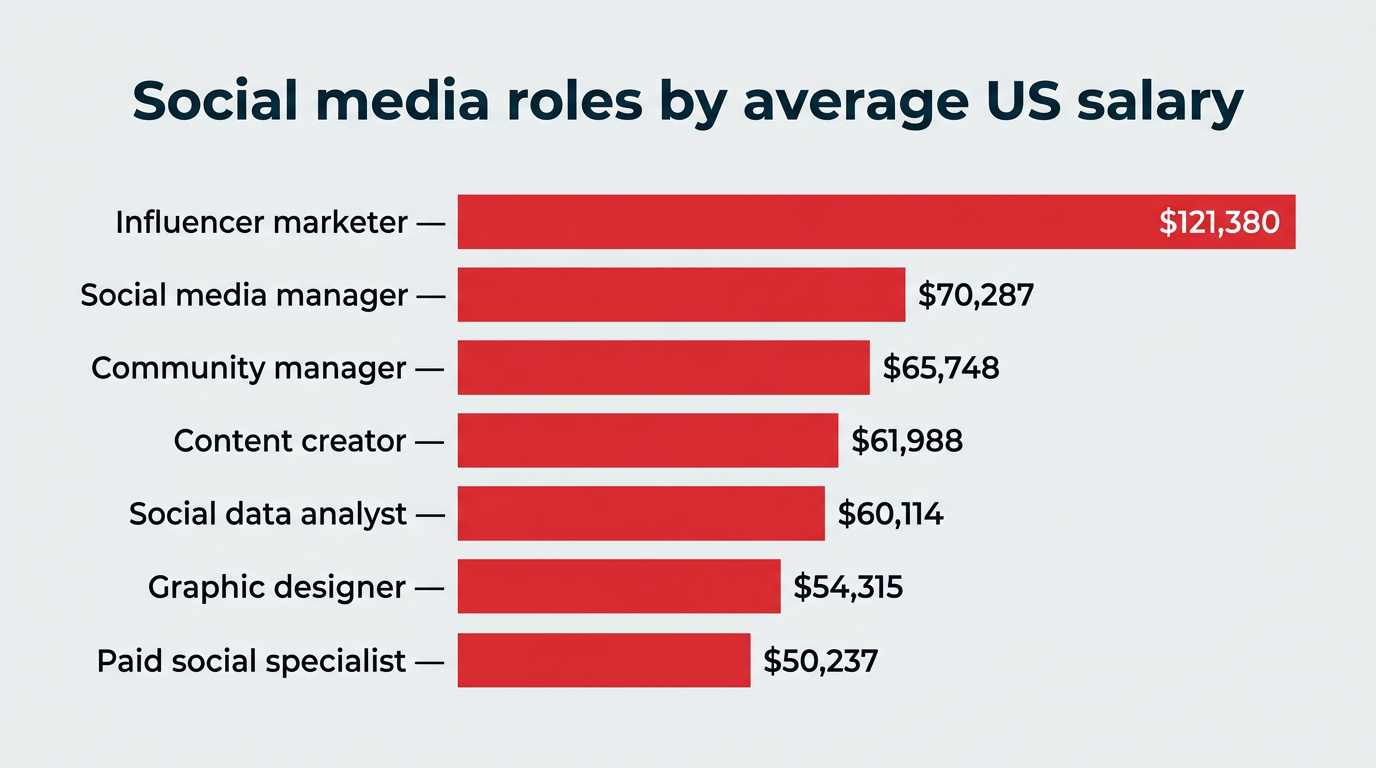
The introduction of the Social Data Analyst has changed the cadence of team reporting. By moving beyond "vanity metrics" like follower counts and focusing on conversion rates and attribution, these analysts provide the empirical evidence required to secure larger budgets from the C-suite.
The Integration of Artificial Intelligence
By 2026, the integration of generative AI has fundamentally altered the economics of social media staffing. AI-assisted drafting and automated content scheduling have allowed smaller teams to maintain higher posting volumes without increasing headcount. However, this has created a new requirement for "AI Governance."
Current industry standards suggest that while AI can handle the "work about work"—such as data aggregation, initial copywriting, and basic community tagging—it cannot replicate the strategic nuance or emotional intelligence required for high-stakes brand engagement. Therefore, the "AI-augmented team" is not about reducing staff; it is about reallocating human capital toward high-value tasks that AI cannot perform, such as complex influencer relationship management and long-term brand strategy.
Building the Team: A Five-Step Roadmap
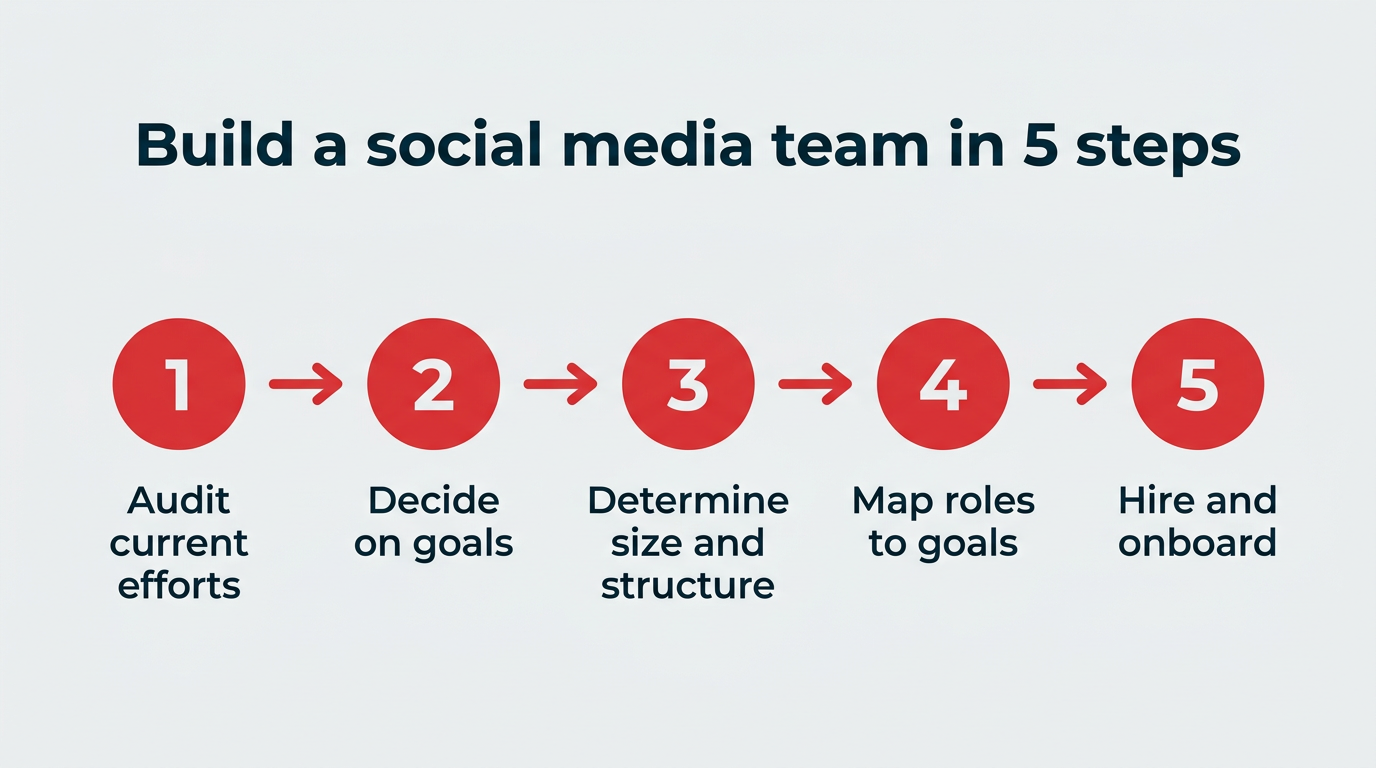
For organizations looking to build or restructure their social media presence, the following five-step process provides a scalable framework:
- Operational Audit: Before hiring, leadership must conduct a comprehensive audit of existing channels. This includes identifying high-performing content types and documenting current budget allocations.
- Goal Alignment: Define the primary purpose of the social media unit. If the goal is community building, the priority must be community managers. If the goal is direct revenue, the priority must be paid social specialists.
- Structural Selection: Based on organizational size and culture, select the appropriate structure. For small businesses, a functional approach is usually the most efficient.
- Strategic Mapping: Clearly define the relationship between roles and business goals. Each team member should be able to articulate how their specific output contributes to the company’s bottom line.
- Onboarding and Governance: Establish a "single source of truth" for brand voice, visual guidelines, and crisis communication protocols. This documentation is the most effective tool for maintaining consistency as the team scales.
Justifying Investment to Leadership
Securing executive buy-in for headcount expansion often fails when teams frame their requests in terms of "workload" rather than "business value." To succeed in budget negotiations, social media leaders must translate social performance into the language of the finance department.
Key metrics to present include the cost-per-acquisition (CPA) on social channels compared to other paid media, the impact of social customer service on churn reduction, and the role of social intelligence in product development. When social media is presented as a revenue-generating or cost-saving department rather than a support function, the case for expansion becomes significantly more persuasive.
Future Implications and Professionalization
The professionalization of social media management is ongoing. As the industry matures, the barrier to entry for these roles is rising. Employers are increasingly seeking candidates who demonstrate a hybrid skill set: one part creative director, one part data analyst, and one part crisis communicator.
The future of the social media team lies in its ability to remain nimble in the face of platform volatility while maintaining a steady, consistent brand identity. Organizations that view their social media team as a core business unit—capable of driving revenue, managing brand risk, and providing actionable market intelligence—will be the best positioned to navigate the digital landscape of the late 2020s and beyond.

By prioritizing clear structure, specialized roles, and the ethical, strategic use of AI, companies can move from a state of reactive "social posting" to a proactive, integrated "social business" model. This transition is not merely a matter of hiring more staff, but of creating a deliberate, high-impact organizational culture that recognizes the power of the digital conversation.