Buffer vs Later: A Comprehensive Comparative Analysis of Leading Social Media Management Platforms

In the rapidly evolving landscape of digital marketing, maintaining a consistent and strategic multi-platform presence is no longer optional for brands, creators, and agencies—it is a baseline requirement. Selecting the appropriate social media management tool serves as the structural foundation for executing these digital campaigns efficiently. Among the myriad software-as-a-service (SaaS) options available on the market today, Buffer and Later stand out as two of the most widely utilized platforms for scheduling content, analyzing metrics, and engaging with digital audiences. As organizations increasingly scrutinize marketing budgets and operational efficiency, understanding the structural differences between these platforms is paramount for decision-makers aiming to maximize return on investment.
A Historical Overview and Evolution of Social Media Management
The genesis of social media management tools dates back to the early 2010s, a period when platforms like Facebook, Twitter (now X), and LinkedIn transitioned from casual networking sites to vital commercial infrastructure. Buffer entered the market in 2010 primarily as a straightforward, queue-based content scheduler designed to simplify the distribution of links across multiple networks. Over the subsequent decade, Buffer evolved into a comprehensive suite encompassing analytics, audience engagement tools, and AI-assisted content generation.
Conversely, Later—originally launched as Latergramme in 2014—was explicitly engineered to solve a distinct market friction point: the lack of desktop scheduling capabilities for Instagram’s visual-first ecosystem. Over time, Later expanded its operational footprint to encompass TikTok, Pinterest, Facebook, and LinkedIn, maintaining its core identity as a visual planner tailored for aesthetic-driven brands, influencers, and e-commerce enterprises. The historical trajectory of both tools explains their distinct product architectures today: Buffer prioritizes channel flexibility and streamlined cross-platform publishing, while Later emphasizes visual content planning and media asset management.
Core Feature Breakdown: Pricing Structures and Cost Implications
Cost remains a primary determinant in software acquisition, and Buffer and Later employ fundamentally different monetization strategies that directly impact long-term operational expenditures.
Buffer utilizes an ala carte, channel-based pricing model. Users can select the exact social media channels they require and pay strictly for utilization. Buffer’s free tier permits up to three social channels across any supported platform, while paid plans begin at an accessible entry point of $6 per month. Furthermore, Buffer’s pricing includes unlimited user seats on its Team plan, ensuring that organizational scaling does not incur linear administrative cost inflation.
In contrast, Later enforces a bundled pricing methodology centered around the concept of "social sets." A social set bundles one account from each supported network into a single package. Consequently, users cannot cherry-pick individual channels; connecting a single Facebook page and a single LinkedIn profile still requires purchasing a complete social set. Furthermore, managing multiple accounts on the same network—such as two distinct Instagram profiles—demands the acquisition of additional social sets, significantly compounding monthly expenditures. Later’s paid tiers initiate at $25 per month, with team plans incorporating fixed user limits that necessitate additional seat purchases as organizations grow.
Platform Support and Channel Integration
The breadth of supported networks dictates the operational utility of a management tool. Buffer currently supports 11 distinct platforms: Instagram, Facebook, X (formerly Twitter), LinkedIn, TikTok, Pinterest, Google Business Profile, Mastodon, YouTube Shorts, Threads, and Bluesky. This wide compatibility makes Buffer particularly attractive to brands engaging in multi-channel thought leadership and distributed web3 strategies.
Later supports eight platforms: Instagram, Facebook, Threads, Pinterest, TikTok, LinkedIn, YouTube Shorts, and Snapchat. Notably, Later is currently the only platform of the two to officially support Snapchat integration, a critical channel for youth-oriented consumer marketing. However, Later omits support for X, Bluesky, Mastodon, and Google Business Profile, potentially limiting its utility for B2B enterprises and news organizations heavily reliant on real-time text-based engagement.
Content Scheduling, Creation, and Workflow Management
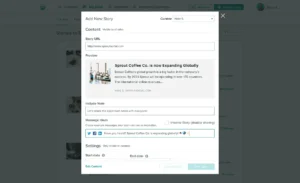
Both platforms facilitate the drafting and scheduling of multi-platform posts from a centralized dashboard. However, their internal mechanics diverge significantly when handling large-scale campaigns.
Buffer supports bulk scheduling of up to 100 posts simultaneously via CSV file uploads on its paid plans, enabling marketing teams to deploy complex content calendars in minutes. Later does not natively support CSV bulk scheduling, necessitating more manual data entry for large-scale promotional cycles.
Regarding content generation, both platforms integrate artificial intelligence to mitigate writer’s block. Buffer includes unlimited AI usage across all tiers, including its free plan, allowing users to brainstorm, draft, and repurpose content without financial constraints. Later restricts its AI-powered features to paid tiers, operating under a capped credit system where users expend credits for generating captions or strategic content ideas, requiring credit top-ups upon exhaustion.
Visual Planning and Audience Engagement Architectures
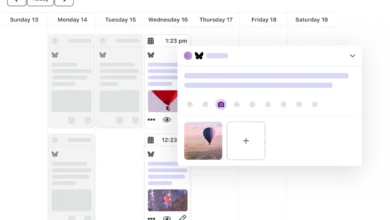
Later’s primary competitive advantage lies in its robust visual calendar and media asset library. The platform features an intuitive drag-and-drop grid preview for Instagram and Pinterest, allowing creators to curate their aesthetic layouts prior to publication. Additionally, Later provides a centralized media library where teams can upload, tag, store, and annotate visual assets collectively.
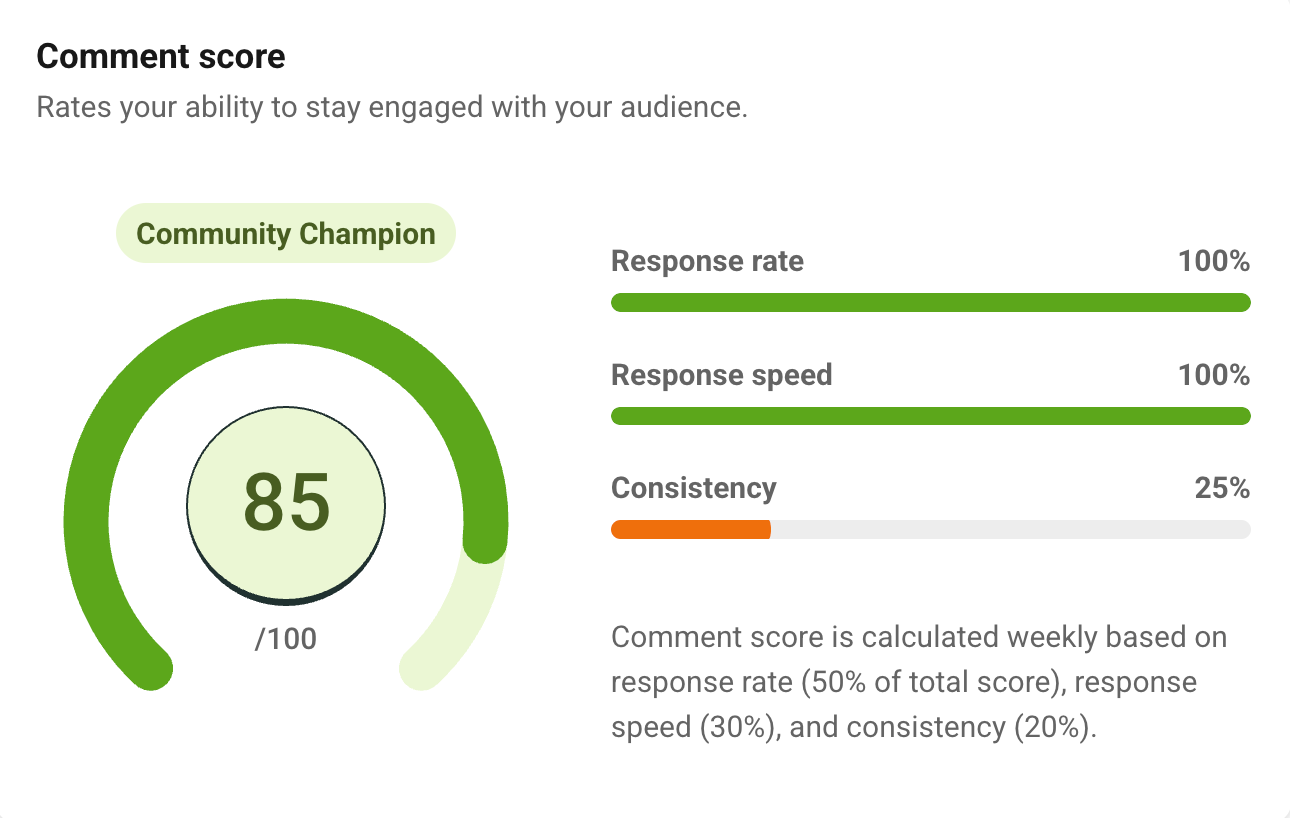
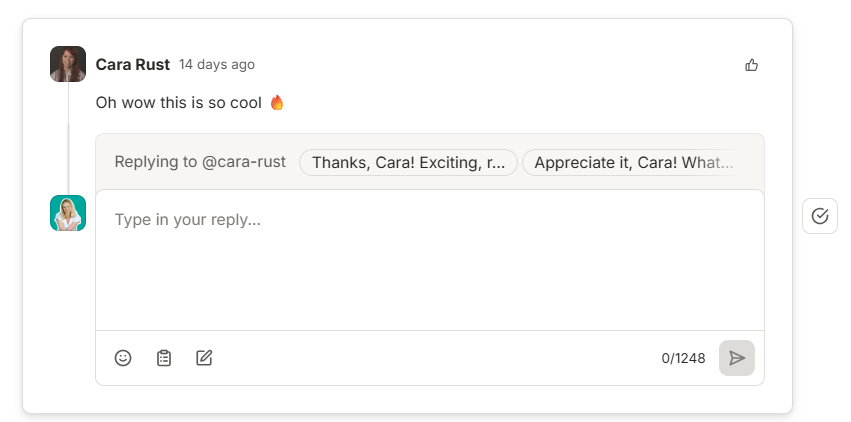
Buffer approaches engagement through its dedicated "Community" inbox, available across all plans including the free tier. This feature centralizes comments, mentions, and direct interactions, empowering solopreneurs and small teams to maintain rapid response times. Buffer also implements a proprietary "comment score" metric to track customer service responsiveness. Later restricts its social inbox functionality strictly to higher-tier team plans, reserving it for growing organizations.
Analytics, Reporting, and Enterprise Implications
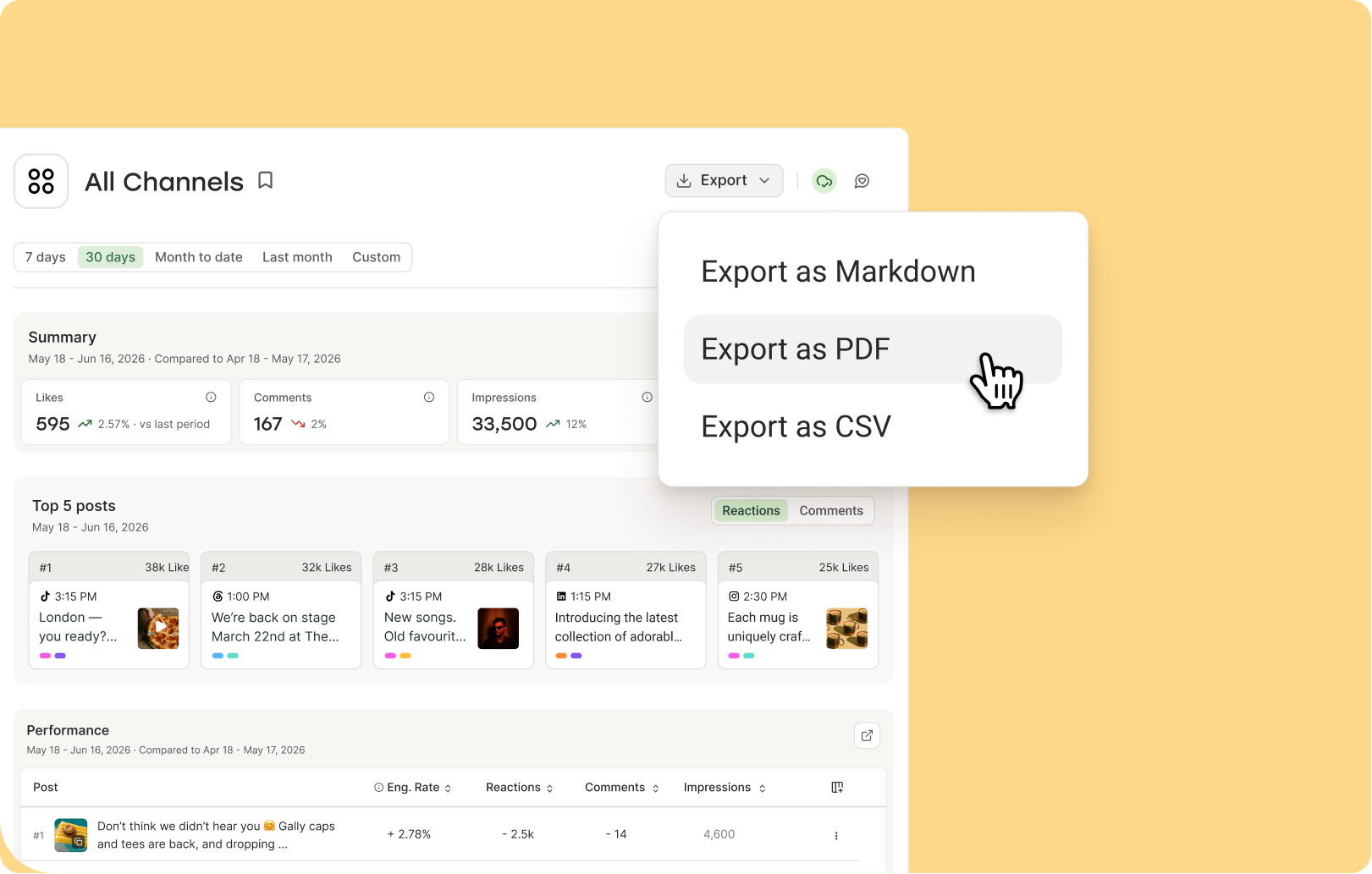
Data-driven decision-making necessitates robust analytics. Buffer provides foundational insights on its free tier and advanced analytics on paid subscriptions. A standout feature of Buffer’s analytics suite is its AI-driven "Takeaways," which automatically synthesize performance charts into actionable strategic recommendations.
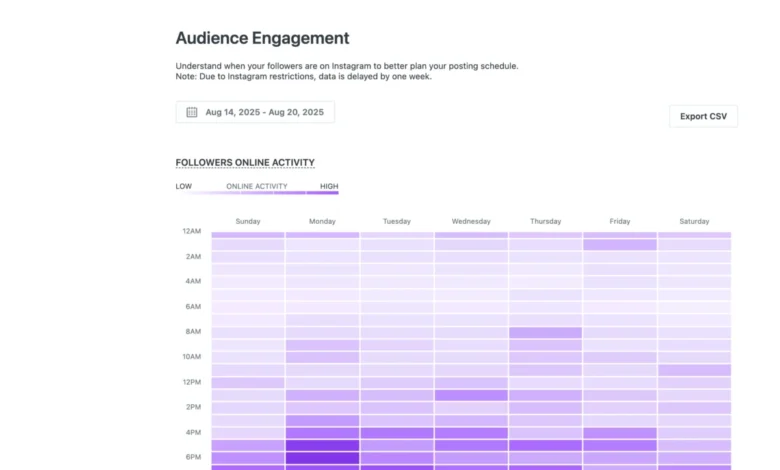
Later offers deep audience demographics—including age, gender, and geographic breakdowns—alongside optimal posting-time heatmaps for Instagram and TikTok. However, cross-platform comparative analytics are restricted to Later’s highest-tier enterprise plans, and direct PDF report generation is omitted in favor of CSV data exports.
Strategic Implications and Market Outlook
Industry analysts note that the divergence between Buffer and Later reflects a broader bifurcation in the SaaS market: tools optimized for cost-effective, multi-channel agility versus specialized platforms engineered for visual commerce and aesthetic curation.
For bootstrapped creators, B2B companies, and solopreneurs prioritizing budget predictability, multi-channel reach, and unlimited team seats, Buffer presents a highly efficient operational base. Conversely, D2C brands, e-commerce retailers utilizing Shopify integrations, and Instagram-centric marketing agencies may find Later’s visual planning and media asset organization tools justify the higher capital investment.
As digital ecosystems continue to fragment across new communication protocols, the capacity of these management platforms to adapt API integrations and maintain cost-transparent pricing models will ultimately determine their long-term market dominance. Organizations are advised to leverage trial periods to evaluate internal workflows against each platform’s structural strengths before committing long-term capital to either infrastructure.