LG Electronics Initiates Crackdown on Smart TV Apps Harboring Residential Proxy SDKs Following Security Research Insights

In a significant move to bolster the security and privacy of its consumer electronics ecosystem, LG Electronics USA has announced a comprehensive plan to suspend and remove applications from its smart TV platform that transform devices into residential proxy nodes. This decision follows a revealing investigation by cybersecurity researchers which discovered that a staggering percentage of applications available on the LG webOS store contained hidden or semi-hidden software development kits (SDKs) designed to route third-party internet traffic through a user’s home connection. The policy shift marks a pivotal moment in the ongoing battle between device manufacturers and developers seeking alternative monetization strategies that often compromise the integrity of the hardware they inhabit.
The Discovery of Widespread Proxy SDK Integration
The impetus for LG’s recent policy enforcement stems from a detailed report released in early July 2024 by the cybersecurity firm Spur.us. The researchers conducted an extensive audit of the application ecosystems for the world’s leading smart TV manufacturers, focusing specifically on LG’s webOS and Samsung’s Tizen operating systems. The findings were alarmingly lopsided: more than 42 percent of the games and utility applications available for download on the LG webOS store were found to include residential proxy SDKs.
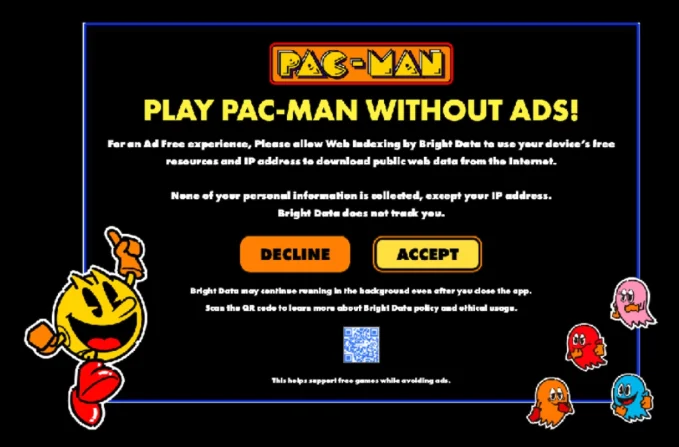
These SDKs are essentially "digital stowaways" that allow external entities to use the television’s IP address as a gateway to the internet. While LG bore the brunt of the findings, Samsung was not immune; the research indicated that more than a quarter of the applications developed for the Tizen OS also contained similar proxy-related components. The prevalence of this software suggests a systemic trend where developers of seemingly benign applications—ranging from classic arcade clones like Pac-Man to simple weather widgets and file utilities—are leveraging the "always-on" nature of smart TVs to generate revenue through proxy networks.
Understanding the Residential Proxy Monetization Model
To understand the severity of the situation, it is necessary to examine how residential proxy networks function and why they have become a favored tool for both legitimate businesses and malicious actors. Unlike data center proxies, which use IP addresses associated with servers, residential proxies use the IP addresses of actual home users. This makes the traffic originating from these nodes appear as legitimate consumer activity, allowing users of the proxy service to bypass geo-restrictions, perform large-scale web scraping without being blocked, and conduct market research.
However, the "residential" nature of these proxies also makes them highly attractive to cybercriminals. By routing traffic through a consumer’s smart TV, attackers can hide their true location and identity, facilitating activities such as credential stuffing, ad fraud, and distributed denial-of-service (DDoS) attacks. For the app developer, integrating a proxy SDK like those provided by companies such as Bright Data offers a lucrative alternative to traditional advertising. Instead of showing banners or video ads, the developer receives a fee from the proxy provider for every device that becomes an active node in the network.
LG’s Official Response and Enforcement Strategy
Following the publication of the Spur.us research, LG Electronics USA took immediate steps to address the vulnerabilities within its app store. John Taylor, Senior Vice President at LG, clarified the company’s position in a statement to the security community, emphasizing that residential proxying was never a sanctioned or intended use for the webOS platform.
According to Taylor, LG is currently in the process of auditing its entire application library. The company has reached out to developers whose apps were flagged as containing proxy SDKs, issuing a clear ultimatum: remove the proxy components or face permanent suspension from the platform. "LG Electronics is working with developers to remove the residential proxy option from their apps on the webOS platform," Taylor stated. "If this option is not removed, these apps will be suspended."
The company’s review process is reportedly "well underway," with LG promising to strengthen its evaluation criteria for all future developer submissions. This includes a more rigorous technical analysis of third-party SDKs to ensure that no hidden background processes are being introduced into the consumer environment.

The Role of Proxy Providers and the Question of Consent
The Spur.us report identified Bright Data as the primary provider of the proxy SDKs found across both the LG and Samsung ecosystems. Bright Data, a major player in the proxy and data collection industry, has historically defended its practices by citing rigorous "Know Your Customer" (KYC) protocols and claiming that their services are used by Fortune 500 companies for legitimate data gathering.
One of the most contentious aspects of these proxy SDKs is the manner in which user consent is obtained. In many instances, an app might present a user with a choice: "Watch ads to play for free" or "Agree to share your idle internet resources." To the average consumer, and especially to children who may be using these devices to play games, the technical implications of "sharing resources" are rarely understood.
Trevor Sutter of Spur.us argued that these one-time consent prompts, often buried in fine print or presented in a misleading context, do not constitute meaningful transparency. "The risk is amplified when consent comes from individuals within the household who use the device but shouldn’t give consent, such as minors," Sutter noted. Furthermore, while proxy providers claim to implement safeguards that prevent their customers from accessing other devices on a user’s local network, security experts remain skeptical, noting that any bridge into a local network represents a potential security frontier that could be exploited.
A Growing Pattern of Software Concerns at LG
The crackdown on proxy SDKs comes at a time when LG is already facing scrutiny for other software-related practices. Recently, the tech community, led by reports from outlets like Gamers Nexus, criticized LG for its partnership with McAfee. It was discovered that certain high-end LG LCD monitors were automatically installing McAfee security software on users’ computers via Windows Update without an explicit prompt or approval from the user.
This "bloatware" approach has raised questions about the boundaries of corporate partnerships and the extent to which hardware manufacturers should be allowed to modify a user’s software environment for promotional purposes. While the proxy SDK issue is a matter of third-party developers exploiting LG’s platform, the McAfee situation involves a direct corporate partnership, leading to a broader conversation about consumer trust and the sanctity of the "out-of-the-box" experience.
Technical Implications for Home Network Security
The presence of a residential proxy node on a home network is more than just a privacy concern; it is a technical liability. Smart TVs are generally not designed with the same level of security auditing as personal computers or smartphones. They often run on older versions of kernels with unpatched vulnerabilities, and because they are connected to the same local network as sensitive devices—such as laptops, security cameras, and network-attached storage (NAS) units—they can serve as a point of lateral movement for sophisticated attackers.
Furthermore, being a proxy node can impact the user’s internet performance. While proxy providers claim to only use "idle" bandwidth, the background processes can still consume CPU cycles and memory on the TV, potentially leading to interface lag and decreased streaming quality. In some cases, if the proxy node is used for illegal activities, the homeowner’s IP address could be "blacklisted" by websites or even flagged by their Internet Service Provider (ISP), leading to service interruptions or investigations.
Chronology of the Proxy SDK Controversy
- January 2024: Security researchers begin noticing an uptick in "botnet-like" behavior originating from smart home devices, leading to deeper investigations into the residential proxy market.
- May 2024: The FBI and international partners announce the seizure of the "911.re" and "NetNut" proxy platforms, highlighting the massive scale of illegal activity facilitated through residential proxies.
- July 2, 2024: Spur.us publishes its comprehensive study on smart TV apps, revealing that 42% of LG apps and 25% of Samsung apps are serving as proxy nodes.
- July 15, 2024: LG Electronics USA officially responds to the findings, announcing a mandatory audit and the suspension of non-compliant applications.
- Late July 2024: Gamers Nexus reports on LG’s monitor-based McAfee installations, compounding the "software-as-a-service" controversy surrounding the brand.
Future Outlook and Industry Impact
The action taken by LG is expected to set a precedent for the smart TV industry. As televisions become increasingly integrated into the "smart home" fabric, the responsibility of the manufacturer to curate a safe application environment becomes paramount. Industry analysts suggest that other manufacturers, including Samsung and Sony, may soon follow suit with similar crackdowns to avoid the reputational damage associated with hosting "proxy-ware."
For consumers, this incident serves as a reminder that "free" applications often come with hidden costs. The "Internet of Things" (IoT) remains a frontier where security standards are still evolving, and the burden of vigilance often falls on the end-user. Moving forward, LG’s commitment to strengthening its evaluation process will be a critical test of whether hardware giants can effectively police their own digital marketplaces and protect their customers from the invisible exploit of their home networks.
Related posts: