AWS News Blog Weekly Roundup One-Click Lambda Setup for Coding Agents and Regional Developer Engagements

Amazon Web Services has introduced a suite of new developer-centric tools designed to streamline the integration of artificial intelligence into serverless workflows, alongside a significant expansion of its community engagement initiatives in the Asia-Pacific region. The latest updates, highlighted by the AWS Developer Experience team, emphasize the company’s commitment to lowering the barrier to entry for building AI-driven applications while maintaining rigorous operational standards for its global infrastructure. Central to these announcements is a new one-click setup for AWS Lambda aimed at AI coding agents and the resolution of a recent billing data discrepancy that affected a segment of the AWS user base.
Strengthening the Developer Ecosystem in South Korea
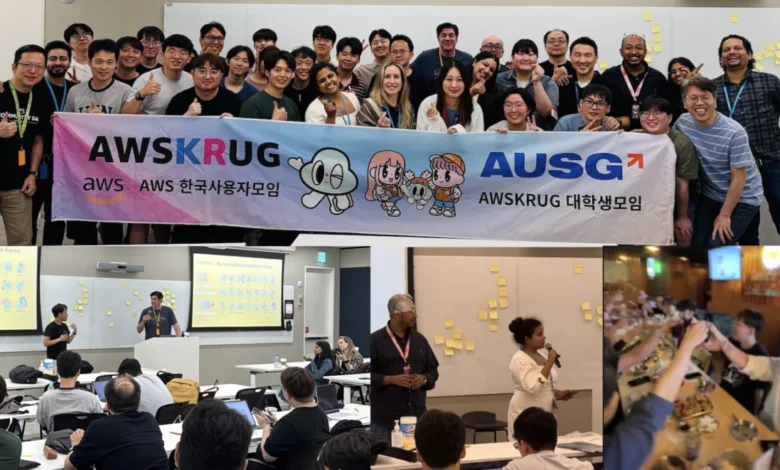
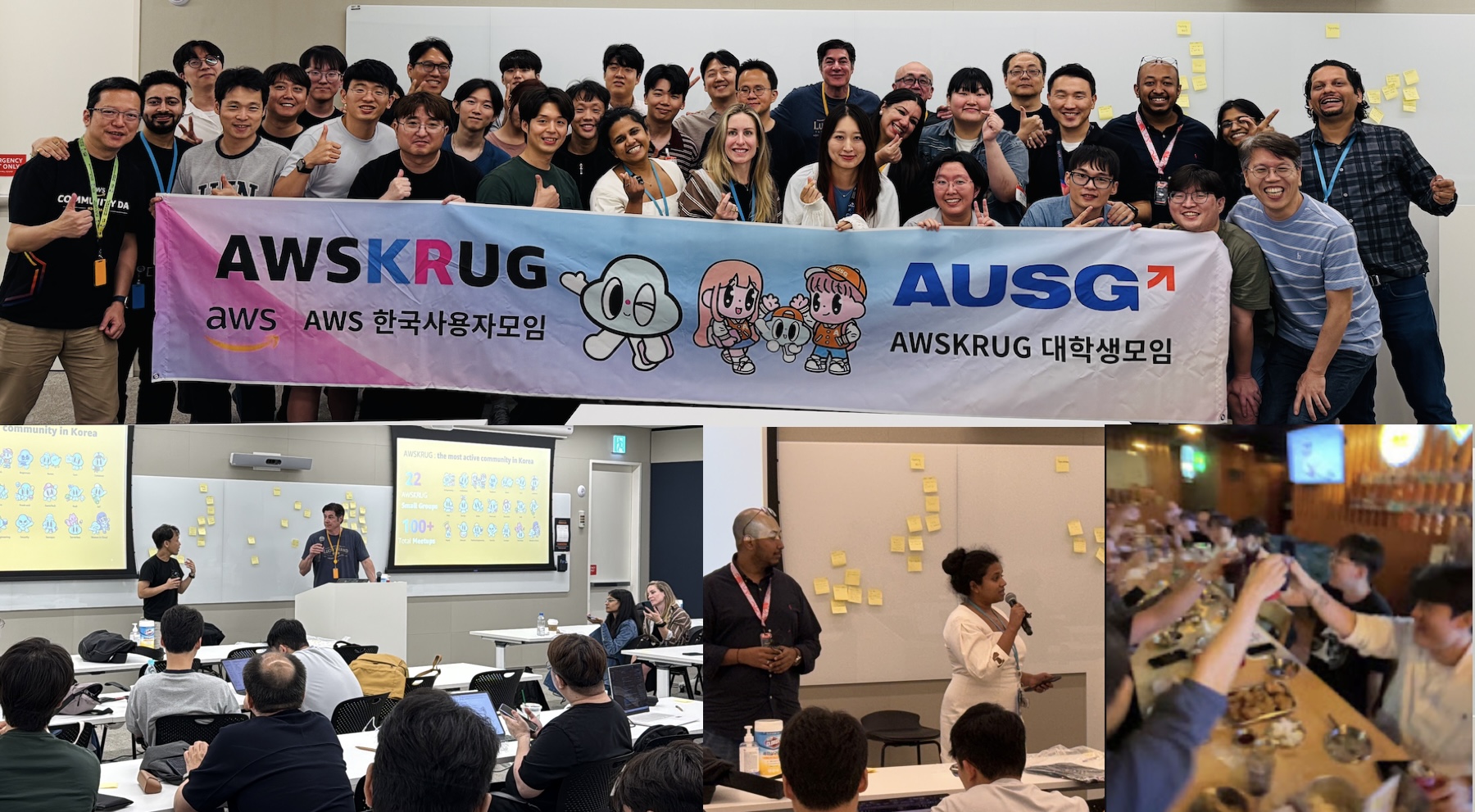
The AWS Developer Experience team recently concluded a high-level strategic visit to Seoul to engage with the leadership of the AWS Korea User Group (AWSKRUG). As the largest cloud developer community in South Korea, AWSKRUG represents a vital pillar of the regional tech ecosystem. The group currently oversees 20 specialized meetup groups organized by technical topic and geographic area, facilitating over 100 events annually. These gatherings serve as a critical feedback loop for Amazon, allowing engineers to gain direct insights into the challenges faced by developers in one of the world’s most advanced digital economies.
During the summit, AWS representatives met with community leaders to review performance metrics and feedback from the first half of the year. The discussions focused on improving the developer experience and identifying specific areas where AWS can provide additional resources or technical support. This engagement concluded with a "Chimaek" session—a culturally significant social gathering involving chicken and beer—which underscored the importance of informal relationship-building in fostering a collaborative tech community. For AWS, these regional visits are essential for tailoring global product roadmaps to meet local market demands, particularly in high-growth sectors like gaming, e-commerce, and financial technology, which are prevalent in the Korean market.
Advancements in AI-Driven Serverless Development
A primary technical highlight of the past week is the launch of a one-click Lambda setup prompt designed specifically for AI coding agents. As generative AI becomes increasingly integrated into the software development lifecycle, developers are increasingly relying on autonomous and semi-autonomous agents to write, debug, and deploy code. The new prompt simplifies this process by automatically configuring agents with AWS Serverless skills and the Serverless Model Context Protocol (MCP) server.
The Model Context Protocol is an open standard that enables AI models to connect seamlessly to data sources and tools. By embedding serverless best practices from the outset, the new AWS setup ensures that AI agents operate within a secure and optimized environment. This integration is compatible with a wide array of popular AI development tools, including Claude Code, GitHub Copilot, Cursor, Kiro, Codex, and Devin Desktop. Developers can now initiate this configuration by selecting the "Copy agent prompt" button within the Lambda console or by fetching the setup guide directly from official AWS documentation.
This move is viewed by industry analysts as a strategic effort to consolidate AWS’s position as the preferred backend for AI-assisted development. By providing pre-configured prompts that adhere to architectural best practices, AWS reduces the risk of "prompt-induced" technical debt, where AI agents might otherwise generate sub-optimal or insecure configurations.
The Agent Toolkit for AWS and Knowledge Integration
Complementing the Lambda updates is the introduction of the Agent Toolkit for AWS. One of the primary limitations of modern Large Language Models (LLMs) is the "knowledge cutoff," where the model lacks information on the most recent cloud services or API changes. The Agent Toolkit addresses this by providing coding agents with real-time AWS knowledge and safe, authenticated access to cloud resources.
By utilizing the toolkit, developers can install the AWS MCP Server, which acts as a bridge between the AI agent and the live AWS environment. This allows the agent to query current service statuses, reference the latest documentation, and perform resource management tasks with a high degree of accuracy. The toolkit is hosted on GitHub, allowing for community contributions and ensuring that the integration remains transparent and extensible. This development reflects a broader industry trend toward "agentic workflows," where AI is not just a chatbot but a functional participant in the engineering process.
Resolution of Cost Explorer Operational Issues
In addition to the product launches, AWS addressed a recent technical incident involving Cost Explorer, a tool used by organizations to manage and visualize their cloud spending. Over the previous weekend, some customers experienced an issue where Cost Explorer displayed inaccurate estimated billing data. This discrepancy led to the generation of erroneous budget alerts and cost anomaly detection notifications, causing concern among financial administrators and DevOps teams.

AWS officials confirmed that the issue resulted in inflated estimates of cost and usage data for a subset of users. However, the company has since resolved the technical glitch, and all services, including billing and cost management tools, have returned to normal operation. In an official statement, AWS apologized for the disruption and confirmed that a thorough retrospective analysis is underway. The goal of this review is to prevent a recurrence of the billing data lag and to improve the speed and transparency of customer notifications during future operational incidents. Users are encouraged to monitor the AWS Health Dashboard for any localized updates regarding their specific accounts.
Chronology of Recent AWS AI Milestones
The integration of MCP and one-click prompts represents the latest step in a rapid timeline of AI-related releases from AWS:
- Early 2024: AWS expands Amazon Bedrock to include a wider variety of foundational models, emphasizing the "democratization" of AI.
- Mid-2024: Introduction of AWS App Studio, utilizing generative AI to build enterprise applications from natural language prompts.
- Late 2024: Launch of advanced features for AWS Q, the company’s generative AI-powered assistant for businesses and developers.
- Current Week: Release of the Serverless MCP server and the Agent Toolkit for AWS, focusing on the "agentic" layer of development.
This chronology illustrates a clear shift in strategy from providing raw compute power for AI training to providing sophisticated, high-level tools that automate the application of AI within the cloud ecosystem.
Data and Market Implications
The push toward AI-integrated developer tools comes at a time when the cloud market is experiencing a shift in spend. According to recent industry reports, while infrastructure-as-a-service (IaaS) remains the foundation of cloud revenue, the growth of platform-as-a-service (PaaS) tools that incorporate AI is outpacing traditional compute services. By streamlining Lambda configurations for AI agents, AWS is targeting the "developer productivity" segment, which is increasingly becoming a decider in cloud provider selection.
Internal AWS data suggests that serverless adoption continues to grow, with millions of developers using Lambda to run code without managing servers. By reducing the configuration time for these services from minutes to seconds through one-click prompts, AWS aims to increase the velocity of serverless deployments. Furthermore, the focus on South Korea highlights the strategic importance of the APAC market, which is projected to see significant increases in cloud spending through 2026.
Broader Impact and Industry Analysis
The introduction of the Model Context Protocol (MCP) into the AWS ecosystem is perhaps the most significant long-term development in this update. MCP provides a standardized way for developers to expose the "context" of their applications—such as database schemas, API endpoints, and cloud resource states—to LLMs. Without such a protocol, developers are often forced to write custom, brittle "glue code" to help an AI understand their specific environment.
By adopting MCP, AWS is signaling its support for an open-ecosystem approach to AI. This allows developers to use their preferred AI models (whether from Anthropic, Meta, or others) while maintaining a consistent interface with AWS resources. This interoperability is crucial for enterprise customers who are wary of vendor lock-in but require the robust security and scalability of the AWS cloud.
The billing incident, while resolved, serves as a reminder of the complexities inherent in real-time cloud financial management. As organizations move toward automated scaling and AI-driven resource allocation, the accuracy of cost monitoring tools becomes paramount. The "bill shock" associated with inaccurate data can lead to temporary pauses in development or unnecessary friction between finance and engineering departments. AWS’s commitment to a retrospective suggests that the company views the reliability of billing data as a core component of customer trust, equal in importance to the uptime of the compute services themselves.
As the week concludes, the focus remains on how these new tools will be adopted by the community. With the AWS Builder Center and various upcoming global summits, the company is providing multiple avenues for developers to master these new AI-driven workflows. The convergence of community engagement, automated AI setup, and refined operational transparency marks a pivotal moment in AWS’s strategy to maintain its leadership in the increasingly competitive cloud and AI landscape.