The Evolution of Social Commerce: How Social Media Platforms Are Transforming Global Retail and Reshaping the Consumer Journey


Global ecommerce sales continue to scale unprecedented heights, with worldwide projections anticipated to hit $5.5 trillion. As digital marketplaces expand, the mechanisms through which consumers discover, evaluate, and purchase goods have undergone a fundamental shift. Traditional online storefronts and centralized shopping platforms such as Shopify and WooCommerce remain foundational to digital commerce, yet a parallel retail ecosystem has rapidly matured. This paradigm, known as social commerce, integrates the point of product discovery directly with the point of transaction, bridging the gap between social media engagement and financial conversion.
Understanding the Mechanics and Market Context of Social Commerce

To comprehend the rise of social commerce, industry analysts examine the evolution of social networking sites from passive discovery channels into active transactional hubs. Historically, platforms like Facebook, Instagram, and Pinterest served primarily as visual portfolios or advertising mediums, redirecting interested buyers to external merchant websites to complete a purchase. Social commerce eliminates this transitional friction by enabling users to complete entire purchasing transactions without ever leaving the host application.
This model differs significantly from traditional ecommerce, which relies on a multi-step user journey: consumers view an advertisement, navigate to an independent website, manually add items to a digital shopping cart, and input payment details across multiple verification screens. Each additional step introduces drop-off points where potential buyers frequently abandon their carts. Social commerce streamlines this pathway, transforming a momentary impulse—such as purchasing cargo pants viewed on an Instagram feed or a portable blender recommended by a lifestyle creator on TikTok—into an instantaneous, in-app checkout experience.
Market researchers emphasize that social commerce must also be distinguished from social selling. While social commerce refers to direct in-app purchasing features, social selling is a relationship-building methodology utilized by sales professionals to nurture prospective clients and foster brand loyalty through social networks.

Key Drivers Behind the Adoption of Social Media Retail
The rapid acceleration of social commerce is propelled by distinct shifts in consumer behavior, technological convenience, and merchant strategy. Market analysts point to several primary factors driving this retail transformation.
First, the interactive nature of social platforms replicates the communal aspects of traditional brick-and-mortar shopping. Consumers can instantly review products, tag friends for opinions, leave public feedback, and communicate directly with brands via direct messaging features. This creates an immersive environment that static ecommerce websites often struggle to duplicate.

Second, demographic preferences heavily favor mobile-first, integrated shopping environments. Data from research firms such as Statista indicate that a substantial majority of consumers within the 18-to-34 demographic—encompassing younger Millennials and Generation Z—have completed a purchase directly influenced by branded social media posts or content shared by digital creators. For brands targeting these demographics, establishing an integrated storefront on dominant social platforms is no longer optional, but essential for market capture.
Third, the reduction of transaction friction directly correlates with higher conversion rates. By shortening the funnel from discovery to checkout, retailers mitigate the risk of cart abandonment caused by slow-loading external web pages or cumbersome mobile checkout forms.
Fourth, social commerce ecosystems function as real-time, zero-cost focus groups. Direct interaction channels allow merchants to gather immediate qualitative feedback on product design, packaging, and inventory demand through comments, direct messages, and polling features embedded within social content.

Finally, advanced audience-targeting algorithms enable businesses to place ready-to-buy inventory directly in front of hyper-specific consumer segments based on detailed behavioral and demographic data, yielding higher return on ad spend compared to generalized web traffic campaigns.
Chronology and Development of Social Commerce Platforms
The integration of retail capabilities into social networks has developed progressively over the past decade, driven by technological innovations and shifting consumer expectations.

In 2015, Pinterest emerged as an early pioneer in the space by introducing buyable pins, allowing users to view pricing and availability information directly within the platform, though initial transactions still required redirection to external merchant sites. Over the subsequent years, major technology conglomerates recognized the immense revenue potential of keeping users within their proprietary ecosystems.
By 2020, amidst a global surge in digital consumption driven by pandemic-related lockdowns, Meta launched comprehensive shopping infrastructures across Facebook and Instagram, enabling fully integrated in-app checkouts, customizable digital storefronts, and automated inventory syncing with major ecommerce platforms. Concurrently, short-form video platforms like TikTok entered the retail arena, introducing localized shopping features that capitalized on viral consumer trends, epitomized by viral community phenomena such as the #TikTokMadeMeBuyIt hashtag, which has accumulated billions of views globally.
Platform Breakdown: Features and Capabilities of Leading Social Networks
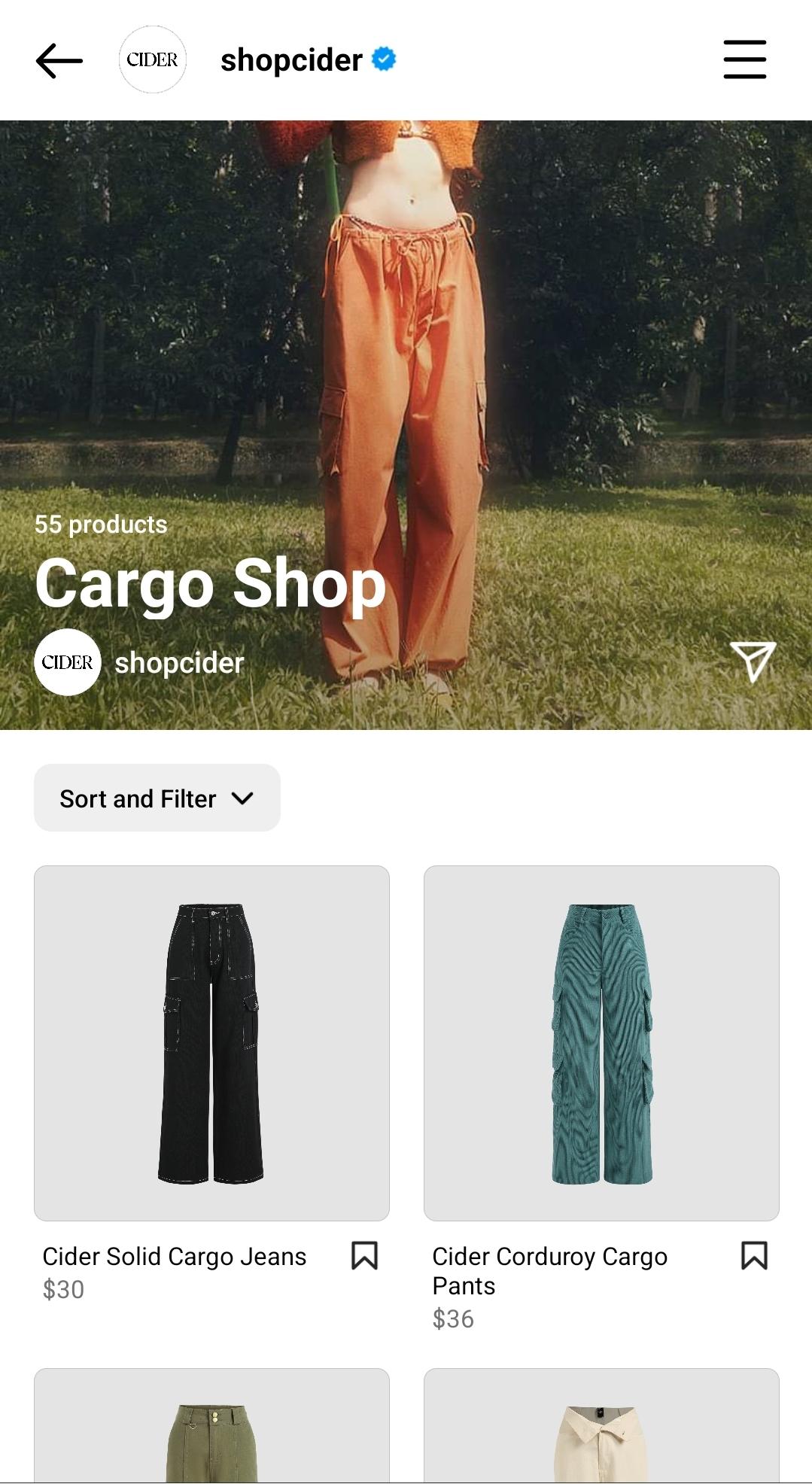
Major technology companies currently offer distinct proprietary infrastructures designed to facilitate social commerce, each catering to different audience demographics and content formats.
Facebook Shops provides businesses with a customizable, free-to-setup digital storefront accessible through Facebook Business Pages, Messenger, and Instagram profiles. Merchants can synchronize existing product catalogs from partner ecommerce platforms or upload inventory via spreadsheets. To manage the high volume of customer inquiries generated by these shops, businesses frequently integrate conversational artificial intelligence tools, such as automated chatbots, to handle repetitive queries regarding shipping, tracking, and pricing in real-time.
Instagram Shopping functions similarly, utilizing visual media—including photo grids, Stories, Reels, and live broadcasts—to tag products directly within content. Meta’s continued expansion of conversational commerce now allows consumers to initiate purchases and complete transactions entirely within Instagram Direct Messages.

Pinterest remains a powerful visual search engine, where high-intent users actively seek inspiration for purchases. While full in-app checkout capabilities remain primarily restricted to users in specific domestic markets like the United States, the platform’s high commercial intent continues to drive substantial traffic to external merchant sites.
TikTok Shop integrates e-commerce natively into short-form video feeds and live-streamed broadcasts. Although regional rollouts have experienced strategic adjustments—such as the scaling back of planned expansions outside established Asian and European markets—TikTok remains a dominant force in product discovery and impulse purchasing.
Strategic Implications and Best Practices for Retailers

As social commerce matures, industry experts advise brands to adopt comprehensive operational strategies to maximize revenue and maintain consumer trust.
Effective social commerce requires active social listening. Brands must utilize digital monitoring tools to track audience sentiment, industry trends, and product feedback across all connected channels. Furthermore, maintaining authenticity is paramount; successful merchants do not merely broadcast product catalogs, but engage communities through interactive content, transparent communication, and responsive customer service.
The collection of social proof remains a critical conversion factor. Modern consumers heavily rely on peer reviews, user-generated content, and ratings before completing a transaction. Automated email follow-ups, post-purchase incentive programs, and the strategic display of positive customer testimonials within social feeds significantly enhance brand credibility.
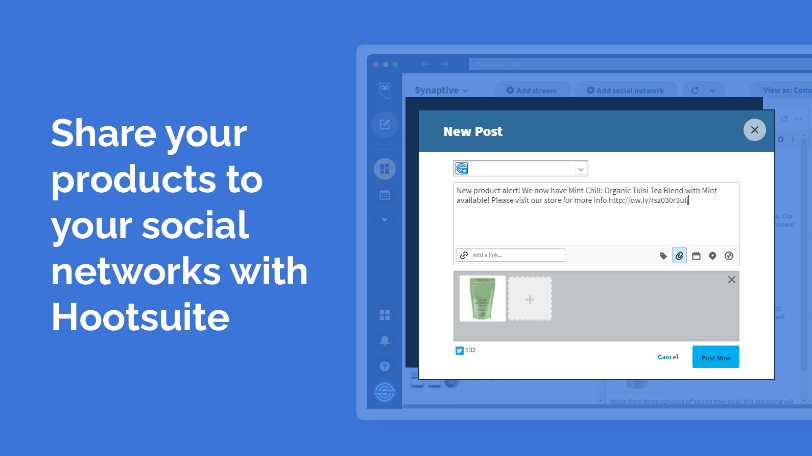
Finally, operational efficiency is increasingly dependent on automation. The integration of conversational AI assistants, such as AI-powered customer service chatbots connected to social messaging platforms, enables brands to automate a significant percentage of routine customer service interactions. These tools provide instant responses to order tracking, stock updates, and pricing inquiries around the clock, thereby preventing cart abandonment and allowing human support teams to focus on complex consumer inquiries.
Implications for the Future of Retail
The ongoing expansion of social commerce signifies a permanent decentralization of the traditional digital storefront. As social media platforms continue to refine their native payment gateways, data privacy frameworks, and augmented reality product visualization tools, the boundary between content consumption and commercial transaction will blur further. For businesses operating in the digital economy, the ability to meet consumers directly within their preferred digital environments—combining seamless purchasing functionality with authentic community engagement—will define competitive advantage in the modern retail landscape.