AWS Enhances AI Developer Experience with New Lambda Agent Tools and Strengthens Global Community Ties in Seoul

Amazon Web Services has introduced a series of strategic updates aimed at streamlining the integration of generative artificial intelligence with serverless computing architecture, while simultaneously reinforcing its commitment to developer communities in the Asia-Pacific region. The primary technical milestone involves the launch of a one-click setup prompt for AWS Lambda, designed specifically for coding agents, alongside the deployment of the Agent Toolkit for AWS. These advancements occur against the backdrop of a significant diplomatic mission by the AWS Developer Experience team to South Korea, where they engaged with one of the world’s most robust cloud developer ecosystems. Furthermore, the company has addressed and resolved a recent operational discrepancy involving inaccurate billing estimates in the AWS Cost Explorer, emphasizing its dedication to financial transparency and service reliability.
Streamlining AI-Assisted Development via AWS Lambda
The integration of artificial intelligence into the software development lifecycle has moved beyond simple code completion to the era of autonomous and semi-autonomous coding agents. Recognizing this shift, AWS has released a new "one-click" Lambda setup prompt tailored for modern coding agents such as Claude Code, Cursor, GitHub Copilot, and Devin Desktop. This initiative is designed to bridge the gap between high-level AI orchestration and the underlying serverless infrastructure that powers modern applications.
The new prompt functions by configuring these agents with predefined AWS Serverless skills and the Serverless Model Context Protocol (MCP) server. MCP is an open-standard protocol that enables AI models to seamlessly connect to data sources and tools, and by embedding this protocol into the Lambda workflow, AWS ensures that developers can maintain serverless best practices from the very first line of generated code. The prompt serves as a direct bridge to the Lambda agent setup guide, providing a standardized environment for a variety of tools including Kiro, Codex, and OpenCode.
To facilitate adoption, AWS has integrated a "Copy agent prompt" feature directly into the Lambda console. Developers can also utilize a direct fetch command to pull setup instructions into their preferred AI agent. This automation reduces the friction typically associated with environment configuration, allowing developers to focus on logic and architecture rather than the intricacies of toolchain setup. By providing a curated set of instructions and best practices, AWS is effectively standardizing how AI agents interact with the AWS ecosystem, reducing the risk of security misconfigurations or inefficient resource utilization.
The Role of the Agent Toolkit for AWS
In tandem with the Lambda-specific prompts, the launch of the Agent Toolkit for AWS represents a broader effort to provide AI agents with a comprehensive understanding of the AWS environment. The toolkit is designed to grant coding agents real-time access to AWS knowledge and safe, governed access to cloud resources. This is achieved through the installation of the AWS MCP Server, which acts as a translator between the AI’s requests and the AWS API.
The significance of this toolkit lies in its ability to provide "context-aware" development. Traditional coding assistants often struggle with the specifics of a particular user’s AWS environment or the latest updates to service limits and best practices. The Agent Toolkit mitigates this by providing a structured framework for resource access. Using a specific GitHub-hosted setup instruction set, developers can equip their agents to perform complex tasks, such as provisioning infrastructure or debugging serverless functions, with a higher degree of accuracy and safety. This move signals AWS’s recognition that the next generation of cloud architecture will likely be co-authored by human developers and sophisticated AI agents.
Strengthening Global Ties: The AWS Korea User Group Engagement
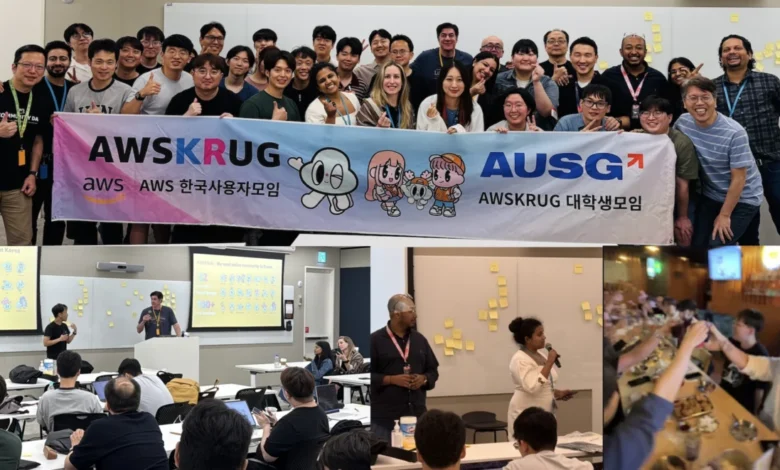
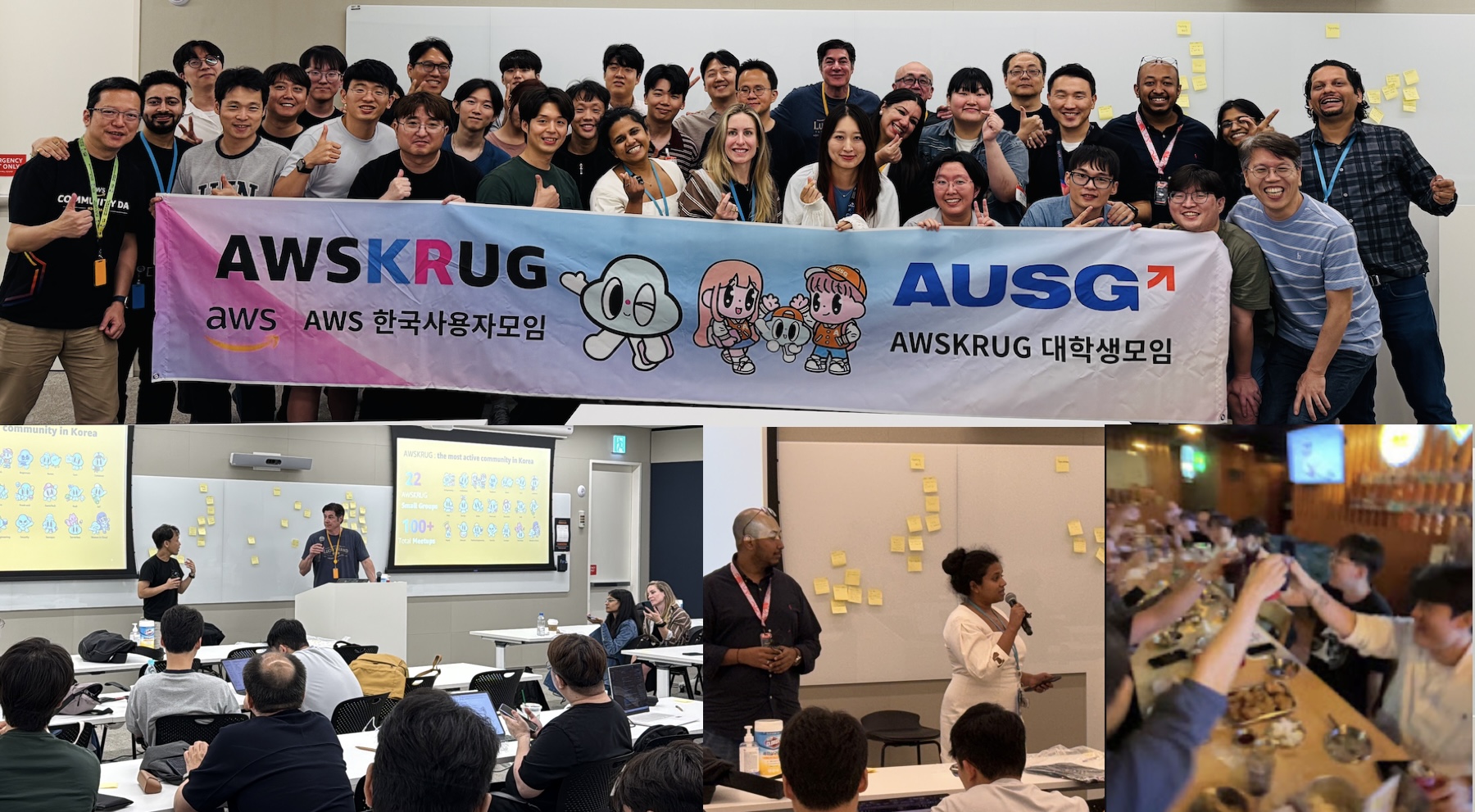
While technical innovations dominated the product landscape, the AWS Developer Experience team focused on human-centric growth through a high-profile visit to Seoul, South Korea. The mission centered on engagement with the AWS Korea User Group (AWSKRUG), currently recognized as the largest cloud developer community in the country. With a structured organization consisting of 20 distinct meetup groups categorized by technical topics and geographical areas, AWSKRUG hosts more than 100 events annually.
The visit served as a critical feedback loop for the AWS Developer Experience team. Leaders from the community provided candid assessments of their performance in the first half of the year, highlighting successes in community growth and identifying areas where AWS support could be improved. These discussions are vital for AWS as it seeks to tailor its developer tools to the specific needs of regional markets. The South Korean tech sector, known for its rapid adoption of cutting-edge technologies and high developer density, provides a unique testing ground for new AWS features.
The engagement also emphasized the cultural aspects of developer relations. The team participated in "Chimaek" sessions—a popular South Korean social tradition involving fried chicken and beer—to foster informal dialogue and build long-term relationships with community leaders. This blend of formal feedback and informal networking is a cornerstone of the AWS strategy to maintain its dominant position in the Asia-Pacific cloud market, ensuring that the company remains responsive to the "boots on the ground" developers who drive platform adoption.

Resolution of Billing Data Inaccuracies
In a move toward operational transparency, AWS addressed a recent technical issue that impacted the accuracy of the AWS Cost Explorer. During the previous weekend, some customers observed estimated billing data that did not align with actual usage. This discrepancy led to a cascade of automated responses, including erroneous budget alerts and cost anomaly detection notifications. In some instances, customers reported significantly inflated estimated costs, causing temporary concern regarding cloud expenditures.
AWS has since confirmed that the issue has been fully resolved and that all billing systems are operating normally. The company issued a formal apology to affected customers and committed to a comprehensive retrospective analysis. The goal of this review is twofold: to identify the root cause to prevent recurrence and to refine the company’s communication and response protocols when billing-related incidents occur.
For enterprise clients, billing accuracy is not merely a matter of convenience but a critical component of financial governance. The AWS Health Dashboard remains the primary source for detailed information regarding this incident. The swift resolution and the promise of a thorough post-mortem reflect AWS’s understanding of the trust required to manage large-scale corporate finances in the cloud.
Chronology of Events and Industry Context
The events of the past week highlight a coordinated effort by AWS to address three pillars of cloud leadership: product innovation, community health, and operational integrity.
- Mid-Week: The rollout of the Lambda one-click prompt and Agent Toolkit for AWS, targeting the burgeoning "AI-for-Code" market.
- Late Week: The Developer Experience team’s summit in Seoul, reinforcing the feedback loop with the AWSKRUG.
- Weekend: The identification and subsequent resolution of the Cost Explorer data inaccuracy issue.
- Current Status: All services are verified as operational, with the Developer Experience team integrating community feedback into the Q3 and Q4 roadmaps.
The broader context of these updates is the intensifying competition in the cloud sector to provide the best environment for AI development. As competitors like Microsoft Azure and Google Cloud Platform (GCP) tighten their integrations with GitHub and Gemini respectively, AWS is leveraging its serverless dominance. By making Lambda the "default" home for AI-generated code, AWS aims to capture the next wave of cloud-native applications.
Analysis of Implications
The introduction of MCP-supported prompts for Lambda suggests that AWS is moving toward an "AI-First" developer experience. By standardizing the way AI agents interact with serverless components, AWS is reducing the "hallucination" risk where AI might suggest outdated or insecure ways to deploy functions. This move effectively turns the AWS documentation and best practices into a machine-readable format that agents can consume reliably.
Furthermore, the focus on the South Korean market is a strategic acknowledgement of the region’s influence on global tech trends. South Korea’s high internet speeds, government support for AI, and a highly skilled workforce make it a bellwether for cloud adoption. Success in the Korean developer community often precedes broader success across the APAC region.
Finally, the billing incident serves as a reminder of the complexities inherent in "FinOps" (Cloud Financial Management). As companies scale their cloud usage, their reliance on automated monitoring tools increases. Even brief periods of data inaccuracy can trigger unnecessary financial alarms within large organizations. AWS’s transparent handling of the situation is a necessary step in maintaining its reputation for "operational excellence," a key pillar of its Well-Architected Framework.
As AWS continues to evolve, the synergy between automated AI tools and human community engagement will likely remain a central theme. The company’s ability to provide a stable, high-performance infrastructure while simultaneously fostering a vibrant, feedback-driven community will be the primary determinant of its continued leadership in the global cloud market. Developers are encouraged to monitor the "What’s New" page and the AWS Health Dashboard for ongoing updates as the company implements its post-incident improvements and rolls out further AI-centric features.