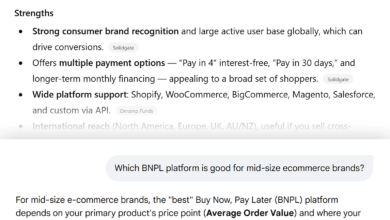
Your Content Can Rank on the First Page of Google and Still Never Be Cited or Mentioned by LLMs

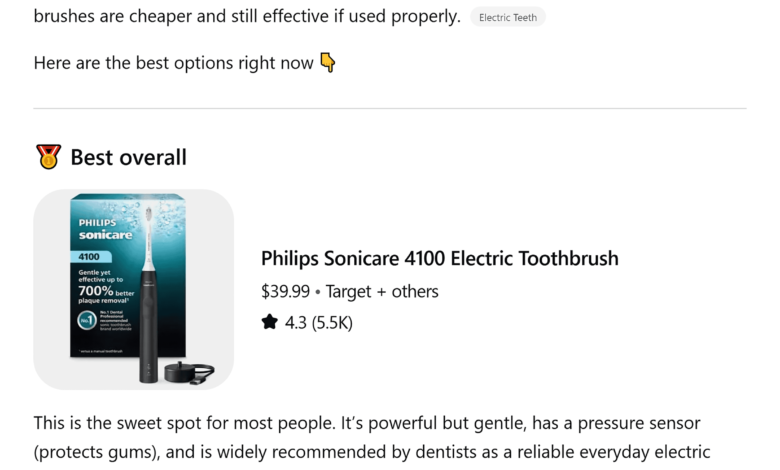
The landscape of online visibility is undergoing a seismic shift, driven by the increasing integration of Large Language Models (LLMs) into search experiences. While traditional search engine optimization (SEO) has long focused on achieving top rankings on Google, a new paradigm is emerging where content discoverability within AI-powered search is paramount. This shift is largely attributed to a background process known as "query fan-out," a sophisticated mechanism that AI systems employ to construct comprehensive and contextually relevant answers. Understanding and optimizing for query fan-out is becoming crucial for any brand or publisher aiming to maintain and grow its presence in the evolving digital ecosystem.

The Mechanics of Query Fan-Out: Beyond the Top Ranking
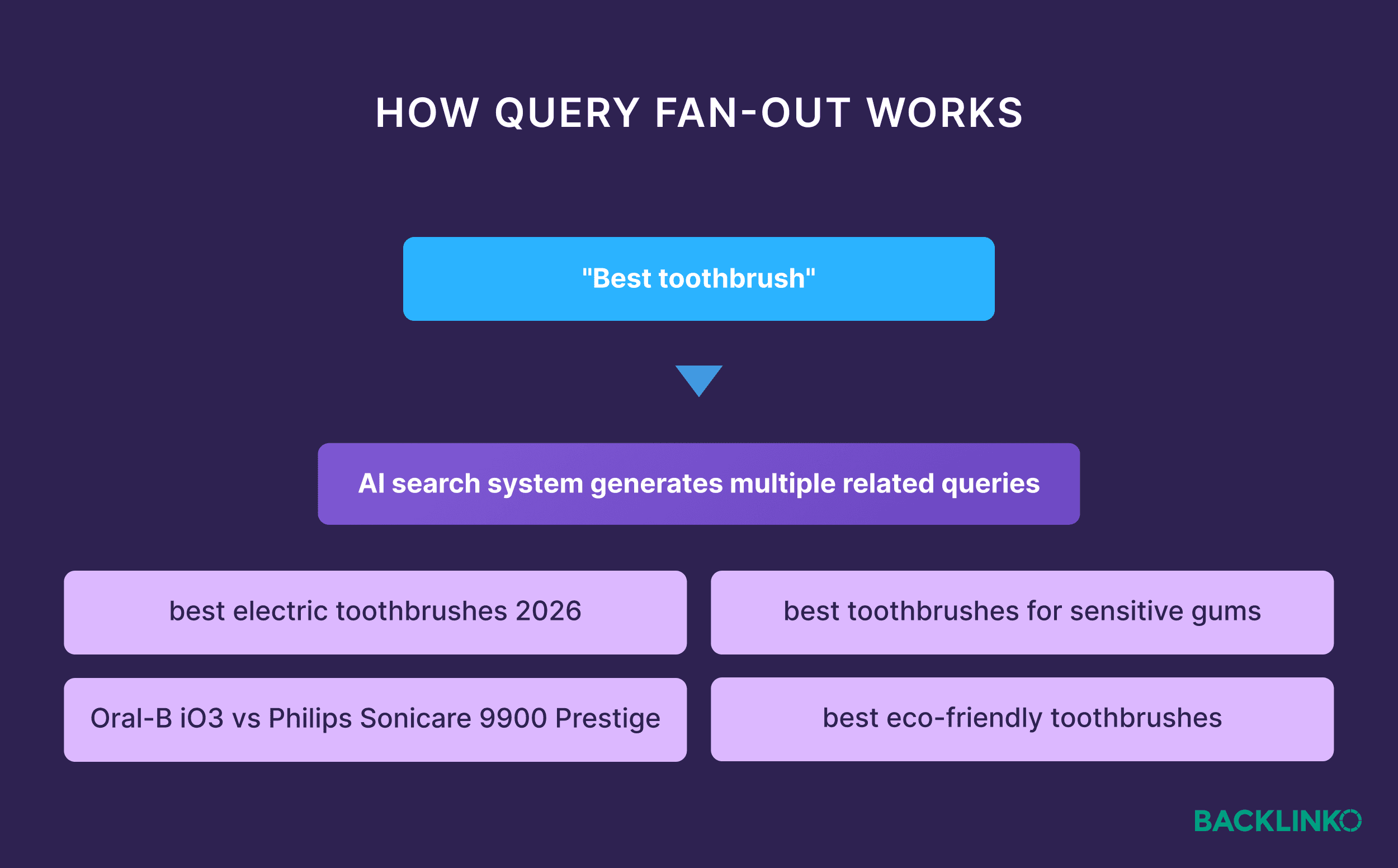
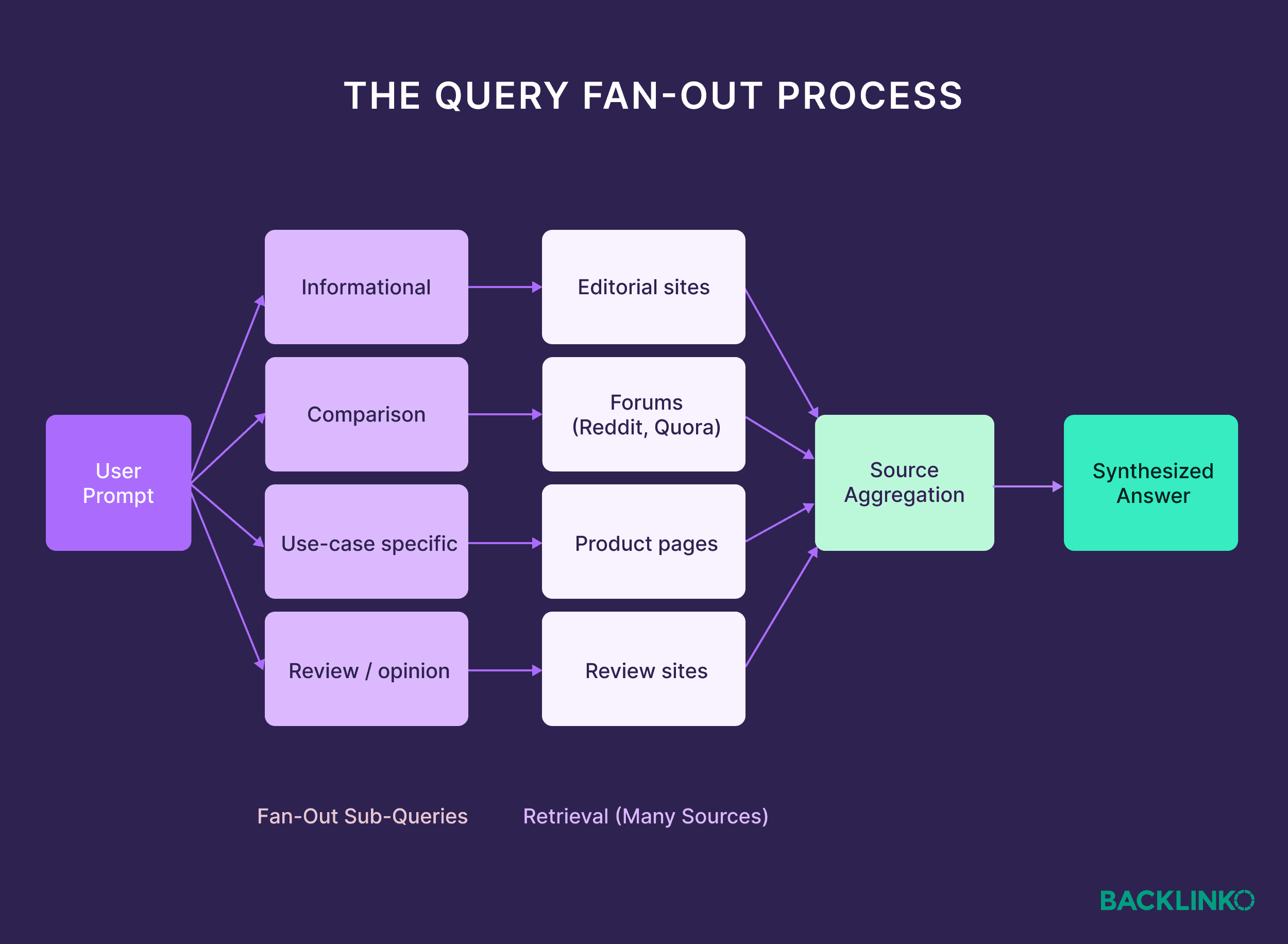
When a user poses a question to an AI-powered search engine like ChatGPT or Perplexity, the system does not simply default to the single best-ranking page for that query. Instead, it initiates a series of related searches behind the scenes. This "fan-out" process allows the AI to gather information from a diverse array of sources, prioritizing those that are most relevant and reliable, irrespective of their traditional search engine ranking position.
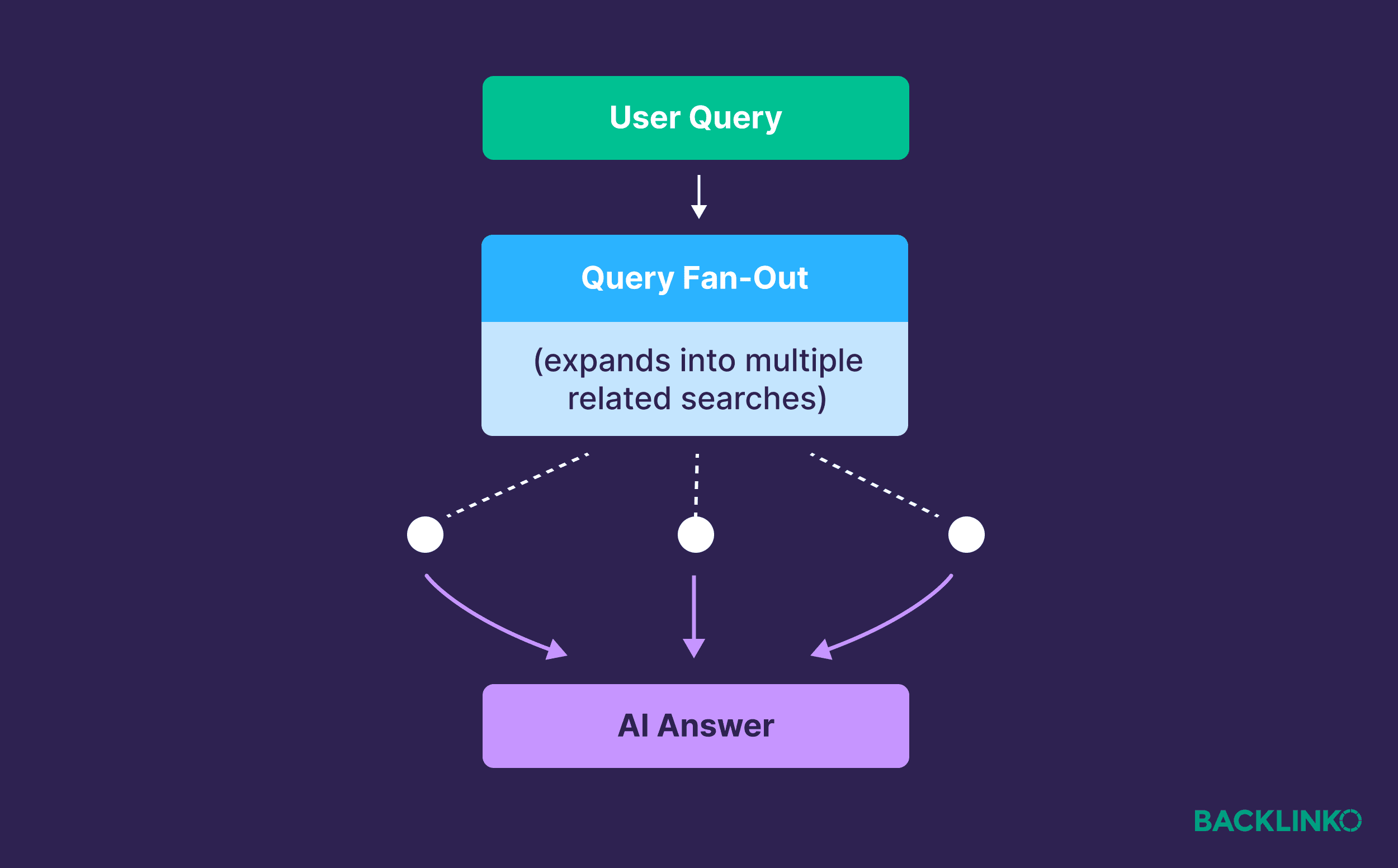
"Query fan-out is essentially the AI’s way of dissecting a user’s question into multiple, granular sub-queries," explains [Industry Expert Name, e.g., Dr. Anya Sharma, AI Ethics Researcher at TechForward Institute]. "It’s not just about finding one answer; it’s about assembling a complete and nuanced response by consulting various facets of the topic. This means a page that is highly optimized for a specific keyword might be overlooked if it doesn’t contribute uniquely to one of these sub-queries."
The implications are profound: content that is not discoverable or relevant to these underlying sub-queries, even if it ranks highly for the primary keyword, is unlikely to be cited or integrated into the AI’s synthesized answer. This redefines the criteria for online success, shifting the focus from mere ranking to comprehensive coverage and retrievability across a broader spectrum of related inquiries.
Why Query Fan-Out Matters for AI Visibility
The advent of query fan-out necessitates a strategic re-evaluation of content creation and optimization. Here are key shifts that underscore its importance:
-
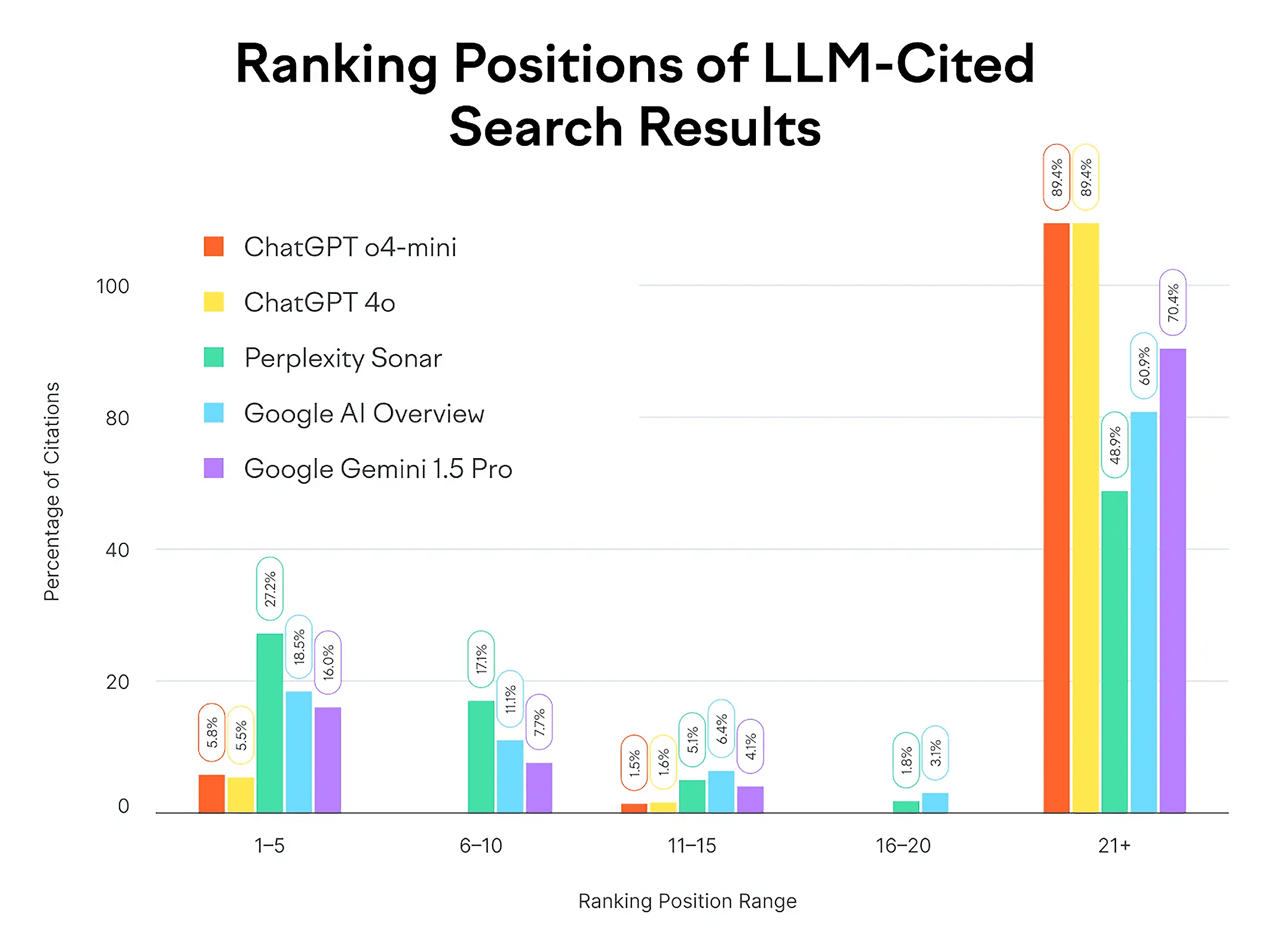
Decoupling Rankings from AI Citations: A significant revelation is that top rankings on traditional search engines do not automatically guarantee mentions or citations in AI-generated responses. Studies indicate a strong trend of AI systems referencing content from beyond the first page of traditional search results. For instance, a comprehensive analysis by Semrush revealed that ChatGPT cites pages in positions 21 and beyond nearly 90% of the time, a pattern mirrored by other AI platforms like Perplexity and Google’s emerging AI features. This suggests that relevance and comprehensiveness within specific sub-queries are more critical than mere positional advantage.
-
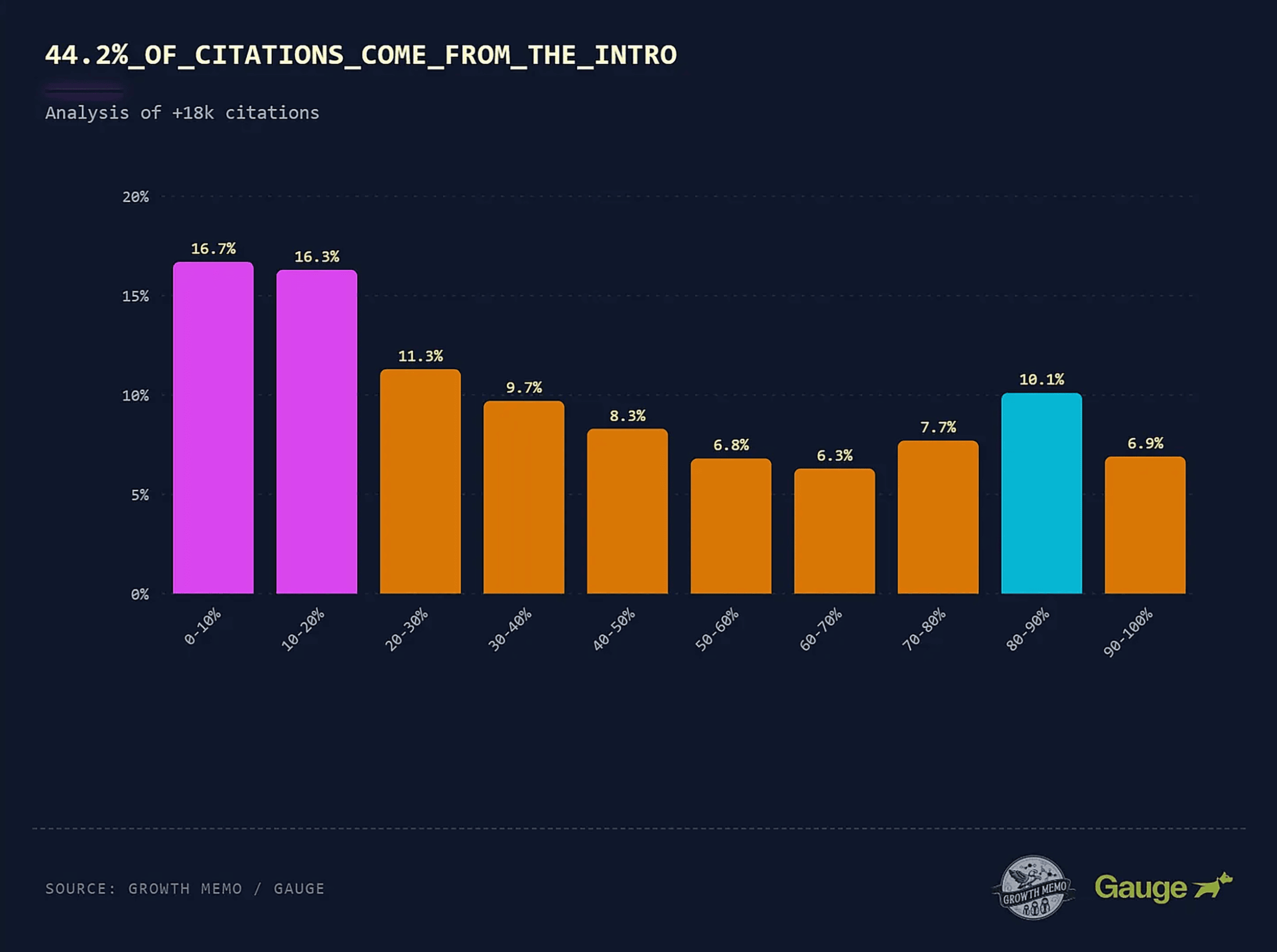
AI Extracts Passages, Not Entire Pages: AI models are designed to be efficient, extracting the most pertinent passage of information that directly addresses a sub-query, rather than simply linking to an entire webpage. This underscores the importance of placing key answers early in your content. Data from growth advisor Kevin Indig’s analysis of over 1.2 million ChatGPT responses showed that approximately 44.2% of citations originated from the first 30% of a webpage, with another 31.1% from the middle sections. This emphasizes the need for clear, concise, and readily accessible information at the beginning of your content.
-
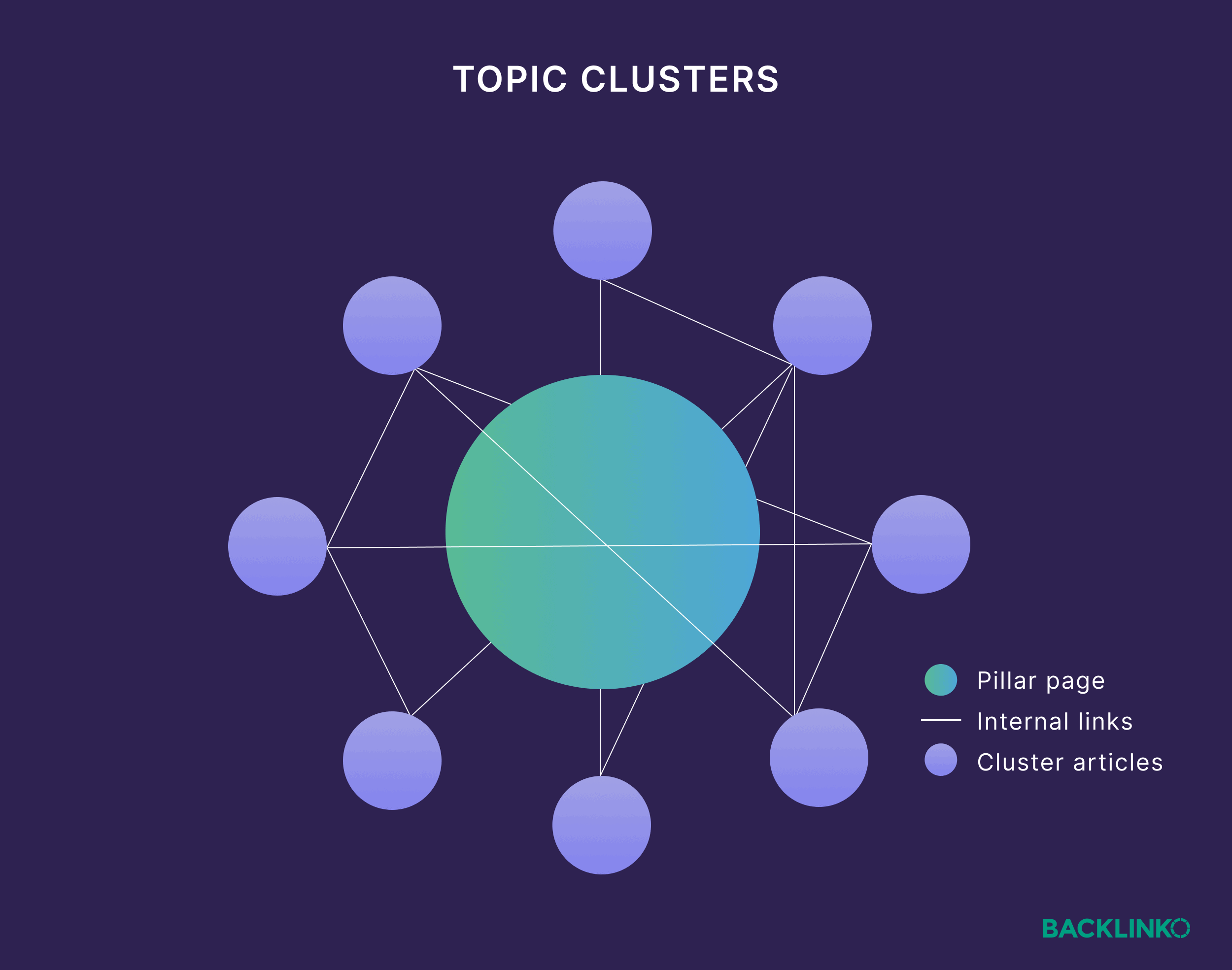
Competing Across Topics, Not Just Keywords: Traditional SEO often centers on targeting individual keywords. Query fan-out, however, emphasizes comprehensive topic coverage. This means that a strategy built around pillar pages and interconnected topic clusters, which thoroughly explore a subject from multiple angles, is more likely to yield AI visibility. By covering a broad topic comprehensively, you increase the probability of your content being relevant to a wider range of AI-generated sub-queries.
-
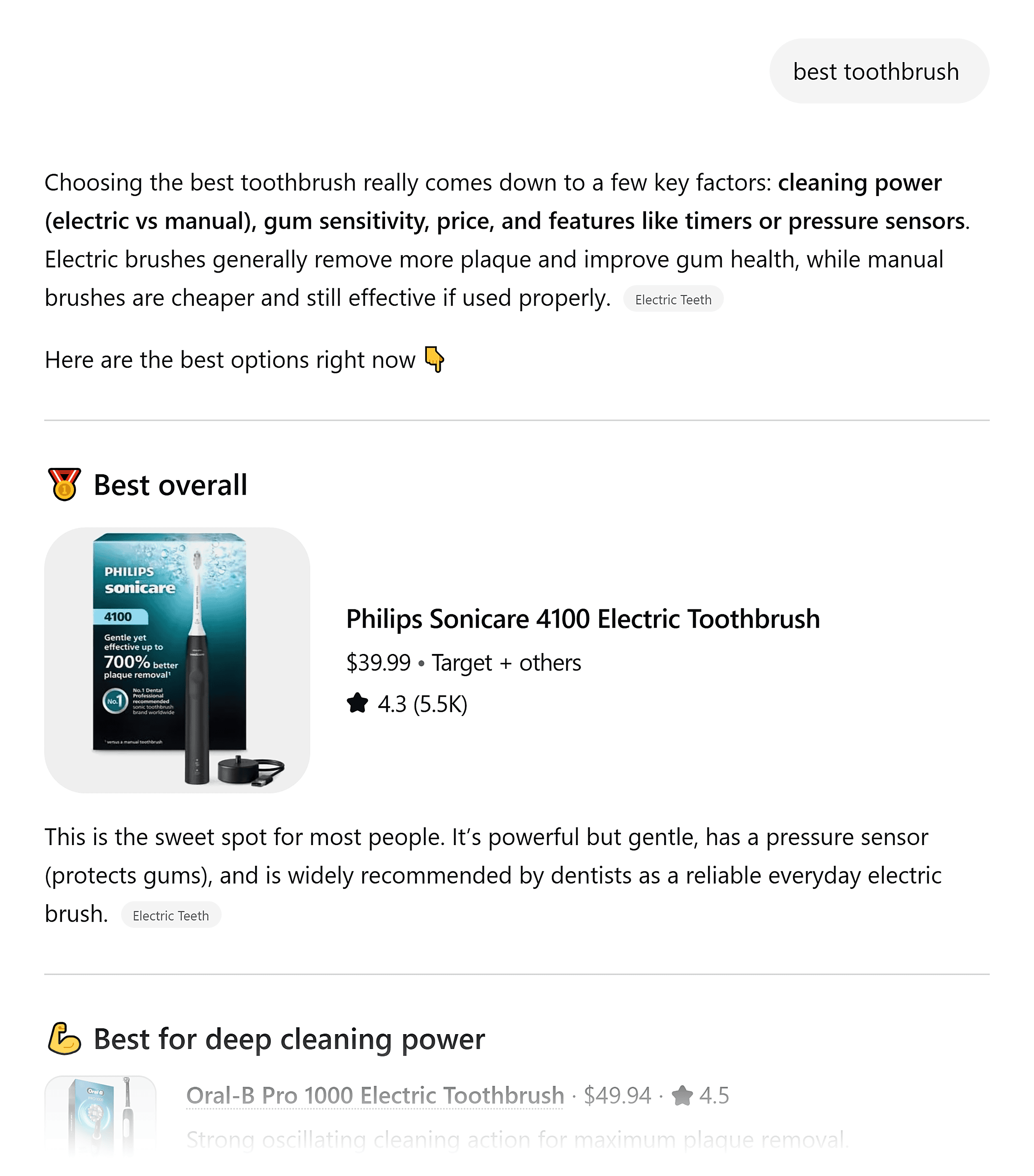
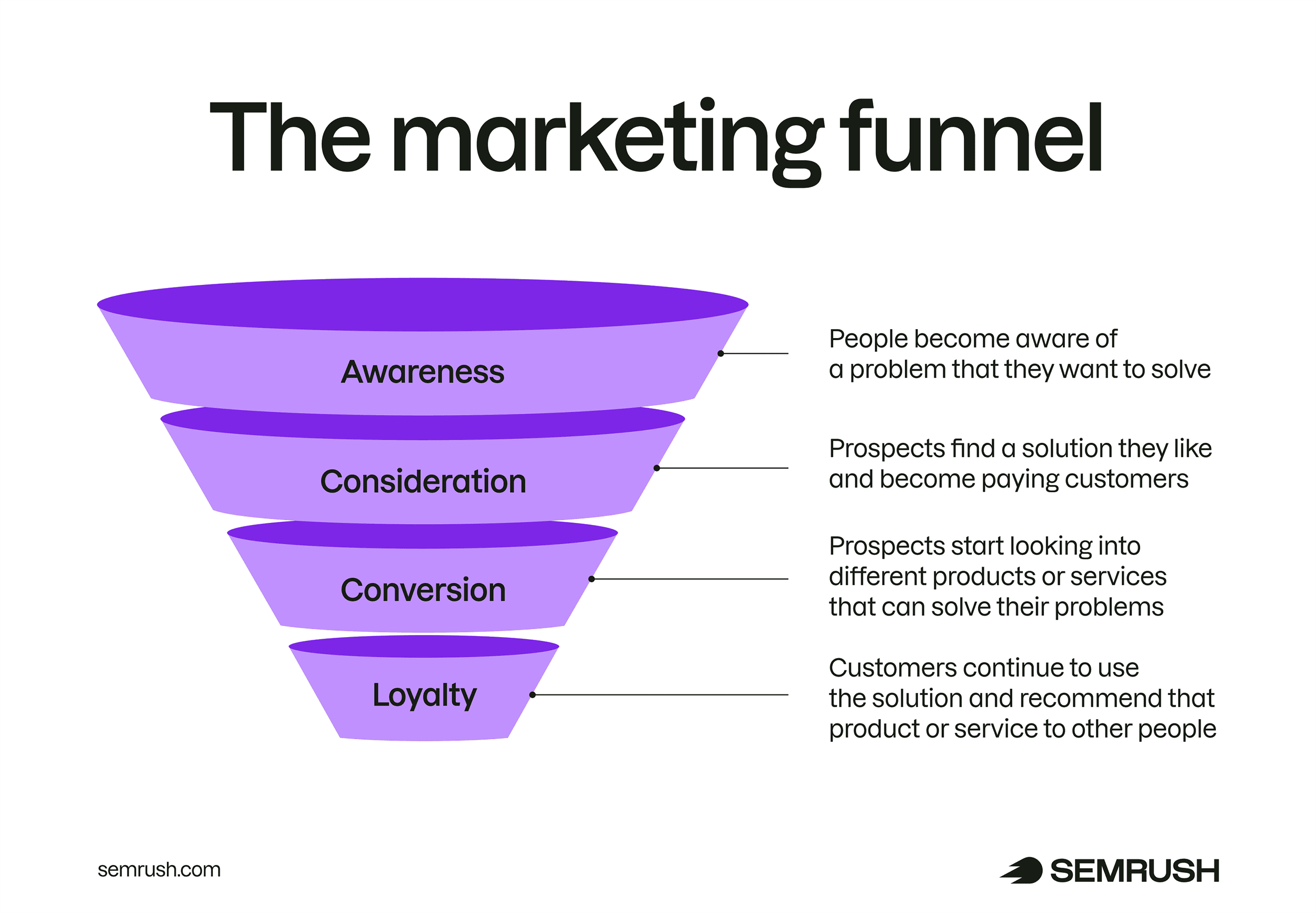
Collapsing the Buying Journey: The traditional marketing funnel, with its distinct stages of awareness, consideration, and decision, is being compressed by AI. A single, high-intent query can now trigger an AI to synthesize information covering all these stages simultaneously. AI systems pull in awareness-level context, consideration-level comparisons, and decision-level specifics into a single, cohesive answer. This means content must be designed to address the entire user journey within a single interaction, making it vital to cover diverse aspects of a topic.
The Query Fan-Out Workflow: A Six-Step Strategy
To effectively navigate this new landscape and enhance AI visibility, a structured approach is essential. This six-step workflow provides a framework for identifying and targeting high-impact sub-queries:
Step 1: Identify Your "Money Prompts"
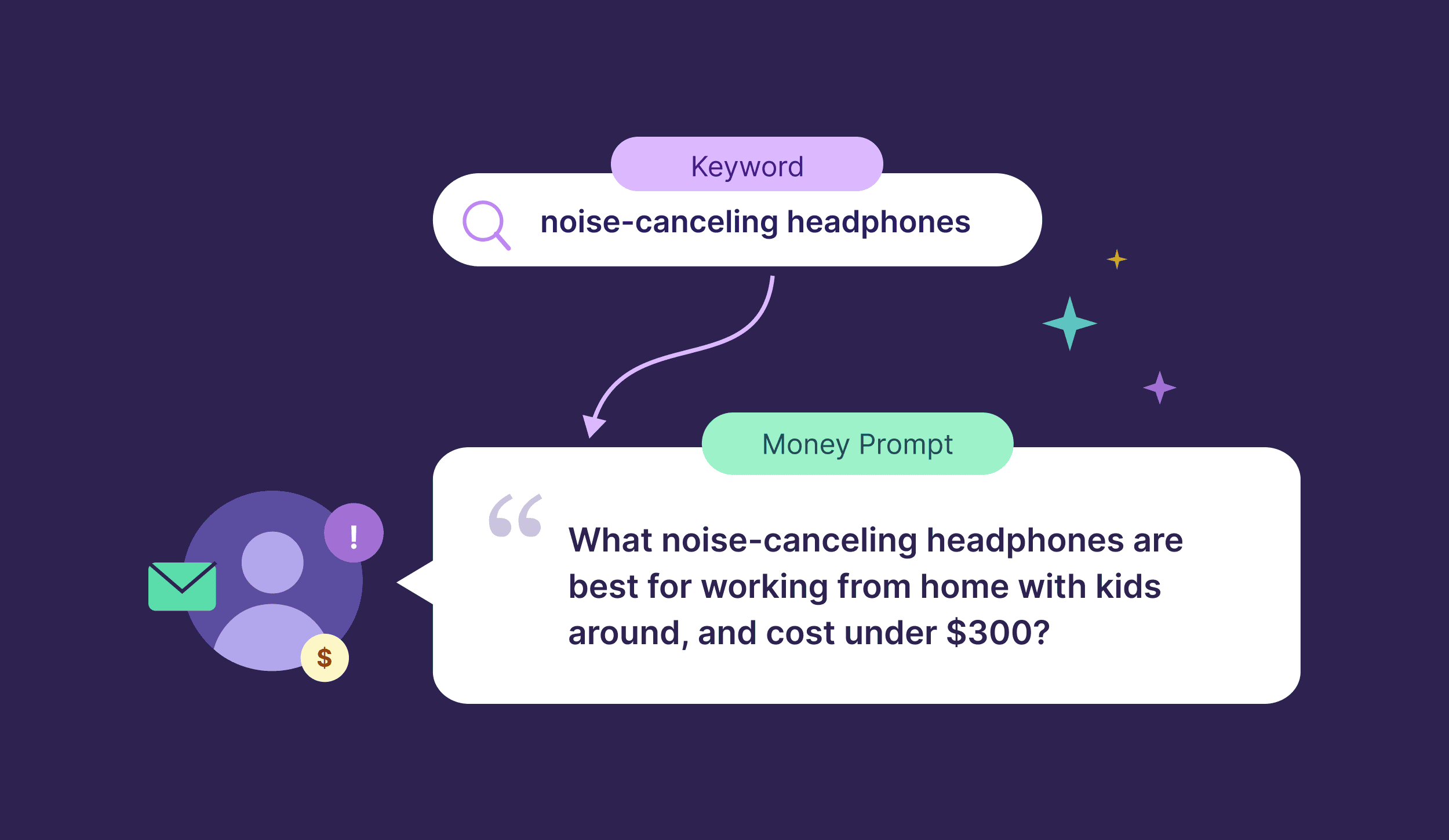
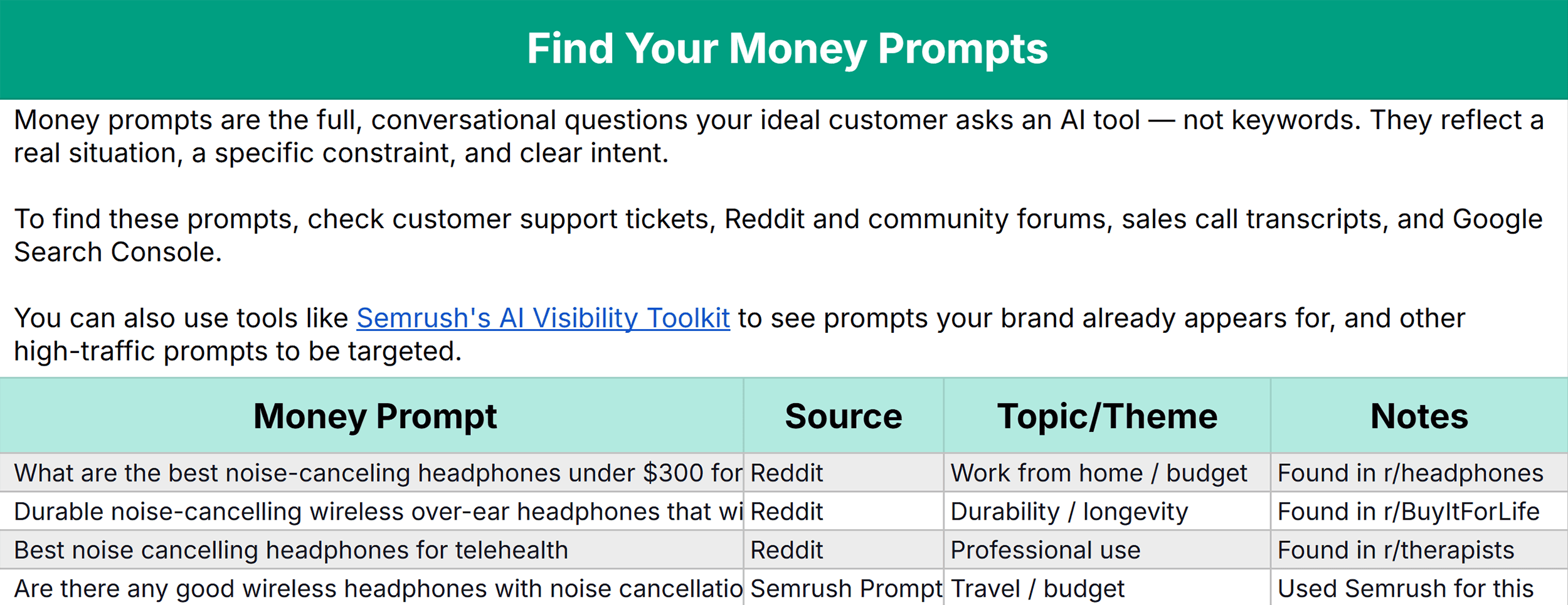
"Money prompts" are the conversational, often lengthy, phrases or questions that potential customers would use when interacting with an AI tool to solve a problem that your product or service addresses. These are the AI SEO equivalent of high-commercial-intent keywords, designed to drive conversions.
For example, while "noise-canceling headphones" is a common keyword, a money prompt might be: "What noise-canceling headphones are best for working from home with kids around, and cost under $300?"
To find these prompts, businesses can leverage specialized tools and platforms:
-
Forums and Social Media: Platforms like Reddit and industry-specific forums are rich sources of genuine user queries. Observing discussions where users ask for recommendations, comparisons, or solutions to specific problems can reveal valuable money prompts. For instance, searching Reddit for "noise-canceling headphones" might uncover posts like: "Looking for the best noise-canceling headphones for telehealth calls – any recommendations?" or "Which durable noise-canceling headphones will last longer than two years?"
-
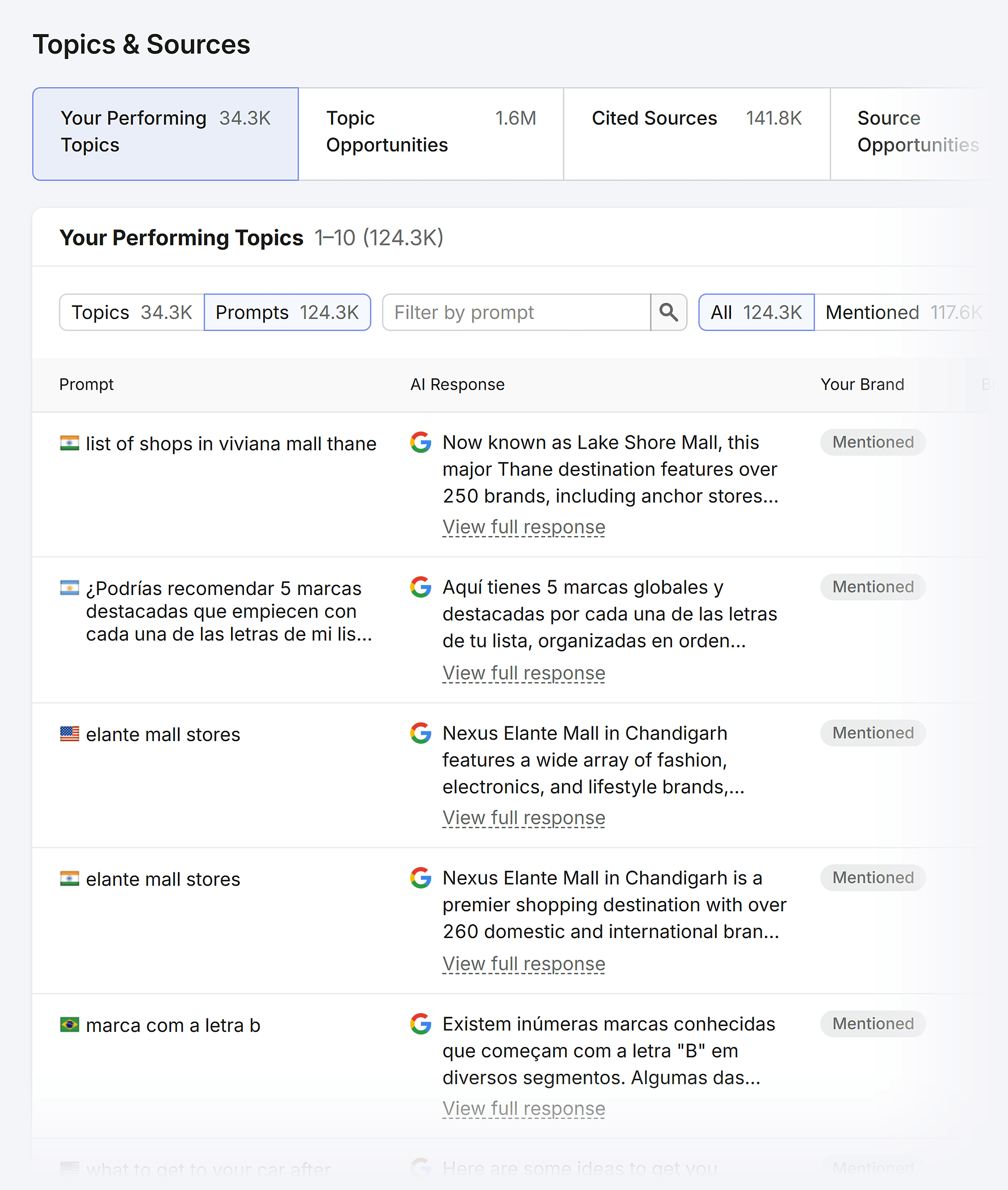
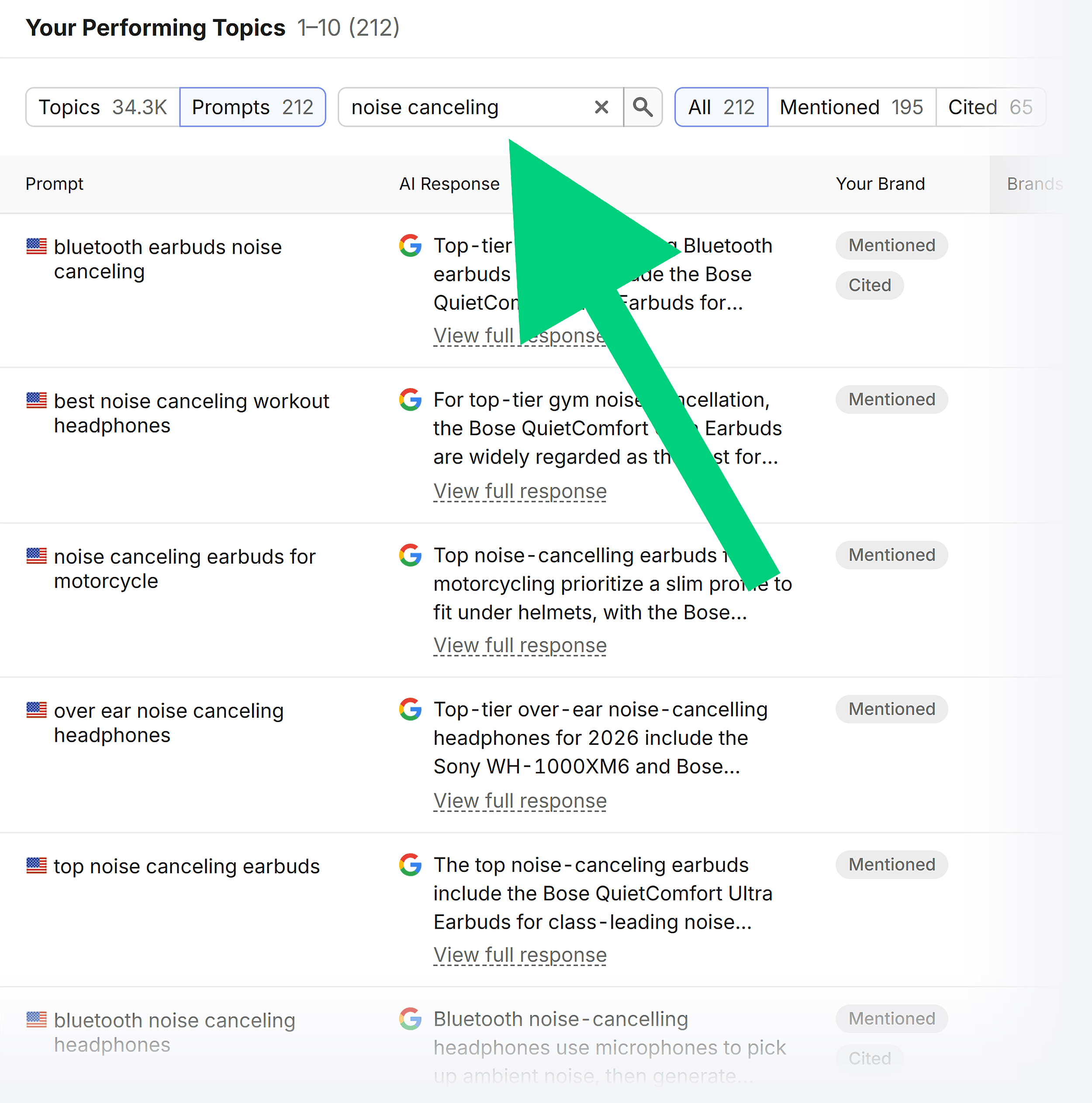
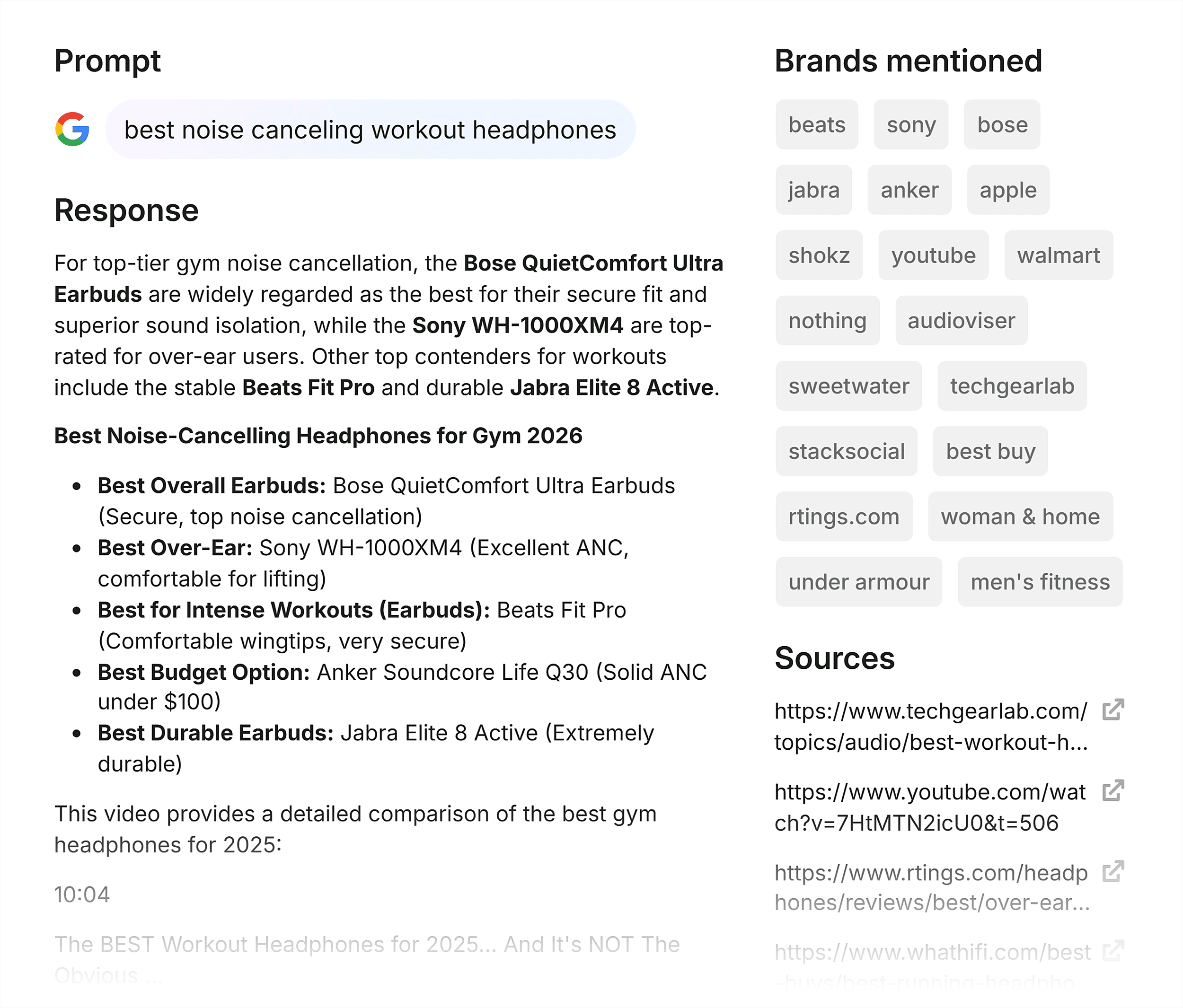
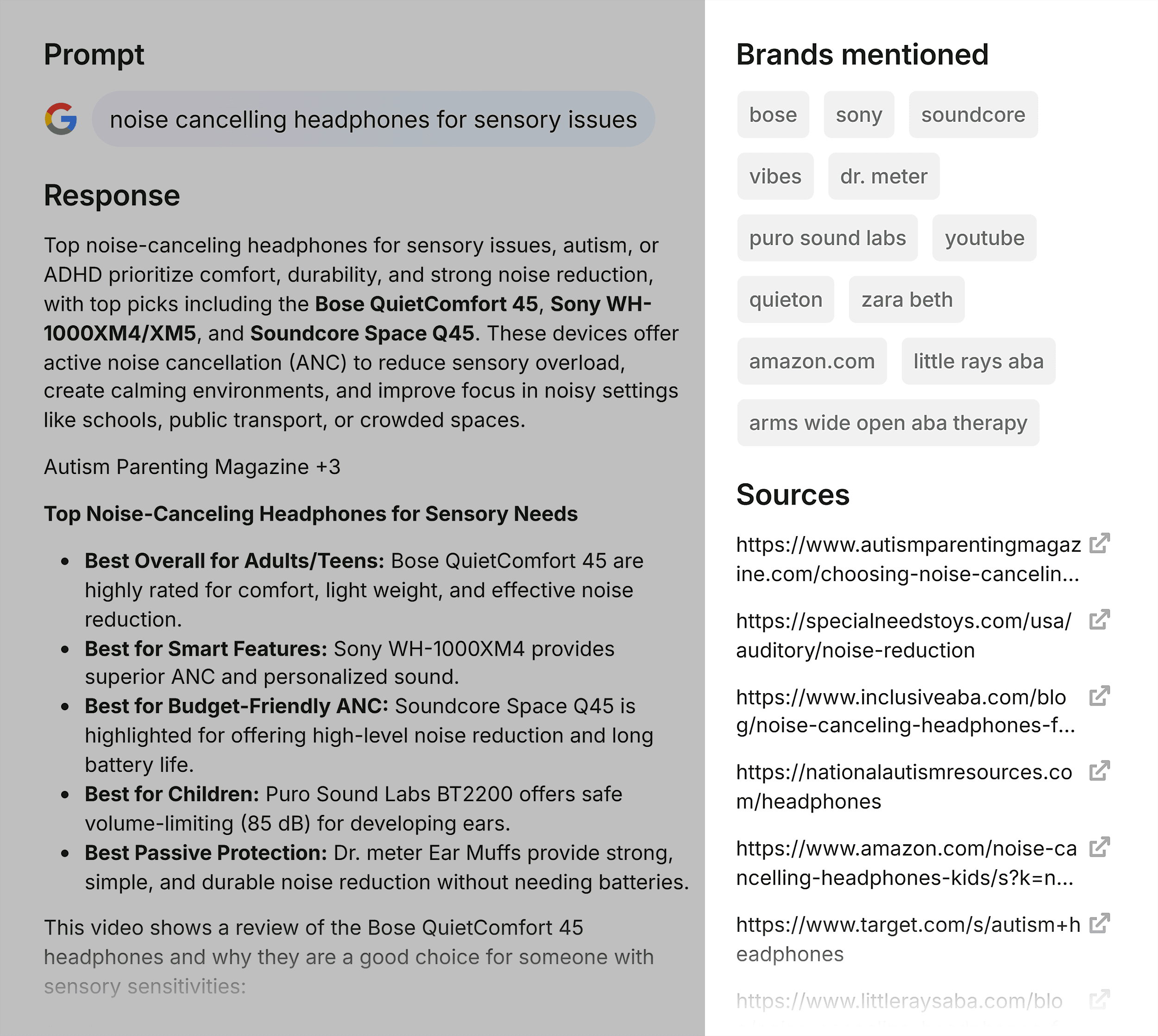
AI Visibility Tools: Dedicated tools, such as Semrush’s AI Visibility Toolkit, offer critical insights by showing precisely what prompts users are entering into AI search engines and the AI’s corresponding responses. By analyzing your domain’s presence in AI answers, you can identify existing prompts where your brand is mentioned. Filtering these by relevant topics, like "noise-canceling" for a headphone brand, can further refine the search. For a brand like Bose, this analysis might reveal prompts such as "noise-canceling headphones for sensory issues," providing direct insights into user needs.
-
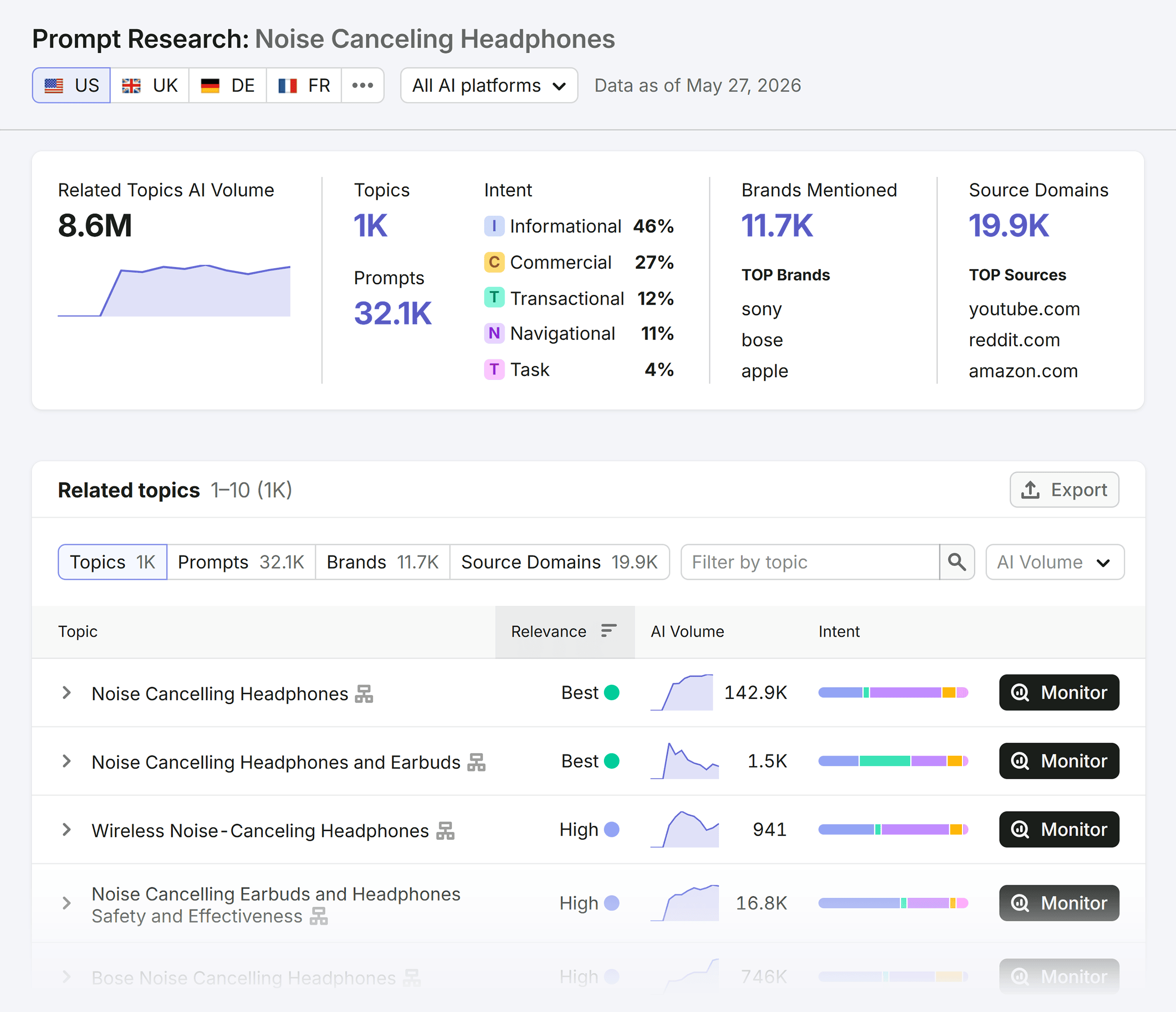
Prompt Research Tools: When a brand has limited existing AI visibility, prompt research tools can identify high-volume prompts within a specific industry or topic. Entering a broad topic like "noise-canceling headphones" can generate a list of prompts that are already yielding significant AI results, offering a starting point for content strategy.
The output of this step should be a curated list of money prompts that represent key user needs and potential conversion opportunities.
Step 2: Generate Your Fan-Out Set
Once money prompts are identified, the next step is to understand the sub-queries that these prompts trigger within AI systems. There are two primary methods: manual generation and the use of dedicated tools.

-
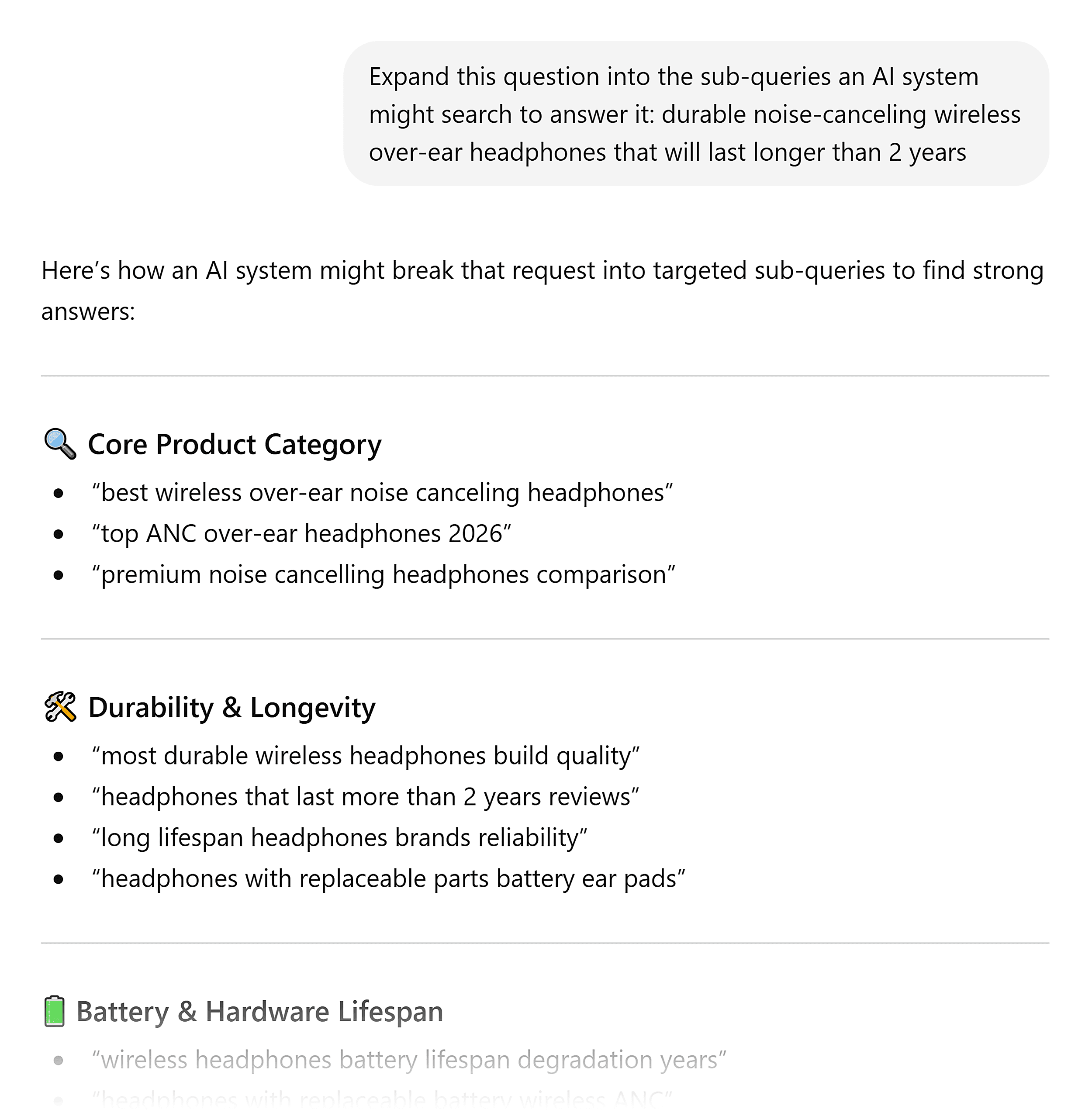
Manual Generation: By inputting a money prompt into an AI platform like ChatGPT, users can observe the AI’s response. Often, the AI implicitly runs various related searches to formulate its answer. While ChatGPT doesn’t explicitly display these sub-queries by default, advanced users can access them through browser developer tools. By inspecting the network requests made during the AI’s response generation, one can identify the specific searches executed. For a prompt like "Toyota vs. Honda car comparison," this might reveal internal searches related to "Toyota reliability," "Honda ownership costs," and "best family SUVs Toyota vs Honda."
-
Dedicated Fan-Out Tools: For a more streamlined and scalable approach, specialized tools are available. The "ChatGPT Query Fan-Out Tool," a Chrome extension, can be integrated with ChatGPT. When a prompt is entered, this tool captures and breaks down the underlying sub-queries that the AI system is executing. This provides a clear, categorized list of sub-queries, often classified by their intent type (e.g., reformulation, comparative, personalized).

As sub-queries are gathered, categorizing them by "Query Type" becomes crucial. These types include:
- Reformulation: A rephrased version of the original prompt.
- Comparative: Questions that weigh two or more options against each other.
- Implicit: Addressing needs or contexts not explicitly stated by the user.
- Personalized: Tailored to specific situations, constraints, or user preferences.
- Entity Expansion: Delving deeper into specific brands, products, or individuals.
- Related: Anticipated follow-up topics or adjacent areas of interest.
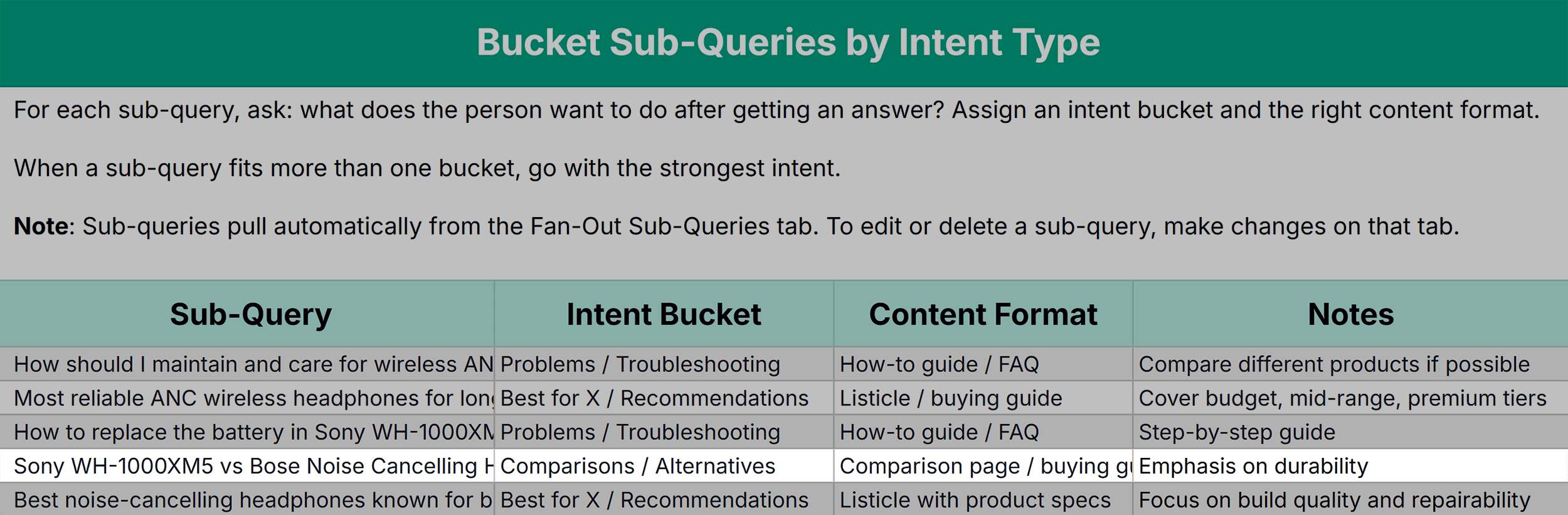
Step 3: Bucket Sub-Queries by Intent Type
Categorizing sub-queries by intent helps align content creation with user needs. The core question to ask is: "What does the user want to do after receiving an answer to this sub-query?"
For example, a sub-query like "Sony vs. Bose Noise Canceling Headphones" clearly indicates a user intent to compare specific products. The most effective content format for this intent would be a detailed comparison page or a structured table, rather than a general buying guide.
When sub-queries have overlapping intents, they should be placed in the bucket that reflects the strongest user intent. Common intent buckets and their corresponding content formats include:
| Bucket | Description | Example Sub-Query | Content Format |
|---|---|---|---|
| Definitions / Basics | What is X? How does X work? | "how do noise canceling headphones work" | Explainer article, glossary section |
| Comparisons / Alternatives | X vs Y, alternatives to X | "apple airpods max vs sony wh 1000xm4" | Comparison page, head-to-head section |
| Best for X / Recommendations | Best option for a specific use case | "best noise canceling headphones for working from home" | Listicle, buying guide |
| Problems / Troubleshooting | How to fix X, why does X happen | "how to get rid of background noise in audio" | How-to guide, FAQ section |
| Pricing / Value | How much does X cost, is X worth it | "good wireless headphones with noise cancellation under $150?" | Pricing page, value comparison section |
| Social Proof / Discussions | Reviews, Reddit opinions, user experience | "best earbuds for calls in noisy environment reddit" | Review roundup, user feedback section |
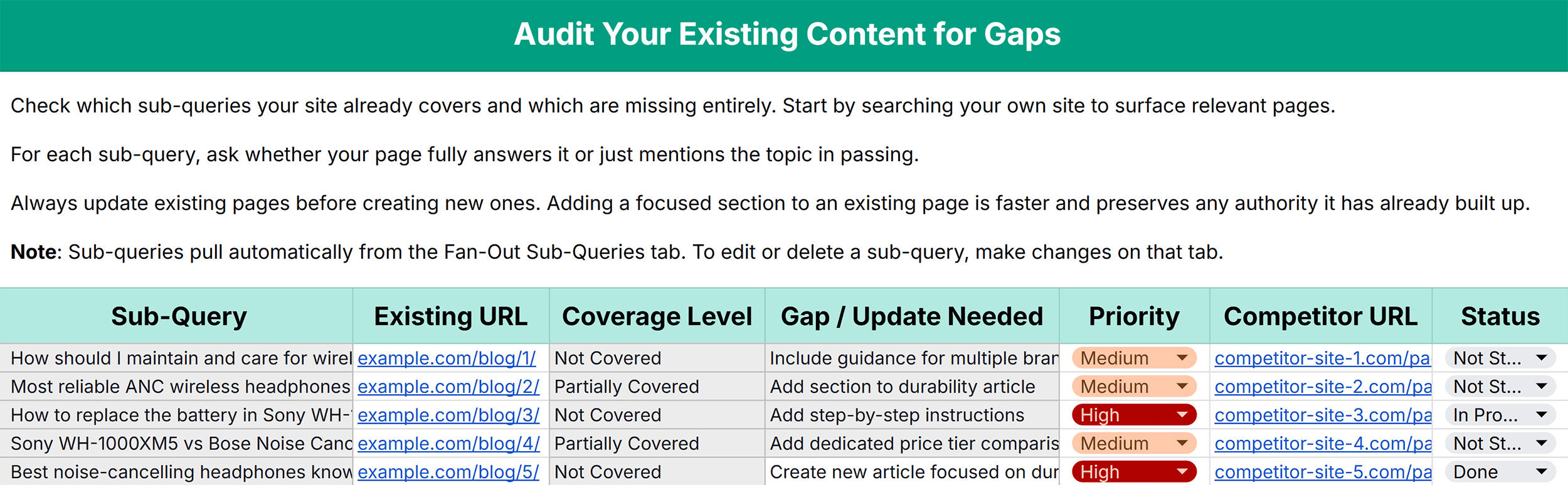
Step 4: Audit Existing Content for Gaps
With sub-queries categorized by intent and format, the next crucial step is to audit your existing content to identify any gaps. This involves checking which sub-queries your website currently addresses and which ones are missing.
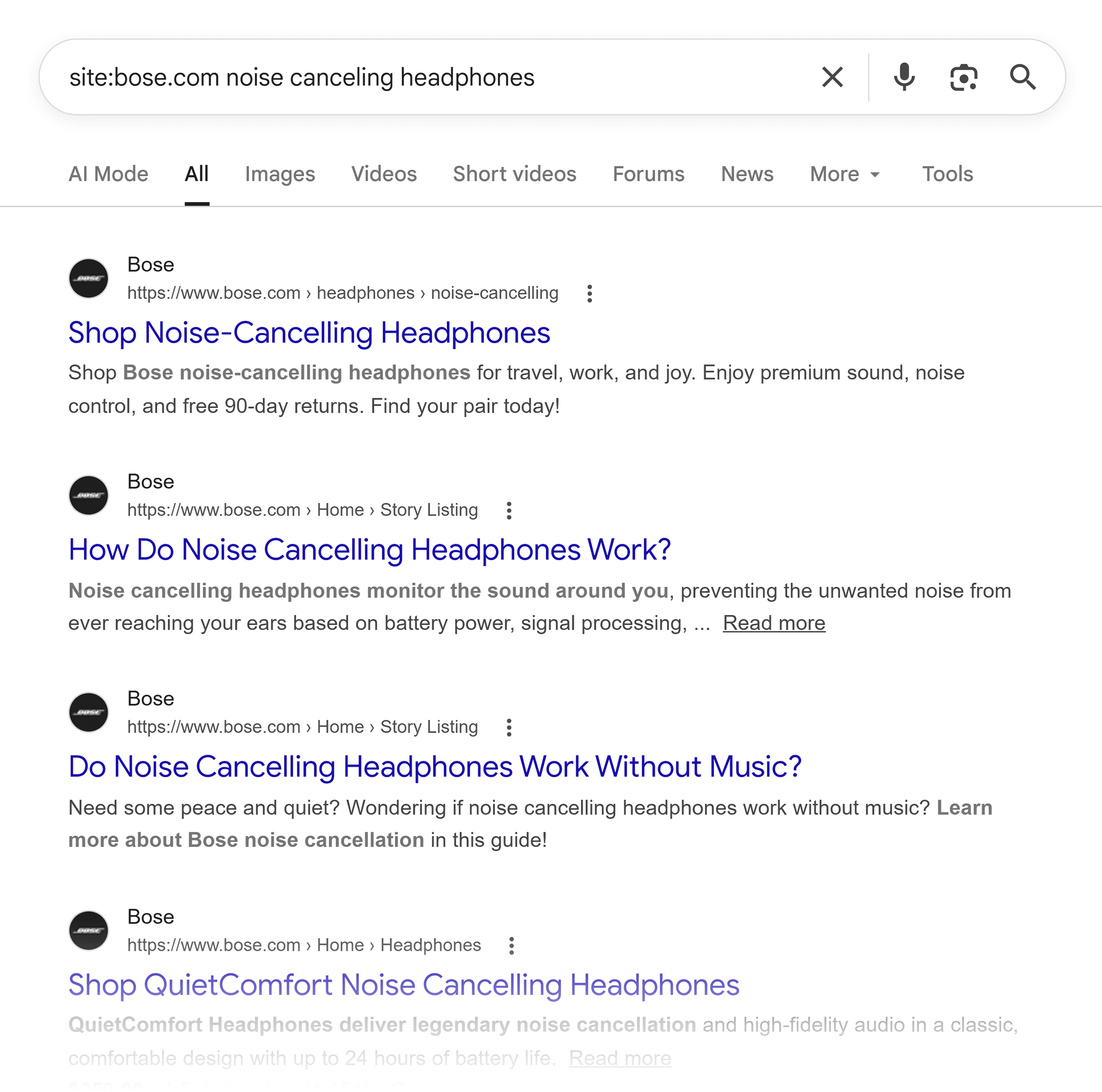
A simple method is to use Google’s site search operator: site:yourdomain.com [sub-query topic]. For instance, searching site:bose.com noise canceling headphones will surface all relevant pages on the Bose website.
Evaluate each existing page against the sub-query it is intended to cover:
- Not Covered: If no page on your site addresses a specific sub-query, it represents a content gap that requires the creation of new, dedicated content.
- Partially Covered: If a page mentions a topic but doesn’t fully resolve the sub-query, consider enhancing that page with a dedicated section that directly answers the query.
- Fully Covered: Pages that thoroughly answer a sub-query and can be extracted by AI without needing extensive surrounding context are considered fully covered. These pages should be monitored and updated to remain current.
Furthermore, identifying competitors who are successfully addressing these sub-queries is vital. Running money prompts through AI platforms or consulting AI visibility tools can reveal which brands are appearing alongside your own, highlighting opportunities to improve your coverage and competitive positioning.
Step 5: Structure Content for AI Extraction
Creating content is only one part of the equation; ensuring AI systems can easily extract and cite it is equally important.
- Addressing Gaps: For unaddressed sub-queries, create new pages or dedicated sections that directly target them. For partially covered queries, integrate comprehensive answers into existing pages.
- Optimizing for Extraction:
- Front-load Answers: Place the most crucial information and answers at the beginning of your content.
- Use Descriptive Subheadings: Employ clear and specific subheadings that directly reflect the sub-queries they cover. This helps AI models understand the content’s structure and relevance.
- Create Self-Contained Passages: Ensure that each section or paragraph addressing a sub-query can stand alone and provide a complete answer without requiring the reader to navigate other parts of the page. This is crucial as AI often extracts specific passages.
- Utilize Structured Data: Employ schema markup where appropriate to provide AI with clear context about your content’s subject matter, entities, and relationships.
Brands like Bose demonstrate effective content structuring. Their product pages often front-load key claims like "24 hours of battery life" and "legendary noise cancellation" as easily scannable elements. They also build dedicated landing pages for specific use cases, such as "noise-canceling headphones for flights," using descriptive language that aligns with potential AI sub-queries. When AI searches for "best noise-canceling headphones for flight anxiety," it can directly pull information from such targeted pages.
Step 6: Measure Performance in AI Search
Continuous monitoring and measurement are essential to track the effectiveness of your AI visibility strategy.
-
Track Money Prompts: Regularly monitor the performance of your identified money prompts across various AI platforms. Key metrics include:
- AI Mentions: How often your brand is cited in AI responses.
- Competitor Mentions: How often competitors are cited for the same prompts.
- Sentiment Analysis: The tone and perception of your brand within AI answers.
-
Leverage Tracking Tools: While manual tracking is possible, it is time-consuming. Tools like Semrush’s Prompt Tracker can automate this process, alerting you to changes in mentions and providing insights into AI performance over time. The Visibility Overview feature offers an AI visibility score, allowing for a comparative analysis of your brand’s presence against competitors in AI search results.
-
Iterative Optimization: AI search is a dynamic field. Regularly revisit your money prompts, analyze performance data, and update your content strategy to adapt to evolving AI behaviors and user search patterns.
Query Fan-Out Across Different Platforms
The nuances of query fan-out vary across different AI search platforms, influencing how content is surfaced and cited:
-
ChatGPT: For informational queries, ChatGPT primarily relies on its training data. However, for questions requiring current information, comparisons, or real-world data, it initiates live web searches. Understanding the specific sub-queries it runs can be achieved by inspecting browser developer tools or using specialized extensions.
-
Perplexity: Perplexity employs a dual-layer fan-out approach. It first considers conversational context and user preferences (such as past questions or stated constraints) before executing external web searches for relevant information. This means content needs to be robust enough to remain accurate and useful regardless of the context provided by the user’s interaction history.
-
Claude: Claude often begins by asking clarifying questions to better understand user intent. It then generates a tailored response, potentially leading to more targeted fan-out sub-queries based on the user’s input. This suggests a strategy focused on addressing specific, well-defined use cases directly.
-
Google AI Overviews and AI Mode: Google’s AI Overviews synthesize existing search index data into concise summaries. AI Mode, a conversational interface, breaks down complex queries into multiple searches across Google’s index, offering a more interactive experience. For both, the optimization principle remains consistent: front-load answers, use clear subheadings, and structure content for easy passage extraction.
Conclusion
The era of AI-driven search fundamentally alters the metrics of online success. While traditional ranking remains a component, the core driver of visibility within LLM-powered search is the ability of content to be discovered and utilized through query fan-out. By adopting a strategic approach that focuses on understanding user intent through "money prompts," generating and analyzing sub-queries, auditing content for gaps, and structuring content for optimal AI extraction, businesses and publishers can significantly enhance their presence in this evolving digital frontier. The ability to consistently provide relevant, accessible, and comprehensive answers to the myriad of sub-queries that AI systems generate will be the defining factor for success in the future of search.