Mastering Query Fan-Out: How to Secure Visibility in the Age of AI Search

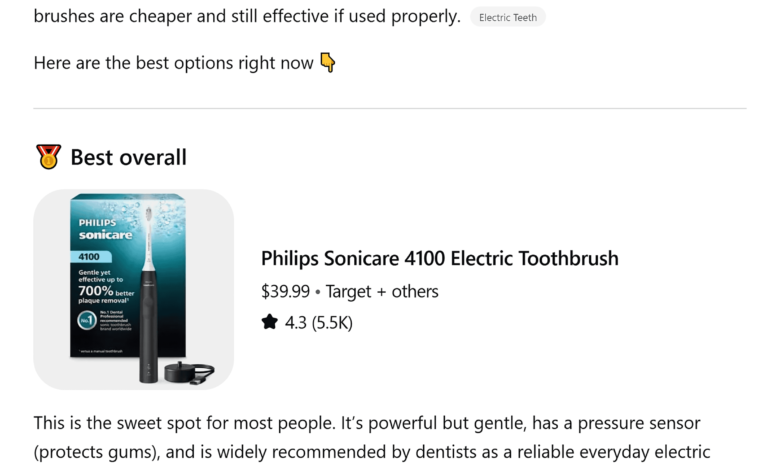
In the modern digital landscape, achieving a first-page ranking on Google is no longer the ultimate benchmark for success. A website can dominate traditional search engine results pages (SERPs) and yet remain entirely invisible to the millions of users interacting with AI-driven interfaces like ChatGPT, Perplexity, and Google’s own AI Overviews. This disconnect exists because AI systems operate on a fundamentally different paradigm than traditional search engines. To remain competitive, publishers and brands must move beyond traditional keyword optimization and embrace "query fan-out," a sophisticated background process that AI uses to synthesize answers from a diverse array of sources.
What Is Query Fan-Out?
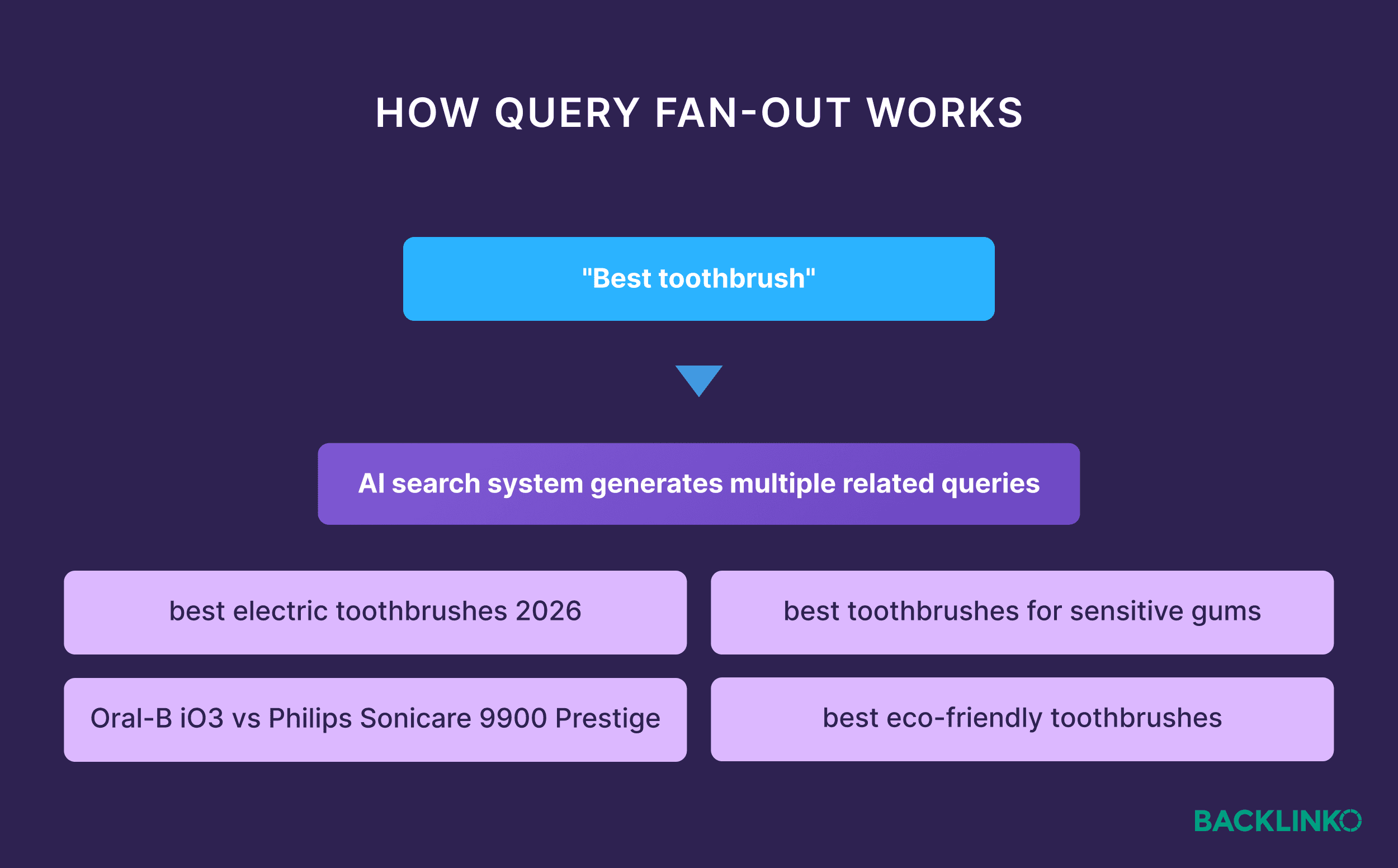
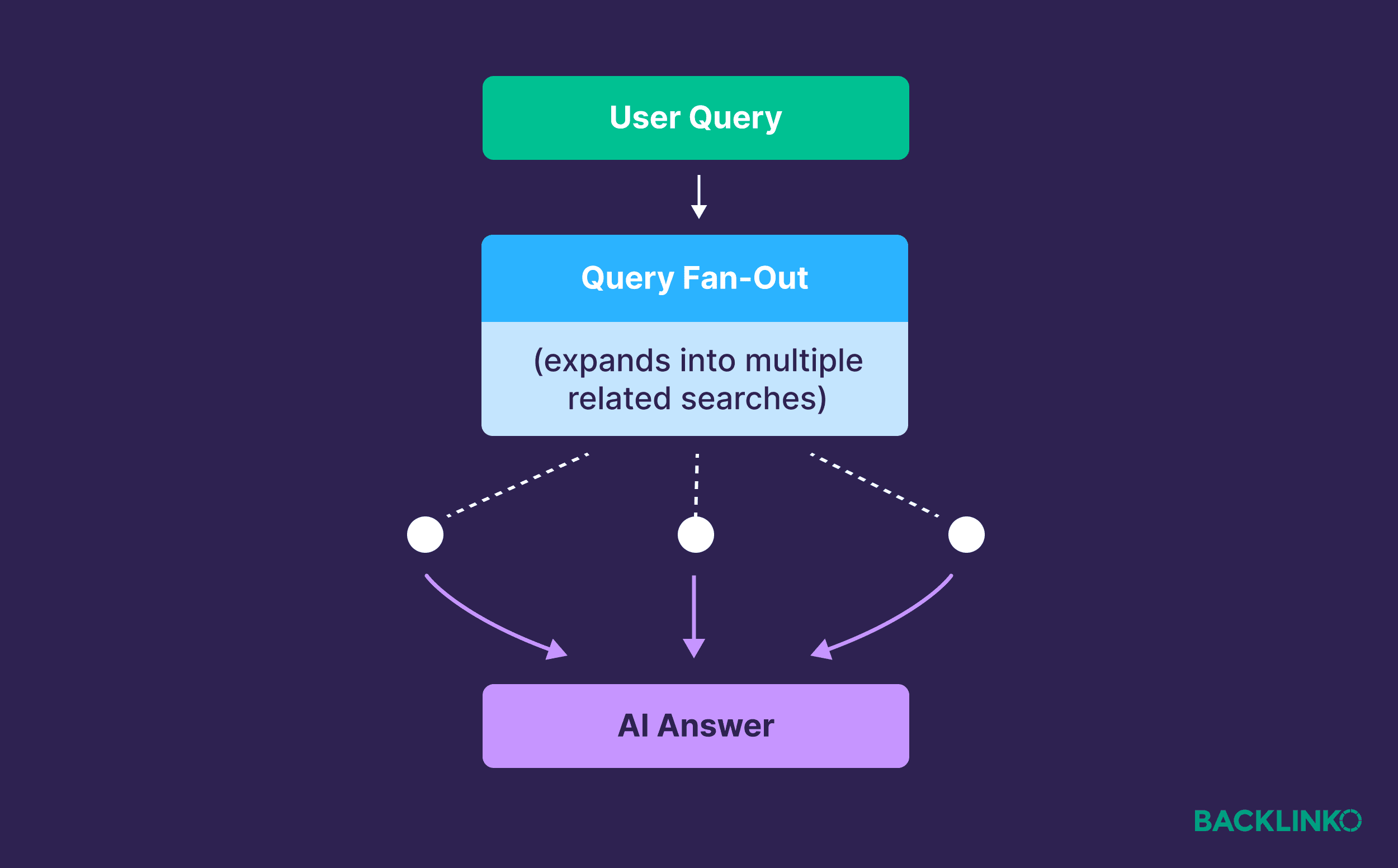
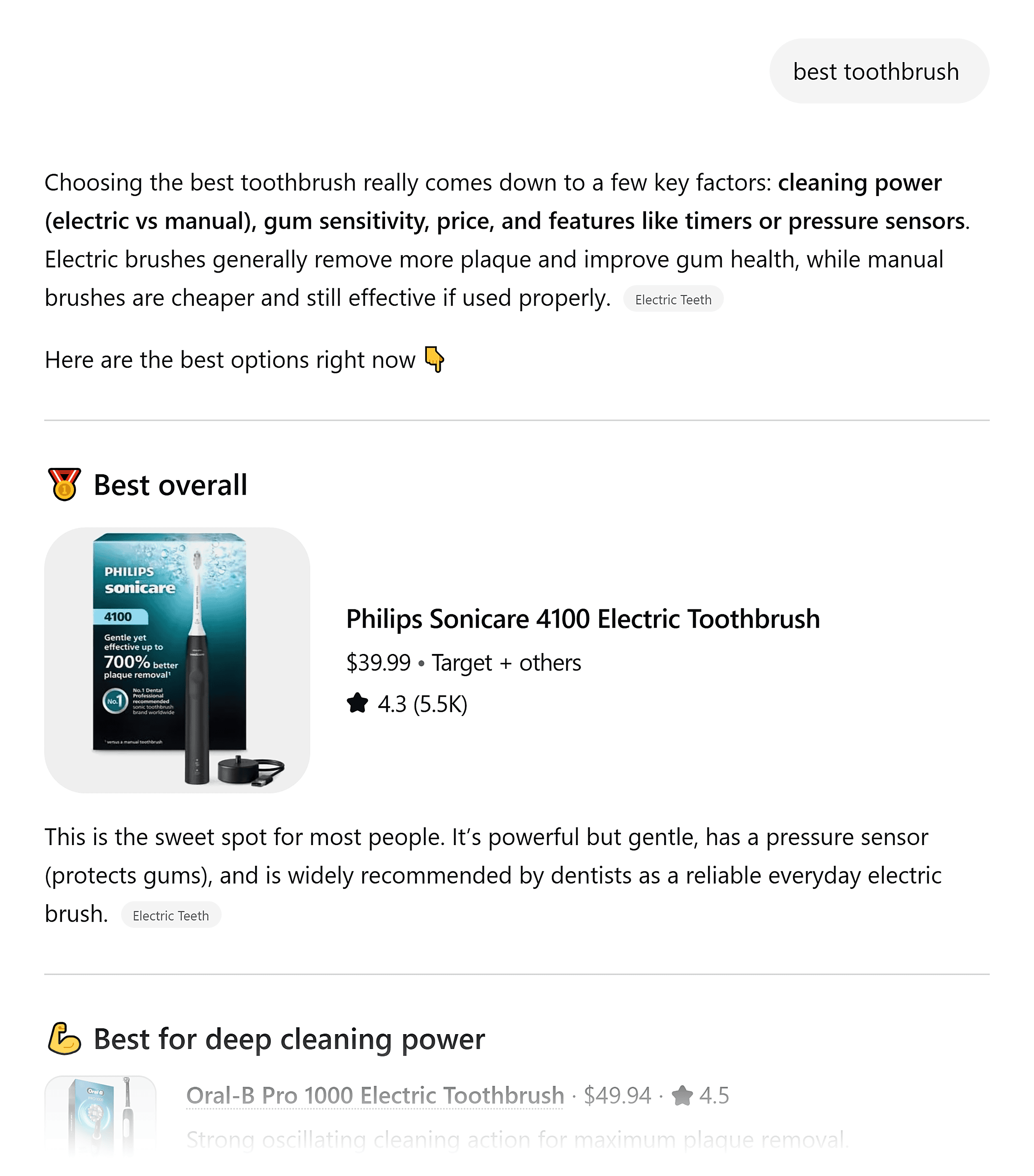
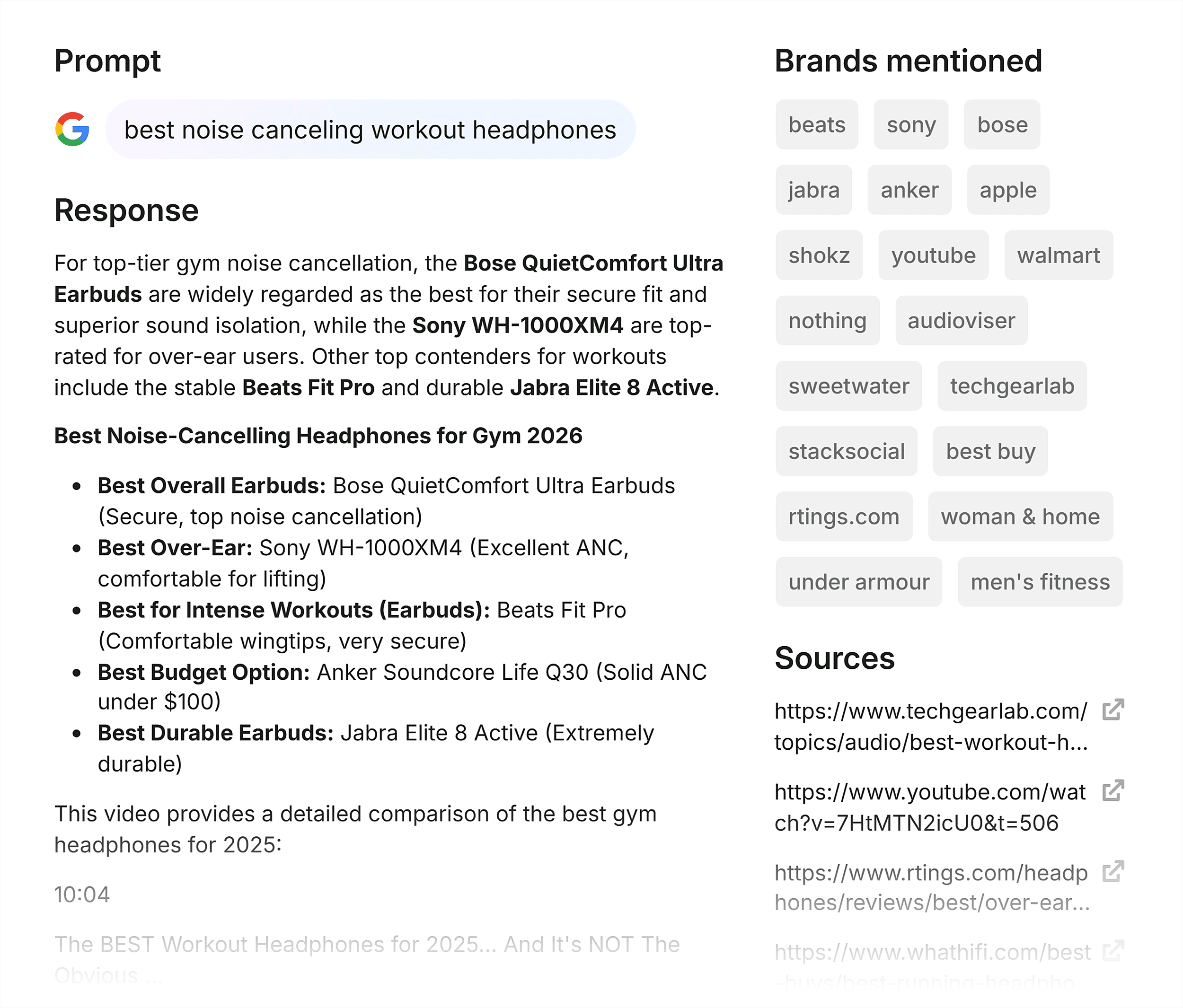
Query fan-out is the mechanism by which AI models expand a single, often vague, user prompt into a series of highly specific sub-queries. When a user inputs a short, high-level question—such as "best noise-canceling headphones"—the AI does not simply look for the top-ranking page for that exact term. Instead, it breaks the request down into a taxonomy of intent-driven sub-questions: "Best noise-canceling headphones for 2026," "Best headphones for sensitive ears," "Bose vs. Sony technical comparison," and "Most durable wireless headphones."
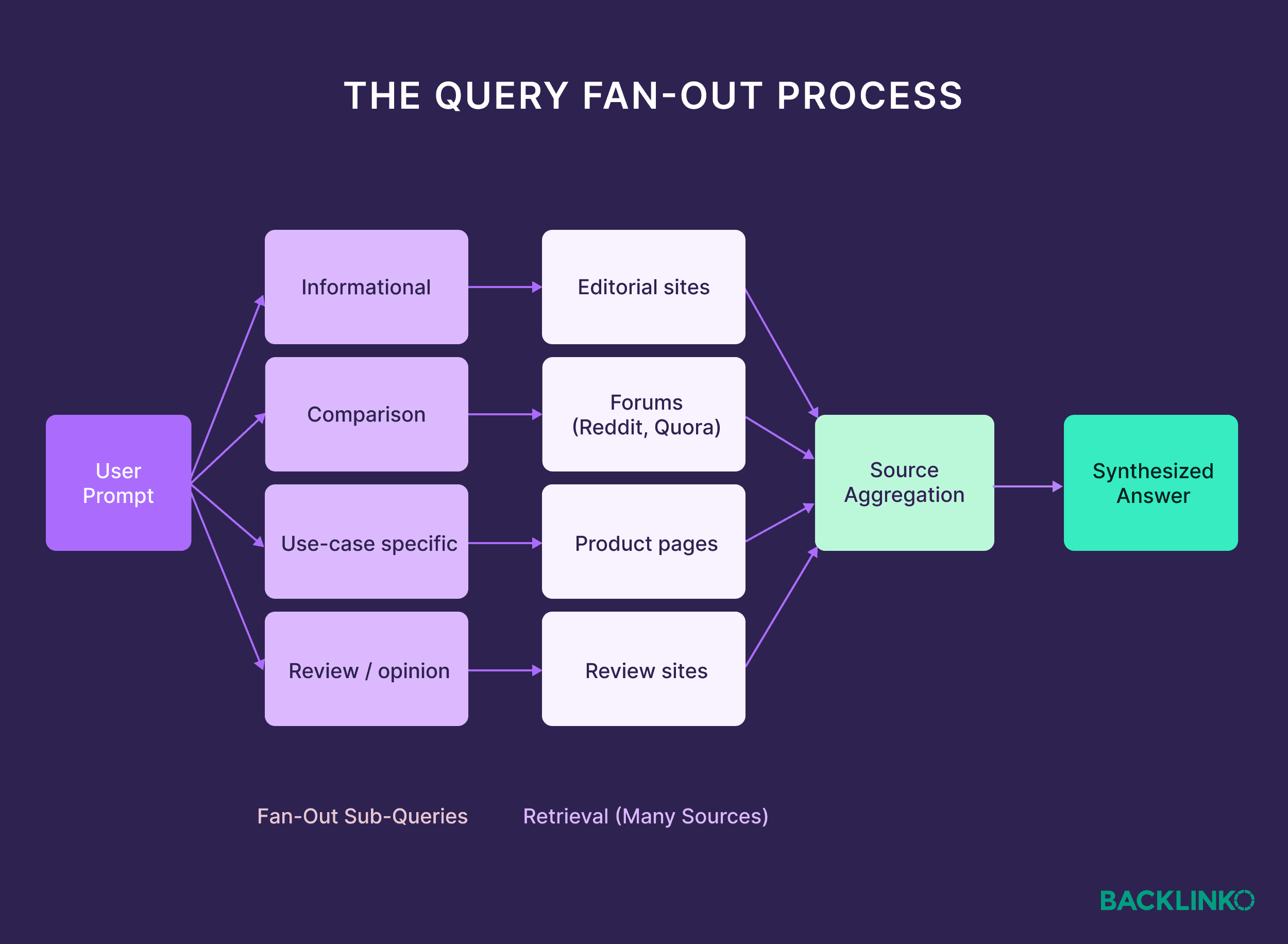
By systematically "fanning out" the user’s initial inquiry, the AI gathers a comprehensive dataset from multiple sources, including editorial reviews, community discussions on platforms like Reddit, and technical specification pages. It then synthesizes this disparate information into a single, cohesive, and highly curated answer. Because the AI is looking for the most relevant and authoritative information for each specific sub-query, it frequently ignores the top-ranking page for the primary keyword in favor of deeper, more granular content that better addresses a specific component of the user’s intent.
Why Traditional SEO Is Insufficient
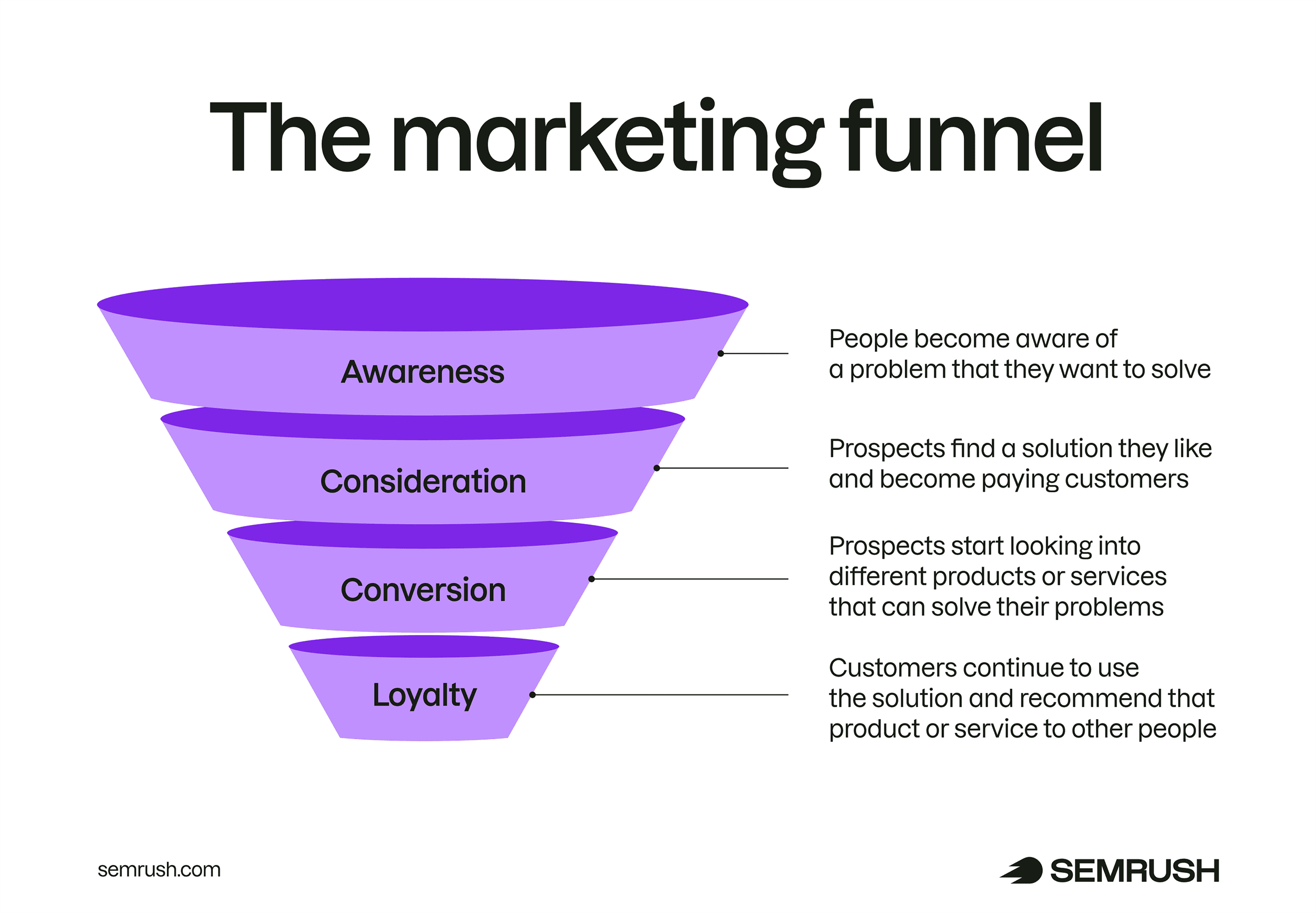
The rise of AI search has effectively collapsed the traditional marketing funnel. Historically, marketers optimized content for specific stages: awareness (top-of-funnel), consideration (middle-of-funnel), and decision (bottom-of-funnel). Query fan-out renders these silos obsolete. Because the AI synthesizes an entire buying journey into a single interaction, it extracts information from across the spectrum of a topic.
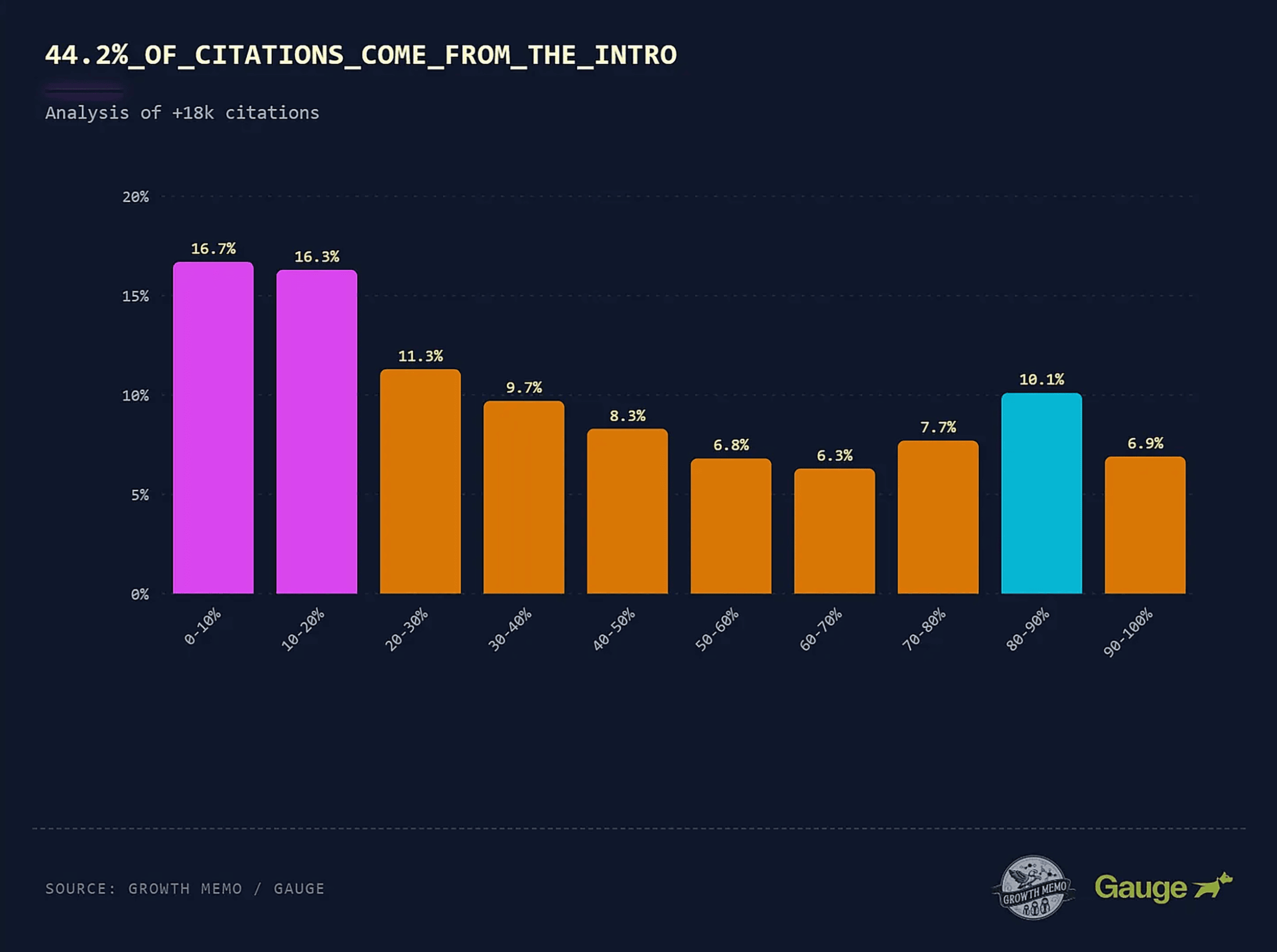
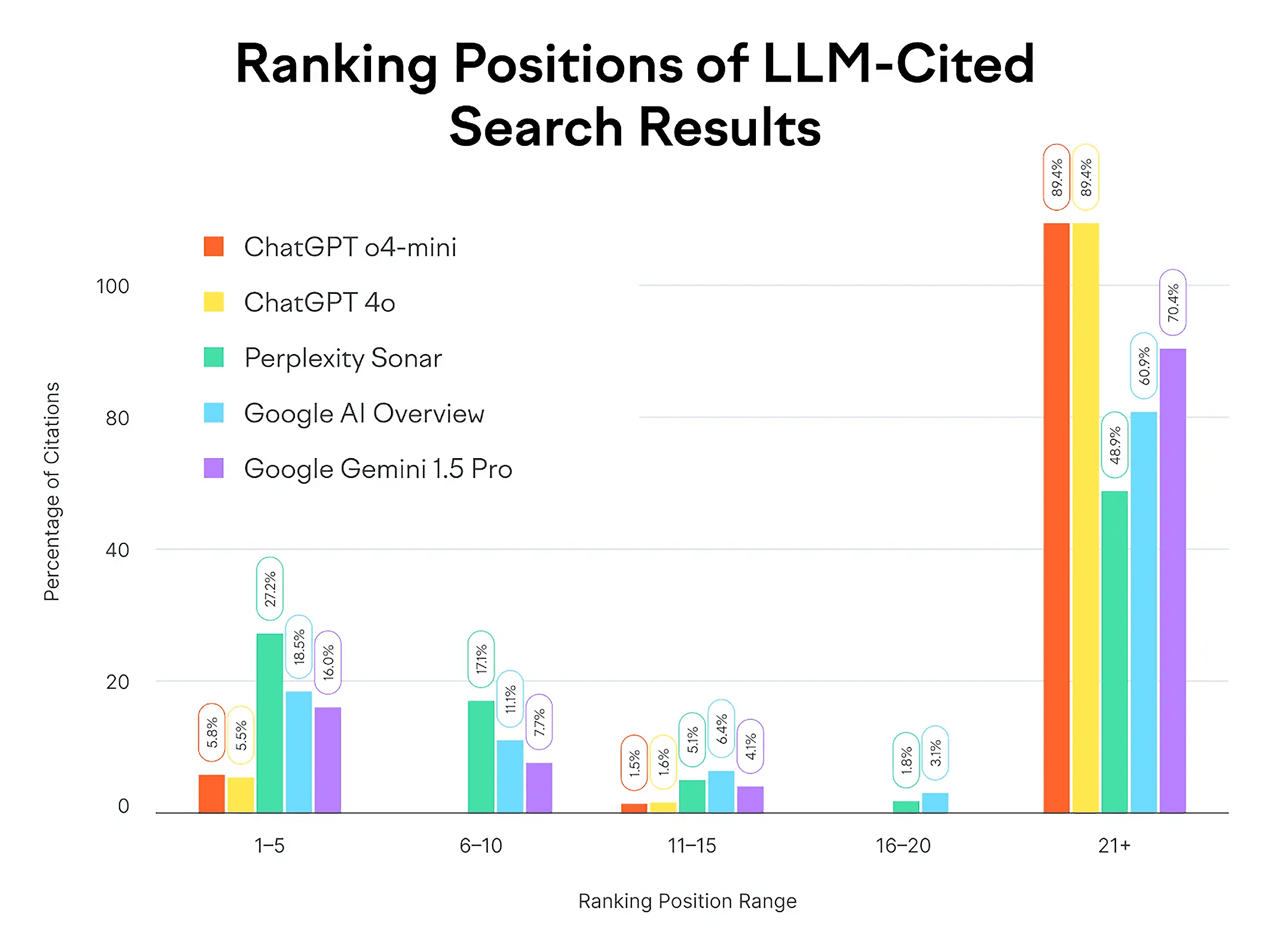
Data suggests that search position is a poor predictor of AI citation. A comprehensive study by Semrush found that nearly 90% of citations in ChatGPT responses come from pages that rank in the 21st position or lower. Furthermore, analysis by growth expert Kevin Indig revealed that AI models exhibit a strong "recency" and "positional" bias, with over 44% of citations being extracted from the first 30% of a page’s content. This indicates that the AI is not necessarily looking for the most "popular" site, but rather the most "retrievable" and "directly answerable" passage. Consequently, a site that provides concise, high-value answers early in its content structure is significantly more likely to be cited than a site that relies on lengthy, keyword-stuffed introductions.
The Six-Step Workflow for AI Optimization
To adapt to this environment, content strategists must adopt a six-step workflow designed to align with the way LLMs process information.
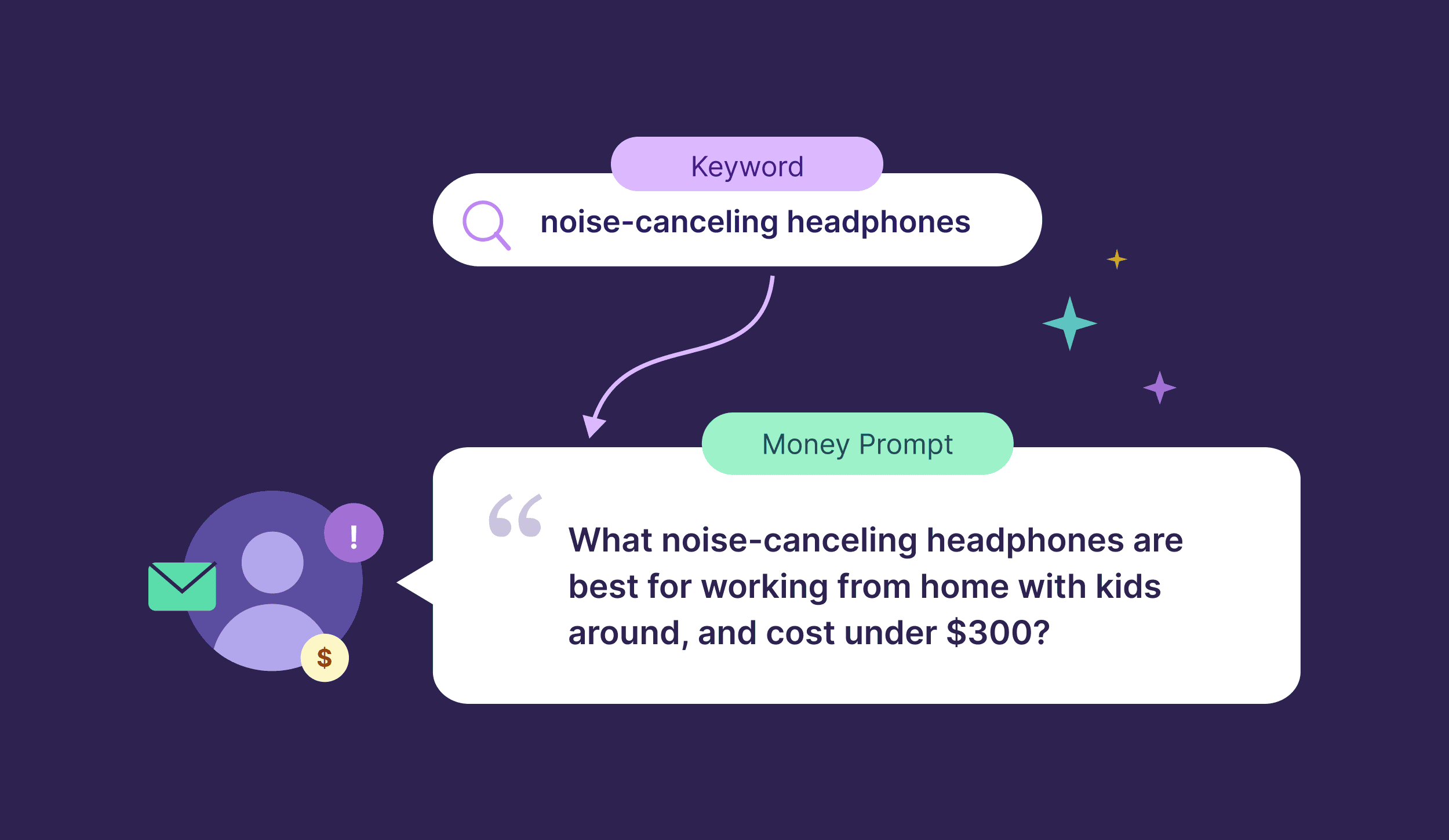
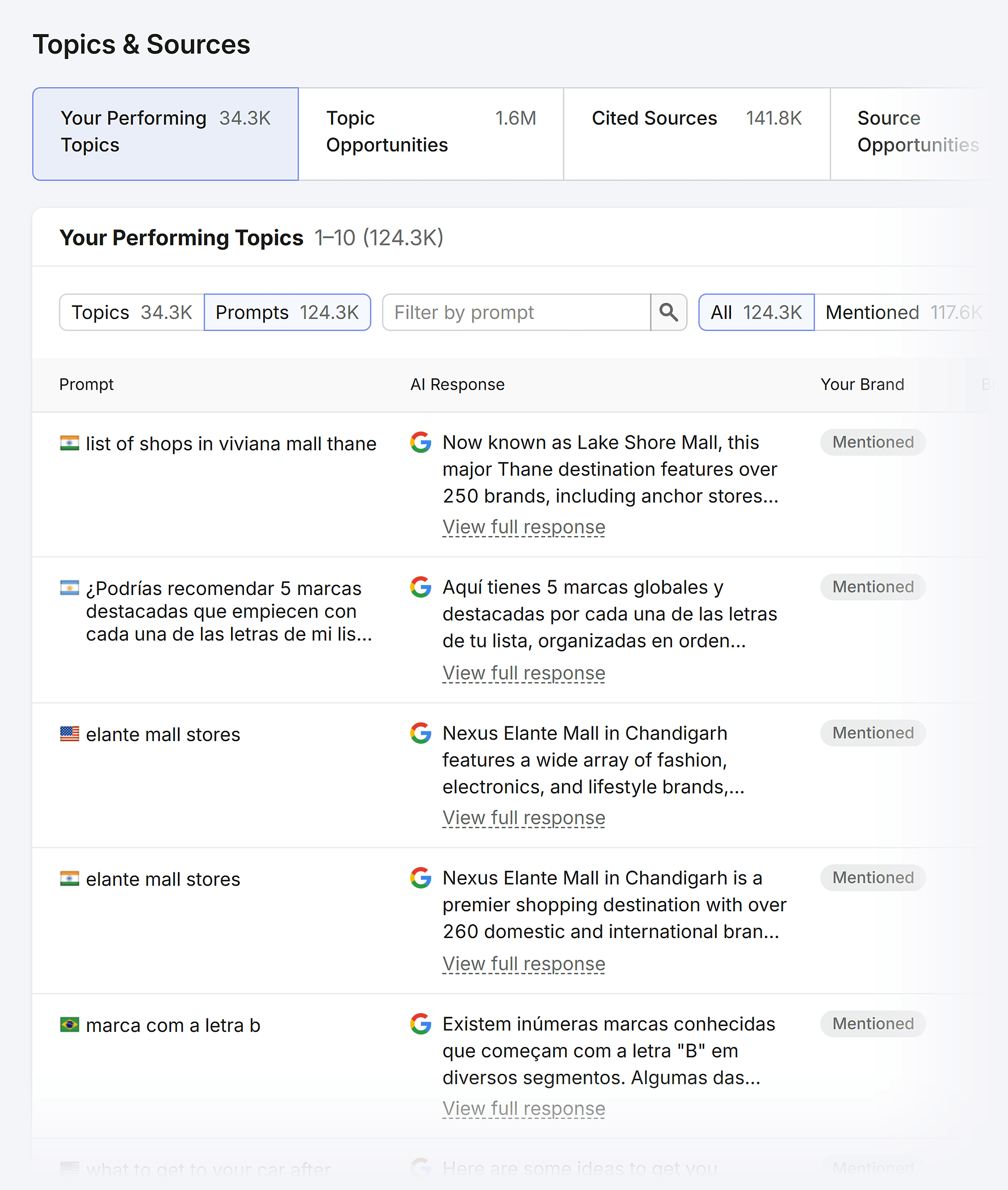
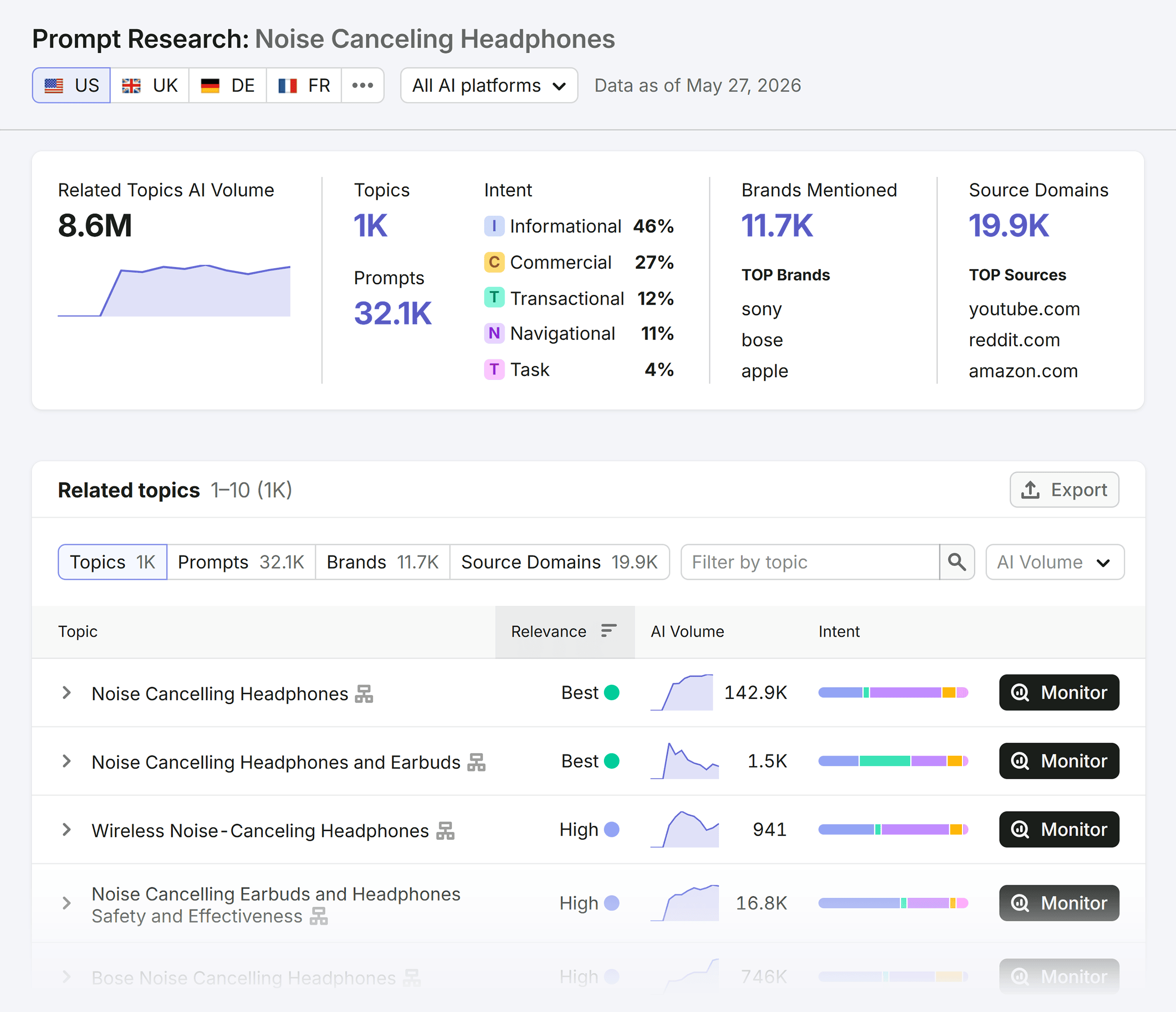
- Identify Money Prompts: Unlike traditional keywords, "money prompts" are the conversational queries your customers use to solve problems. These should be identified using AI visibility tools that track the specific questions users ask LLMs.
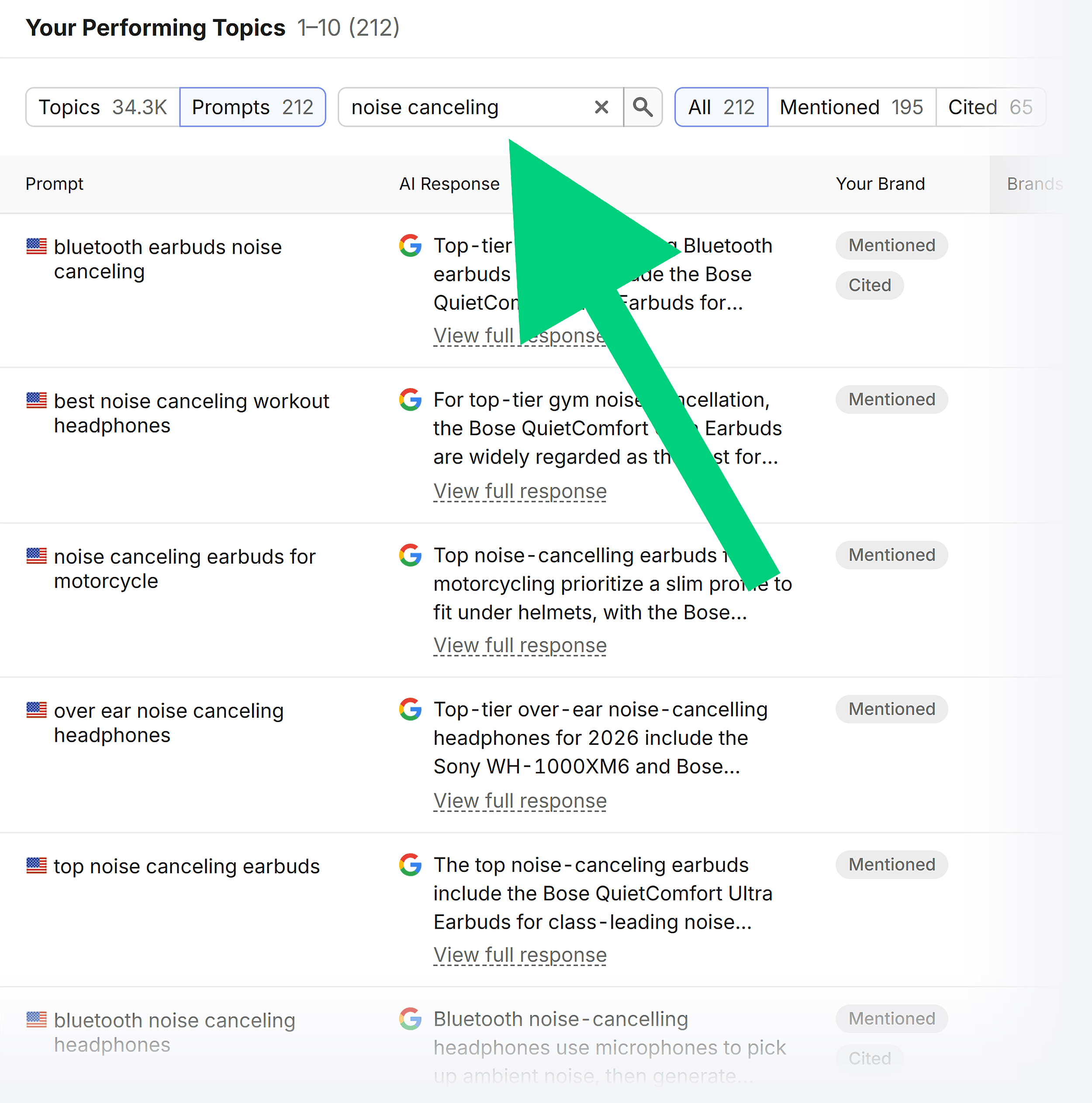
- Generate Fan-Out Sets: Use AI to map the sub-queries triggered by your primary money prompts. This allows you to identify the categories of information the AI considers necessary to provide a complete answer.
- Categorize by Intent: Every sub-query falls into a specific intent bucket: definitions, comparisons, recommendations, troubleshooting, or pricing. Categorizing these allows you to tailor your content format—using tables for comparisons, for example, or FAQ sections for troubleshooting.
- Conduct a Content Gap Analysis: Audit your site to see which sub-queries are currently addressed. If a topic is missing, create new, targeted content. If it is only partially covered, revise existing pages to provide a direct, self-contained answer that an AI can easily extract.
- Structure for Extraction: AI models thrive on clean data. Use clear, descriptive H2 and H3 subheadings, keep paragraphs concise, and utilize structured data (schema) to help machines parse the relevance of your content. Front-loading your most important information—the "answer" to the sub-query—at the beginning of your content is critical.
- Monitor and Measure: Finally, track performance by monitoring the visibility score of your money prompts across multiple platforms. Use AI-specific tracking tools to see if your brand is being cited, how it is being described, and if the sentiment associated with your brand is improving.
The Divergent Strategies of AI Platforms

It is important to note that not all AI platforms handle fan-out identically. ChatGPT, for instance, utilizes "reasoning" models that may spend significant time analyzing a request before performing a live search. In contrast, Perplexity often initiates a dual-layer fan-out process, checking for prior user context before querying the broader web. Google’s AI Overviews and the newer "AI Mode" act as synthesizers of the existing index, prioritizing content that is already well-indexed and authoritative.

The implication for content creators is clear: there is no "one-size-fits-all" solution. However, the common denominator across all platforms is the premium placed on specificity and structure. AI models are essentially looking for the "atomic unit" of information—a piece of text that answers a specific sub-question perfectly.
Implications for the Future of Publishing
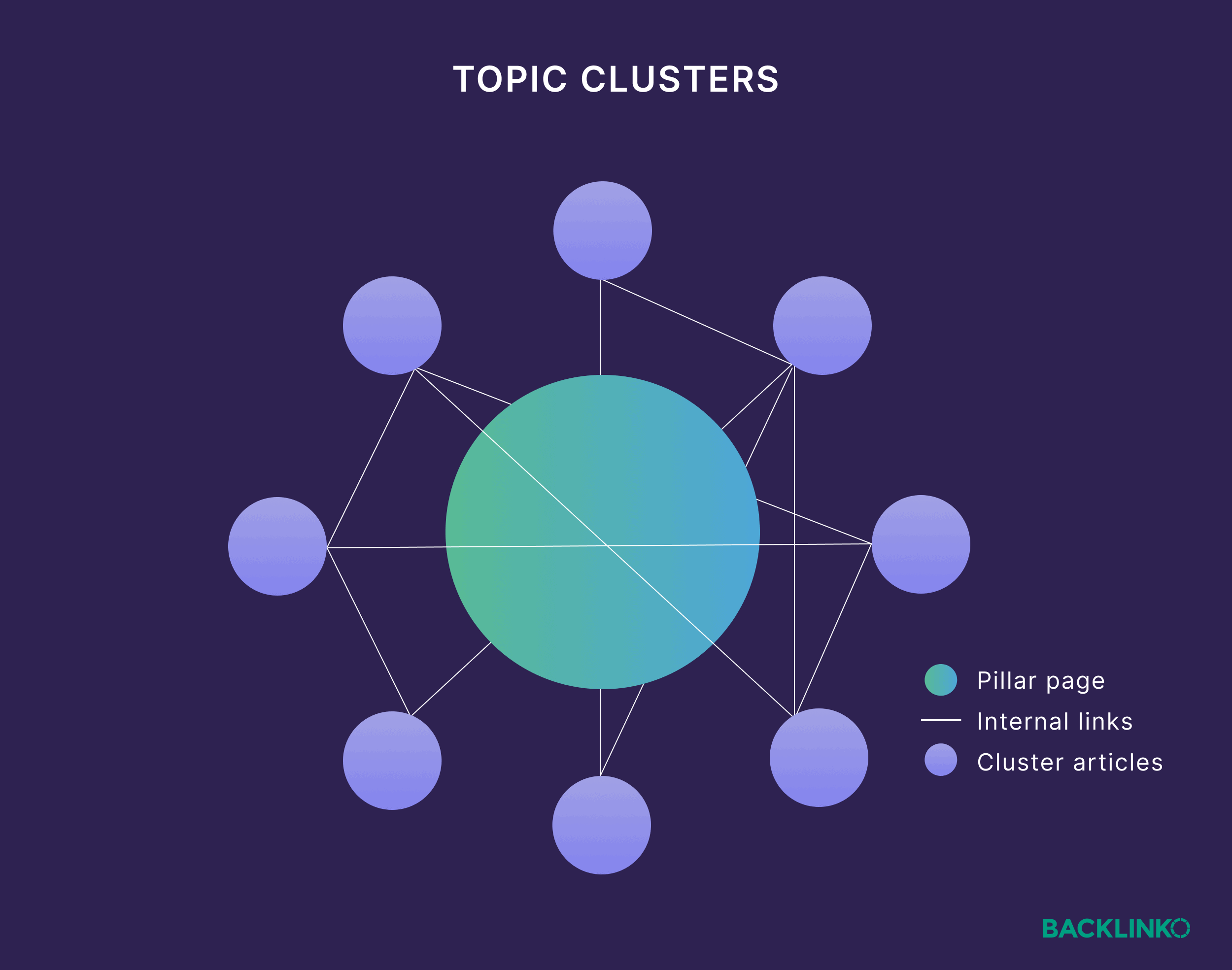
The shift toward query fan-out represents a broader transition from a "link-based" economy to an "answer-based" economy. In the past, authority was measured by backlinks—how many other sites pointed to yours. In the AI-driven future, authority is increasingly measured by topical coverage—how thoroughly and accurately you answer the questions that constitute a user’s search intent.
Brands that succeed will be those that provide the most comprehensive, accurate, and easily retrievable data to the training sets and real-time search indexes that power these AI models. While the technical barrier to entry has increased, the opportunity for smaller, highly specialized publishers remains high. If a niche site can provide a more accurate, structured, and specific answer to a sub-query than a major conglomerate, the AI will prioritize that niche content, leveling the playing field in a way that traditional SEO never could.
As the industry matures, the focus must remain on the user. Query fan-out is essentially a tool designed to better serve the user’s needs by anticipating the complexity of their questions. By adopting this same mindset—anticipating the "next" question a user might have and providing the answer in a structured, concise, and accessible format—publishers can secure their place in the new ecosystem of AI-generated discovery. The era of the "keyword" is fading; the era of the "answer" has arrived.