Mastering Social Media Measurement: A Strategic Framework for Data-Driven Performance

In an era where digital presence is synonymous with brand viability, social media measurement has evolved from a simple counting exercise into a sophisticated analytical discipline. It is no longer sufficient for organizations to merely track vanity metrics like follower counts; today, effective social media measurement serves as a critical bridge between community engagement and core business objectives, including revenue generation, customer retention, and long-term brand equity. By integrating social data with wider corporate strategy, businesses can transition from reactive posting to proactive, data-backed decision-making.

The Evolution of Social Analytics
Historically, social media teams were often siloed, tasked with managing individual platforms in a vacuum. As digital marketing matured, the need for a unified measurement strategy became apparent. Modern social media measurement is defined as the systematic collection and analysis of social data to evaluate a brand’s performance across all digital touchpoints. This process enables organizations to understand not only how individual posts perform, but how their entire social ecosystem contributes to the sales pipeline and overall reputation management.
Recent industry data underscores the urgency of this shift. As of 2025, social media penetration has reached unprecedented levels, with approximately 84% of U.S. adults reporting usage of platforms like YouTube. This high level of saturation means that a brand’s absence or poor performance on these channels is directly felt in the bottom line. Consequently, the ability to interpret engagement, reach, and sentiment has become a mandatory competency for marketing leadership.
Establishing a Hierarchy of Metrics
To conduct a successful audit of social performance, professionals must distinguish between metrics and Key Performance Indicators (KPIs). A metric is any quantifiable piece of data, such as a like or a share. A KPI, conversely, is a specific metric chosen because it correlates directly to a business goal.
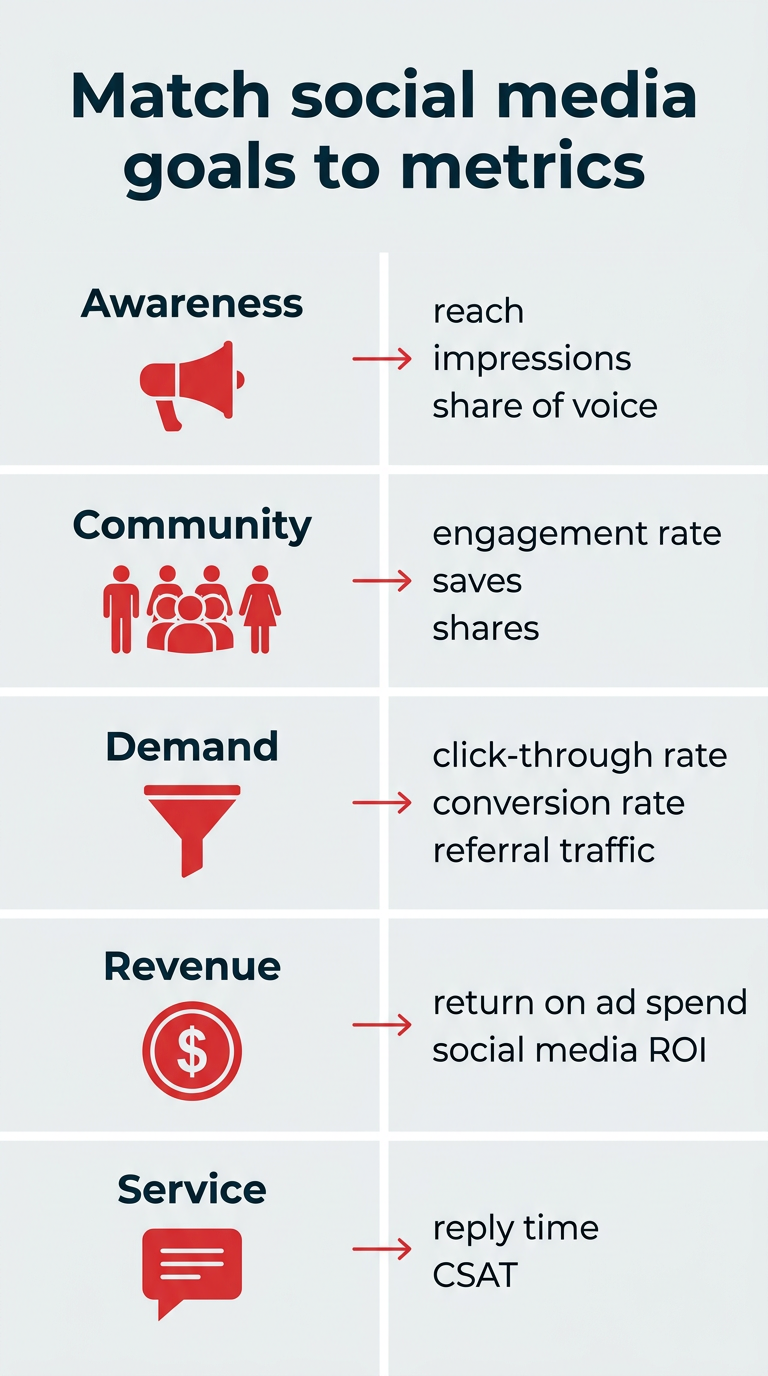
For example, if a company’s primary objective is brand awareness, reach and impressions serve as primary KPIs. If the objective is lead generation, the focus shifts to Click-Through Rate (CTR) and conversion rates. Industry experts advocate for a "top-down" approach: identify the business outcome—such as increasing market share or reducing customer support costs—and then work backward to the specific data points that measure success in those areas.
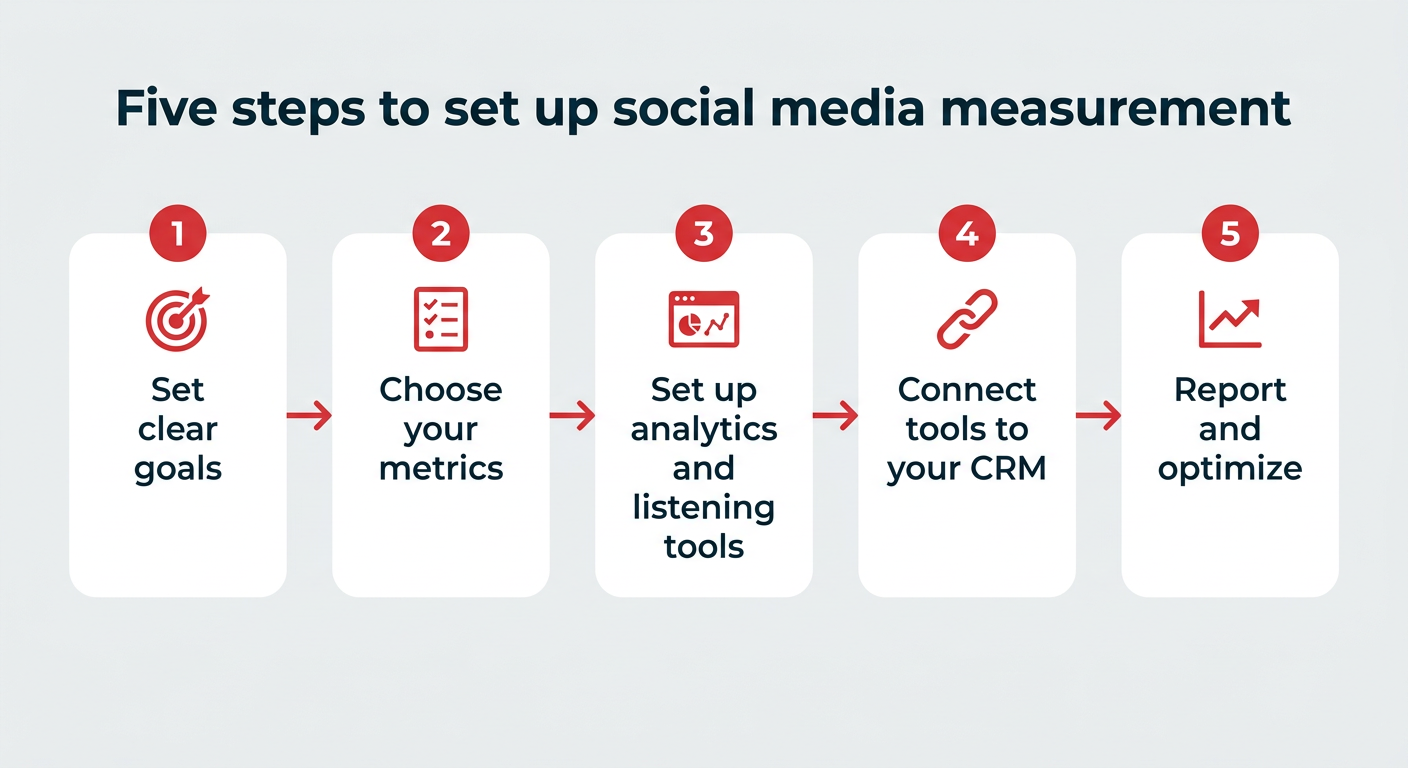
The Five-Step Measurement System
Building a repeatable, professional measurement system requires a structured framework that avoids the common pitfalls of data overload.
- Strategic Goal Alignment: Before collecting data, teams must define what "success" looks like. This involves creating SMART (Specific, Measurable, Achievable, Relevant, Time-bound) goals that mirror organizational objectives.
- Metric Selection: Once goals are set, teams must select the most relevant KPIs. It is essential to avoid the "vanity metric trap," where teams focus on likes simply because they are easy to measure, rather than on harder-to-track metrics that indicate actual consumer intent.
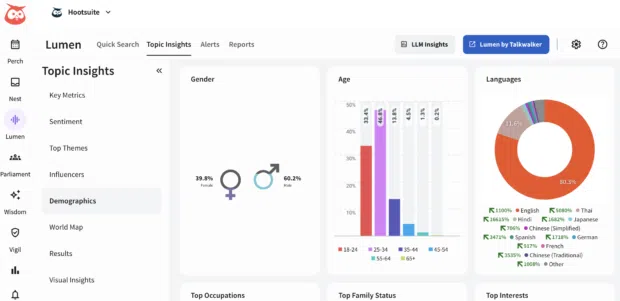
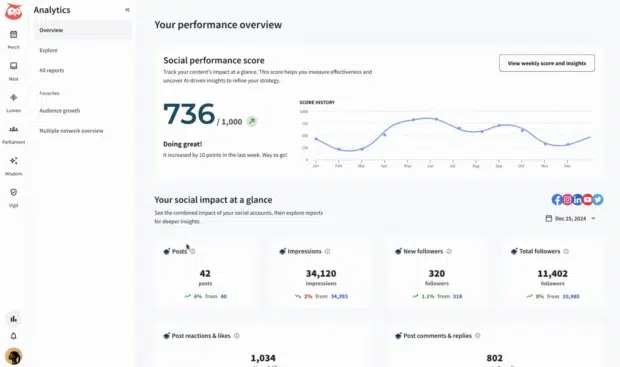
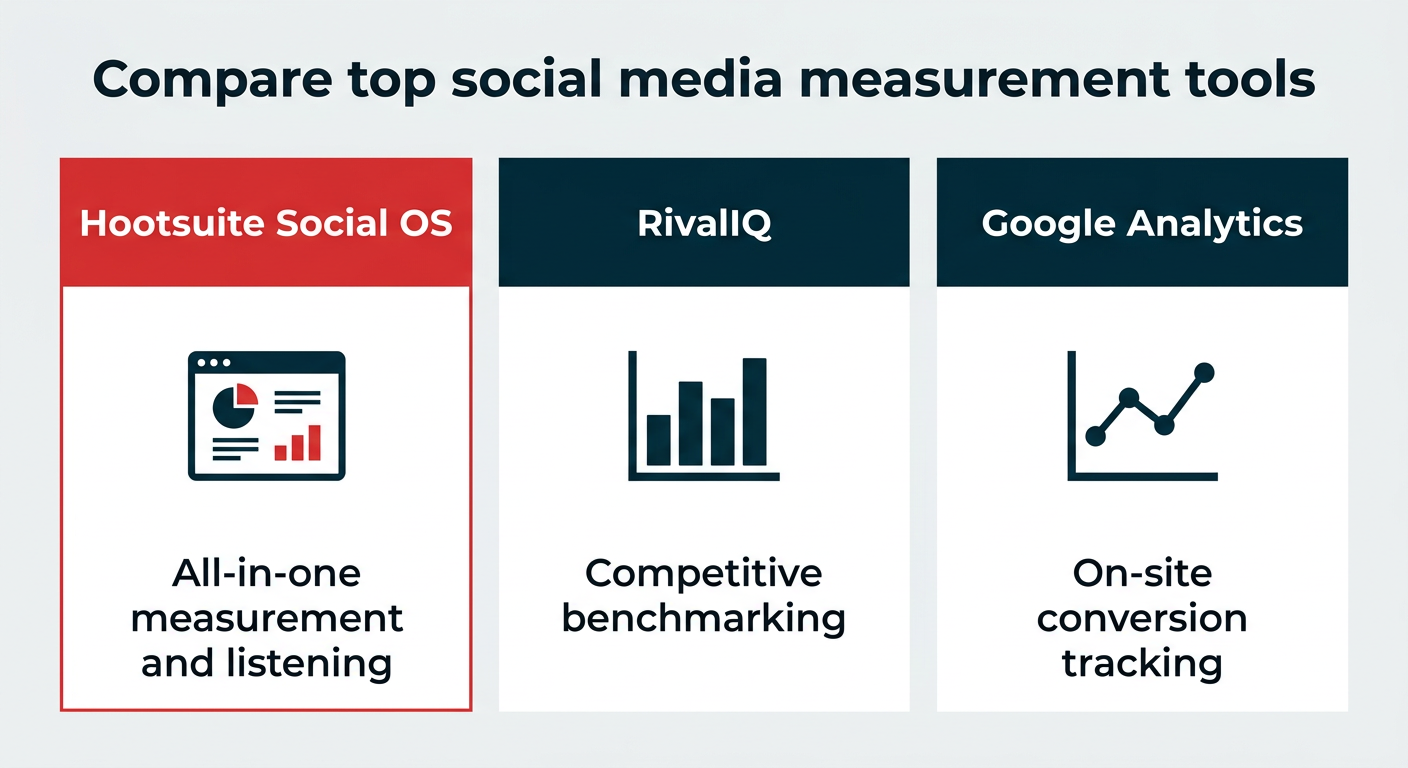
- Tool Integration: Effective measurement requires robust software. While native platform analytics provide a foundational view, they often fail to offer cross-channel consistency. Enterprise-grade tools, such as Hootsuite Social OS or specialized listening software, allow for the consolidation of data into a single, cohesive dashboard.
- CRM Synchronization: Perhaps the most significant advancement in modern measurement is the integration of social data with Customer Relationship Management (CRM) systems like Salesforce. This allows organizations to track a lead from their first social interaction through to a closed-won deal, providing irrefutable evidence of social media’s contribution to revenue.
- Reporting and Optimization: The final step is the translation of data into actionable insights. Reports should be tailored to their audience; executive leadership requires high-level summaries focusing on ROI and competitive benchmarking, while social media managers require granular, post-level data to refine content strategies.
The Role of Competitive Intelligence
Measurement is not merely internal; it is also comparative. By leveraging social listening tools, brands can benchmark their "Share of Voice" against competitors. This involves tracking how often a brand is mentioned in industry conversations relative to its rivals. A drop in sentiment during a spike in volume is a critical early-warning signal, often indicating a potential public relations crisis. Conversely, identifying which topics a competitor ignores can reveal "white space" in the market—an opportunity for a brand to position itself as a thought leader.
Financial Implications and ROI
The financial scale of social media marketing is immense, with global ad spend projected to hit $338.75 billion by 2026. Given the scale of this investment, the pressure to prove Return on Investment (ROI) has never been higher. Marketing departments are increasingly moving away from "last-click" attribution models, which often unfairly penalize social media by ignoring its role in the early awareness stages of the customer journey.
Instead, sophisticated teams are adopting multi-touch attribution models and marketing mix modeling (MMM). These approaches credit social media for its role in the broader funnel, recognizing that while a consumer might ultimately convert through an email or a direct search, their initial interest was likely sparked by a social touchpoint. This holistic view is essential for securing budget and justifying the expansion of social media teams.
Addressing Customer Satisfaction and Sentiment
Social media has become the modern equivalent of the customer service help desk. Consequently, customer satisfaction metrics (CSAT) and Net Promoter Scores (NPS) gathered via social channels are now core components of the measurement plan. High-performing teams track "Average Response Time" and "Resolution Rate" with the same rigor as they track engagement rates. Research indicates that fast, empathetic responses on social platforms can turn a dissatisfied customer into a brand advocate, whereas ignoring these signals often results in public brand damage.

Future Outlook and Strategic Adaptability
As AI-powered analytics become more accessible, the barrier to entry for high-level social measurement is lowering. Automation can now surface patterns across thousands of posts, identifying the exact caption lengths, content formats, and posting times that drive the highest conversion rates. However, the human element remains vital. Data is only as valuable as the strategy it informs.
To maintain a competitive edge, organizations must treat every report as a decision-making point rather than a static record of the past. If a campaign fails to hit its targets, the data provides the roadmap for correction. If a campaign succeeds, the data provides the blueprint for replication. By fostering a culture of continuous measurement, assessment, and optimization, businesses can ensure that their social media efforts are not just a line item expense, but a strategic engine for growth. The firms that will thrive in the coming years are those that treat social media data with the same seriousness as financial reporting, leveraging every signal to better understand, serve, and convert their audience.