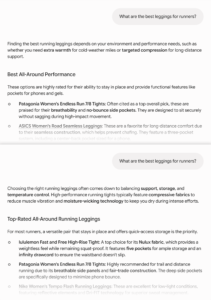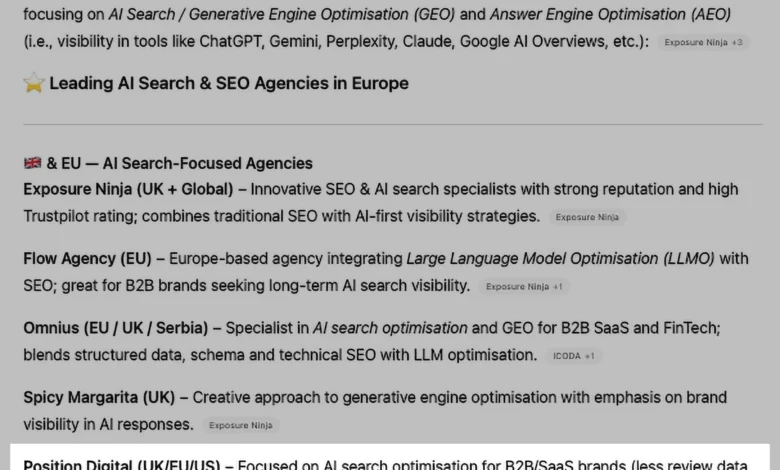
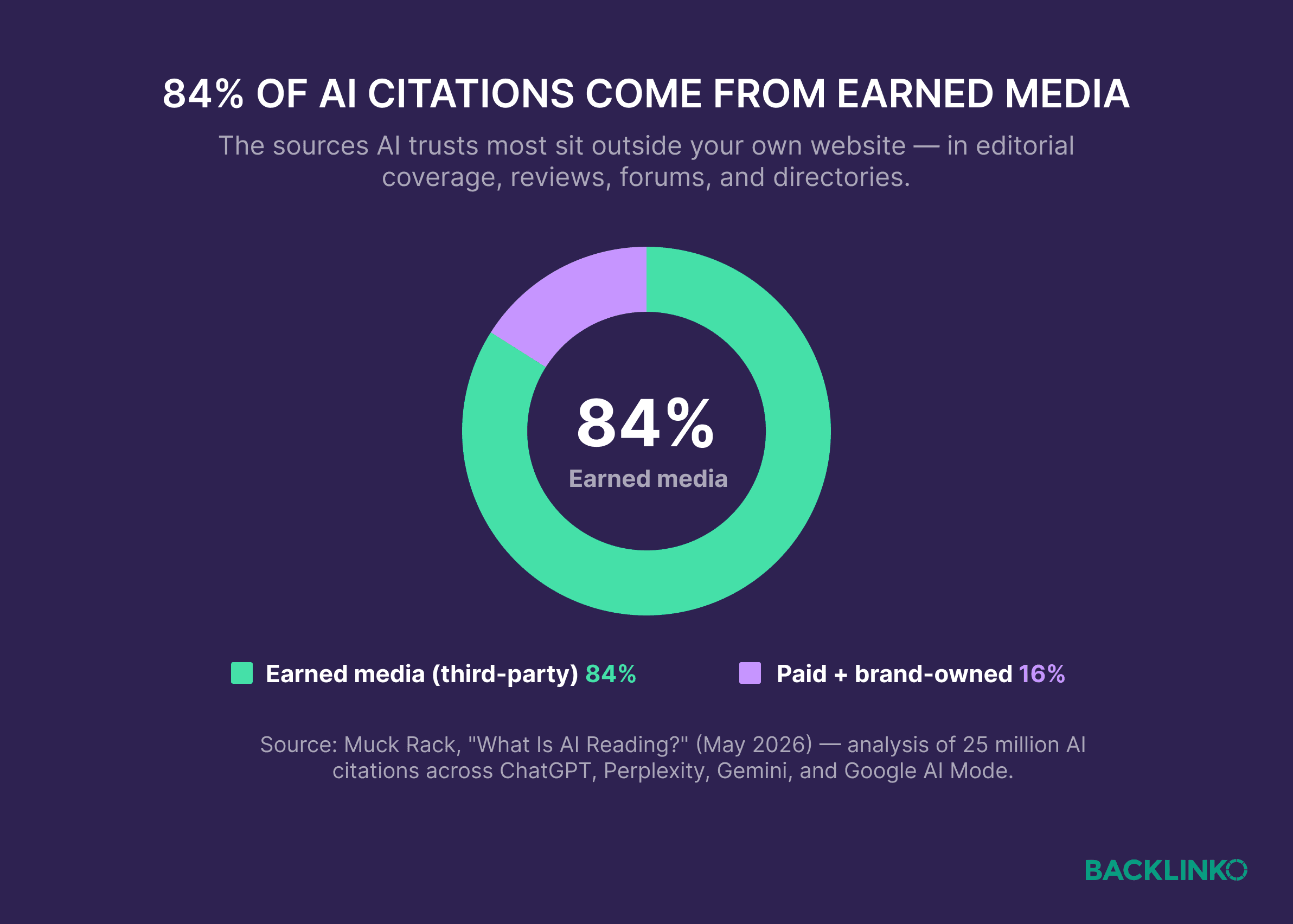
Digital PR has officially transitioned from a peripheral marketing tactic to the most critical strategy for brands seeking visibility in the era of artificial intelligence. As generative AI search tools—such as ChatGPT, Google AI Overviews, and Perplexity—fundamentally reshape how information is consumed, the traditional focus on self-contained website optimization is no longer sufficient. According to recent research from Muck Rack, 84% of AI citations are sourced from earned media, including editorial coverage, expert reviews, and third-party forum discussions. This shift confirms that AI systems prioritize third-party validation over self-promoted content.
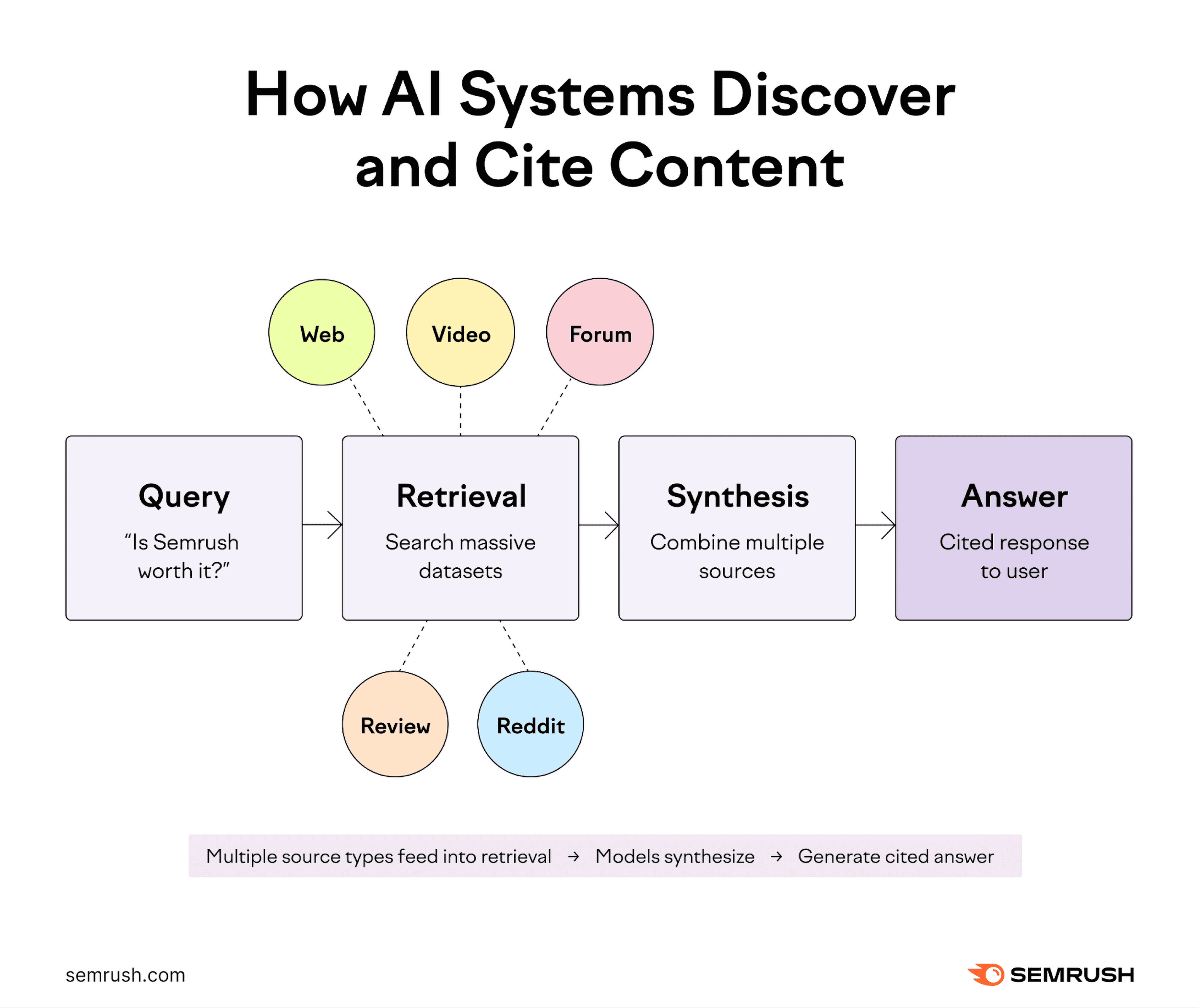
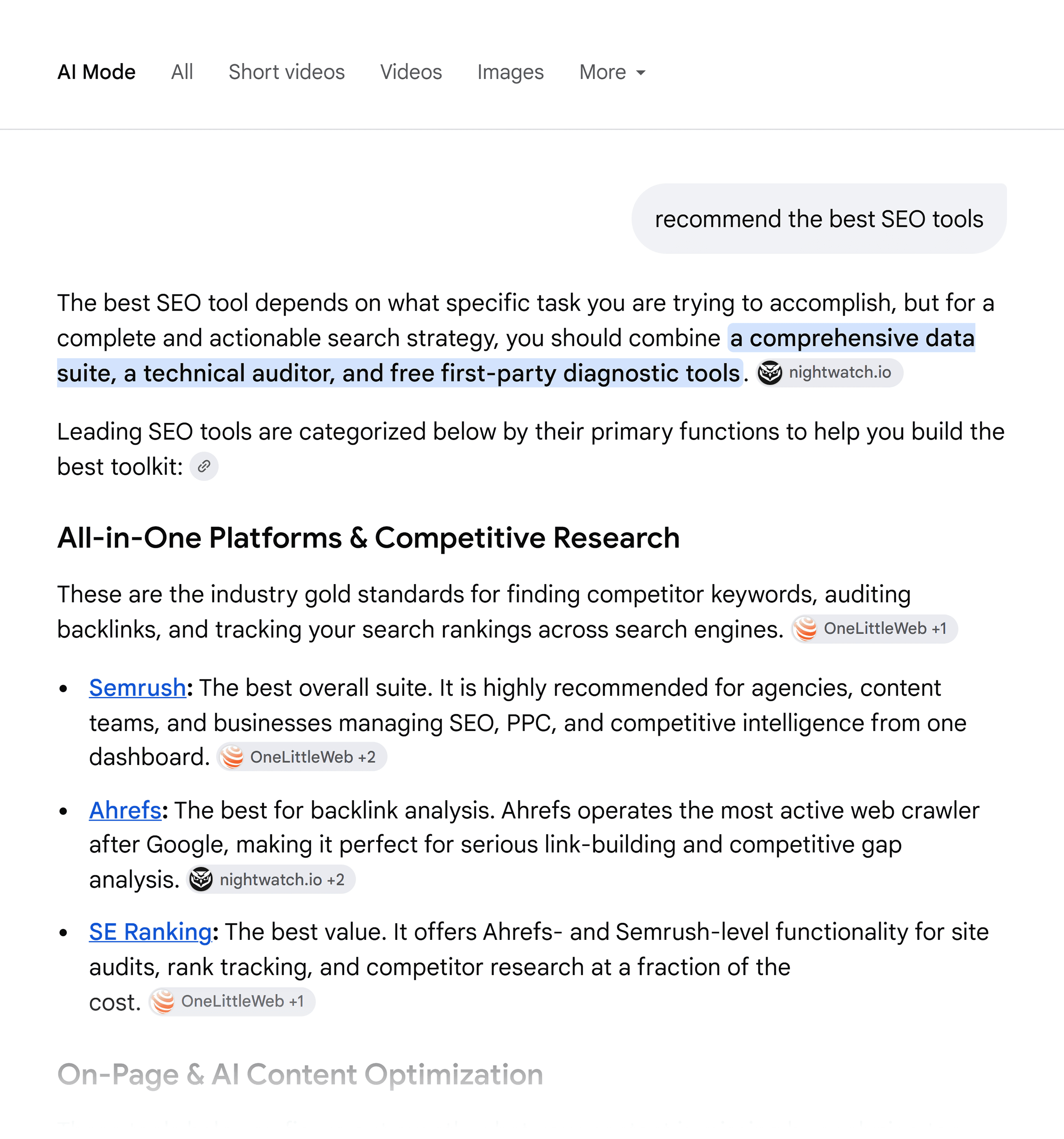
The fundamental shift in search architecture means that AI models do not simply crawl a brand’s website; they aggregate information from a diverse ecosystem of digital sources to synthesize a single, authoritative answer. Consequently, a brand’s visibility is increasingly determined by its footprint across the wider internet. The more frequently a brand name appears across credible, third-party domains, the more likely Large Language Models (LLMs) are to recognize, trust, and ultimately recommend that brand to users.
The Correlation Between Authority and AI Visibility
Current data indicates that traditional SEO metrics, such as Domain Authority and high-quality backlink profiles, remain highly relevant in an AI-driven environment. A study of 1,000 domains conducted by Semrush revealed a clear correlation between strong backlink authority and the frequency of appearing in AI-generated answers. Furthermore, research from Seer Interactive underscores that the most significant predictors of AI visibility are high-quality backlinks from domains with a Domain Authority of 60 or higher.
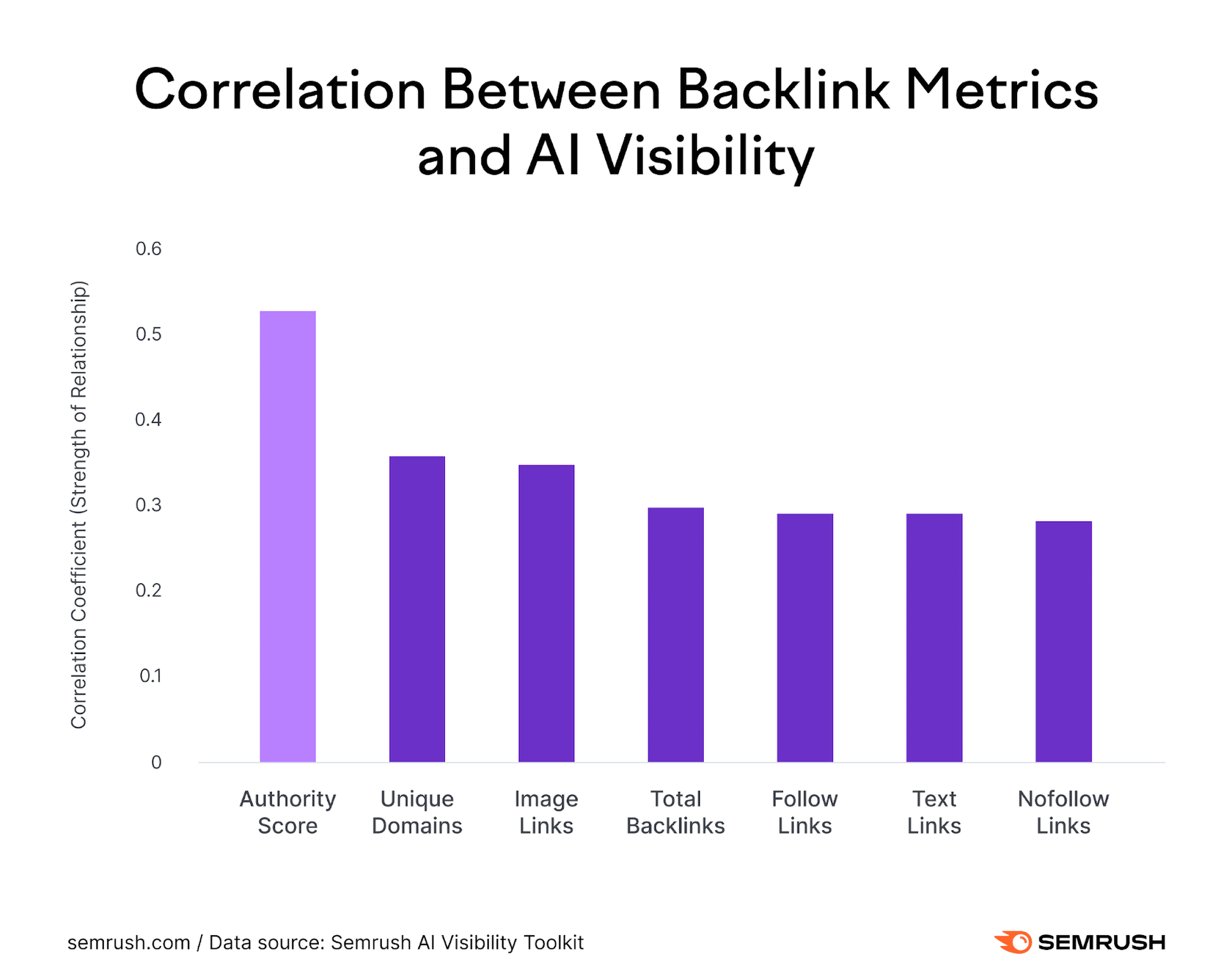
This data suggests that while onsite content is necessary for indexing, offsite authority—built through strategic digital PR—is the primary driver of AI-led discovery. Brands that fail to maintain a consistent presence across the web risk becoming invisible to AI models, effectively losing their share of voice in the new search landscape.
Six Pillars of AI-Focused Digital PR
To navigate this change, organizations must adopt a multifaceted approach to digital PR that prioritizes high-impact placements and data-backed authority.
1. The Data-Led PR Framework
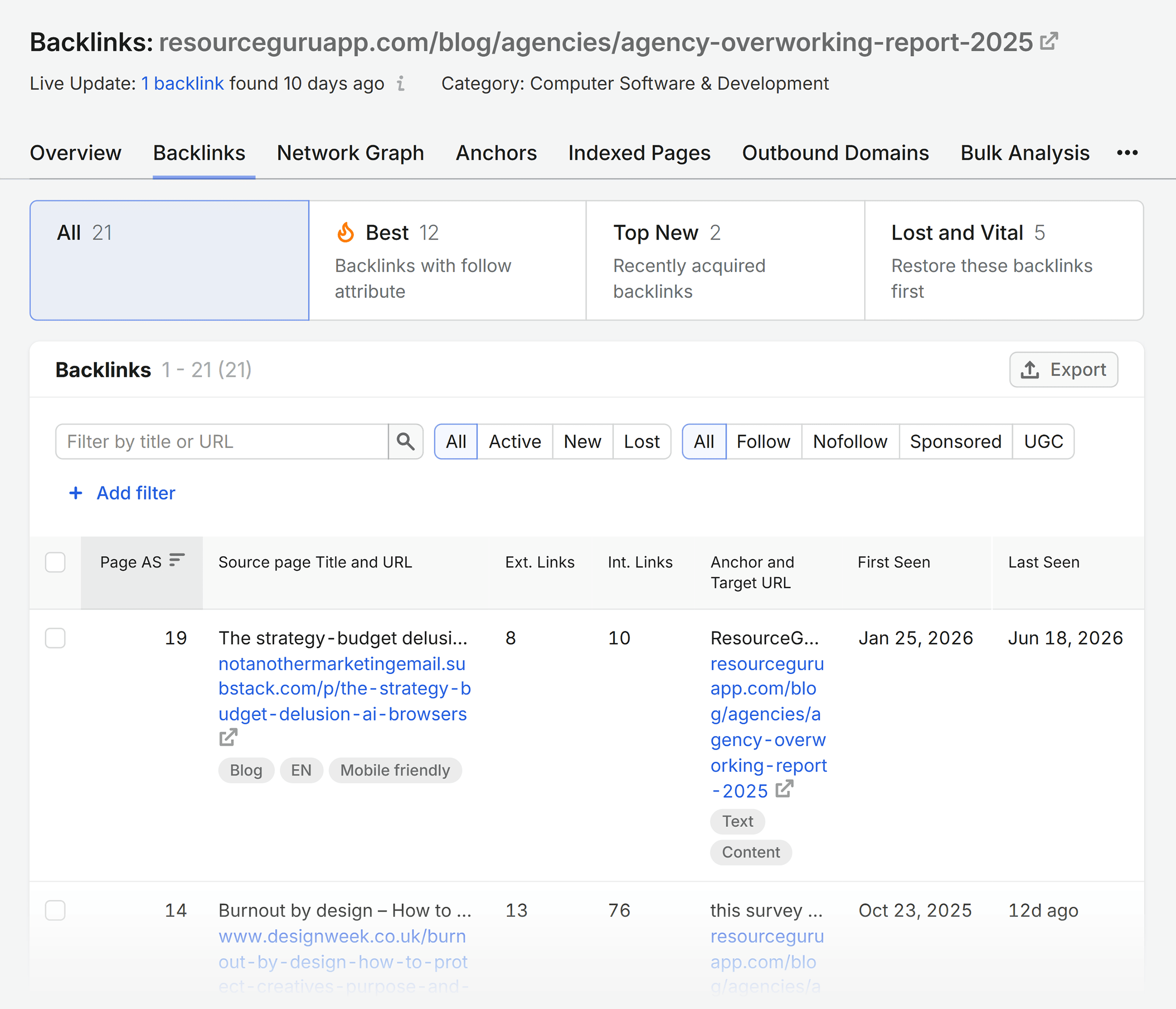
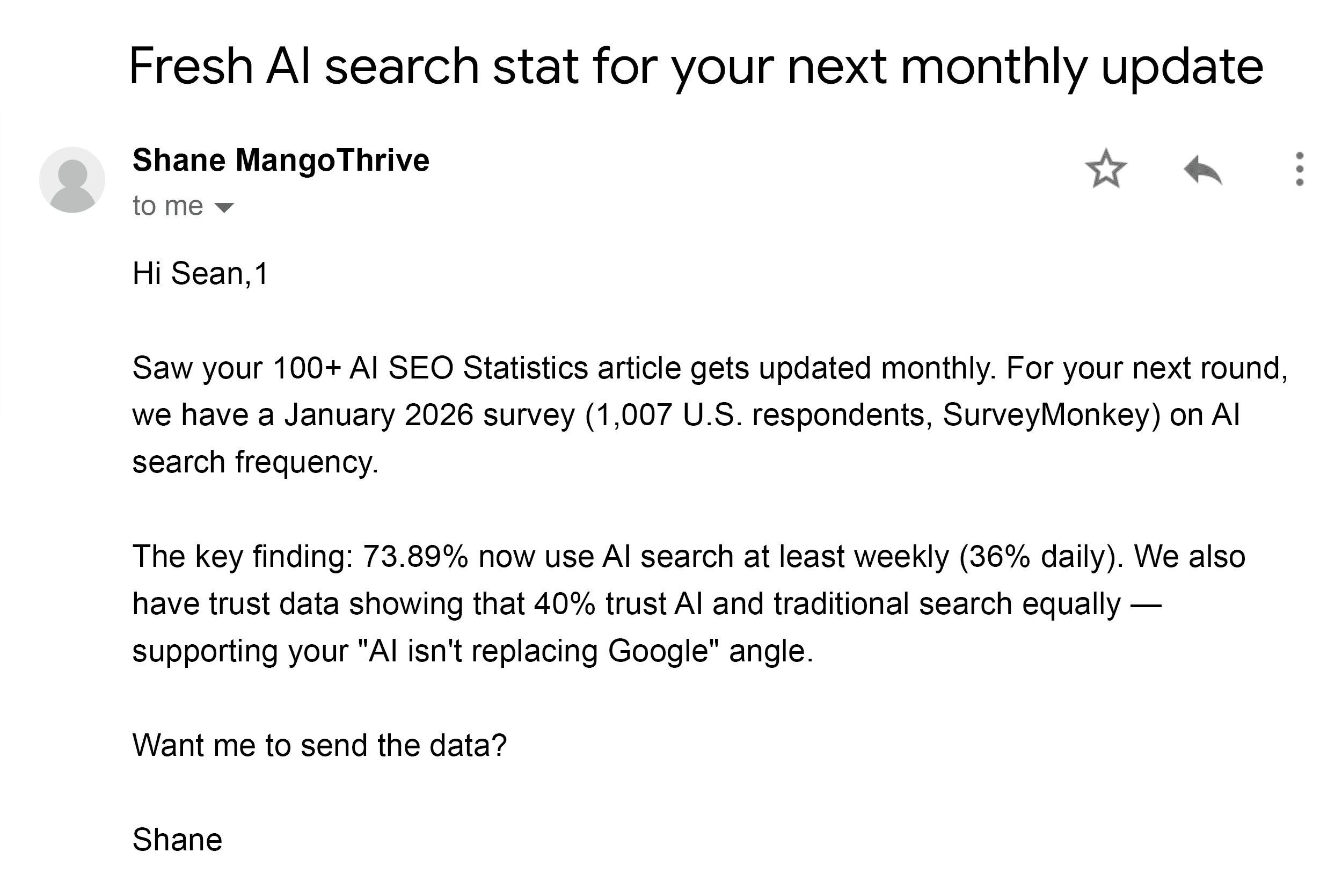
Original research remains the most effective engine for earning high-quality backlinks. Journalists, industry bloggers, and content creators are in constant search of credible, proprietary statistics to substantiate their own reporting. By publishing original research—such as industry-specific reports or statistical roundups—brands provide a valuable resource that others naturally cite. The strategy involves not only the publication of the data but proactive outreach to sites that cite outdated or broken statistics, offering the new, verified data as a more accurate replacement.
2. AI Citation Outreach
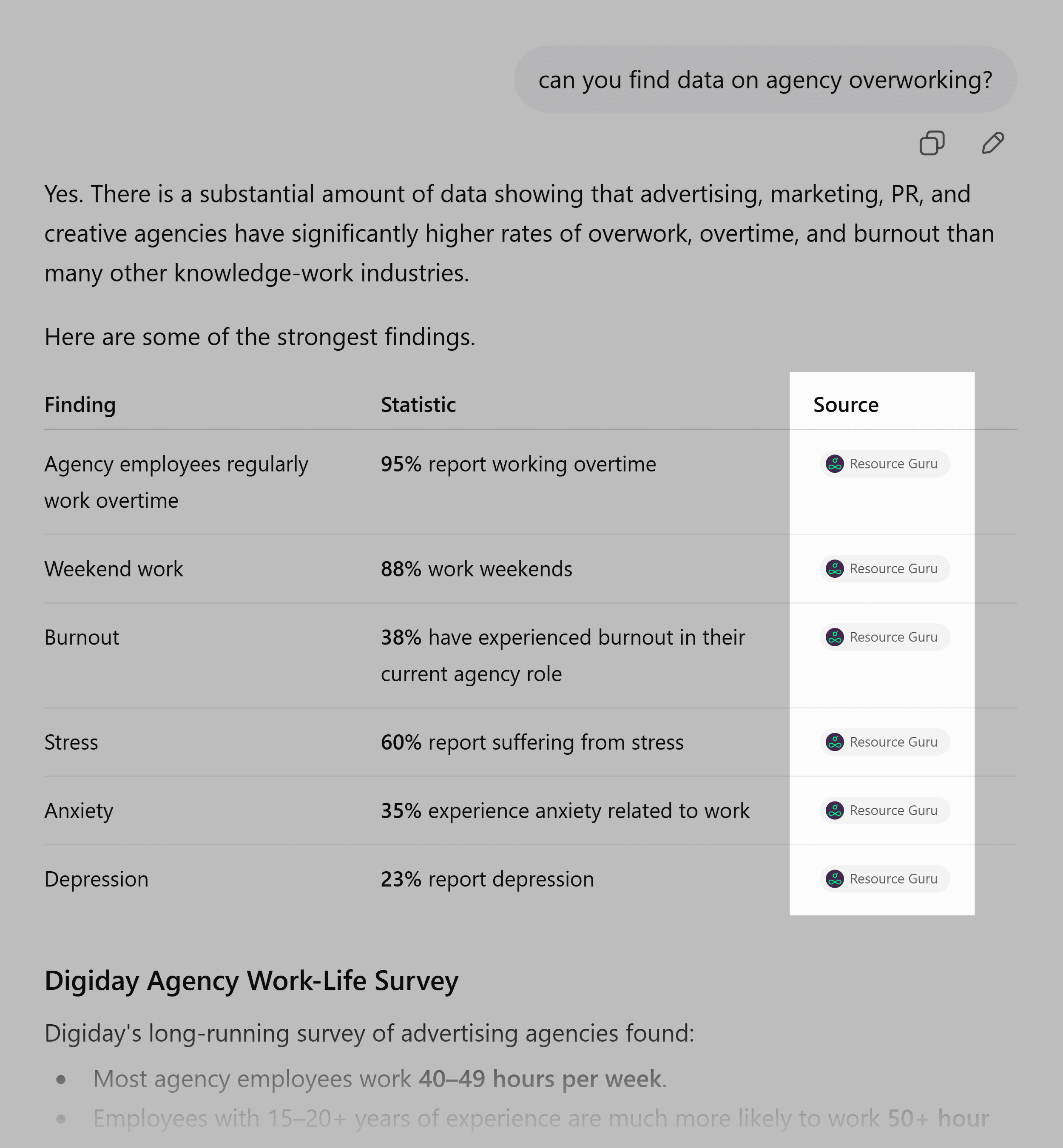
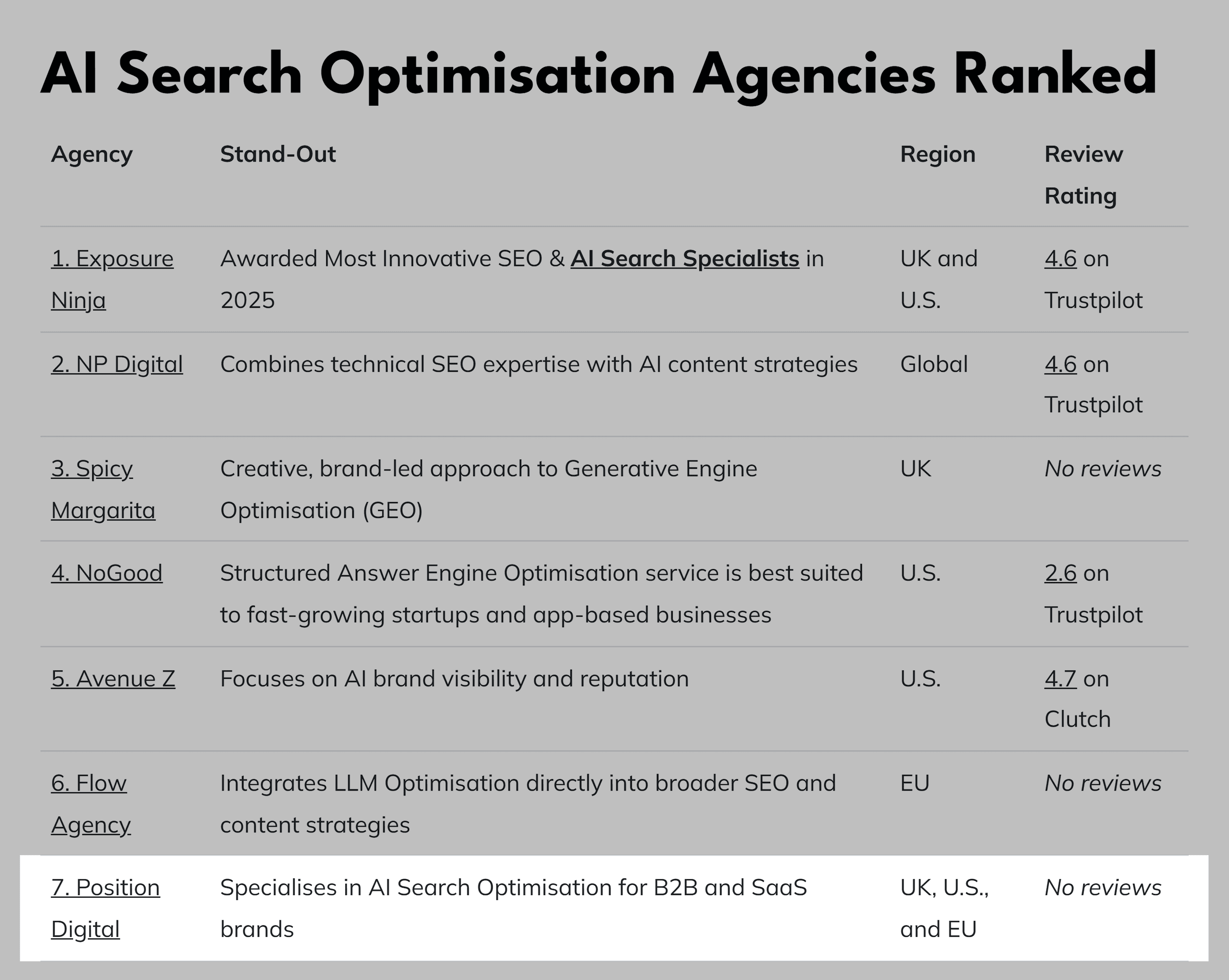
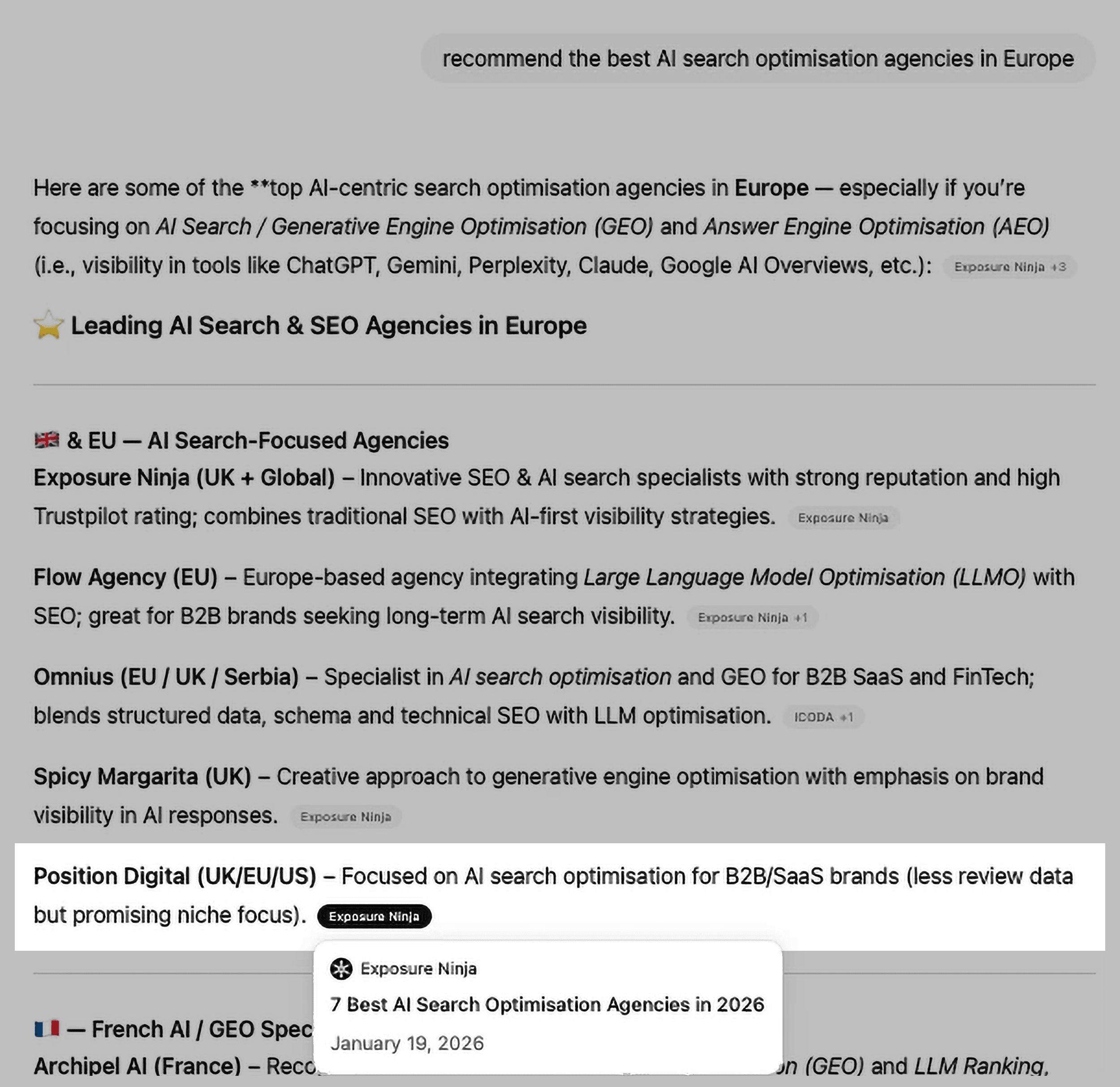
AI citation outreach is a targeted practice designed to secure placements specifically in the sources already prioritized by LLMs. Because every model exhibits unique tendencies and citation patterns, brands must map out the specific publications and comparison pages that appear in search results for their core industry prompts. By securing placement in these "best of" listicles and industry reports, brands can effectively "seed" their name into the training data or search context of AI agents.
3. Reactive PR and Real-Time Commentary
Reactive PR leverages speed to capitalize on breaking news and emerging trends. Since LLMs have specific knowledge cutoff dates, they rely heavily on fresh web sources when queried about current events. Brands that are the first to provide insightful commentary or analysis on breaking industry news position themselves as the primary source of truth. This proactive positioning increases the likelihood that AI models will cite the brand’s analysis as the definitive account of the event.
4. The Power of Ego Bait
Ego bait involves creating content that features industry experts, influencers, and partners. This strategy serves a dual purpose: it adds layers of expert credibility to the content, which AI models favor, and it creates a built-in distribution channel. When experts are featured, they are statistically more likely to share the content with their own networks, generating a secondary wave of mentions and backlinks. Data shows that content featuring expert quotes receives significantly higher citation rates in AI tools compared to content that relies solely on internal perspectives.
5. Thought Leadership as a Scaling Engine
Thought leadership is distinguished from standard SEO content by its intent: while SEO content aims to rank, thought leadership aims to influence. By consistently publishing content that challenges industry assumptions, brands can foster high levels of engagement. This engagement is a vital signal to AI models. Platforms like LinkedIn have become powerhouses for this type of discovery, with studies identifying LinkedIn as one of the most-cited domains in major LLMs. Furthermore, guest blogging on high-authority platforms allows a brand to create a cohesive narrative across multiple sites, signaling to AI that the brand is the originating authority on a specific subject.
6. Community Building and Forum Participation
AI models increasingly favor neutral, community-driven platforms like Reddit, Quora, and G2 over brand-owned marketing assets. Because these platforms are viewed as independent, their content is frequently scraped and cited by AI. The challenge for brands is to participate in these forums without triggering "self-promotion" filters. Success requires a commitment to genuine helpfulness and transparency. By answering questions and contributing to relevant threads, a brand can earn a reputation as a trusted community member, which in turn leads to organic mentions that AI models treat as highly credible evidence.
Broader Implications and Future Outlook
The transition toward AI search represents a fundamental shift in the digital marketing landscape. As LLMs become more integrated into daily search behavior, the "trust" that AI assigns to a brand will be determined less by keywords and more by the strength of its digital reputation.
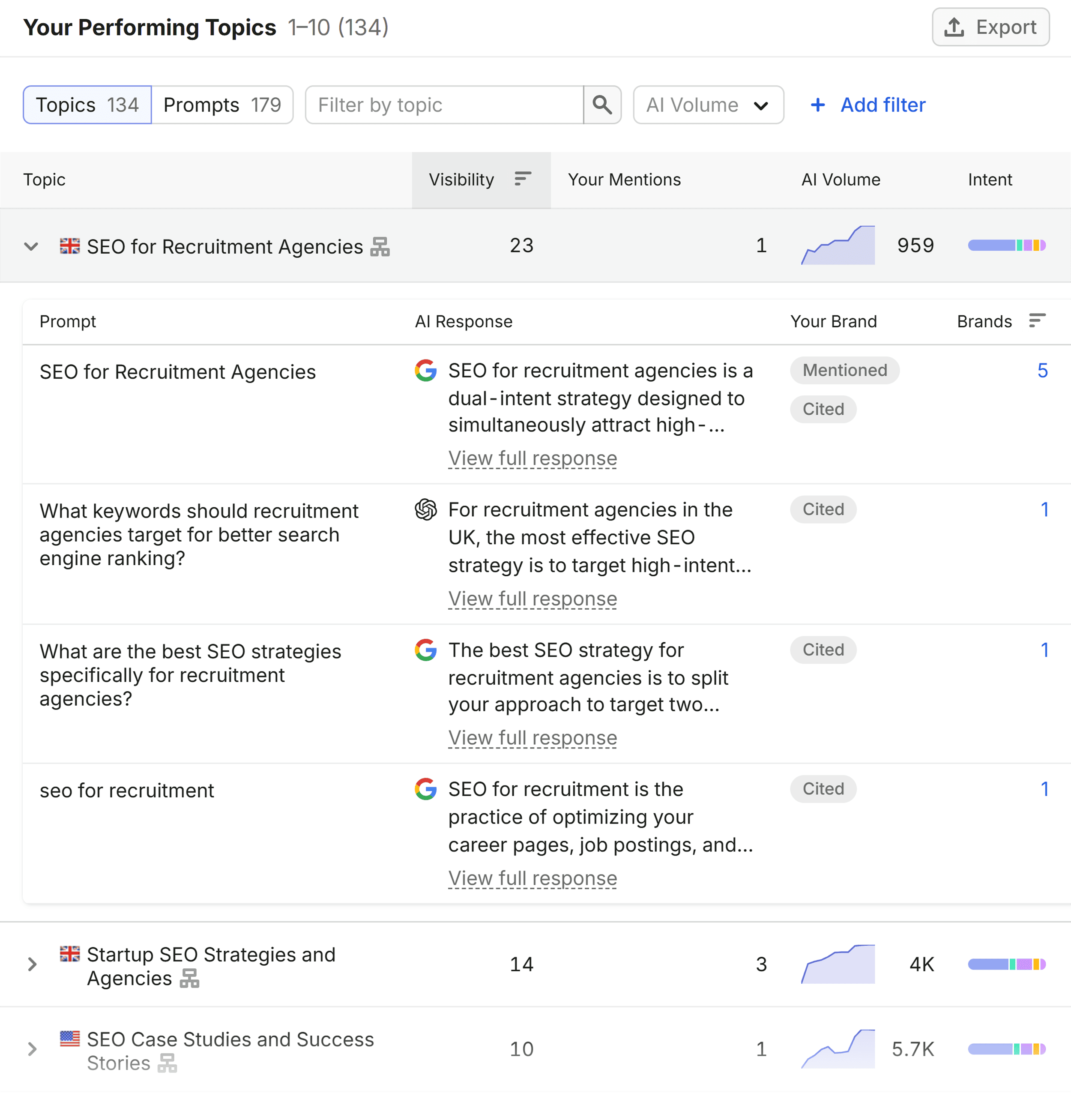
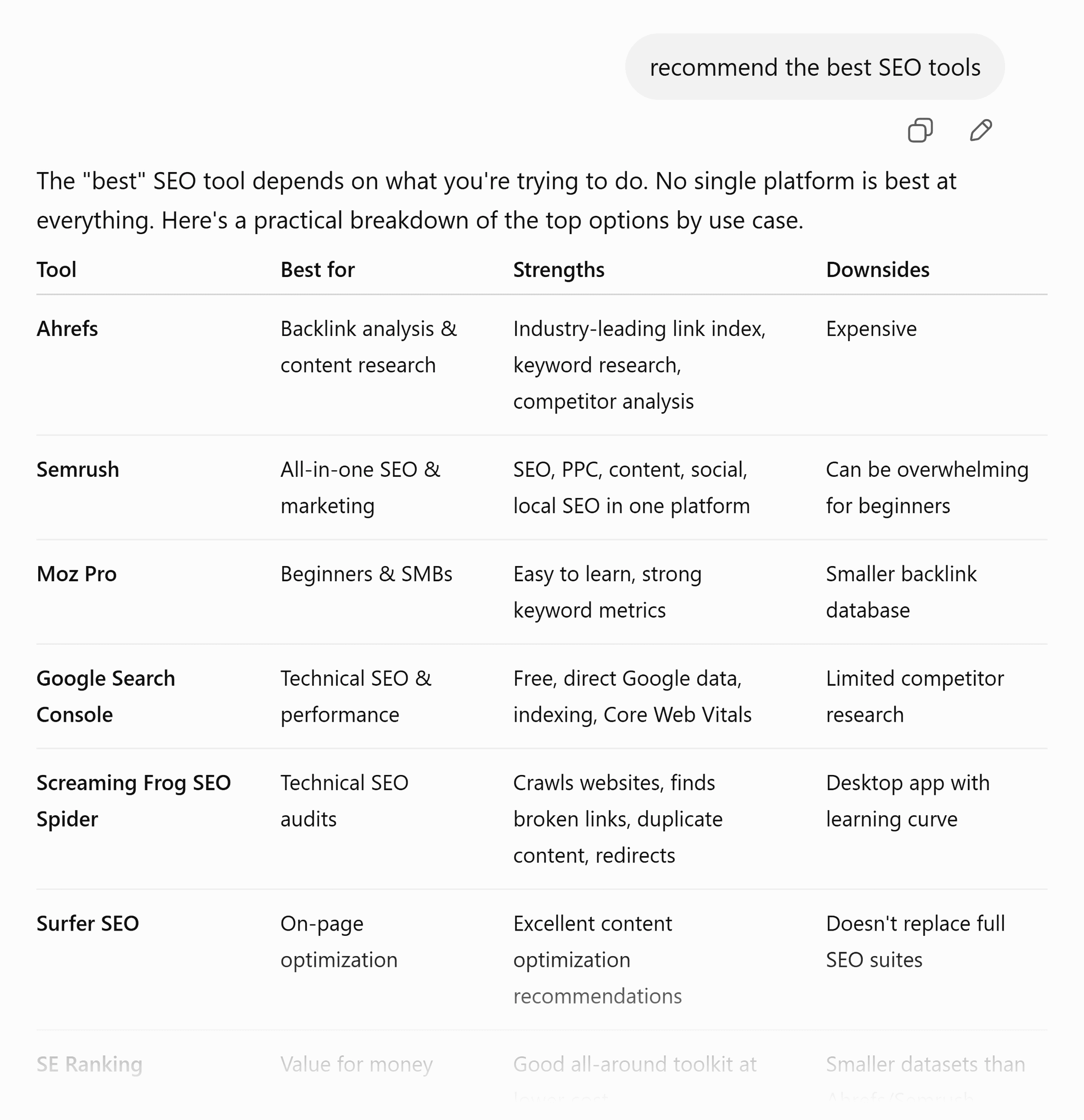
This evolution requires a pivot from volume-based content strategies to authority-based PR strategies. Brands must stop viewing their website as their only digital address and start viewing the entire internet as their potential footprint. The future of search visibility belongs to those that can consistently secure validation from the independent, third-party sources that AI models trust. By adopting these six digital PR strategies, organizations can ensure that when an AI system is asked for a recommendation in their sector, their brand is the one the model suggests.