Curated Developer Tools and Resources Release June 2026: A Comprehensive Industry Roundup

The software development ecosystem continues to evolve at a rapid pace, driven by a convergence of artificial intelligence integration, enhanced containerization strategies, and a sustained push toward optimized, low-latency performance tooling. As developers increasingly seek ways to streamline workflows while maintaining rigorous security and reproducible environments, the release cycle for June 2026 introduces a diverse array of utilities spanning front-end rendering libraries, backend orchestration systems, and command-line efficiency drivers.
This comprehensive analysis examines the most notable tools, libraries, and frameworks released or significantly updated this June, detailing their technical architectures, intended use cases, and broader implications for enterprise and indie development teams alike.
AI Integration and Workflow Orchestration
Artificial intelligence has transitioned from a supplementary coding assistant feature to a foundational infrastructure layer within modern software engineering. The June 2026 tooling release cycle reflects this maturity, focusing on cost optimization, multi-agent management, and local-first execution.
Cost-Optimized Code Auditing with shadcn/improve
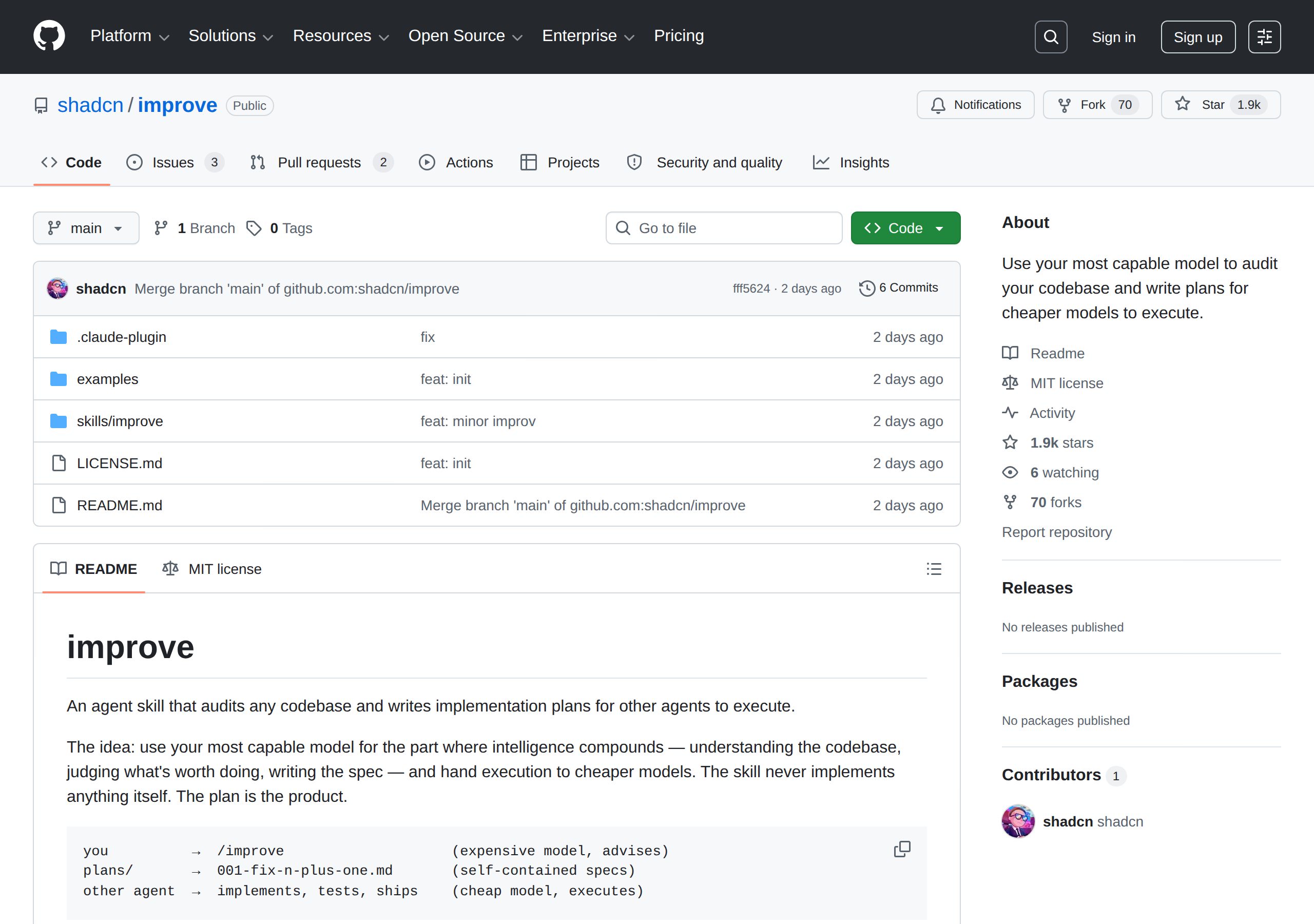
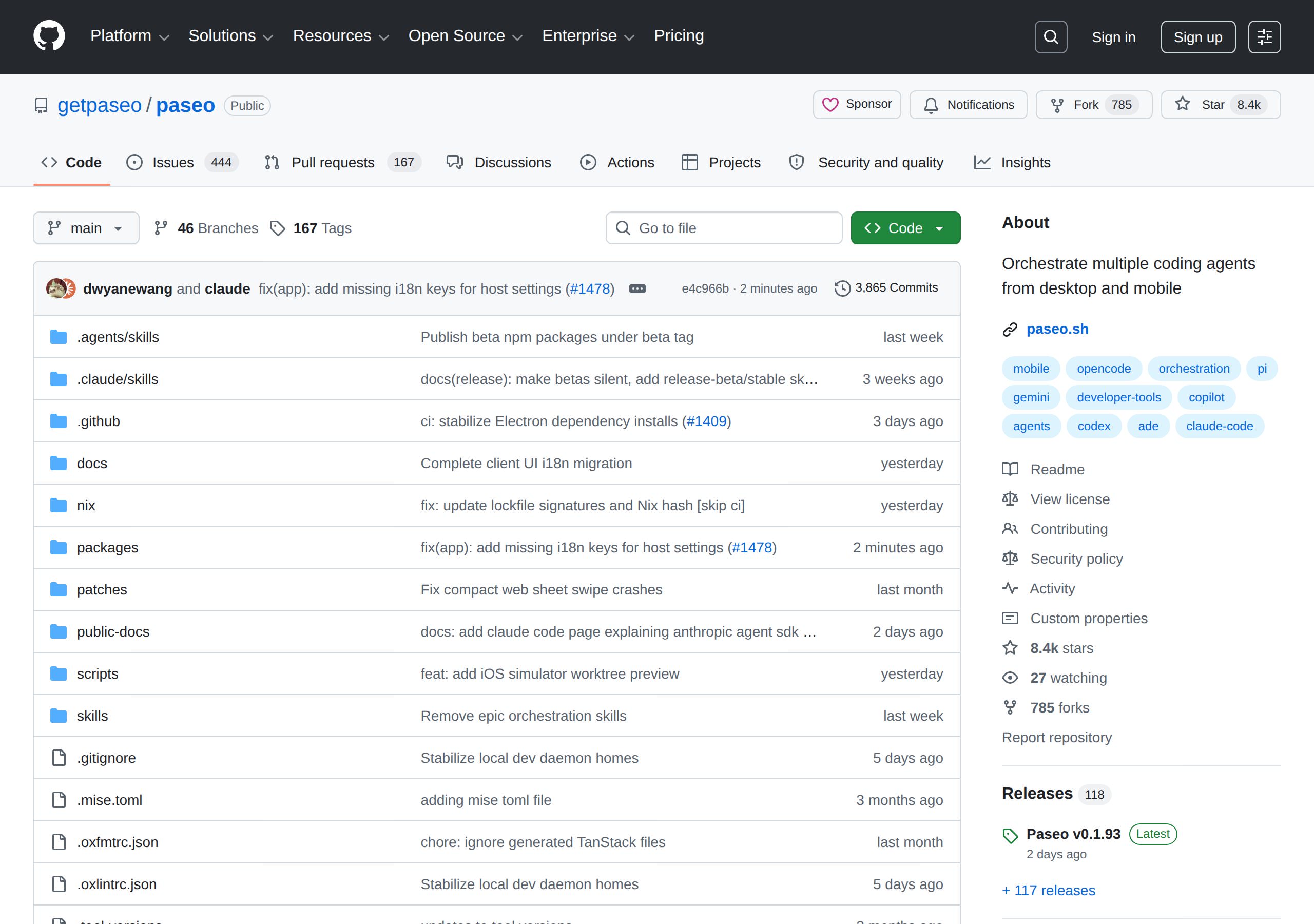
Maintaining code quality while integrating AI agents into an engineering pipeline often introduces significant API expenditure. Addressing this economic barrier, the introduction of shadcn/improve provides a specialized skill for AI coding agents designed to audit complex codebases and generate precise, prioritized implementation plans. Rather than relying on expensive, large-scale frontier models to execute every phase of a refactoring or feature development task, shadcn/improve outputs structured markdown specifications under a designated plans/ directory. These granular specs allow engineering teams to offload the heavy lifting to cheaper, fine-tuned models without sacrificing architectural integrity or security compliance.
Multi-Agent Management via Paseo
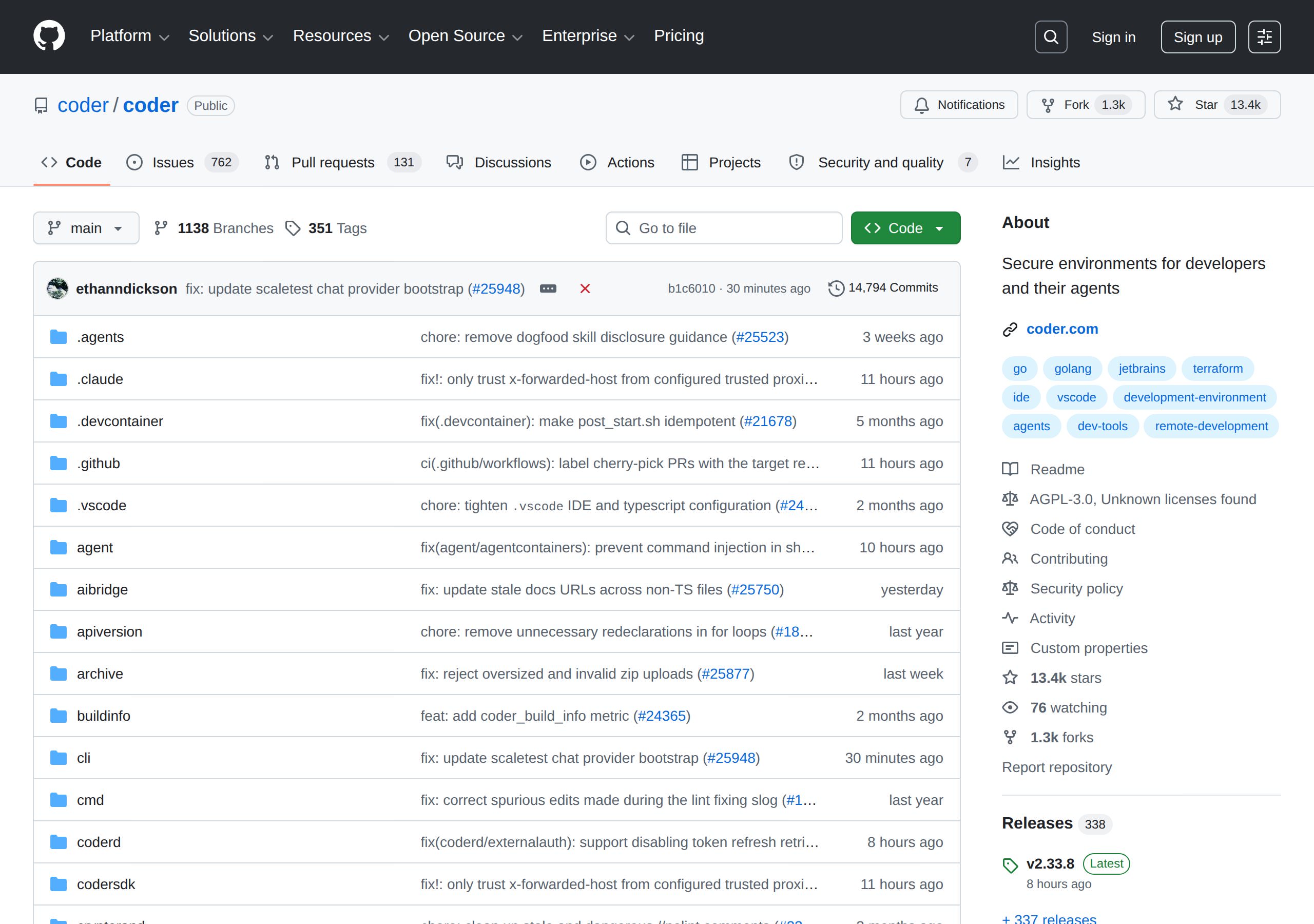
As developers adopt specialized AI tools—such as Claude Code, GitHub Copilot, Codex, OpenCode, and Pi agents—fragmentation across interfaces has emerged as a significant friction point. Paseo offers a self-hosted orchestrator designed to unify these disparate workflows into a single dashboard accessible via desktop, mobile, or the command line. Operating via a local daemon with zero telemetry and full offline support, Paseo integrates native voice dictation capabilities on iOS and Android. This enables developers to manage, delegate, and monitor multi-agent coding tasks seamlessly from any environment, reducing context switching and improving oversight on complex, multi-repository projects.
Secure Cloud Environments with Coder and Devbox
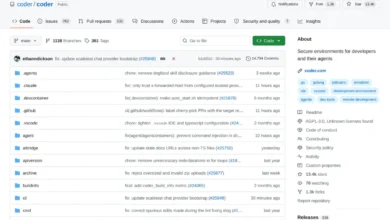
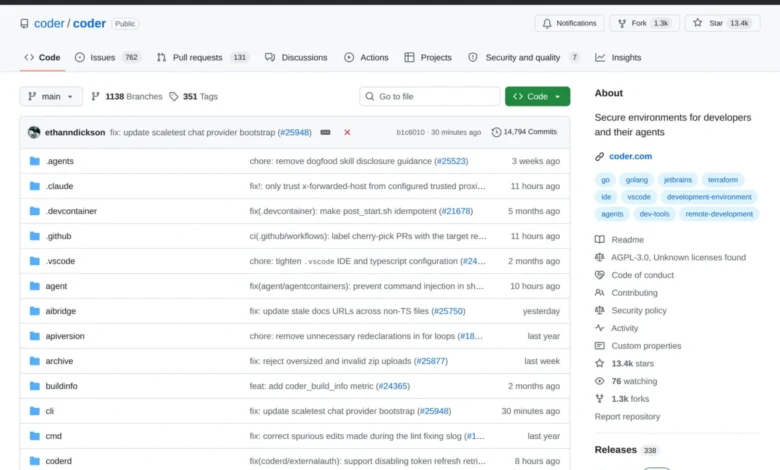
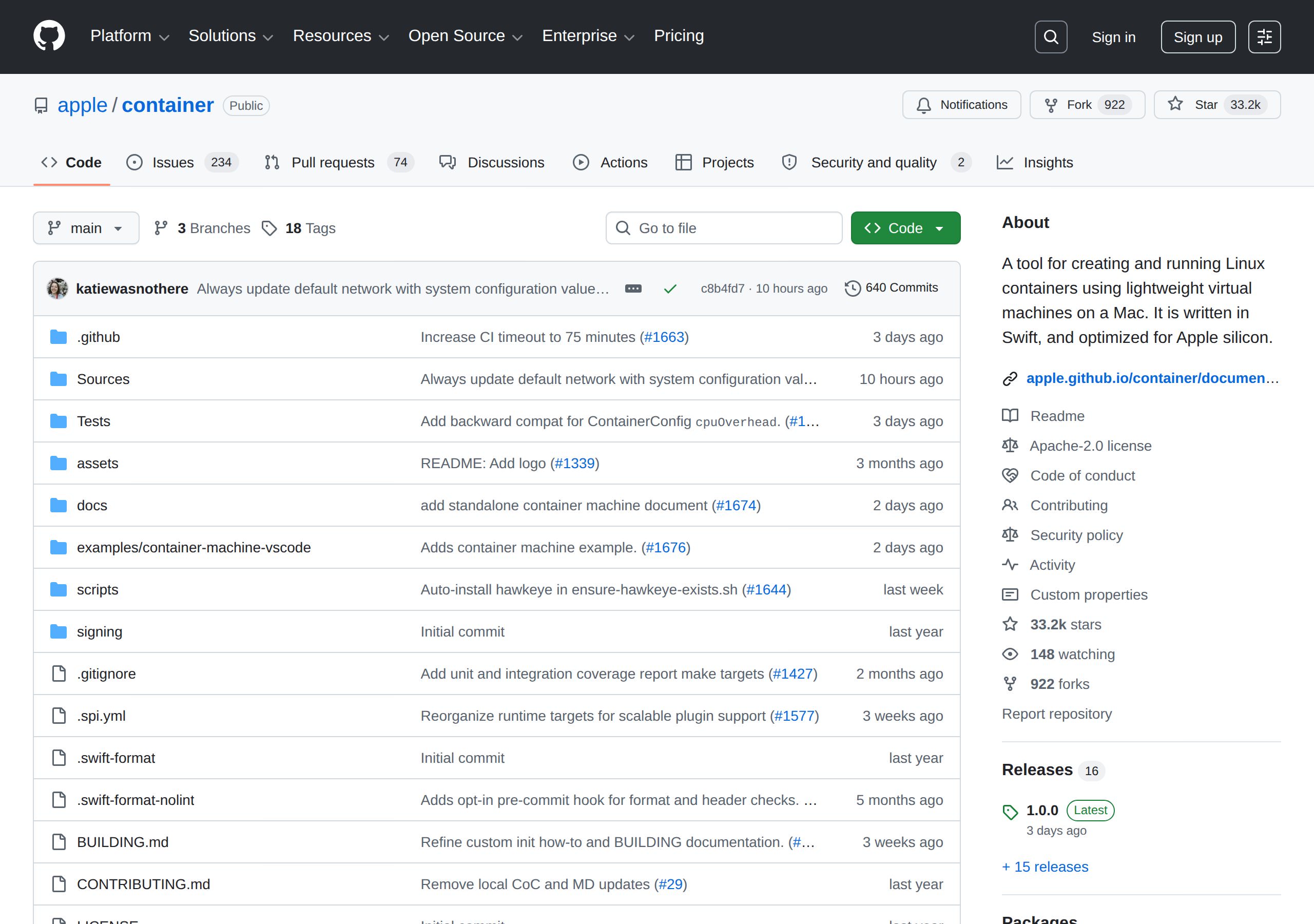
Infrastructure reproducibility remains a cornerstone of reliable software delivery. Coder bridges the gap between cloud infrastructure and local development by providing a self-hosted platform where developer environments are defined declaratively via Terraform and connected securely through WireGuard. Workspaces dynamically provision across Amazon Web Services EC2, Kubernetes, or standard Docker engines, incorporating auto-shutdown policies during idle periods to curb cloud waste. Furthermore, Coder introduces native support for Coder Agents, allowing engineering organizations to run AI coding assistants within secure cloud boundaries without exposing sensitive API keys locally.
Complementing cloud-based orchestration, Devbox offers a lightweight, container-free approach to local environment reproducibility. Eschewing the steep learning curve traditionally associated with Dockerfiles or the Nix expression language, Devbox allows developers to define package dependencies within a straightforward JSON configuration. Executing devbox shell spins up an ephemeral, isolated environment drawing from a vast repository of over 400,000 package versions, all easily synchronized across teams via Git.
Front-End Performance and Generative UI
Front-end engineering in 2026 demands sub-millisecond execution times, advanced perceptual optimization, and creative flexibility for web-based applications.
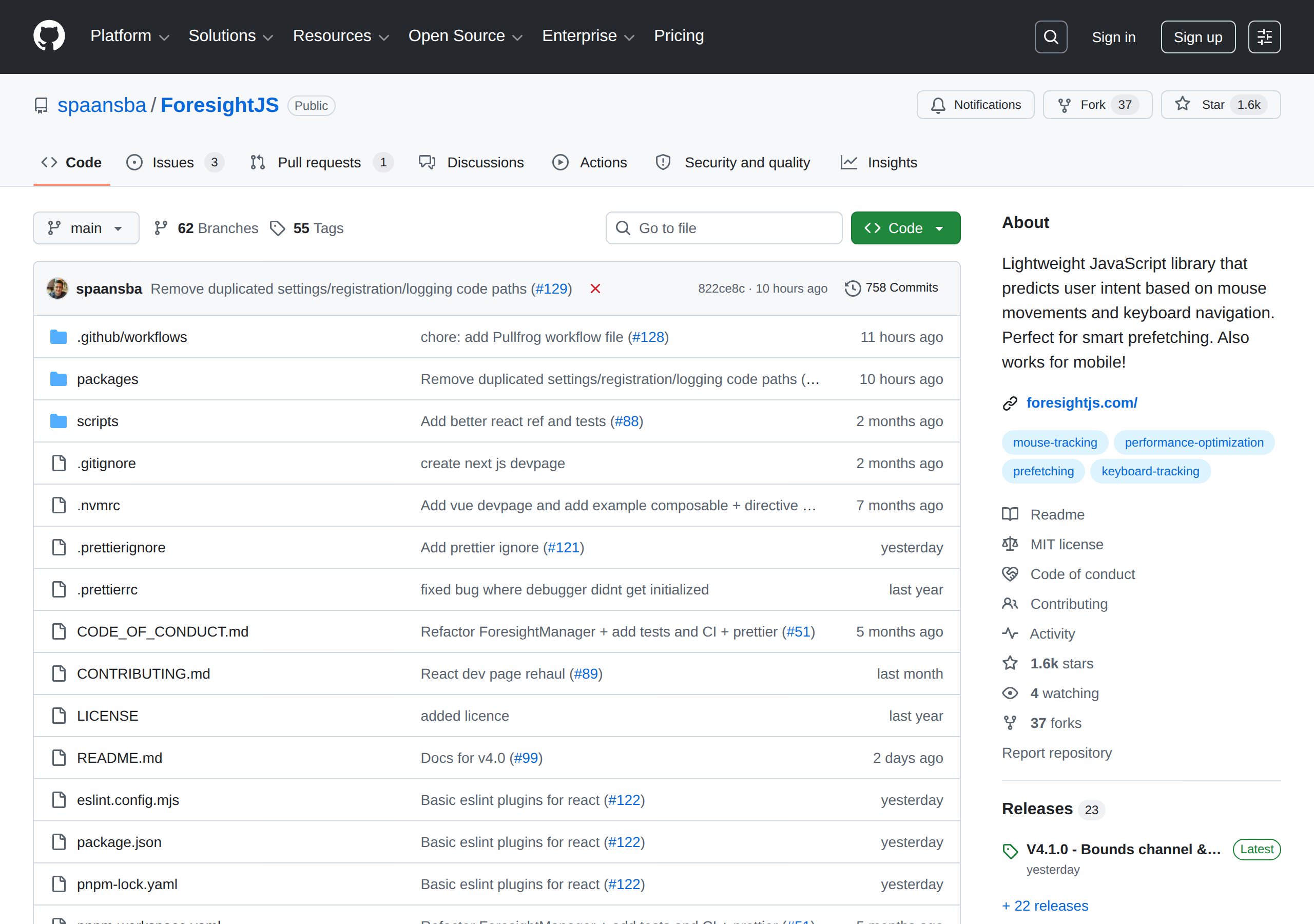
Predictive Prefetching with ForesightJS
Minimizing latency is critical for user retention and conversion. ForesightJS introduces a predictive performance layer to the front-end toolkit by analyzing user intent through real-time mouse movement patterns and keyboard navigation heuristics. Operating with zero configuration and providing optimized separate strategies for desktop and mobile architectures, the library—complete with dedicated packages for React and Vue—intelligently prefetches content before a user explicitly clicks a link. By anticipating navigation pathways, ForesightJS effectively eliminates perceived load times for end-users.
Micro-Interactions and Generative Visuals
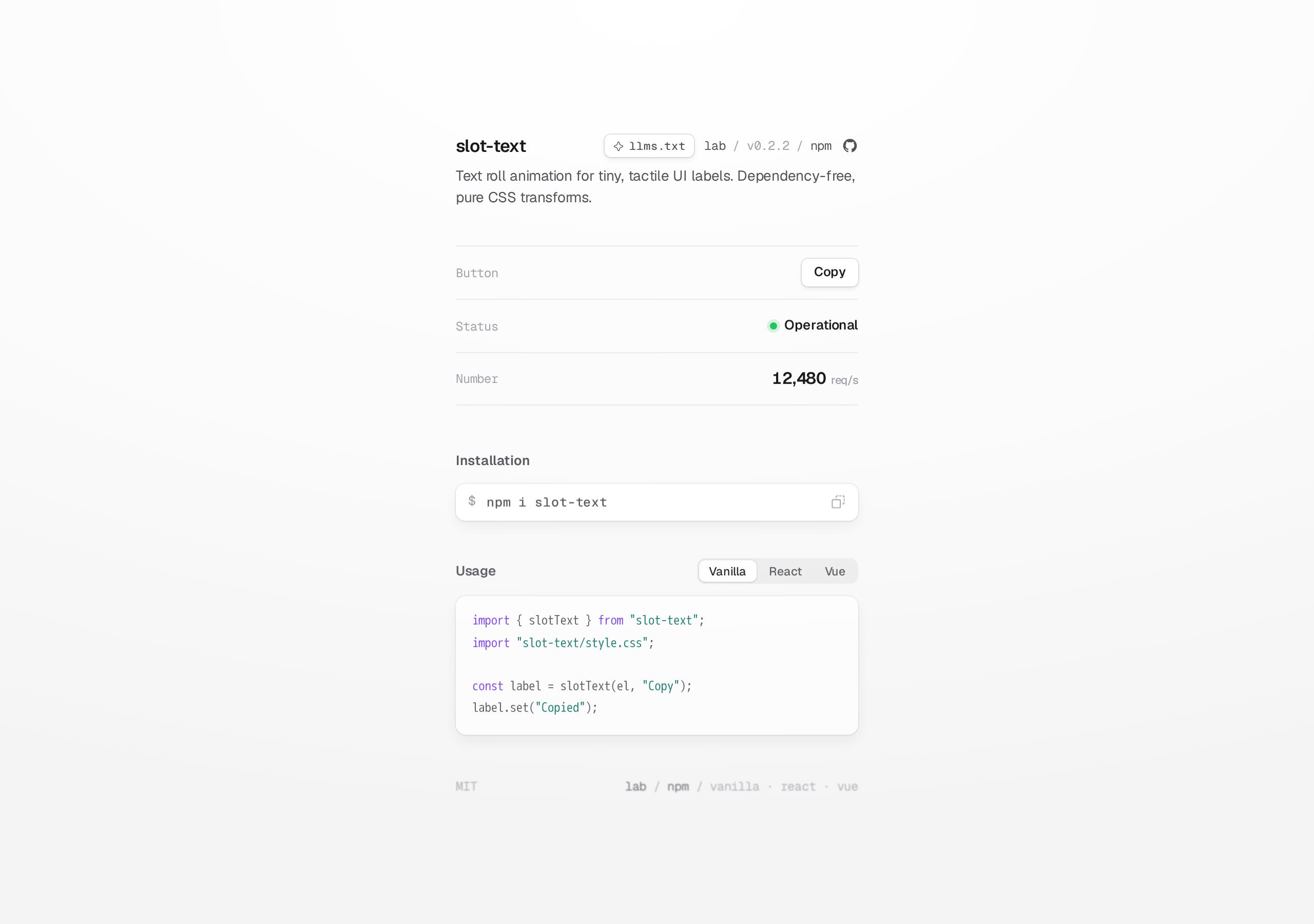
For UI engineers prioritizing micro-interactions without the bloat of comprehensive animation suites, TextMotion delivers a dependency-free text roll library. Utilizing pure CSS transforms to create slot-machine-style label transitions, it integrates smoothly into React and Vue applications via NPM.

Concurrently, Lumen caters to the generative art and front-end design space as a browser-based shader playground. Running client-side with zero dependencies, Lumen allows developers and digital artists to create looping abstract visuals via WebGL, utilizing a deterministic seed-sharing system and supporting direct exports to PNG, video, or GIF formats.
Containerization and System Infrastructure
The boundary between native operating systems and virtualized environments continues to blur, with significant advancements in local container management and terminal utilities.
Apple Container for macOS Silicon
Apple has expanded its native developer tooling with the release of Apple Container, an official utility designed to run Linux containers as lightweight virtual machines directly on Apple Silicon architecture. Written entirely in Swift and producing fully OCI-compatible images, the tool provides macOS users with a streamlined alternative to traditional heavyweight virtualization layers like Docker Desktop, optimizing resource utilization and battery performance on modern Mac hardware.
Network Security and Scraping Frameworks
Security auditing and data extraction have also seen modernized tooling releases. WebCheck provides an instantaneous external security assessment of any URL, analyzing headers, SSL configurations, DNS records, open ports, and potential vulnerabilities within seconds without requiring user registration.
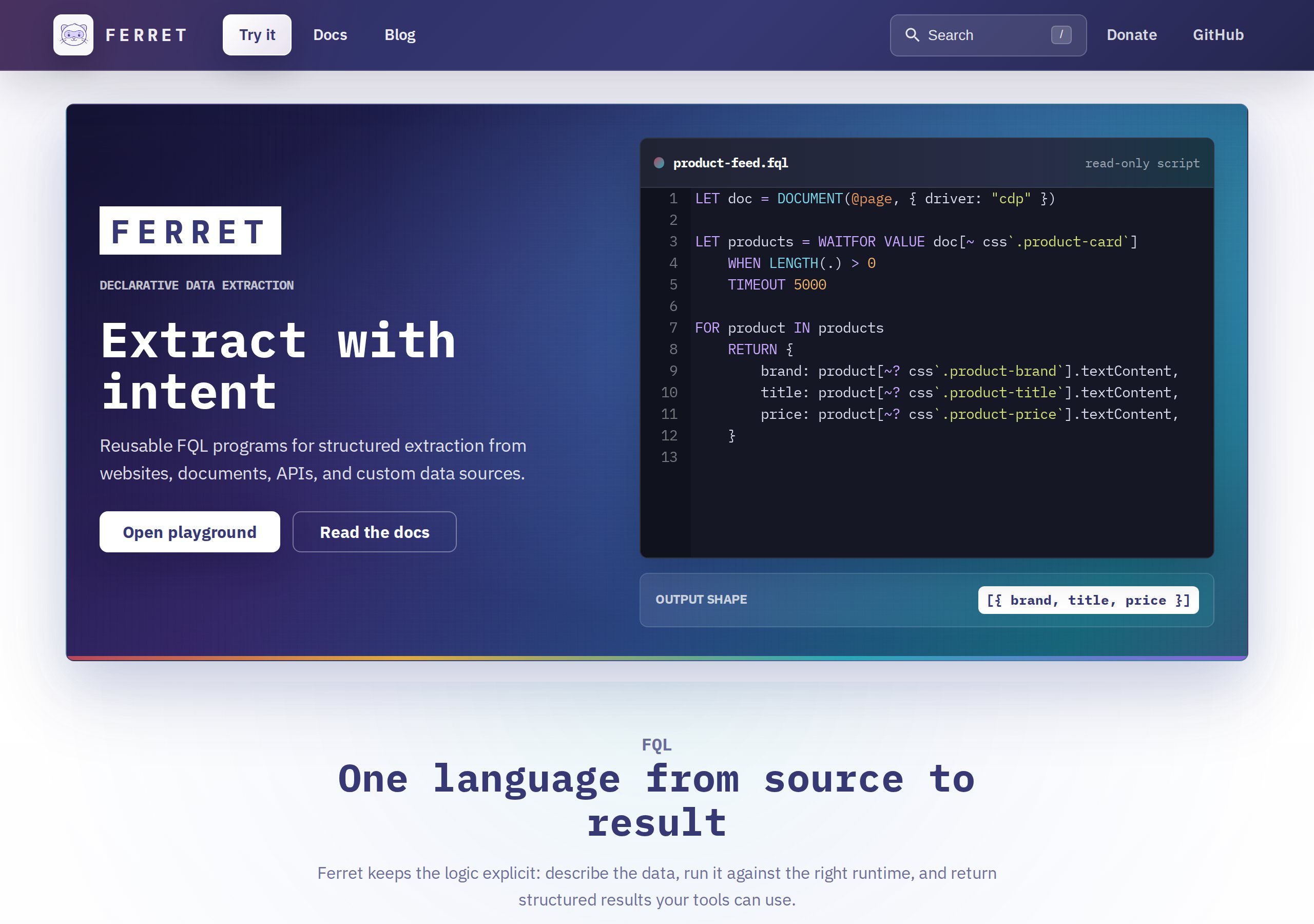
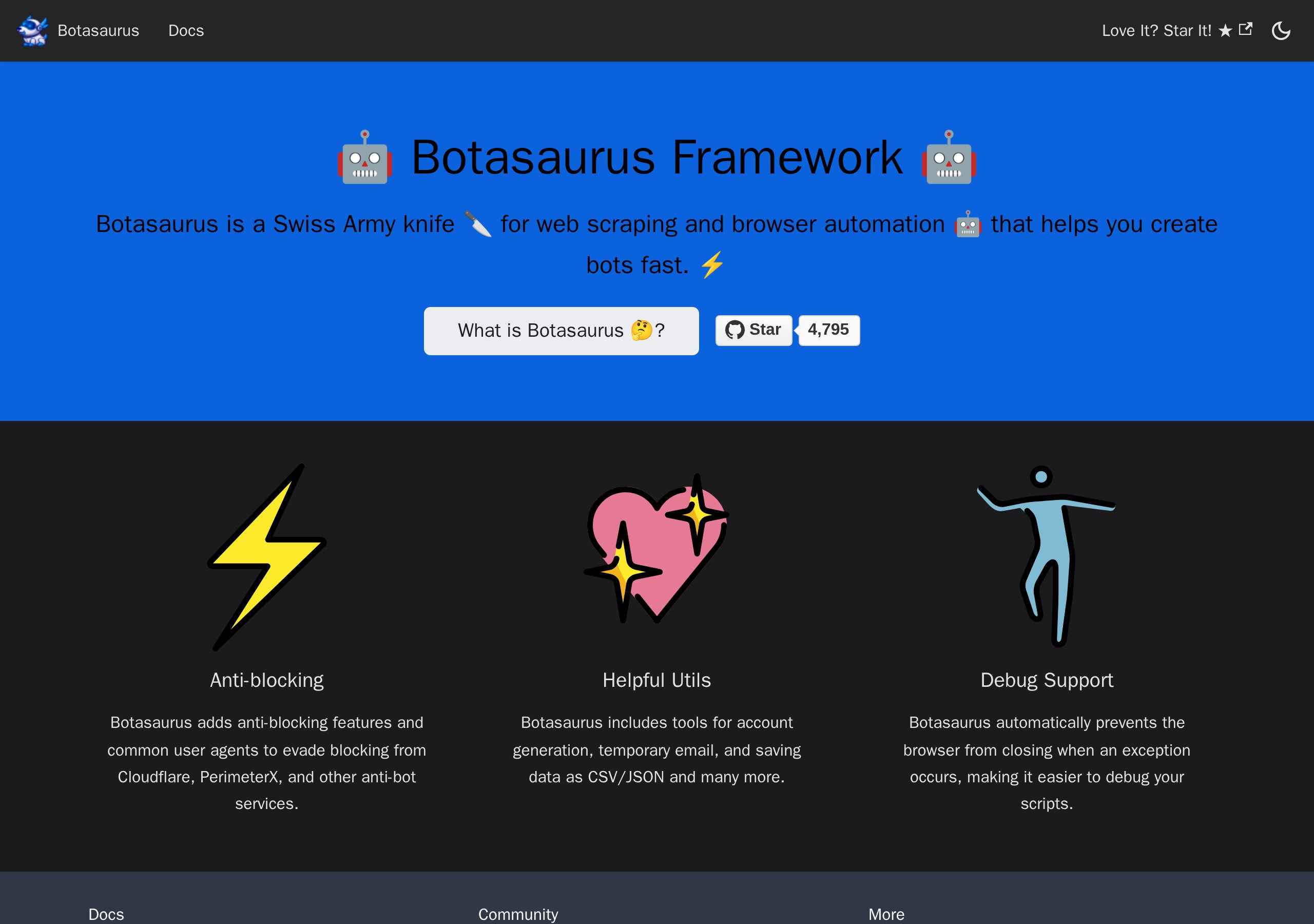
For data collection, Botasaurus and Ferret offer contrasting paradigms. Botasaurus provides a robust Python framework featuring automated anti-blocking mechanisms, account generation, and sophisticated evasion techniques for Cloudflare and PerimeterX, keeping browsers open during error states to facilitate debugging. Conversely, Ferret introduces a declarative web scraping language (FQL) embedded within a Go runtime, allowing developers to define precisely what data is required rather than scripting imperative extraction steps.
The Evolution of Developer Tooling: A Strategic Analysis
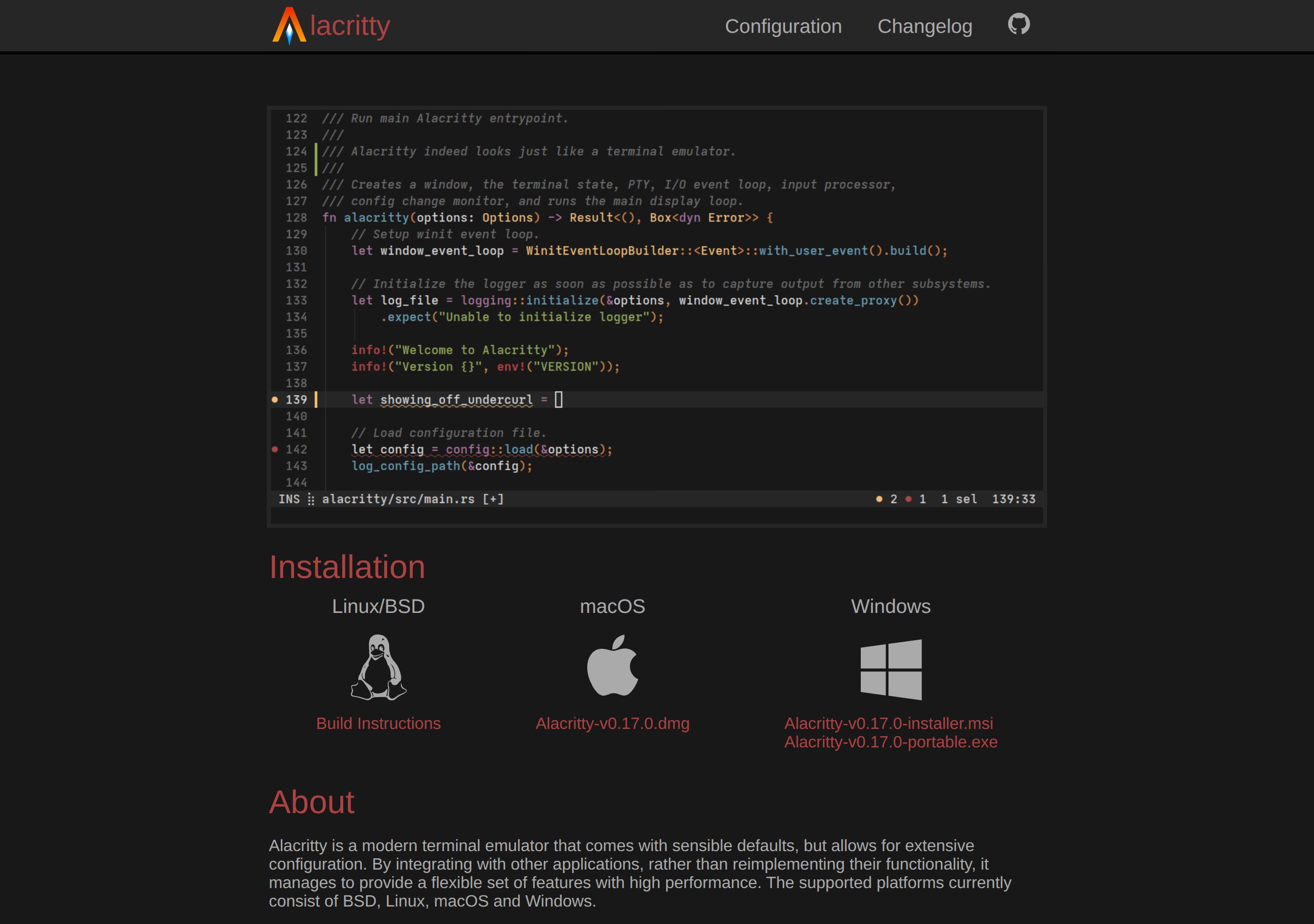
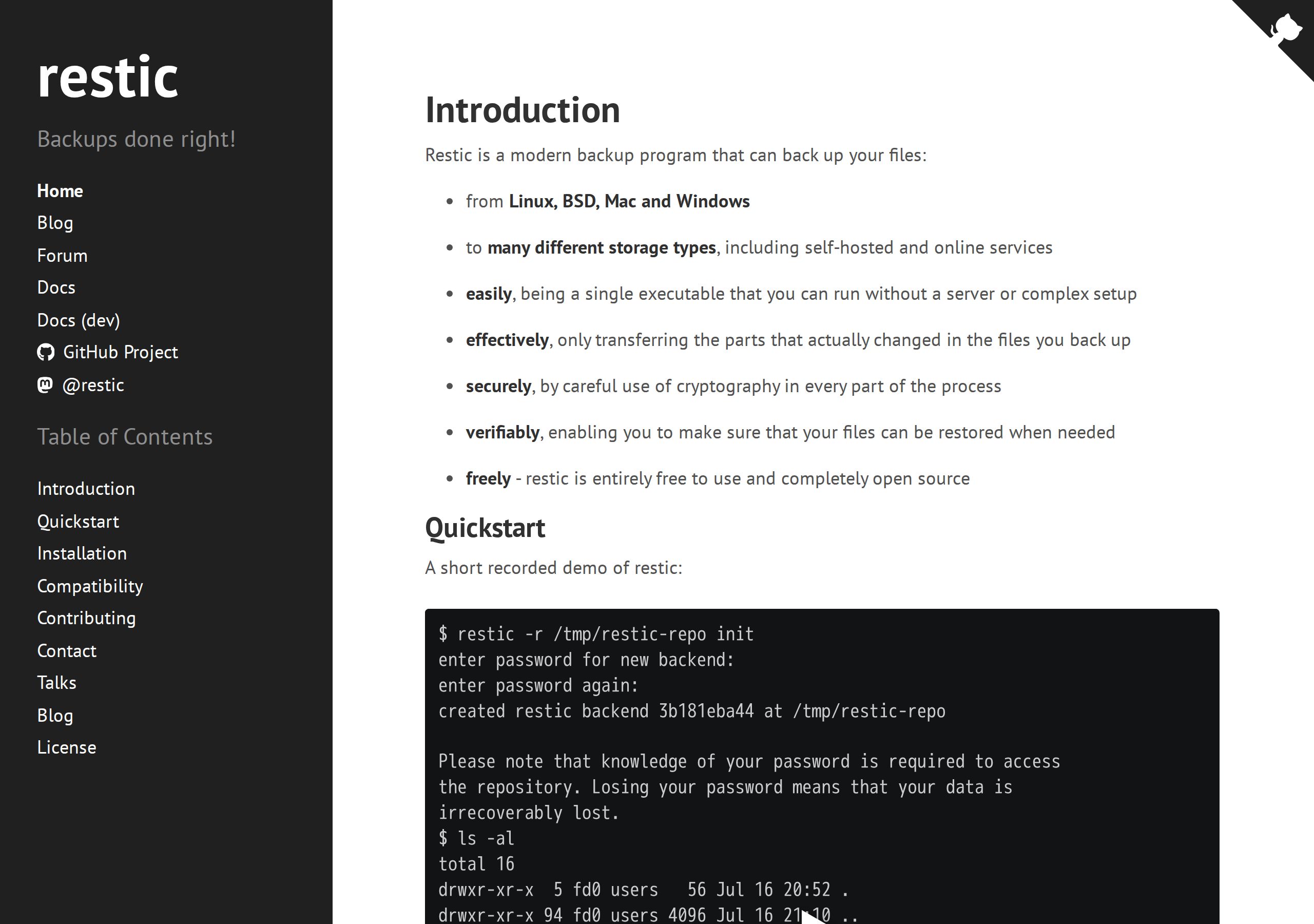
The proliferation of these specialized tools underscores a broader industry shift: developers are actively rejecting monolithic platforms in favor of modular, high-performance, and self-hosted utilities. Whether adopting Rust-based command-line enhancements like the directory-jumping zoxide, GPU-accelerated terminal emulators like Alacritty, or document typesetting systems like the LaTeX alternative Typst, the modern engineering workflow is increasingly defined by speed, cross-platform portability, and user sovereignty over data.
As teams navigate the complexities of AI integration and distributed cloud infrastructure, the tools highlighted in this June 2026 roundup provide scalable foundations for maintaining code quality, enhancing system visibility, and optimizing developer productivity across the entire software lifecycle.