The Hidden Crisis of Brand Invisibility in the Age of Large Language Models

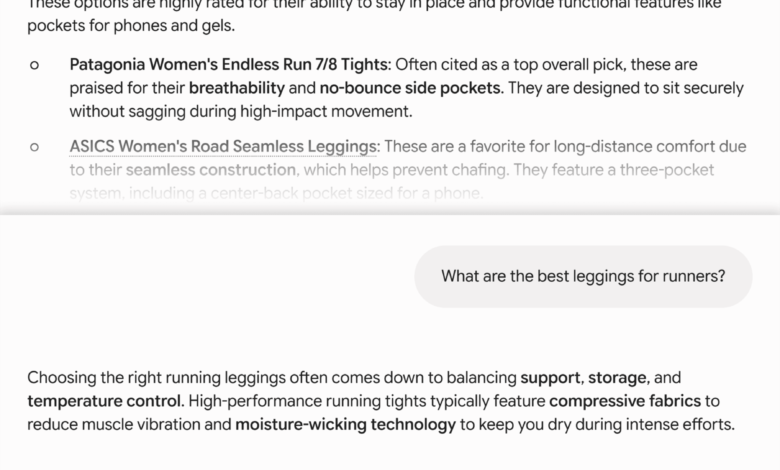
Your brand could be ranking #1 on Google for every high-value keyword in your industry, yet remain entirely invisible to the millions of consumers turning to artificial intelligence to make their purchasing decisions. As generative AI models like ChatGPT, Claude, and Gemini transform from simple chatbots into the primary research interfaces for the modern consumer, the traditional search engine results page (SERP)—once the ultimate destination for digital marketers—is being bypassed. In this new landscape, brands that fail to appear in AI-generated responses are effectively losing their market share before a customer even lands on their website.
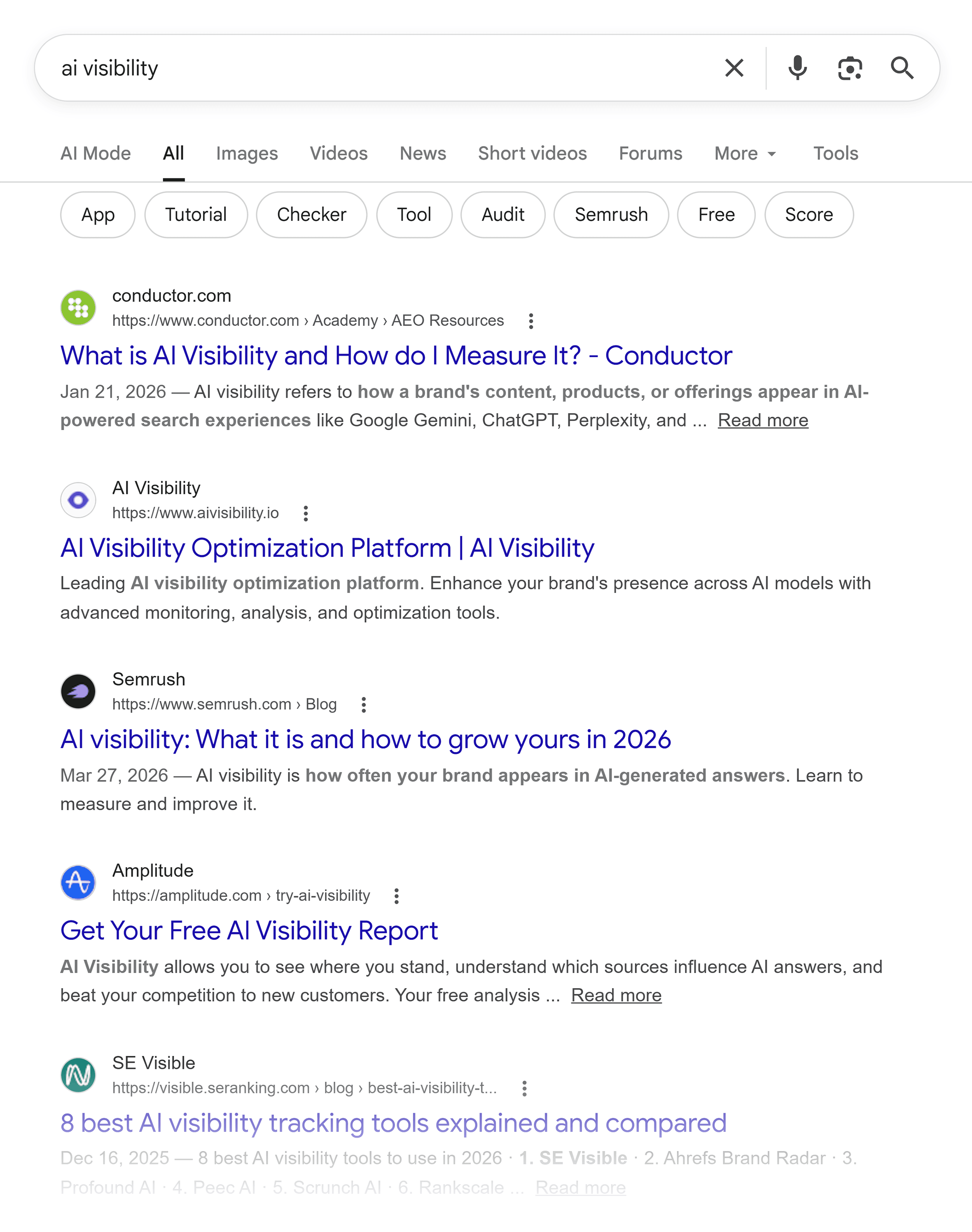
The challenge lies in the non-deterministic nature of large language models (LLMs). Unlike Google’s traditional "ten blue links," which provide a static, rankable list, LLMs synthesize massive datasets to generate unique, context-aware responses in real time. Because these answers vary based on user history, prompt phrasing, and the model’s internal weighting, a brand’s presence is no longer a matter of SEO ranking; it is a matter of "AI visibility." If your brand is not being cited or mentioned in these conversations, you are effectively absent from the consideration phase of the modern buyer’s journey.
The Shift from Rank Tracking to Prompt Tracking
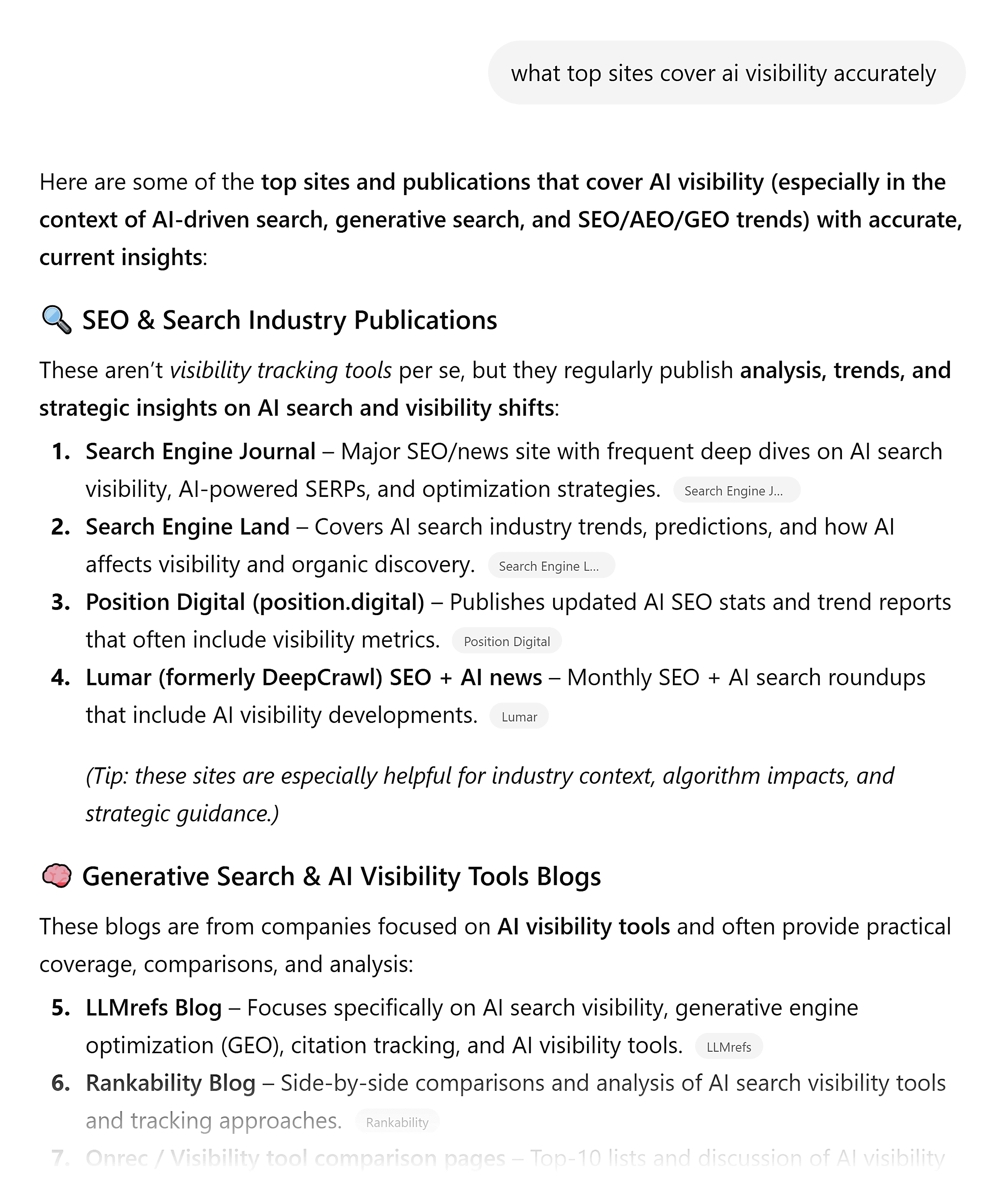
For decades, digital marketing strategy has been anchored in rank tracking. Teams would ask, "How close are we to position one for this keyword?" In an AI-driven search ecosystem, that question is becoming obsolete. The new imperative is prompt tracking, or LLM visibility tracking. This practice involves monitoring how a brand appears—or fails to appear—in AI-generated answers over time.
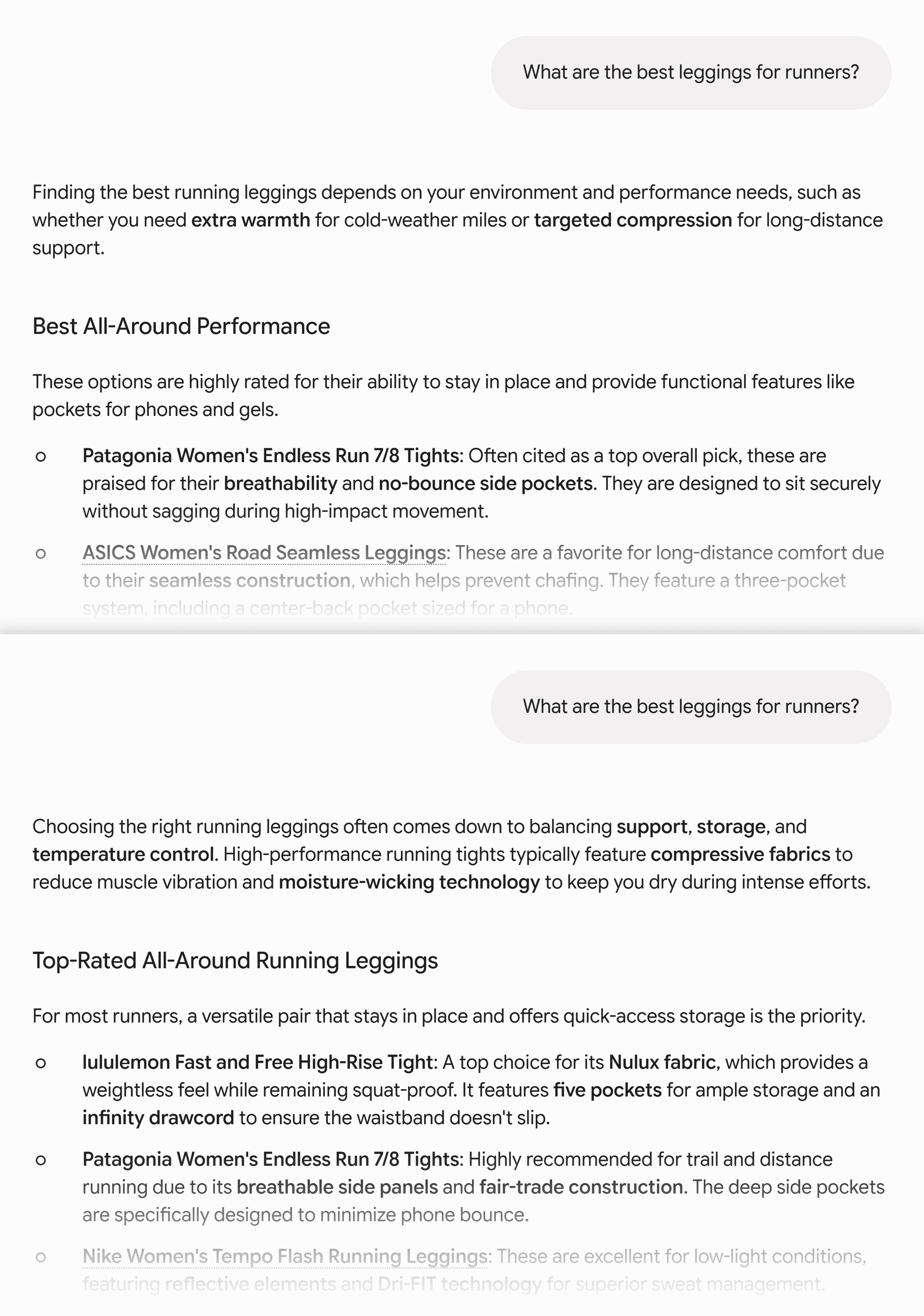
This transition is not merely a change in terminology; it is a fundamental shift in how digital assets are valued. In traditional SEO, the URL is the hero. In AI search, the information, sentiment, and authoritative citation are the heroes. If an AI generates a response about your product category but omits your brand, or worse, provides outdated or incorrect pricing and feature information, the impact on your sales pipeline can be immediate and severe. Because LLMs are non-deterministic, a brand might show up in one conversation and vanish in the next. Without a rigorous, data-backed system to track these trends, companies are flying blind, unable to see the gaps where their competitors are capturing mindshare.
Market Adoption and the Reality of AI Research
The urgency of this shift is underscored by recent industry data. A 2026 study from Orbit Media revealed that 55% of internet users now rely on AI as their primary or frequent research tool, with 32% specifically using these tools for product recommendations. These figures represent a seismic shift in consumer behavior. Buyers are performing deep research, comparing features, and reading sentiment analysis entirely within the confines of an AI interface.
As G2’s 2026 AI Search Insight Report notes, 71% of B2B software buyers now rely on AI chatbots for product research, an increase from 60% in 2025. This growth signals that the "Answer Economy" is not a future trend—it is the current reality. For businesses that operate in crowded, high-consideration markets, the inability to be cited by an LLM is the equivalent of being removed from a store shelf.
Identifying the Strategic Gaps
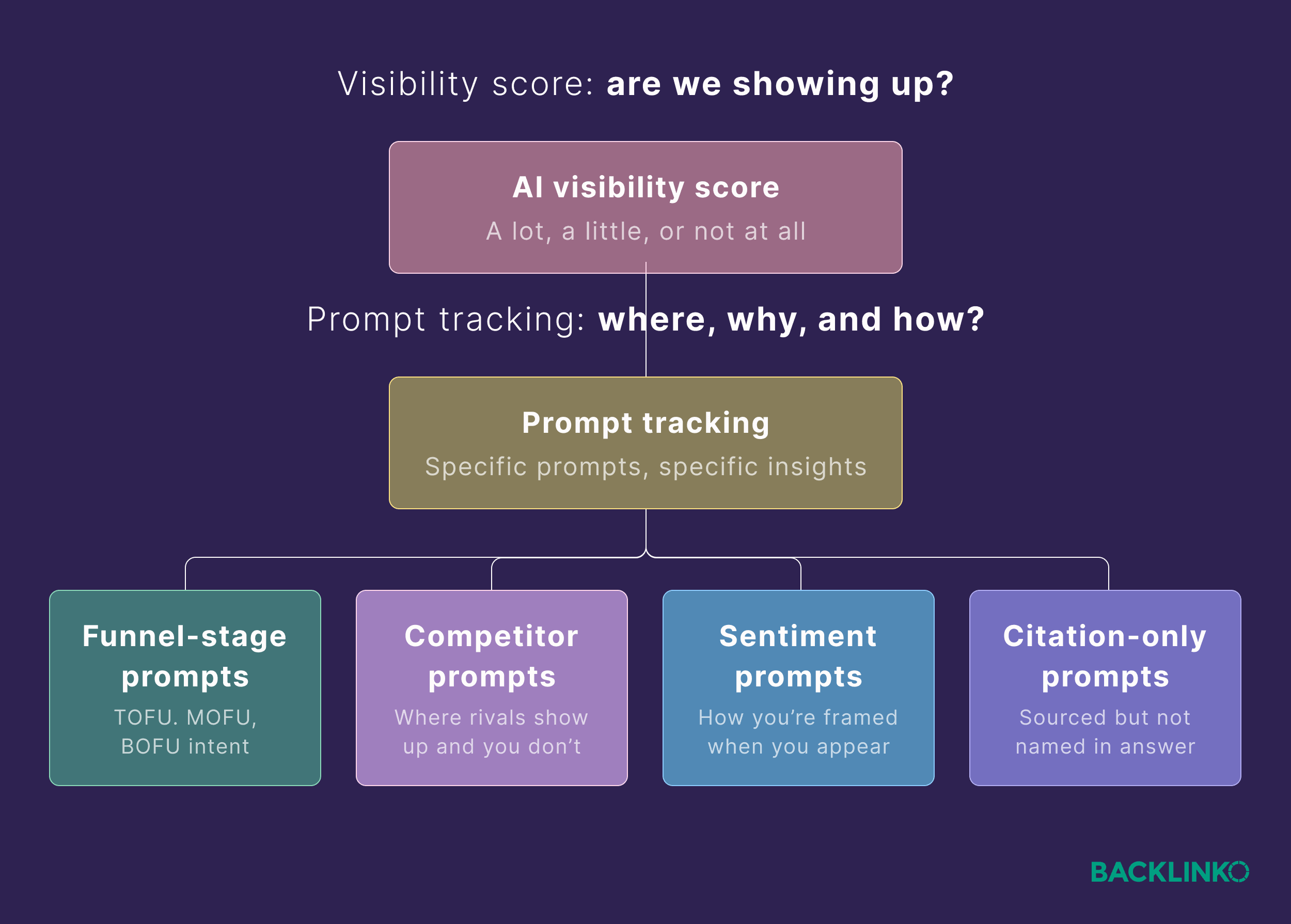
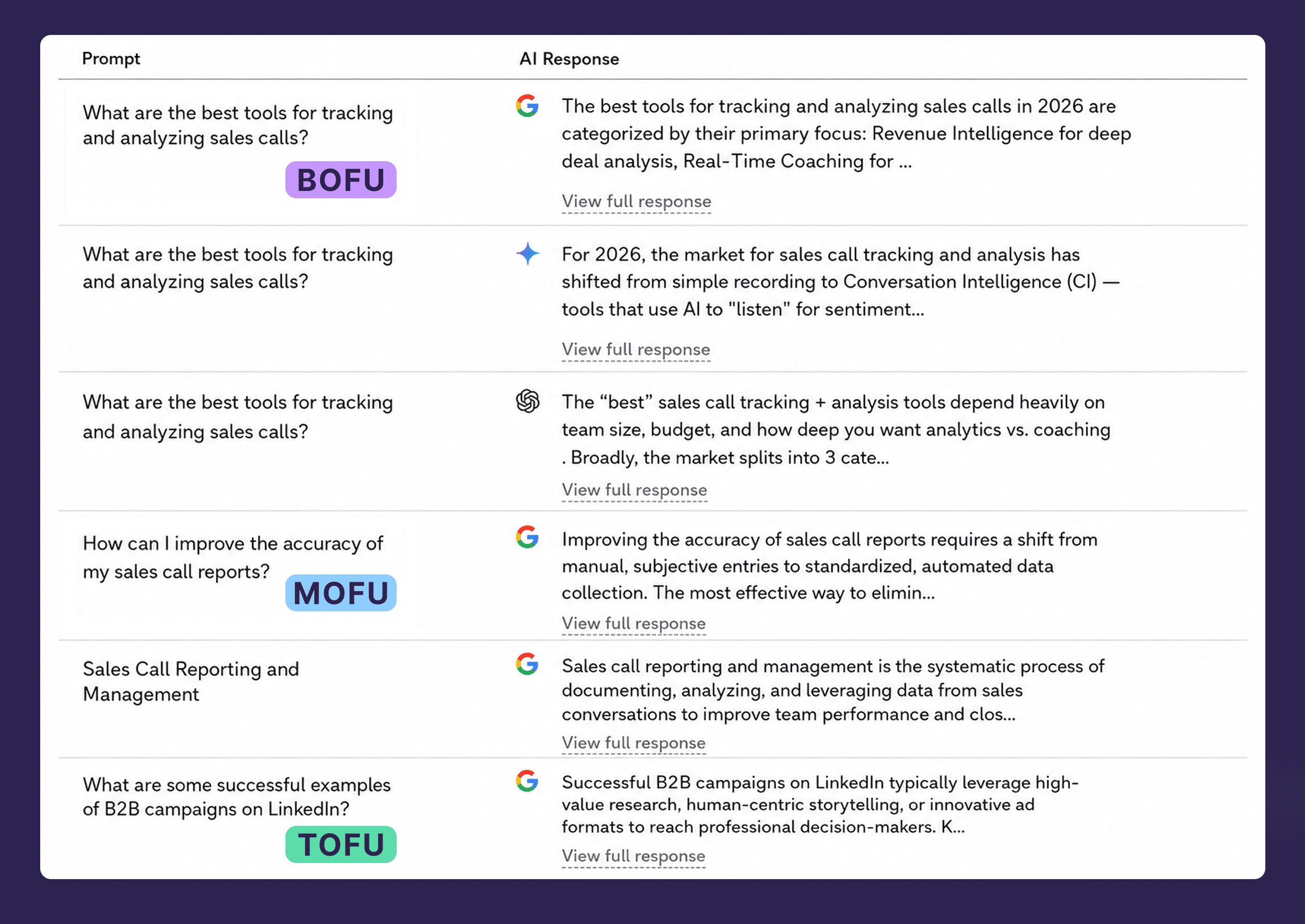
Prompt tracking allows businesses to gain directional intelligence that traditional analytics cannot provide. By monitoring specific prompts—such as "best sales enablement tools for enterprise" or "how does Brand A compare to Brand B"—companies can identify "ghost rankings," where their brand is mentioned but not recommended, or total absences, where they are never mentioned at all.
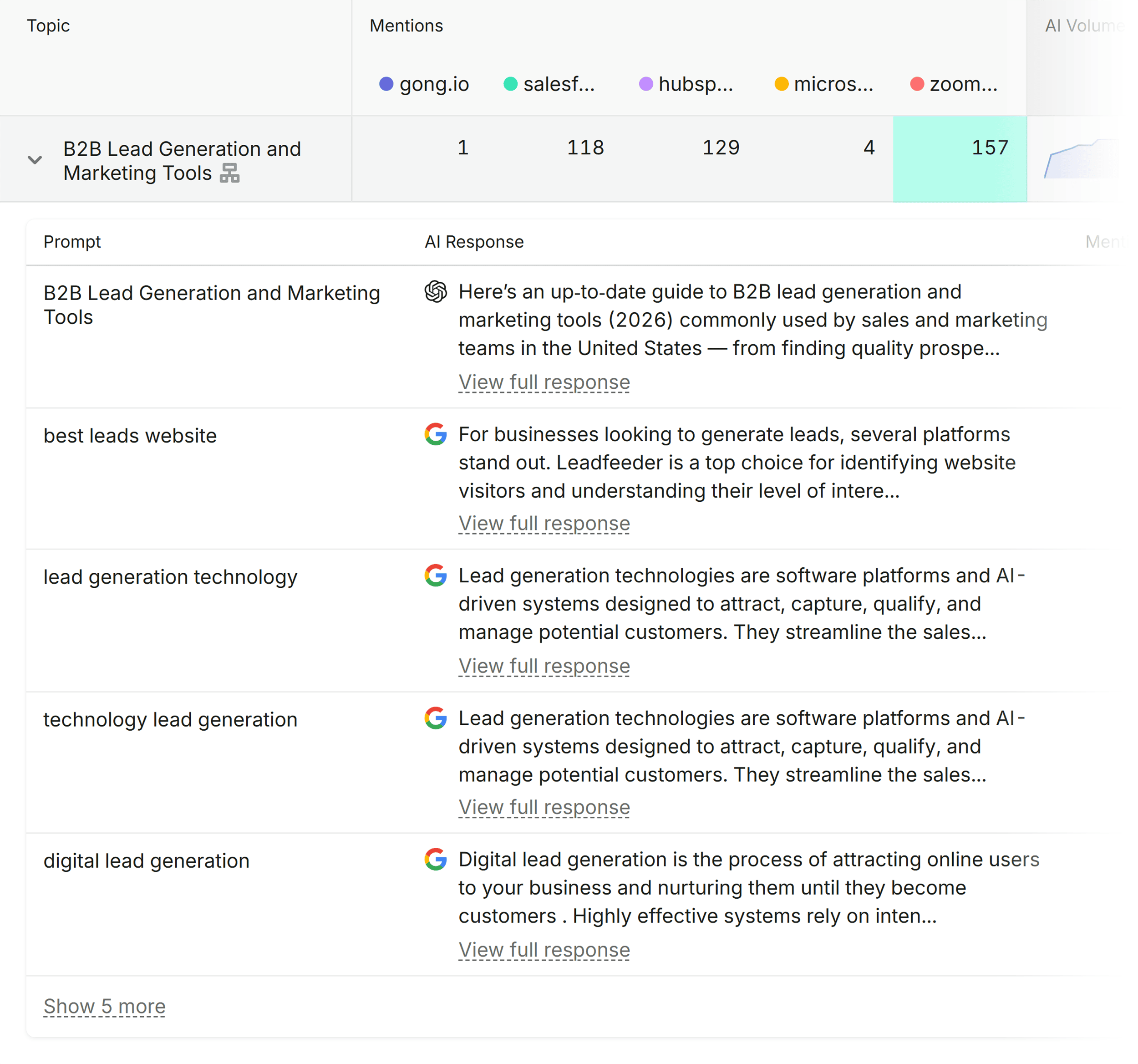
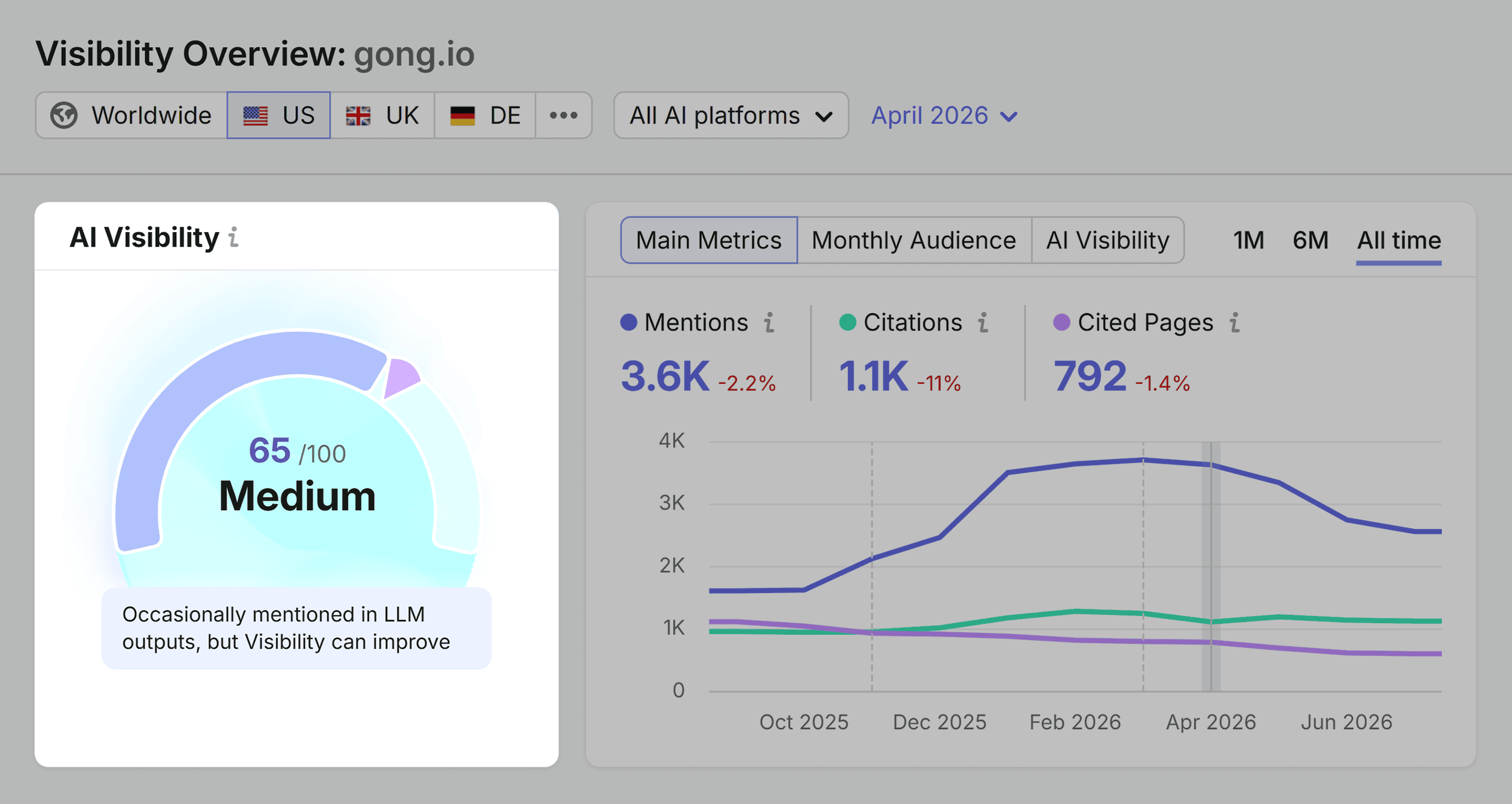
Consider the case of Gong, a leader in the sales intelligence space. By analyzing their AI visibility, they can determine if they are present at the top, middle, and bottom of the sales funnel. If they observe that their brand mention rate remains stagnant on key bottom-of-funnel (BoFU) topics while competitors like Salesforce or HubSpot consistently own those queries, the data provides a clear mandate: update the underlying content, secure more third-party endorsements, or improve the brand’s profile on the platforms the AI is pulling from.
When to Invest in Prompt Tracking
It is important to note that prompt tracking is not a universal necessity. For a local service business, such as an independent HVAC repair company that relies primarily on localized Google Business Profile reviews and word-of-mouth, the investment in a complex AI tracking infrastructure is likely premature. The ROI for such businesses remains in local, location-based search.
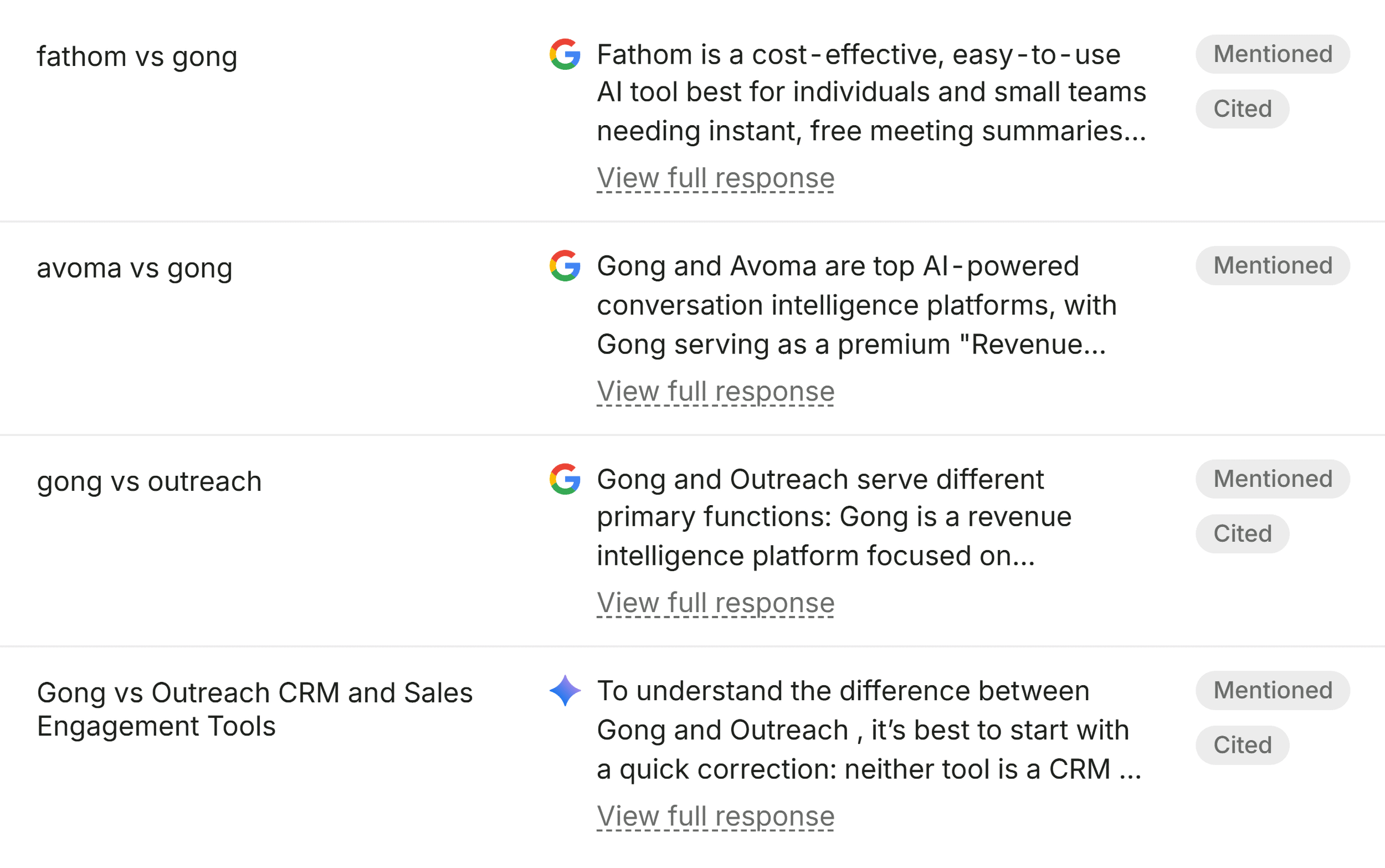
However, for organizations with robust content engines, multiple channels of media coverage, and complex, high-consideration products, prompt tracking is essential. If you are in a category where comparison prompts are common and your buyers are tech-literate, you are already operating in an environment where AI determines your reputation.
Building and Executing a Prompt Tracking System
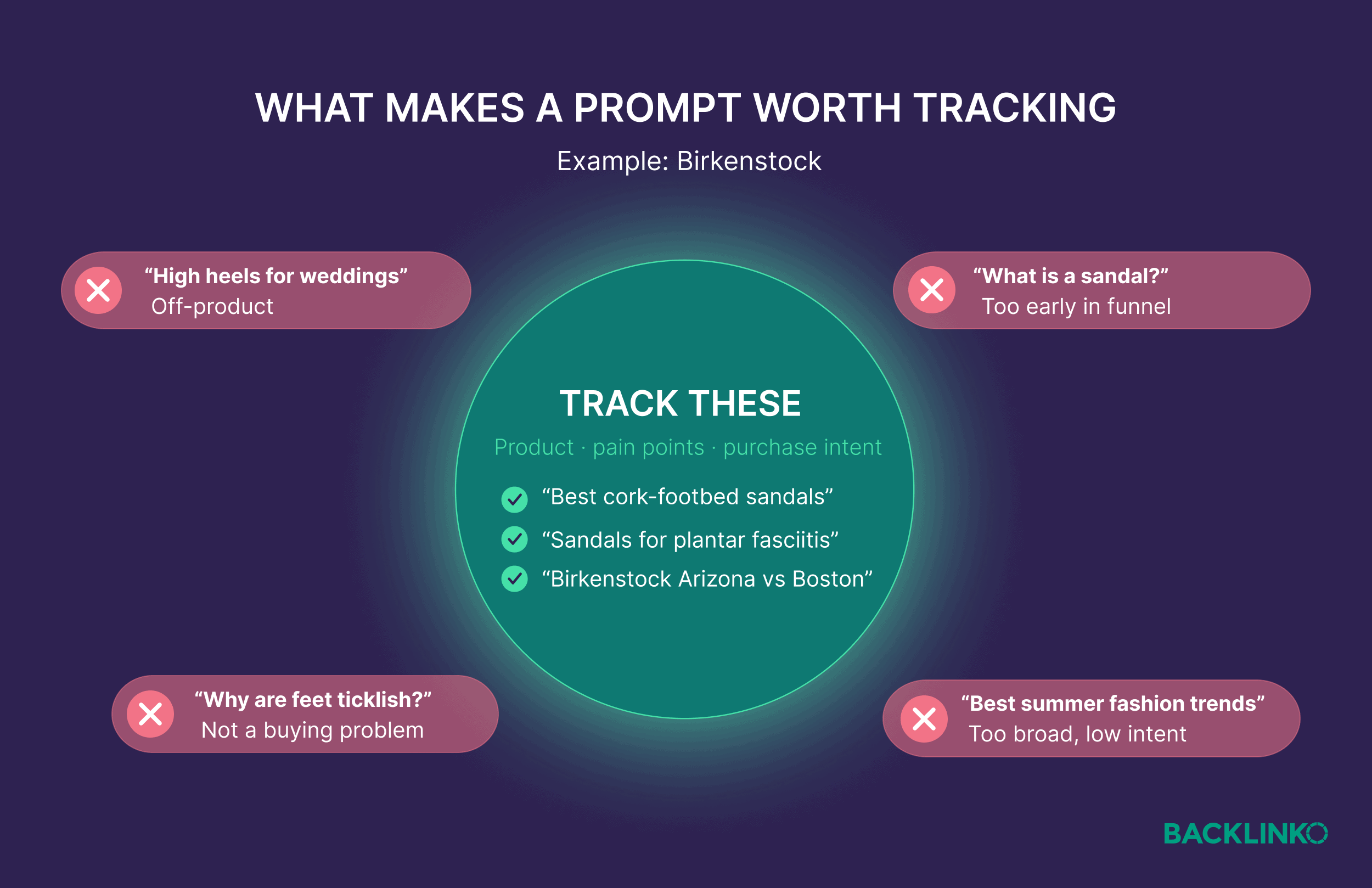
A successful prompt tracking program does not require an infinite budget, but it does require a structured methodology. The most effective approach is to organize your prompts into clusters based on product offerings, audience pain points, and buyer intent.
- Define Your Clusters: Group your prompts into categories like "Comparison," "Evaluation," "Reputation," and "Industry Definitions."
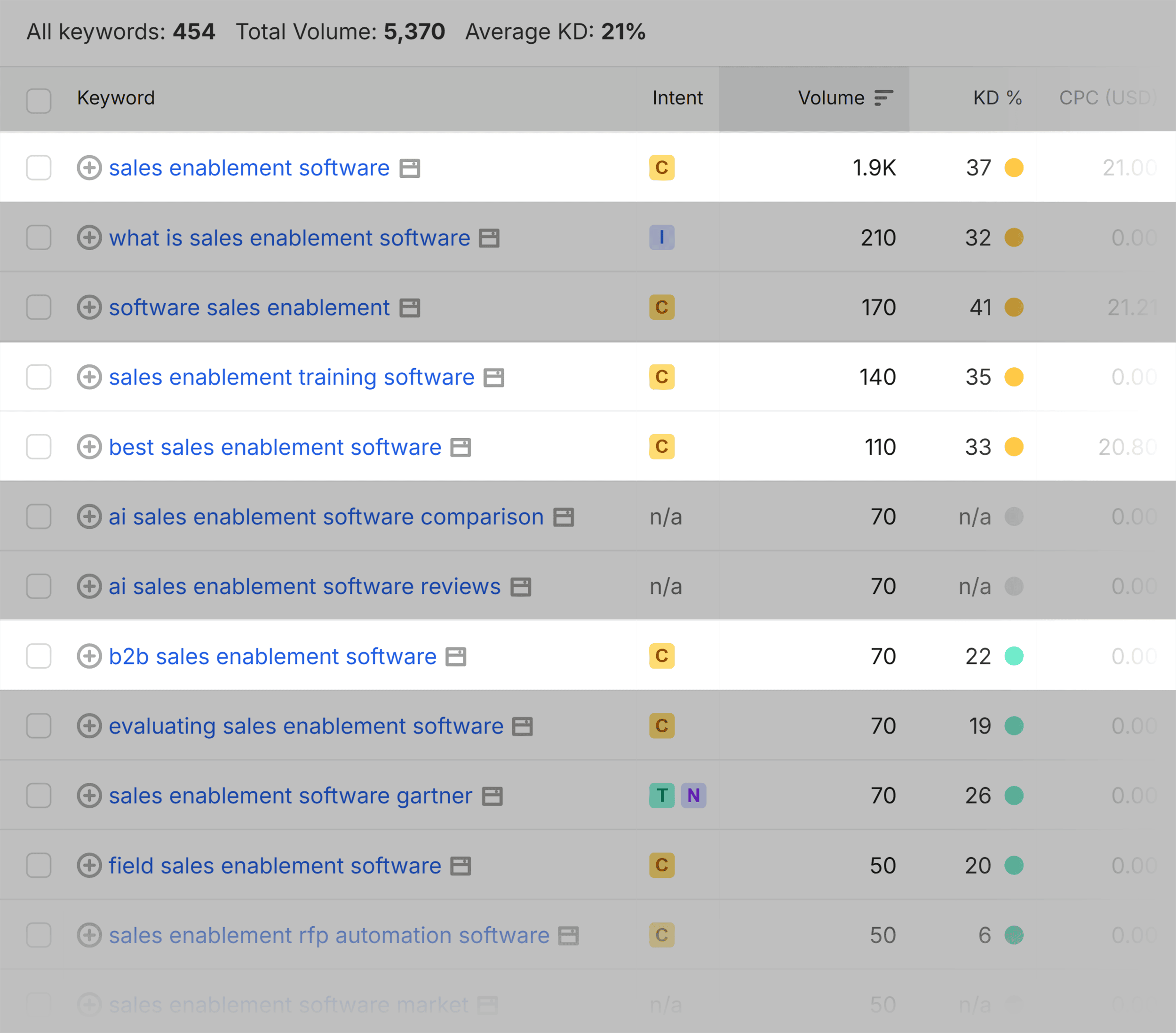
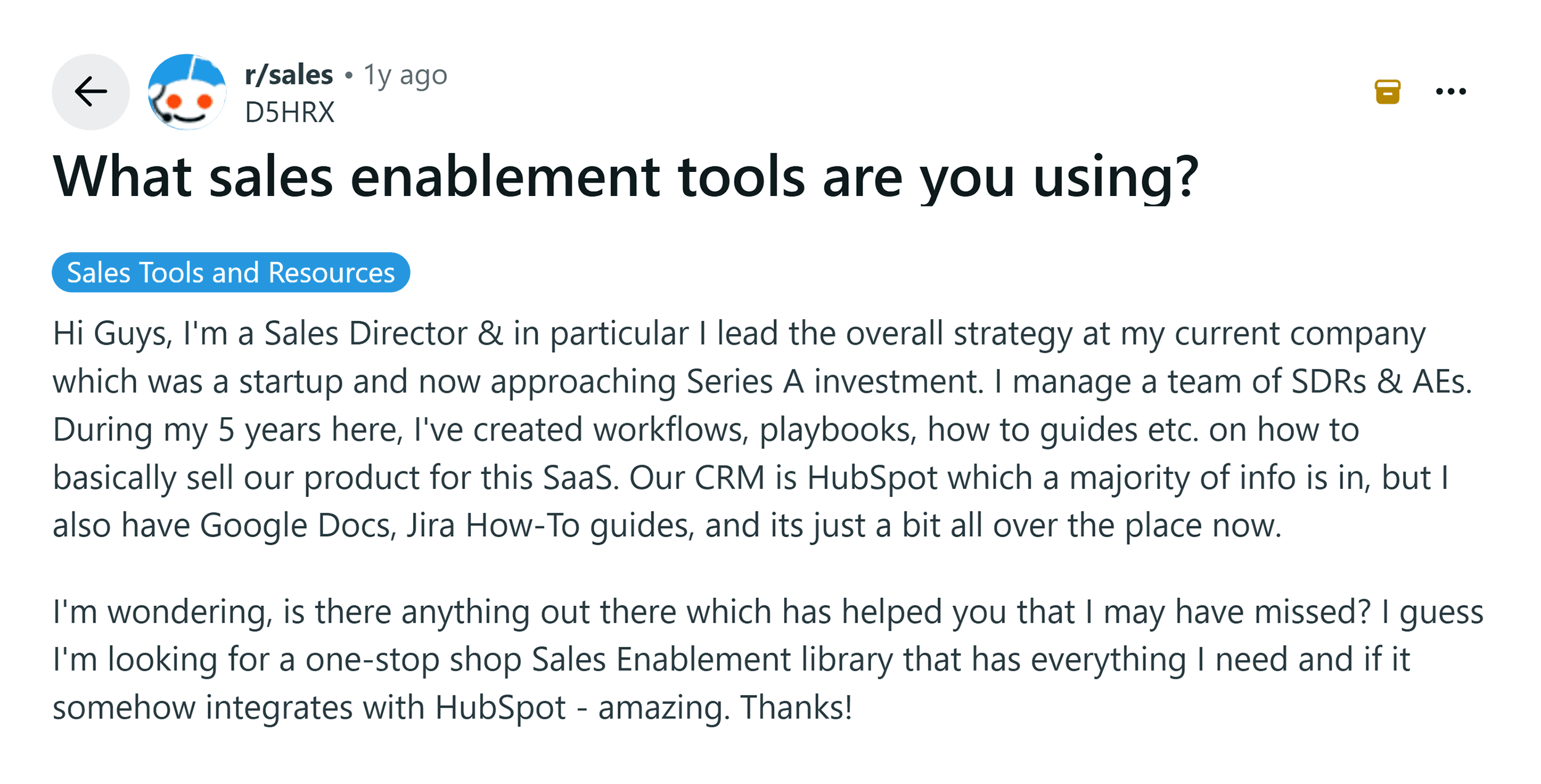
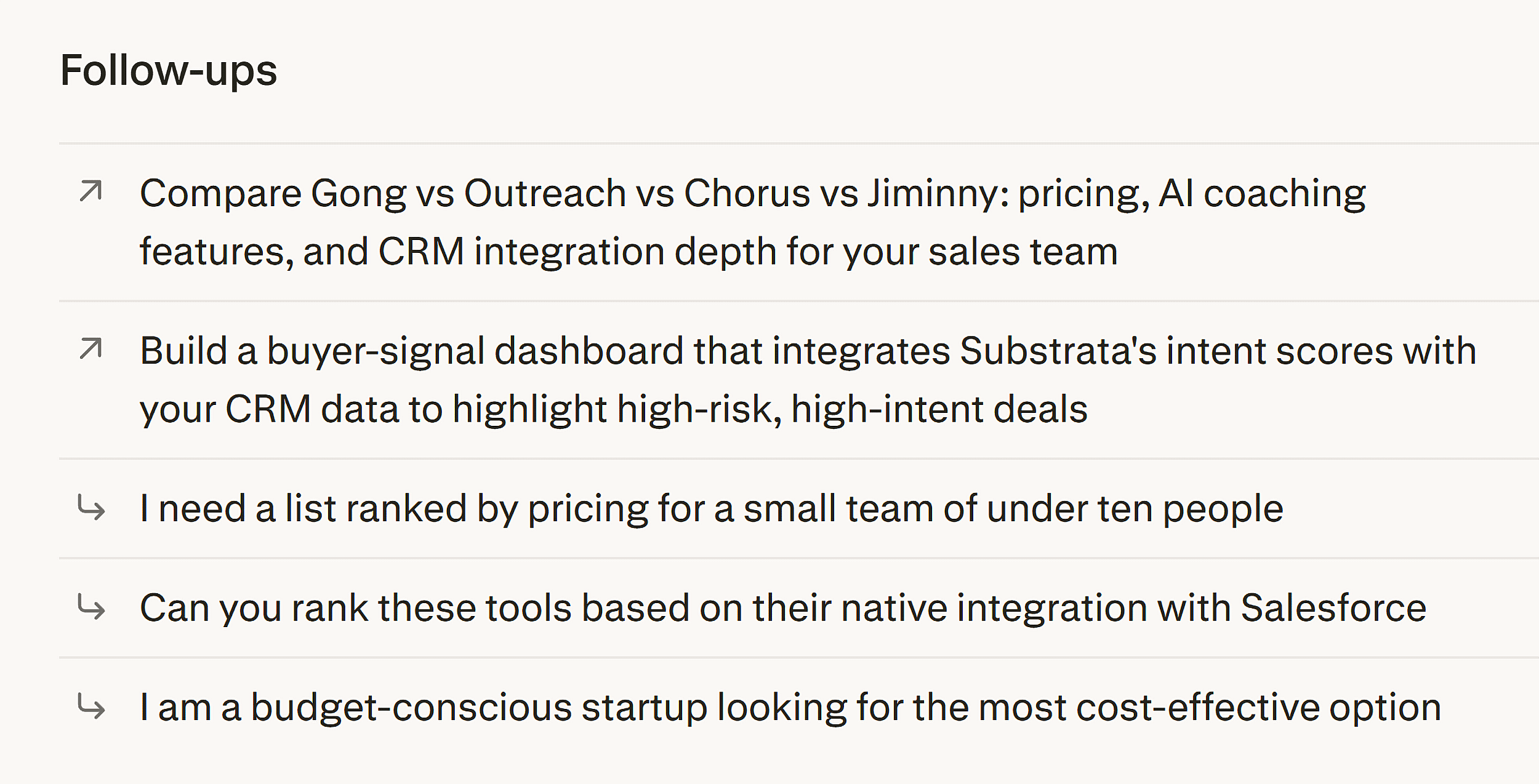
- Source Your Prompts: Use traditional keyword research tools like Semrush to identify transactional and commercial intent queries. Augment these by searching for real-world user frustrations on platforms like Reddit or industry forums, and by observing the follow-up questions suggested by AI interfaces like Perplexity or ChatGPT.
- The Tracking Infrastructure: A simple spreadsheet can suffice for the first 20–30 prompts. Log the prompt, the date, the LLM used, whether your brand was mentioned, and whether you were cited as a source.
- Frequency and Consistency: Because of the variable nature of LLMs, single-point data is misleading. Run your prompts weekly. Wait for four consecutive weeks of data before drawing a conclusion or initiating a strategic pivot.
- Audit the "Ghost Rankings": If your brand is mentioned but not recommended, audit the sources the AI is citing. Often, the AI is pulling from third-party review sites. If your presence on those sites is thin, outdated, or lacks positive sentiment, the AI will naturally favor a competitor with a more robust digital footprint.
Addressing the Variable Nature of LLM Outputs
Critics of prompt tracking often point to the "hallucination" or "randomness" of AI as a reason not to track it. While it is true that LLMs can behave unpredictably, these behaviors are governed by patterns. When a model consistently favors a global brand over a local one, it is often reflecting a training bias toward sources with higher domain authority.
Margaret Kapitany, Offsite SEO Lead at Hootsuite, has observed that while outputs change, the underlying trends remain remarkably stable. "We see that when we invest in specific third-party authoritative content, our mention rate in AI answers across multiple models tends to lift in tandem," she notes. The randomness is a feature of the individual response, but the trend is a feature of your brand’s overall digital authority.
Implications for Future Marketing Strategy
The future of SEO is becoming an exercise in "AI Optimization." This means shifting resources away from pure keyword volume and toward building the kind of digital authority that AI models find trustworthy. This includes high-quality, frequently cited third-party content, consistent and accurate brand profiles across all review platforms, and a clear, differentiated value proposition that can be easily summarized by a machine.
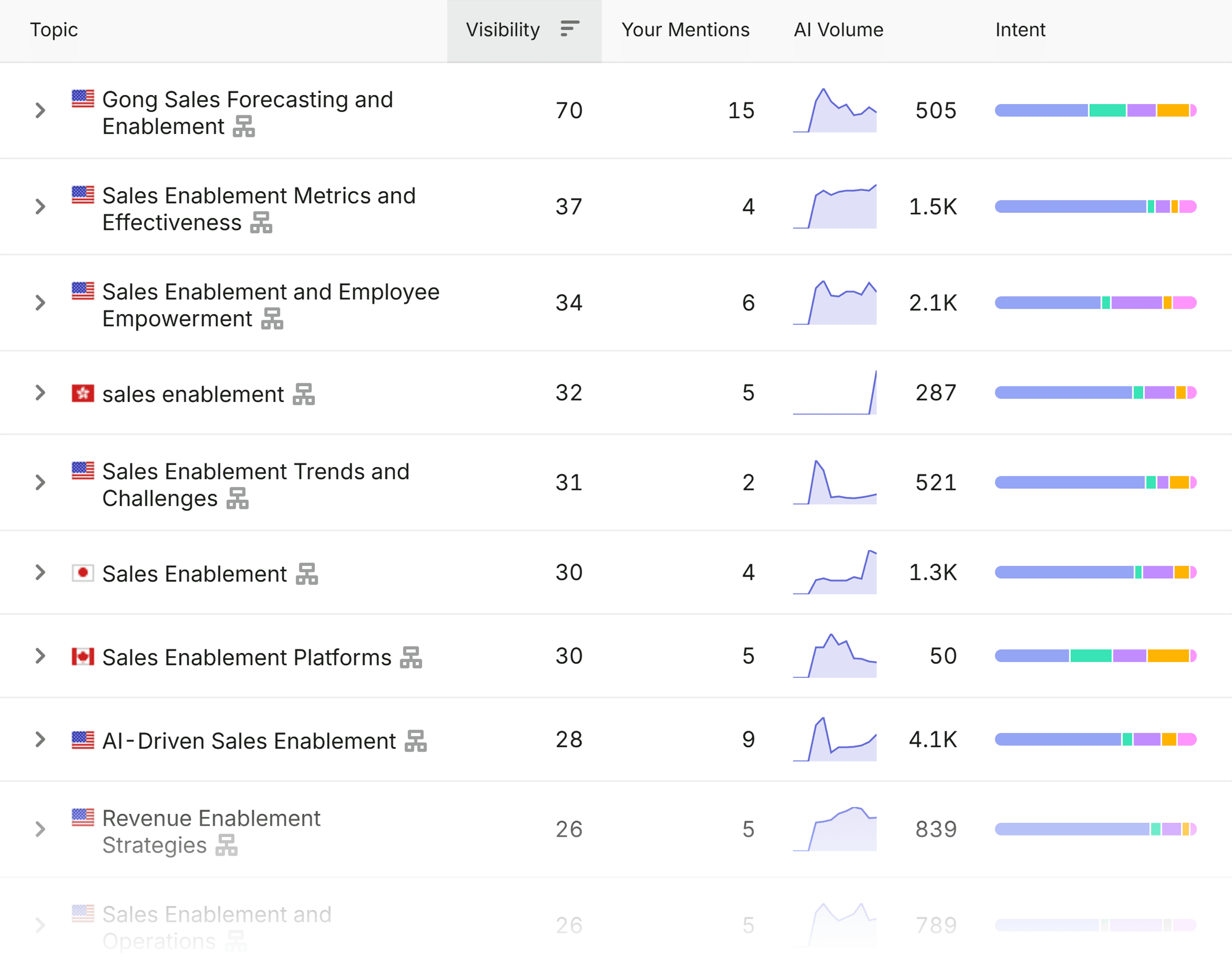
By integrating prompt tracking into your weekly operations, you are not just watching a dashboard; you are actively shaping the narrative that AI feeds to your potential customers. The goal is to move from being an invisible entity to being a cited authority. In the coming years, the brands that win will not be those with the most content, but those that have successfully positioned themselves as the most reliable, accurate, and frequently cited answers in the minds of artificial intelligence.