Winning and maintaining consumer devotion has shifted from a marketing challenge to a fundamental business imperative as traditional pathways to loyalty face unprecedented disruption. In a digital ecosystem defined by decentralized social networks, creator-led communities, and the rapid proliferation of synthetic media, the mechanisms that once secured customer retention are losing their potency. Modern consumers are increasingly exposed to brand narratives across third-party platforms that businesses do not control, creating a fragmented journey where skepticism is the default setting.
The Erosion of Traditional Trust
The rise of misinformation and unregulated artificial intelligence has significantly altered the consumer psyche. According to data from the Sprout Social Q1 2026 Pulse Survey, 35% of social media users report a marked decline in their trust of online content over the past twelve months. The primary drivers of this disillusionment are multifaceted: 30% of respondents attribute their skepticism to the prevalence of misinformation, while 20% cite the ambiguity of AI-generated content. Perhaps most striking is that 88% of consumers acknowledge that the availability of sophisticated AI video tools has fundamentally compromised their ability to trust the news and branded content they encounter on social feeds.
This environment has forced a higher barrier for entry regarding consumer trust. When a brand’s digital presence feels overly manufactured or fails to address public criticism with transparency, it risks being labeled as inauthentic. Consequently, the modern loyalty model has moved away from static, transactional relationships toward a dynamic requirement for verified credibility.
Defining the Nuance: Loyalty vs. Affinity
To navigate this shifting landscape, industry leaders must distinguish between the varying layers of consumer attachment. Brand loyalty represents an ongoing preference for a specific entity, anchored in emotional connection and trust rather than simple convenience. It is evidenced by a consumer’s willingness to choose a brand repeatedly, even when competitors offer lower pricing or more immediate logistical benefits.

In contrast, brand affinity captures the emotional resonance a consumer feels toward a brand, often stemming from shared values or personal identity. While loyalty and affinity often overlap, they are distinct from customer loyalty—which is generally derived from reward programs or service-based habit—and brand awareness, which is merely the recognition of a logo or name.
The following table categorizes these metrics as they currently function within modern market intelligence:
| Category | Primary Metric | Example Signal |
|---|---|---|
| Brand Loyalty | Ongoing preference | Defending the brand against competitors |
| Brand Affinity | Emotional connection | Alignment with brand values |
| Customer Loyalty | Repeat behavior | Persistence due to rewards or service |
| Brand Awareness | Recognition | Recalling a brand name or visual identity |
The Data Gap: Why Brands Miss the Signal
While businesses are currently saturated with data, the core issue is not availability but latency. Traditional metrics, such as quarterly sales reports or post-purchase surveys, act as "lagging indicators." By the time these datasets are analyzed and disseminated to strategy teams, the customer sentiment that triggered the data may have already shifted or devolved into churn.
Research from the Sprout Social Social Intelligence Report highlights a critical systemic failure: 86% of professionals indicate that their organizations have lost business opportunities within the last two years due to delayed or siloed data. Specifically, 33% of respondents noted that their inability to react to real-time market shifts was the most significant missed opportunity. In the current hyper-speed market, only 10% of organizations possess the operational agility to translate a social insight into a strategy within a matter of hours.
Strategic Frameworks for Cultivating Long-Term Loyalty
To bridge the gap between consumer expectation and corporate response, organizations are increasingly adopting a multi-pronged approach to social intelligence and community engagement.
1. Expanding the Listening Perimeter
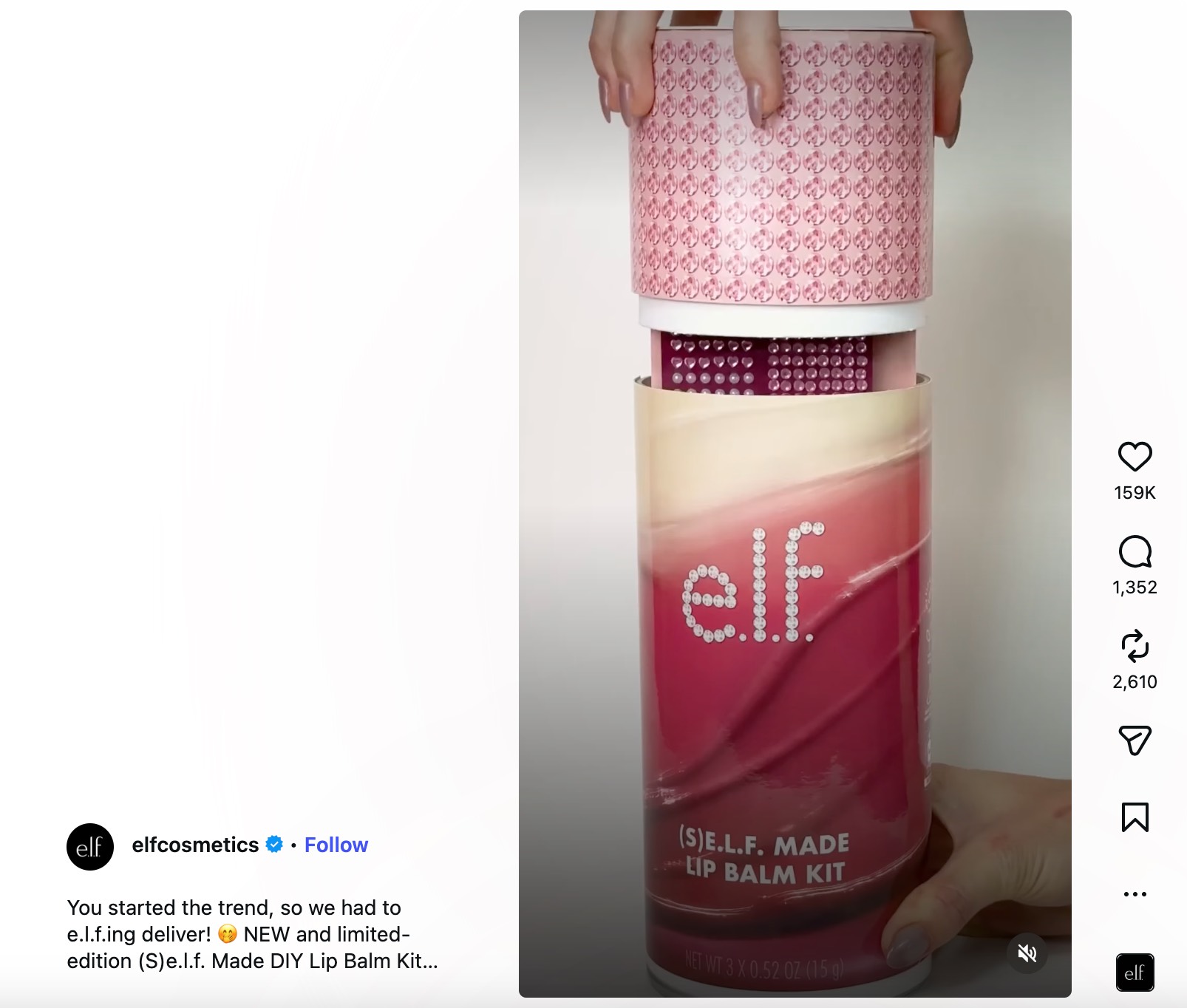
Brands that limit their observation to their own branded social channels suffer from a significant blind spot. Contemporary consumer discourse is occurring in decentralized environments, including Reddit threads, niche creator communities, and broad-category forums. Companies like e.l.f. Cosmetics have successfully demonstrated the utility of this strategy; by identifying a DIY lip-gloss trend in public social conversations, the brand was able to bypass traditional, slow-moving market research and develop a product that directly addressed a pre-existing consumer demand.
2. Integrating Feedback into Product Development
Public, unprompted feedback—often categorized as "product hacks" or "user requests"—represents one of the most underutilized assets in modern business. Oatly’s recent expansion into the matcha category serves as a case study for this methodology. By utilizing social listening to aggregate mentions of their existing product in matcha-based recipes across TikTok and X, the company was able to validate the market need for a dedicated product before the official launch, effectively shortening the gap between user innovation and commercial execution.
3. Prioritizing Public Accountability
Transparency is no longer optional; it is a retention tool. When a brand publicly acknowledges a service gap or product flaw and documents the steps taken to resolve it, it creates a "closed-loop" experience. The recent "There’s a New King and It’s You" campaign by Burger King illustrates this, as the brand utilized actual consumer social media commentary to frame its service improvements. This public acknowledgement provides followers with tangible evidence that the brand is listening, which, in turn, fosters a culture of mutual accountability.
4. Humanizing the Brand through Employee Advocacy
In an era where consumers are wary of corporate messaging, employee voices act as a vital filter for authenticity. Data from the 2026 Influencer Marketing Report shows that 40% of consumers discover new products through employee-generated content at least once a month. By empowering staff to share their perspectives, brands provide a "behind-the-curtain" look that is significantly more persuasive than polished, top-down advertisements.
Measuring the Impact: Beyond KPIs
The measurement of brand loyalty requires a dual-track approach: analyzing past behavioral patterns while simultaneously monitoring real-time sentiment. Historical data—such as retention rates and purchase frequency—provides the "what," while social sentiment analysis provides the "why."

A decline in repeat purchases may seem concerning in isolation, but when combined with social listening that reveals positive sentiment regarding a new, upcoming product launch, the context changes entirely. Conversely, stable sales paired with a surge in negative online discourse regarding customer service can act as an early warning system for future churn.
The Role of Transparency in AI Adoption
As organizations integrate generative AI into their marketing stacks, transparency has become a primary ethical and operational requirement. The 2026 Influencer Marketing Report indicates that 44% of consumers are uncomfortable with the use of AI-generated influencers, and 28% have expressed a strong desire for the mandatory labeling of AI-generated content. For brands aiming to build long-term loyalty, disclosing the use of AI is not merely a legal or ethical formality—it is a defensive measure to protect brand equity.
Conclusion: The Continuous Journey
Brand loyalty is no longer a destination achieved through a successful launch or a clever ad campaign; it is a continuous, fluid journey. In an environment where customer expectations evolve at the speed of a viral post, the companies that succeed are those that treat social intelligence as a core business function. By listening to the nuanced, unprompted conversations of their audience and acting upon them with transparency and speed, brands can transform their social presence from a communication channel into a robust engine for long-term customer retention. Ultimately, the future of loyalty belongs to those who view their customers not as targets to be converted, but as active participants in the ongoing development of the brand itself.
Related posts: