The Developer Ecosystem Shifts Toward Autonomous AI Agents and Native Tooling in July 2026

The software development and design landscape underwent a significant structural shift in July 2026, driven by a surge in autonomous AI agent optimization, specialized compiling engines, and native infrastructure management tools. As artificial intelligence transitions from conversational utility to active production deployment, developers are increasingly demanding tools that govern, visualize, and streamline agentic workflows. Concurrently, a parallel movement toward lightweight, self-hosted alternatives for enterprise services—ranging from identity management to social scheduling—gained substantial momentum. This comprehensive review examines the defining technological releases, architectural breakthroughs, and ecosystem implications that shaped the industry throughout July 2026.
The Rise of Agentic Governance and Code Generation Evaluation
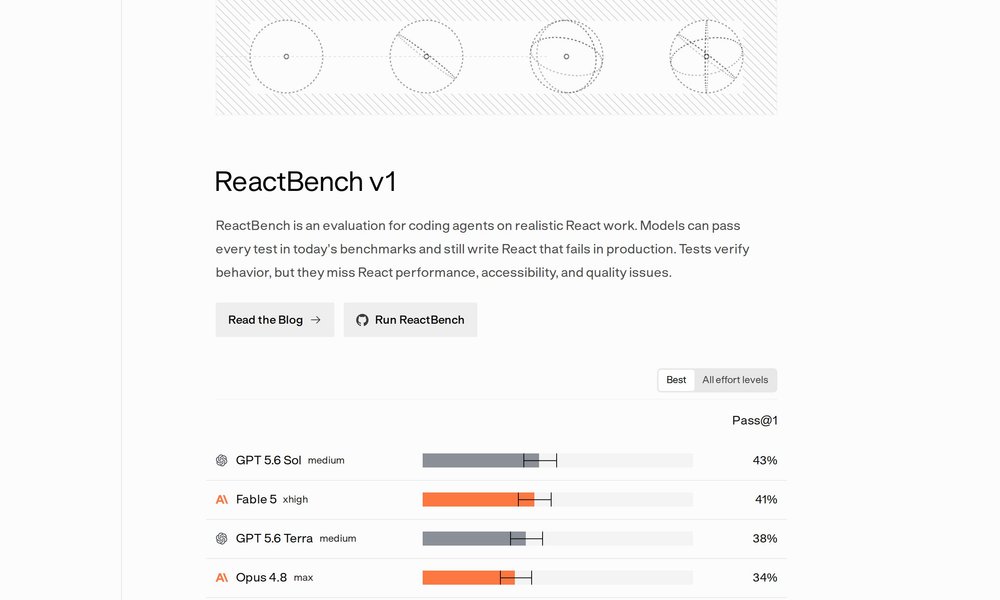
The proliferation of AI coding assistants has necessitated advanced evaluation frameworks to measure real-world performance rather than synthetic benchmarks. Released in July, ReactBench emerged as a critical evaluation engine designed to test coding agents on production-grade React environments, assessing metrics such as accessibility, visual fidelity, and component quality rather than isolated unit test pass rates. Industry analysts note that as enterprises integrate large language models into continuous integration and deployment pipelines, standardized testing for frontend generation prevents regression errors that standard unit tests typically miss.
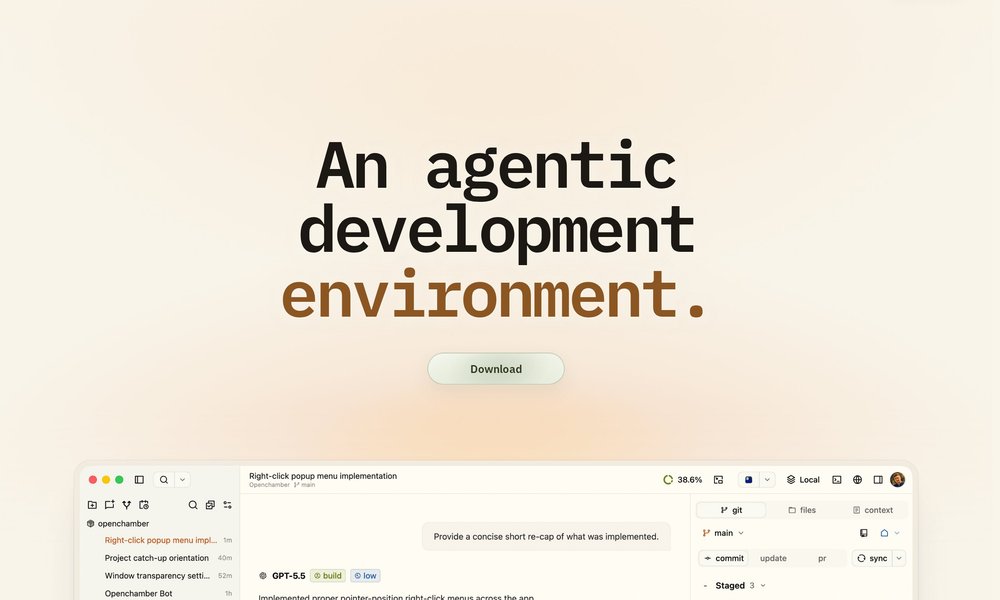
Complementing evaluation tools, workflow environments for multiple concurrent agents matured rapidly. OpenChamber introduced an agentic development environment supporting parallel multi-model runs via an integrated Agent Manager, bridging the gap between isolated prompt interfaces and cohesive project orchestration. For developers aiming to constrain agent behavior rather than expand it, the introduction of the ponytail ruleset provided a systemic counterweight. Benchmarks released alongside the ruleset demonstrated a 54% reduction in code verbosity for models like Claude Code without compromising structural safety, addressing a primary industry concern regarding the maintenance burden of AI-generated boilerplate code.
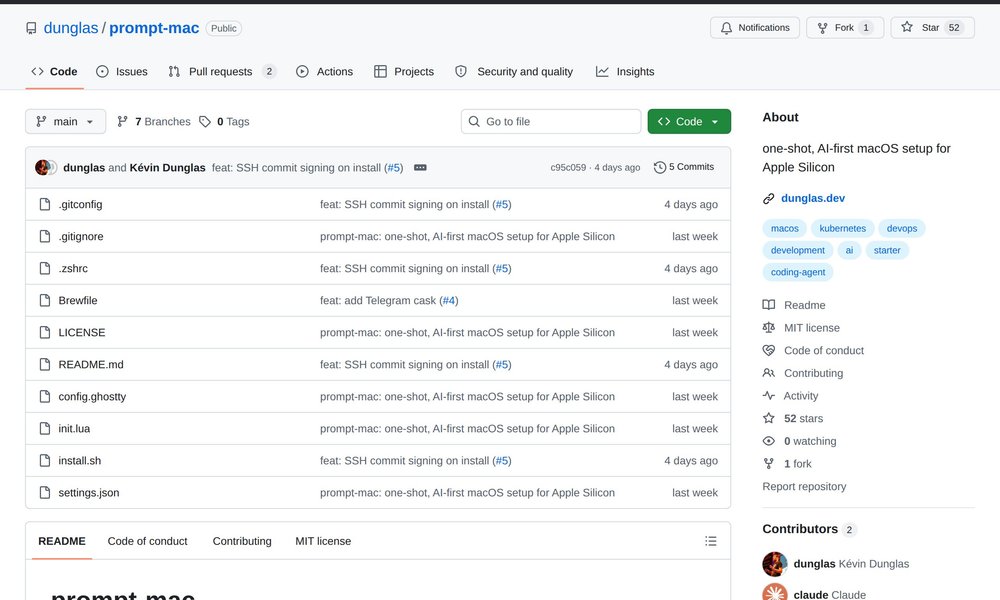
Furthermore, specialized workspace optimization tools such as prompt-mac streamlined developer onboarding by delivering one-shot, idempotent setup scripts tuned explicitly for agent-first development ecosystems. By automating the installation of command-line tools and editor configurations, these scripts reduce environment drift across engineering teams.
Architectural Visualization and Codebase Comprehension
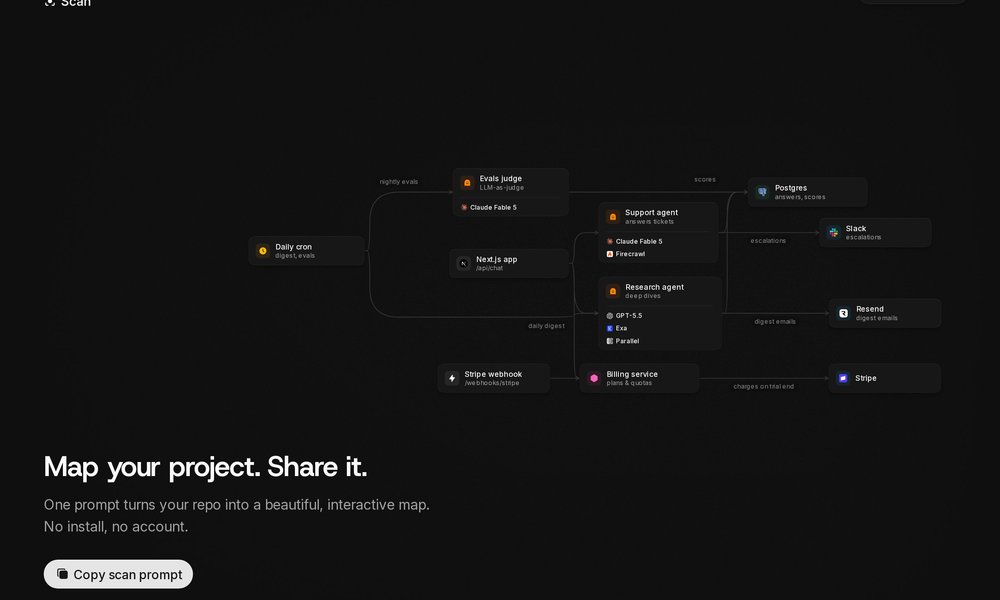
Navigating legacy repositories and unfamiliar codebases remains a persistent bottleneck in software engineering. Foglamp Scan addressed this challenge by introducing a zero-setup, prompt-driven codebase mapper. By leveraging existing coding agents, the system generates shareable architectural visualizations without requiring software installation or cloud account registrations.
For routine code reviews, Codiff offered a minimal, high-performance diff viewer that operates independently of primary code editors. By generating automated LLM walkthroughs of Git changes and enabling markdown exports, the utility accelerates asynchronous peer reviews across GitHub and GitLab environments, serving as a streamlined alternative to native web-based diff interfaces.
Modernizing Backend Infrastructure and Compilation
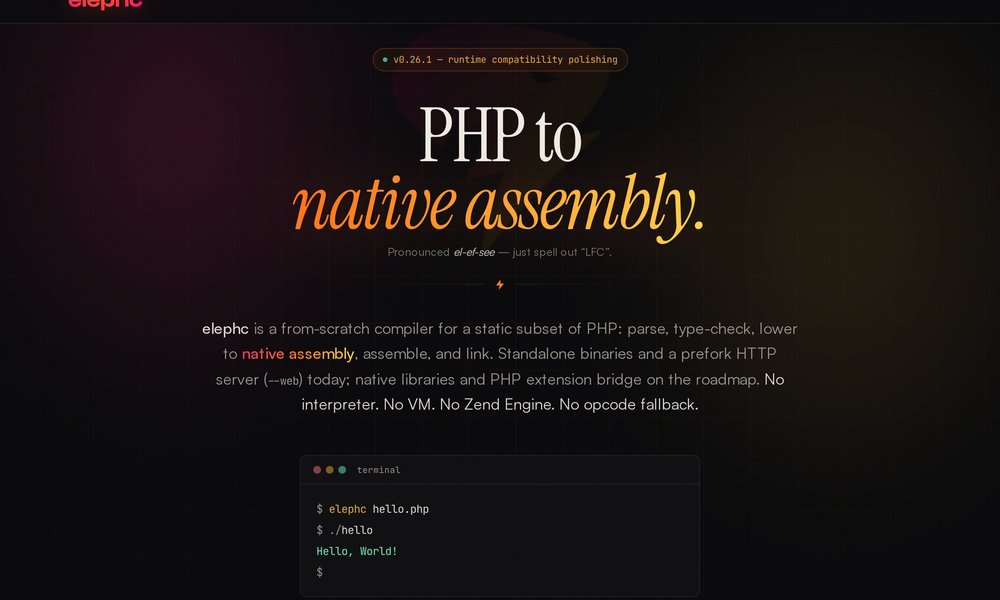
Backend and systems engineering saw profound disruptions, headlined by elephc, an experimental compiler designed to translate a static subset of PHP directly into native assembly. Operating entirely independently of virtual machines or the traditional Zend Engine, the compiler features over 400 built-in functions and yields standalone binary outputs complete with prefork HTTP servers. This development challenges traditional runtime dependencies, allowing developers to ship high-performance microservices with minimal binary footprints.
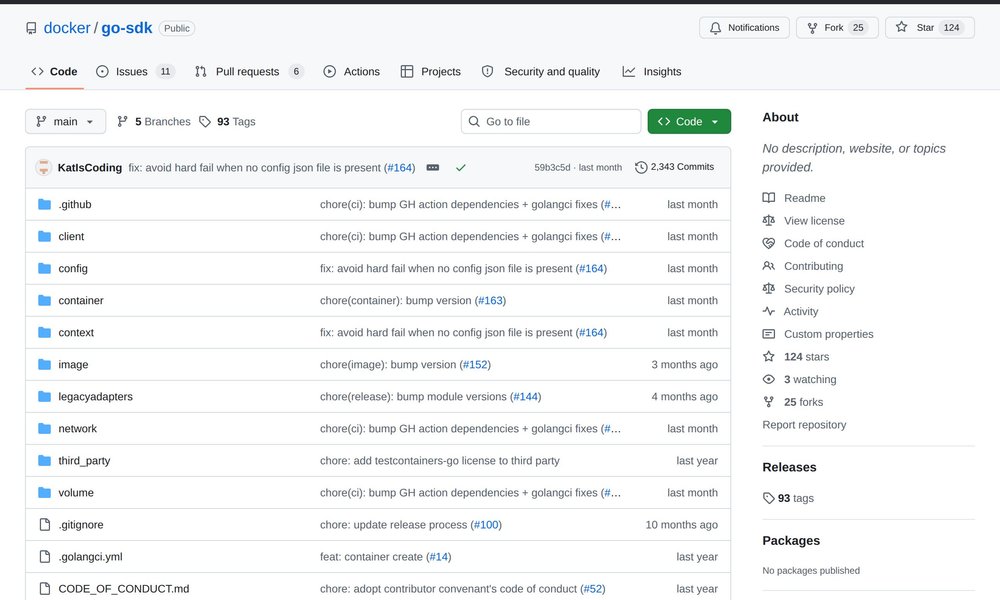
Concurrently, Docker expanded its programmatic interface with the official release of the Docker Go SDK. Designed as a higher-level client abstraction over the Moby architecture, the SDK simplifies container lifecycle management—including automated port allocation and integrated wait strategies—optimizing the codebase for automated integration testing and local development orchestration.
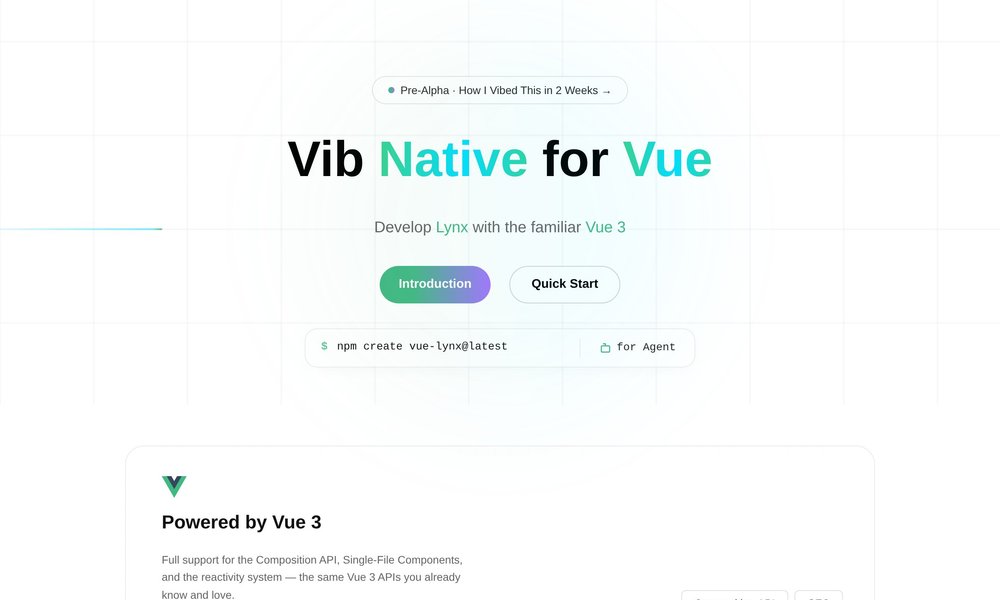
In the mobile development sector, Vue Lynx integrated the Vue 3 framework into ByteDance’s Lynx runtime. This integration enables developers to construct native mobile applications using familiar Composition APIs and Single-File Components while achieving dual-threaded native performance, expanding the cross-platform framework ecosystem beyond React Native and Flutter.
Self-Hosted Infrastructure, Identity, and Security
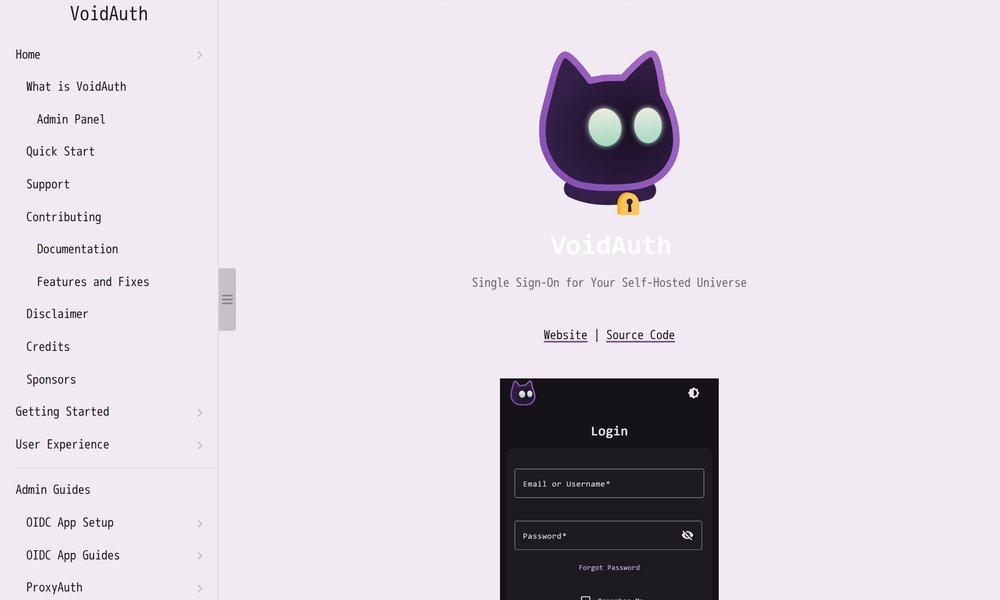
The movement toward sovereign infrastructure and data privacy accelerated sharply in July, with several enterprise-grade self-hosted utilities entering the market. VoidAuth launched as an open-source Single Sign-On (SSO) solution equipped with OpenID Connect, Lightweight Directory Access Protocol (LDAP), passkeys, and multi-factor authentication. Built on Postgres and SQLite with encryption-at-rest protocols, the platform addresses the administrative overhead associated with managing fragmented credentials across self-hosted server arrays.
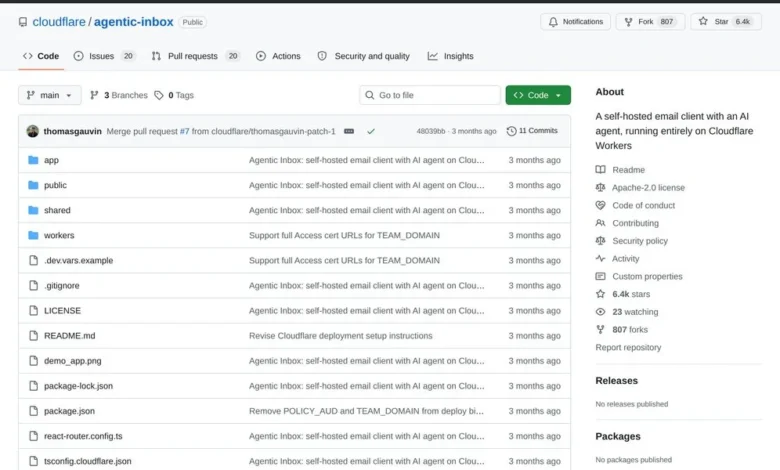
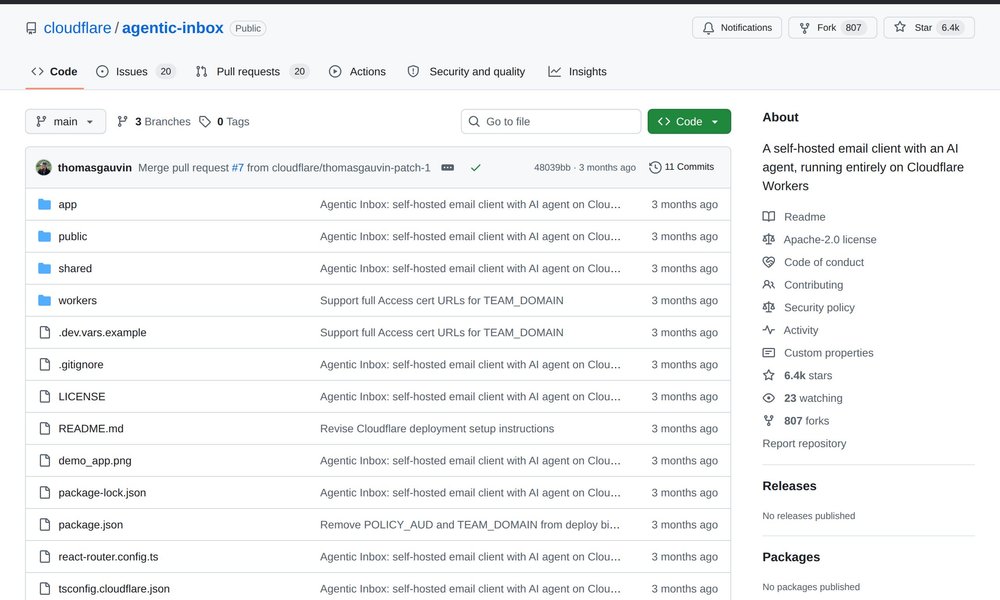
Similarly, Cloudflare introduced Agentic Inbox, a decentralized, self-hosted email management client executing entirely within Cloudflare Workers architecture. Utilizing individual Durable Objects with embedded SQLite databases for each mailbox alongside R2 storage for attachments, the system provides autonomous email filtering, search capabilities, and response drafting without necessitating the configuration of a traditional mail transfer agent.
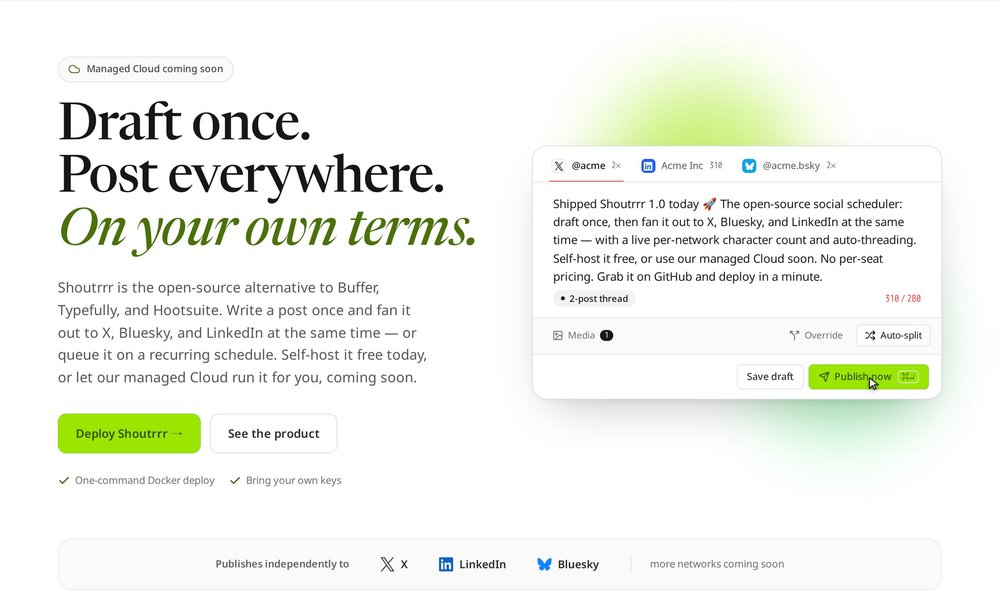
Social media management also saw a decentralized shift via Shoutrrr, an open-source cross-platform scheduling utility. Allowing editorial teams to draft content once and distribute it across X, Bluesky, and LinkedIn through encrypted credential vaults, the platform provides an open alternative to commercial SaaS aggregators.
Desktop Productivity and Database Management
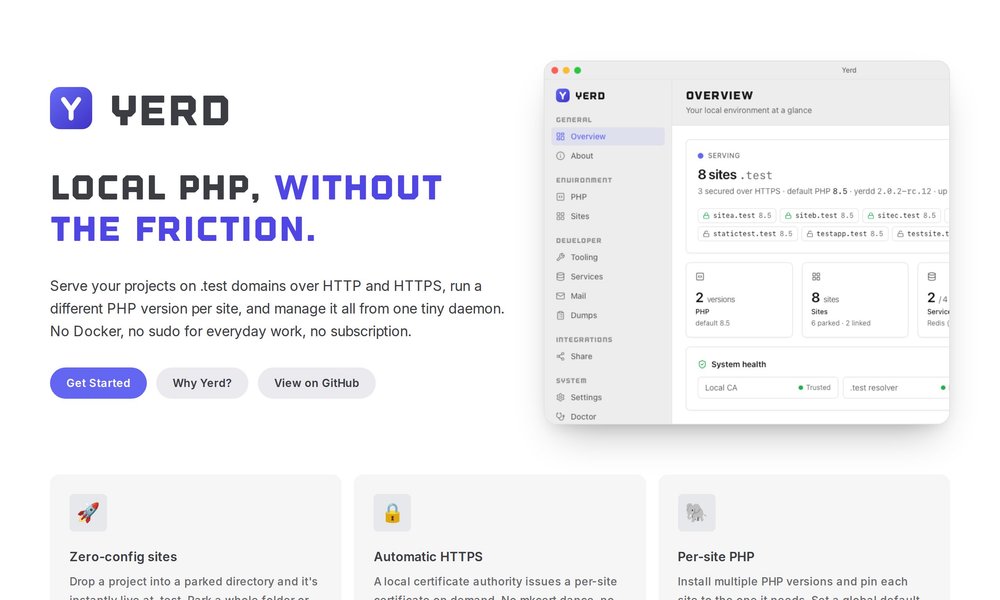
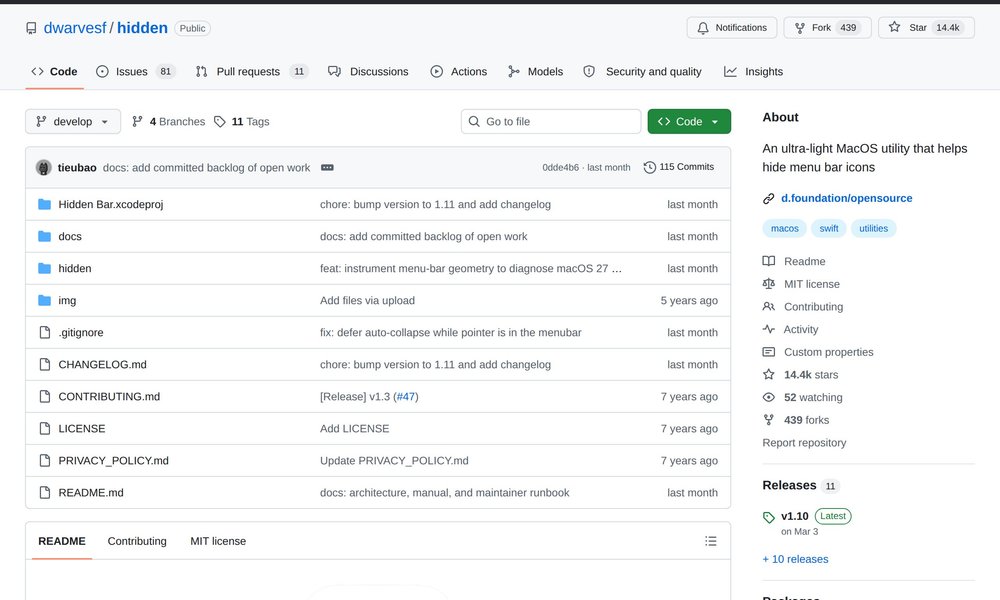
Operating system environments, particularly macOS and Linux, received vital utility enhancements aimed at reducing friction in daily development cycles. Yerd established itself as a high-performance local PHP stack manager, supporting multiple PHP versions, automated HTTPS local domains, and multi-database integration without utilizing resource-heavy containerization layers or Electron frameworks.
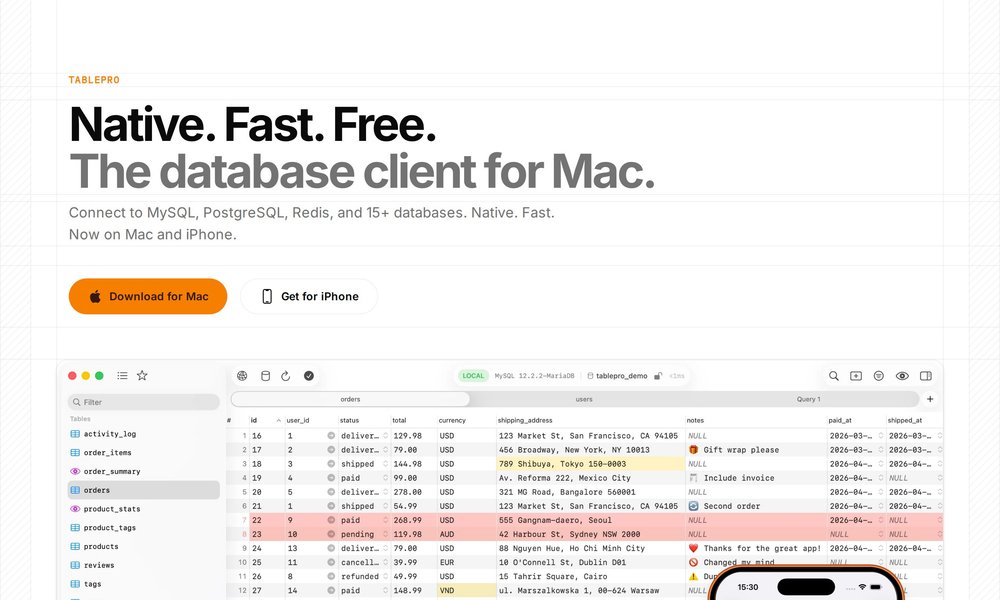
In the database administration space, TablePro emerged as a native cross-platform client for macOS and iOS, supporting more than 21 database engines—including PostgreSQL, MySQL, Redis, and MongoDB. Integrating an AI assistant, Entity-Relationship (ER) diagram generation, and secure iCloud synchronization, the client caters to polyglot persistence engineering teams.
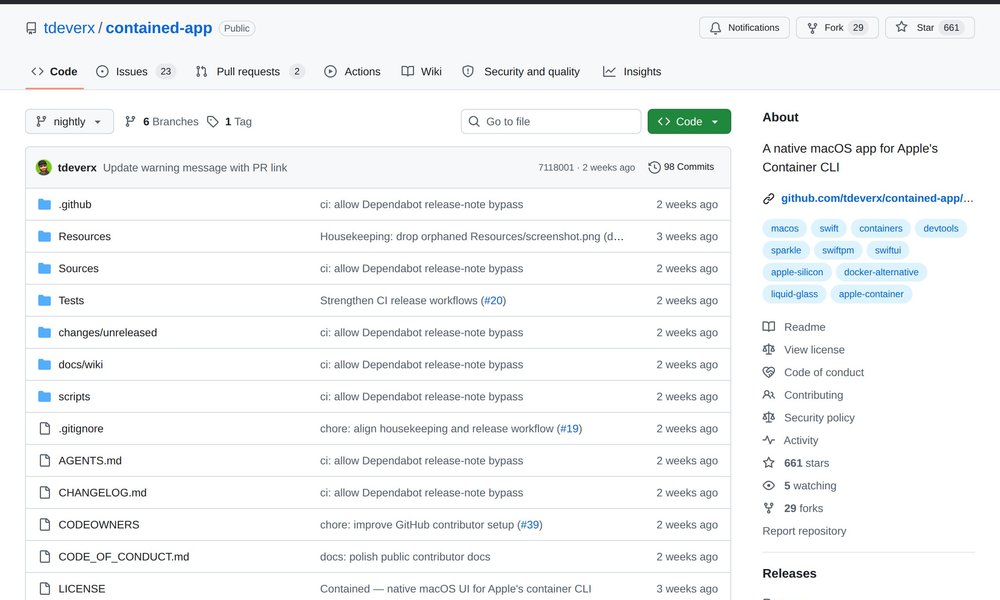
Containerization workflows on Apple Silicon received a native GUI adaptation via Contained, a SwiftUI interface designed for Apple’s native Container CLI. By providing visual management for container images, volumes, and networks with a minimal system footprint, the utility bridges low-level container management with modern macOS human interface guidelines.
Broader Implications and Industry Outlook
The cumulative releases of July 2026 underscore an industry-wide pivot toward efficiency, autonomy, and local control. As artificial intelligence matures from an experimental novelty into an operational standard, the developer tooling ecosystem is splitting into two distinct paradigms: autonomous systems designed to generate and evaluate code at scale, and robust infrastructure tools designed to secure, compile, and manage the resulting software securely.
Industry analysts project that the adoption of native compilers like elephc and autonomous reduction protocols like ponytail will heavily influence enterprise architecture decisions throughout the remainder of the decade. By lowering runtime overhead and containing the expansion of AI-generated codebases, organizations are positioning themselves to maintain cleaner, more sustainable software portfolios amidst rapid technological acceleration.