Meta Year in Review 2022: A Comprehensive Retrospective of Platform Updates, Strategic Shifts, and Advertising Evolution

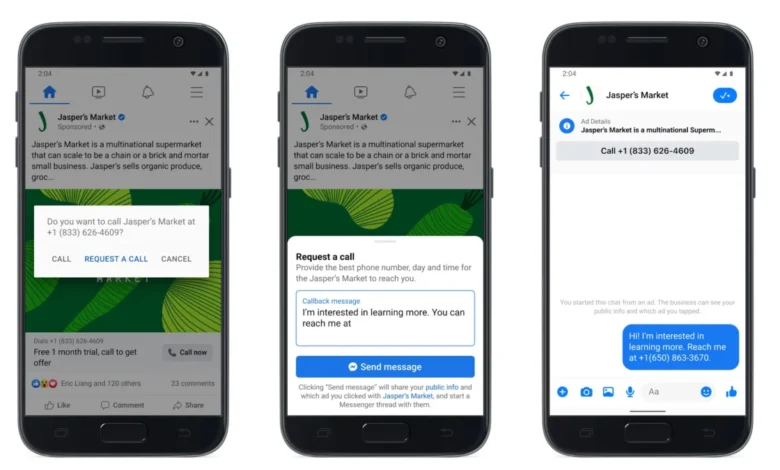
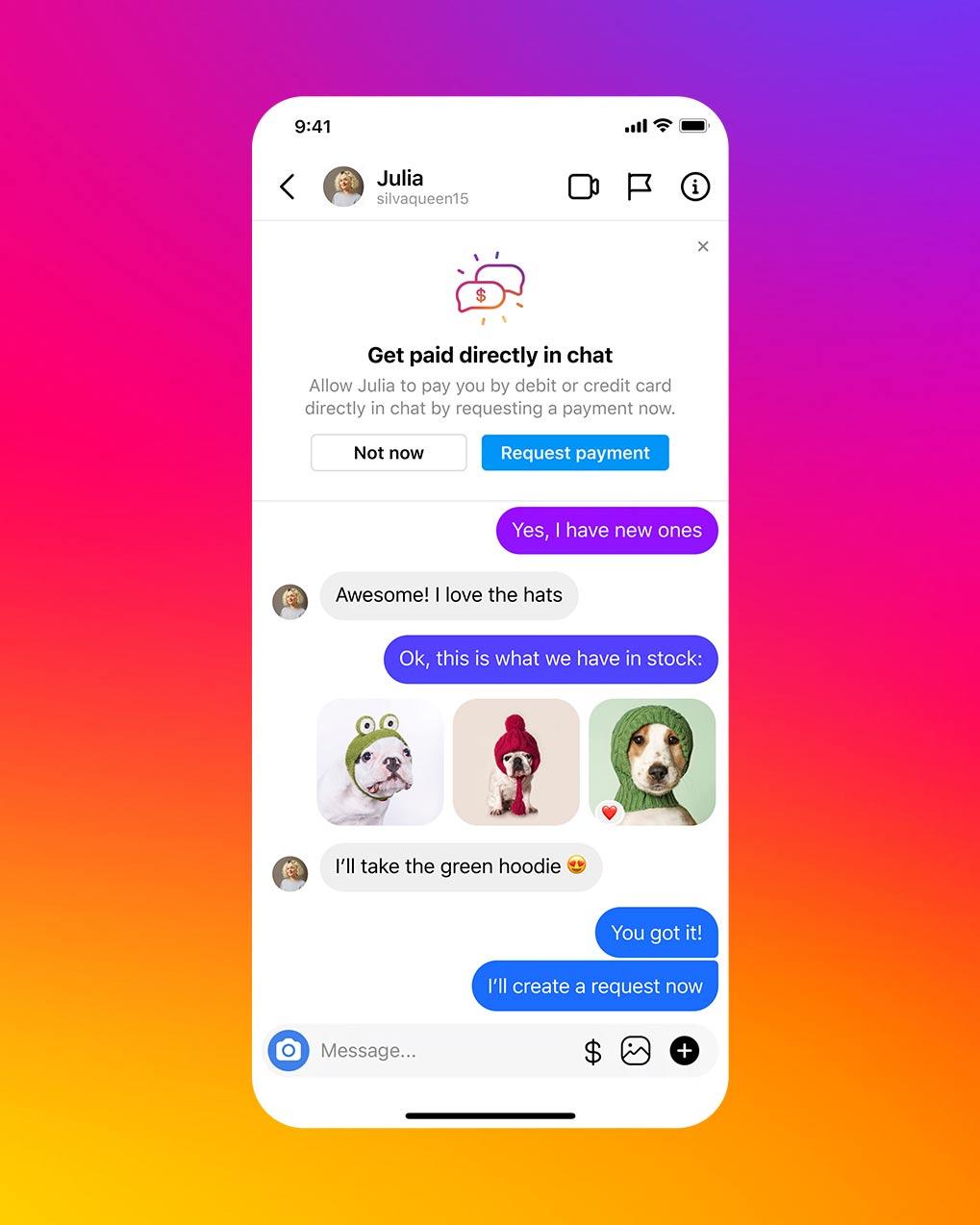
The final quarter of 2022 served as a fittingly intensive conclusion to a transformative year for Meta, characterized by a rapid succession of product deployments, interface overhauls, and strengthened brand safety measures. Throughout the final months of the year, the social media conglomerate pushed out new Reels and Groups functionalities, updated advertising interfaces, and crucial brand safety accreditations. These developments collectively set the stage for a 2023 defined by deeper machine learning integration, heightened automation, and a unified operational experience across Meta’s extensive ecosystem of platforms.
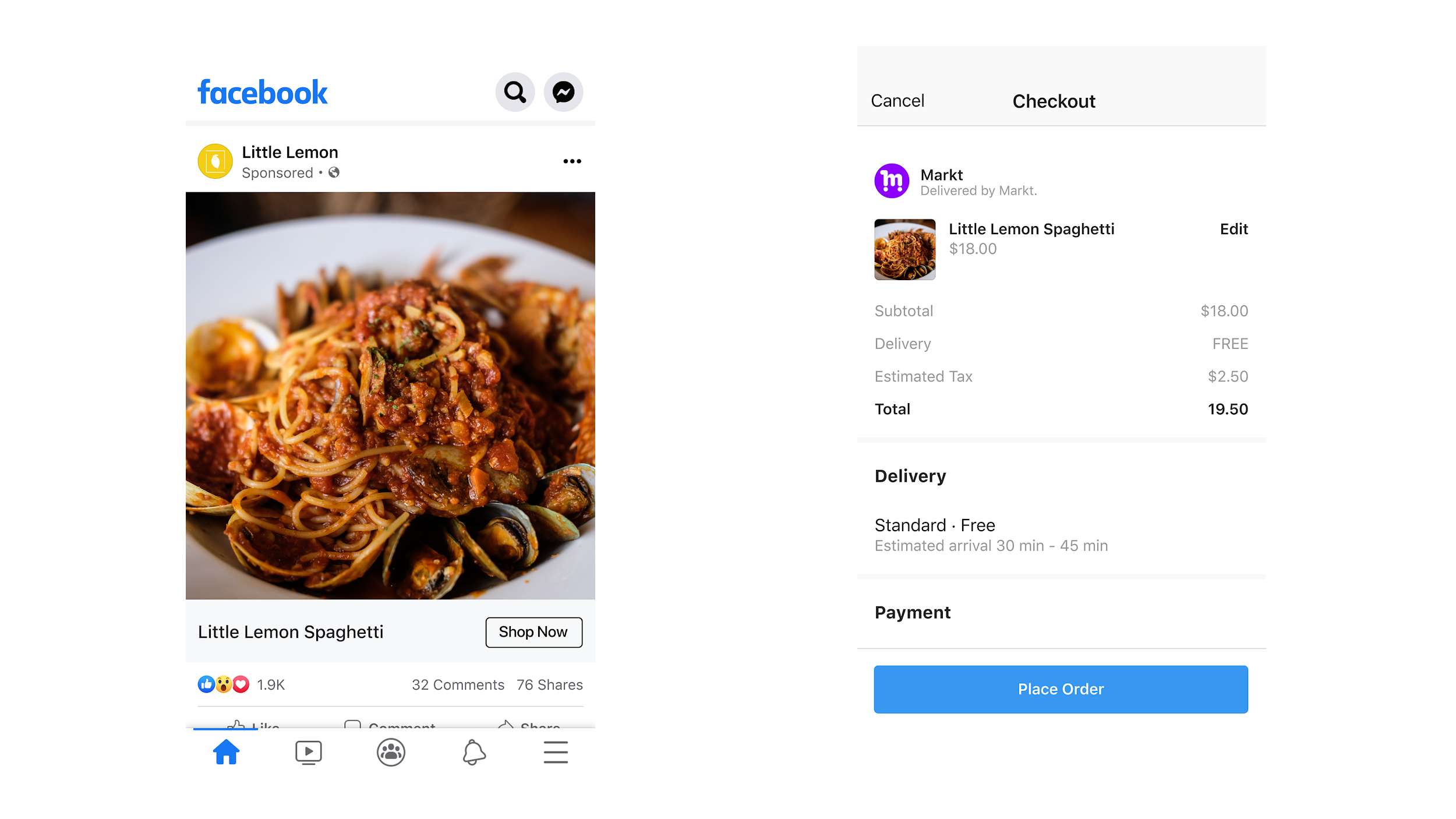
For digital marketers, media buyers, and content creators, navigating the platform landscape over the preceding twelve months often felt like aiming at a moving target. However, as the industry transitioned into 2023, the overarching strategic direction became clear: Meta is prioritizing algorithmic efficiency, immersive short-form video, robust community infrastructure, and enhanced commerce capabilities.
The Strategic Shift Toward Short-Form Video and Native Scheduling
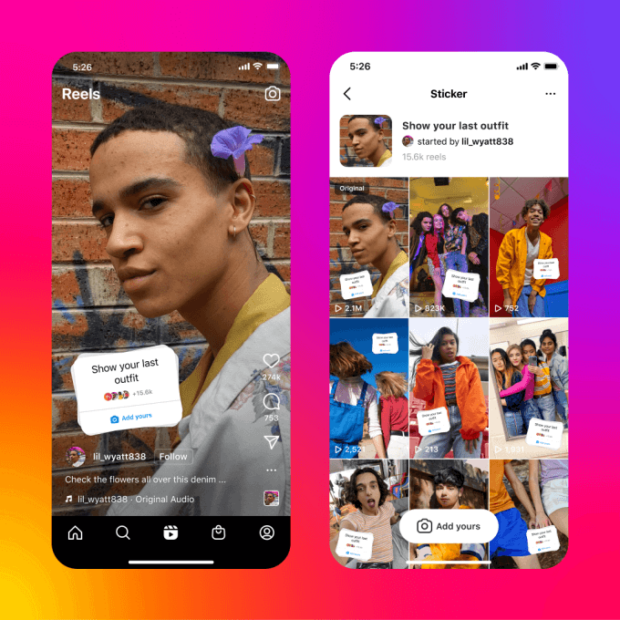
Throughout 2022, Instagram and Facebook cemented short-form video as their primary growth engines. Modelled after the explosive trajectory of Instagram Stories in previous years, Reels transformed from an experimental feature into the foundational driver of user engagement, traffic acquisition, and ad revenue. Recognizing the operational friction inherent in third-party publishing tools, Instagram introduced native content scheduling directly within its mobile application.
This update allowed Business and Creator accounts to schedule photos, carousel posts, and Reels up to 75 days in advance without relying on desktop dashboards or external management tools. By simply navigating to advanced settings on the final publication screen, users gained the ability to coordinate complex campaigns natively. Although certain interactive features—such as product tagging, cross-posting to Facebook, and direct post boosting—remained restricted to live publishing, the introduction of native scheduling represented a significant concession to creator workflows.
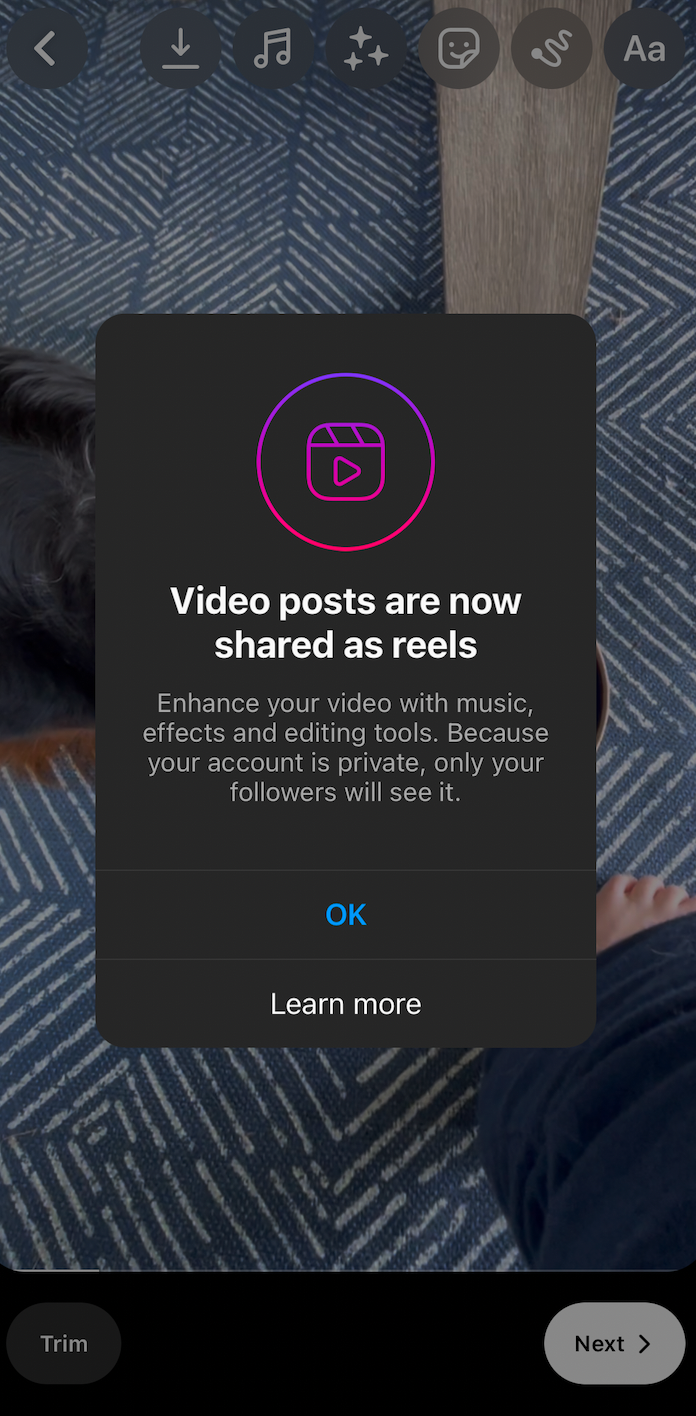
Simultaneously, Instagram expanded its in-feed capabilities by allowing users to attach up to 90 seconds of licensed music directly to static photo posts. This integration aimed to capture user attention and increase dwell time on traditional photo content, bridging the gap between static imagery and dynamic video formats. Furthermore, Meta merged standard video posts under 15 minutes into the Reels format, granting all video content access to immersive full-screen dimensions and advanced in-app editing suites.
Advertising Evolution: The Rise of Advantage+ and Automation
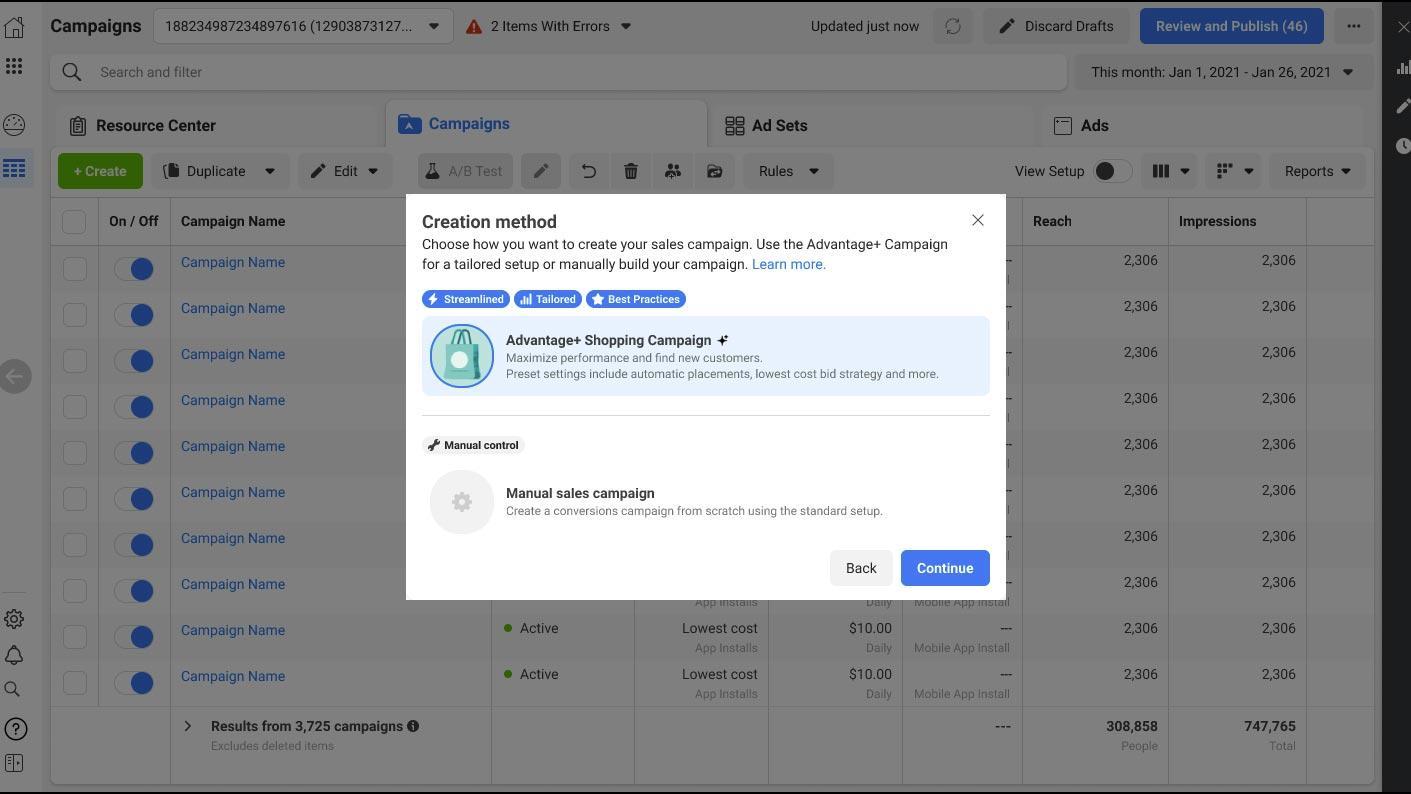
Meta’s advertising architecture underwent a profound structural consolidation in 2022 with the formal rollout and aggressive promotion of the Meta Advantage suite. Designed to synthesize various automated ad products into a singular, cohesive framework, Advantage+ leveraged advanced machine learning to streamline campaign creation and maximize return on ad spend (ROAS).
Central to this suite was the introduction of Advantage+ Shopping campaigns, which automated the labor-intensive ad creation process. By utilizing machine learning algorithms capable of generating and split-testing up to 150 creative variations simultaneously, advertisers reported significant performance gains. Internal data released by Meta indicated that Advantage+ Shopping campaigns yielded a 12 percent lower cost-per-purchase conversion compared to standard ad configurations during extensive A/B testing phases.

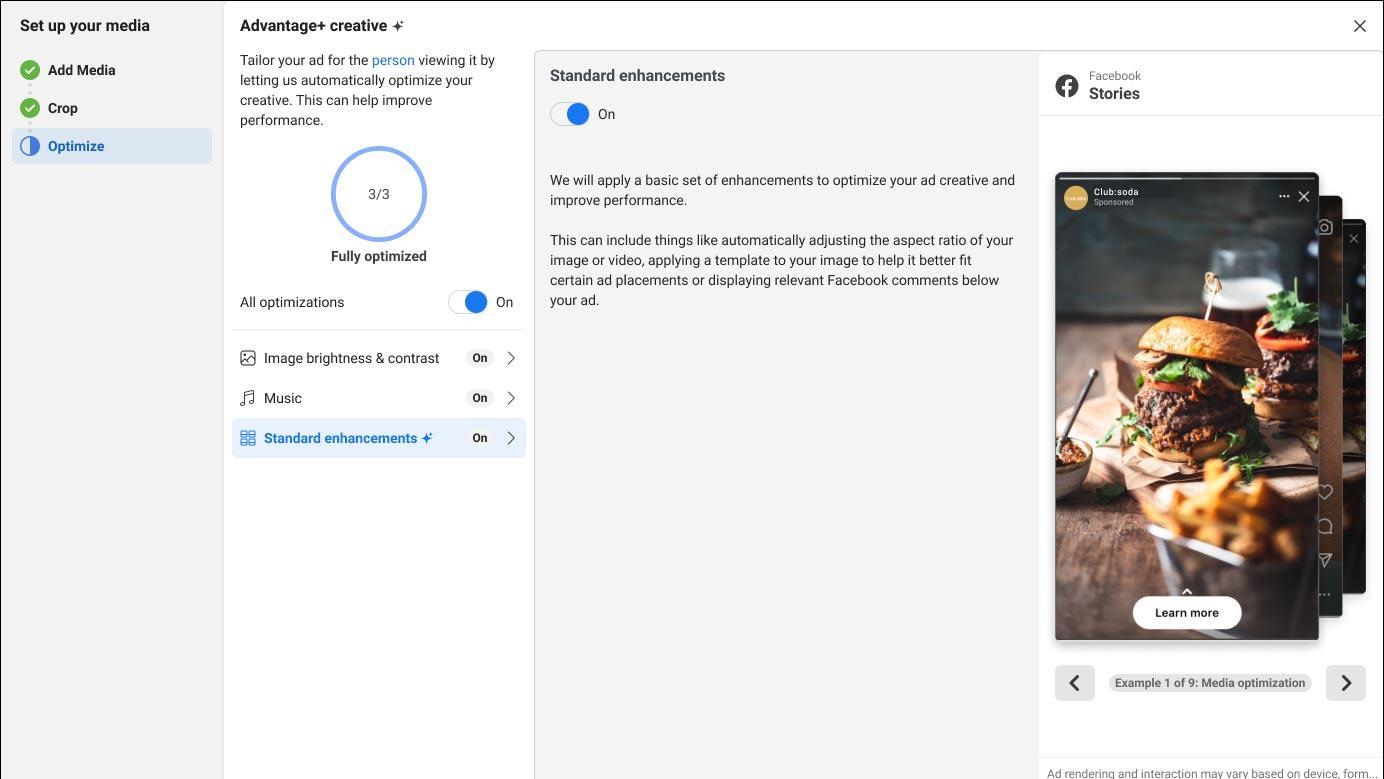
Concurrently, the platform expanded its automation toolkit to include Advantage+ creative, which dynamically adjusts ad elements for individual viewers based on predicted responsiveness, and Advantage audience, which constructs and continuously refines dynamic target segments. These tools arrived during a critical juncture for digital advertisers, who were actively navigating the persistent attribution and tracking challenges brought on by Apple’s AppTracking Transparency (ATT) framework introduced with iOS 14.5.
Enhancing Brand Safety and Intellectual Property Protection
As digital ecosystems face increased regulatory scrutiny and brand sensitivity, Meta pursued major milestones in content governance and intellectual property (IP) protection. In November 2022, Meta achieved a critical industry milestone when the Media Rating Council (MRC) granted accreditation for content-level Brand Safety on Facebook. Independent auditors conducted exhaustive reviews of the platform’s Partner Monetization Policies, Content Monetization Policies, and associated brand safety controls across Instant Articles and In-Stream video formats on desktop and mobile applications.

To complement these platform-level safety measures, Meta addressed the escalating commercial challenges of digital content piracy by launching a new IP Reporting API. Designed to seamlessly integrate with the Graph API, the tool empowered copyright holders and original creators to report intellectual property violations, counterfeit products, trademark infringements, and unauthorized impersonations across both Facebook and Instagram. This infrastructure was further fortified through upgrades to the Brand Rights Protection dashboard, granting businesses enhanced visibility and expedited removal request mechanisms.
Community Building and the Monetization of Facebook Groups
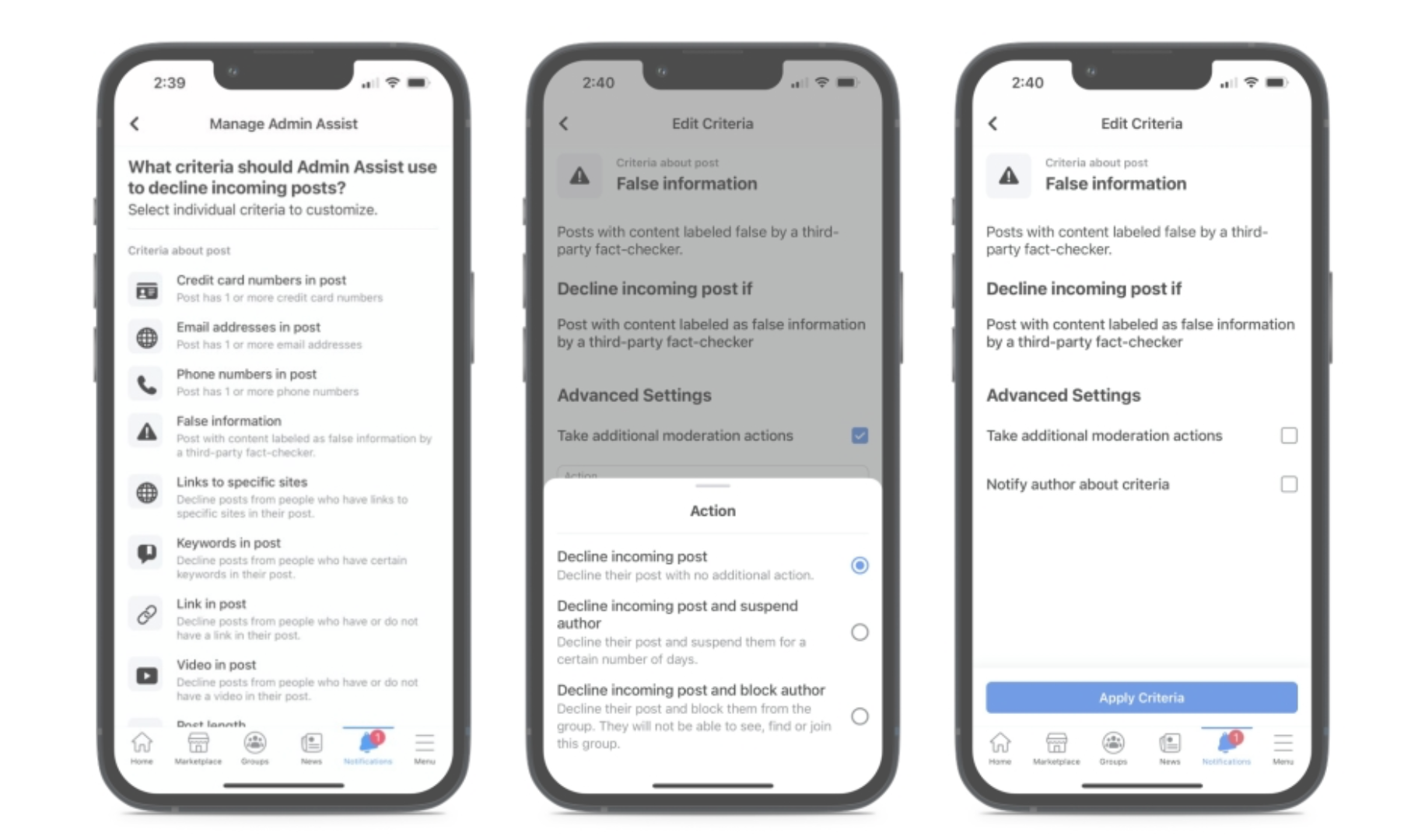
Facebook Groups emerged as a cornerstone of Meta’s engagement strategy, serving as high-retention environments for niche networking and community formation. Recognizing the administrative burden placed on group moderators, Meta deployed advanced moderation and management tools throughout 2022. Features such as automated member screening, keyword blocking, and customized Admin Assist rules gave administrators granular control over community discourse.
Crucially, Meta began expanding monetization avenues for group administrators and creators. Subscription-based groups, paired with the rollout of brand collaboration tools within public groups via the Brand Collabs Manager, provided administrators with viable revenue streams. By aligning community engagement with commercial potential, Meta successfully incentivized active moderation, ensuring that Facebook Groups remained vibrant, high-traffic destinations insulated from the general decline of organic reach on traditional newsfeeds.
Financial Commitments and the Horizon Worlds Metaverse Strategy
Despite macroeconomic headwinds and widespread market skepticism, Meta CEO Mark Zuckerberg maintained an aggressive capital expenditure strategy regarding the metaverse. Having funneled more than $36 billion into Reality Labs and associated virtual and augmented reality infrastructure, Meta continued to lay the groundwork for spatial computing.
The expansion of creator monetization programs within Horizon Worlds—including the introduction of in-world virtual item sales and commercial transaction capabilities—signaled Meta’s long-term vision to bridge physical and digital realities. Although consumer adoption of commercial VR hardware remained a gradual process throughout 2022, Meta’s sustained investments underscored its corporate pivot from a social media holding company to a foundational metaverse architect.
Conclusion: Setting the Trajectory for Digital Marketing
The cumulative updates of late 2022 painted a clear picture of Meta’s operational philosophy. By centralizing management through the Facebook Business Suite, automating campaign optimization via Advantage+, expanding short-form video monetization, and securing rigorous brand safety accreditations, Meta successfully positioned its ecosystem to withstand modern privacy regulations and shifting consumer behaviors. As marketers and advertisers adapted to these automated, streamlined experiences, the foundational infrastructure established in 2022 laid a resilient groundwork for digital commerce and community engagement in the years ahead.