Seth Rogen Steps Into Sephora as a Clueless Shopper for the Beauty Giant’s New Holiday Campaign

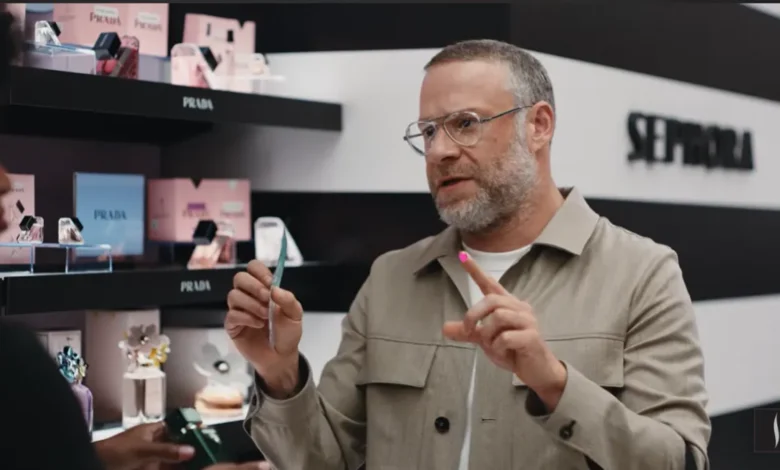
The holiday retail season officially kicked off with a heavy dose of comedy as beauty retail titan Sephora unveiled its latest high-profile campaign. Departing from its traditional strategy of targeting beauty enthusiasts and industry insiders, the LVMH-owned corporation turned its focus toward an underserved demographic: the hopelessly confused holiday gift-giver. Fronted by acclaimed actor, writer, and producer Seth Rogen, the campaign tackles the intimidating landscape of cosmetics, skincare, and beauty tech with self-deprecating humor and approachable charm.
Created by agency Gut New York and directed by filmmaker Jason Woliner, the campaign anchors Sephora’s strategy around consumers who want to buy thoughtful presents for loved ones but lack the lexicon to navigate complex product aisles. By casting Rogen—best known for his comedic timing and relatable, everyman persona—Sephora aims to demystify holiday shopping, spotlight in-store customer support, and drive traffic to both its brick-and-mortar storefronts and digital platforms.
Strategic Pivot: Targeting the Uninitiated Gift-Giver
For years, beauty marketing has targeted consumers deeply embedded in trends, leveraging complex terminology like active ingredients, chemical exfoliants, and multi-step routines. However, market research consistently demonstrates that a significant portion of holiday revenue comes from buyers who do not regularly purchase cosmetics or skincare. These shoppers often feel alienated or overwhelmed by the vast array of choices, ranging from high-end fragrances to specialized skincare appliances.
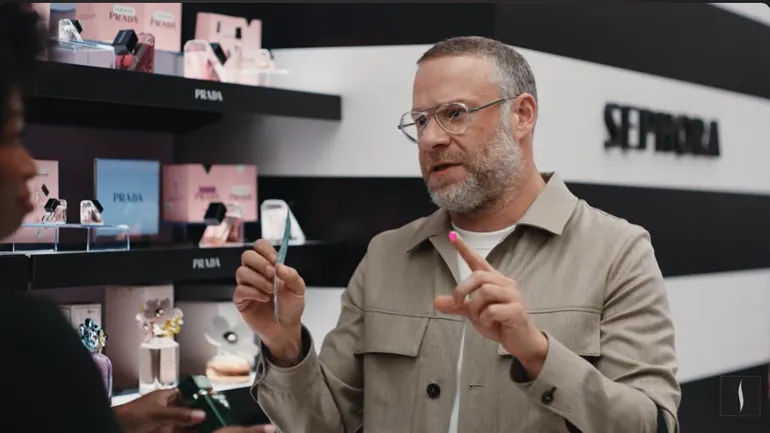
Sephora’s new holiday initiative recognizes this friction point. Instead of preaching to the choir of beauty aficionados, the brand chose to validate the anxieties of the clueless shopper. Rogen’s character enters a Sephora store looking genuinely out of place, instantly needing the guidance of a knowledgeable store associate named Charlotte. Throughout the spots, Rogen humorously misinterprets standard beauty items—mistaking pimple patches for casual "face stickers" and expressing bewilderment over the proper application of setting sprays.
Rather than alienating consumers with sophisticated jargon, the campaign highlights accessible solutions. Charlotte guides Rogen through the labyrinth of shelves, helping him select items that will genuinely resonate with his recipients. Among the curated products featured in the campaign are matching red light LED therapy masks, which Rogen’s character amusingly wears alongside his mother in one of the promotional vignettes.
Campaign Mechanics: From "Sethphora" Stunts to Curated App Lists
The rollout of the campaign relied on a mix of experiential marketing, physical brand alterations, and digital integration. Anticipation began building weeks prior when a real-world Sephora location in Los Angeles—where Rogen is based—underwent an overnight transformation, temporarily rebranding its storefront facade as "Sethphora." Social media teasers featuring the altered facade quickly went viral, setting the stage for the official global release of the 30- and 60-second commercials titled "We All Sephora."
The campaign extends far beyond traditional television and digital ad spots. Sephora has integrated Rogen directly into its digital ecosystem by featuring an exclusive, actor-curated product list available via the Sephora app and official website. This integration serves a dual purpose: it entertains the consumer through celebrity association while providing a direct, frictionless path to purchase for gift-givers who want to replicate Rogen’s curated selections.

Industry analysts have noted that this approach mirrors a broader shift in retail marketing toward problem-solving content. Major competitors have similarly leaned into conceptual, service-oriented themes for the holiday season. For instance, Target launched a high-concept seasonal campaign structured around a fictional academy designed to train consumers in the art of thoughtful, value-friendly holiday giving. Sephora’s strategy, however, relies heavily on celebrity comedic talent to disarm the consumer and humanize the retail environment.
Celebrity Partnerships as a Holiday Staple
This campaign marks the continuation of Sephora’s high-stakes holiday playbook, which frequently leans on iconic cultural figures to capture public attention during the crucial fourth-quarter retail surge. The formula has proven successful for the brand in previous years.
In the previous holiday cycle, Sephora partnered with pop icon Mariah Carey for a high-profile campaign that played on the inescapable cultural ubiquity of her timeless holiday anthem, "All I Want for Christmas Is You." That campaign featured comedian Billy Eichner as a disgruntled elf tasked with subverting seasonal cheer, creating a humorous contrast that resonated strongly with consumers and drove massive engagement across social platforms.
By enlisting Seth Rogen this year, Sephora continues its tradition of subverting expectations through comedy. Rogen is currently enjoying a strong wave of positive professional momentum. He is garnering critical attention and awards buzz for his role in "The Invite," an A24 comedy co-starring director Olivia Wilde. Simultaneously, he is building anticipation for the sophomore season of "The Studio," an acclaimed Hollywood satire that he co-created, produces, and stars in. This active cultural footprint makes Rogen a timely and culturally relevant partner for a major retail push.

Financial Health and Strong Market Performance
Sephora’s aggressive holiday marketing investment arrives against the backdrop of robust financial health. Parent company LVMH published its third-quarter earnings report earlier in the month, revealing sustained, positive growth across nearly all global markets for the beauty retailer.
Within LVMH’s corporate structure, Sephora operates under the selective retailing business segment. According to the company’s financial disclosures, selective retailing achieved an organic revenue increase of 6% during the first nine months of the year. This steady expansion demonstrates that despite broader economic uncertainties and shifting consumer spending habits, demand for prestige beauty, skincare, and fragrance remains resilient.
Executives attribute this ongoing success not only to strong product demand but also to the brand’s continuous innovation in customer experience—both digital and physical. By emphasizing the value of in-store beauty advisers through the Rogen campaign, Sephora is reinforcing the strategic importance of its brick-and-mortar footprint. While e-commerce continues to scale rapidly, physical retail spaces remain crucial destinations for consumers seeking personalized guidance, particularly during high-stress shopping periods like the winter holidays.
Broader Industry Implications and Retail Trends
The launch of the "We All Sephora" campaign underscores several key trends shaping the modern retail landscape:
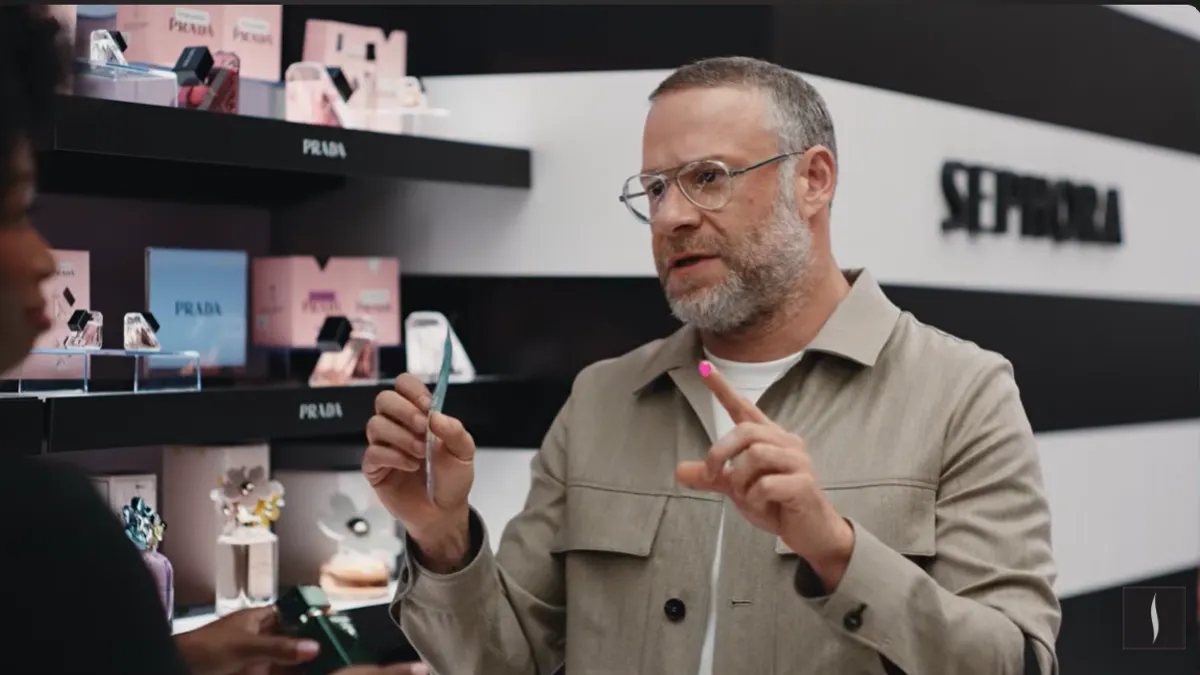
- The Human Element in Retail: As artificial intelligence and automated recommendations become standard across e-commerce platforms, physical retailers are increasingly leaning into human expertise as a primary differentiator. By highlighting the patience and knowledge of store advisers like Charlotte, Sephora emphasizes the irreplaceable value of human customer service.
- Humor Over Aspiration: While luxury beauty advertising has traditionally relied on hyper-aspirational, flawless imagery, contemporary audiences—particularly younger demographics—respond more favorably to authenticity, self-awareness, and humor. Rogen’s portrayal of a bewildered, well-meaning shopper humanizes the luxury retail experience, making the brand feel more accessible.
- Omnichannel Synergy: The campaign successfully bridges physical stunts (such as the Los Angeles storefront transformation) with digital tools (the app-based curated product lists) and traditional broadcast media. This holistic approach ensures that consumers touched by the humor of the ad can immediately translate that engagement into commercial action, regardless of whether they prefer shopping online or in-store.
As the retail sector enters the peak weeks of the holiday shopping season, campaigns like Sephora’s will serve as a bellwether for consumer sentiment. By successfully transforming the anxiety of gift-giving into a shared comedic experience, Sephora has positioned itself not merely as a merchant of luxury goods, but as an empathetic ally to the everyday consumer navigating the complexities of holiday generosity.
Related posts: