The 11 Best Social Media Analytics Tools Compared: Best Use Case, Pricing, Free Tier, and Supported Platforms (2026)

Navigating the complex landscape of modern digital marketing often begins and ends with data. When content creators and enterprise marketing teams first commit to a consistent publishing schedule across multiple social networks, the disparity in performance between posts can often seem inexplicable. A piece of content that feels expertly crafted might completely underperform, while a seemingly spontaneous post can achieve viral reach. The underlying variable behind these unpredictable outcomes is social media analytics—the precise tracking of performance metrics that demystify audience behavior.
Understanding the mechanics of social media analytics requires looking beyond simple vanity metrics like aggregate likes. Modern analytics encompass comprehensive data streams, including reach, impressions, engagement rates, click-through rates, and sustained follower growth. By closely monitoring these data points, digital strategists can determine not merely the quantitative success of a post, but the qualitative reasons behind its performance. This analytical approach informs future publishing schedules, content formatting, and resource allocation.

The Evolution and Challenge of Native Dashboards
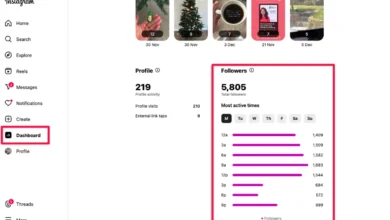
Historically, social media managers relied entirely on the native insights provided by individual platforms. While major networks offer built-in analytics dashboards, relying exclusively on these native environments introduces significant operational bottlenecks. Platform-specific dashboards often harbor frustrating limitations. For example, legacy constraints on platforms like LinkedIn frequently omit precise timestamps on archival posts, making it difficult to accurately calculate optimal publishing windows. Furthermore, native tools rarely provide a unified view of organic and paid performance side by side, forcing marketers to toggle constantly between disparate dashboards.
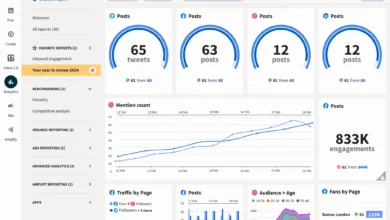
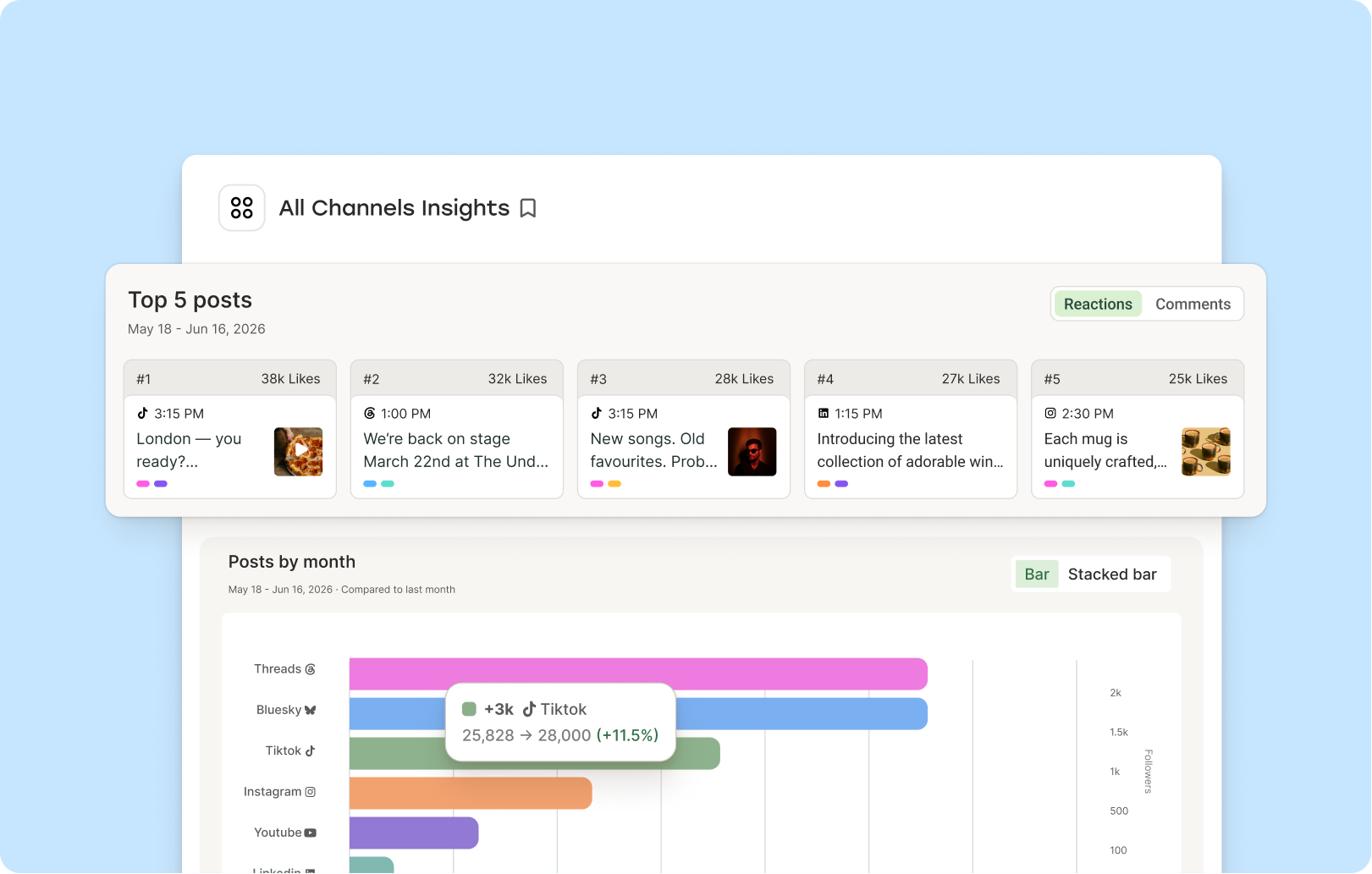
For organizations executing multi-channel campaigns, manually harvesting and aggregating data from half a dozen distinct native interfaces consumes valuable labor hours. This administrative friction has catalyzed the explosive growth of third-party social media analytics software. These platforms aggregate disparate data streams into unified dashboards, allowing marketers to evaluate collective campaign performance under a single tab and transition their focus from manual data collection to strategic optimization.
Analytics Versus Reporting: Defining the Workflow
A common point of confusion within marketing departments is the distinction between analytics and reporting. Although frequently used interchangeably, these terms represent distinct phases of a continuous data workflow.
Analytics refers to the collection, measurement, and examination of raw data. It answers fundamental operational questions: What happened during this campaign, and why did it happen? Conversely, reporting takes the synthesized findings of that analysis and formats them into structured, digestible presentations designed for stakeholders, clients, or executive leadership.
The most effective software solutions bridge this gap by automating both functions. They ingest raw data, perform the underlying analytics, and output polished visual dashboards, downloadable PDFs, or white-label client presentations. Solo creators typically require robust analytics dashboards to guide their personal output, whereas full-service marketing agencies depend heavily on automated, white-label reporting to demonstrate return on investment (ROI) to their corporate clients.
Categorizing the Software Landscape: Management Versus Dedicated Tools
When selecting software to evaluate social media performance, organizations generally face a foundational choice between two distinct tool categories: all-in-one social media management platforms and dedicated analytics tools.
Social media management software bundles analytics capabilities with core operational features, such as post scheduling, community engagement inboxes, and content ideation storage. These platforms are ideally suited for solo creators, startups, and lean marketing teams that manage their entire digital strategy within a single ecosystem.
Dedicated analytics tools, conversely, specialize exclusively in deep-data extraction, advanced competitive benchmarking, sentiment analysis, or historical market research. Enterprises or agencies that have already established dedicated scheduling workflows often turn to these standalone analytics solutions to extract granular insights that standard management platforms cannot provide.
Comparative Breakdown of the Top 11 Analytics Tools
To assist marketing professionals in selecting the appropriate software for their specific operational requirements, industry evaluations of leading platforms reveal distinct use cases across various organizational scales.
-
Buffer
Best for: Creators, growing teams, and agencies.
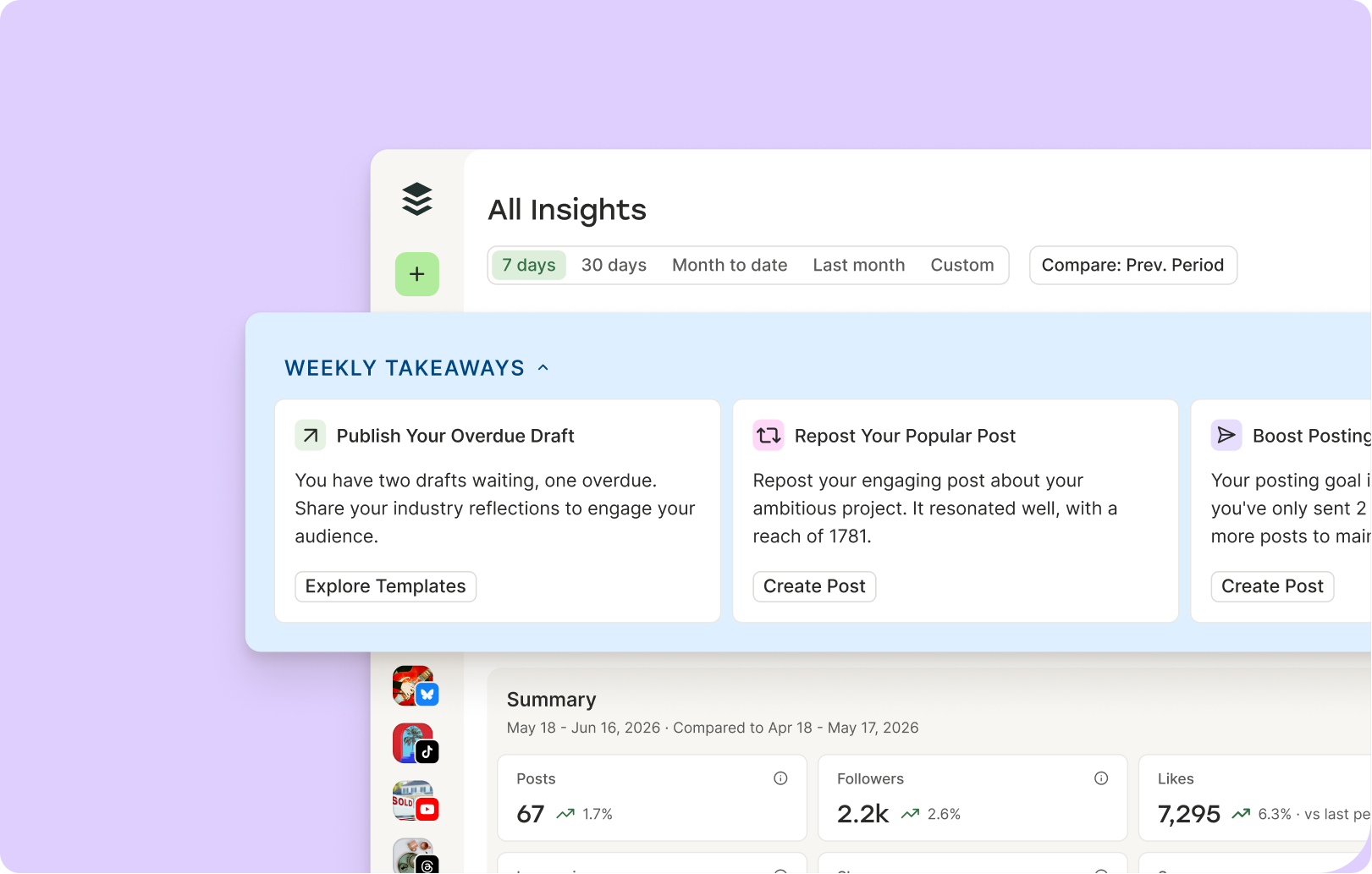
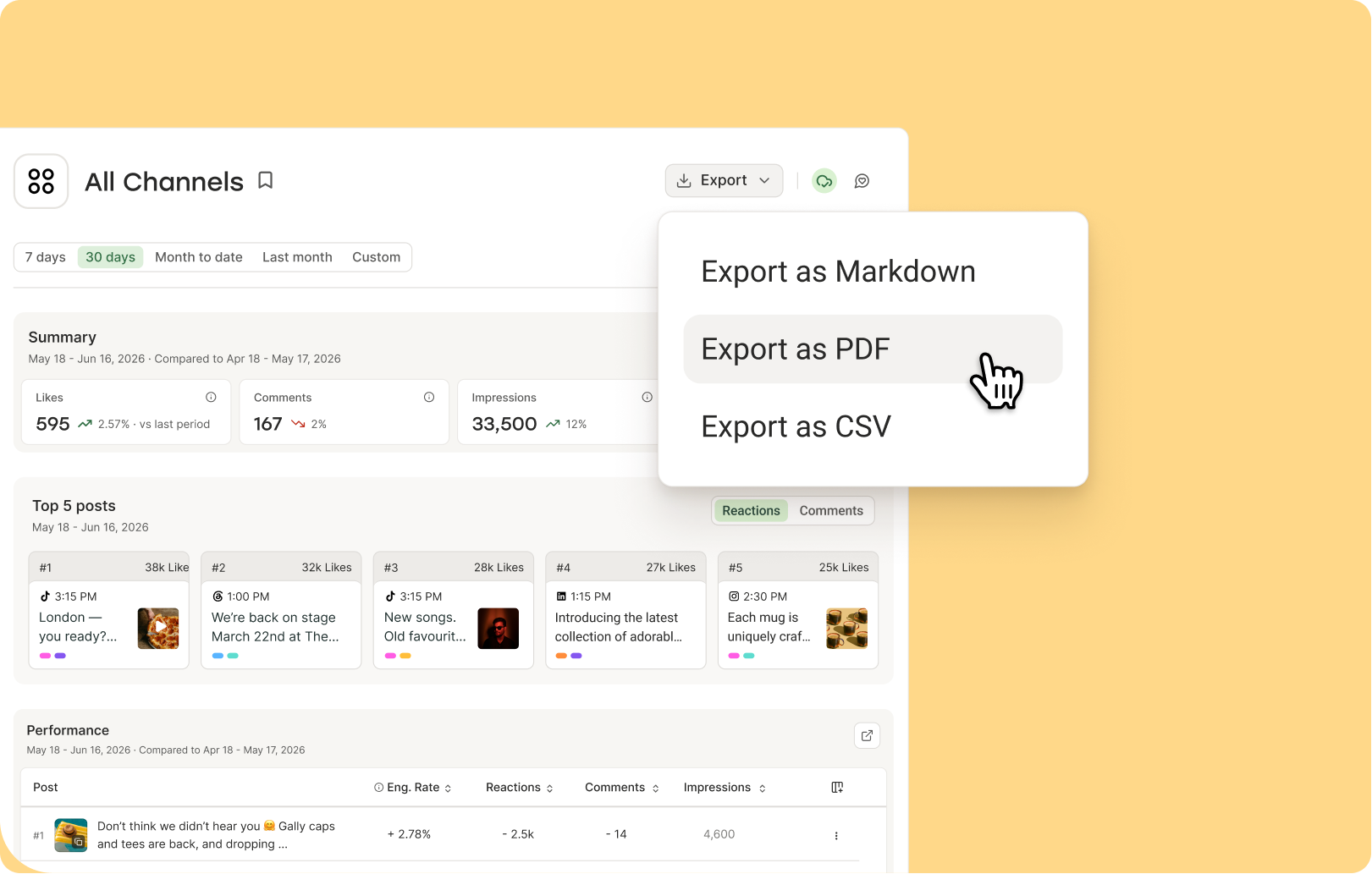
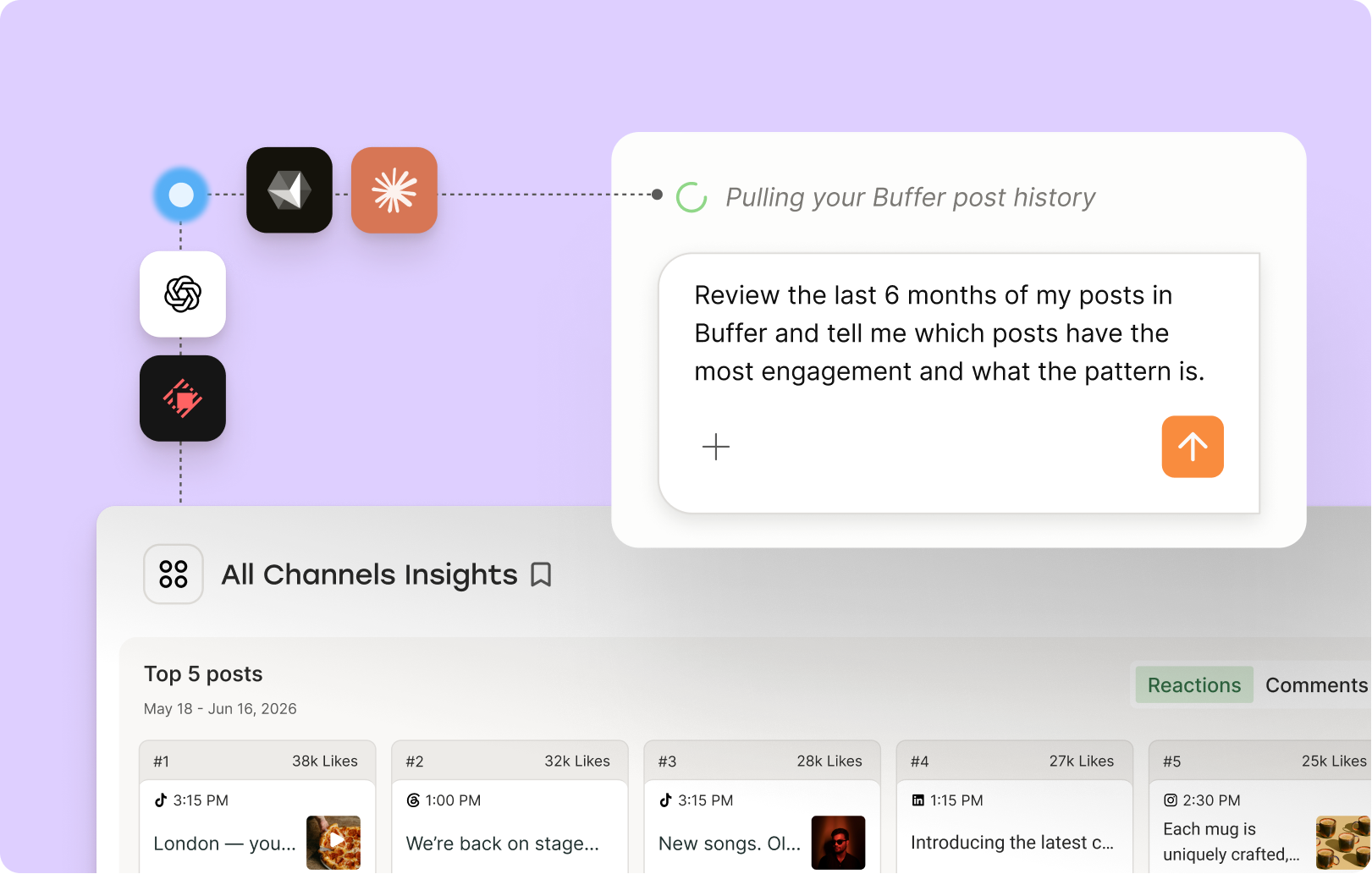
Buffer integrates its analytics suite, known as Insights, directly into its publishing and management ecosystem. Rather than overwhelming users with raw data dumps, Buffer utilizes AI-driven "Takeaways" to synthesize recent performance data, identify high-performing historical posts that warrant resharing, and prompt the composer with contextual suggestions. Users can filter performance data by custom tags to evaluate specific content pillars, export publication-ready PDF and CSV reports, or export markdown data directly into external AI models.
Pricing: Free tier available for up to three channels (covering the last 30 days of data). Paid plans start at $6 per month.
Supported Platforms: Bluesky, Facebook, Google Business, Instagram, LinkedIn, Mastodon, Pinterest, Threads, TikTok, X, YouTube. -
Rival IQ
Best for: Large agencies requiring deep competitive intelligence.
Rival IQ focuses on comprehensive competitive benchmarking, combining social media analytics, competitor analysis, and social listening into a single platform designed for agency environments. The platform tracks competitor boosting activity, profiles attribute positioning, and benchmarks client performance against established market competitors.
Pricing: Plans begin at $239 per month, backed by a 14-day free trial.
Supported Platforms: Facebook, Instagram, X, LinkedIn, YouTube, Pinterest, TikTok.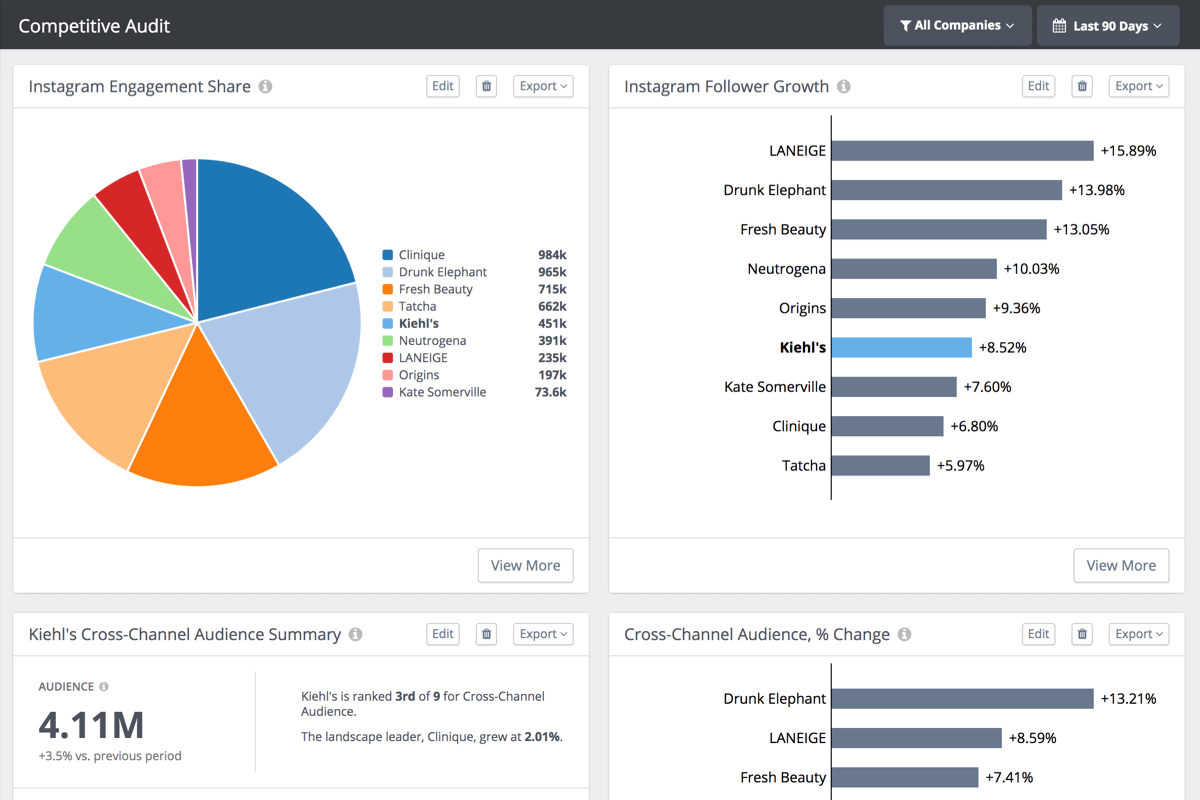
-
Keyhole
Best for: Long-range market research and historical data analysis.
Keyhole specializes in historical insights and market trend identification. Its machine-learning infrastructure allows organizations to analyze historical data stretching back a full decade, offering unprecedented visibility into how public sentiment and conversational dynamics have evolved around specific topics over time.
Pricing: Custom enterprise pricing available upon request via sales contact.
Supported Platforms: Facebook, Instagram, LinkedIn, TikTok, X, YouTube. -
Social Status
Best for: Small businesses balancing organic posting, paid advertising, and influencer campaigns.
Social Status bridges the gap between organic social performance and paid social advertising metrics. It aggregates key performance indicators while tracking ad spend, click-through rates, and influencer partnership metrics within a unified dashboard.
Pricing: Free plan available; paid plans start at $9 per month for small businesses and $99 for other tiers.
Supported Platforms: Facebook, Instagram, LinkedIn, TikTok, X, YouTube. -
Siftsy
Best for: Sentiment analysis and qualitative comment evaluation.
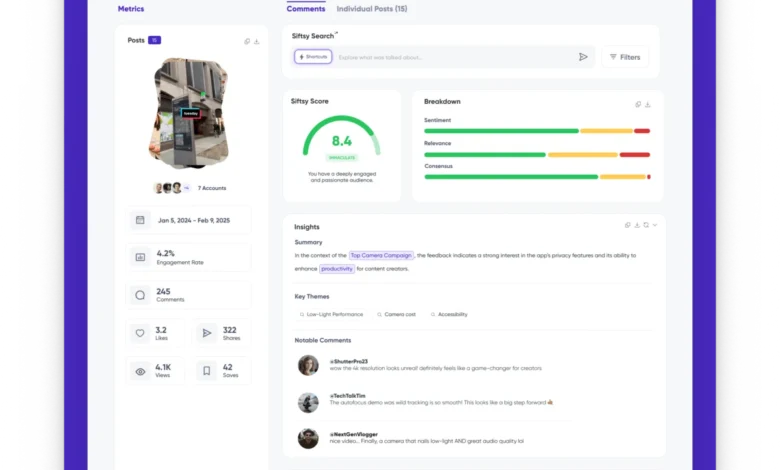
Recognizing that audience comments frequently hold the qualitative "why" behind quantitative metrics, Siftsy utilizes AI to analyze and categorize sentiment from comment sections across multiple channels following a simple CSV upload of post URLs.
Pricing: Custom pricing available upon request via sales contact.
Supported Platforms: Facebook, Instagram, LinkedIn, TikTok, X, YouTube.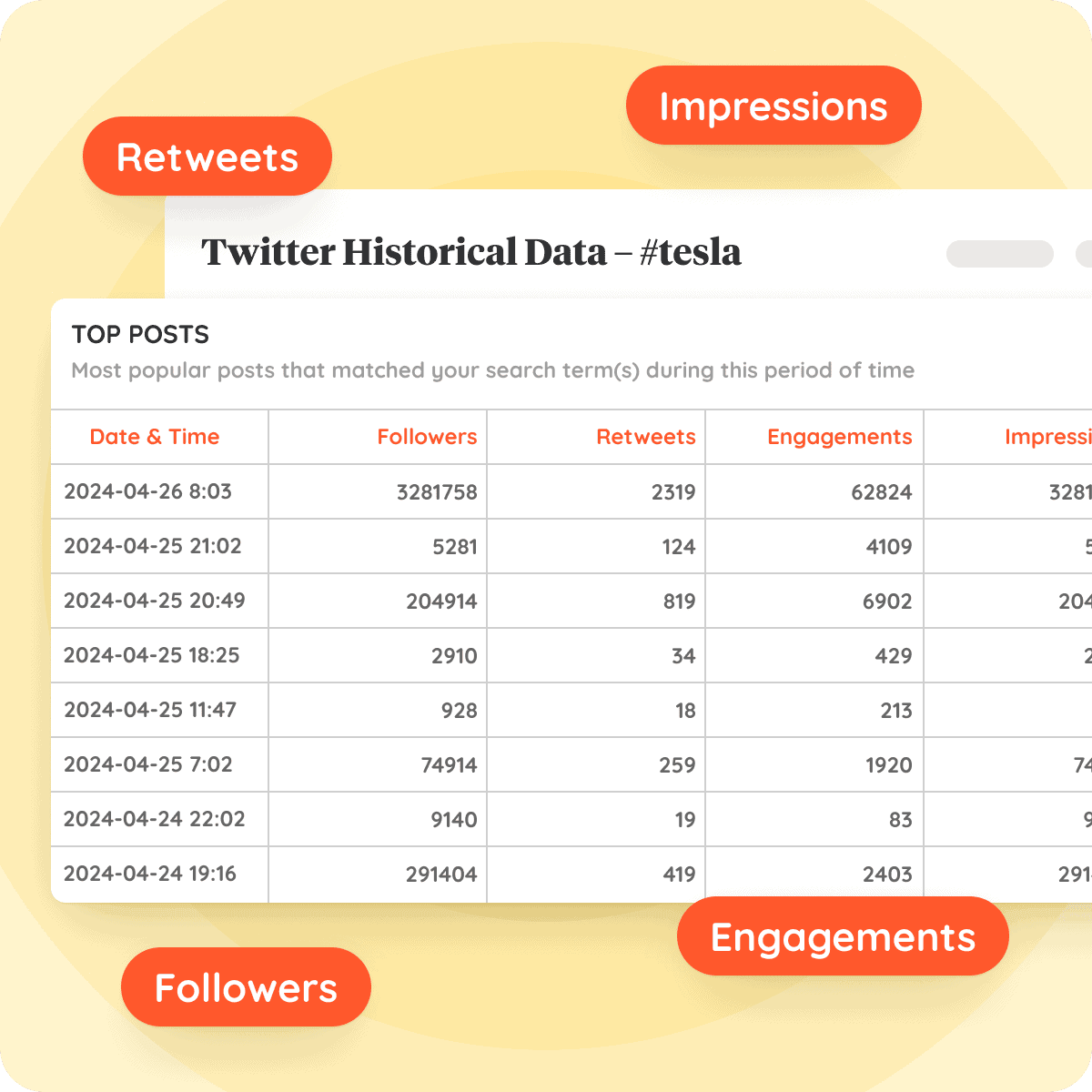
-
Vista Social
Best for: Comprehensive reputation management, social listening, and reviews tracking.
Vista Social combines multi-channel scheduling, inbox management, and social listening with robust review management capabilities. It aggregates customer feedback, star ratings, and reviews from various digital touchpoints into a single interface.
Pricing: Plans begin at $79 per month, featuring a 14-day free trial.
Supported Platforms: Bluesky, Facebook, Google Business, Google Play Store, Instagram, LinkedIn, OpenTable, Pinterest, Reddit, Snapchat, Threads, TikTok, TripAdvisor, Trustpilot, Tumblr, X, Yelp, YouTube, and more. -
Typefully
Best for: X (formerly Twitter) optimization and thread creation.
Typefully is purpose-built for X and long-form thread formatting. It provides unique platform-specific metrics, such as profile conversion rates—tracking the exact percentage of profile visitors who convert into followers.
Pricing: Free tier available (capped at 10 posts per month); paid plans start at $8.25 per month (billed annually at $99).
Supported Platforms: Bluesky, LinkedIn, Mastodon, Threads, X. -
Tailwind
Best for: Small businesses reliant on Pinterest traffic and visual marketing.
Tailwind is optimized specifically for Pinterest’s dual identity as both a social network and a visual search engine. Featuring robust Google Analytics integrations, Tailwind tracks which specific pins drive outbound web traffic, enabling marketers to scale successful visual content strategies.
Pricing: Free tier available (capped at 5 posts per month); paid plans start at $14.99 per month.
Supported Platforms: Facebook, Instagram, Pinterest.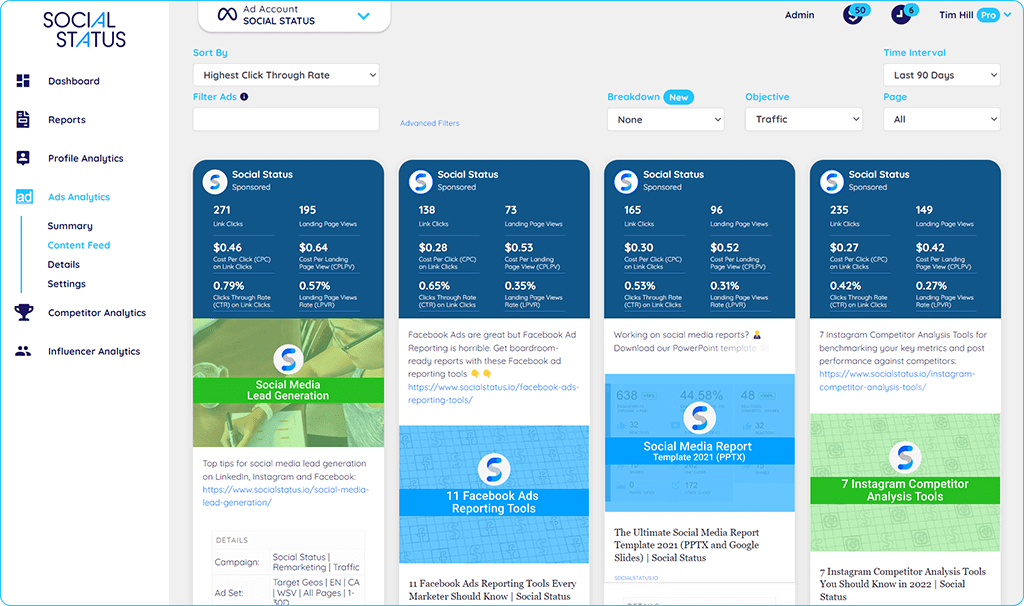
-
DashThis
Best for: All-in-one digital marketing dashboards spanning multiple software stacks.
DashThis functions primarily as an overarching marketing dashboard rather than a dedicated social tool. It integrates over 30 external marketing applications—including Google Analytics, HubSpot, and Ahrefs—allowing teams to combine social data with broader web analytics and paid advertising campaigns.
Pricing: Plans begin at $54 per month, backed by a 14-day free trial.
Supported Platforms: Facebook, Instagram, LinkedIn, Pinterest, TikTok, YouTube. -
Socialinsider
Best for: AI-driven content pillar categorization and strategic content analysis.
Socialinsider provides advanced analytics centered on content pillars. By utilizing AI to categorize and monitor grouped posts, the platform evaluates the collective performance of specific campaign themes or content styles.
Pricing: Plans start at $99 per month, offering a 14-day free trial.
Supported Platforms: Facebook, Instagram, LinkedIn, TikTok, X, YouTube. -
Talkwalker
Best for: In-depth audience demographic segmentation and consumer insights.
Talkwalker excels in audience analytics, ingesting data from customer service interactions, online communities, and direct support tickets to segment audiences by granular demographic attributes. (Note: Talkwalker was acquired by Hootsuite, integrating its capabilities into advanced Hootsuite enterprise tiers).
Pricing: Custom pricing available upon request via sales contact.
Supported Platforms: Facebook, Instagram, YouTube, Pinterest, X, and more.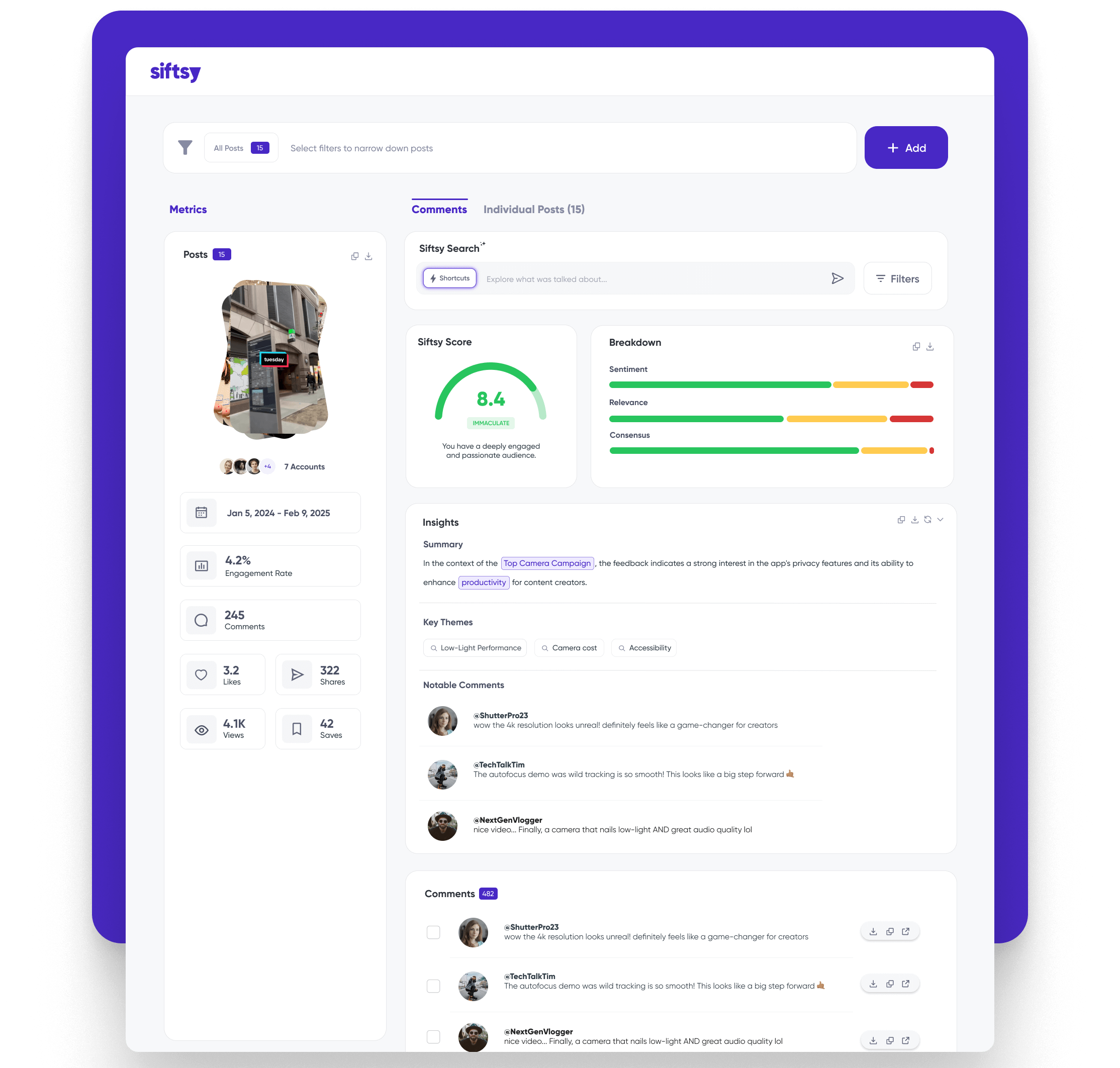
Strategic Implementation: A Five-Step Analytical Framework
Deploying an analytics tool effectively requires a disciplined, repeatable framework. Industry best practices recommend a structured five-step methodology for turning raw metrics into actionable strategy:
-
Anchor Metrics to Specific Goals
Avoid the temptation to track every available data point. Establish clear, primary social media goals first, and select only the metrics that directly measure progress toward those objectives. If a metric does not inform a strategic decision, it should be disregarded.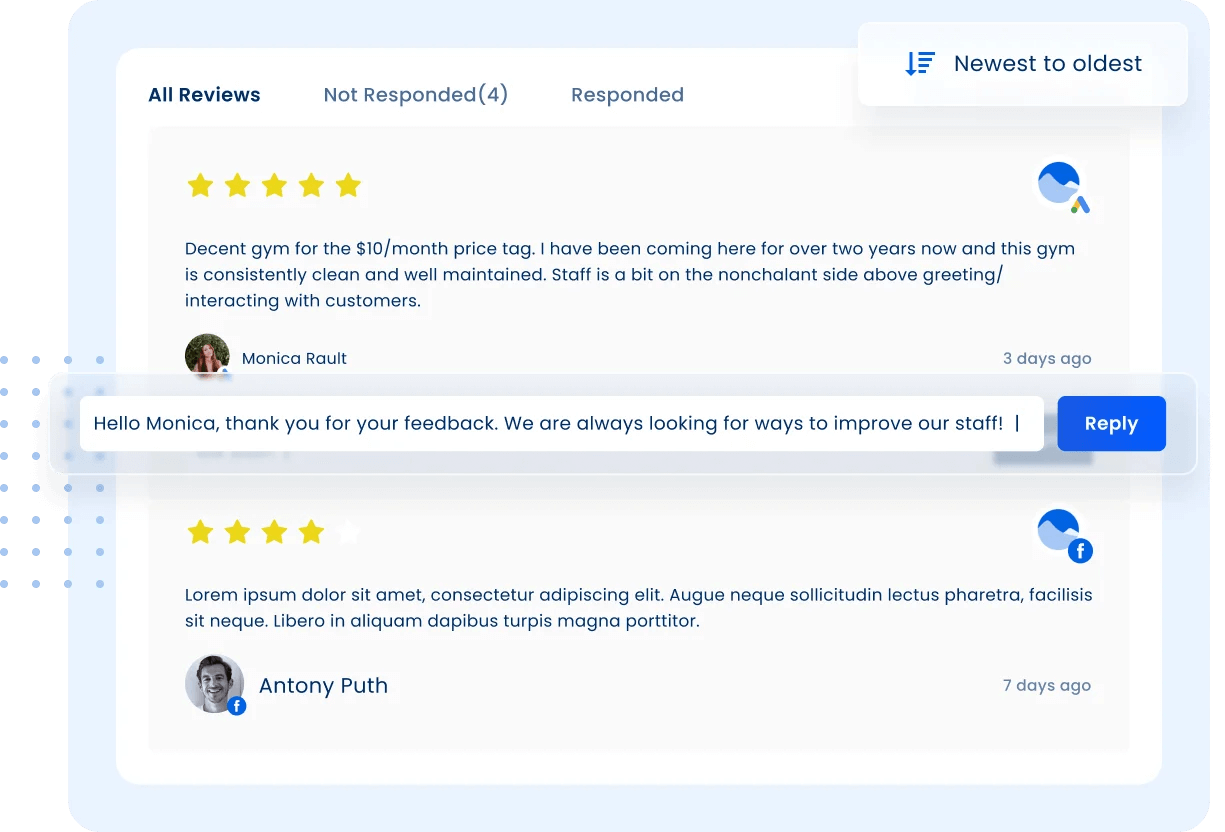
-
Centralize Data Streams
Reduce administrative friction by consolidating all channel data into a single interface. Utilizing centralized dashboards eliminates hours of manual data transcription across disparate platform native apps. -
Investigate the Underlying "Why"
Quantitative metrics establish what occurred, but qualitative analysis reveals why it happened. Reviewing top-performing content categories helps identify the underlying variables—such as hook phrasing, visual format, or publishing timing—that drove audience engagement. -
Establish a Consistent Review Cadence
Analytics deliver maximum value when monitored consistently. Conduct brief weekly reviews to identify immediate tactical successes and audience activity windows. Reserve comprehensive, month-over-month evaluations for broader strategic shifts.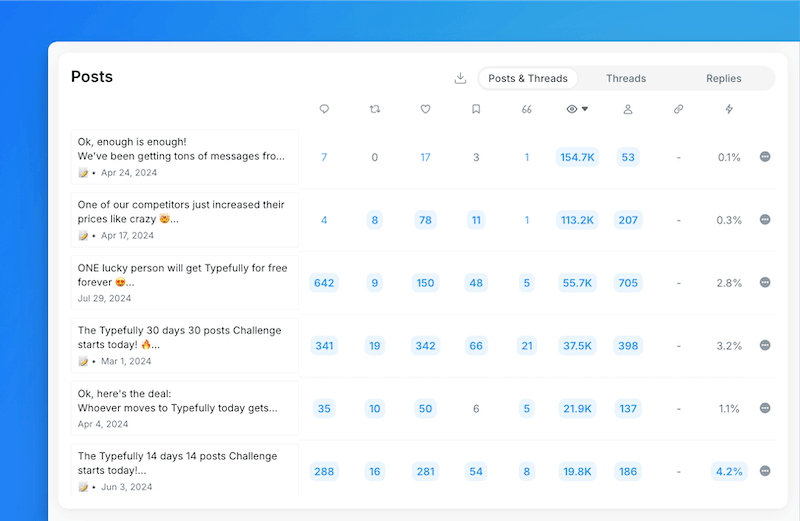
-
Automate Repeatable Reporting
Standardize reporting formats to eliminate redundant administrative work. Configure automated recurring exports (PDF or CSV) to deliver performance summaries directly to executive stakeholders or corporate clients on a predictable schedule.
Conclusion
Investing in a robust social media analytics tool transforms raw digital data into a strategic roadmap. By moving beyond basic vanity metrics and systematically evaluating reach, engagement, audience growth, and sentiment, organizations can optimize their digital footprint, prove tangible return on investment, and make informed decisions that drive sustainable audience growth.