October Desktop Wallpaper Collection: A Global Artistic Tribute to the Season of Transition

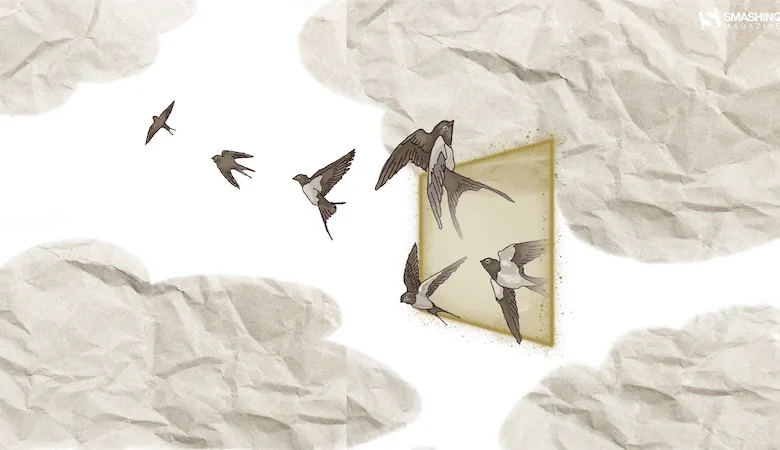
As the calendar turns toward October, the global design community has once again mobilized to mark the shift in seasons through the long-standing tradition of desktop wallpaper curation. For over 15 years, Smashing Magazine has facilitated a digital exhibition that serves as a bridge between seasonal aesthetic shifts and functional desktop utility. This month’s collection features a diverse array of submissions from artists in Serbia, Spain, Hungary, Belgium, Taiwan, and beyond, reflecting a collective meditation on the cooling temperatures, the cultural phenomenon of Halloween, and the psychological transition toward the year’s end.
The Evolution of a Digital Tradition
The practice of distributing community-designed wallpapers has evolved from a niche hobbyist activity into a sophisticated form of global digital expression. Since the late 2000s, this monthly ritual has provided a platform for both emerging and established designers to reach a worldwide audience of technology professionals. By providing high-resolution imagery tailored for various screen dimensions, the initiative addresses a fundamental need in the modern digital workspace: the personalization of the primary environment.
The current October collection arrives at a time when remote work and digital-first operations have made the desktop environment a primary psychological space for employees and creators alike. Research in workplace psychology suggests that the visual environment—even in a virtual sense—significantly impacts cognitive focus and emotional regulation. By rotating thematic imagery, users are effectively engaging in a form of "digital housekeeping," which experts suggest can reduce screen fatigue and improve task-switching performance during the darker, shorter days of the northern hemisphere’s autumn.
October’s Thematic Landscape: A Cultural Analysis
The submissions for this month are heavily influenced by the cultural dichotomy of October: the serene, natural beauty of the autumn harvest and the high-energy, performative nature of Halloween.
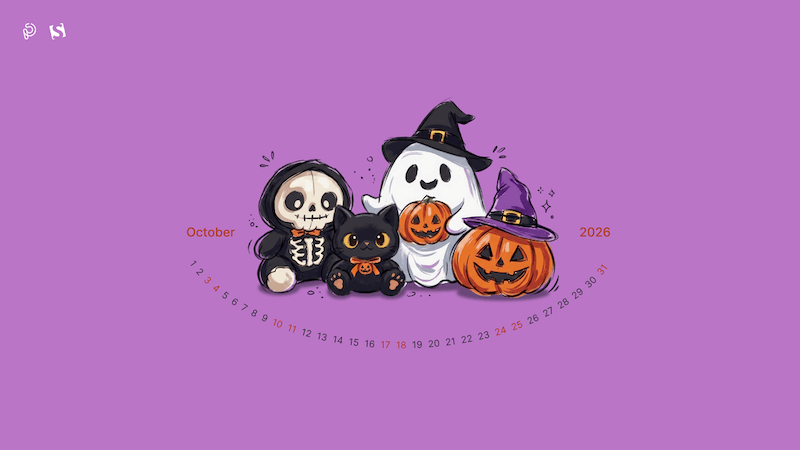
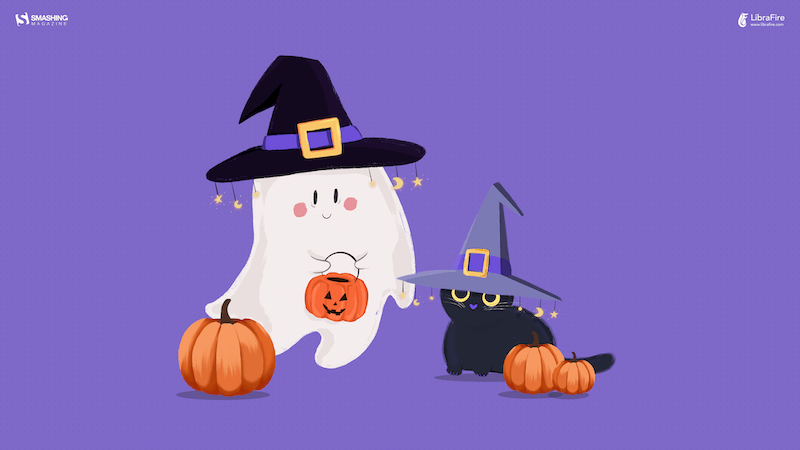
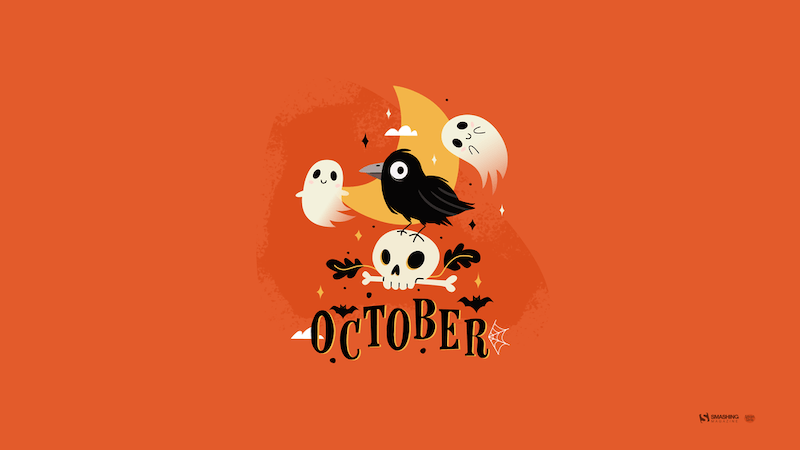
The inclusion of works such as "A Night of Universal Magic and Joy" by Serbia’s PopArt Studio highlights the globalization of Halloween. No longer confined to specific Western traditions, the festival has become a multinational event that facilitates community bonding. Data from retail and cultural studies indicate that the celebration of Halloween has seen a consistent expansion in Europe and parts of Asia over the last two decades, driven by both social media influence and a desire for communal play. The artistic interpretations this month, including the whimsical "A Very Pug-o-ween" and the darker, atmospheric "The Crow and the Ghosts," reflect the duality of the month—a blend of lighthearted fun and a respectful nod to the seasonal "dying back" of the natural world.
Chronology and Regional Influence
The selection process for these digital assets follows a rigid timeline. Calls for submissions are issued several weeks in advance, ensuring that the final output is ready for download before the first of the month. This cycle mirrors the industrial planning cycles seen in digital product design, where content must be prepared well ahead of the user experience window.
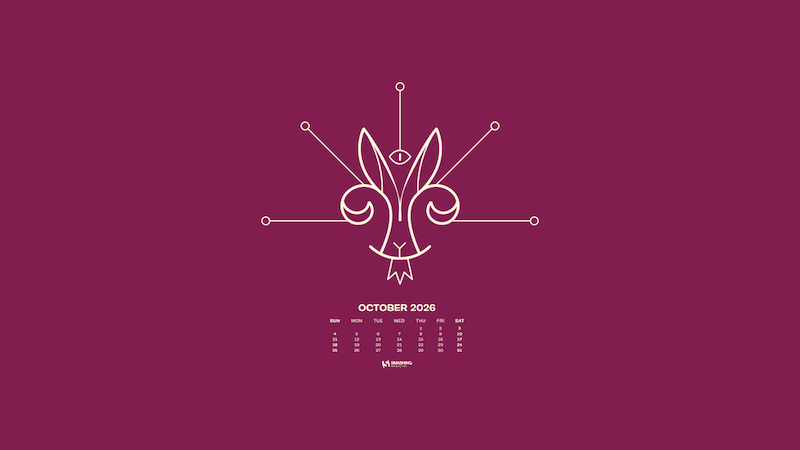
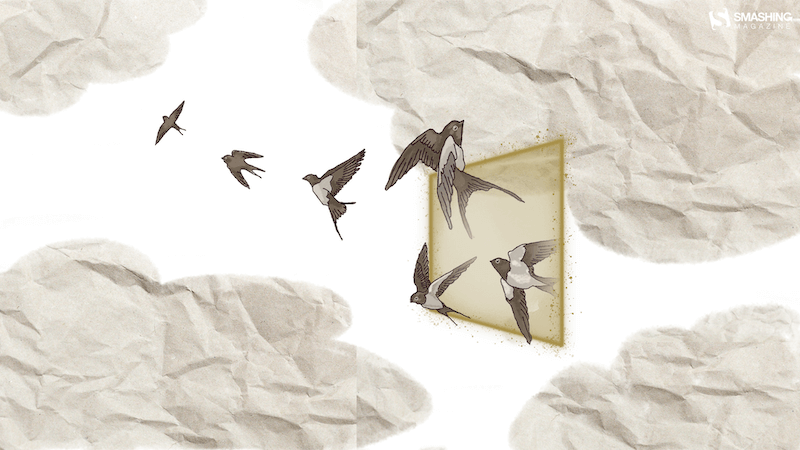
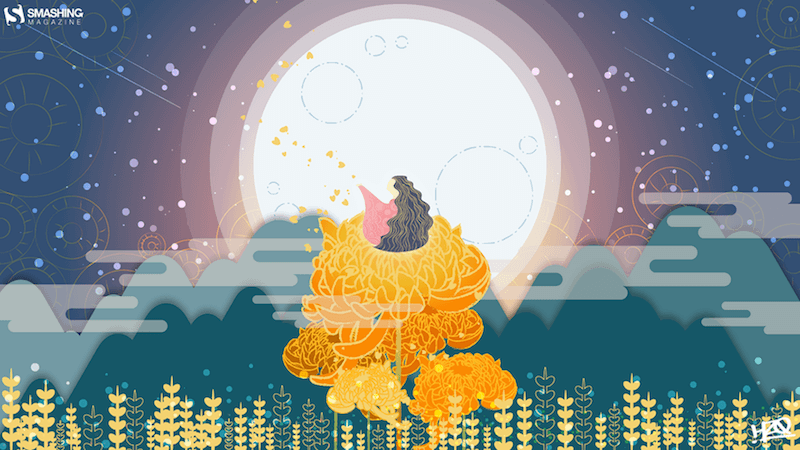
Regional participation this month remains remarkably broad. The European design contingent, particularly from Serbia and Belgium, continues to dominate the technical composition of these wallpapers, focusing heavily on minimalist gradients and nature-inspired geometric patterns. Conversely, designers from East Asia, such as Hong, ZI-Qing, offer a more contemplative, philosophical perspective, as seen in the "Hanlu" piece. "Hanlu," or "Cold Dew," is a solar term in the traditional East Asian calendar that marks the point where temperatures drop significantly and frost begins to form. This provides a stark, intellectual contrast to the more decorative, festive themes prevalent in Western submissions, demonstrating how October is interpreted differently depending on cultural and climatic geography.
Technical and Creative Implications
Beyond the aesthetic value, these wallpapers serve as a showcase for current trends in graphic design. The collection features a blend of vector-based illustrations, digital painting, and mixed-media compositions. There is a noticeable shift toward "quiet design"—a move away from high-contrast, overly saturated imagery toward softer, more muted palettes that do not distract from the icons and windows overlaid upon them.
For the designers involved, being featured in this global repository offers tangible benefits. Participation in such showcases acts as a verified portfolio entry, increasing visibility within the professional design community. Smashing Magazine has confirmed that the initiative will continue into the final quarter of the year, with a call for November submissions currently active. This ongoing cycle creates a historical record of design trends, where one could trace the evolution of UI/UX preferences by reviewing the archives from the past decade.
Official Perspectives and Community Engagement
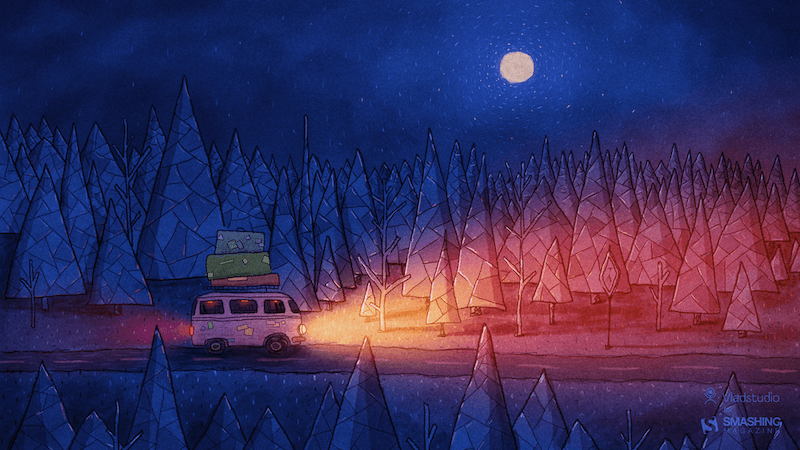
Representatives from the participating design firms emphasize the importance of these contributions as a form of "pro bono" community service. PopArt Studio and other recurring contributors highlight that these projects allow for creative experimentation that is often not possible within the constraints of commercial client work. By removing the pressure of corporate branding, artists are free to explore personal narratives—such as the memory of childhood beach walks captured by Gwen Bogaert or the cinematic, retro-futuristic vision of a "Rogue Rover" by Frank Candamil.
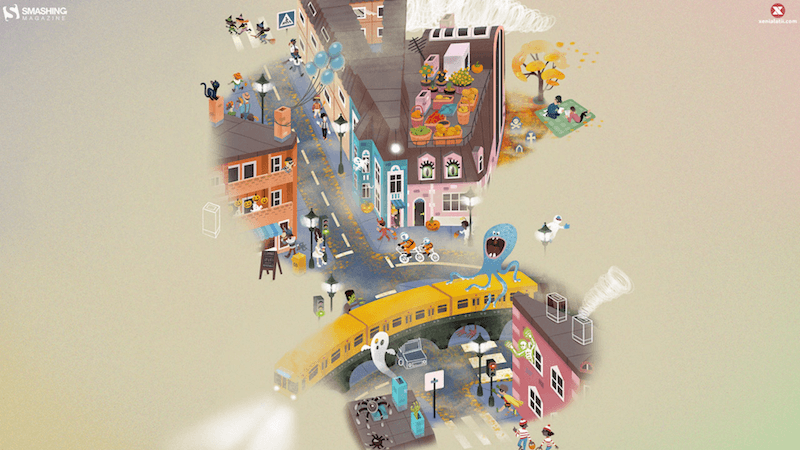
The feedback loop established by these monthly releases is a critical component of their success. The platform utilizes a direct-submission model, which ensures that the content remains democratic and accessible. The inclusion of non-calendar versions—such as those provided for the "Midnight Mischief" and "AI" designs—shows an awareness of user preference for clean, unobstructed views of their desktop background.
Broader Impact on the Digital Workspace
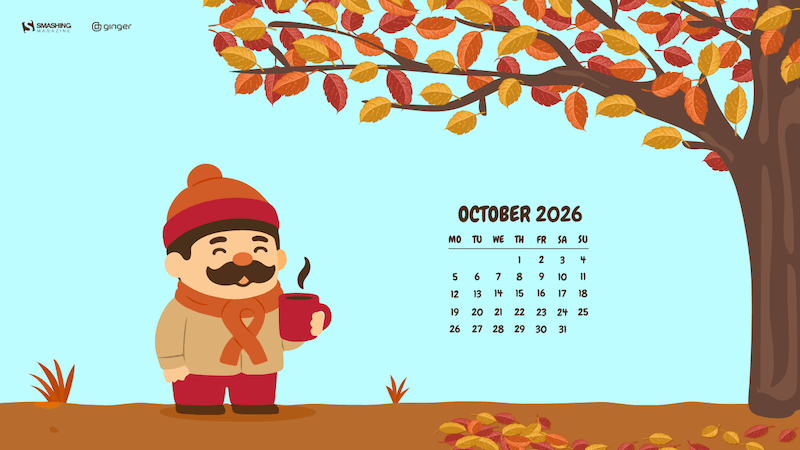
The implications of this initiative extend to the way we interact with our digital tools. As screen time increases globally, the humanization of the digital interface becomes increasingly important. The "Coffee Weather" and "Tea and Cookies" designs, for example, evoke a sense of domestic comfort that counters the often sterile nature of modern operating systems.
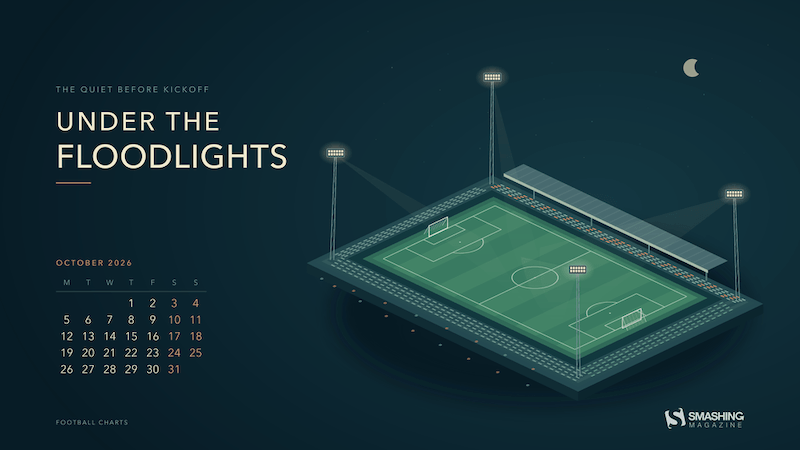
Furthermore, the "Under the Floodlights" design by Football Charts taps into the seasonal rhythm of sports, reminding users that the digital workspace is not isolated from the physical world. This contextual awareness is a hallmark of effective visual design. By aligning digital assets with real-world events, designers help users maintain a sense of time and place, which is often lost in the infinite scroll of the internet.
Looking Ahead
As the world moves toward the end of the year, the focus of the community will shift from the ghosts and ghouls of October to the more introspective and preparation-heavy themes of November and December. The ongoing call for submissions remains open to all, from seasoned professional illustrators to students experimenting with digital composition.
The success of the October 2026 collection reaffirms that the tradition of the desktop wallpaper is far from obsolete. In an era dominated by dynamic, often distracting content, the deliberate act of selecting a static, high-quality image that resonates with the current season remains a powerful tool for individual expression. It serves as a testament to the fact that even in a digital world, the human need for seasonal connection and aesthetic harmony remains a constant, driving force behind the work of global creative talent. Those interested in participating in the upcoming November cycle are encouraged to finalize their submissions by the end of October, contributing to the next chapter of this enduring digital tradition.