Social Media Marketing

The Proof of Reality Flywheel: Redefining Social Media Marketing for the Age of Authentic Engagement

The conventional social media marketing funnel, predicated on a linear progression from awareness to consideration and ultimately conversion, no longer accurately reflects contemporary consumer buying behavior. In an increasingly fragmented digital landscape, potential buyers navigate a complex, non-linear journey, looping across multiple networks, pausing for comparison, soliciting peer opinions, disappearing into private conversations, and resurfacing weeks later, often prompted by an unexpected link in a group chat. This unpredictable path, combined with the proliferation of AI-generated content, makes polished brand messages easier to overlook and harder to trust. In this new paradigm, what truly captures attention and drives action is tangible evidence of genuine human engagement with a brand – real people talking about it, finding it valuable, and willingly sharing it.

Sprout Social’s innovative "Proof of Reality Flywheel" reframes this outdated conversion funnel as a dynamic, continuous loop. Instead of merely pushing consumers towards a singular purchase, this model transforms authentic engagement into sustained momentum that compounds across diverse social communities, traditional search results, and emerging AI answer engines. This article will delve into the critical flaws of the linear social media marketing funnel, elucidate the mechanics of an effective flywheel approach for modern brands, and provide actionable strategies for rebuilding marketing frameworks to cultivate brand confidence, enhance visibility, and stimulate desired actions in an ever-evolving digital ecosystem.

The Demise of the Linear Funnel: A Historical Perspective

The traditional marketing funnel, often traced back to the AIDA (Awareness, Interest, Desire, Action) model conceptualized in the late 19th century, was designed for an era dominated by mass media and controlled brand messaging. In this model, consumers were seen as moving predictably through defined stages, with marketers guiding them from initial exposure to a final purchase decision. This framework proved highly effective for decades, adapting through the advent of radio, television, and even early digital advertising.

However, the rapid evolution of the internet and, more specifically, social media platforms, began to introduce cracks in this seemingly robust structure. Initially, social media was viewed as a powerful amplification tool for each stage of the funnel, expanding reach for awareness and providing new channels for direct engagement and conversion. Yet, as platforms matured, user-generated content exploded, and the sheer volume of information became overwhelming, consumer behavior diverged sharply from the expected linear path. The rise of the creator economy, the increasing sophistication of ad-blocking technologies, and a growing skepticism towards overt brand promotion collectively eroded the efficacy of a funnel built on a brand’s ability to dictate the narrative. The modern consumer is empowered, informed, and often seeks validation from peers rather than corporate pronouncements.

How to rethink the social media marketing funnel with a flywheel

Fragmented Discovery and the Erosion of Trust: Key Drivers of Change

Several interconnected factors have accelerated the obsolescence of the traditional marketing funnel, primarily centered on fragmented discovery channels and a widespread erosion of trust.

Discovery is More Fragmented Than Ever: The concept of "search" has expanded far beyond traditional search engines. Sprout Social’s Q2 2026 Pulse Survey highlights this profound shift, reporting that social media platforms now account for 21% of all consumer searches across age groups. This figure is even more pronounced among younger demographics, with industry analysts projecting it could exceed 35% for Gen Z by 2028 as platforms like TikTok and Instagram evolve into primary discovery engines for experiential, visual, and peer-led information. Consumers now segment their search habits based on intent: seeking practical information on Google, while turning to social platforms for product reviews, demonstrations, and community feedback. Building a marketing strategy around a single discovery path inevitably leads to missing vast segments of the customer journey before it even begins.

Trust is Increasingly Difficult to Earn: The same Sprout Social Pulse Survey revealed a critical challenge: 56% of consumers encounter AI-generated content on social media "often" or "very often," with 83% encountering it "at least sometimes." This pervasive presence of algorithmically produced content has made audiences acutely aware of generic, automated, or mass-produced messages. Dr. Anya Sharma, a prominent digital ethics researcher, notes, "The sheer volume of algorithmically produced content makes genuine human connection a scarce and highly valued commodity. Consumers are instinctively looking for signals of authenticity and human validation." Consequently, highly polished posts alone are no longer sufficient to establish legitimacy. What truly resonates and stands out is content that feels relevant, helpful, and authentically human. A 2023 Edelman Trust Barometer report further underscored this trend, indicating that trust in traditional media and advertising continues to decline, with consumers increasingly prioritizing peer recommendations and independent reviews.

Reach is Less Predictable: Social media platforms have progressively shifted from follower-based feeds to interest-based algorithms, making it more challenging for brands to consistently reach their owned audiences. Even when content does resonate, the subsequent engagement often migrates to unmeasurable private channels, such as direct messages, WhatsApp threads, or private group chats. Public engagement metrics, therefore, only provide a partial view of the content’s true impact and reach, leaving marketers with incomplete data on crucial consideration-phase interactions.

Consideration is Where Trust Breaks Down: The consideration phase, traditionally a critical juncture for conversion, has become a high-risk area for brands. Before committing to a purchase, consumers actively seek validation from trusted, independent sources: recent creator posts, candid Reddit discussions, recommendations from their immediate social circles, and conversations within niche online communities. If a brand fails to generate this crucial "social proof" during the consideration stage, it risks losing potential buyers just as they are poised to make a decision. The linear funnel’s reliance on branded messaging falters precisely when independent, human-validated proof is most needed.

How to rethink the social media marketing funnel with a flywheel
Feature Traditional Funnel Proof of Reality Flywheel
Structure Linear, stage-by-stage Circular, self-sustaining
Core Engine Ad spend and keyword volume Social intelligence and human trust
Content Style Polished, corporate-approved Authentic, human-validated
Primary Goal Single-touch conversion Compounding authority and visibility
Search Impact SEO keyword targeting AEO and social search integration

The Proof of Reality Flywheel: A New Paradigm for Engagement

In response to these seismic shifts, Sprout Social has introduced the "Proof of Reality Flywheel," a revolutionary framework designed to move beyond the limitations of the linear funnel by creating a self-sustaining cycle of trust and engagement. This flywheel is powered by three interconnected stages: Social Intelligence, Human-Validated Content, and Influence Networks, each feeding and reinforcing the others.

Social Intelligence: The Foundation of Authenticity

Social intelligence is the systematic practice of analyzing social conversations, audience sentiment, market trends, and competitive activities to derive actionable insights that inform business decisions across the organization. Unlike traditional funnel approaches where content strategy often originates from internal brand priorities, social intelligence reverses this process. It begins by meticulously examining the questions, debates, and behaviors prevalent across various online communities, then leverages these insights to meticulously shape content, messaging, and distribution strategies.

This stage forms the indispensable foundation of the flywheel. Without robust social intelligence, "human-validated content" risks being merely a format choice rather than a strategic imperative. With it, every piece of content created directly addresses an identified audience need or question, ensuring inherent relevance and demand. "The key differentiator of the Proof of Reality Flywheel is its unwavering focus on the customer’s voice from the outset," states Alex Rodriguez, Head of Product Strategy at Sprout Social. "By deeply understanding what audiences care about, we empower brands to create content that genuinely resonates, rather than simply shouting into the void."

Human-Validated Content: Earning Credibility in a Crowded Space

In a traditional funnel, top-of-funnel assets are typically designed for broad reach, often highly polished, and broadly appealing. The flywheel, however, prioritizes a different standard: credibility. This necessitates the creation of posts and resources that can withstand and pass the audience’s authenticity filter. This includes everything from candid behind-the-scenes videos and practical answers to specific, common questions, to evergreen resources directly inspired by customer pain points. The emphasis is on utility, transparency, and relatability over mere production value.

As AI answer engines increasingly draw upon social posts to inform their responses, material that garners genuine engagement and human validation becomes a powerful indicator of authority across both traditional search and AI-driven discovery. This human validation imbues the flywheel with content truly worth distributing and amplifying, acting as a crucial differentiator in a landscape saturated with generic information.

How to rethink the social media marketing funnel with a flywheel

Influence Networks: Amplifying Trust Through Community

Influence networks encompass the diverse ecosystem of creators, micro-influencers, niche communities, and peer-to-peer spaces that provide substance and validation beyond a brand’s owned channels. In the traditional funnel, mid-funnel distribution often relied heavily on paid advertisements, retargeting campaigns, and broad influencer reach to shepherd consumers from awareness to consideration. The flywheel replaces this linear bridge with more trusted, organic pathways to the consideration stage.

Relevant creators, chosen for their category-specific authority rather than sheer follower count, bring authentic influence. Similarly, dedicated online groups and forums provide invaluable spaces for potential customers to discuss, question, and validate products outside the direct control or influence of the brand. For instance, the Fidelity Investments subreddit serves as a prime example of transparent brand participation, where company representatives actively engage and answer questions within a community already discussing complex financial decisions. This authentic engagement builds trust and positions the brand as a helpful resource rather than just a seller.

A strong creator post offers buyers proof through context. A social media executive sharing a behind-the-scenes moment from a brand partner event, connecting it to the real value of organic social media marketing, provides a level of authenticity and specific takeaway that traditional advertising cannot replicate. This kind of nuanced, contextual endorsement from trusted voices is critical for moving prospects through the consideration phase. The engagement generated by these influence networks—comments, questions, shares, and peer conversations—continuously feeds back into the social intelligence core of the flywheel. Each cycle begins with richer insights, building on what people believe, what they doubt, and what they need next.

Strategic Implementation: Building a Flywheel-Powered Marketing Machine

Transitioning from a funnel-centric to a flywheel-style marketing approach requires a fundamental shift in how teams listen, create, distribute, and measure social content.

Deeply Understand Your Audience

A robust social media marketing flywheel begins with superior listening. Before any content is created or distribution channels selected, utilize comprehensive social intelligence tools to deeply understand your audience’s concerns, where they spend their time online, and what they genuinely seek from brands like yours. This involves analyzing:

How to rethink the social media marketing funnel with a flywheel
  • Audience Demographics and Psychographics: Beyond surface-level data, delve into values, aspirations, and pain points.
  • Conversation Topics and Trends: Identify prevailing discussions, emerging themes, and recurring questions.
  • Sentiment Analysis: Gauge public perception of your brand, competitors, and industry.
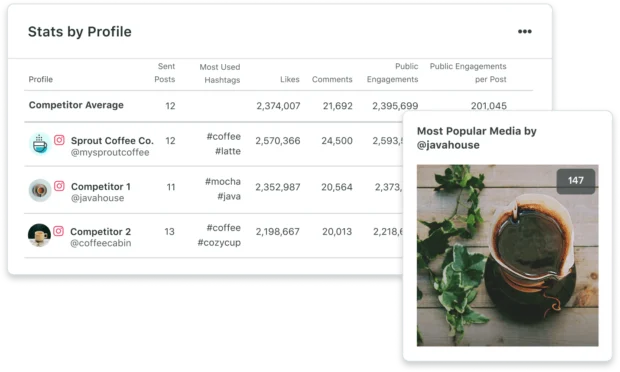
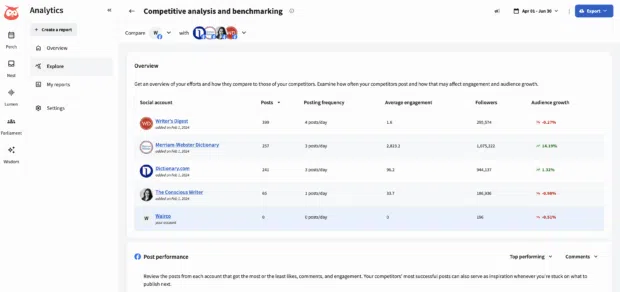
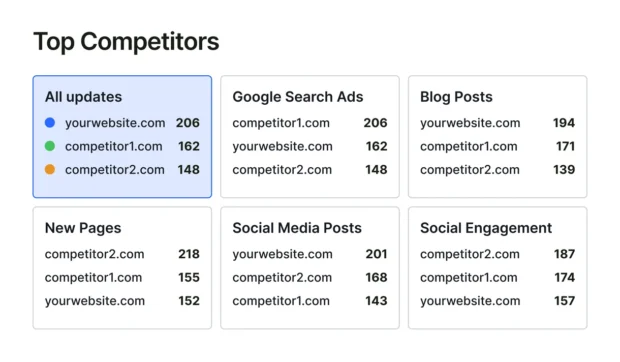
  • Competitor Activity: Understand their strategies, successes, and areas of audience dissatisfaction.
  • Platform-Specific Behaviors: Observe how audiences interact with content on different networks.

These insights are crucial for grounding content in real audience behavior and for identifying where social media can most effectively influence the customer journey, from initial discovery to post-purchase advocacy. Industry best practices suggest dedicating at least 15% of initial campaign planning to comprehensive social listening activities to ensure a truly audience-centric approach.

Connect Social Goals to Business Impact

Once audience understanding is established, clearly define what the flywheel needs to achieve for the broader business. Effective social media goals must support the entire customer journey, encompassing awareness, consideration, conversion, customer care, and retention.

A significant challenge, highlighted by Sprout Social’s 2026 Social Intelligence Report, is that only 36% of professionals report that social intelligence regularly informs decisions outside of marketing, despite 98% agreeing it has helped them achieve cross-functional business outcomes. This gap represents a substantial opportunity for organizations to leverage social data for broader strategic advantage, impacting product development, customer service, and even human resources.

To bridge this gap, map your social goals to outcomes relevant to various departments. Brand teams may prioritize reach, impressions, and share of voice. Marketing leaders will focus on engagement rates, conversions, and campaign performance. Customer care teams will track response rates, customer satisfaction (CSAT), and recurring service issues. Product teams, meanwhile, can derive immense value from sentiment trends, feature requests, and competitive gaps identified through social listening.

Useful metrics to track include:

How to rethink the social media marketing funnel with a flywheel
  • Reach and Impressions: To gauge content visibility.
  • Engagement Rate: Comments, shares, saves, and reactions as indicators of resonance.
  • Sentiment Score: To understand emotional responses to content and brand.
  • Conversion Rate: Directly linking social activity to desired business actions.
  • Customer Satisfaction (CSAT) & Net Promoter Score (NPS): Influenced by social customer care and brand perception.
  • Share of Voice: Measuring brand presence relative to competitors.

Optimize for On-Network Resonance

Every social platform possesses a unique content culture and audience expectation. Before posting, marketers must meticulously observe which formats garner the most engagement, the types of questions users ask, and what content inspires saves and shares. These platform-specific insights are crucial for ensuring content feels native and authentic to each space.

For example, Reddit users typically trust brands that participate genuinely in conversations and provide helpful answers, whereas TikTok and Instagram audiences often prefer raw demos and behind-the-scenes footage over highly produced creative, as it aligns with the authentic aesthetic of their feeds. Across all channels, prioritizing evergreen utility over fleeting trends ensures that valuable answers and resources continue to earn engagement long after their initial publication. This is where human-led creative truly shines. While AI in marketing can accelerate content generation, sustained attention stems from posts, videos, and resources imbued with real human perspective and insight. Social listening data should drive editorial calendars away from superficial trends towards deeper resources addressing genuine customer needs.

Build for AI Discovery

As tools like ChatGPT and Google’s AI Overviews become integral to information seeking, these systems actively seek clear, current, and human-validated information to formulate their responses. High-engagement posts and robust community discussions can significantly influence how AI tools perceive and understand your brand, category, and expertise.

To optimize content for AI answer engines, align social formats with how people naturally ask questions:

  • How-to Guides and Tutorials: Offering step-by-step instructions.
  • Comparison Posts: Directly contrasting products or services.
  • FAQs and Q&A Sessions: Addressing common queries explicitly.
  • Definitive Explanations: Providing clear, concise definitions and context.

This strategic formatting enhances the discoverability, interpretability, and validation of your expertise across both social platforms and AI-powered search experiences. For instance, a search for "micro influencer" in an AI overview might cite a Sprout Social article alongside relevant Reddit threads, creating a multi-faceted discovery path between search, social, and AI answers. As AI search models become more sophisticated, content demonstrating genuine engagement and human validation will naturally rank higher, influencing what billions of users perceive as authoritative.

How to rethink the social media marketing funnel with a flywheel

Partner with Topically Relevant Creators

Creator partnerships are most effective within a flywheel model when the creator’s authority precisely aligns with the conversation a brand aims to enter. In this context, relevance consistently outweighs mere reach. Marketers should look beyond superficial metrics like follower count, broad demographics, or general lifestyle fit. Instead, creators should be evaluated based on the specific topics they consistently cover, the types of questions their audience brings to them, and the communities where their recommendations carry genuine weight.

Tools like Sprout Social Influencer Marketing facilitate the identification of brand-safe creators based on semantic themes, niche topics, and granular audience alignment. This enables brands to find partners whose influence genuinely reflects category interest, rather than just surface-level popularity. The strongest creator partnerships deliver social proof without compromising trust. When a creator can discuss a product with authentic detail and honesty, their recommendation feels more organic to their audience and provides more tangible value to buyers weighing a purchase decision.

Invest in Testing, Iterating, and Measuring

A flywheel-style funnel demands reporting that meticulously tracks how trust, engagement, and AI discovery mutually influence each other over time. Beyond vanity metrics, marketers must monitor deeper validation signals such as shares, saves, comments, sentiment, and community discussions to truly understand what content people find useful enough to engage with or recommend.

Establishing structured tracking before content goes live is paramount. Sprout Tagging, for example, allows teams to organize posts, campaigns, and conversations by topic, funnel stage, audience segment, or business goal. For highly tailored reporting, Sprout Analytics Custom Metrics can calculate the specific measures that matter most to leadership. The shift from traditional KPIs like "likes" to "shares," "saves," and "sentiment scores" is indicative of a broader industry maturation, where qualitative engagement increasingly outweighs quantitative reach.

Continuous social listening is vital for ongoing system improvement:

How to rethink the social media marketing funnel with a flywheel
  • Identify Emerging Trends: Stay ahead of evolving audience interests.
  • Refine Content Strategy: Adapt based on what resonates and what falls flat.
  • Monitor Brand Mentions: Track overall sentiment and identify potential issues or opportunities.
  • Analyze Competitor Performance: Learn from their successes and failures.

Given that Answer Engine Optimization (AEO) measurement is still in its nascent stages, teams must adopt experimental testing frameworks. If an AI answer engine cites a competitor, fails to mention your brand, or surfaces inaccurate information, these findings should be used as actionable insights to refine human-validated content and re-test, continuously optimizing for AI-driven discovery.

Moving from Funnel to Flywheel

The traditional social media marketing funnel operates on the premise that audience attention is a finite resource: capture it at the top, filter it down through a series of stages, and convert what remains at the bottom. However, this model fundamentally misunderstands contemporary audience behavior. People no longer move in a straight line toward a decision. They seamlessly oscillate between Google searches, AI chatbot inquiries, social media feeds, creator reviews, and deep dives into Reddit threads, engaging with all these touchpoints in a non-linear, often unpredictable sequence before making a purchase.

The Proof of Reality Flywheel, conversely, treats attention and, more importantly, trust, as a renewable resource. Every signal of trust—a share, a save, a thoughtful comment, or an authentic creator mention—fuels the subsequent cycle, rather than vanishing after a singular conversion. Sprout Social’s framework empowers teams to leverage AI for scaling social intelligence and accelerating distribution, while critically ensuring that a human perspective remains at the core, generating the authentic signals that people inherently trust. By embracing this continuous loop of trust, engagement, and validation, brands can cultivate enduring relationships, achieve sustained visibility, and drive meaningful action in the complex digital landscape of today and tomorrow.

For a deeper dive into the value of transforming social data into powerful business intelligence, consult Sprout Social’s comprehensive Social Intelligence Report.

Related Articles

Leave a Reply

Your email address will not be published. Required fields are marked *

Back to top button
Jar Digital
Privacy Overview

This website uses cookies so that we can provide you with the best user experience possible. Cookie information is stored in your browser and performs functions such as recognising you when you return to our website and helping our team to understand which sections of the website you find most interesting and useful.