Mastering Holiday Social Media Customer Service in 2026: A Strategic Guide for Retail Success

The era of long lines outside big-box stores on Black Friday is effectively over, replaced by a digital landscape where the point of sale and the point of service have converged on social media platforms. As the 2026 holiday shopping season approaches, data from Sprout Social’s Q3 Pulse Survey indicates a seismic shift in consumer behavior: 86% of shoppers now intend to utilize social media for customer service inquiries, with 27% planning to increase their usage compared to the previous year. This transition places immense pressure on corporate customer care teams to manage surging volumes of requests while maintaining high standards of brand sentiment and response speed.
The Evolution of the Digital Customer Journey

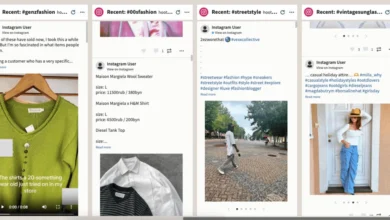
The contemporary retail journey has become deeply intertwined with social media algorithms. According to recent market analysis, social media is no longer merely a discovery engine; it is a full-service virtual mall. Roughly 46% of consumers now identify social platforms as their primary resource for gift discovery, a figure that climbs to 85% among Millennials and 88% among Gen Z. This trend suggests that for the 2026 holiday season, the brand-customer relationship will be forged, tested, and resolved entirely within the ecosystems of platforms like TikTok, Instagram, and Facebook.
The integration of native commerce features—such as TikTok Shop, Instagram Checkout, and Facebook Marketplace—has accelerated this trend. With 57% of consumers confirming their intent to make direct purchases within these apps, the customer service experience has become the defining factor in conversion. When a product fails to arrive or a sizing question goes unanswered, consumers are no longer dialing 1-800 numbers; they are posting comments, tagging corporate accounts, and sending direct messages.
The Surge in Volume and the Necessity of Triage

Retailers and hospitality providers must prepare for a distinct spike in outreach. Data indicates that direct messaging remains the preferred channel for 55% of consumers, followed by public mentions and comment threads. This influx presents a significant logistical challenge. If customer support teams remain siloed, responding only to emails or web forms, they risk missing a substantial portion of the customer journey, leading to unresolved complaints that can quickly damage brand reputation.
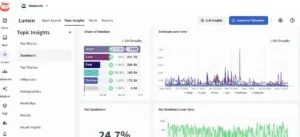
To mitigate this, industry leaders are adopting sophisticated triage methods. By utilizing sentiment analysis and automated intent detection, companies can now separate high-risk complaints from general inquiries. For instance, utilizing machine-learning models to flag "High Brand Risk" messages allows teams to prioritize urgent issues, such as fraudulent activity reports or unresolved shipping crises, before they escalate into viral public relations concerns.
Strategic Implementation: Ten Pillars of Holiday Readiness

-
Proactive Planning and Timeline Alignment
Effective management of the holiday rush begins months before the first holiday marketing campaign launches. Teams should map out key dates—such as Black Friday, Cyber Monday, and final shipping cutoff dates—to anticipate message spikes. The 2025 Deloitte Holiday Retail Survey highlighted that 58% of shoppers experience high stress during the season, often compounded by economic pressures. A seamless support process serves as a critical stress-relief valve for the consumer. -
Comprehensive FAQ Development
Proactive communication is the most efficient way to reduce support volume. By analyzing historical data to identify recurring themes—such as return policies, gift card activation, or regional shipping delays—brands can build robust FAQ modules. As demonstrated by organizations like the Educational Testing Service (ETS), which utilized data-driven FAQ deployment to reduce corporate response times by over 30%, accessible self-service resources allow agents to focus on complex, high-value interactions. -
Scaling Support Staff and Onboarding
Quality remains the cornerstone of consumer loyalty, with 70% of shoppers expecting personalized responses. To maintain this quality during high-volume periods, many retailers hire seasonal staff. The challenge lies in rapid onboarding. Implementing platforms with intuitive administrative controls and standardized case management workflows ensures that new staff can operate effectively without sacrificing the brand’s unique voice.
-
Sentiment-Based Triage
Not all customer interactions carry the same weight. Utilizing sentiment analysis tools to categorize inbound messages as positive, negative, or neutral allows for a more strategic allocation of resources. Positive engagement represents an untapped opportunity for brand advocacy, while negative sentiment requires immediate remediation to prevent churn. -
Data Security in a Fraud-Prone Environment
The holidays are historically the peak season for phishing and non-delivery scams. The IC3 2025 report noted that such scams accounted for over $503 million in losses. Brands have a fiduciary and ethical responsibility to protect user data. Best practices dictate that sensitive information, such as credit card numbers, should never be requested in public forums. Secure, PCI-compliant forms and automated data-masking tools are now essential components of any professional social media customer care tech stack. -
Leveraging AI as a Force Multiplier
With 44% of consumers expressing comfort with AI-driven chatbots for routine inquiries, automation is no longer a "nice-to-have" but a necessity. By deploying rule-based bots to handle repetitive tasks—like order status updates—teams can free up human agents to handle nuanced issues. Generative AI tools can further assist by suggesting response tones and lengths, ensuring that even under pressure, the brand’s communication remains consistent and professional.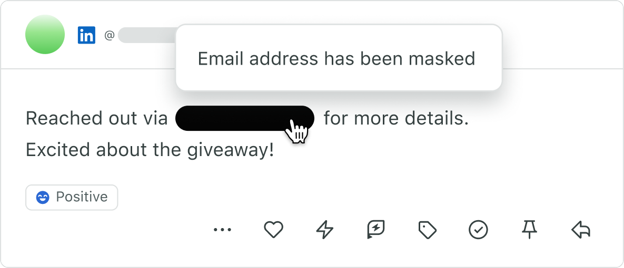
-
Unified Customer Context
Frustration often stems from a customer having to repeat their story. Integrating social media management tools with existing CRM systems, such as Salesforce, is paramount. This integration allows agents to view a customer’s full history—including past purchases and previous interactions—directly within the social dashboard. This 360-degree view enables faster resolution and a more personalized experience, which significantly increases the likelihood of repeat business. -
Structured Collaboration and Governance
A clear internal hierarchy is essential. Who approves a response? Where do complex questions go? Establishing a "Reply Approval" workflow prevents errors and ensures that seasonal or junior staff are supported by senior team members. Documented responsibilities and centralized team communications help avoid the bottlenecks that typically plague busy retail periods. -
Predictive Crisis Management
Modern tools allow for more than just reactive support; they offer predictive monitoring. By tracking news cycles and social discourse, brands can identify emerging crises before they reach a boiling point. Monitoring shifts in audience sentiment in real-time provides the intelligence needed to pivot communication strategies or issue proactive statements, effectively shielding the brand from reputational damage.
-
Real-Time Performance Analytics
The ability to measure success in real-time is the final pillar of a robust strategy. By analyzing metrics like average handle time, reply speed, and Net Promoter Scores (NPS) throughout the season, managers can identify bottlenecks as they occur. These data points provide the evidence needed to justify resource allocation and highlight the tangible impact of the customer care team on the company’s bottom line.
Implications and Future Outlook
The shift toward social-first customer service is a permanent evolution in the retail landscape. Companies that fail to adapt their infrastructure to meet consumers where they are—on the social platforms where they shop and talk—will likely face declining customer satisfaction and lower retention rates. Conversely, brands that invest in the necessary tools to humanize their digital interactions and streamline their internal processes will be well-positioned to convert holiday shoppers into year-round loyalists.

The data from 2026 confirms that while the tools of the trade have become increasingly automated and AI-driven, the objective remains profoundly human: to build trust. As retailers prepare for the final quarter, the focus must remain on agility, security, and a deep understanding of the customer journey. By bridging the gap between social media engagement and high-quality customer care, brands can transform the seasonal chaos into a sustainable competitive advantage.