Social Media Has Become the Primary Engine for Holiday Retail and Consumer Engagement in 2026

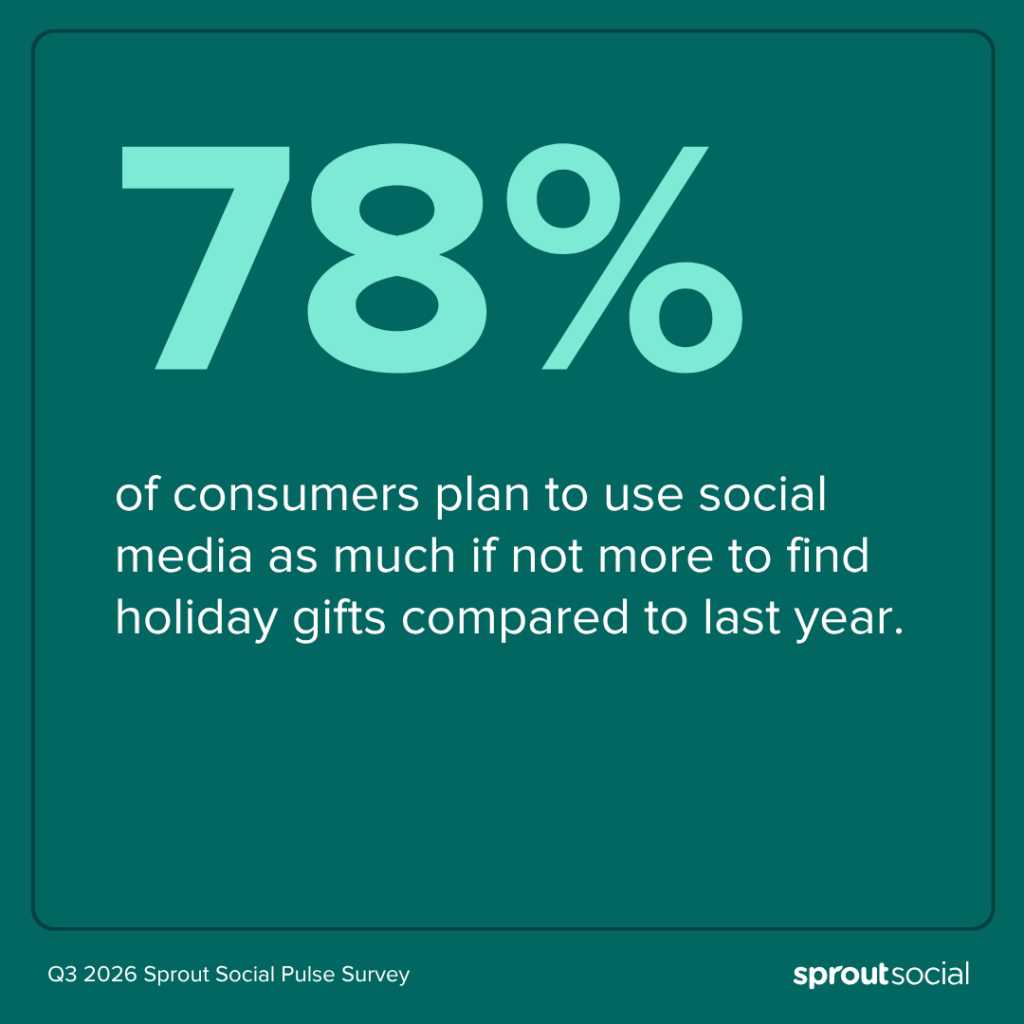
The landscape of holiday retail is undergoing a structural transformation as social media platforms transition from mere marketing channels to the central nervous system of the consumer purchasing journey. According to the Q3 2026 Sprout Social Pulse Survey, a significant 78% of consumers report they intend to utilize social media platforms as much as, or more than, they did in the previous year to conduct gift research and finalize holiday purchases. This shift represents a departure from traditional search engines and physical retail discovery, positioning apps like TikTok, Instagram, and Facebook as the primary "one-stop shops" for the modern holiday shopper.

The Evolution of the Holiday Shopping Timeline
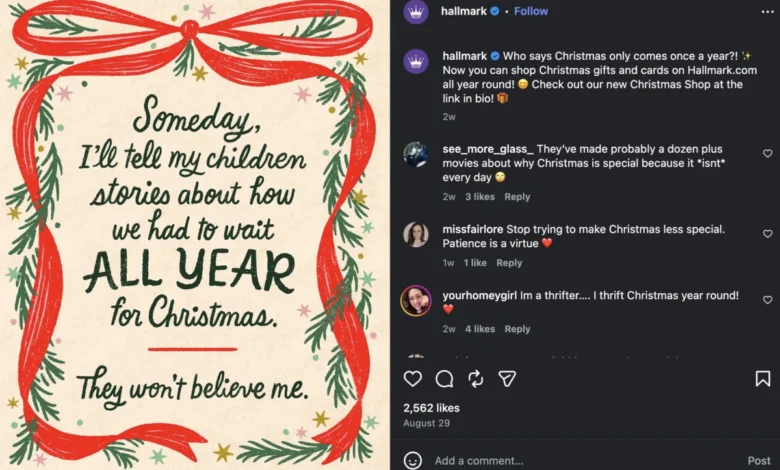
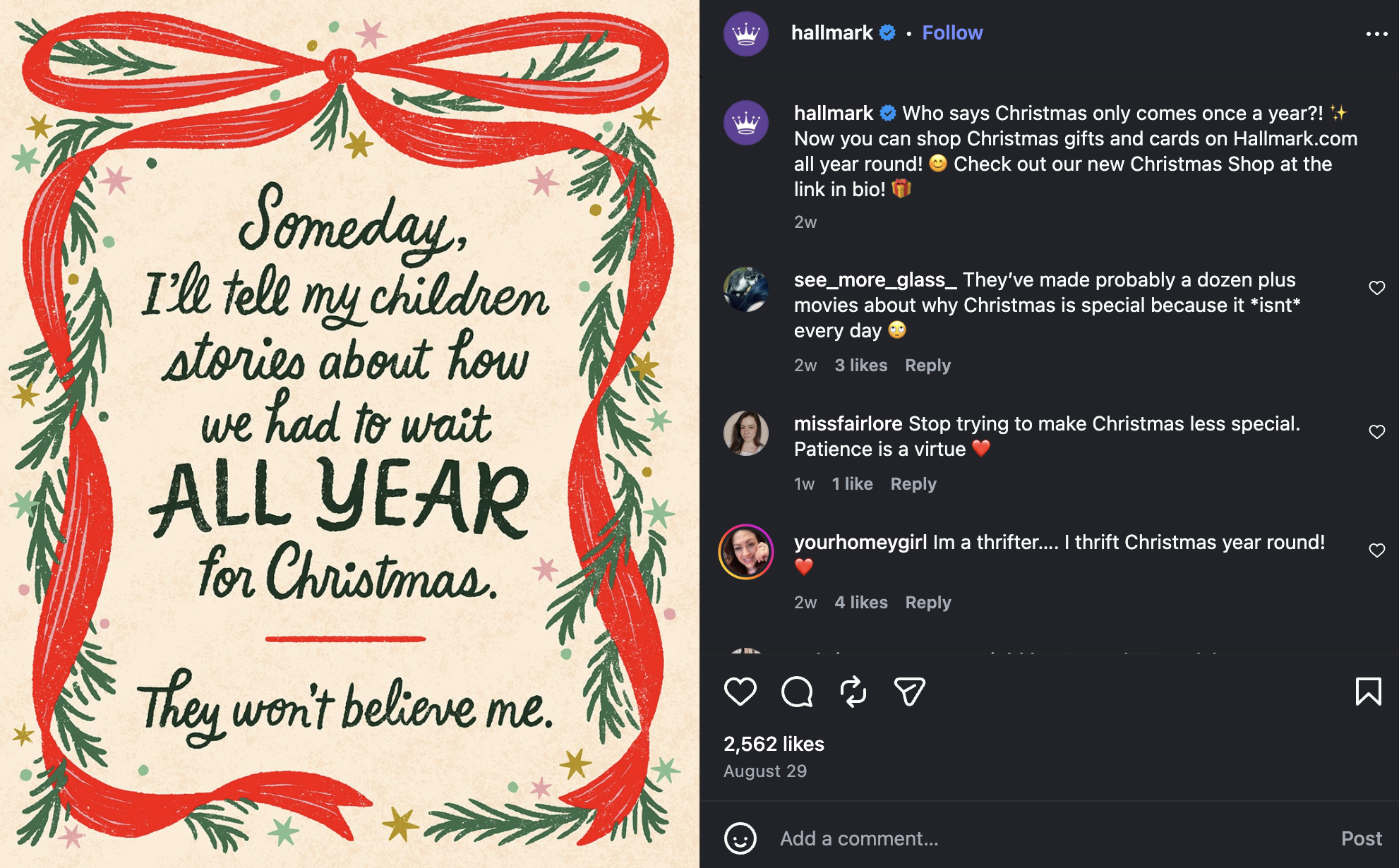
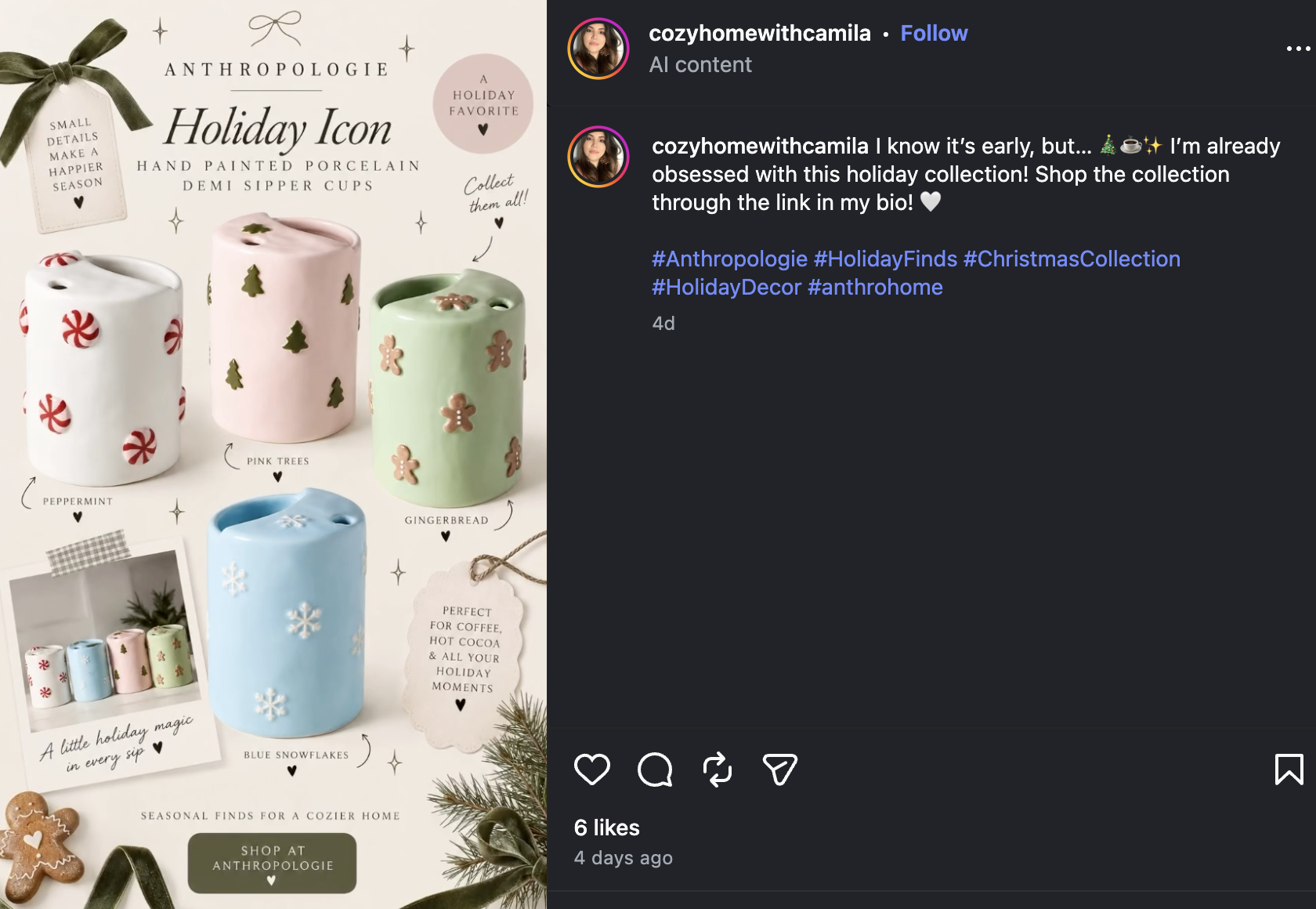
The traditional holiday shopping season, once demarcated by the conclusion of Thanksgiving in the United States, has become increasingly fluid. The 2026 fiscal year saw a marked trend of "holiday creep," with retailers initiating festive marketing campaigns as early as June—a phenomenon colloquially referred to as "Summerween." Major retailers and brands, including Starbucks and Hallmark, have aggressively accelerated their promotional calendars, launching autumn-themed and early-winter campaigns while summer temperatures remained at their peak.
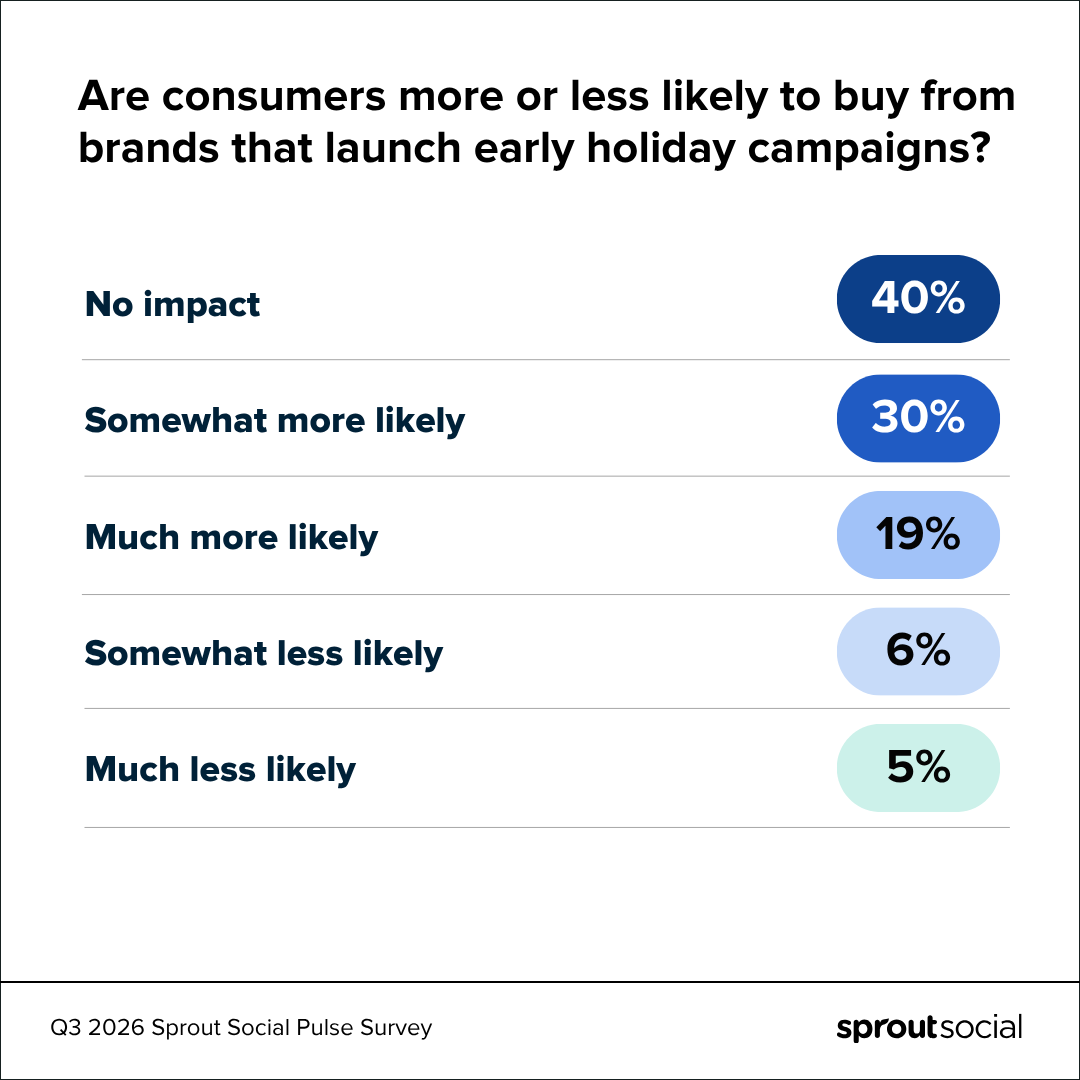
However, data suggests a widening gap between corporate strategy and consumer sentiment. While brands are pushing for earlier visibility, 50% of surveyed consumers now express a preference for holiday advertising to commence in October. This represents a distinct pivot from 2025, during which August and September were widely accepted as appropriate launch windows. Despite this preference, the data indicates that timing is not a primary deterrent for purchase. Nearly 50% of consumers reported they are either somewhat or significantly more likely to engage with brands that initiate holiday promotions as early as August, suggesting that while the "vibe" of early ads may be met with some resistance, the utility of early deals remains a strong driver of engagement.
Economic Headwinds and Tariff Pressures
The 2026 holiday season is being defined by a complex macroeconomic environment. Persistent inflation, combined with shifting trade policies and the implementation of new tariffs, has created a climate of heightened price sensitivity. Survey findings reveal that 69% of consumers are actively concerned about the impact of tariffs on retail pricing, leading to a defensive shopping strategy.
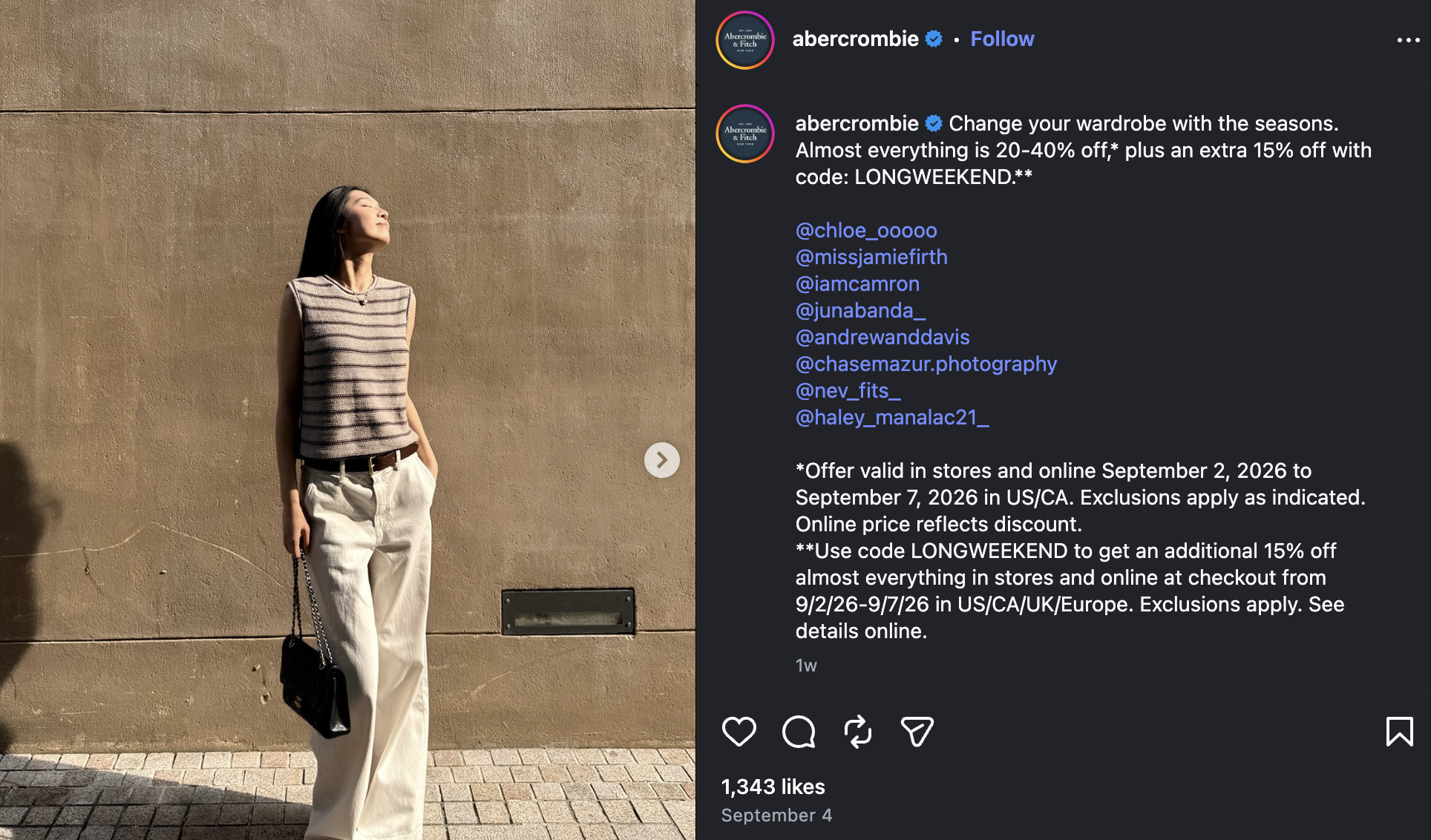
To mitigate the risk of future price hikes, 36% of shoppers plan to finalize their holiday purchases earlier than in previous years. Furthermore, 56% of total respondents indicated an intention to reduce their overall holiday expenditure compared to the previous year. This belt-tightening has forced a change in consumer motivation. When asked what factors would most effectively drive a purchase, 30% of consumers cited the availability of promo codes—whether direct from a brand or via an influencer partnership—as the primary incentive. This emphasis on value underscores a broader trend: in a high-cost environment, brand loyalty is increasingly contingent on tangible financial benefits.
The Rise of Social Media as a Search Engine
The integration of social platforms into the discovery phase of shopping has reached a critical mass. In 2026, social media has reached parity with physical storefronts for gift discovery, with 46% of consumers identifying social platforms as their primary source of inspiration. For younger demographics, specifically Gen Z and Millennials, social media has surpassed all other discovery methods, serving as the dominant catalyst for gift decisions.
This shift is rooted in the "social search" behavior that has gained traction over the past 24 months. Users are increasingly bypassing traditional search engines in favor of visual, peer-led content. Whether seeking product reviews, restaurant recommendations, or experiential ideas, 38% of users turn to social platforms first. This behavior extends directly into the point of sale. Over half of all consumers surveyed expressed a willingness to complete transactions directly within social apps, utilizing native tools like TikTok Shop or Instagram Checkout. This frictionless path—moving from discovery to purchase without leaving the app—is now a competitive necessity for any brand seeking to capture market share during the holiday surge.
Customer Service in the Age of Digital Transparency
As retail activity migrates to social media, the demand for high-quality, real-time customer service has intensified. A staggering 86% of users plan to use social platforms as their primary channel for resolving holiday-related service inquiries. The expectation for speed is high; 70% of consumers expect a response from a brand within 24 hours of their initial inquiry.
The nature of these interactions is also evolving. While direct messages remain the preferred method of communication for 55% of users, a notable 31% are now opting to voice their concerns in the public comment sections of brand posts. This transition toward public discourse forces brands to treat every comment section as a potential customer service touchpoint. The risk of public dissatisfaction is magnified, as negative experiences in the comments can deter other potential customers.
To manage this volume, many organizations are deploying Artificial Intelligence to assist in triage and response. The consumer appetite for AI-driven service is surprisingly robust: 70% of all consumers—and 77% of Gen Z—are comfortable with brands utilizing AI to expedite customer support. Industry analysts suggest that while AI is effective for sentiment analysis and the automation of basic FAQs, the most successful brands will be those that use technology to empower human agents, rather than replacing them entirely. Maintaining a "human-in-the-loop" approach is vital for retaining the level of personalization that characterizes top-tier retail brands.
Strategic Implications for Retailers
The 2026 holiday landscape presents a paradox: consumers are demanding both earlier shopping opportunities to hedge against economic uncertainty and a more curated, authentic social experience. Brands that succeed in this environment will be those that effectively synthesize these disparate needs.
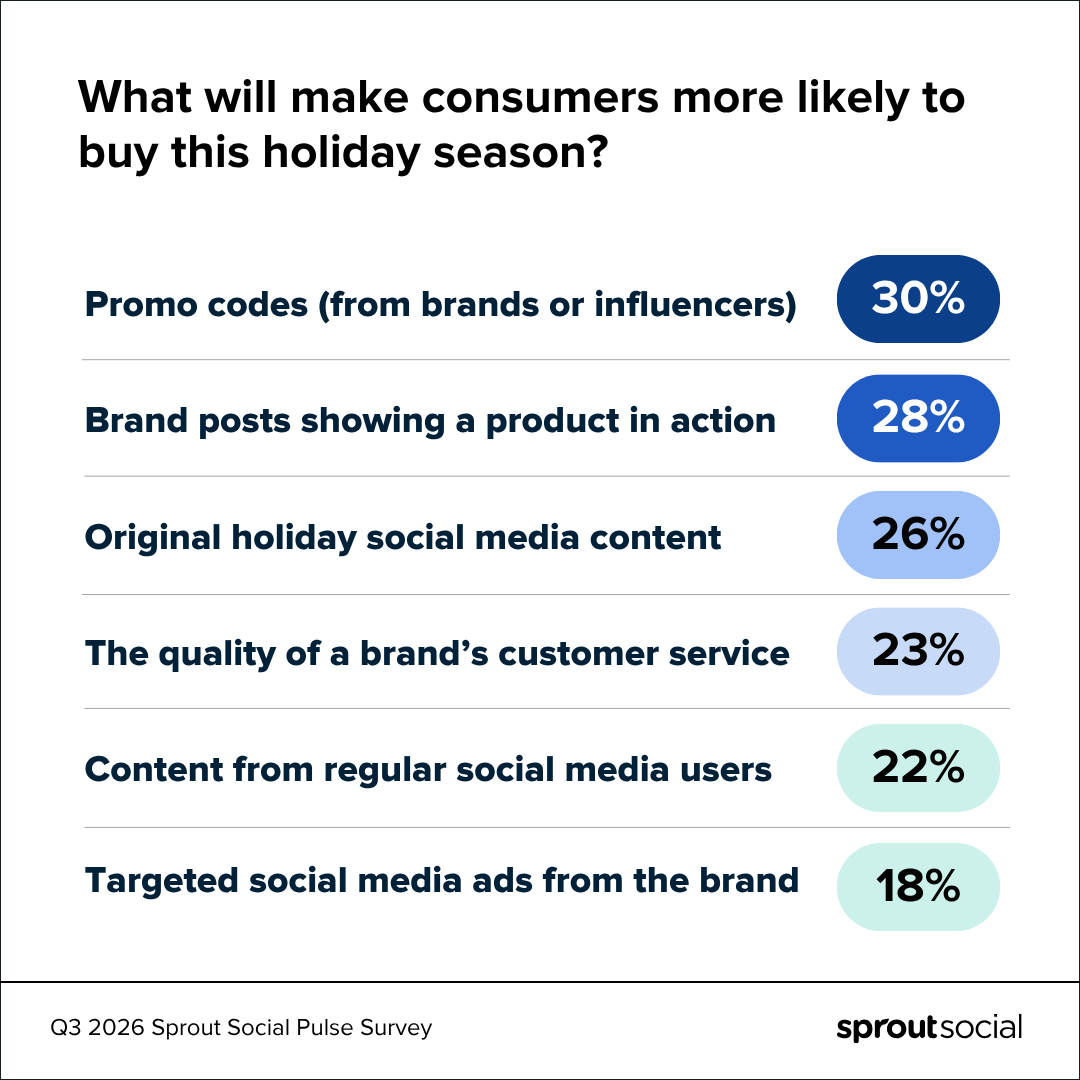
The data indicates that the most effective campaigns this year will focus on three pillars:
- Value-Driven Content: Prioritizing clear, accessible promo codes and discount messaging that directly addresses the "tariff-conscious" shopper.
- Visual Utility: Producing content that demonstrates product functionality and "in-action" use cases, which 28% of consumers identified as a key purchase driver.
- Responsive Infrastructure: Investing in social media management teams capable of managing high-volume, high-speed inquiries across multiple platforms, including public comment threads.
As the retail industry navigates these shifting currents, the fundamental takeaway is that social media is no longer a peripheral marketing tactic. It is the core environment where the holiday narrative is written, researched, and resolved. With 89% of consumers confirming that response time and quality of service are primary factors in their long-term brand perception, the cost of failing to adapt to these social-first expectations is significantly higher than in previous years.
Moving forward, retailers must optimize their social search presence—ensuring that their products are not just discoverable, but also easily accessible through native purchasing features. By aligning holiday campaigns with the reality of an economic-conscious consumer base, brands can secure their position in the upcoming year’s retail landscape, transforming seasonal engagement into long-term customer loyalty.
Methodology: The insights presented in this report are based on the Q3 2026 Sprout Social Pulse Survey, which analyzed data from 2,286 consumers across the United States, United Kingdom, and Australia. The survey was conducted by Panoplai between August 11 and August 18, 2026.