Mastering Facebook Analytics: A Strategic Imperative for Small Business Growth and ROI in a Dynamic Digital Landscape

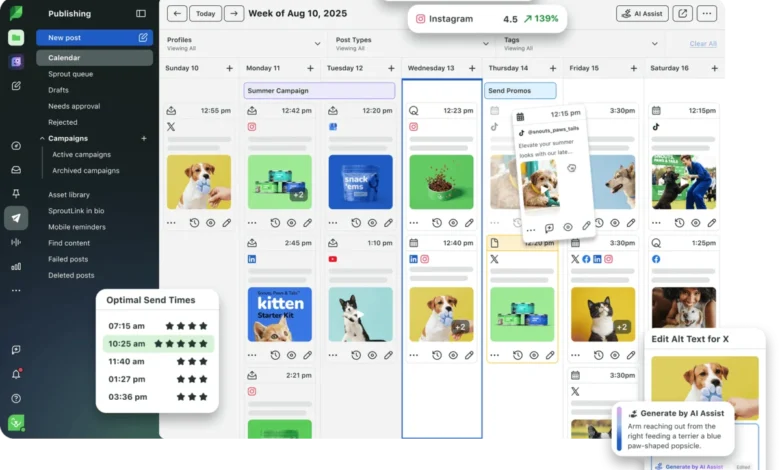
For small businesses, Facebook transcends its role as a mere social network; it functions as a critical engine for growth, customer acquisition, and brand building. With over two billion people engaging daily to discover local companies, peruse reviews, and pose questions, the platform presents an unparalleled opportunity. However, harnessing this potential without a robust analytical framework is akin to navigating a complex market blindfolded. The era of passively counting likes, followers, or basic reactions as indicators of success is definitively over. These superficial metrics, while easily observable, rarely provide conclusive evidence of a Facebook marketing strategy’s tangible return on investment (ROI). A paradigm shift towards data-backed decision-making, focusing on metrics directly correlated with business outcomes, is essential for small and medium-sized businesses (SMBs) seeking sustainable growth in an increasingly competitive digital arena. This comprehensive guide delves into the pivotal analytics SMBs must track, elucidates their strategic value, and outlines how to access and interpret them effectively, moving beyond the overwhelming complexity of scattered dashboards.
Evolution of Facebook as a Business Platform: A Brief Chronology
Facebook’s journey from a collegiate networking site to a global business behemoth offers crucial context for understanding the current imperative of analytics. Initially, businesses leveraged Facebook primarily through static Pages, relying heavily on organic reach to connect with audiences. The early 2010s saw the introduction of features like ‘Like’ buttons and basic Page Insights, offering nascent data on fan engagement. However, as the platform matured and its user base swelled, Facebook’s algorithm began to prioritize personal connections over brand content, leading to a significant decline in organic reach for Pages. This shift, particularly pronounced around 2014-2016, compelled businesses to explore paid advertising to ensure their content reached target audiences.

The subsequent years witnessed an explosion of sophisticated advertising tools within Meta’s ecosystem, including granular targeting options, diverse ad formats, and advanced conversion tracking via the Facebook Pixel. Concurrently, the rise of mobile usage and short-form video content, epitomized by the introduction and rapid growth of Instagram Reels (and subsequently Facebook Reels), reshaped content consumption patterns. For SMBs, this evolution meant a transition from a largely free marketing channel to a hybrid model where paid promotion became almost indispensable for visibility. This chronological progression underscores why a deep understanding of analytics—differentiating between organic and paid performance, tracking precise conversions, and adapting to new content formats—is no longer optional but fundamental for survival and growth. Without data to guide these complex shifts, SMBs risk squandering valuable resources on ineffective strategies.
Why Facebook Analytics are Non-Negotiable for SMBs in Today’s Digital Landscape
In an environment where digital presence dictates market relevance, Facebook analytics provide SMBs with a microscopic view of how their audience interacts with their brand across the platform. This granular insight reveals precisely which content garners attention, what drives traffic or clicks, what customers articulate about products, and the specific questions they pose. Such data empowers businesses to craft content demonstrably proven to resonate, eliminating the guesswork that often plagues under-resourced marketing teams.
For SMBs, the stakes are particularly high due primarily to two overarching reasons. Firstly, their often-limited marketing budgets necessitate maximum efficiency. Every dollar and every hour spent on Facebook marketing must yield measurable results. Analytics enable precise allocation of resources, identifying optimal content formats, topics, and publishing schedules that maximize reach and conversion potential. Secondly, SMBs operate in a highly competitive landscape, often vying for attention against larger enterprises with substantially greater marketing firepower. Data-driven strategies provide a crucial competitive edge, allowing nimble businesses to identify niches, optimize messaging, and respond to market demands with agility. Recent studies consistently show that data-driven organizations achieve significantly higher customer acquisition rates and improved profitability. For instance, a 2023 report by Salesforce indicated that companies leveraging analytics for decision-making see, on average, a 20% increase in customer engagement and a 15% boost in revenue compared to their less data-savvy counterparts. Furthermore, the sheer volume of digital content demands strategic precision; over 70 million businesses globally utilize Facebook Pages, underscoring the necessity for SMBs to stand out through informed content creation.
Beyond Vanity: Identifying Core Metrics for Tangible Business Growth
While superficial metrics like likes and raw follower counts might offer a fleeting sense of popularity, they provide minimal insight into genuine buying intent, content efficacy, or overall brand health. For SMBs, the focus must shift to metrics that directly correlate with concrete business outcomes.
Link Clicks and Website Referral Traffic: The Conversion Gateway
When a user clicks on a link within a Facebook post, they actively choose to leave their feed and take a further step, such as visiting a website, making a purchase, or booking an appointment. This action is a powerful indicator of intent and engagement. To truly understand the value of these clicks, SMBs must cross-reference this data with website analytics, scrutinizing referral traffic to ascertain user behavior post-click—did they stay, explore, convert, or bounce? The strategic value of link clicks is amplified when considered alongside comments and shares, as these interactions require a higher level of user effort than a passive like, signaling stronger content resonance and carrying greater algorithmic weight. Implementing UTM parameters for all Facebook links enables granular data collection in Google Analytics or other web analytics platforms, allowing businesses to track conversion rates from Facebook-referred traffic, such as newsletter sign-ups, product purchases, or contact form submissions. For example, a boutique jewelry store can post about a new collection and share a custom short link directly to the product page. By measuring these specific clicks, they can confidently state, "This post sent 50 shoppers straight to our new collection," moving beyond mere view counts.
Mastering Video: Views, Watch Time, and Engagement
Short-form video, particularly Reels, has emerged as the most engaging content format for brands on Facebook, according to Sprout Social’s research. To accurately gauge video performance, SMBs must move beyond simple view counts:
- Video Views: Indicates initial reach and whether the video’s thumbnail and title successfully captured attention.
- Average Watch Time: A crucial metric revealing how long users actively engaged with the video. High watch time signifies compelling content that holds audience interest, ensuring the core message is delivered effectively.
Tracking these metrics together helps understand true video performance. For instance, a video with high views but low average watch time suggests a strong hook but weak middle or end, prompting adjustments to content pacing or narrative. Conversely, moderate views with high watch time indicate a highly engaging piece that may need better initial promotion to expand its reach. A/B testing different video intros and calls to action can significantly improve these metrics. It is important to note that Facebook deprecated the older "3-second video view" metric in June 2026, emphasizing the shift towards more meaningful engagement metrics like average watch time.
Understanding Your Audience: Demographics and Peak Activity
Knowing precisely who your Facebook audience is and when they are most active prevents content from being published into a void.
- Audience Demographics: Encompasses age, location, gender, interests, and even specific behaviors. This data is critical for ensuring content is tailored to the relevant local buyers and target market segments. Posting engaging content to an audience primarily outside your service area, for instance, represents wasted effort.
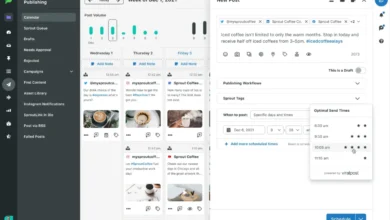
- Peak Activity Hours: Identifies the precise times when your audience is most active on the platform. Publishing during these windows maximizes the likelihood of organic reach and engagement, as content aligns with user availability. Regularly adjusting publishing schedules based on peak activity hours can dramatically increase post visibility and interaction.
Quality Over Quantity: Strategic Follower Growth
While follower count offers a broad indicator, the quality of followers is paramount. Are they passive users, or high-intent community members who regularly engage and convert?
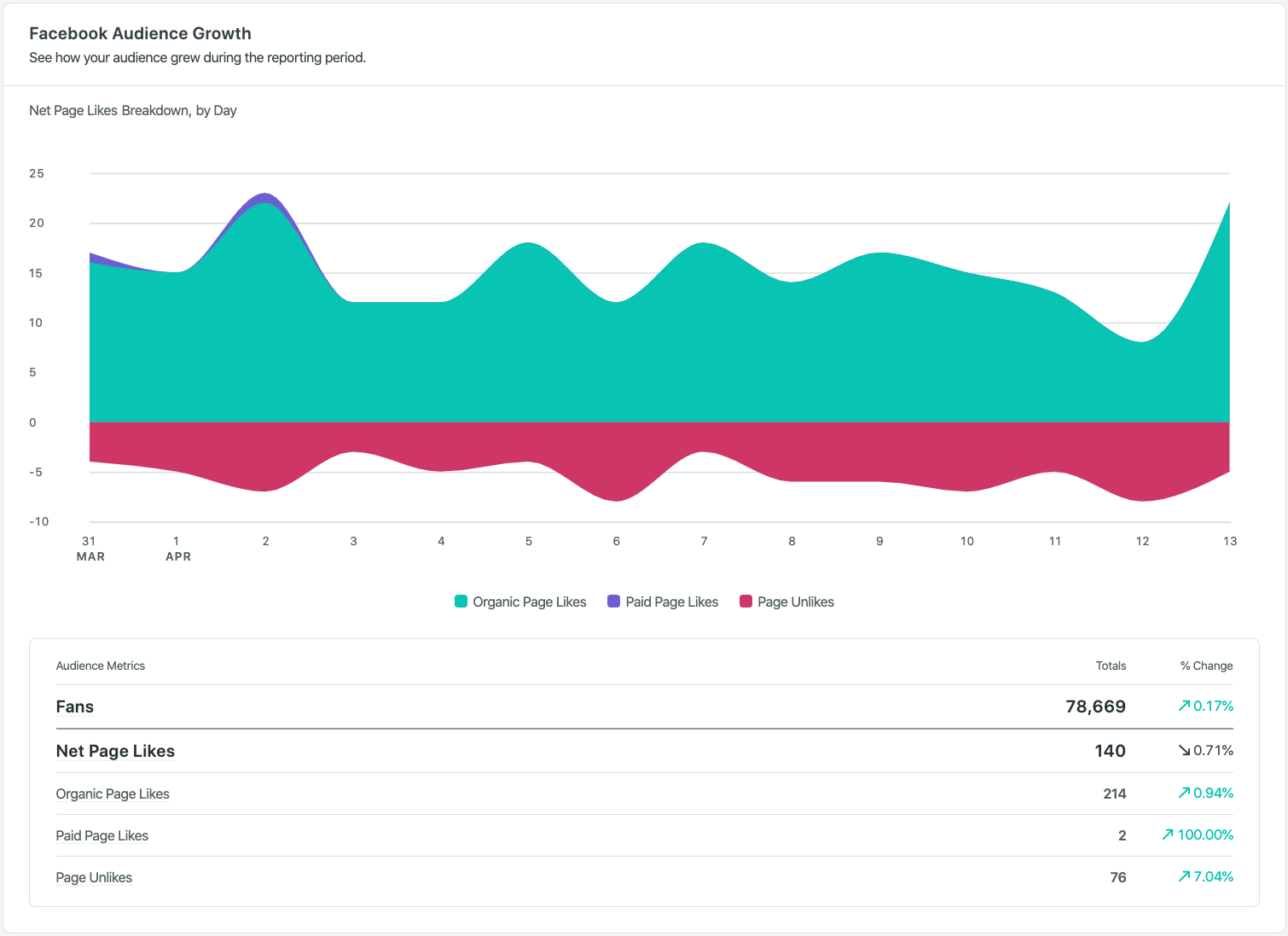
- Net Follower Growth: The overall increase or decrease in followers over a specific period.
- Growth Spikes: Sudden increases in follower acquisition, which can be traced back to specific posts, campaigns, or ads. Identifying these triggers allows for confident replication of successful strategies. To trace spikes manually, businesses can compare their follower growth chart in Meta Business Suite or Page Insights with recent posts, Reels, ads, and campaigns. A platform like Sprout Social simplifies this by showing audience growth, post performance, and publishing data in one integrated view.
The Power of Social Proof: Recommendations and Customer Sentiment
For many SMBs, Facebook serves as a vital digital storefront and local directory. Customer reviews and recommendations profoundly influence reputation and sales. While native tools monitor reviews, a social media management platform can track and respond to reviews from Facebook, Google, Yelp, TripAdvisor, and more, all in one place.
- Page Recommendations: The number of positive recommendations your business receives.
- Overall Review Sentiment: The general tone (positive, neutral, negative) of customer feedback.
- Key Topics in Reviews: Identifying recurring themes, whether positive (e.g., "great service," "delicious coffee") or negative (e.g., "slow delivery," "poor quality").
Taking the time to read and respond to reviews timely can help improve business operations, save reputation, and build long-term loyalty. Studies show that 85% of consumers trust online reviews as much as personal recommendations, making this a critical area for ongoing attention.
Navigating the Analytics Ecosystem: Native Tools vs. Specialized Platforms
Accessing Facebook analytics can be accomplished through several avenues, each with its own advantages and limitations. The primary methods include Facebook’s native tools (Meta Business Suite, Ads Manager) and third-party social media management platforms.
The Limitations of Meta’s Native Offerings
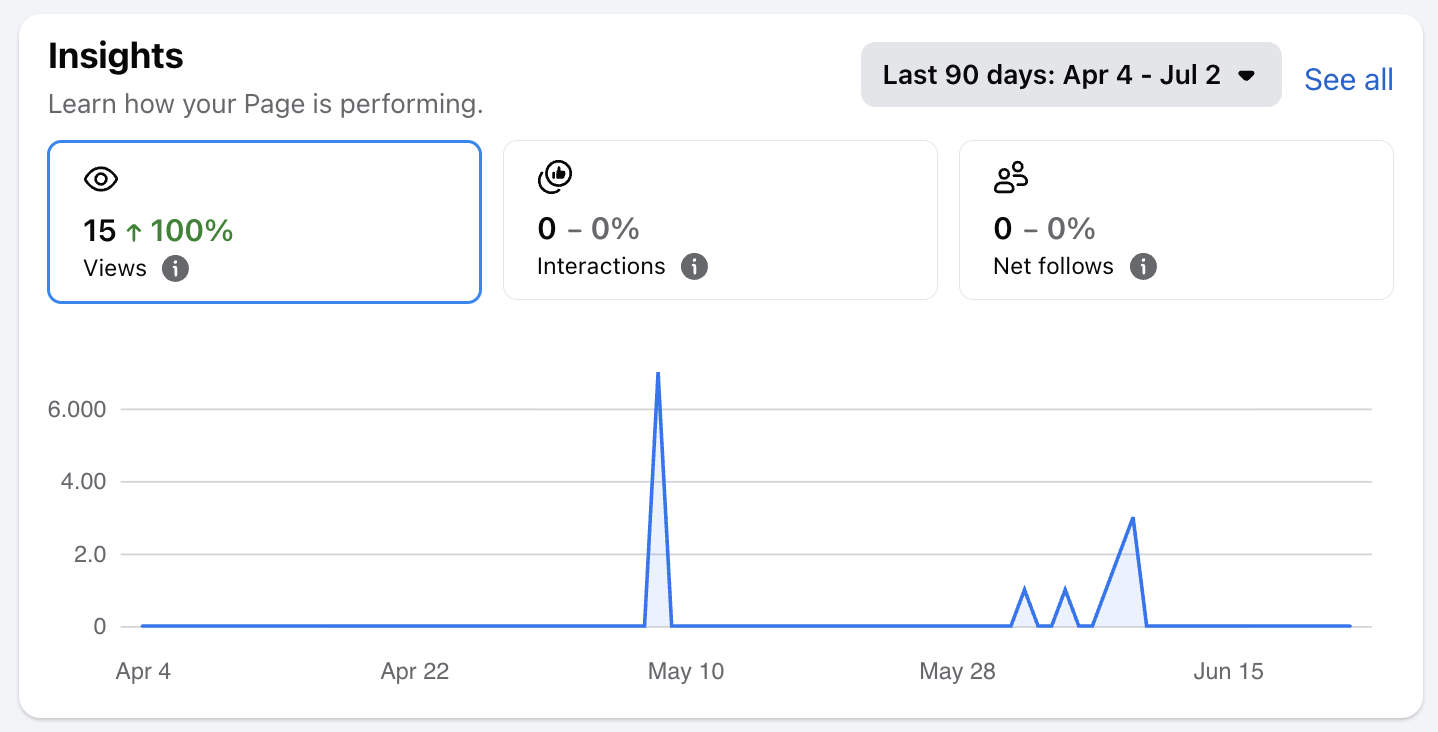
For nascent SMBs or those managing a single Page with minimal content, Meta’s native Professional Dashboard and Page Insights offer a foundational view of performance. These tools provide basic data on content reach, engagement, and audience demographics. However, as a business scales, the inherent limitations of these native platforms become pronounced. The data, while comprehensive in isolation, is often fragmented across multiple dashboards—requiring constant toggling between Meta Business Suite for organic insights, Ads Manager for paid campaign performance, Page reviews for customer feedback, and potentially Messenger for direct customer interactions.
This fragmentation translates into significant time expenditure for lean teams, who find themselves manually extracting screenshots, exporting numbers, performing calculations for month-over-month comparisons, and laboriously piecing together a coherent narrative. Such an approach is not only inefficient but also costly, diverting valuable time from strategic marketing activities. Furthermore, native tools offer limited capacity for cross-platform analysis, making it challenging for businesses managing a multi-channel social presence (e.g., Facebook, Instagram, TikTok, LinkedIn) to gain a unified perspective on their overall social media performance. This siloed approach can hinder the identification of broader trends and the optimization of a holistic social strategy.
The Strategic Advantage of Unified Social Media Management Platforms
When the administrative burden of reporting begins to impede strategic marketing endeavors, it signals the opportune moment for SMBs to graduate to a third-party social media management platform. These specialized solutions offer a unified workflow, consolidating analytics, publishing, and engagement management into a single interface. This integration provides a holistic view of performance, allowing businesses to understand how Facebook fits into their broader social strategy rather than viewing it in isolation.
Industry analysts consistently highlight the efficiency gains from integrated platforms. According to a 2024 report by Hootsuite, businesses using integrated social media management tools save an average of six hours per week on reporting and content scheduling. These platforms typically offer advanced reporting capabilities, often customizable, that automate data compilation and visualization. They can also facilitate competitive benchmarking, provide deeper audience insights, and integrate with other business tools like CRM systems, transforming raw data into actionable intelligence. For SMBs juggling multiple social channels, diverse content types, and growing audience segments, a dedicated analytics platform rectifies the fragmentation problem, enabling a focus on strategic content creation and thoughtful audience engagement.
Sprout Social Essentials: Empowering SMBs with Actionable Insights
Sprout Social exemplifies how integrated platforms can elevate Facebook analytics for small businesses. By unifying social media analytics and publishing, it eliminates the need for constant tool-hopping, allowing teams to track performance and act on insights from a single dashboard. Priced competitively, Sprout Social Essentials ($79 per seat/month) is tailored for ambitious, lean teams prioritizing strategy over administrative tasks.
Automated Reporting for Strategic Decision-Making
Sprout Social Essentials automates the generation of diverse reports, eliminating manual data entry and screenshotting. Key reports include:
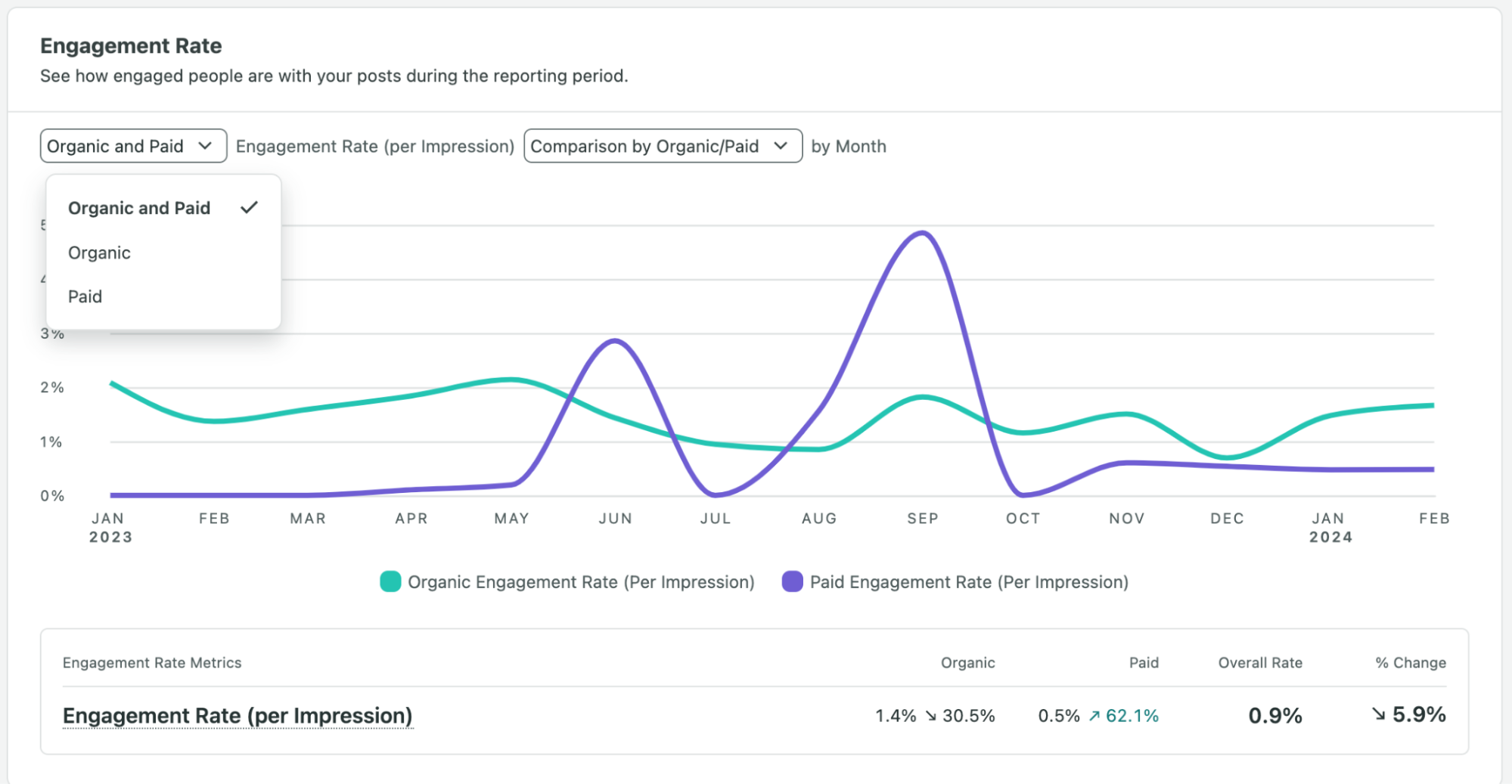
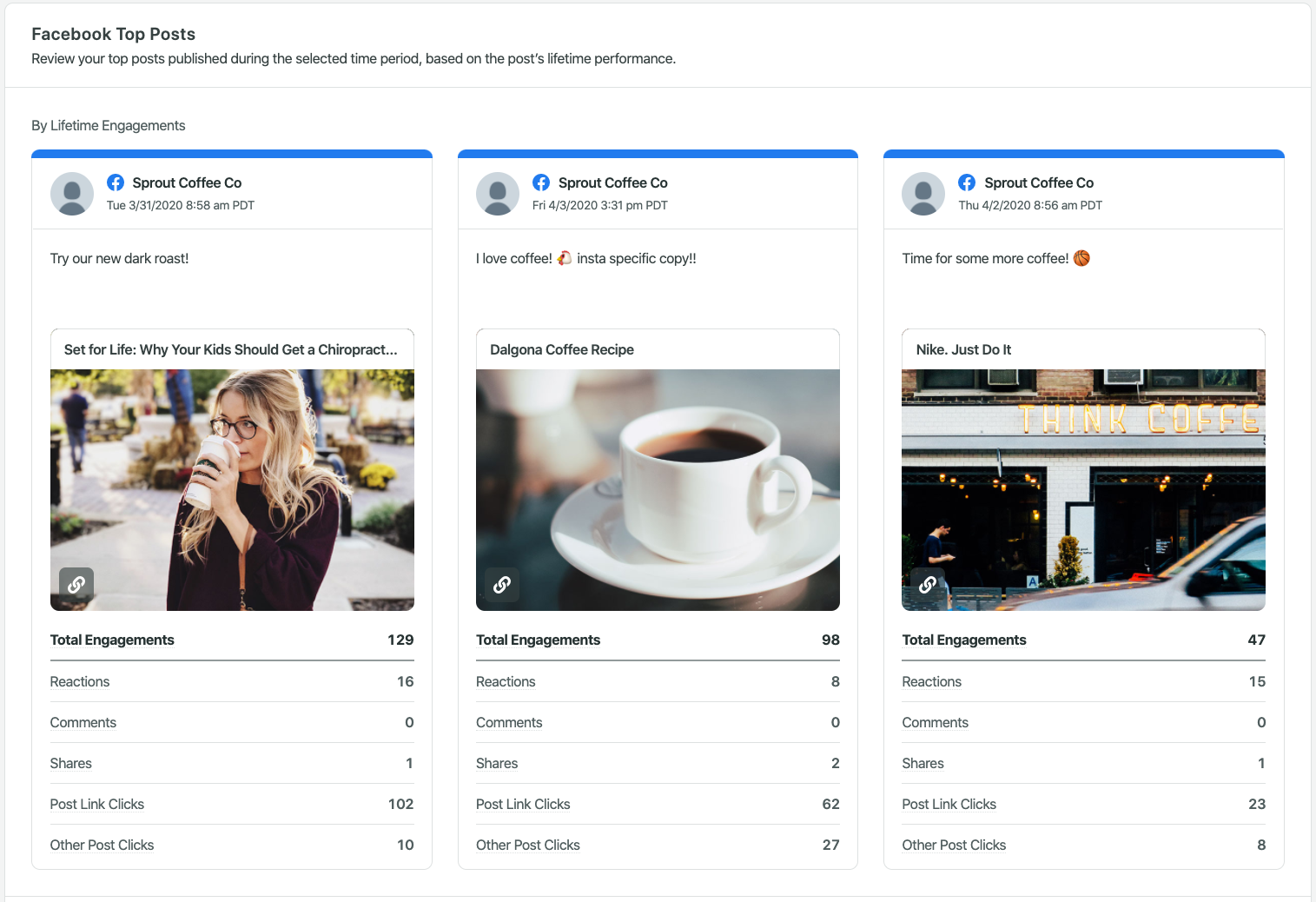
- Facebook Pages Report: Offers a comprehensive overview of Page performance, audience growth, engagement rates (organic and paid), and top-performing content.
- Profile Performance Report: