Microsoft Shatters Security Records with 570 Patches in July as AI-Driven Vulnerability Discovery Reshapes the Cybersecurity Landscape

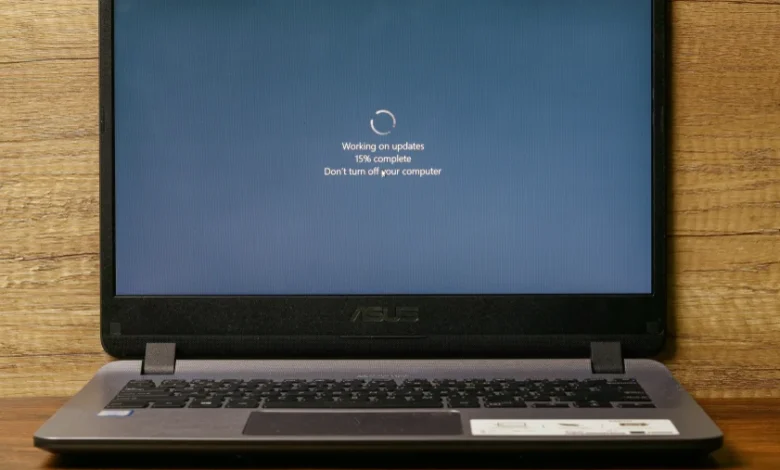
Microsoft Corp. has released a massive wave of software updates to address 570 security vulnerabilities across its Windows operating systems and various software suites, marking an unprecedented milestone in the history of the company’s monthly "Patch Tuesday" releases. This figure represents nearly triple the volume of vulnerabilities addressed in last month’s release, which had already set a record for the software giant. According to official statements from Microsoft, this surge in vulnerability identification is primarily attributed to the integration of advanced artificial intelligence (AI) tools in the bug-hunting process, signaling a paradigm shift in how software security is managed and maintained.
The July 2026 update cycle includes fixes for nearly 60 vulnerabilities categorized as "critical," a designation reserved for flaws that allow attackers to gain remote control over a device with minimal or no user intervention. Furthermore, the release addresses three "zero-day" vulnerabilities—security holes that were known to the public or actively exploited by malicious actors before a patch was available. Two of these zero-day flaws are currently being utilized in active cyberattacks, necessitating immediate attention from IT administrators and individual users alike.
The AI Revolution in Vulnerability Discovery
The primary driver behind the staggering number of patches this month is the evolution of internal security processes. Microsoft Executive Vice President Pavan Davuluri noted in a detailed technical blog post that the company is leveraging generative AI and machine learning to scan millions of lines of code with a speed and precision previously unattainable by human researchers alone.
"The pace of vulnerability discovery is changing with advances in AI making it possible to find more issues, faster, across more code, with new mechanisms that can accelerate both discovery and analysis," Davuluri stated. This transition suggests that the "new normal" for software maintenance will involve significantly higher volumes of security updates as AI-driven "fuzzing"—a process of feeding randomized data into software to find crashes and exploits—becomes more sophisticated.
While this allows Microsoft to harden its software more effectively, it also presents a logistical challenge for the global IT infrastructure. Organizations that previously managed 50 to 100 patches a month are now faced with nearly 600, requiring more robust testing environments and automated deployment strategies to ensure that these updates do not disrupt critical business operations.
Critical Zero-Day Flaws and Active Exploitation
Among the most pressing concerns in the July update are the three zero-day vulnerabilities. Two of these flaws involve elevation of privilege (EoP), a type of security breach where an attacker gains higher-level permissions than they are authorized to have, often allowing them to access sensitive data or install persistent malware.
The first, identified as CVE-2026-56155, is a vulnerability within Active Directory Federation Services (ADFS). Given that ADFS is a cornerstone of identity management for many large enterprises, a flaw here could allow an attacker to bypass authentication protocols. The second, CVE-2026-56164, targets Microsoft SharePoint, a platform used by millions for document management and internal collaboration. This SharePoint flaw was notably added to the Cybersecurity and Infrastructure Security Agency’s (CISA) Known Exploited Vulnerabilities (KEV) list on July 1, underscoring its immediate threat to federal and private-sector networks.
The third zero-day, CVE-2026-50661, involves a security feature bypass in Windows BitLocker. This vulnerability could allow an attacker with physical access to a device to circumvent encryption and access protected data. While Microsoft indicates that it has not seen active exploitation of the BitLocker flaw in the wild, the public disclosure of the bug’s mechanics increases the risk of "copycat" attacks.
Risks to AI Integration: The Microsoft Copilot Vulnerability
As Microsoft pushes AI into its product ecosystem, the security of those AI tools has come under intense scrutiny. Jack Bicer, Director of Vulnerability Research at Action1, highlighted CVE-2026-48561 as one of the most significant threats in this month’s batch. This is a remote code execution (RCE) flaw in Microsoft Copilot with a Common Vulnerability Scoring System (CVSS) threat score of 9.6 out of 10.
The vulnerability allows an unauthorized attacker to execute malicious code over a network. According to Microsoft’s advisory, an attacker could exploit this by hosting a specially crafted website. When a user visits this site using Microsoft Edge for Android, the browser could automatically send malicious prompts to Copilot, triggering the execution of unauthorized commands. This "prompt injection" style of attack represents a new frontier in cybersecurity, where the very tools designed to increase productivity can be turned into vectors for system compromise.
A Growing Industry Trend: The "Machine Speed" of Exploitation
Microsoft is not the only software provider feeling the pressure of AI-accelerated discovery. Other industry leaders have also reported a spike in vulnerability counts. Google’s patch releases in June 2026 exceeded 900 security fixes, while Adobe has announced a move to a twice-monthly security bulletin schedule to keep pace with the rapid discovery of flaws. Cisco, Mozilla, and Oracle have similarly increased their update cadences.
However, the speed of discovery also benefits the adversary. Satnam Narang, a senior staff research engineer at Tenable, argues that the traditional methods of assessing risk—specifically Microsoft’s "exploitability index"—may be becoming obsolete. The exploitability index is a rating Microsoft provides to predict how likely a bug is to be used in a real-world attack.
"Our way of looking at Patch Tuesday has changed, because the exploitability index is centered around humans, not AI tools," Narang explained. He pointed to research from Anthropic’s Red Team, which demonstrated that their "Mythos Preview" AI model could produce functional proof-of-concept exploits for 13 out of 14 vulnerabilities that Microsoft had rated as "Exploitation Less Likely." This suggests that attackers using AI can weaponize "low-risk" bugs much faster than human analysts anticipated, effectively closing the window of safety that IT teams rely on when prioritizing which patches to install first.
Chronology of the July Update and Future Outlook
The timeline leading up to this record-shattering release illustrates a tightening cycle of discovery and remediation:
- July 1, 2026: CISA adds the SharePoint zero-day (CVE-2026-56164) to its KEV catalog following reports of active exploitation.
- July 5, 2026: Security researchers at Action1 and Tenable flag a sharp increase in "elevation of privilege" bugs being tracked in pre-release documentation.
- July 9, 2026: Microsoft officially releases the July Patch Tuesday updates, totaling 570 fixes. Executive VP Pavan Davuluri confirms AI’s role in the expanded volume.
- July 9, 2026: Adobe follows suit, announcing its new bi-monthly patch schedule to address AI-driven discovery speeds.
Looking forward, the cybersecurity landscape appears to be entering an era of "hyper-patching." As AI tools become more integrated into the development lifecycle, the sheer volume of code being analyzed will likely lead to even larger update packages. This creates a "defender’s dilemma": while more bugs are being fixed, the burden on IT departments to vet and deploy these patches without breaking legacy systems is reaching a breaking point.
Strategic Recommendations for Users and IT Administrators
Given the unprecedented volume of updates and the critical nature of the zero-day exploits, security experts recommend a balanced but urgent approach to the July patches.
- Prioritize Zero-Days and Critical RCEs: Organizations should immediately focus on patching the SharePoint, ADFS, and Copilot vulnerabilities. These represent the highest immediate risk for remote compromise.
- Phased Rollout: With 570 patches, the likelihood of a "regression"—where a patch causes a system crash or software incompatibility—is statistically higher. IT teams are advised to test the updates on a representative sample of machines before a full-scale enterprise rollout.
- Data Backup: Individual users and small businesses should ensure they have a current backup of their critical data before initiating the update process. The complexity of this month’s release increases the risk of installation failures.
- Monitor AI Prompts: For organizations using Microsoft Copilot on mobile devices, administrators should ensure that browser security settings are tightened to prevent unauthorized interactions between websites and AI assistants.
The July 2026 Patch Tuesday serves as a stark reminder that the integration of AI into the digital world is a double-edged sword. While it empowers developers to find and fix flaws at a scale never before seen, it also provides attackers with the tools to find and exploit those same flaws with terrifying efficiency. As Microsoft and its peers navigate this new reality, the global community must adapt to a faster, more volatile cycle of software maintenance.
Related posts: