The Rise of the Agentic Harness in Software Engineering
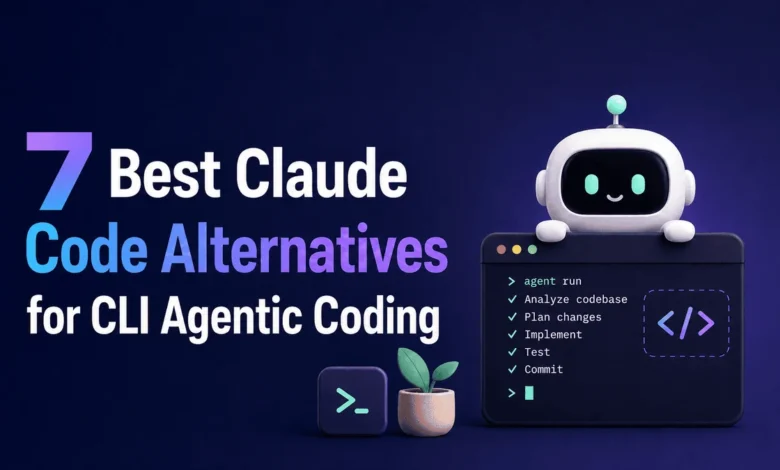
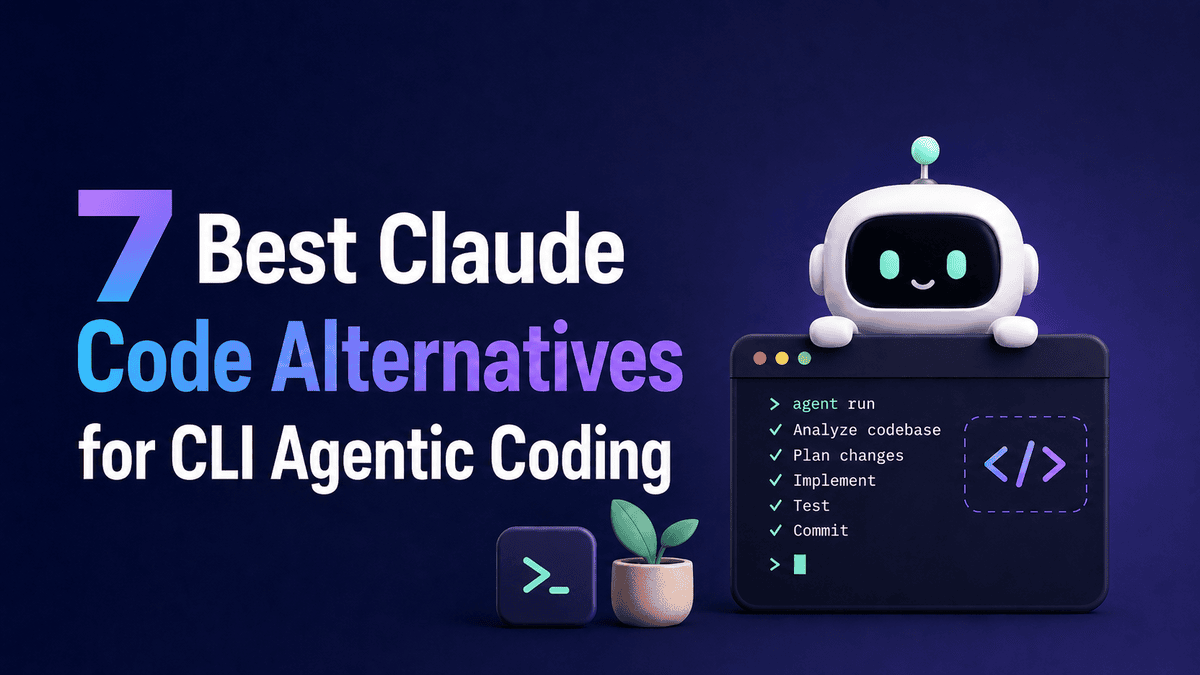
To understand the competitive landscape of CLI coding agents, one must distinguish between the underlying Large Language Model (LLM)—the "intelligence"—and the agentic harness—the "system." While Claude 3.5 Sonnet currently leads many benchmarks for coding reasoning, the harness is what allows that intelligence to interact with the physical world of a developer’s computer. A high-quality harness manages file system permissions, context window optimization, tool-use protocols, and multi-step planning.
The primary driver for seeking alternatives to Claude Code often stems from the high operational costs associated with Anthropic’s official tool, which can consume significant tokens during iterative debugging sessions. Furthermore, many organizations require "model agnosticism," allowing them to swap between OpenAI’s o1, Google’s Gemini 1.5 Pro, or local models like Llama 3 for security and privacy reasons.
1. OpenCode: The Open-Source Multi-Tool
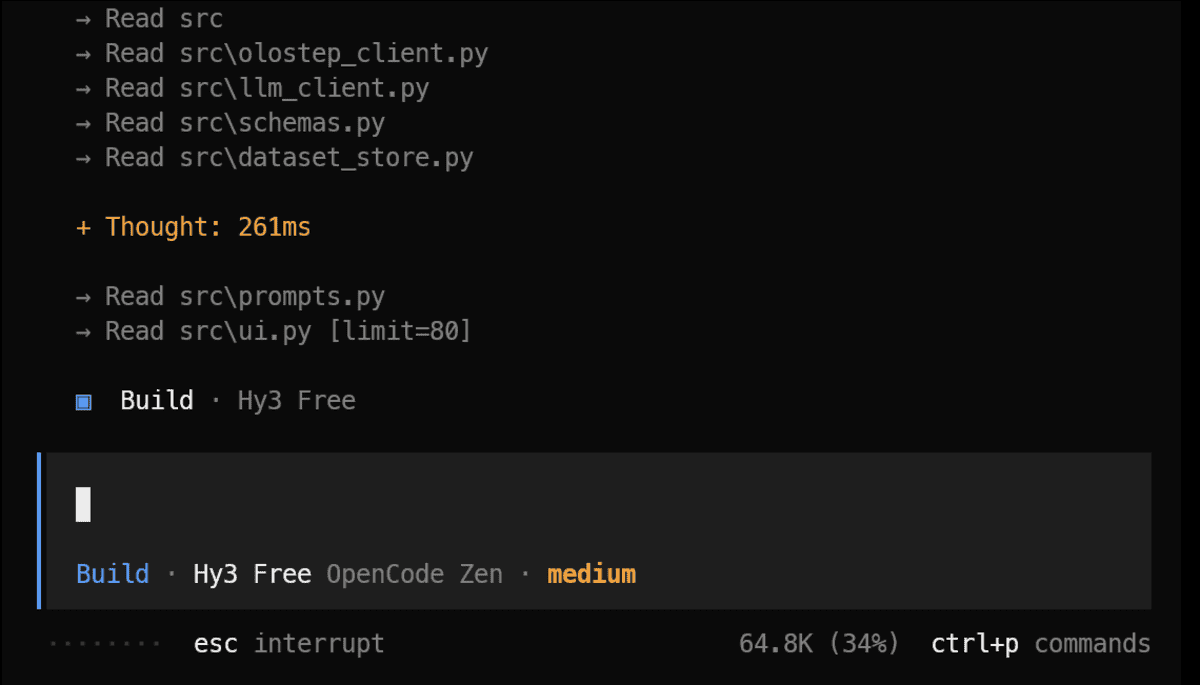
OpenCode has emerged as a premier contender for developers who prioritize transparency and cross-platform flexibility. Unlike proprietary tools that lock users into specific ecosystems, OpenCode operates across the terminal, integrated development environments (IDEs), and standalone desktop applications. Its primary technical advantage lies in its automatic loading of language servers. By integrating with Language Server Protocol (LSP) data, OpenCode gains a semantic understanding of a codebase that surpasses simple text-based analysis, allowing it to perform more accurate refactoring and feature implementation.
From a strategic perspective, OpenCode addresses the "vendor lock-in" concern. It allows developers to configure custom agents for specific tasks—such as a "Reviewer Agent" that only checks for security vulnerabilities or a "Planner Agent" that outlines architectural changes before a single line of code is written. This modularity makes it a favorite for teams operating under strict architectural governance.
2. Pi: Minimalist Efficiency and Modular Design
For developers who find Claude Code’s system prompts too verbose or its architecture too rigid, Pi offers a lightweight, highly extensible alternative. Pi is designed as a minimalist harness that emphasizes token conservation—a critical factor in managing the high costs of agentic workflows. By utilizing a smaller, more efficient system prompt, Pi reduces the overhead of every interaction, potentially saving users significant sums in API costs over long-term projects.
Pi’s strength lies in its "Skill" and "Extension" ecosystem. It supports over 15 model providers, including specialized Chinese models like Kimi and open-source gateways like OpenRouter. A unique feature of Pi is its "branching" capability, which allows a developer to pause an agentic session, create a conceptual branch, test a specific logic path, and then return to the original state without losing the context of the primary task. This non-linear workflow mimics the natural cognitive process of human software engineers.
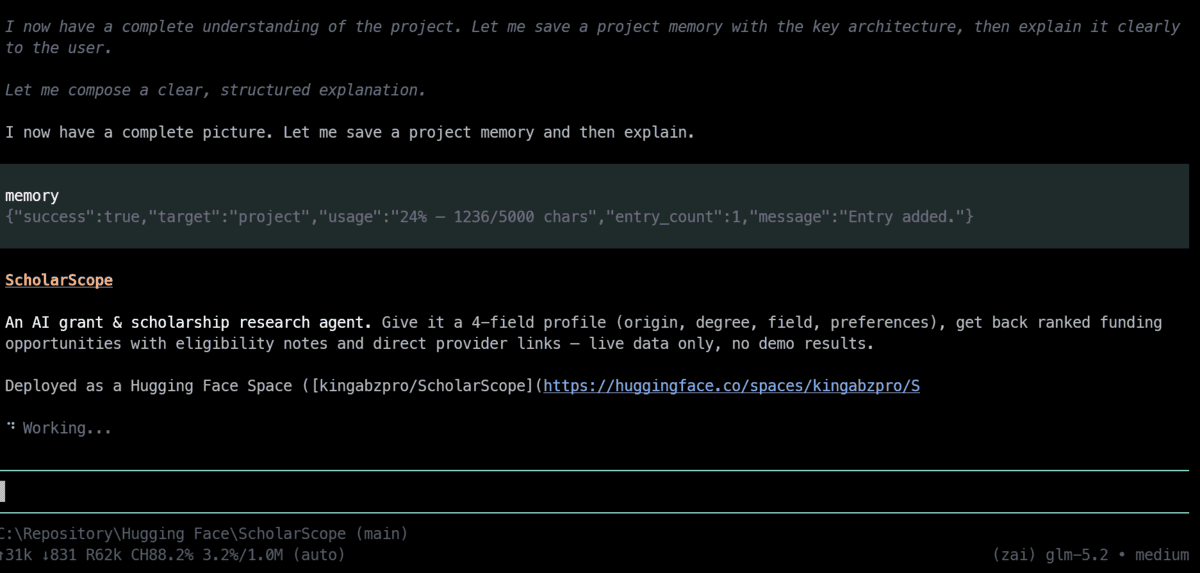
3. Factory Droid: Enterprise-Grade Automation
While many CLI agents focus on the individual developer experience, Factory Droid is built with the broader software development lifecycle (SDLC) in mind. Its standout feature is the droid exec mode, which facilitates headless execution. This allows Factory Droid to be integrated into Continuous Integration and Continuous Deployment (CI/CD) pipelines, where it can autonomously handle routine maintenance tasks, such as dependency updates or documentation generation, without human intervention.
Factory Droid also introduces the concept of "Missions." Instead of a continuous chat stream, a Mission breaks down a large-scale project into discrete, verifiable steps. This structured approach is particularly useful for large-scale migrations or legacy code refactoring, where maintaining a "chain of custody" for code changes is essential for enterprise compliance.
4. Codex CLI: Leveraging the OpenAI Ecosystem
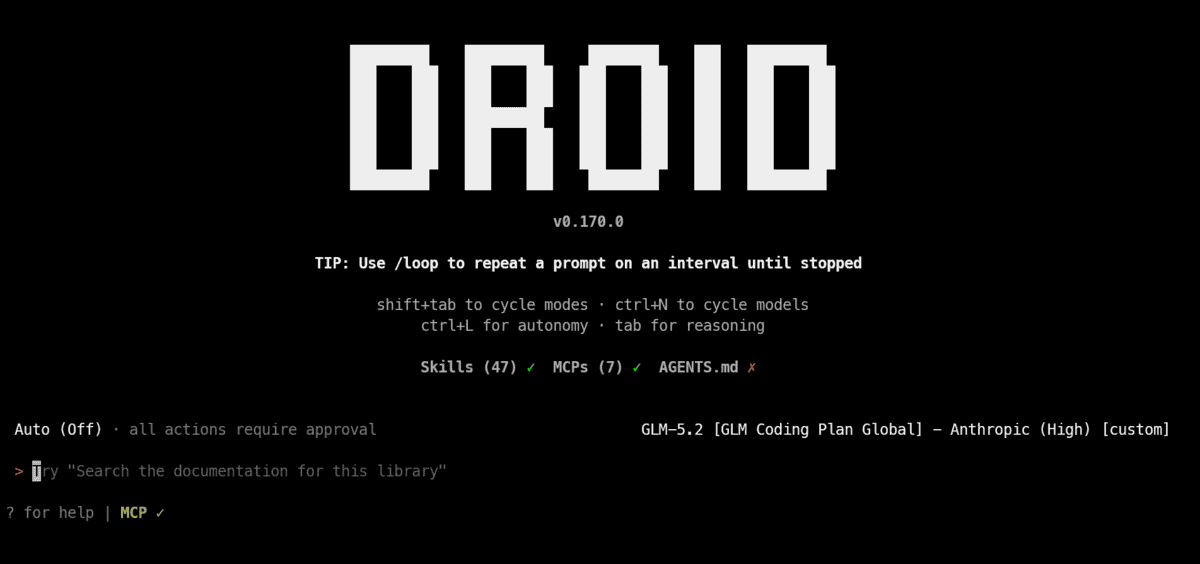
Codex CLI represents OpenAI’s footprint in the agentic terminal space. For developers already invested in the ChatGPT Plus or Team ecosystems, Codex CLI often provides the most frictionless entry point. The tool is designed to be deeply integrated with OpenAI’s latest reasoning models, such as the o1-preview series, which are specifically optimized for complex logic and architectural planning.
One of the most significant advantages of Codex CLI is its sandbox environment. Security is a paramount concern when granting an AI agent terminal access; Codex CLI addresses this by allowing developers to set strict permission levels and run tasks in isolated environments. This mitigates the risk of an agent accidentally deleting critical system files or executing malicious shell scripts.
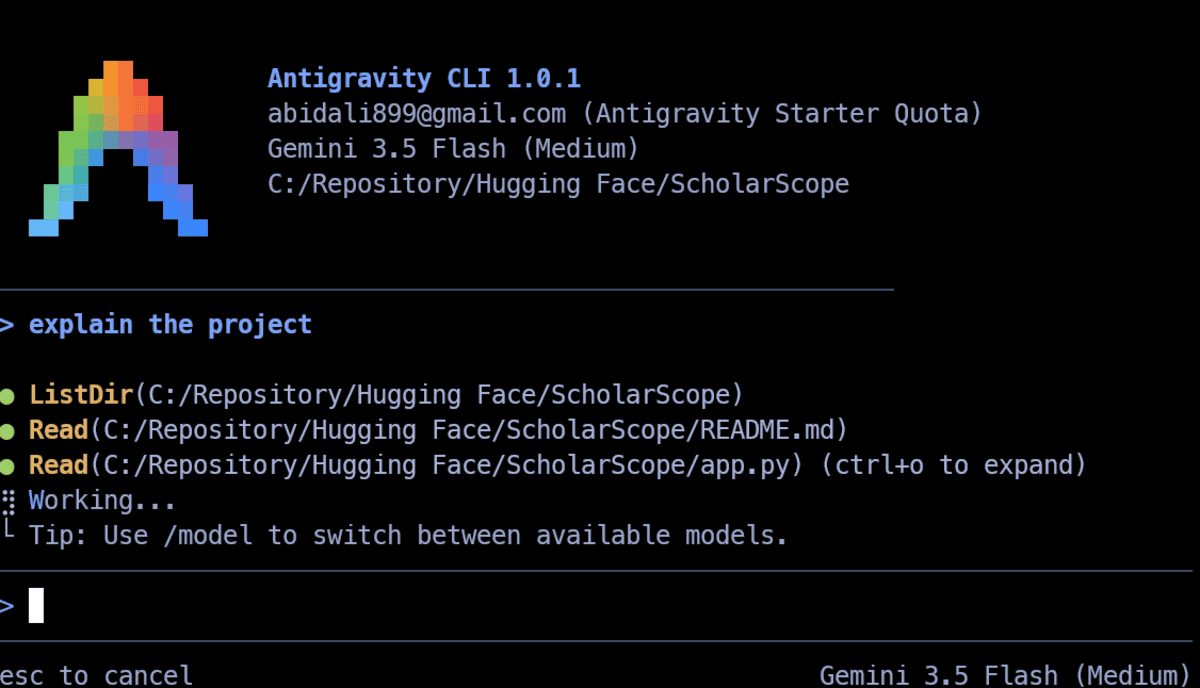
5. Antigravity CLI: Google’s High-Performance Entry
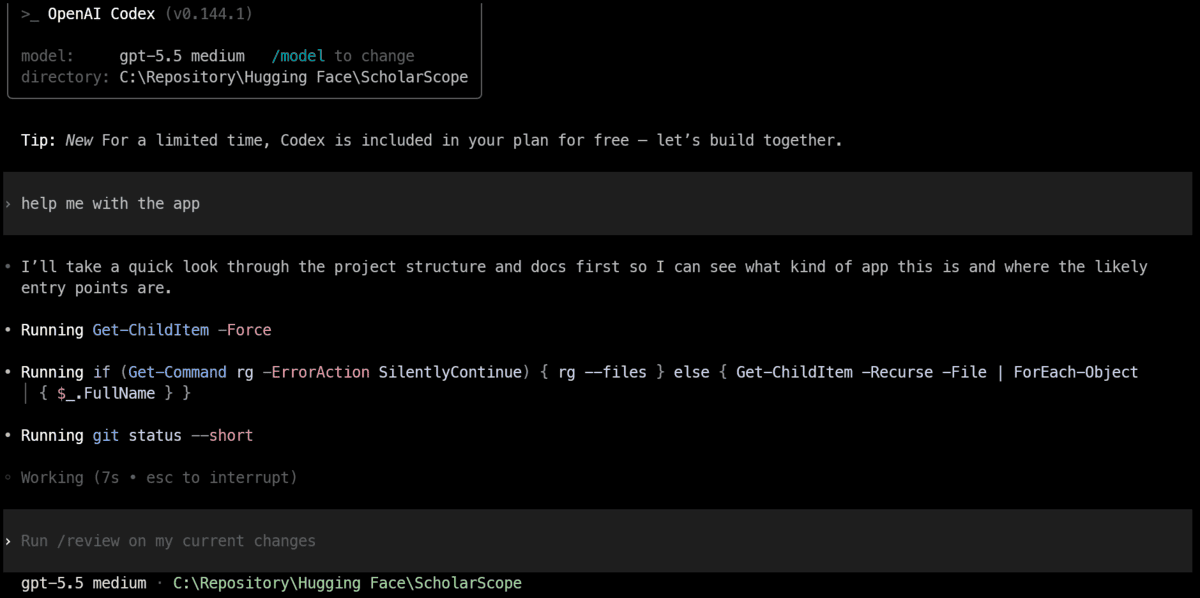
Antigravity CLI is Google’s answer to the agentic coding trend, leveraging the massive context window of the Gemini 1.5 Pro model (which can handle up to 2 million tokens). This massive context window allows Antigravity to "ingest" an entire enterprise-scale codebase in a single pass, providing it with a holistic understanding that models with smaller windows often lack.
Antigravity is built for speed and multi-agent concurrency. It can launch parallel sub-agents to research documentation while the primary agent continues to write code, significantly reducing the "wait time" associated with sequential processing. For developers working within the Google Cloud Platform (GCP) ecosystem, Antigravity provides native hooks and plugins that simplify cloud-native development and deployment.
6. Cline: The Community-Driven Powerhouse
Formerly known as Claude Dev, Cline has rapidly become one of the most popular open-source coding agents due to its versatility. It is unique in that it bridges the gap between the CLI and the GUI, offering a robust terminal interface while also integrating seamlessly with VS Code and JetBrains. Cline’s open-source nature has allowed for a rapid iteration cycle, with the community frequently adding support for new Model Context Protocol (MCP) servers.
Cline is particularly well-suited for developers who want to experiment with local LLMs. By connecting to tools like Ollama or LM Studio, Cline can run entirely offline, ensuring that sensitive proprietary code never leaves the developer’s local machine. Its "Kanban board" interface for tracking multiple concurrent tasks provides a level of project management that is rarely seen in CLI-first tools.
7. Goose: The Generalist Agent
Goose, developed by Block (formerly Square), takes a broader view of "agentic work." While it is an exceptional coding tool, Goose is designed as a general-purpose agent that can handle data analysis, research, and technical writing. It supports over 70 MCP extensions, allowing it to connect to external databases, web browsers, and even Slack or Jira.
Goose’s architecture is built on the principle of "extensible autonomy." Developers can write their own "capabilities" in Python or TypeScript, essentially teaching Goose how to use internal proprietary tools or follow company-specific coding standards. This makes Goose less of a "coding assistant" and more of a "virtual teammate" that can be tailored to the specific needs of an engineering department.
Chronology of Development and Market Impact
The transition from "autocompletion" to "agency" has occurred with remarkable speed. In early 2023, the industry was focused on "Copilot-style" line suggestions. By mid-2024, the release of the SWE-bench (Software Engineering Benchmark) pushed AI labs to focus on autonomous problem-solving. Anthropic’s release of Claude 3.5 Sonnet in June 2024 served as the catalyst, as it demonstrated the reasoning capabilities necessary for reliable agentic behavior.
Since then, the market has fragmented into specialized niches. We are currently seeing a "Cambrian Explosion" of agentic harnesses, with each tool attempting to solve the "reliability gap"—the tendency for AI agents to "hallucinate" terminal commands or get stuck in infinite loops.
Data-Driven Analysis: Efficiency and Cost
Industry data suggests that agentic coding can improve developer velocity by as much as 40% for routine tasks like unit testing and boilerplate generation. However, the "cost per feature" can be high. A typical agentic session involving a high-reasoning model like Claude 3.5 Sonnet can cost between $0.50 and $5.00 depending on the complexity and the number of "loops" the agent takes to find a solution.
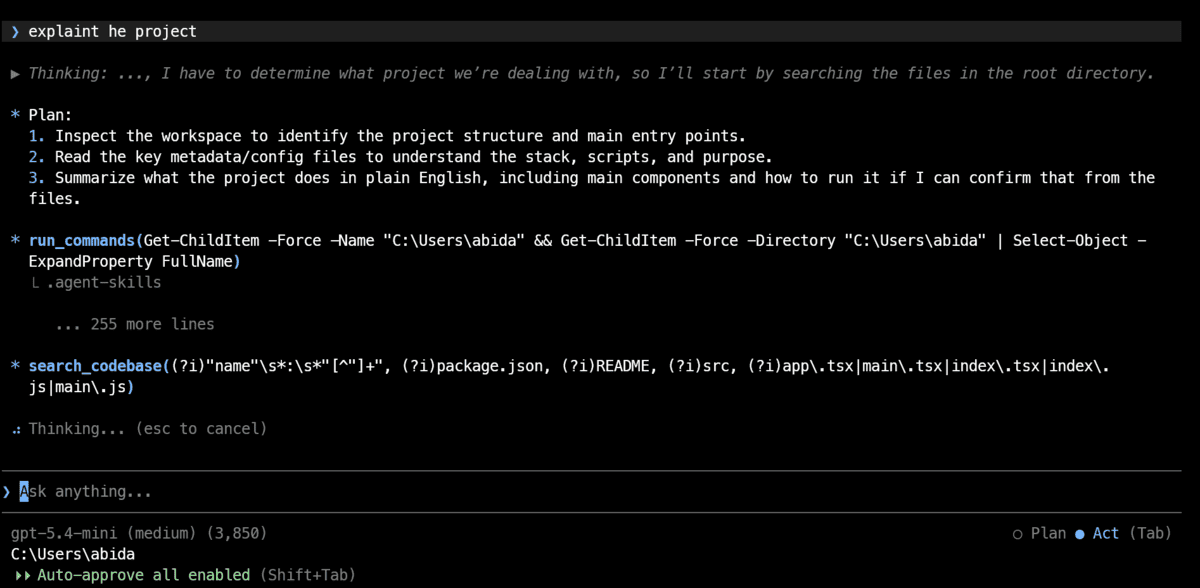
This economic reality is driving the adoption of the alternatives mentioned above. Tools like Pi and Cline, which allow for "model switching," enable developers to use expensive models for high-level planning and cheaper, faster models (like GPT-4o-mini or Llama 3.1 8B) for the actual execution of code, optimizing the cost-to-performance ratio.
Implications for the Future of Software Engineering
The rise of these seven alternatives indicates that the future of programming is not just about writing code, but about "orchestrating agents." As these CLI tools become more reliable, the role of the senior developer will shift toward that of a "system architect" and "reviewer," where they spend more time defining the constraints and objectives for AI agents rather than manually typing syntax.
The emergence of the Model Context Protocol (MCP) is perhaps the most significant technological trend in this space. By standardizing how agents connect to tools (like Google Search, GitHub, or local databases), MCP ensures that these seven alternatives can continue to compete with "first-party" tools like Claude Code. This open ecosystem prevents any single AI lab from monopolizing the developer workflow, ensuring that the software engineering community retains control over its own toolchain.
In conclusion, while Claude Code remains a powerful benchmark, the diverse landscape of alternatives—from the minimalist efficiency of Pi to the enterprise-grade automation of Factory Droid—provides developers with the flexibility needed to navigate the next era of autonomous programming. Choosing the right tool now requires an evaluation of not just the AI’s "brain," but the robustness and adaptability of its "harness."