Corporate Reputation Management: A Strategic Blueprint for Navigating Public Perception and Building Long-Term Trust


In an era defined by instantaneous information exchange, a company’s reputation is no longer a static asset managed solely by internal communications departments. It is a living, breathing entity shaped by every customer interaction, employee sentiment, and viral social media post. Corporate reputation management has evolved into a critical business function that sits at the intersection of public relations, digital strategy, and risk mitigation. For modern enterprises, reputation is a primary driver of market valuation, talent acquisition, and long-term consumer loyalty.

The discipline of reputation management requires a proactive, rather than reactive, approach. It involves the constant monitoring, protecting, and refining of how an organization is perceived by its key stakeholders—customers, investors, employees, and the broader public. While traditional public relations focused on curated media narratives, contemporary reputation management requires navigating the fragmented landscape of online reviews, social media discourse, and real-time news cycles.
The Economic Imperative of Brand Trust
The financial implications of a company’s reputation are profound. Trust is the currency of modern commerce; without it, even the most innovative products struggle to gain market traction. According to the 2026 Edelman Trust Barometer, 88% of consumers identify brand trust as a non-negotiable factor in their purchasing decisions. This sentiment is amplified in the B2B sector, where decision-makers increasingly rely on peer-driven platforms like G2 and industry-specific Slack communities to vet potential vendors before engagement.

The impact extends into the labor market as well. In a competitive talent economy, 83% of job seekers consult online reviews and ratings—such as those on Glassdoor—before submitting an application. A negative reputation does not merely hinder sales; it increases the cost of talent acquisition and diminishes the efficacy of human capital, as high-performing employees are less likely to join or remain with an organization viewed unfavorably by the market.
Core Disciplines and Strategic Overlap
Corporate reputation management serves as an umbrella for several distinct, yet interconnected, disciplines. Understanding the nuances between them is vital for organizational health:

- Public Relations (PR): Historically focused on building goodwill through earned media, events, and storytelling. It acts as the offensive arm of reputation management, aiming to shape public perception through positive narratives.
- Online Reputation Management (ORM): A digital-first approach that monitors and manages a company’s footprint across search engines, social media platforms, and review aggregators.
- Crisis Communications: A tactical response mechanism designed to limit reputational damage during high-stakes incidents.
While these functions were once siloed, the digital age has necessitated a unified strategy where every touchpoint is treated as a component of the overarching brand image.
The Anatomy of a Reputation Crisis
A reputation crisis typically follows a predictable lifecycle: detection, assessment, response, and recovery. The case of the 2024 CrowdStrike IT outage serves as a seminal study in modern crisis management. When a faulty software update triggered one of the largest IT disruptions in history, affecting millions of systems globally, the company faced immediate and severe scrutiny.
The crisis management timeline proceeded as follows:
- Immediate Acknowledgement: The company issued a public apology within hours of the incident, bypassing the traditional delay tactics often employed by corporations under pressure.
- Transparency: CrowdStrike published a detailed technical breakdown, providing stakeholders with a clear understanding of the failure, which helped to mitigate speculation and conspiracy theories.
- Accountability: The company’s leadership adopted a posture of radical humility, even participating in a public acknowledgement of the failure at a major hacker conference.
This response strategy enabled the company to stabilize its market position. By early 2025, reports indicated that CrowdStrike had successfully recovered approximately $30 billion in market value, demonstrating that transparent, swift, and consistent communication can mitigate even catastrophic reputational damage.

Establishing a Monitoring and Response Framework
To effectively manage reputation, organizations must move beyond manual tracking. A robust strategy incorporates a data-driven monitoring framework characterized by:
- Auditing: Conducting a comprehensive review of current perceptions across all channels, including social media sentiment, employee feedback, and financial analyst reports.
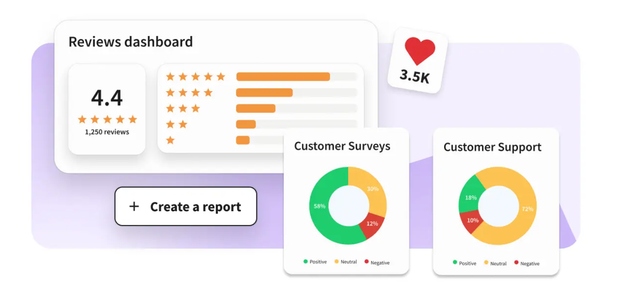
- Social Listening: Utilizing AI-powered tools to track brand mentions, share of voice, and competitor activity. Monitoring should span millions of sources to ensure a comprehensive view of the market narrative.
- Threshold-Based Alerts: Establishing clear criteria for "crisis levels." For example, an isolated negative review might trigger a low-level alert for the customer support team, whereas a 5x spike in negative mentions would automatically escalate the issue to executive leadership and legal counsel.
The importance of clear ownership cannot be overstated. Research from industry experts, such as Rick Pendrick of Prism PR, highlights that the most damaging crises are often exacerbated not by the event itself, but by internal confusion regarding decision-making protocols. Organizations should maintain a "decision tree" that clearly defines who has the authority to speak, who must approve messaging, and who is responsible for cross-channel coordination.

The Role of Employee Advocacy
Employees are perhaps the most underutilized assets in reputation management. Data from a 2026 Harris Poll study indicates that 74% of U.S. adults perceive employees as more credible brand representatives than traditional corporate marketing campaigns. When employees are empowered to share authentic insights, they humanize the brand, building a layer of trust that paid media cannot replicate. However, this requires an environment where employees feel secure and valued, as internal dissatisfaction can rapidly manifest as external reputational risk.
Measuring Success in a Dynamic Environment
Reputation is notoriously difficult to quantify, yet it is essential to track. Effective measurement requires a multi-faceted scorecard that includes:
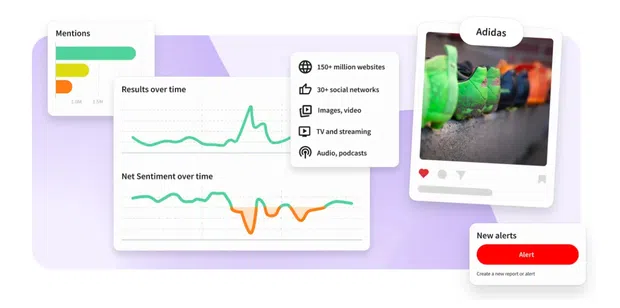
- Net Sentiment Score: The ratio of positive to negative brand mentions.
- Share of Voice: The volume of conversation surrounding your brand compared to competitors.
- Customer Satisfaction Score (CSAT) and Net Promoter Score (NPS): Indicators of the health of your customer relationships.
- Retention Rates: Both employee and customer retention are lagging indicators of brand health.
By setting baselines for these metrics during "business as usual" periods, organizations can identify anomalies early. A 10% drop in sentiment is a meaningful metric only if the organization understands its historical, normalized data.
Avoiding Common Pitfalls
The most significant threats to corporate reputation are often self-inflicted. Common errors include:

- Defensiveness: Adopting an adversarial posture toward critics often fuels the narrative and prolongs the crisis.
- Conflicting Messaging: Discrepancies between public statements on different platforms (e.g., X vs. LinkedIn) erode credibility.
- Failure to Follow Through: An apology without corrective action is perceived as hollow. True recovery requires systemic changes that address the root cause of the initial failure.
Future Outlook and Technological Integration
As artificial intelligence continues to integrate into marketing and communications workflows, the tools for reputation management are becoming more sophisticated. AI-driven agents, such as Hootsuite’s Wisdom, now allow teams to query massive datasets to understand the "why" behind sentiment shifts in real-time. Instead of manually reviewing thousands of comments, communicators can use AI to summarize the primary drivers of negative sentiment, allowing for surgical, data-backed interventions.
In conclusion, corporate reputation management is a continuous investment in organizational integrity. It requires the coordination of diverse departments, the deployment of advanced analytical tools, and a steadfast commitment to transparency. In a hyper-connected global market, reputation is not just a secondary benefit of business success—it is the bedrock upon which long-term, sustainable growth is built. Companies that treat reputation management as a core strategic pillar rather than a PR checkbox will be the ones best positioned to navigate the complexities of the future.