How the TikTok Algorithm Ranks Content in 2026 and Strategies for Maximum Reach

The digital landscape of 2026 has transformed the TikTok recommendation engine into a sophisticated, multi-layered ecosystem that prioritizes hyper-personalized user intent over simple vanity metrics. As the platform matures, the "For You" page (FYP) has evolved from a basic interest-matching tool into a complex search-and-discovery engine. For marketers, creators, and enterprise brands, understanding these mechanics is no longer optional—it is the foundation of digital visibility.

The Anatomy of the 2026 Recommendation Engine
At its core, the TikTok algorithm in 2026 functions as a high-speed processor that evaluates content based on three primary tiers of signals: user interactions, video metadata, and account-level settings. Unlike legacy social platforms that relied heavily on social graphs (who you follow), TikTok remains fundamentally built on an interest graph (what you enjoy).
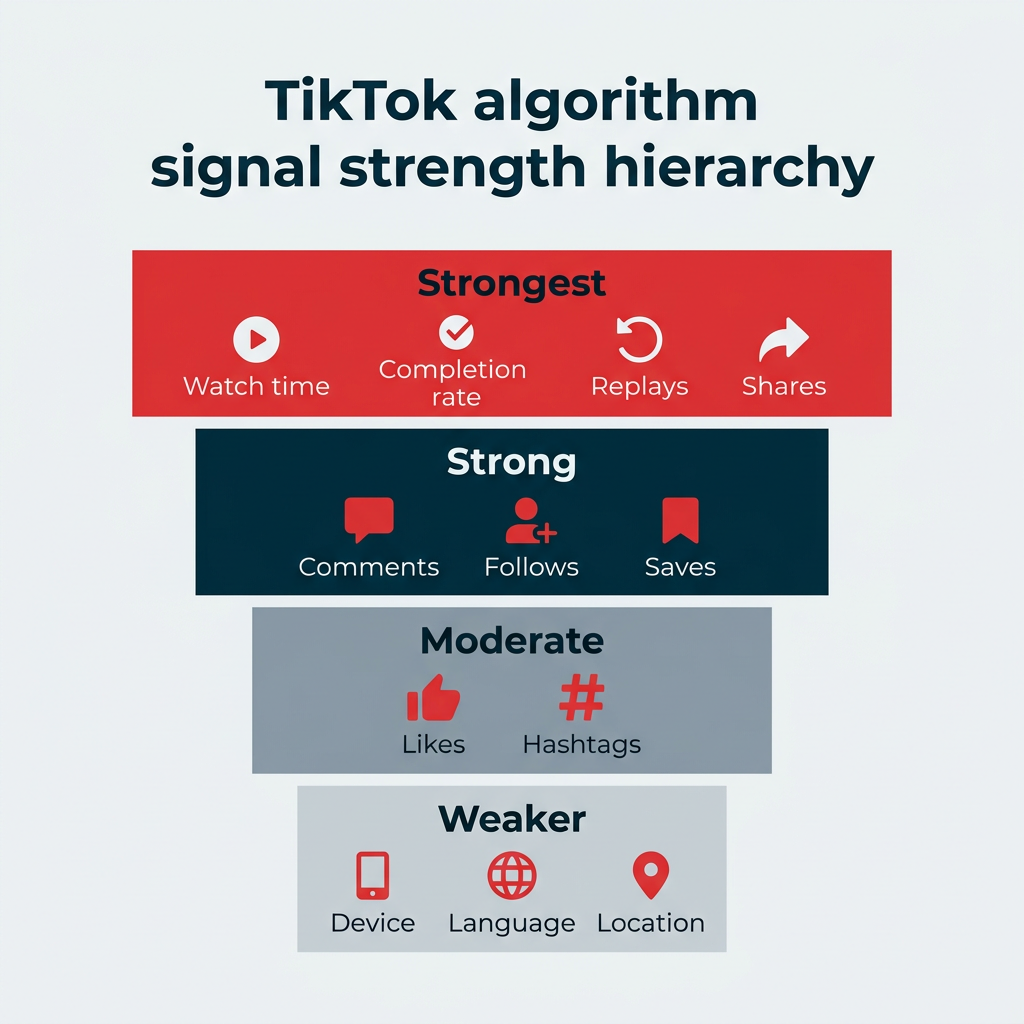
The hierarchy of these signals has been clearly defined by the platform’s internal documentation. User interactions—specifically watch time, completion rates, and meaningful engagement like shares—carry the highest weight. Video information, which includes hashtags, captions, and the increasingly important on-screen text and audio transcripts, provides the "medium" level of categorization. Finally, user-level data such as device type, language settings, and regional preferences serve as low-impact signals that ensure the content is delivered in the correct context.

The Evolution of Discovery: From Passive Scrolling to Active Search
A significant shift observed in 2025 and continuing through 2026 is the role of TikTok as a search engine. Industry data indicates that nearly half of all consumers now utilize TikTok to research products, services, and trends, effectively bypassing traditional search giants. This transition has forced the algorithm to prioritize Search Engine Optimization (SEO) signals.
The algorithm now scans for keywords not only in written captions and hashtags but also through sophisticated optical character recognition (OCR) and speech-to-text processing. This means that if a creator discusses a specific topic in their voiceover or displays text on-screen, the algorithm treats those as metadata. For brands, this necessitates a departure from "vague" or "aesthetic" captions in favor of descriptive, keyword-rich content that helps the algorithm classify the video’s intent accurately.
The Three-Second Threshold and Engagement Metrics
The "three-second rule" remains the most critical barrier for content creators. Data consistently shows that the first three seconds of a video are the primary determinant of whether a user will complete the watch time. Because watch time is the most heavily weighted metric for determining whether a video should be "pushed" to a wider audience, the loss of a viewer in the opening seconds effectively kills a post’s chances of viral distribution.
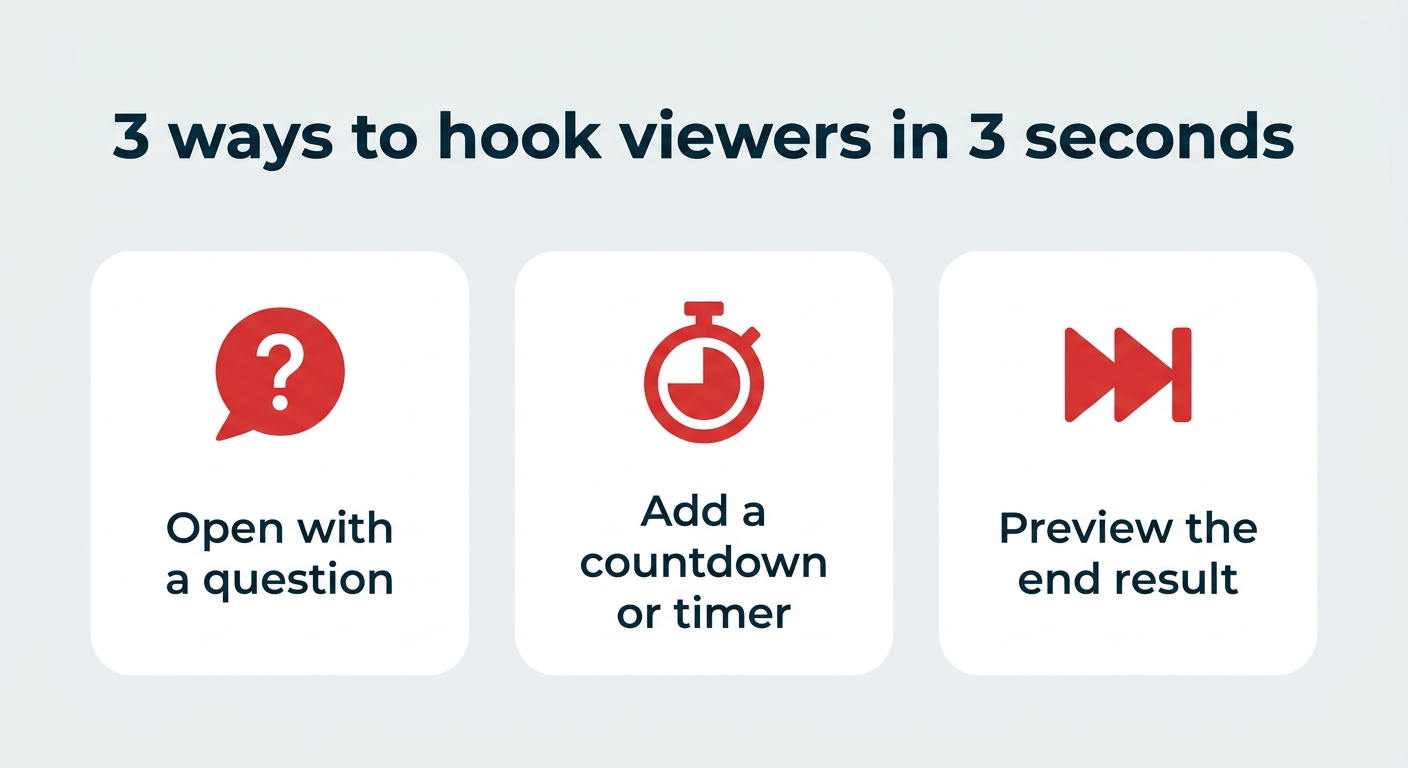
To mitigate this, successful strategies now involve "hook-driven" editing. This includes starting with a direct question, a visual countdown, or an immediate demonstration of the end result. By forcing the viewer to make a micro-commitment to the video early on, the content signals to the algorithm that it is high-value, prompting the system to test the video against larger cohorts.
Navigating Content Restrictions and Brand Safety
In 2026, TikTok has implemented stricter automated filtering to manage the quality and safety of the FYP. Even if a video does not violate the platform’s core Community Guidelines, it may be deemed "ineligible for recommendation." This invisible "shadow-capping" can be triggered by low-quality visuals, excessive watermarking from other platforms, or content that is flagged as potentially harmful or misleading.
For enterprise teams, this requires a rigorous approach to brand safety. Analytics dashboards now provide creators with feedback if a video has been flagged as ineligible, allowing for appeals. The implication is clear: the algorithm is prioritizing a premium, native viewing experience, punishing content that feels recycled or overly "ad-like" in its production.
Strategies for Community Integration
The most successful accounts on TikTok in 2026 are those that move away from mass-audience broadcasting and toward community-centric content. TikTok’s audience research indicates that a majority of users feel a sense of belonging in subcultures—ranging from #BookTok to niche enthusiast groups.
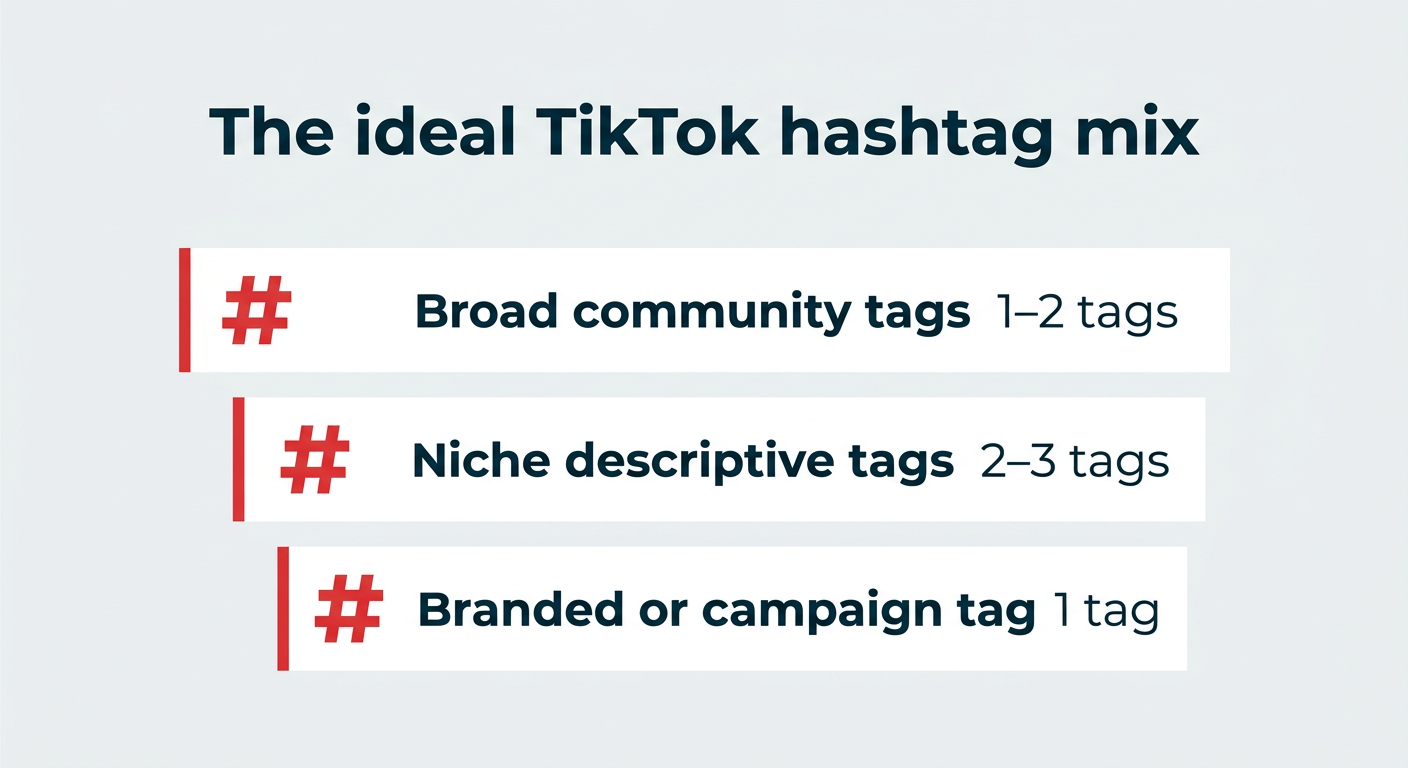
The strategy for growth involves leveraging these subcultures by utilizing community-specific hashtags and participating in trending challenges that align with a brand’s niche. According to TikTok’s Audience Insights tool, brands that align themselves with specific interest groups—rather than attempting to be "everything to everyone"—see higher engagement rates and greater brand loyalty.

The Impact of Longer-Form Content
While TikTok built its reputation on short-form, rapid-fire clips, the 2026 algorithm shows a marked preference for content that can sustain attention over longer durations. Videos spanning one to three minutes are increasingly common. The key differentiator is not the length, but the retention graph. If a video is three minutes long and keeps the audience watching until the final ten seconds, the algorithm rewards it with significantly higher distribution than a 15-second video that users skip halfway through.
Data-Driven Performance Monitoring
To measure success, teams must shift focus from vanity metrics like total follower counts to "distribution metrics." The most important indicator of a healthy account is the ratio of views coming from non-followers via the For You feed. If a high percentage of views originates from the follower list, the content is failing to break out of its current bubble.
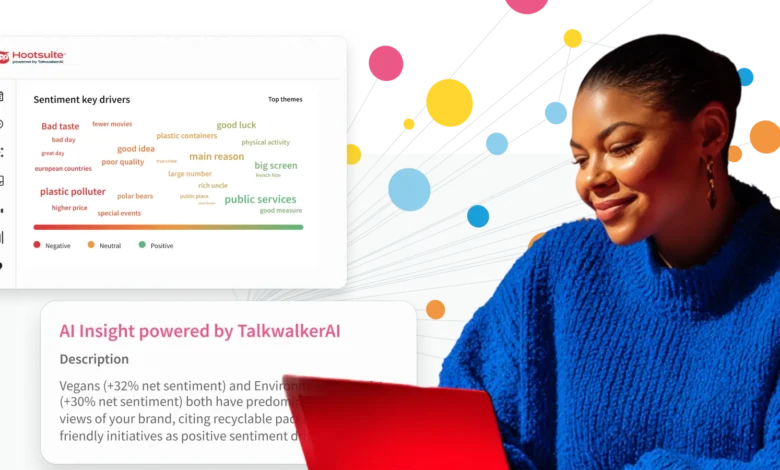
Hootsuite’s performance analytics and other similar industry tools now allow marketers to benchmark their performance against competitors and track engagement trends over 30 to 90-day periods. This longitudinal view is essential because the algorithm is intentionally volatile; individual video performance will fluctuate, but consistent growth in the "non-follower reach" metric is the gold standard for success.
Official Stance and Future Outlook
TikTok’s official guidance remains centered on the concept of the "personalized experience." The platform maintains that its recommender system is designed to facilitate discovery rather than enforce a rigid hierarchy. However, the move toward integrating features like TikTok Shop and deeper search functionality suggests that the algorithm will continue to prioritize content that offers clear, actionable value to the user—whether that value is educational, entertainment-based, or commercial.
As we look toward the remainder of 2026, the mandate for content creators is twofold: maintain the "TikTok-first" aesthetic of authenticity and high-speed editing, while simultaneously optimizing for the SEO requirements of a platform that is rapidly becoming a search-first destination. By balancing these technical requirements with a focus on community building, brands can effectively navigate the algorithmic shifts and secure their position in the highly competitive attention economy.
Related posts: