
In the modern digital economy, capturing consumer attention is only the first step in a complex journey toward conversion. As internet users face unprecedented levels of advertising fatigue—with over 22% of audiences utilizing ad blockers specifically due to over-saturation—digital marketers must rely on precision and psychological resonance to guide consumer behavior. At the absolute center of this strategic framework is the call to action, or CTA. Whether presented as a hyperlinked text snippet, an embedded email button, or a prominent landing page hero element, a well-crafted CTA dictates whether an audience will engage with a campaign or simply scroll past it.
Defining the Anatomy of an Effective Call to Action
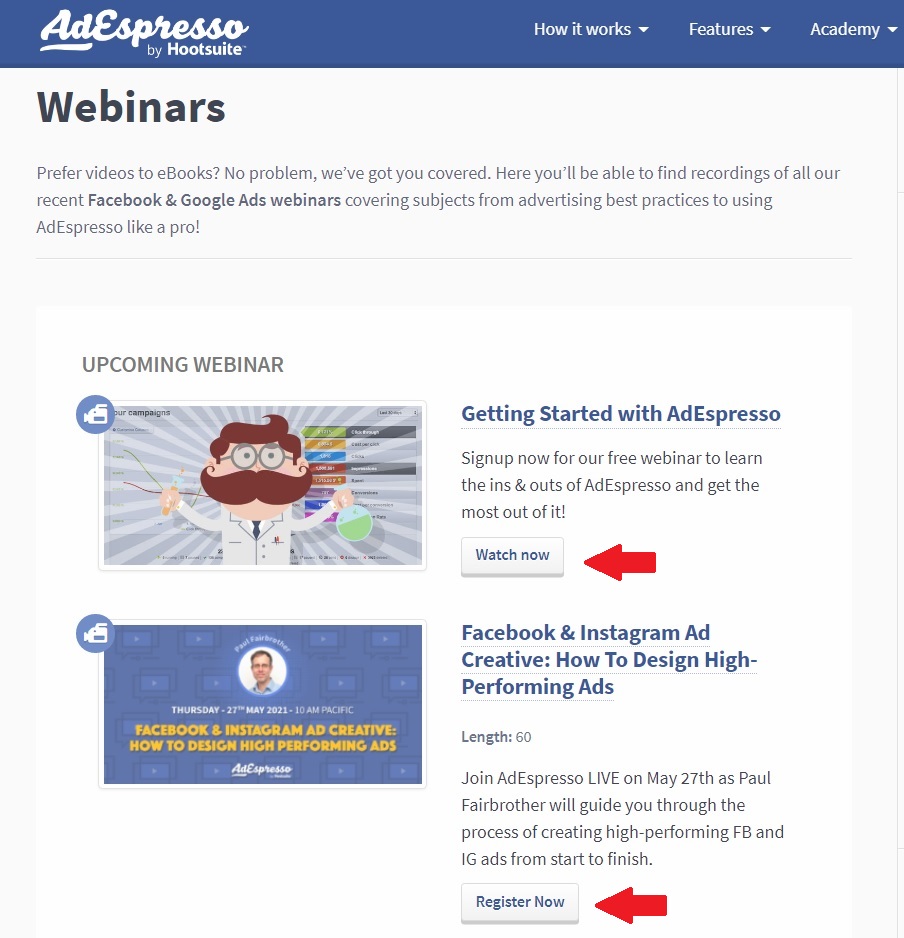
A call to action is fundamentally a directive prompt designed to inspire a target audience to execute a specific, measurable behavior. Ranging from micro-interactions like social media comments to high-intent conversions such as ecommerce checkouts and SaaS subscriptions, CTAs serve as navigational anchors for consumers experiencing decision fatigue.
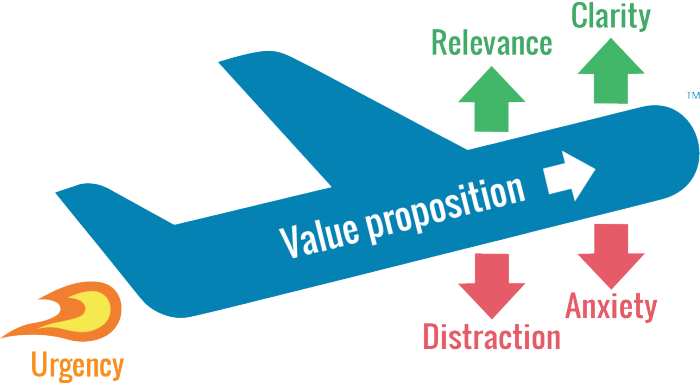
Industry analysis reveals that the most successful CTAs integrate several psychological triggers, most notably urgency, clarity, and relevance. Utilizing frameworks such as the LIFT Model—which evaluates value proposition, relevance, clarity, urgency, anxiety, and distraction—marketers can systematically deconstruct and improve their conversion paths. For instance, a simple phrase like "Download this ebook now" successfully maps to relevance (download), clarity (this ebook), urgency (now), and value proposition.

Historically, CTAs evolved from static, generalized web text into highly customized, interactive design components. The evolution of digital advertising platforms has transformed plain text into hyper-optimized graphic elements that demand strategic placement and rigorous testing.

Empirical Evidence and Split Testing Insights
Recent data underscores the profound financial and conversion implications of optimizing CTA strategy. Empirical studies consistently demonstrate that transitioning from plain-text links to dedicated CTA buttons yields dramatic performance improvements. According to a prominent industry benchmark study, integrating a CTA button into standardized article templates increased overall conversions by 83% and boosted ecommerce conversions by 22%. Furthermore, conversion optimization research conducted by Copyblogger indicated that styling CTAs as distinct buttons rather than hyperlinked text generated a 45% increase in conversion rates.

Controlled platform experiments further illustrate these variances. In a notable $1,000 split-testing experiment analyzing Facebook Ad campaigns, researchers discovered that the choice of CTA button directly influenced acquisition costs. The top-performing button ("Download") secured 49 conversions at a cost of $5.10 each, while running the exact same campaign without any button achieved only 20 conversions at an inflated cost of $12.50 per acquisition. This data demonstrates that suboptimal CTA selection can more than double customer acquisition costs, reinforcing the necessity of automated optimization and multivariate split testing.

Strategic Frameworks for Writing High-Converting CTAs
Crafting a persuasive CTA requires a disciplined approach to vocabulary, emotional resonance, and structural placement. Digital marketing professionals categorize effective CTAs based on operational intent:

- Ecommerce: Verbs such as Buy, Shop, Order, Reserve, Save, and Add to Cart.
- SaaS and Software Conversions: Direct incentives like Try, Get Started, Subscribe, and Sign Up.
- Non-Profit and Advocacy: Action-oriented language including Donate, Commit, Volunteer, Support, and Give.
- Lead Generation and Freebies: High-value acquisition terms like Download, Get, Grab, and Claim.
Beyond standard industry verbs, brands increasingly utilize sensory and emotional modifiers to differentiate their messaging. Examples such as Headspace’s "Snuggle up to Headspace" or Thinx’s unconventional use of "Period better" leverage emotional and sensory language to forge deeper psychological connections with consumers.

Platform-Specific Best Practices and Implementation
Implementing CTAs effectively requires tailoring strategies to specific digital channels, each presenting unique user behaviors and design constraints.

Social Media Advertising
Platforms like Facebook and Instagram require concise copy paired with native, clickable buttons. Because social media environments are characterized by rapid consumption and high distraction, successful campaigns—such as those deployed by ClickUp, Babbel, and Hootsuite—align visual urgency, social proof (e.g., review counts), and clear button prompts to capture fleeting attention. Utilizing automated optimization tools allows marketers to dynamically pause underperforming ad variants, preserving campaign budgets.

Email Marketing
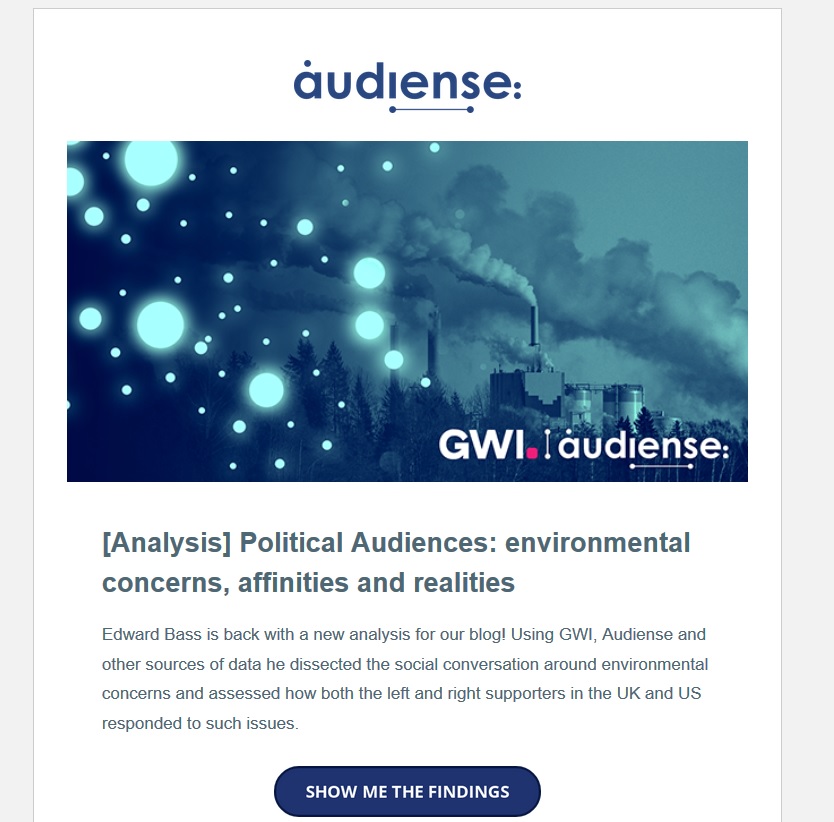
With email conversion rates historically reaching up to 15% in optimized segments, email marketers frequently deploy a hybrid approach combining primary button CTAs with secondary text links. Brands like Black Illustrations and Audiense demonstrate that utilizing action-oriented phrasing such as "Show me the findings" establishes a clear value proposition while granting the user a sense of operational control.

Landing Pages and Corporate Websites
Websites and landing pages represent the highest-intent touchpoints in the digital funnel. Minimizing visual clutter—exemplified by Tim Ferriss’s minimalist email signup architecture—directs user focus entirely toward the primary conversion action. Furthermore, adhering to above-the-fold placement principles ensures that critical information (what, when, where, and how to act) is immediately accessible to incoming traffic.

Industry Implications and Future Outlook
As digital privacy regulations tighten and consumer acquisition costs continue to rise across paid channels, the margin for error in digital marketing narrows significantly. Brands can no longer rely solely on broad targeting or passive ad creative to drive sustainable growth.
The strategic optimization of calls to action transitions from a tactical copywriting exercise into a core operational science. By embracing continuous multivariate testing, leveraging behavioral data analytics, and aligning CTA design with overarching user intent, organizations can systematically reduce friction, lower customer acquisition costs, and maximize the return on investment across every digital touchpoint.
Related posts: