Beyond Google: The Comprehensive 2026 Guide to 21 Alternative Search Engines and AI Answer Platforms


For the vast majority of web users, navigating the internet is synonymous with a single action: opening Google. For decades, this search engine has served as the default gateway for researching a purchase, verifying a quick fact, or catching up on global headlines. Its dominance remains staggering, with Statcounter data from October 2026 indicating that Google commands 91.04% of worldwide search engine referrals. Yet, relying on habit can often mean settling for a suboptimal tool. When a user requires an openly reusable image, a historical snapshot of a webpage that has long since vanished, or a deeply private query trail, a traditional keyword-based search box is frequently not the most efficient solution.
This reality underpins the enduring and evolving market for alternative search engines and specialized discovery tools. Far from being mere carbon copies of the industry leader, these alternatives offer distinct value propositions: some prioritize strict data privacy and algorithmic control, while others synthesize complex data through conversational interfaces, tap into specialized regional indexes, or fund ecological initiatives with every query. For digital marketers and SEO professionals, understanding these platforms is no longer optional; it is vital for grasping modern consumer behavior and building visibility beyond the confines of a single dominant ecosystem.
The Evolution of Search: From Keywords to Conversational AI
The search landscape has undergone a seismic shift, accelerated by the mainstream adoption of conversational artificial intelligence. The catalyst arrived with the widespread introduction of ChatGPT, which fundamentally altered user expectations around information retrieval. In early 2023, industry reports highlighted how traditional search leaders scrambled to react to the generative AI wave, prompting the rapid deployment of conversational interfaces and AI-powered overviews.

By May 2024, Google had rolled out AI Overviews to U.S. users, subsequently introducing advanced AI modes into its core architecture. This integration of generative summaries and dynamic web retrieval transformed the user experience. Today, many alternative platforms seamlessly blend traditional web indexing with AI synthesis. While this dual-format approach expedites research, it also introduces new complexities for content creators and marketers trying to track how information is sourced and displayed.
AI Search and Answer Engines
1. ChatGPT
With approximately 6 billion monthly web visits recorded to chatgpt.com in October 2026, OpenAI’s flagship platform has evolved from a text-based chatbot into a sophisticated research assistant. ChatGPT excels when a query demands a dynamic conversation rather than a static list of keyword results. Users can compare competing frameworks, unpack intricate technical concepts, and request updated web evidence without abandoning their contextual thread. Equipped with live web retrieval capabilities across both free and paid tiers, ChatGPT fetches current data and cites sources. However, users must remain vigilant: AI models can occasionally misinterpret source material or hallucinate facts, meaning that clicking through to citations remains an essential verification step.
2. Perplexity
Recording roughly 88.3 million monthly visits in October 2026, Perplexity places source-backed answers at the absolute center of the search experience. Its research-oriented framework is tailor-made for users seeking an immediate, synthesized overview of a complex subject alongside a clear trail of verifiable citations. Through its advanced Pro Search feature, the platform executes multiple concurrent queries, synthesizing findings while allowing follow-up questions to maintain the research context. For SEO experts and B2B marketers, Perplexity serves as an invaluable, low-cost testing ground for AI visibility. Marketers can test high-intent customer questions, inspect which third-party domains are favored in citations, and audit brand representation in real-time.
General Web Search Alternatives
3. Microsoft Bing
As a full-service competitor, Microsoft Bing drew an estimated 3.7 billion web visits in October 2026. Beyond its traditional web, image, and news indexes, Bing’s standout utility lies in its Visual Search capabilities. Users can upload images of products, flora, or objects to unearth related shopping links, translate embedded text, or identify physical items without guessing keywords. Furthermore, the integration of Copilot Search introduces AI-generated summaries complete with source citations, providing a robust, multi-faceted alternative to Google.
4. Yahoo Search
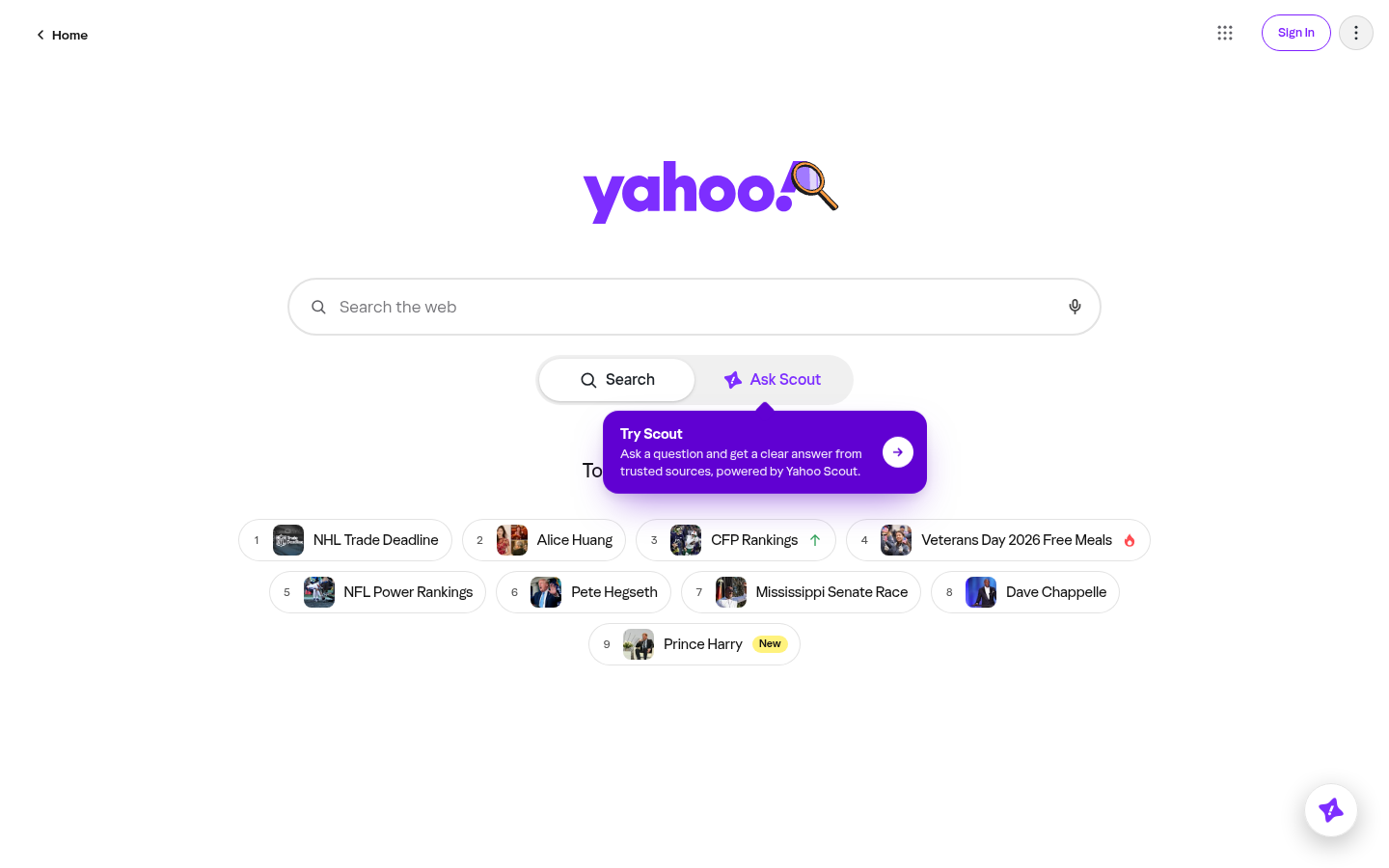
Retaining a steady presence with 751 million monthly web visits in October 2026 and capturing approximately 2.54% of the U.S. search referral share, Yahoo Search remains deeply intertwined with its broader ecosystem of news, finance, and daily content. Yahoo introduced its AI answer engine, Scout, combining open-web intelligence with proprietary data feeds. While its direct traffic contribution to publisher sites may be modest compared to industry titans, Yahoo’s niche reach can still represent crucial conversions for targeted digital campaigns.

Regional Search Engines and Local Ecosystems
5. Baidu
Dominating the Chinese-language search market with a 49% referral share in China and 1.7 billion monthly web visits in October 2026, Baidu is indispensable for brands targeting Chinese audiences. Baidu offers an expansive suite of interconnected services—including Baidu Maps, the Baike encyclopedia, Zhidao Q&A communities, and Wenku document sharing. Marketers targeting this demographic must optimize for local terminology and platform-specific content ecosystems rather than relying on direct English-to-Chinese translations.
6. Naver
South Korea’s dominant search portal, Naver, captured 42.25% of the country’s search referral share and 1.5 billion monthly web visits in October 2026. Naver distinguishes itself by integrating conventional web results with hyper-localized community content, including Naver Blog, interest-based Cafe communities, and the Knowledge iN question-and-answer network. For global brands, navigating Naver Search Advisor and understanding local community dynamics are prerequisite steps for effective South Korean market penetration.
7. Yandex
Capturing a commanding 70.22% search referral share in the Russian Federation and 162.2 million monthly visits to its international domain in October 2026, Yandex is the premier gateway for Russian-language information and regional digital marketing. Its algorithmic preferences and publisher networks differ substantially from Western search engines, making it a critical asset for localized SEO and competitive intelligence in Eastern Europe.
8. Sogou
Rounding out the major regional players with 16.5 million monthly web visits, Sogou provides specialized access to Chinese-language information, most notably through its proprietary WeChat search integration. This feature allows users to unearth public accounts and articles published exclusively within the WeChat ecosystem, offering visibility into content that traditional open-web crawlers frequently miss.
Privacy-Centric and Control-Driven Search Engines
9. Brave Search
Brave Search has carved out a substantial following, recording 698.8 million monthly visits in October 2026. Powered by an independent web index, Brave grants users granular control over ranking rules through features like "Goggles," which allow individuals to apply custom filtering parameters and community-driven ranking adjustments. Operating independently from major tech monopolies, Brave delivers unadulterated search results without requiring users to adopt its wider browser or wallet ecosystem.

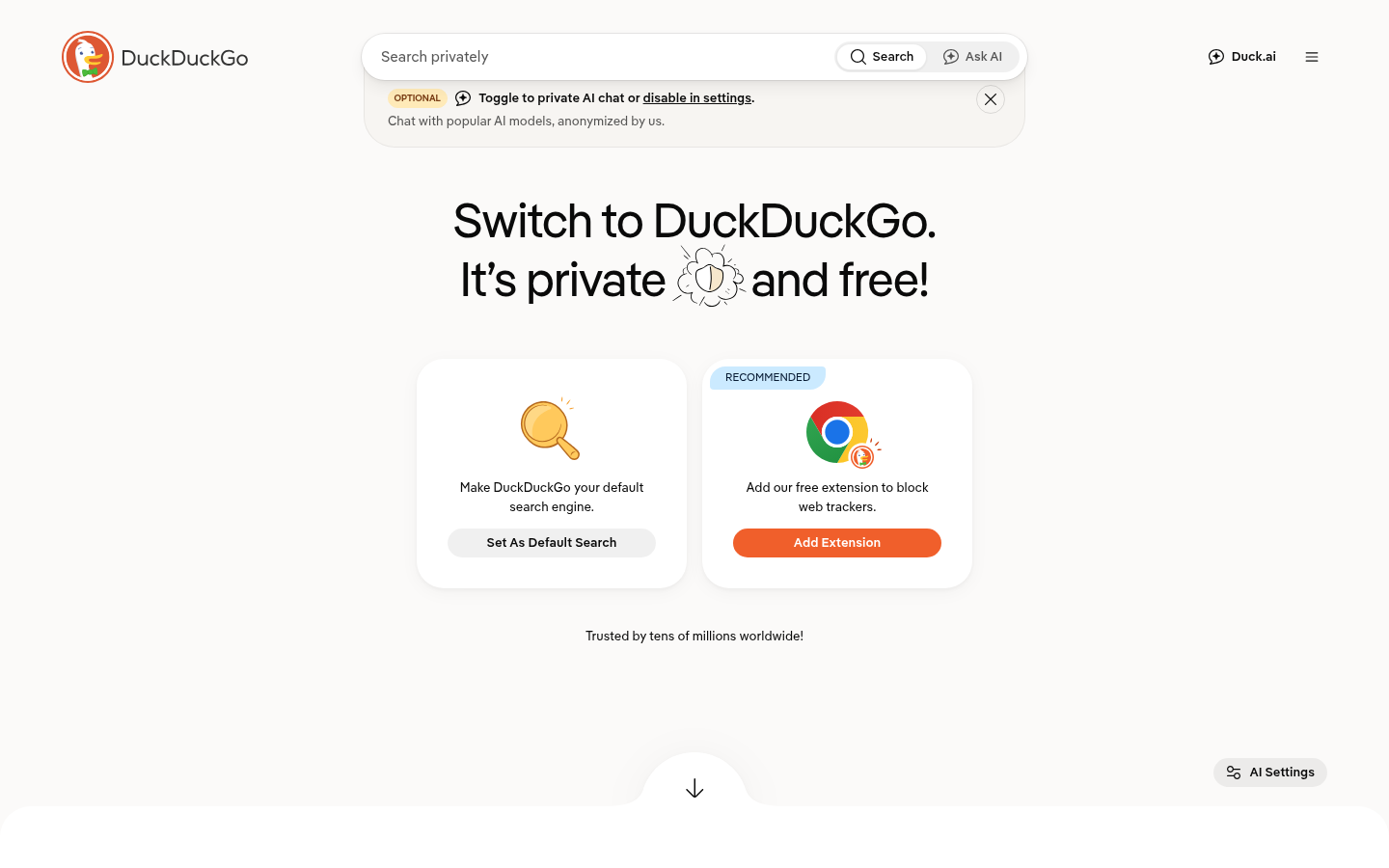
10. DuckDuckGo
As a household name in privacy-focused browsing, DuckDuckGo attracted 681.9 million monthly visits in October 2026. Its core promise is straightforward: everyday web search devoid of personal tracking histories or targeted ad profiles. While its traditional link and image results are largely sourced via partnerships with Bing, DuckDuckGo’s strict zero-logging privacy policy ensures that user queries are never bound to individual digital identities.
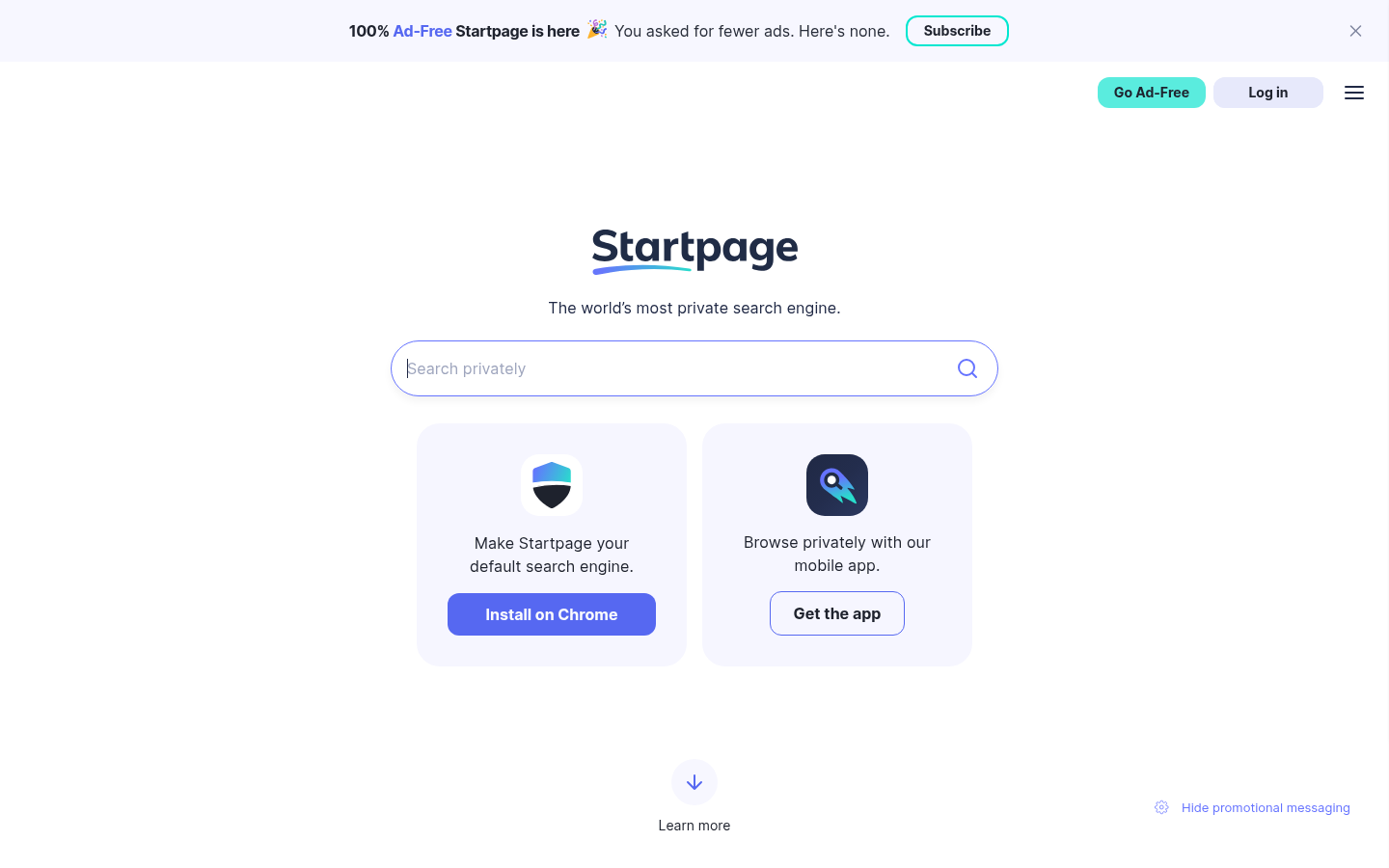
11. Startpage
Startpage offers a unique middle ground for privacy-conscious users, pulling 57.6 million monthly visits in October 2026. Operating as a privacy intermediary, Startpage routes user queries to major providers like Google and Microsoft Bing on the user’s behalf, stripping away trackers and personal identifiers before returning the results. Users receive familiar, high-quality search outputs without exposing their personal data to the underlying index providers.
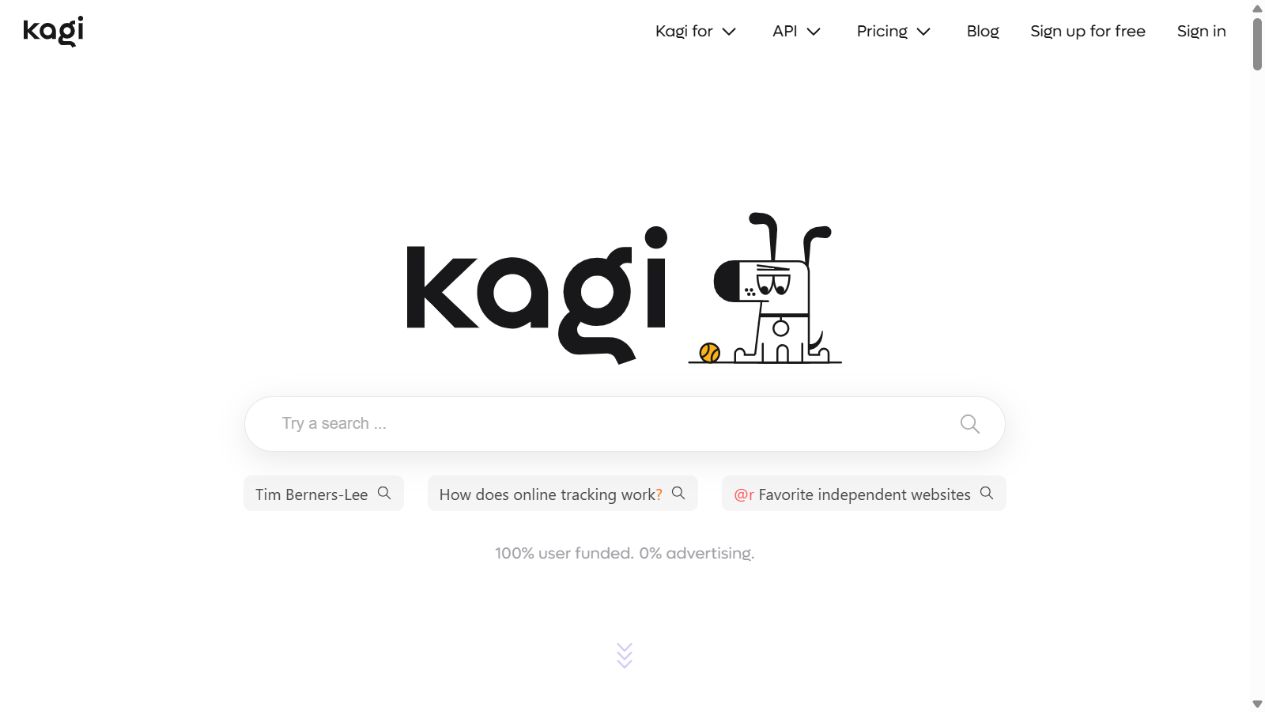
12. Kagi
Operating on a paid, subscription-based model ($5 to $10 monthly for individual tiers), Kagi generated 4.6 million monthly visits in October 2026. Designed for power users seeking absolute control, Kagi is entirely ad-free and allows subscribers to manually block, down-rank, or elevate specific domains. Utilizing its own independent index alongside commercial providers, Kagi empowers users to curate their ideal search environment.

Alternative Funding Models and Mission-Driven Search
13. Ecosia
Ecosia leverages the mechanics of everyday web search to fund global climate action, pulling in 219 million monthly web visits in October 2026. The platform dedicates 100% of its profits to environmental projects, primarily tree-planting initiatives across the globe. By utilizing search ad revenue to finance ecological restoration—while sourcing its underlying results from a mix of Bing, Google, and European search infrastructure—Ecosia offers a seamless way for consumers to align their digital habits with environmental activism.
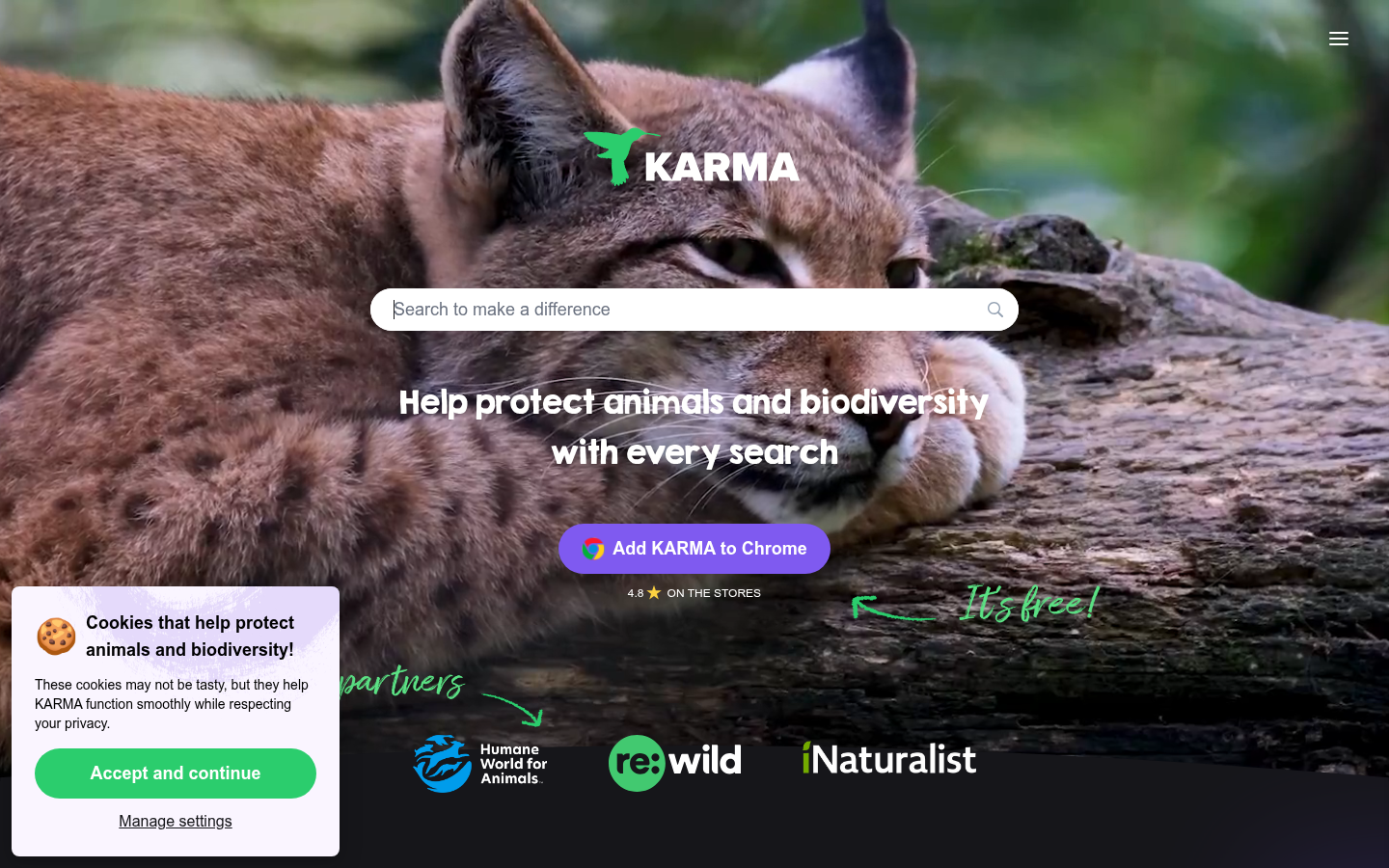
14. KARMA Search
Mirroring the nonprofit model of eco-search, KARMA Search directs ad-generated revenue toward biodiversity preservation and animal welfare organizations, such as Re:wild and the Humane World for Animals. With regional availability fluctuating across international markets, KARMA provides a targeted avenue for consumers wishing to directly support wildlife protection through their daily web queries.
15. Yep
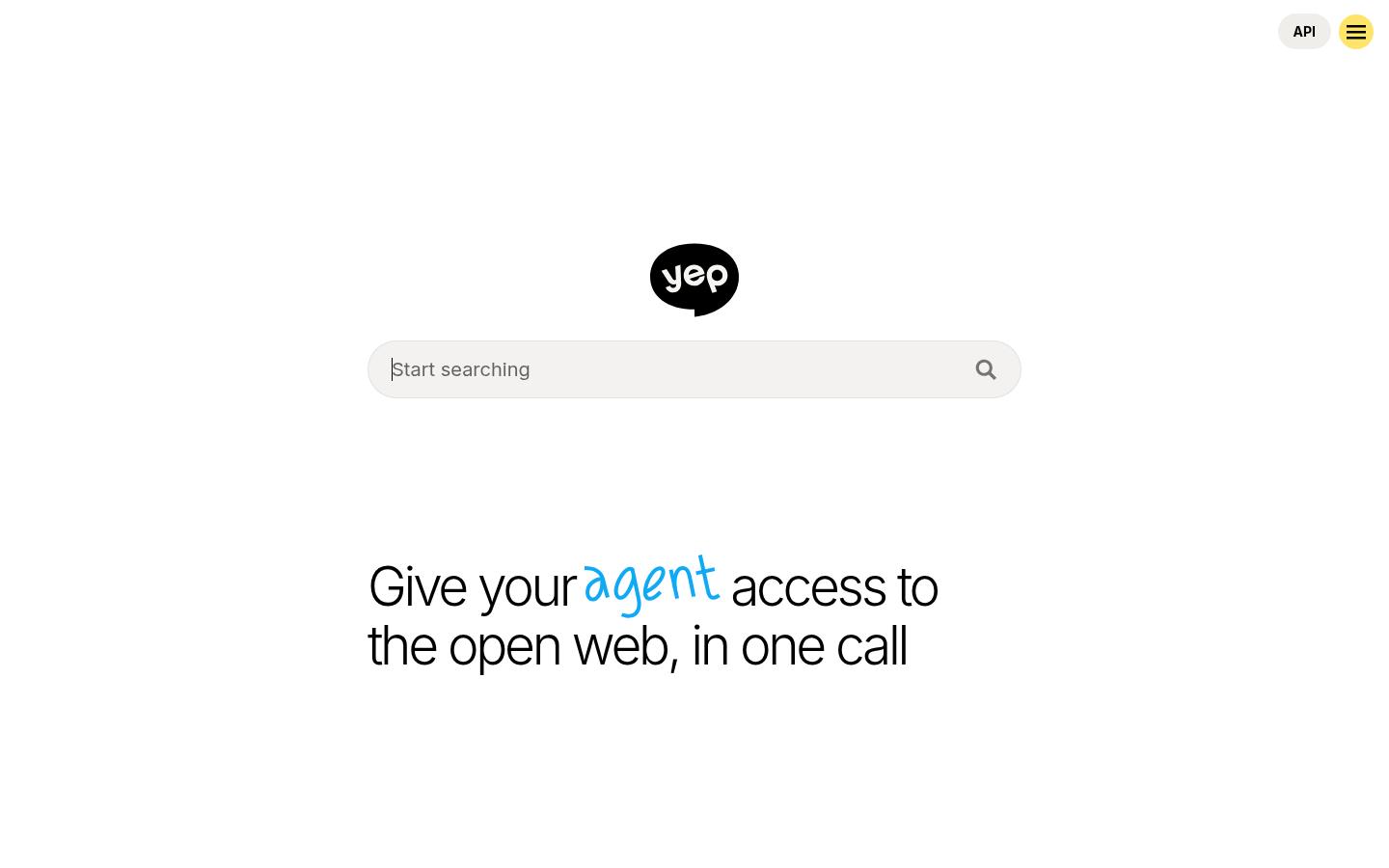
Built by the SEO software company Ahrefs, Yep attracted 155,800 monthly visits in October 2026. Driven by a proprietary crawler and index, Yep originally positioned itself around creator revenue-sharing models. Today, it stands primarily as an alternative web index and a robust API provider for developers building customized AI agents and research applications.
Specialized Discovery and Research Tools
For tasks that extend far beyond general web browsing, a suite of specialist tools fulfills critical niche requirements:
- x.com: Essential for real-time news monitoring, tracking public statements, and analyzing public discourse on breaking events.
- LinkedIn: The definitive search engine for professional identities, corporate hierarchies, and industry-specific practitioner discussions.
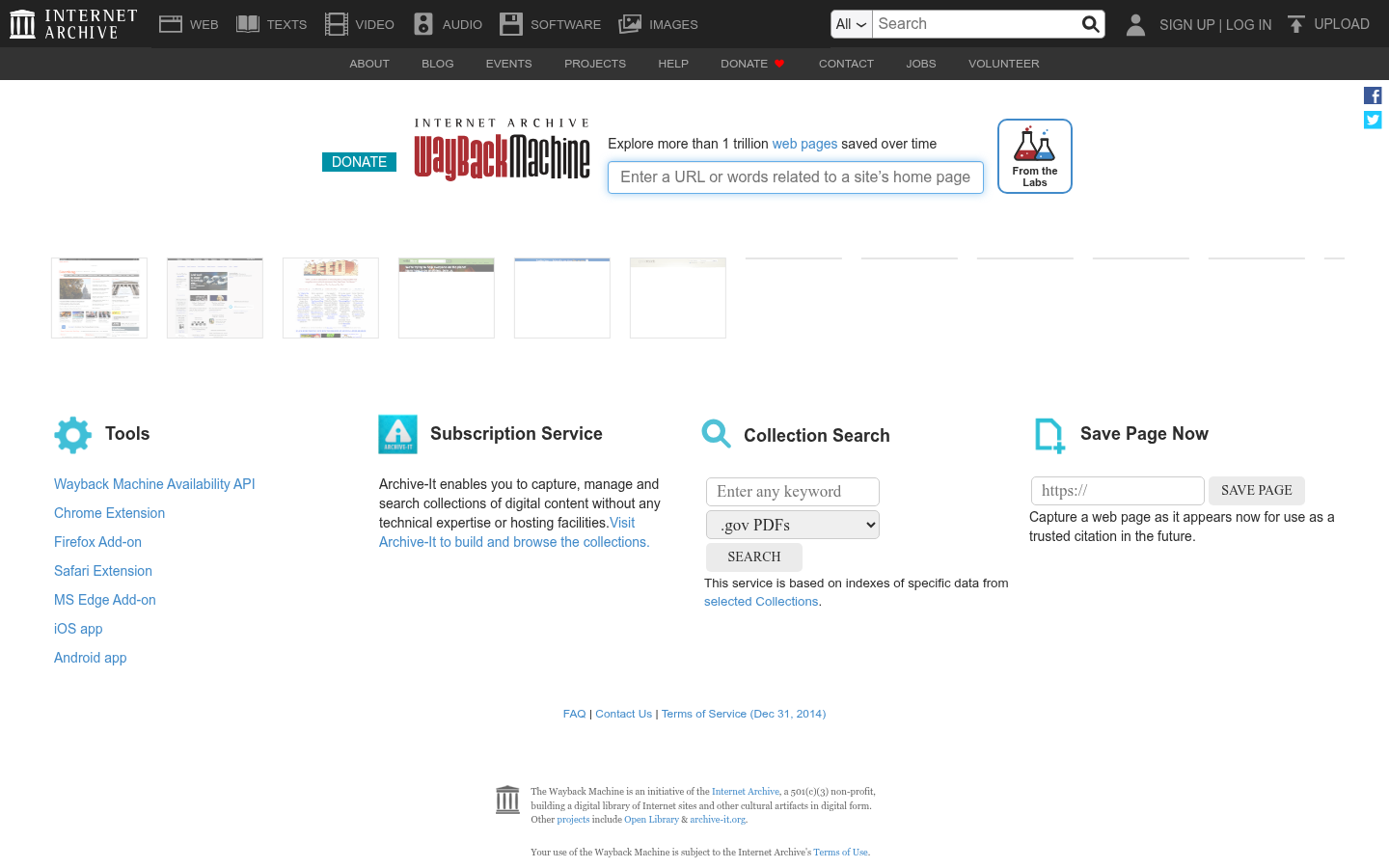
- Wayback Machine: Maintained by the Internet Archive, this invaluable tool allows researchers to inspect historical snapshots of altered or defunct web pages.
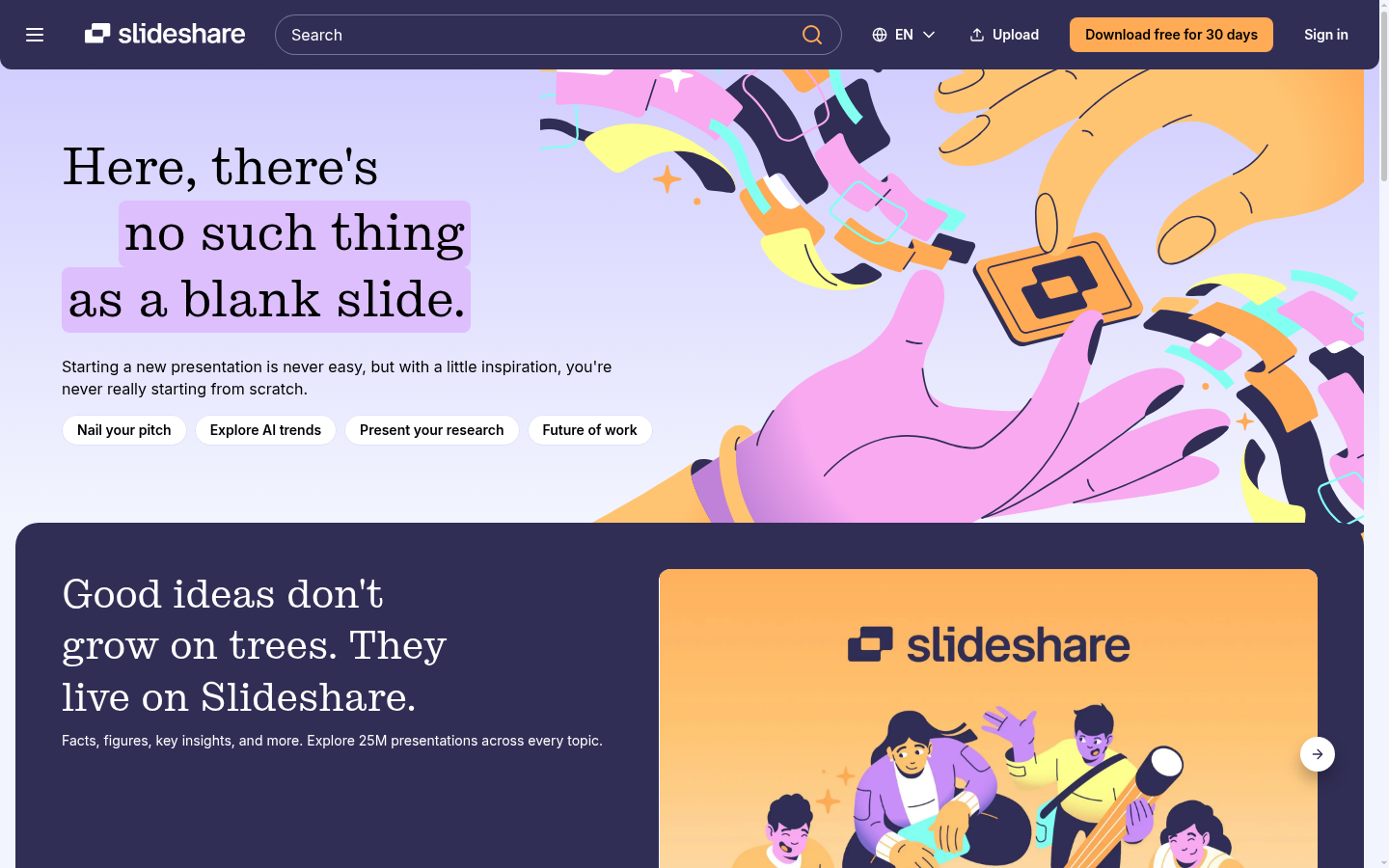
- SlideShare: A repository of over 25 million presentations, ideal for examining professional arguments, business pitches, and slide decks.
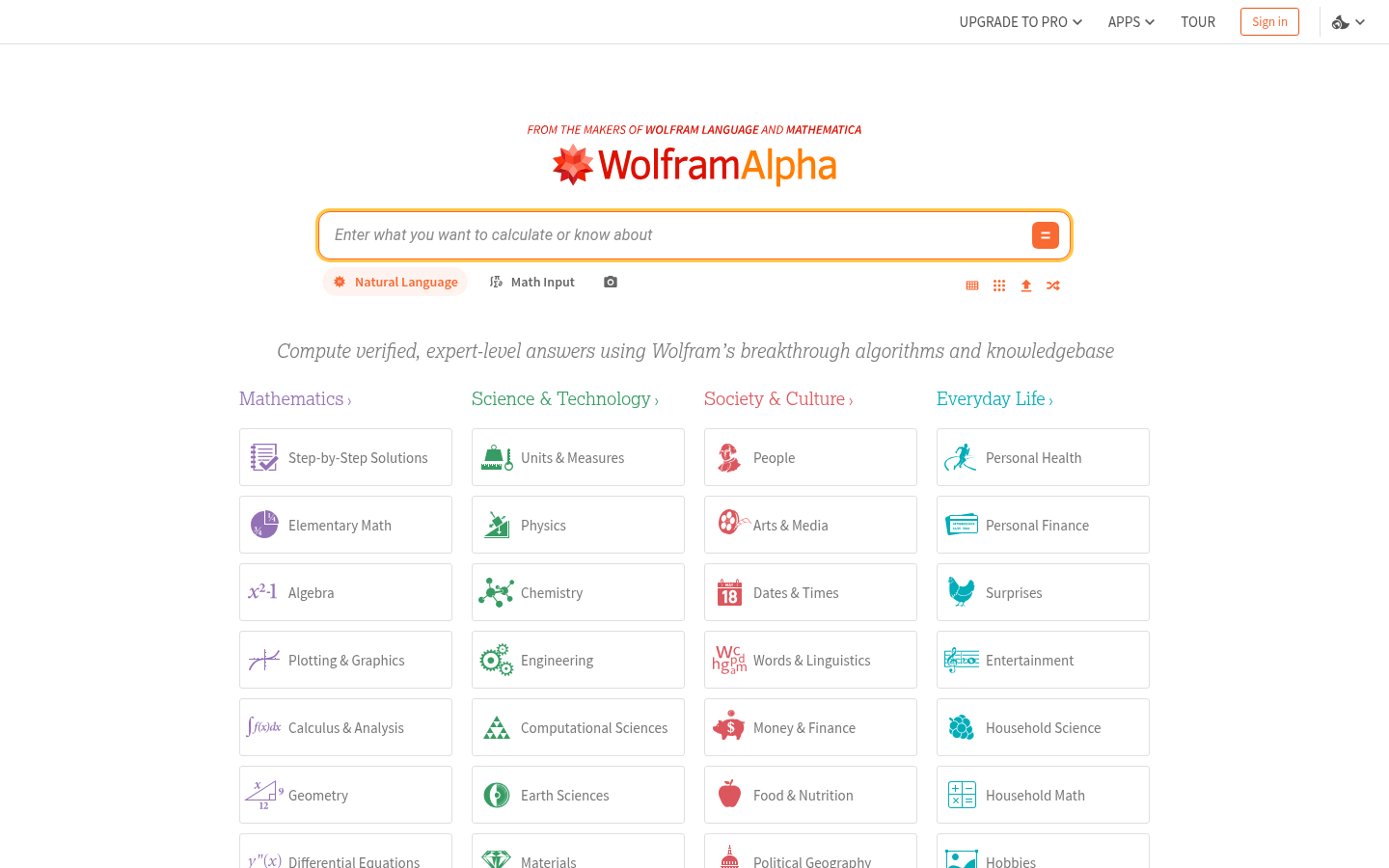
- WolframAlpha: A computational knowledge engine that calculates answers, solves mathematical equations, and processes structured data rather than simply returning lists of links.
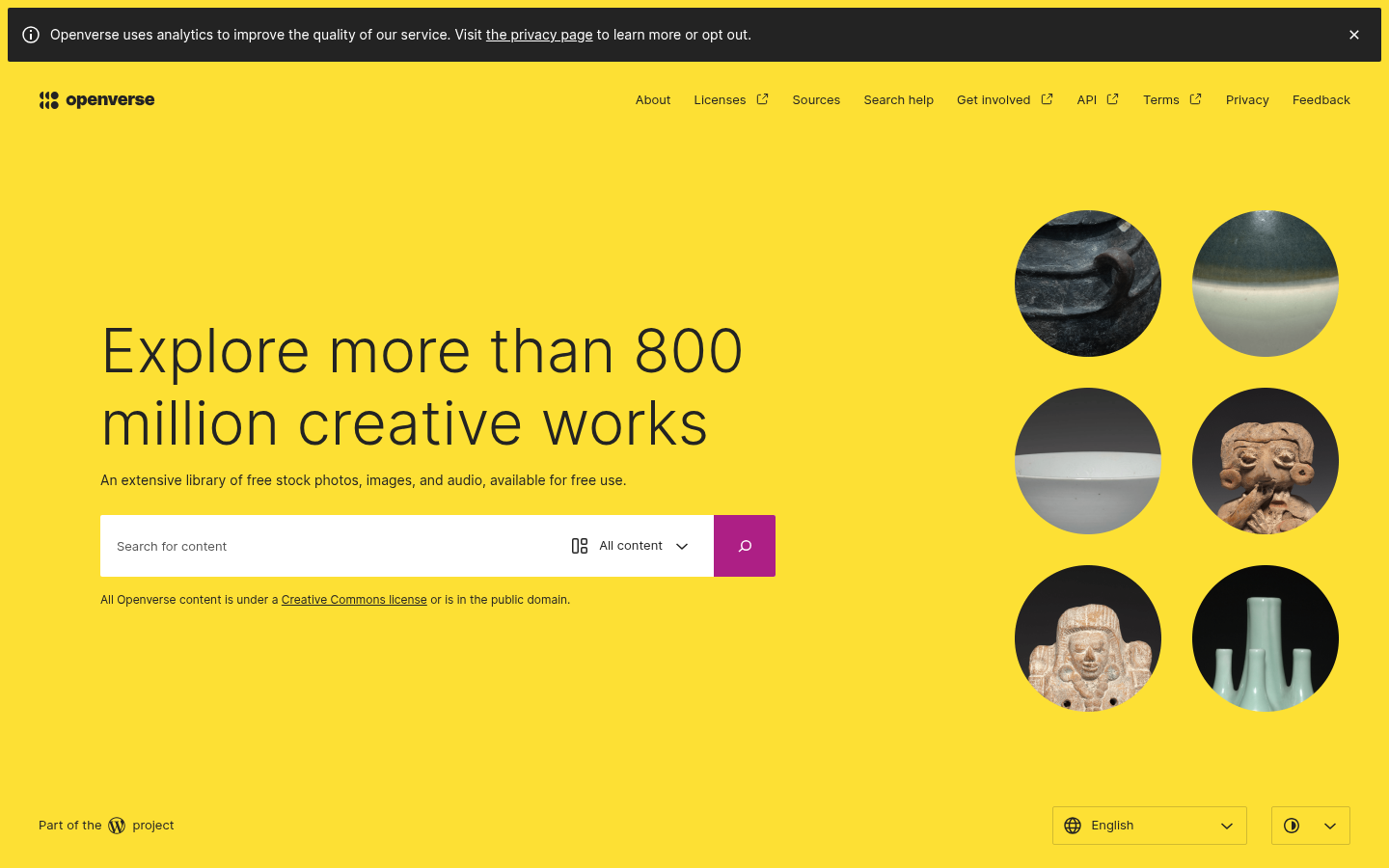
- Openverse: A centralized search engine for over 800 million openly licensed and public-domain images and audio tracks, streamlining creative asset discovery.
Summary Comparison of Alternative Search Options
| Option | Primary Use Case | Underlying Search Source |
|---|---|---|
| ChatGPT | Conversational problem-solving and multi-turn research | Web retrieval via search partners |
| Perplexity | Source-backed AI research summaries | Comprehensive web sources |
| Microsoft Bing | Visual search and multi-format discovery | Microsoft web, image, and video indexes |
| Yahoo Search | Integrated news, finance, and web search | Web results and proprietary Scout AI feeds |
| Baidu | Chinese-language research and local services | Web results and Baidu content ecosystems |
| Naver | Korean local content and community exploration | Web results, blogs, and community portals |
| Yandex | Russian-language and regional market analysis | Proprietary Yandex search technology |
| Sogou | Chinese web and public WeChat article discovery | Chinese web and specialized WeChat indexing |
| Brave Search | Independent web indexing with customizable filters | Brave’s proprietary independent web index |
| DuckDuckGo | Everyday privacy-first web search | Primarily Bing links supplemented by independent data |
| Startpage | Major provider results via a privacy intermediary | Google and Bing accessed via a privacy shield |
| Kagi | Ad-free, customizable, paid search subscription | Proprietary indexes and commercial partners |
| Ecosia | Funding global climate projects via search revenue | Bing, Google, and European search perspectives |
| KARMA Search | Supporting animal welfare and biodiversity | Ad-supported web search (regional availability varies) |
| Yep | Developer APIs and independent index testing | Ahrefs-operated search technology |
| x.com | Real-time social monitoring and public statements | Public platform posts and microblogs |
| Professional networking and corporate search | Professional user profiles and platform content | |
| Wayback Machine | Archival research and historical web audits | Dated webpage captures |
| SlideShare | Presentation and pitch deck discovery | Hosted presentations and professional documents |
| WolframAlpha | Mathematical computation and data analysis | Curated computational knowledge bases |
| Openverse | Finding reuse-compliant creative media | Openly licensed and public-domain repositories |
Measuring Alternative Search Traffic
For website owners and digital marketers, monitoring traffic from non-Google engines is essential for holistic performance analysis. Within Google Analytics 4 (GA4), marketers can easily isolate these streams by navigating to the Traffic acquisition report and selecting Session source / medium as the primary dimension. While search referral shares for alternative engines may appear small on a global scale, tracking these niche segments often uncovers high-intent B2B leads, specialized geographic traffic, and valuable user demographics that would otherwise remain invisible in aggregate analytics.
Conclusion: Choosing the Right Tool for the Job
While Google remains the ubiquitous default for internet navigation, the modern web user is no longer constrained by a one-size-fits-all approach. By testing real queries across alternative platforms—whether leveraging Brave for independent indexing, Perplexity for AI-driven synthesis, DuckDuckGo for privacy, or WolframAlpha for computational queries—users can dramatically optimize their digital workflows. Selecting the right search engine for the specific task at hand ensures faster answers, enhanced privacy, and a more comprehensive understanding of the global information landscape.
Related posts: