The final quarter of 2022 marked a period of intensive transformation for Meta Platforms, as the tech giant rolled out a sweeping array of structural updates, augmented reality features, automated advertising suites, and stringent brand safety controls. Designed to navigate an increasingly privacy-centric digital ecosystem—further pressured by Apple’s AppTracking Transparency (ATT) framework—these updates reflect Meta’s strategic pivot toward short-form video formats, AI-driven automation, and native in-app monetization tools.
As marketers and enterprise-level advertisers closed out 2022 and prepared for 2023, the overarching theme across Meta’s product roadmap was the consolidation of fragmented tools into streamlined, machine learning-backed environments. This comprehensive review examines the chronological progression of Meta’s platform updates, detailing the strategic implications for creators, small businesses, and enterprise advertisers.
Strategic Realignment: The Shift Toward Automation and Short-Form Video
Throughout 2022, Meta contended with macroeconomic headwinds, regulatory pressures, and shifting consumer behavior. The meteoric rise of short-form video competitors forced Meta to accelerate the deployment of Reels across both Facebook and Instagram. Concurrently, data privacy regulations fundamentally disrupted traditional tracking metrics, compelling the company to double down on algorithmic automation via the Advantage+ product suite.
By late 2022, these technological initiatives matured into deployment-ready tools. Meta’s overarching objective transitioned from manual campaign creation to high-efficiency, machine-learning-driven optimization. This shift sought to lower customer acquisition costs while maintaining platform integrity amid growing public scrutiny over data usage, content moderation, and algorithmic transparency.
Chronological Overview of Key Platform Updates
Meta’s deployment strategy throughout 2022 unfolded through a series of iterative rollouts, affecting everything from ad delivery mechanics to native publishing capabilities.
Mid-2022: Monetization, Commerce, and the Rise of Reels
In the middle quarters of 2022, Meta aggressively pushed short-form video integration while expanding financial tools for creators and local merchants.
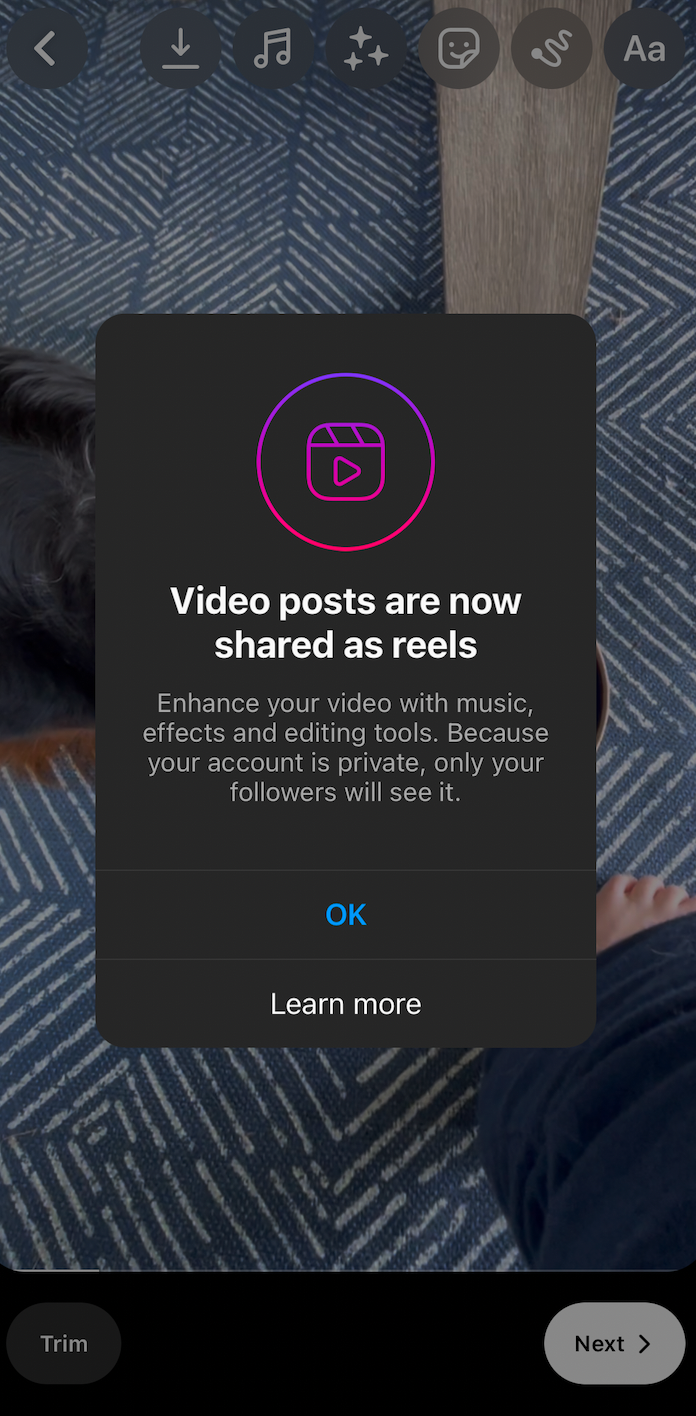
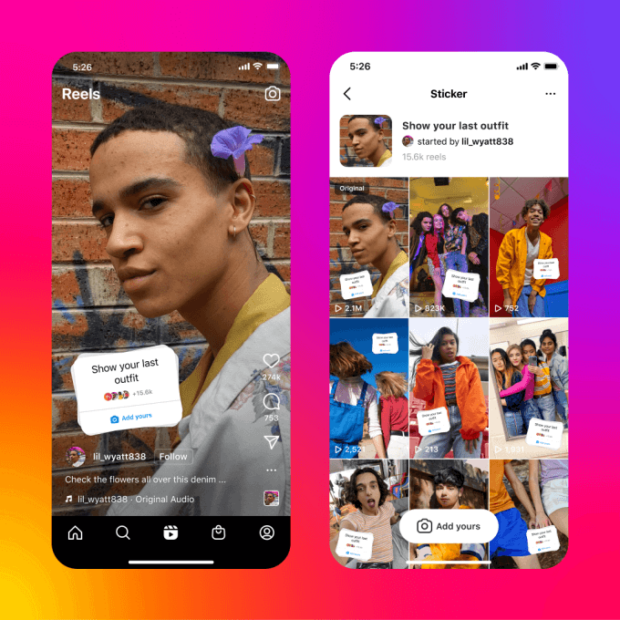
- Reels Dominance and API Integration: In July 2022, Instagram began converting standard video posts under 15 minutes into Reels, merging video tabs and granting all users access to advanced editing tools. By June and August, Meta introduced Reels API access for third-party developers—such as Hootsuite—allowing enterprise social media management platforms to support scheduling, analytics, and comment moderation for short-form video. Furthermore, Facebook and Instagram Reels scheduling was integrated directly into Creator Studio.
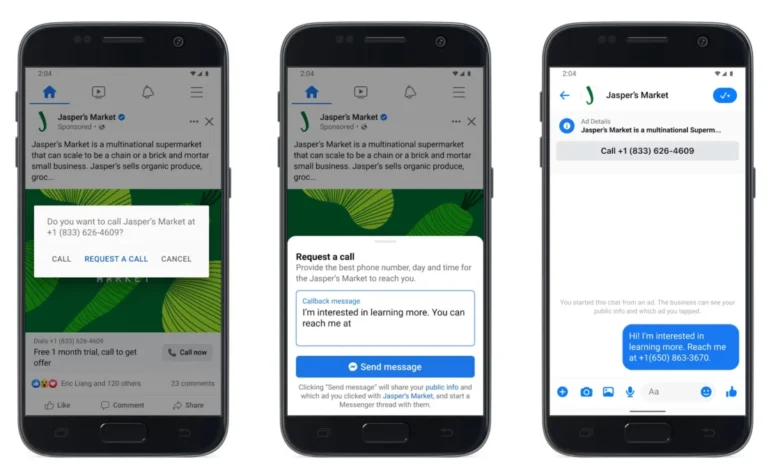
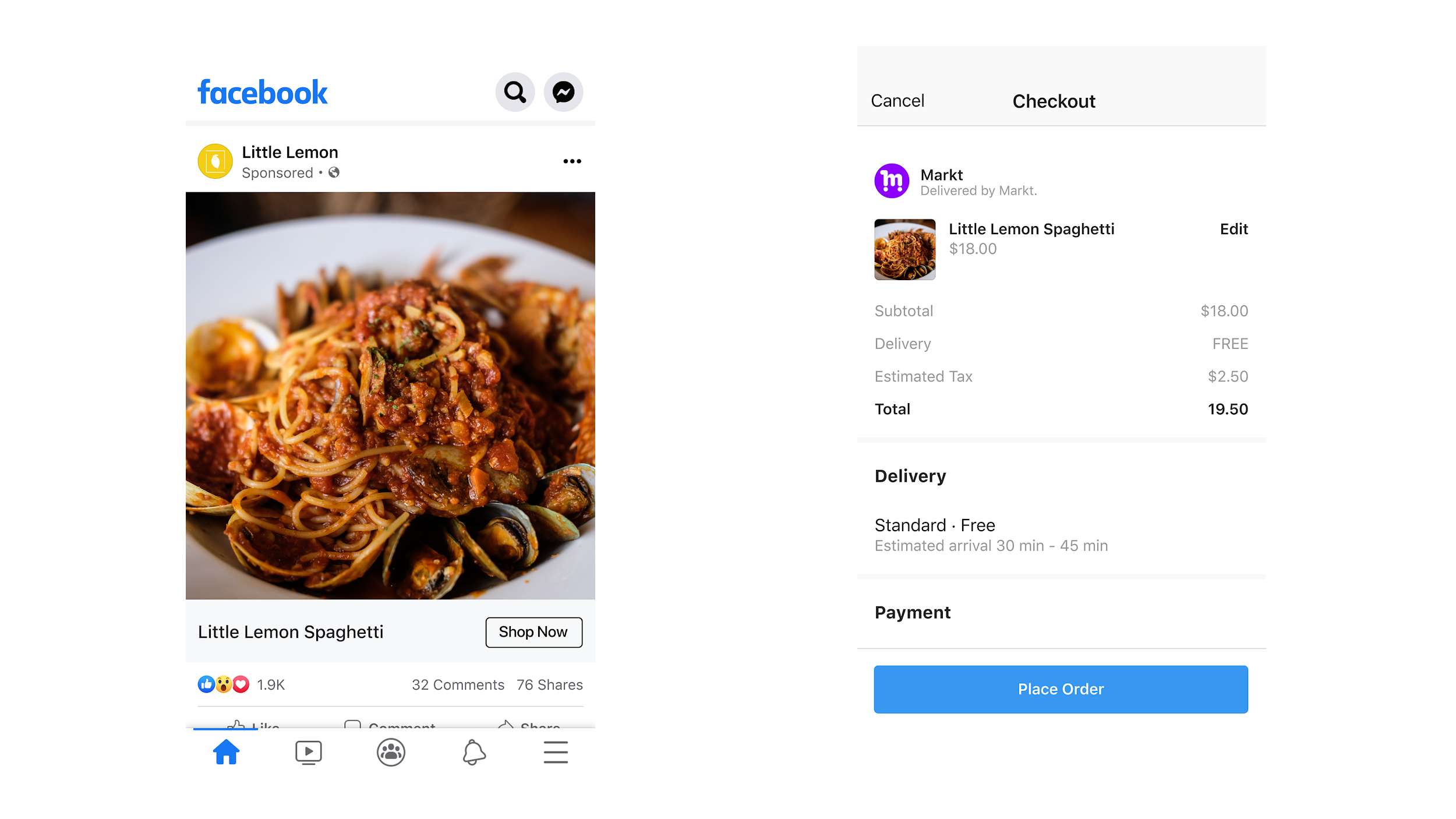
- Social Commerce Adjustments: Acknowledging shifting consumer habits away from live streaming toward algorithmic video discovery, Meta announced the sunsetting of Facebook Live Shopping effective October 1, 2022. Concurrently, the company expanded localized delivery options for Collaborative Ads, allowing grocery and consumer packaged goods brands to display real-time inventory and pricing linked to local delivery services.
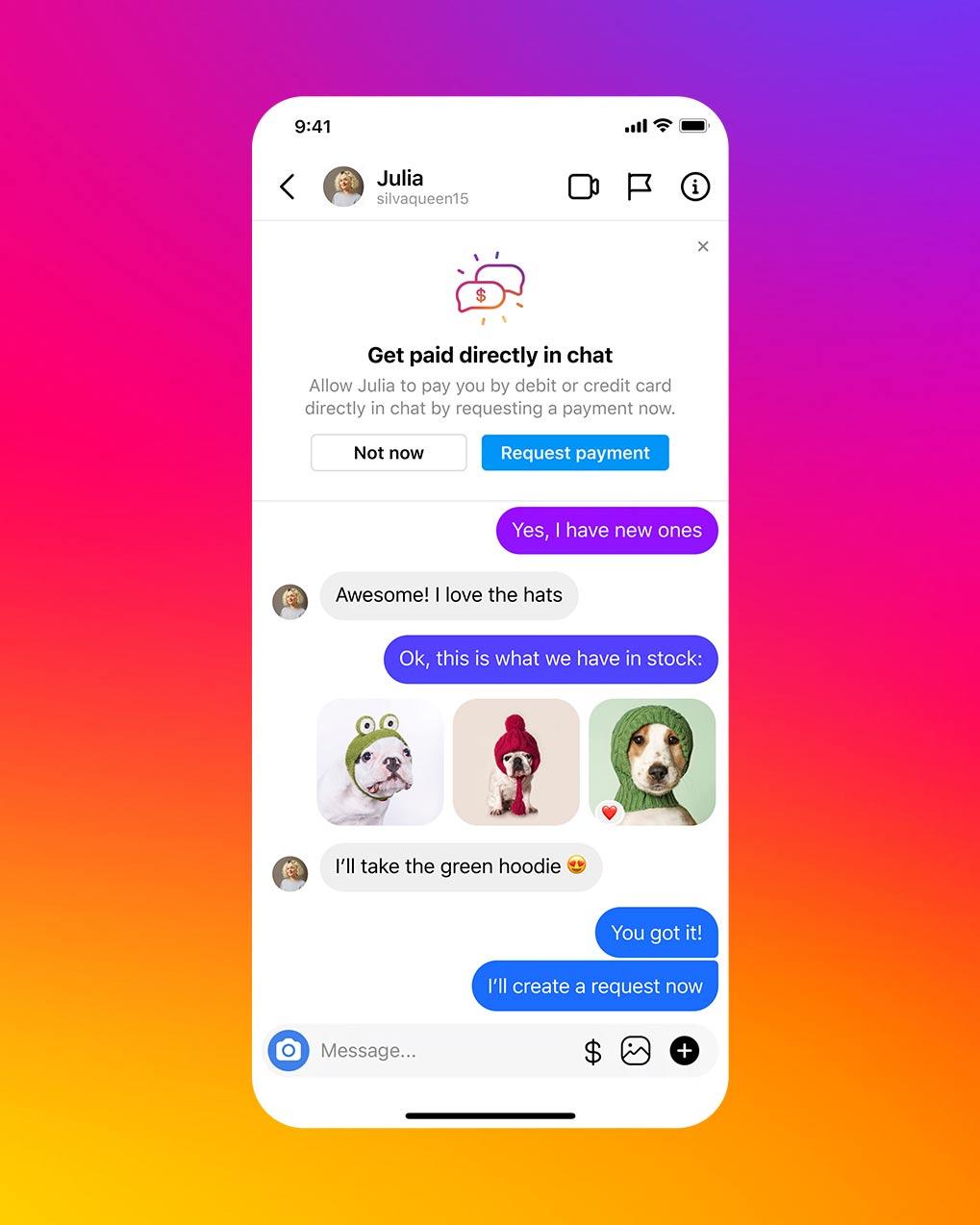
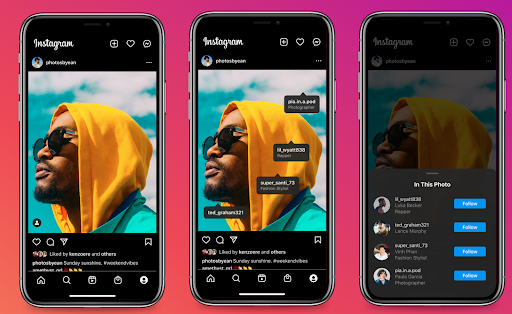
- In-Chat Payments and Creator Marketplace: Instagram rolled out native payment options within Direct Messages (DMs), allowing eligible professional accounts to collect payments, process invoices, and complete transactions without requiring users to navigate away from the chat interface. Concurrently, the Instagram Creator Marketplace expanded its invite-only testing phase, providing brands with advanced filtering tools to source, evaluate, and collaborate with digital creators.
Late 2022: Advanced Automation and Brand Safety Milestones
As the year drew to a close, Meta focused heavily on automated advertising solutions and validation from independent regulatory bodies.

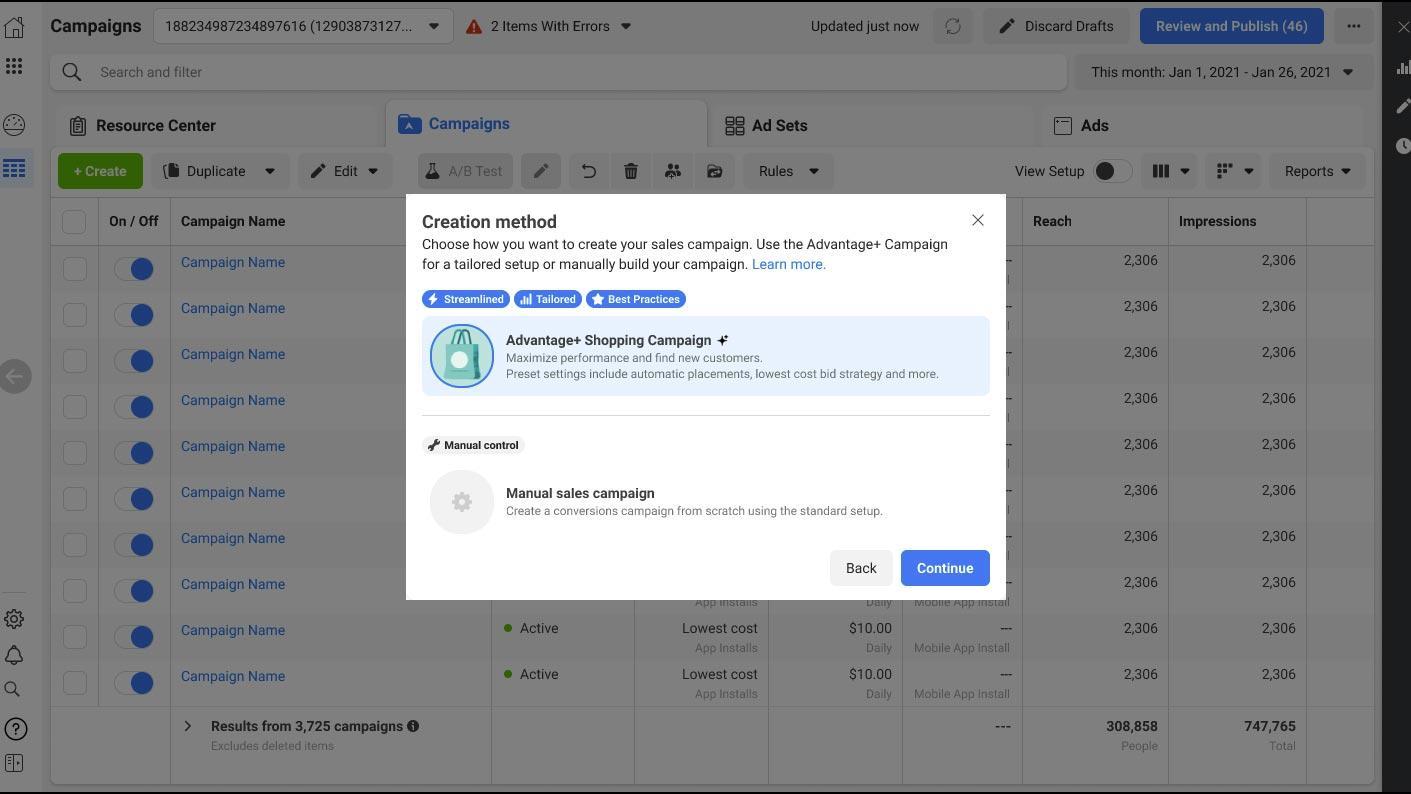
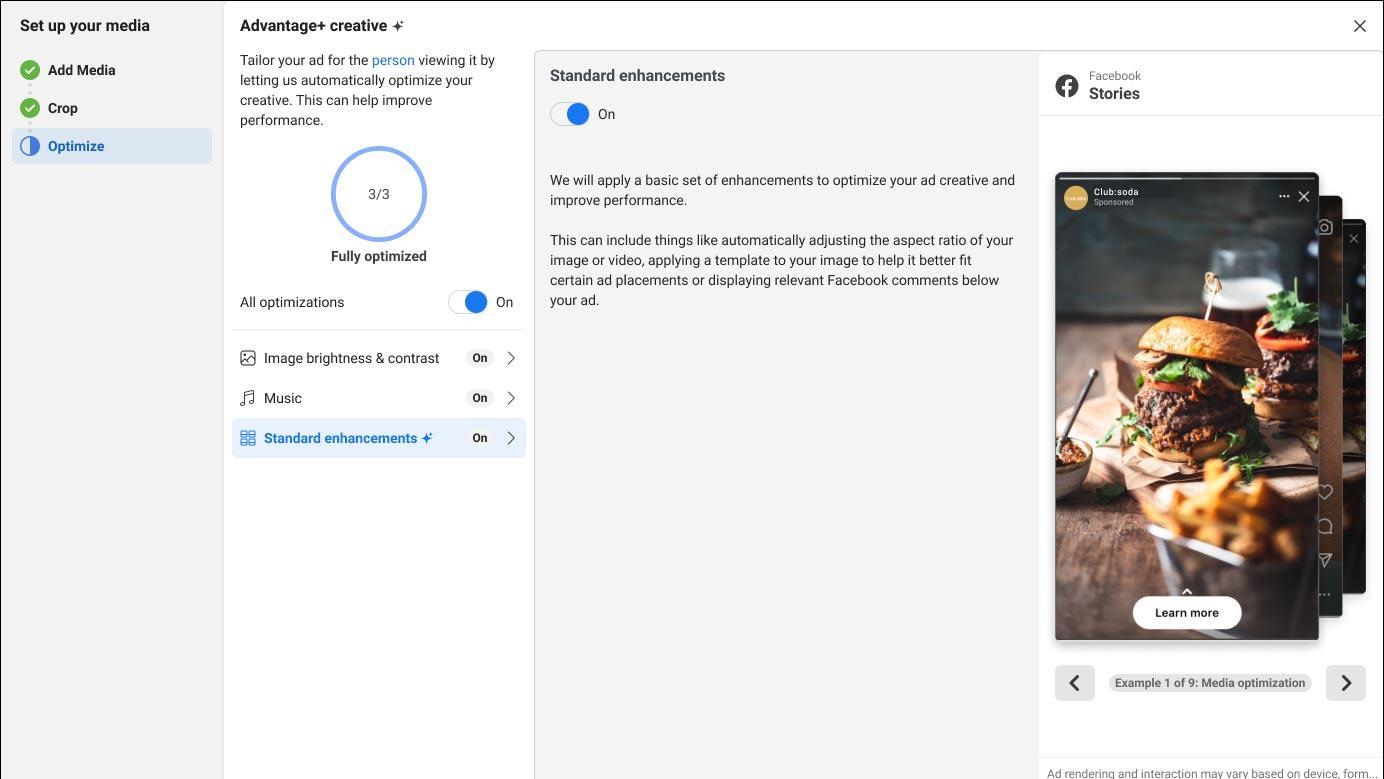
- The Advantage+ Suite Expansion: Meta consolidated its automated advertising tools under the Advantage+ umbrella. Advantage+ Shopping campaigns, launched in August 2022, leveraged machine learning to automate creative testing, generating up to 150 creative variations simultaneously. Internal data released by Meta indicated that these automated campaigns achieved a significantly lower cost-per-purchase conversion rate compared to standard legacy ad setups.
- Media Rating Council (MRC) Accreditation: In November 2022, Meta secured formal accreditation from the Media Rating Council (MRC) for content-level brand safety on Facebook. Independent auditors evaluated the platform’s content and partner monetization policies across Instant Articles and In-Stream video, validating Meta’s brand suitability controls.
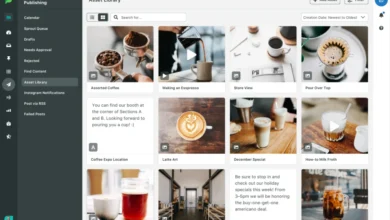
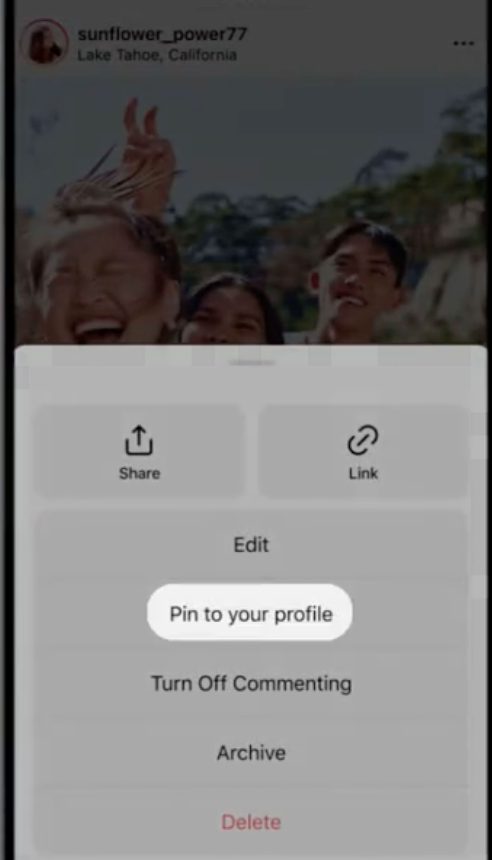
- Native Content Scheduling: Addressing long-standing requests from digital marketers who preferred mobile workflows over desktop management dashboards, Instagram launched native scheduling for Reels, photos, and carousel posts up to 75 days in advance directly within the mobile application.
Advertiser Best Practices and Data-Driven Optimization
Amid continuous interface modifications, Meta published empirical best practices derived from internal data models designed to maximize return on ad spend (ROAS). Rather than relying on trial-and-error configurations, advertisers were encouraged to lean into simplified account structures.
Key recommendations emphasized broadening audience parameters to feed Meta’s machine-learning algorithms with sufficient conversion signals, utilizing dynamic creative placements, and consolidating ad sets. By reducing fragmentation within ad accounts, brands could prevent audience overlap and allow the delivery system to optimize ad delivery across optimal placements, including feeds, stories, and Reels.

The Regulatory and Privacy Landscape: Navigating ATT and Data Compliance
The shadow of Apple’s iOS 14.5 privacy update and the associated AppTracking Transparency (ATT) framework heavily influenced Meta’s engineering priorities throughout 2022. With a substantial portion of mobile users opting out of cross-app data tracking, traditional attribution windows and custom audience building via pixel data faced persistent degradation.
In response, Meta emphasized the aggregation of first-party data, the optimization of Conversions API implementations, and the reliance on automated campaign structures that do not depend on hyper-targeted demographic slices. Additionally, Meta introduced heightened transparency measures for social, political, and electoral advertisements, opening its Ad Library archives to vetted academic researchers to study the societal impacts of platform advertising while safeguarding individual user privacy.
Outlook for Meta Ecosystems Moving Forward
As digital marketers look beyond the structural shifts of 2022, the trajectory of Meta Platforms is defined by several accelerating trends. The integration of artificial intelligence into creative generation and audience targeting will likely deepen, reducing manual administrative overhead for brands. Meanwhile, the monetization of short-form video via Reels-specific ad placements and overlay formats will remain the primary engine for user engagement and ad revenue growth.
Despite economic uncertainties and ongoing capital expenditure into virtual reality and the Metaverse, Meta’s core advertising infrastructure has demonstrated resilience. By aligning automation, brand safety compliance, and native commerce capabilities, the company has established a modernized foundation designed to sustain digital advertising performance through subsequent fiscal cycles.