A sophisticated marketing campaign or a high-quality product may capture initial consumer interest, but the conversion from a one-time buyer into a brand advocate relies on a more intangible currency: brand trust. In a rapidly evolving digital landscape characterized by the proliferation of AI-generated content and heightened consumer scrutiny, the mechanisms by which companies earn and maintain this trust have shifted fundamentally. Data from the Sprout Social Q2 2026 Pulse Survey underscores this transition, revealing that 57% of consumers now prioritize recommendations from everyday product users over those of subject matter experts (26%), mega-influencers (9%), or corporate employees (8%).
The Evolving Landscape of Consumer Confidence
The contemporary consumer’s path to purchase is increasingly mediated by a demand for radical transparency. As generative AI continues to blur the lines between reality and synthetic marketing, public skepticism regarding product claims and corporate messaging has intensified. This trend represents a departure from traditional influencer-led marketing models toward a more decentralized, peer-reviewed ecosystem.

Historically, trust was built through consistent advertising and long-term market presence. However, the 2026 consumer cycle suggests that trust is now transactional, earned through specific, verifiable interactions. The Q3 2026 Pulse Survey identifies authenticity as the primary trait consumers seek on social platforms. When corporate actions fail to align with stated messaging—or when brands deploy AI-generated content without clear disclosure—the resulting disconnect often leads to permanent reputational damage.
Chronology of Shifting Expectations
The decline in blind trust toward corporate entities can be traced through several key milestones in the digital age:
- 2020–2022 (The Trust Deficit): Rapid digitization during the pandemic era forced brands to pivot toward digital-first customer service. During this time, the lack of human-centric support became a primary driver of customer churn.
- 2024 (The Rise of Ethical AI Concerns): As generative tools became accessible, the market witnessed an influx of "AI slop," leading to widespread consumer fatigue regarding repetitive, low-effort content.
- 2025 (The Authenticity Mandate): Major brands began to formalize "No-AI" policies to protect their image, marking a pivot back to human-representative marketing.
- 2026 (The Peer-Validation Era): The current landscape indicates that consumers rely more on decentralized user-generated content than official brand channels to verify product quality.
Quantifying the Value of Trust
Brand trust is no longer merely a psychological metric; it is a primary driver of enterprise profitability and customer lifetime value (CLV). According to current market data, product quality remains the leading indicator of loyalty, with 44% of consumers citing it as their primary factor for repeat engagement.
The economic implications of a high-trust brand are twofold. First, trust acts as a hedge against market volatility, allowing companies to maintain pricing power even when competitors offer lower-cost alternatives. Second, trust facilitates "brand evangelism," where customers serve as an unpaid, highly effective sales force. Conversely, the cost of mistrust is measurable in increased customer acquisition costs (CAC) and high churn rates, as consumers increasingly treat brands with the same scrutiny they once reserved for unvetted third-party sellers.
Operational Strategies for Building Credibility
For businesses looking to reinforce their standing, the transition must be systemic rather than cosmetic.
Standardizing Communication
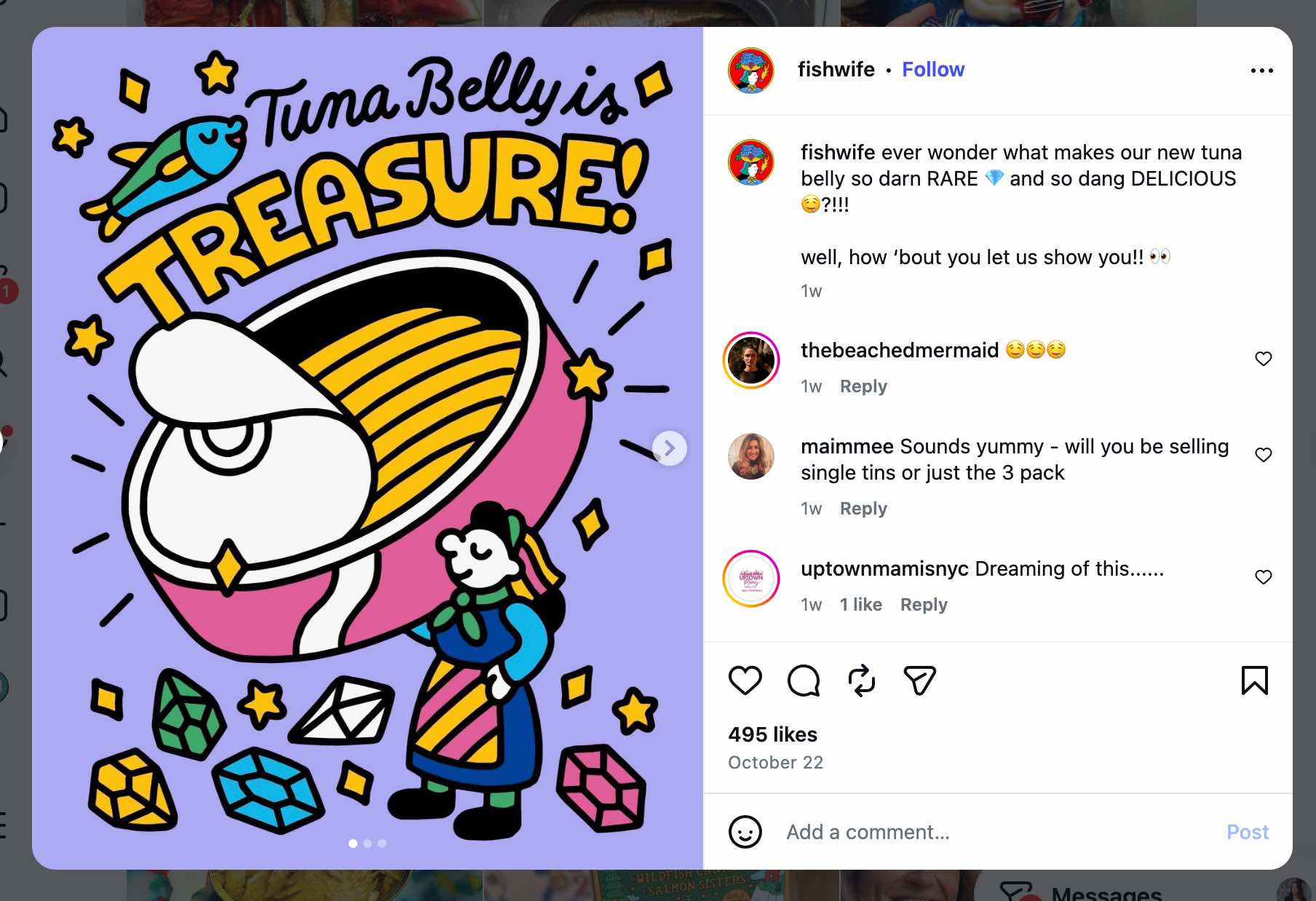
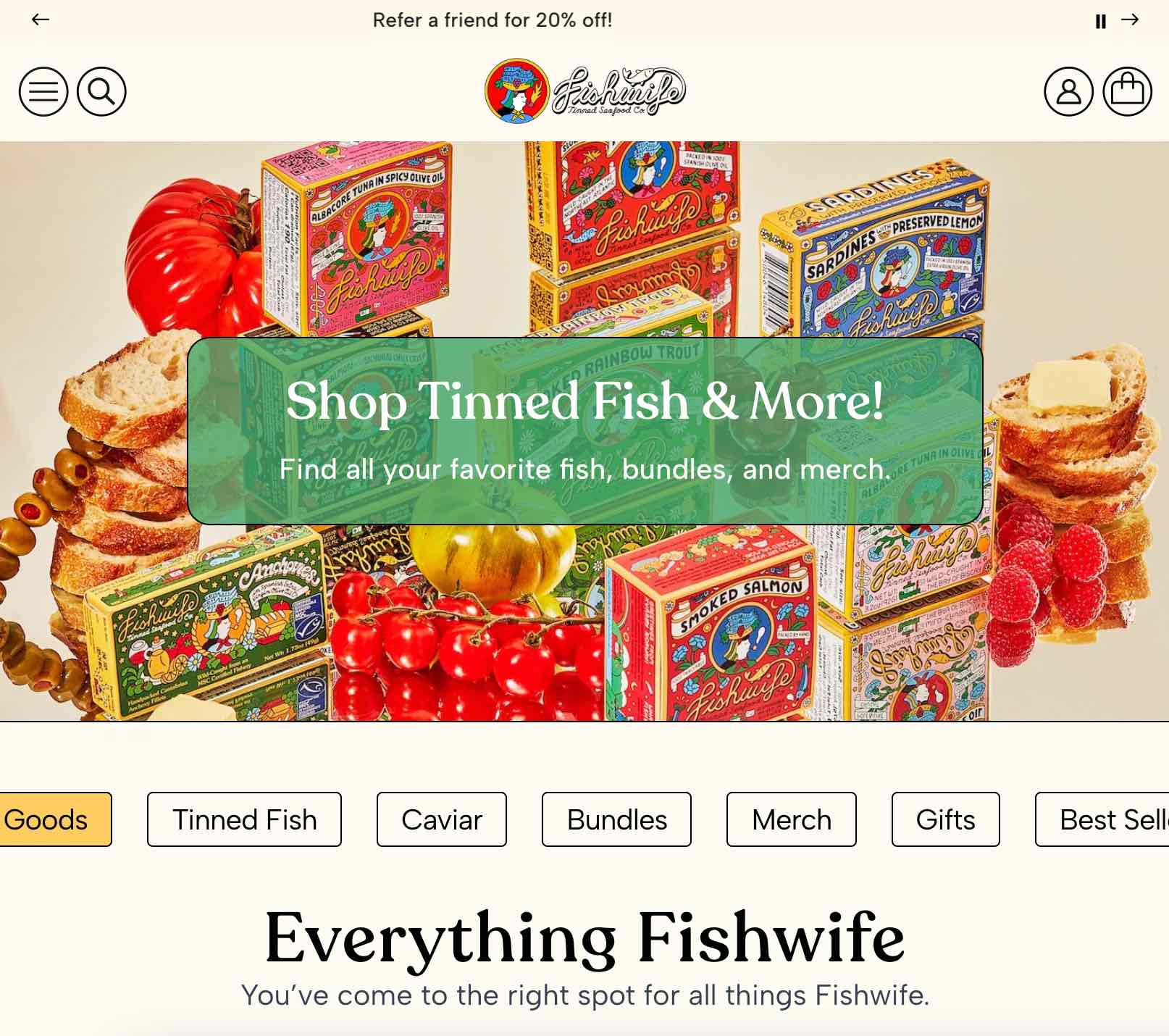
Consistency across channels is the bedrock of trust. Discrepancies between a brand’s social media tone and its customer service response protocols often trigger subconscious doubt in consumers. Companies like Fishwife have demonstrated the efficacy of unified branding, where visual identity and voice remain cohesive from web-based product pages to ephemeral social content.
Ethical AI Implementation
The ethical deployment of technology is now a regulatory and reputational imperative. Consumers have expressed a clear preference for transparency, with 28% of survey respondents labeling the lack of AI-content disclosure as the most frustrating corporate behavior of 2026. Furthermore, 44% of consumers report significant discomfort with the use of AI-generated influencers, suggesting that brands must prioritize human-led interaction to maintain credibility.
Responsive Customer Care
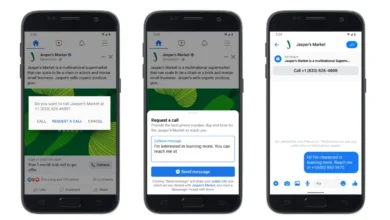
The speed of response has become a proxy for corporate reliability. With 38% of consumers expecting a response to social media inquiries within two hours, brands are increasingly utilizing AI not to replace humans, but to triage inquiries. By employing AI for sentiment analysis and routing, companies can ensure that high-priority issues reach human agents faster, effectively bridging the gap between automated efficiency and personalized care.
Benchmarking Success: Key Performance Indicators
To manage trust effectively, organizations must implement a multi-layered measurement framework. Standard engagement metrics such as likes and shares are increasingly being supplemented by:
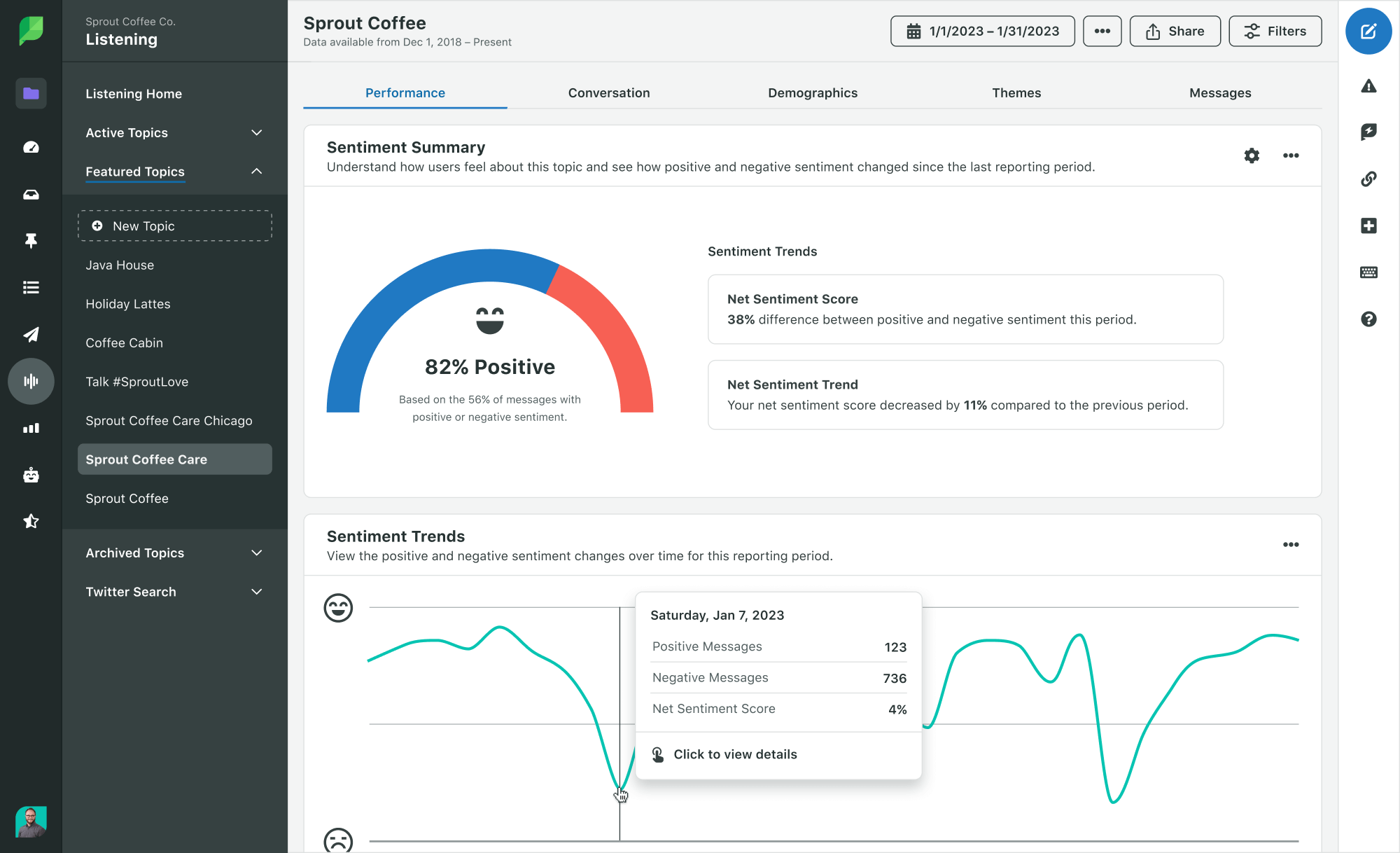
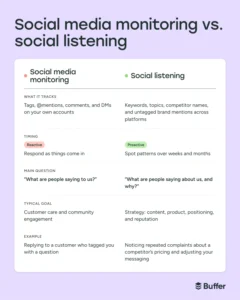
- Sentiment Analysis: Monitoring the qualitative nature of online discourse to identify shifts in public perception.
- Net Promoter Score (NPS): Utilizing direct feedback to quantify the likelihood of word-of-mouth advocacy.
- Media Monitoring: Tracking the brand’s presence in global news cycles to anticipate and mitigate potential reputational crises before they escalate.
Case Studies in Strategic Trust-Building
Three organizations currently serve as benchmarks for integrating trust into their core operations:
- Back Market: By focusing on the "quality guarantee," this refurbished electronics marketplace addresses the inherent anxiety associated with secondhand technology. Through transparent 100-point inspections and a robust warranty program, the company provides the empirical evidence required for consumers to trust a refurbished product over a new one.
- Aerie: As a leader in body-positive marketing, Aerie has successfully extended its "No-Retouching" policy to include a ban on AI-generated human bodies. This move directly counters the industry trend of synthetic perfection, thereby reinforcing the brand’s long-standing promise of "realness."
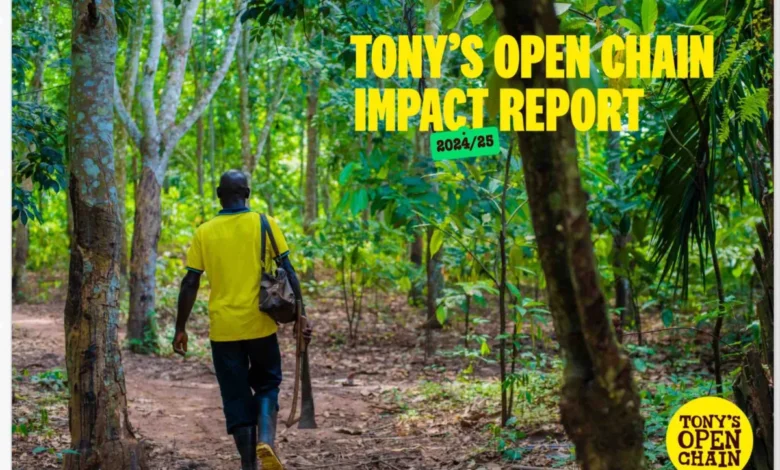
- Tony’s Chocolonely: By publishing annual impact reports that candidly detail the challenges—and failures—within their cocoa supply chain, the company has elevated transparency to a business model. This level of disclosure signals to the consumer that the brand values the truth of its operations over the convenience of a polished corporate image.
Broader Implications and Future Outlook
The transition toward a "trust-first" economy necessitates a fundamental change in how corporations view their customer relationships. As digital noise continues to expand, the brands that thrive will be those that view transparency as a competitive advantage rather than a liability.
The evidence is clear: the modern consumer is no longer a passive recipient of corporate messaging. They are active investigators who cross-reference claims against reviews, search for ethical contradictions, and demand human accountability. As the technological landscape continues to shift, the companies that will survive are those that consistently demonstrate, through both policy and action, that they are worthy of the consumer’s most valuable asset: their confidence.

Ultimately, brand trust is a long-term investment that requires the alignment of internal culture, external communication, and ethical operations. Organizations that fail to prioritize these pillars in the coming years will likely find themselves sidelined by more transparent, authentic, and customer-centric competitors. For the modern enterprise, the message is unequivocal: to secure the market, one must first secure the trust of the individual.