Social Media Governance: Why Digital Oversight Is Now a Business-Critical Imperative


The modern corporate landscape has undergone a seismic shift as social media has evolved from a marketing side-project into a primary channel for customer service, brand communication, and revenue generation. However, this transition has brought with it an escalating series of systemic risks that many organizations remain ill-equipped to handle. From the looming threat of sophisticated cyberattacks and account hijacking to the rapid, often unregulated adoption of artificial intelligence tools, social media managers are currently operating in an environment of unprecedented volatility. Governance, once viewed as a bureaucratic hurdle, has now become the essential framework that protects a company’s market capitalization, legal standing, and public reputation.
Defining the Scope of Social Media Governance
At its core, social media governance is the strategic implementation of rules, responsibilities, and protocols that dictate how an organization engages with the digital world. It serves as the institutional guardrail against the inherent dangers of maintaining a vast digital footprint. A robust governance framework encompasses a wide range of operational domains, including strict access controls for official accounts, comprehensive vetting processes for third-party AI integrations, guidelines for influencer partnerships, and standardized procedures for crisis communication.
The primary objective of this governance is to transition from a reactive state—where teams scramble to contain PR disasters or security breaches—to a proactive, centralized model. By establishing a "Center of Excellence" (CoE), organizations can ensure that their approach to social media is cohesive, defensible, and aligned with enterprise-wide risk management policies. This shift is particularly urgent given that 44% of marketers report an increase in internal approval requirements, while 39% cite a more restrictive climate regarding content and influencer partnerships, according to recent industry data.
The Nine Pillars of Operational Risk

The risks associated with social media are no longer limited to minor PR gaffes. They have expanded into existential threats for the modern enterprise. Experts categorize these risks into nine distinct areas that demand constant monitoring:
-
Brand Integrity: An unauthorized post can cause immediate, irreversible damage to a brand’s equity. In instances where hackers gain control of a corporate account, the potential for disparaging, defamatory, or politically charged content to be disseminated is a critical threat that can undermine decades of brand building in minutes.
-
Regulatory and Legal Compliance: As governments worldwide adopt strict data privacy legislation—such as the GDPR in Europe and various state-level privacy acts in the United States—social media channels have come under intense scrutiny. Failure to comply with these regulations can lead to massive financial penalties. Major corporations are often targeted by regulators to set a public example, making the cost of non-compliance potentially reach into the tens of millions of dollars.
-
Litigation Exposure: With social media serving as a primary point of contact for customer service, the digital paper trail is subject to discovery in legal proceedings. A lack of governance regarding who posted what and when can leave a company defenseless in court.
-
Human Error: Despite advanced technology, the human element remains the most significant vulnerability. Accidental posts, internal grievances aired publicly, and the mishandling of sensitive data are common occurrences that can be mitigated through rigorous training and systemic checks.
-
Internal Insider Risk: Without clear policy, employees may inadvertently share confidential financial, HR, or intellectual property data. Governance defines the boundaries of professional conduct, ensuring that employees understand their responsibilities as brand representatives.

-
Cybersecurity Vulnerabilities: Cybercriminals frequently target corporations with poor security hygiene. The absence of two-factor authentication (2FA), the use of shared passwords, or the lack of audit logs for third-party access makes an organization an easy target for malicious actors.
-
Third-Party App Integration: Every third-party tool connected to a corporate social account acts as a potential backdoor. If an unvetted application or AI plugin is compromised, the primary account is often exposed, leading to a catastrophic data breach.
-
Influencer Partnerships: With global influencer marketing spend projected to reach $56 billion by 2029, the risks associated with influencer conduct have multiplied. Brands are increasingly vulnerable to "guilt by association" if their partners fall into scandal or violate community standards.
-
The AI Governance Gap: Artificial intelligence represents the fastest-growing risk in the digital space. The unregulated use of AI tools for content generation creates significant ethical and legal liabilities, particularly regarding copyright, data privacy, and the potential for offensive outputs.
The Evolution of the Governance Framework
To effectively mitigate these risks, organizations must move beyond "set and forget" policies. The most successful firms are now implementing a "living document" approach, where policies are updated quarterly to reflect new legislative actions and technological capabilities.

A key component of this framework is the establishment of a Center of Excellence (CoE). This cross-functional body should include representatives from legal, IT/security, human resources, and marketing. This structure ensures that no decision is made in a vacuum. For example, when evaluating a new AI-driven analytics tool, the IT department provides a security audit, legal provides a compliance review, and the marketing team assesses the tool’s strategic value.
This decentralized yet controlled approach—seen in global organizations like Atlas Copco Group—allows local teams to maintain the agility required for their specific markets while adhering to global brand standards. By treating social data as a "business input" rather than a simple reporting metric, these companies can identify early warning signs of risk, such as consistent patterns of off-brand content or spikes in negative sentiment.
Securing the Future: Tools and Technology
The implementation of governance is significantly more effective when supported by enterprise-grade technology. Modern platforms now offer tools that automate the enforcement of these policies:
- Message Approval Workflows: These systems ensure that no content goes live without multi-step authorization, preventing human error and unauthorized communication.
- Blocked Words and Automated Moderation: By configuring lists of prohibited terminology, brands can automatically filter harmful or non-compliant content from their social feeds.
- PII Masking: Given the legal implications of mishandling customer data, automated PII (personally identifiable information) masking is essential for care teams interacting with customers via direct messaging.
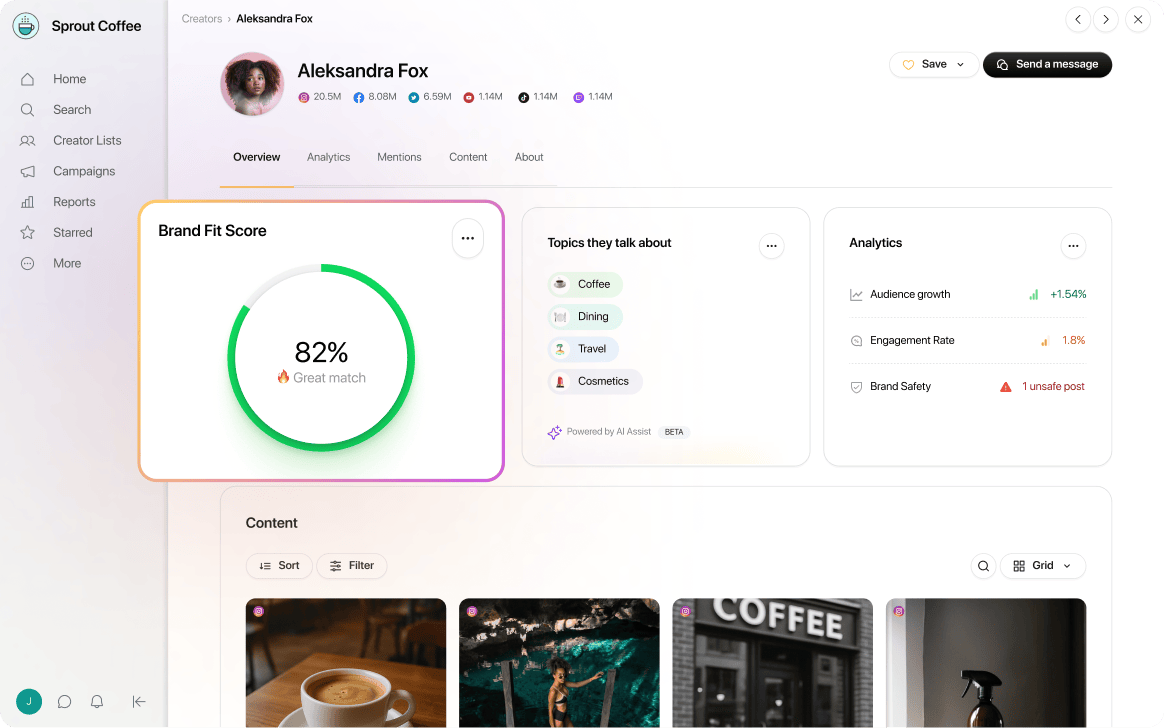
- Brand Safety Scores: AI-driven analytics can now evaluate potential influencer partners based on historical data, providing a "brand fit" score that quantifies the risk of entering a partnership.
Chronology of a Shifting Landscape
The timeline of social media risk has accelerated rapidly since 2020. The early years of the decade were marked by the proliferation of decentralized social teams and the rapid adoption of remote work, which weakened traditional security perimeters. By 2023, the focus shifted toward data privacy as regulatory bodies intensified their enforcement of existing statutes.
Entering 2026, the primary challenge has become the integration of Generative AI. The industry is currently in a state of adjustment, where firms are rushing to create "AI Use Policies" that govern the roles, responsibilities, and disclosure requirements for synthetic media. This shift is expected to culminate in more stringent, legally binding standards for AI labeling and transparency in the coming years.
The Broader Implications for Corporate Strategy
Social media governance is ultimately a form of insurance against the volatility of the digital age. While it may appear to be an administrative burden, it serves as the foundation for scalability. Without guardrails, a company cannot safely expand its social media operations or experiment with new technologies like AI.
The competitive advantage of the future will belong to firms that treat governance as a business-critical discipline. These companies will be able to pivot quickly, integrate new tools safely, and maintain the trust of their customers and stakeholders. In an era where a single post can dictate a company’s stock price or lead to a regulatory investigation, governance is not just a policy—it is a vital component of the corporate immune system. The question for leadership is no longer whether they can afford to implement a governance framework, but whether they can afford the consequences of ignoring it.