The Evolving Role of Social Media in Modern Education and Institutional Strategy

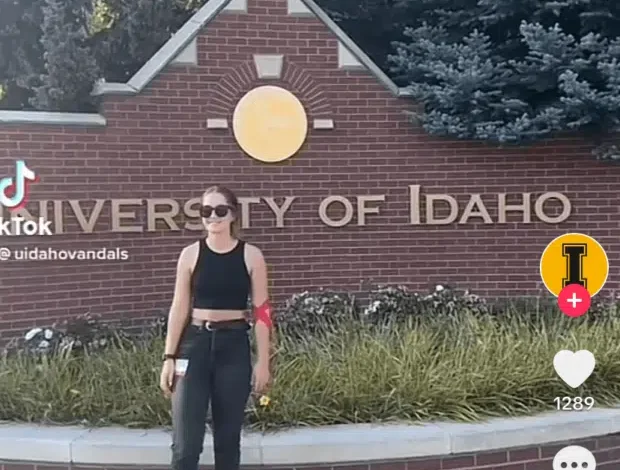
Social media has fundamentally transformed the landscape of modern education, evolving from a recreational distraction into a sophisticated tool for pedagogical engagement and institutional administration. Today, platforms such as YouTube, Instagram, TikTok, LinkedIn, and Facebook serve as dual-purpose engines: they function as dynamic classrooms that bridge the gap between traditional learning and digital literacy, while simultaneously acting as essential communication hubs for institutional recruitment, alumni outreach, and brand identity.

The necessity of integrating these platforms into educational frameworks is supported by clear demographic trends. According to recent data from the Pew Research Center, approximately 90% of U.S. teens utilize YouTube, with high levels of penetration on TikTok and Instagram. Given that adolescents spend an average of one hour and 18 minutes per day on TikTok alone, educators and administrators are increasingly adopting a "meet them where they are" philosophy, recognizing that traditional communication channels often fail to capture the attention of a digitally native student body.
A Dual-Track Approach to Digital Engagement
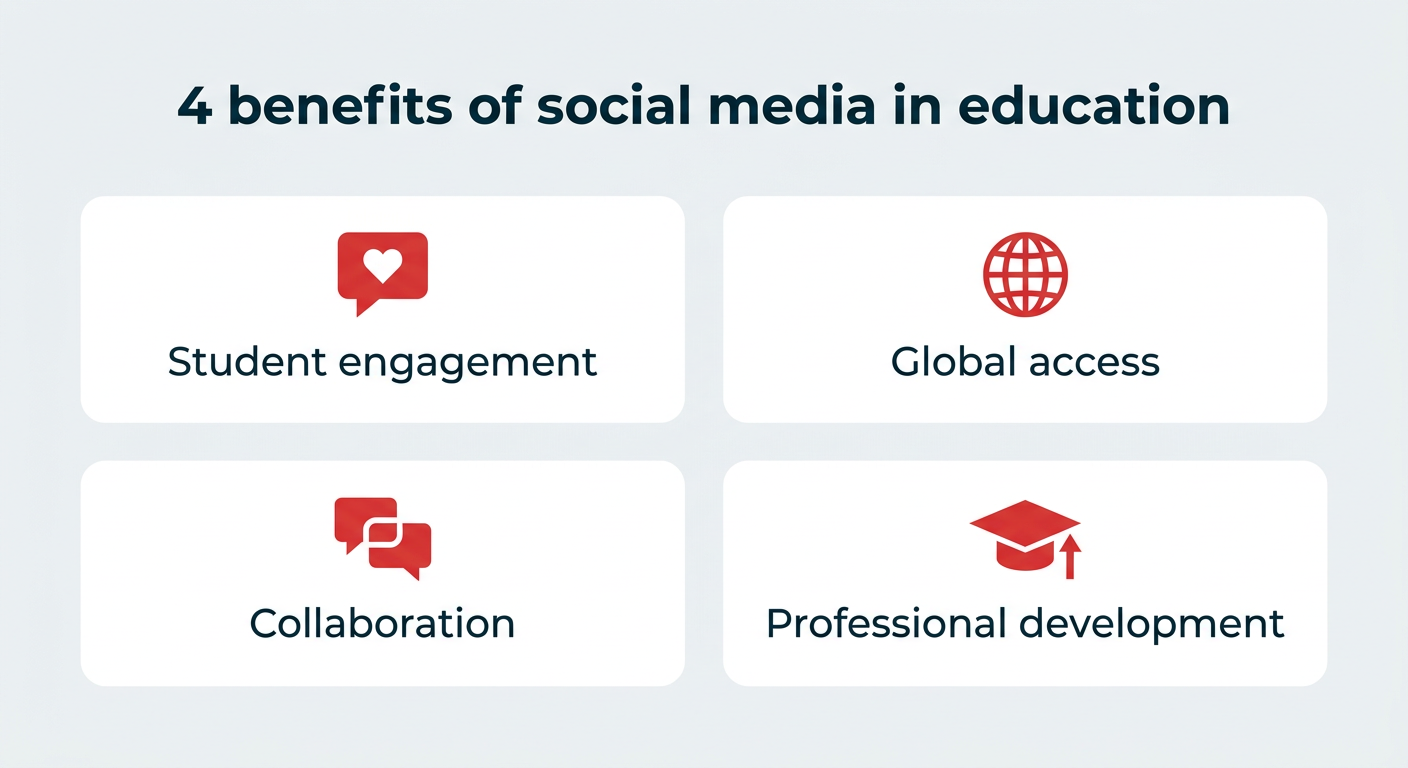
To navigate the complexities of social media in an academic setting, experts recommend a bifurcated approach. The first track focuses on the classroom environment, where instructors leverage social platforms to facilitate peer-to-peer collaboration, distribute digital literacy lessons, and host real-time discussions. By utilizing private groups or moderated channels, educators can transform static lectures into interactive experiences, encouraging students to participate in ways that mirror their natural communication habits.
The second track is institutional. Educational organizations are increasingly treating their social presence as a primary recruitment and public relations asset. Through strategic campaigns, universities and schools can showcase campus culture, highlight research breakthroughs, and foster long-term relationships with alumni. This strategic visibility is vital for enrollment, as prospective students now prioritize peer-to-peer testimonials and authentic "day-in-the-life" content over traditional brochures.
Enhancing Pedagogical Outcomes
The pedagogical benefits of this digital integration are manifold. Beyond simple engagement, social media provides a gateway to global perspectives. By hosting Instagram Lives with industry experts or encouraging professional networking on LinkedIn, educators can dissolve the physical walls of the classroom. This exposure to real-world applications of academic theory is particularly crucial in higher education, where professional readiness is a primary metric of success.

Furthermore, social media serves as a catalyst for professional development among educators. Through professional networks on platforms like Reddit and LinkedIn, teachers are circumventing the traditional, slow-moving conference cycle to share lesson plans, discuss classroom management strategies, and receive real-time feedback from peers globally.

Navigating Risks and Regulatory Compliance
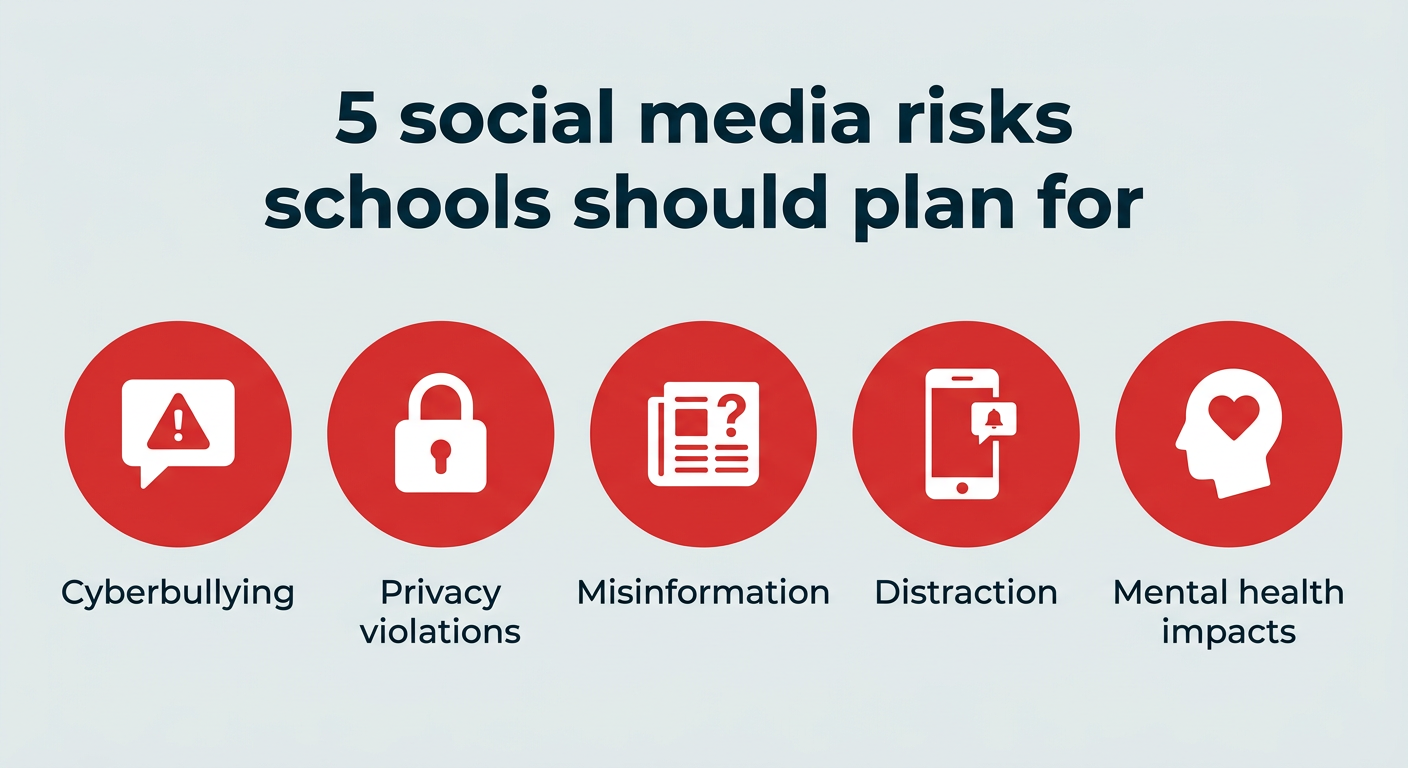
Despite the advantages, the integration of social media into education is not without significant challenges. The U.S. Surgeon General’s advisory on youth mental health has highlighted the potential risks associated with heavy social media consumption, including impacts on self-esteem and emotional well-being. Consequently, the focus for educators has shifted from outright bans to the implementation of "deliberate use" policies.

Privacy remains the most pressing legal concern for institutions. In the United States, three federal laws govern the digital footprint of schools: the Family Educational Rights and Privacy Act (FERPA), which protects the privacy of student education records; the Children’s Online Privacy Protection Act (COPPA), which regulates the collection of data from children under 13; and the Children’s Internet Protection Act (CIPA), which mandates content filtering and safety education.

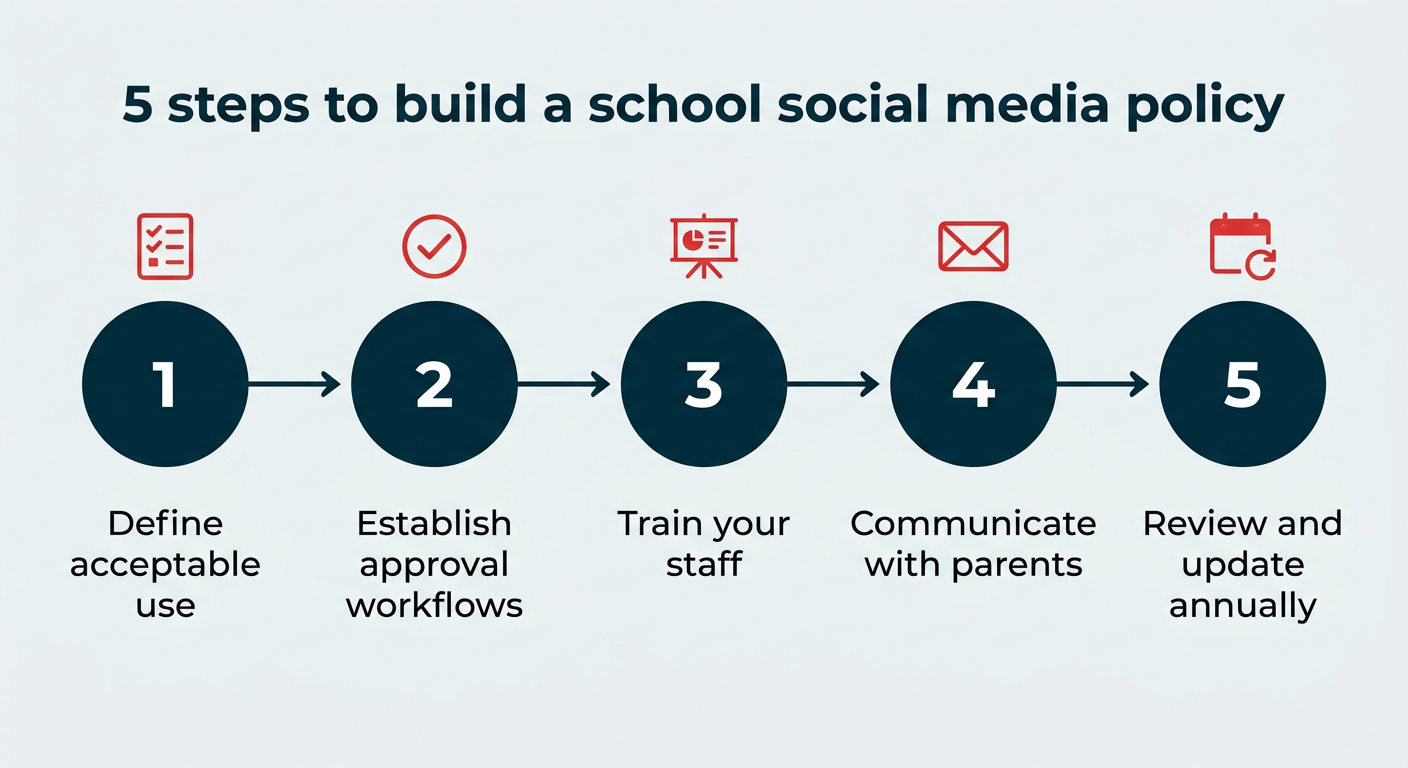
Failure to adhere to these regulations can result in severe consequences, including the loss of federal funding and potential legal action. As such, any institutional strategy must include a formal social media policy. This document must clearly outline:

- Acceptable use guidelines for both staff and students.
- Strict protocols for obtaining written consent before posting identifiable student images or information.
- Established reporting channels for incidents of cyberbullying or the discovery of misinformation.
- Regular training sessions to ensure all faculty members remain updated on evolving privacy laws.
Strategic Implementation and Benchmarking
For schools seeking to maximize their digital impact, data-driven strategy is essential. Recent benchmarks indicate that educational institutions typically maintain a higher posting frequency on X (formerly Twitter) than on other platforms, often averaging 10 posts per week. However, follower growth metrics show that TikTok currently offers the strongest potential for audience expansion, with an average weekly growth rate of 2.28% for educational entities.
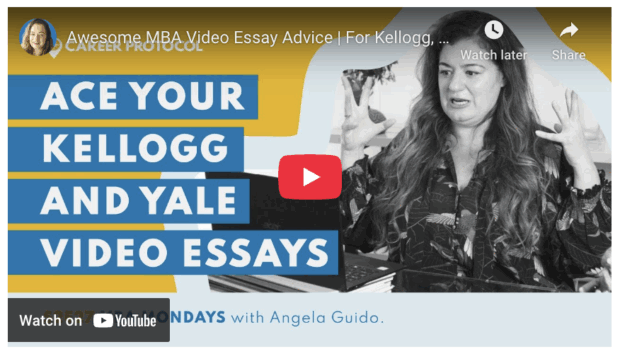
Measuring success in this sector requires moving beyond vanity metrics like "likes." Successful institutions prioritize engagement rates and, more importantly, track how social interactions correlate with enrollment inquiries and event attendance. By integrating analytics tools into their workflow, schools can identify which content formats—such as short-form video essays or student-led takeovers—resonate most effectively with their target demographic.

The Future of the Digital Classroom
The trend toward social media integration is not merely a passing phase but a reflection of the broader digitalization of society. As students enter a workforce that demands high levels of digital literacy, the ability to navigate social platforms responsibly and professionally becomes a critical life skill. Schools that treat social media as a core component of their communication and pedagogical strategy are better positioned to foster a sense of community, maintain institutional relevance, and ensure that students are prepared for the complexities of a hyper-connected world.

The role of administrators is to ensure that these tools are utilized within a framework of governance. By balancing the agility of modern communication platforms with the necessary safeguards for student safety and privacy, educational institutions can foster environments that are both innovative and secure. The ultimate goal remains to prepare students not just for the next grade, but for the next phase of their professional and personal lives in a digital-first economy.
In summary, while the risks associated with misinformation, privacy, and mental health are real, they are manageable through proactive, policy-driven oversight. As institutions continue to refine their approach, the collaboration between educators, students, and administrators will be the determining factor in successfully harnessing the power of social media to enhance the educational experience.