Meta Platforms Enters 2023 Following a Transformative Final Quarter of Major Feature Launches and Strategic Rebranding

The final quarter of 2022 proved to be a period of unprecedented operational intensity for Meta Platforms, as the technology giant rolled out a sweeping array of product updates, artificial intelligence-driven advertising tools, and brand safety milestones. Designed to redefine how marketers, creators, and everyday users interact with the company’s vast ecosystem, these developments set the stage for a strategically streamlined approach to digital marketing in 2023. As businesses adapted to an increasingly automated landscape across Facebook, Instagram, and WhatsApp, Meta reinforced its commitment to performance-driven marketing, short-form video optimization, and platform integrity.
Navigating the Meta Ecosystem: Q4 2022 Strategic Overview
During the closing months of 2022, Meta implemented structural changes that deeply impacted the digital advertising community. Advertisers heading into 2023 were greeted by an ecosystem heavily reliant on machine learning, automated ad delivery systems, and enhanced cross-platform capabilities. This transition was driven by the necessity to maintain return on investment (ROI) in the wake of stringent privacy regulations and evolving consumer habits.
Central to Meta’s late-2022 strategy was the consolidation of automated ad products under the Meta Advantage suite, alongside structural adjustments to native scheduling, community management, and ecommerce integration. By decentralizing certain operations while centralizing data insights, Meta sought to ease the operational burdens faced by small and medium-sized enterprises (SMEs) during the critical holiday shopping season.
Chronology of Key Platform Updates: December 2022
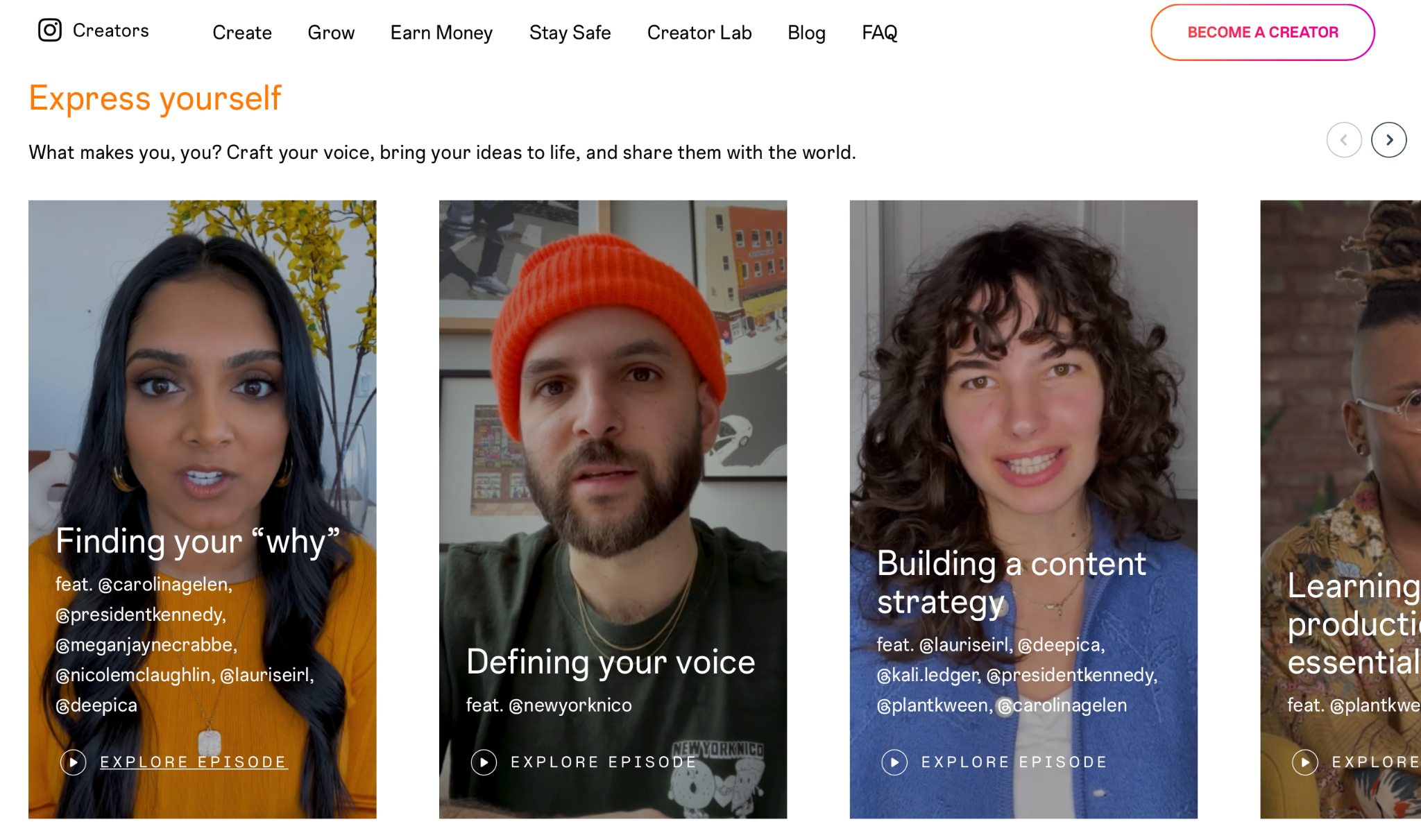
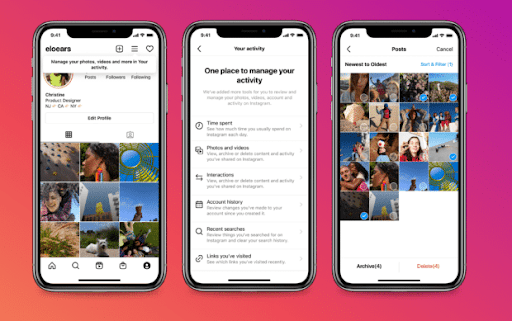
The month of December 2022 brought critical updates aimed at empowering both content creators and commercial accounts. Among the most notable rollouts was Instagram’s launch of native content scheduling directly within its mobile application. Previously restricted to desktop environments or third-party scheduling dashboards, business and creator accounts gained the ability to schedule Reels, photos, and carousel posts up to 75 days in advance.
This mobile-first scheduling tool allowed professionals to manage their publishing pipelines seamlessly without external software. However, the update carried distinct operational caveats: advanced features such as product tagging, cross-posting to Facebook, and post-boosting remained unavailable for pre-scheduled content, requiring manual implementation upon publication.
Concurrently, Instagram expanded its in-feed media capabilities by introducing 90-second audio integration for static photo posts. Moving beyond Reels and Stories, creators and brands could attach licensed music tracks to single-image grid posts, introducing a dynamic sensory layer to traditional static content. Furthermore, Meta’s internal data-driven reporting released in December provided vital ROI optimization frameworks for Facebook Ads, helping advertisers navigate shifting consumer trends.
Advanced Advertising and Automation: The Advantage+ Suite
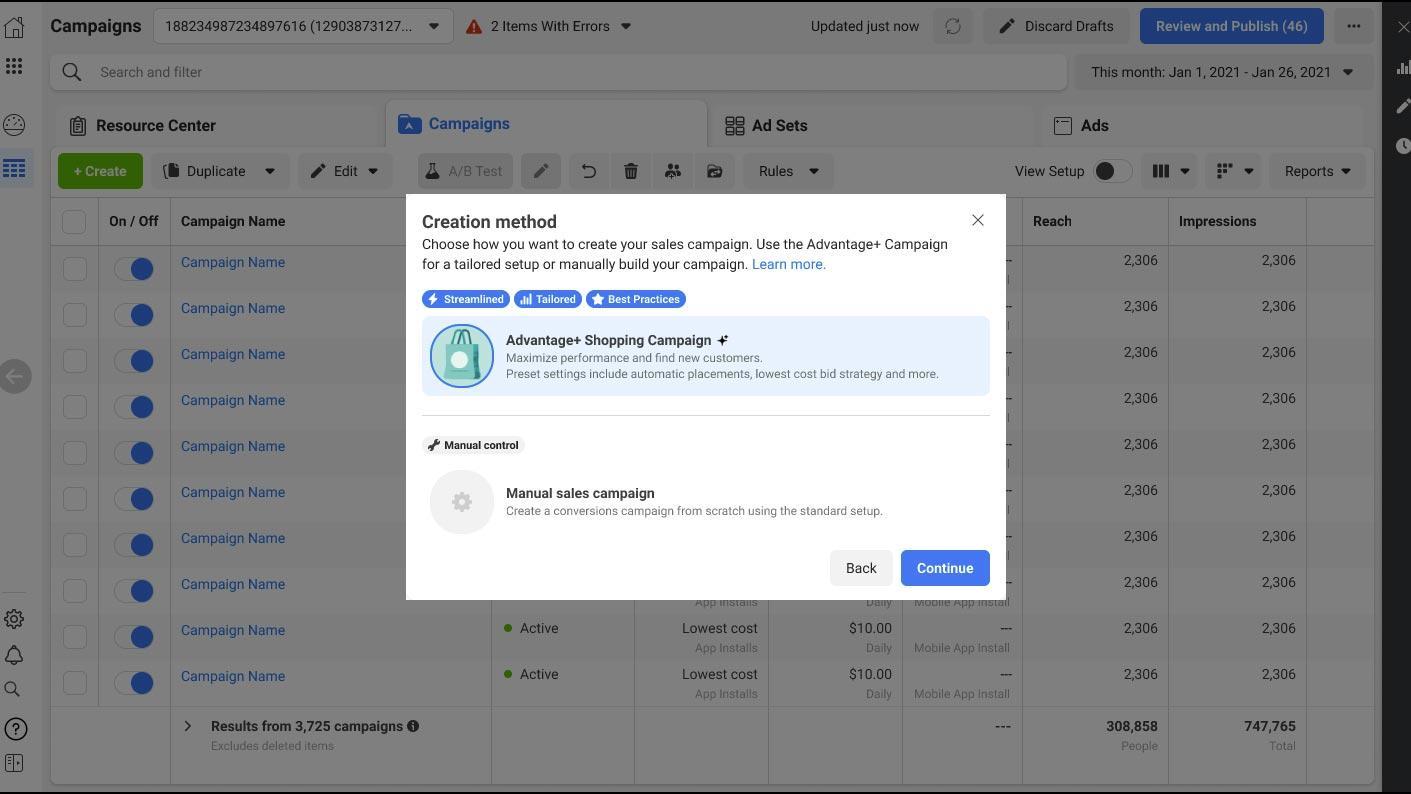
Throughout the latter half of 2022, Meta aggressively pushed its Advantage and Advantage+ ad suites, representing a paradigm shift toward algorithmic campaign management. Leveraging advanced machine learning, Advantage+ Shopping campaigns automated the ad creation process, enabling the simultaneous generation and split-testing of up to 150 creative variations. Internal testing data released by Meta indicated significant efficiency gains, with Advantage+ campaigns yielding a 12% lower cost-per-purchase conversion rate compared to standard manual campaigns.

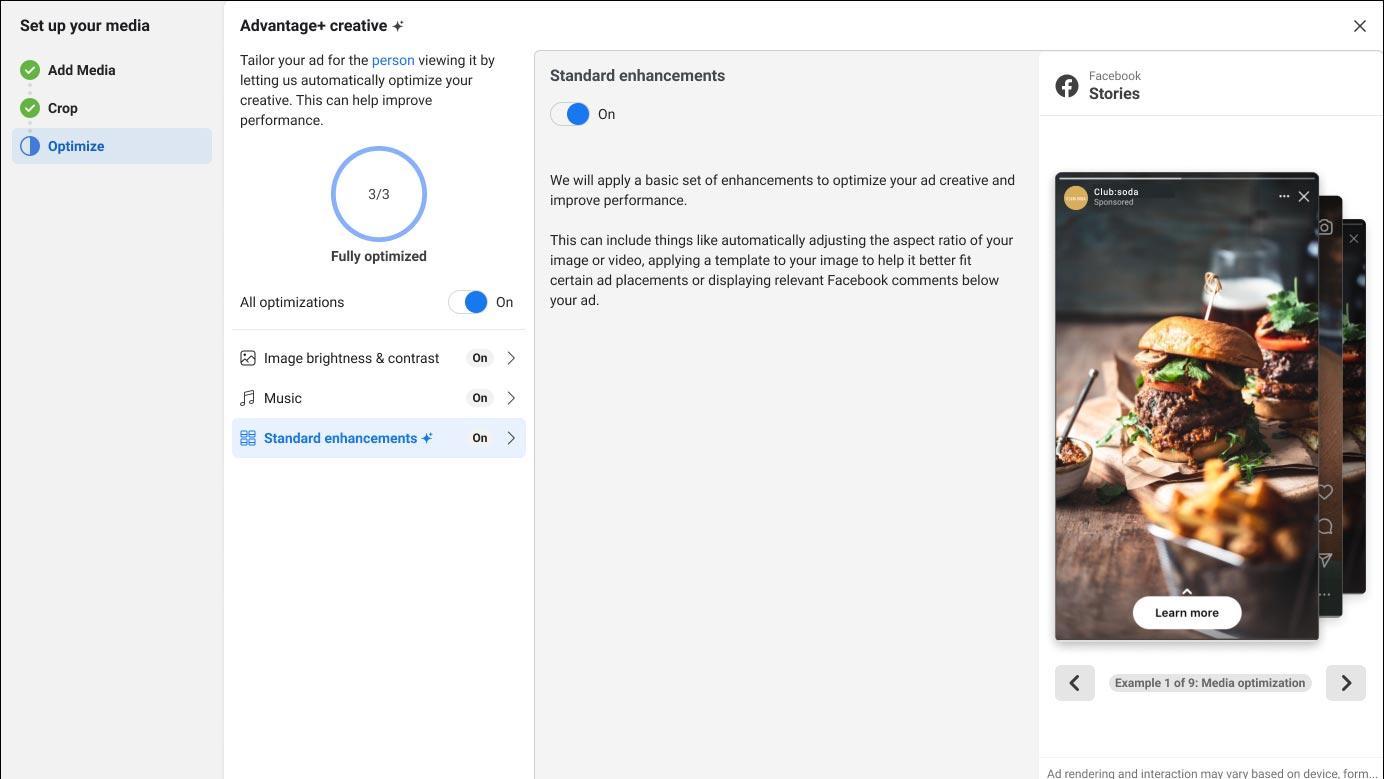
The suite expanded to include Advantage+ creative, which dynamically adjusts ad creatives based on individual viewer preferences; Advantage audience, which constructs and optimizes custom audience segments autonomously; and Advantage+ app campaigns, tailored to maximize mobile software installations. This aggressive pivot toward automation reflected Meta’s strategic response to cross-site tracking limitations, leaning on first-party data intelligence to drive conversions.
Commerce Evolution and Monetization Shifts
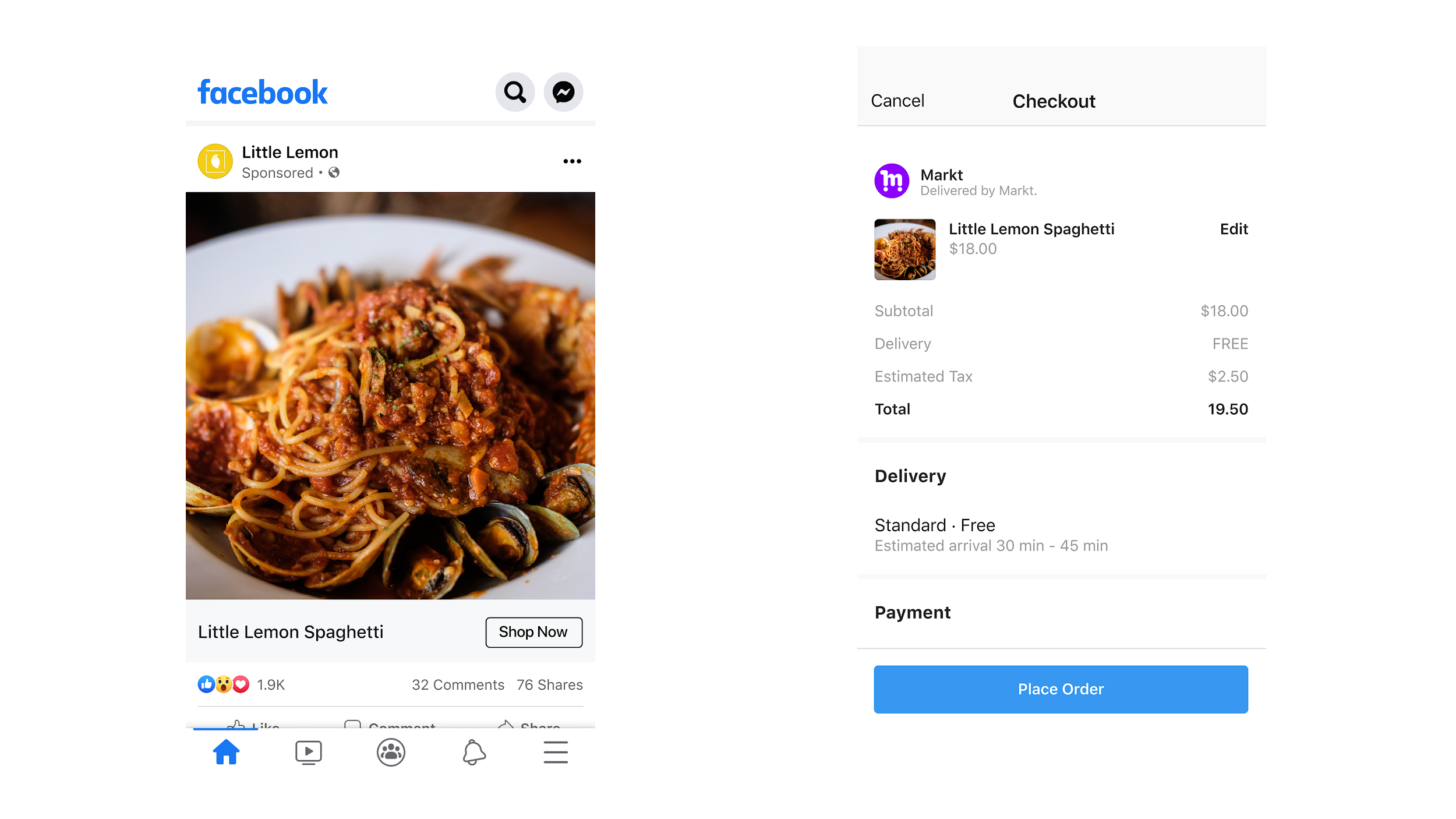
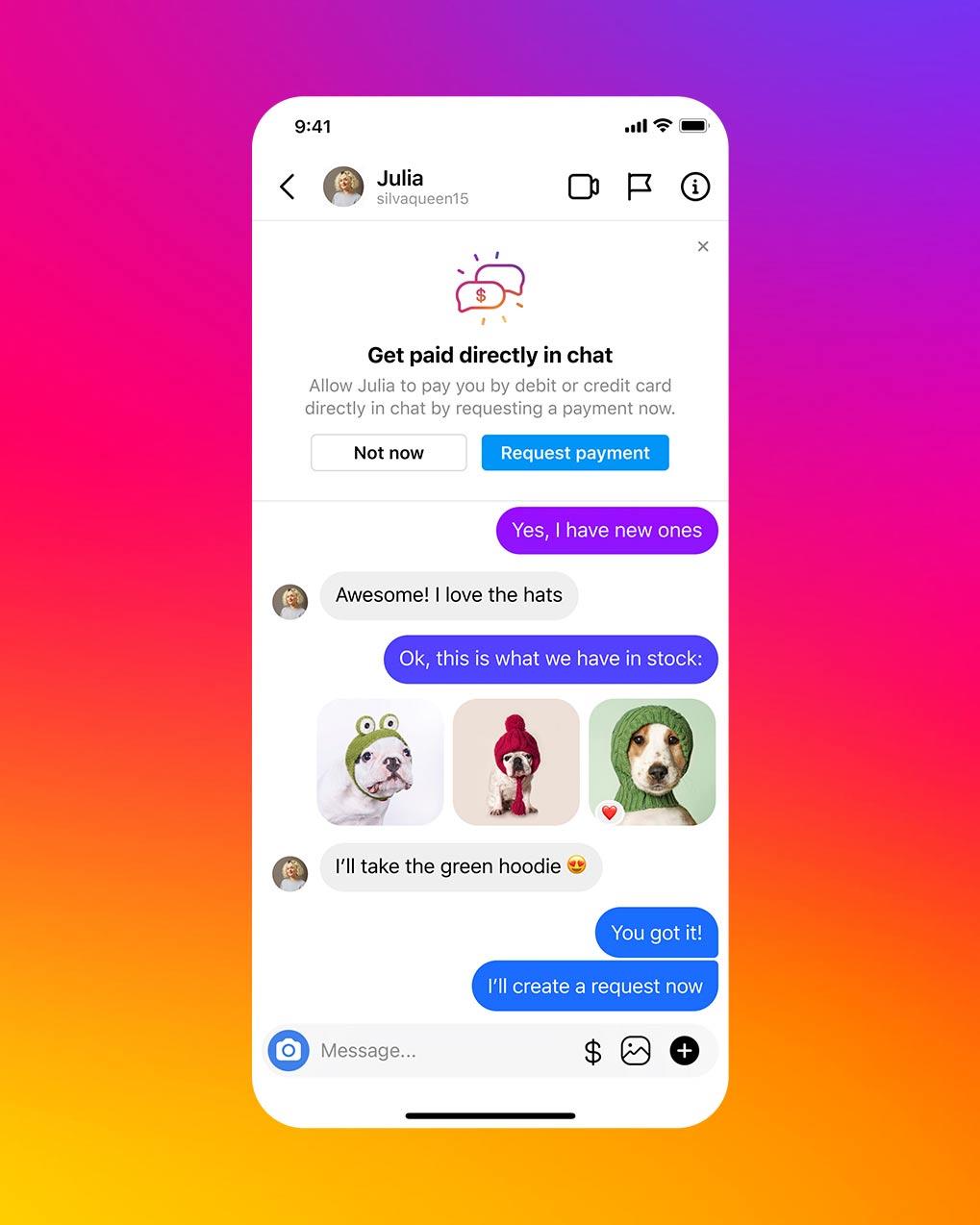
Meta’s commerce strategy underwent notable calibration during the second half of 2022. While the company shuttered its native Facebook Live Shopping feature on October 1, 2022—citing shifting consumer preferences toward short-form video consumption—it simultaneously expanded transactional capabilities elsewhere. Instagram introduced in-chat payment processing, allowing eligible professional accounts to accept customer payments and issue invoices directly within Direct Message (DM) threads without redirecting users to external websites.

To further incentivize platform loyalty among digital talent, Meta extended its revenue-share moratorium through 2024. Creators were permitted to retain 100% of earnings generated from Badges, Subscriptions, and paid online events. Additionally, the expansion of the Instagram Creator Marketplace provided vetted brands with advanced discovery tools, filtering creators by demographics, audience alignment, and content categories to streamline influencer marketing partnerships.
Brand Safety Milestones and Intellectual Property Protection
Platform integrity and brand safety remained paramount priorities for Meta amidst ongoing public scrutiny regarding content moderation. In November 2022, Meta achieved a significant milestone when the Media Rating Council (MRC) granted accreditation for content-level brand safety on Facebook. This independent audit validated Meta’s Partner Monetization Policies, Content Monetization Policies, and associated suitability controls applied to Instant Articles and In-Stream video across desktop, mobile web, and mobile app environments.
To complement these safety measures, Meta introduced the IP Reporting API and enhanced its Brand Rights Protection framework. Designed to combat counterfeit distribution, copyright infringement, and unauthorized trademark usage, the API integrated seamlessly with the Graph API. This allowed intellectual property holders to efficiently report violations and safeguard original digital assets across both Facebook and Instagram.
Strategic Implications and Industry Outlook for 2023
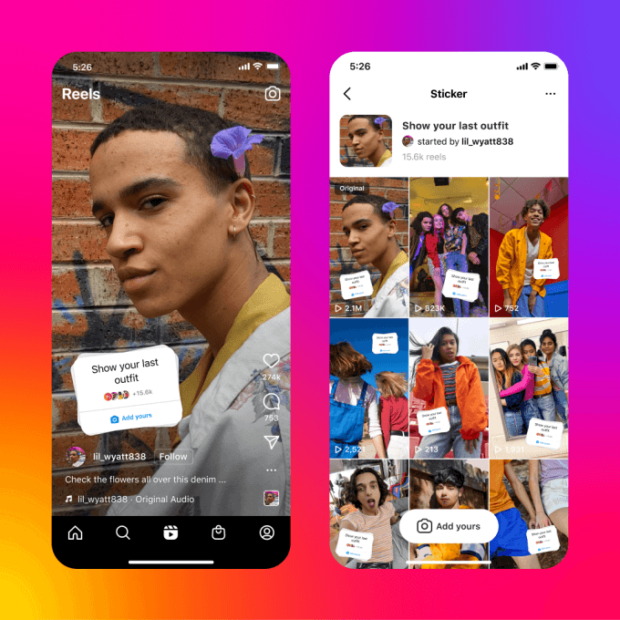
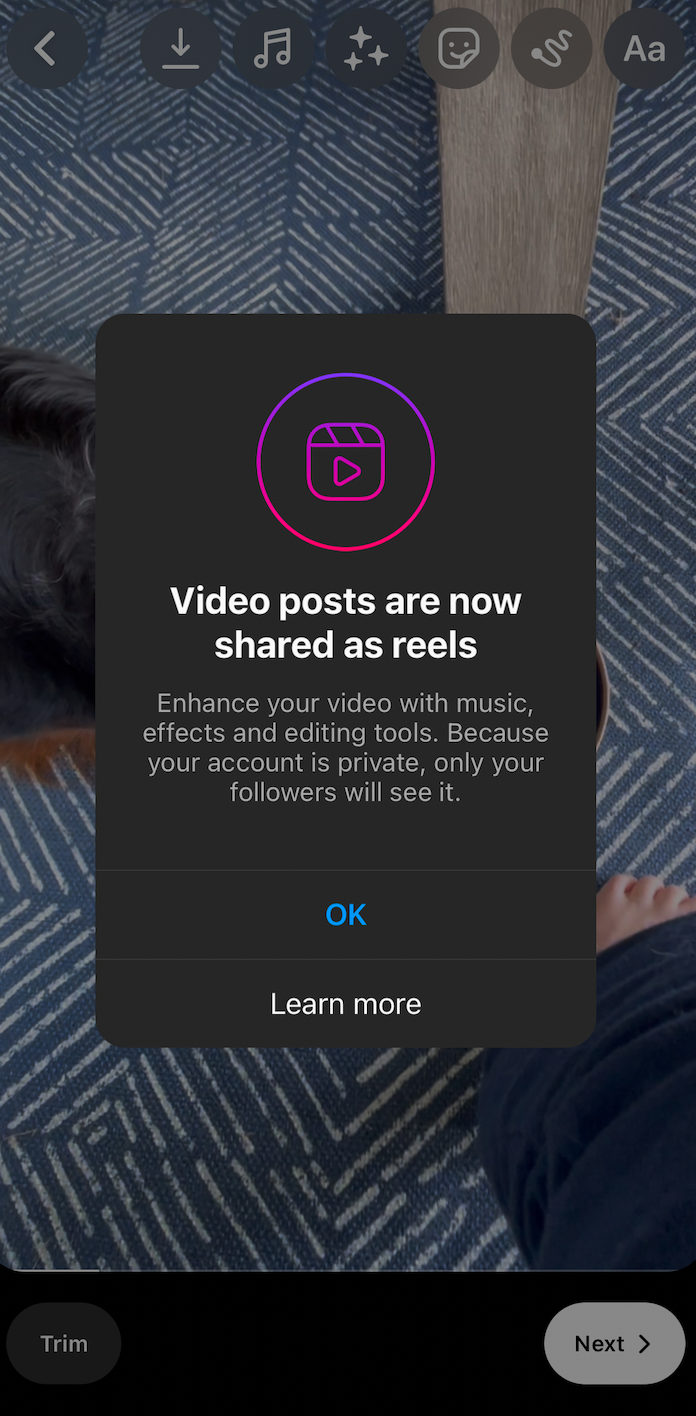
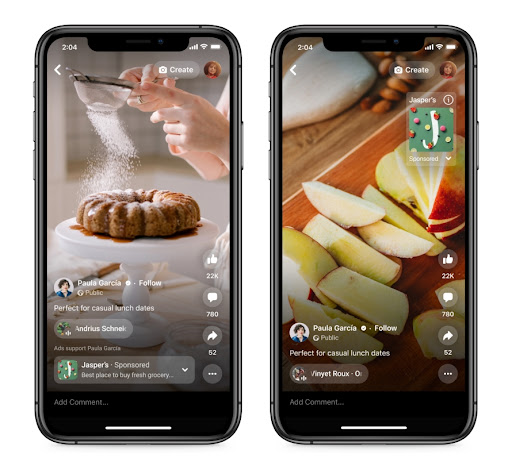
Industry analysts evaluating Meta’s late-2022 trajectory identified several core trends poised to dominate the digital landscape throughout 2023. First, the unyielding prioritization of Reels remained central to Meta’s competitive posture against rival platforms like TikTok. By enforcing full-screen vertical formatting for all video posts under 15 minutes and merging video and Reels profile tabs, Meta signaled that short-form video would dictate future advertising inventories and algorithmic distribution.
Second, the structural strengthening of Facebook Groups as commercial hubs indicated an increasing corporate focus on closed-community monetization. With enhanced moderator tools and subscription-based group models, brands were presented with fertile ground for cultivating high-intent consumer communities. Finally, CEO Mark Zuckerberg’s continued multi-billion-dollar investments in the Metaverse—despite near-term commercial headwinds in virtual and augmented reality hardware—demonstrated a long-term institutional vision aimed at bridging physical and digital interaction spaces.
Ultimately, the cumulative updates of late 2022 positioned Meta to navigate a complex macroeconomic and regulatory climate. By trading manual complexity for algorithmic efficiency, Meta entered 2023 equipped with robust automated advertising products, enhanced commerce rails, and rigorously validated brand safety protocols designed to sustain enterprise confidence across its digital portfolio.