The Essential Guide to Building a High-Performance Social Media Workflow for Modern Marketing Teams


In the contemporary digital landscape, the difference between a brand that resonates and one that fades into the background often hinges on operational efficiency. As social media platforms evolve into complex ecosystems of commerce, customer service, and community management, the reliance on ad-hoc posting strategies is no longer sustainable. A social media workflow is a rigorous, repeatable, and scalable framework that dictates how a marketing department ideates, creates, publishes, and evaluates its digital presence. By formalizing these processes, organizations can mitigate the risks of brand misalignment, regulatory non-compliance, and operational burnout.

The Strategic Necessity of Standardized Workflows
At its core, a social media workflow acts as the central nervous system for digital marketing operations. Without a structured protocol, teams often find themselves trapped in a reactive cycle, scrambling to address platform algorithm changes or PR crises without a predefined roadmap. Research indicates that organizations with documented, integrated workflows report a 30% increase in content output efficiency and a significant reduction in time-to-market for campaign launches.
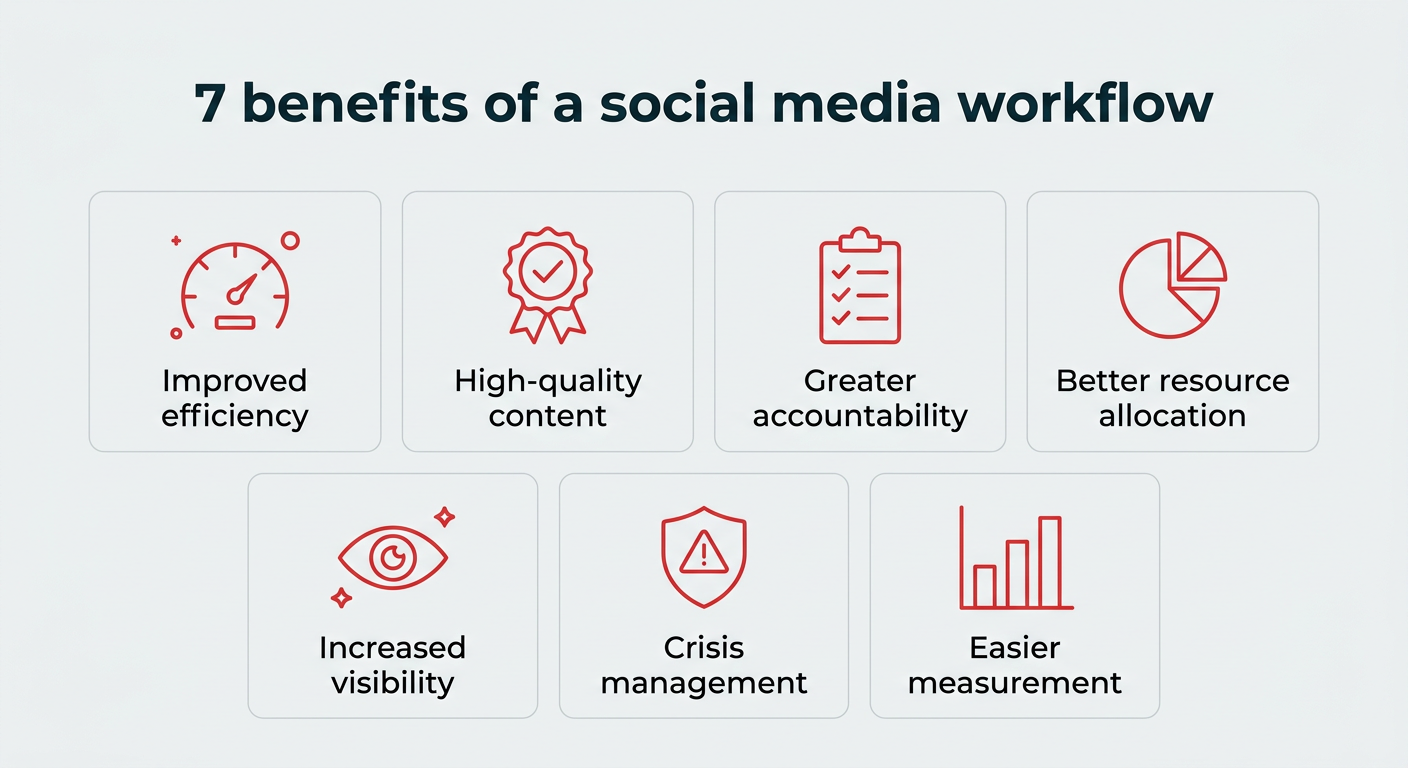
Beyond sheer productivity, these systems serve as a critical risk-mitigation layer. In highly regulated sectors—such as financial services, healthcare, and government—the cost of a non-compliant post can extend beyond reputational damage to include severe legal and financial penalties. A structured approval process, which mandates multi-level review before any content goes live, acts as an essential safeguard against the accidental disclosure of sensitive information or the violation of industry advertising standards.
Core Architecture: The Five Pillars of Workflow Design
To achieve operational excellence, teams must move beyond simple posting schedules and adopt a multifaceted approach to workflow design. Industry leaders typically implement five distinct types of workflows to ensure coverage across all functional areas:
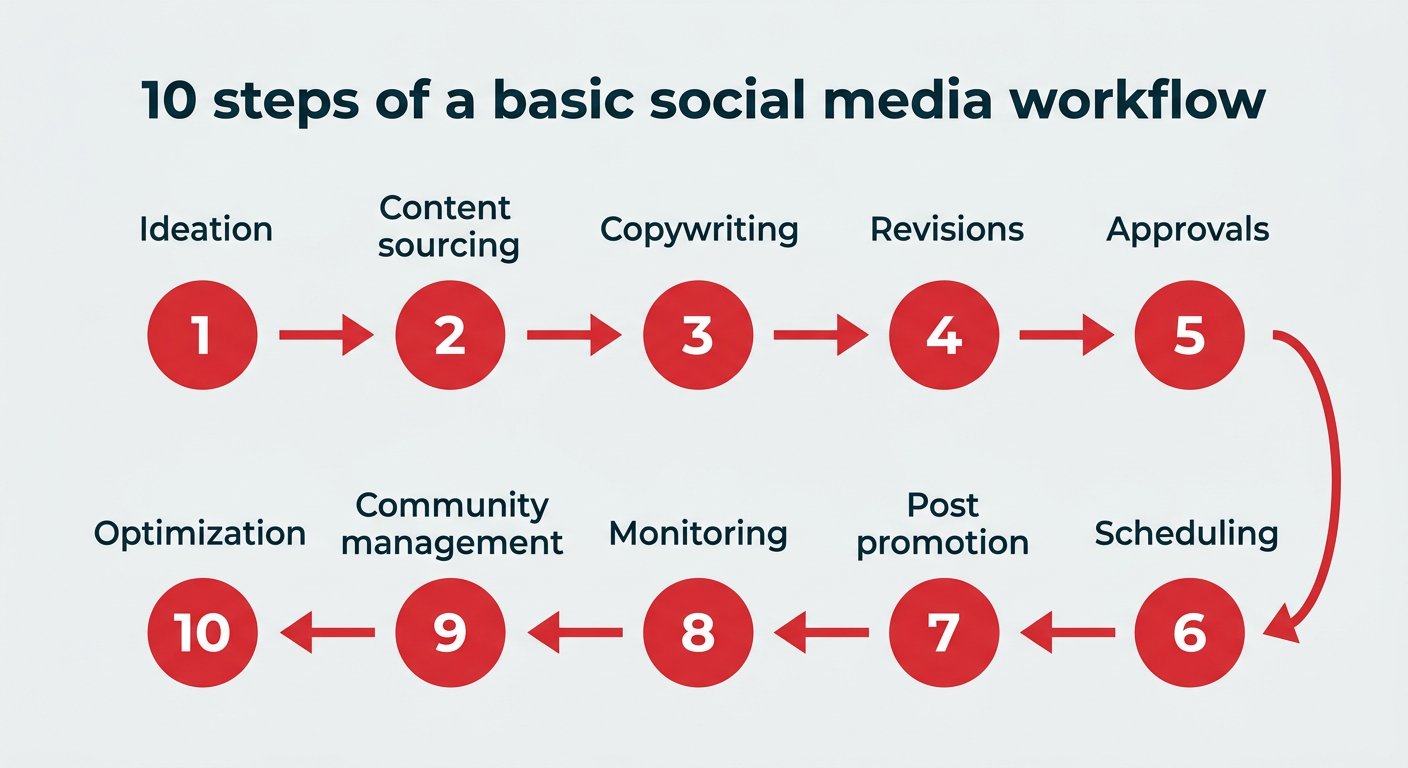
- The Basic Foundation: This is the baseline process encompassing the full lifecycle of a post, from initial brainstorming to performance auditing. It serves as the master template for all subsequent, more specialized workflows.
- The Publishing Protocol: Focused specifically on the execution phase, this workflow prioritizes the mechanics of cross-platform distribution. It ensures that content is optimized for the technical requirements of each channel—such as character limits, aspect ratios, and optimal posting times—without sacrificing brand agility.
- The Governance and Approval Matrix: This is the most critical workflow for risk-averse organizations. It defines the specific checkpoints content must pass through, identifying who holds the authority to "greenlight" posts and ensuring that stakeholders from legal, PR, and management are looped in during the pre-production phase.
- The Batching and Productivity Framework: To combat the "always-on" nature of social media, successful teams utilize batching to consolidate production. By grouping creative sessions together, teams reduce cognitive load and maintain a consistent content cadence, even during periods of high staff turnover or unexpected absences.
- The Influencer and Creator Collaboration Pipeline: With the rise of the creator economy, managing external partnerships requires a distinct workflow. This involves clear contracting, creative briefing, collaborative review cycles, and performance measurement, ensuring that influencer contributions align with broader organizational KPIs.
Implementing and Optimizing the Workflow
The transition from chaotic, manual processes to a streamlined system requires more than just software; it demands a fundamental shift in organizational behavior. The implementation phase should begin with an audit of current pain points. Where are the bottlenecks? Where are communication breakdowns occurring?

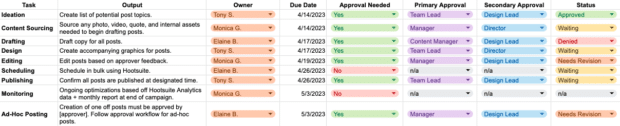
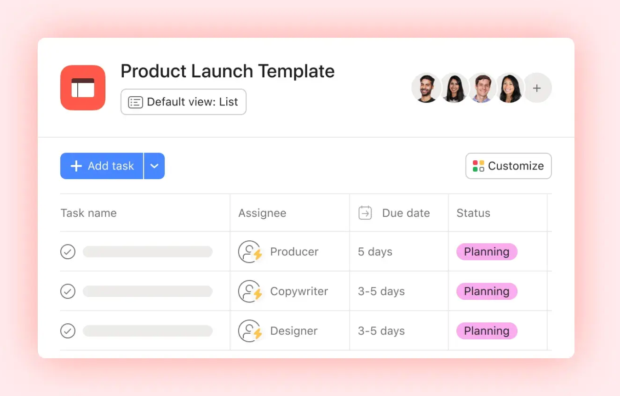
The first step in optimization is the clear delegation of roles. When responsibilities—such as creative direction, copywriting, approval authority, and community management—are clearly mapped, the friction of collaboration is minimized. For instance, in a typical mid-sized enterprise, the "Social Media Manager" might hold the scheduling authority, while the "Legal Counsel" maintains the final say on compliance, and the "Graphic Designer" owns the creative assets. By clearly documenting these roles in a Standard Operating Procedure (SOP), organizations prevent the duplication of effort and ensure that no task is left orphaned.
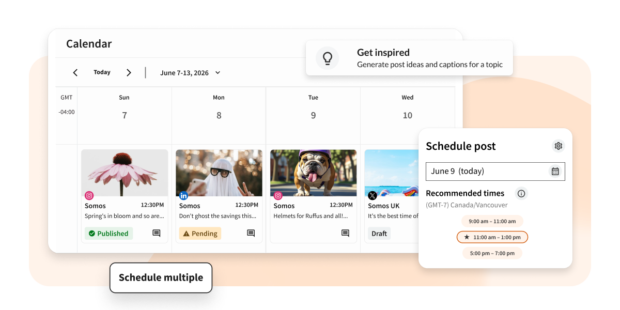
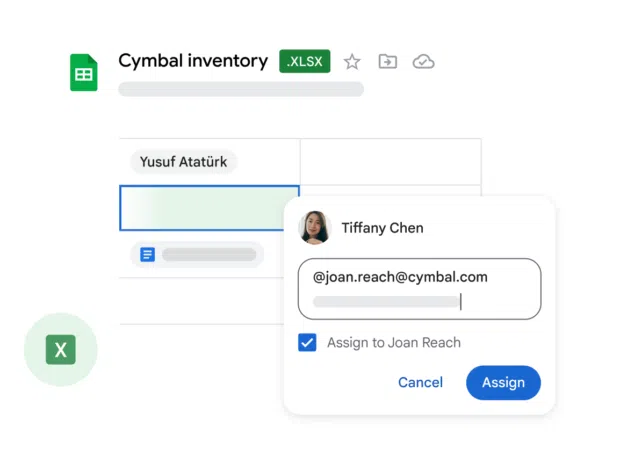
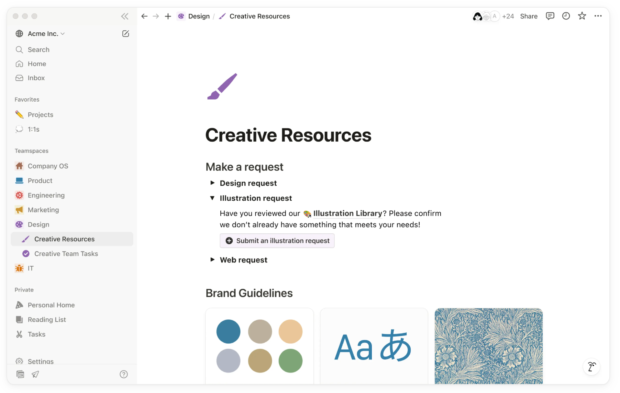
Furthermore, the integration of technology is essential for scaling these processes. As organizations grow, manual spreadsheets often become liabilities rather than assets. Modern social media operating systems, such as Hootsuite or enterprise project management platforms like Asana, provide the necessary visibility to monitor the status of every piece of content. These tools allow for the creation of unified, centralized calendars that provide all stakeholders with a single source of truth, effectively eliminating the "app-switching" fatigue that hinders productivity.
Data-Driven Improvement and the Role of AI
Measurement is the final, and perhaps most neglected, stage of an effective workflow. Teams should evaluate their operational health using metrics such as "time-to-approve," "number of revisions per post," and "adherence to publishing schedule." A high number of revisions often points to a failure in the initial brief, while a slow approval cycle suggests that the approval matrix is overly bureaucratic.
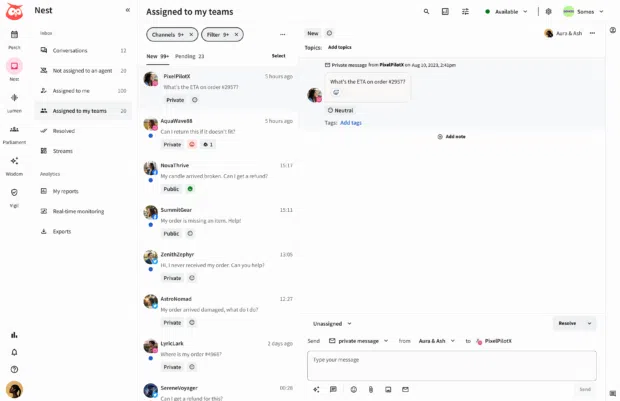
Artificial Intelligence (AI) has emerged as a transformative force within these workflows, particularly in the areas of initial drafting, data analysis, and inbound message triaging. However, the application of AI must be tempered with human oversight. While an AI tool can draft a post in seconds or analyze sentiment across thousands of comments, it lacks the nuanced understanding of brand voice and local context that a human manager provides. The most successful organizations utilize AI to handle the "heavy lifting" of data processing and drafting, leaving the final strategic review and emotional resonance check to human professionals.
Addressing Common Pitfalls
Even with the best intentions, workflows can fail if they become too rigid. A common error is the "over-engineering" of processes, where every post—no matter how trivial—must pass through five levels of approval. This creates a bottleneck that prevents brands from capitalizing on trending topics or real-time conversations.
To avoid this, teams should implement a tiered approach:
- Routine/Evergreen Content: These posts can follow a streamlined, automated approval path.
- Campaign/High-Stakes Content: These require a more rigorous, multi-stakeholder review process to ensure brand alignment and compliance.
Conclusion: Future-Proofing the Social Presence
As digital platforms continue to shift, the ability to pivot becomes a competitive advantage. A well-designed workflow is not a static document; it is a living system that should be audited and updated quarterly. By fostering a culture of transparency and continuous improvement, marketing teams can ensure their social media operations remain efficient, compliant, and—above all—effective in driving measurable business outcomes.
In an era where a brand’s reputation is often defined by its digital interactions, the investment in a robust social media workflow is no longer an optional luxury. It is the baseline requirement for any organization seeking to maintain a consistent, professional, and impactful presence in the global marketplace. Whether through the use of centralized dashboards, clear SOPs, or strategic AI integration, the path forward is defined by the discipline of process. As businesses continue to navigate the complexities of digital communication, those who prioritize the structure of their internal operations will undoubtedly lead the way in audience engagement and brand equity.