The software development landscape experienced a profound shift throughout July 2026, marked by an unprecedented influx of utility frameworks, terminal-based network managers, and specialized AI agent infrastructure. As artificial intelligence transitions from conversational models to autonomous development agents, the tools required to evaluate, constrain, and direct these systems have evolved rapidly. This month’s technology release cycle brought forth innovations ranging from low-level PHP assembly compilers and multi-protocol terminal explorers to rigorous benchmarking suites for AI coding agents. Industry analysts note that this wave of development highlights a broader market movement toward self-hosted infrastructure, localized control, and extreme performance optimization.
The Evolution of AI Agent Infrastructure and Evaluation
The core trend dominating the July 2026 release schedule is the formalization of AI agent operations. As engineering teams increasingly delegate coding tasks to autonomous systems, the demand for observability, deterministic output constraints, and performance benchmarking has surged.
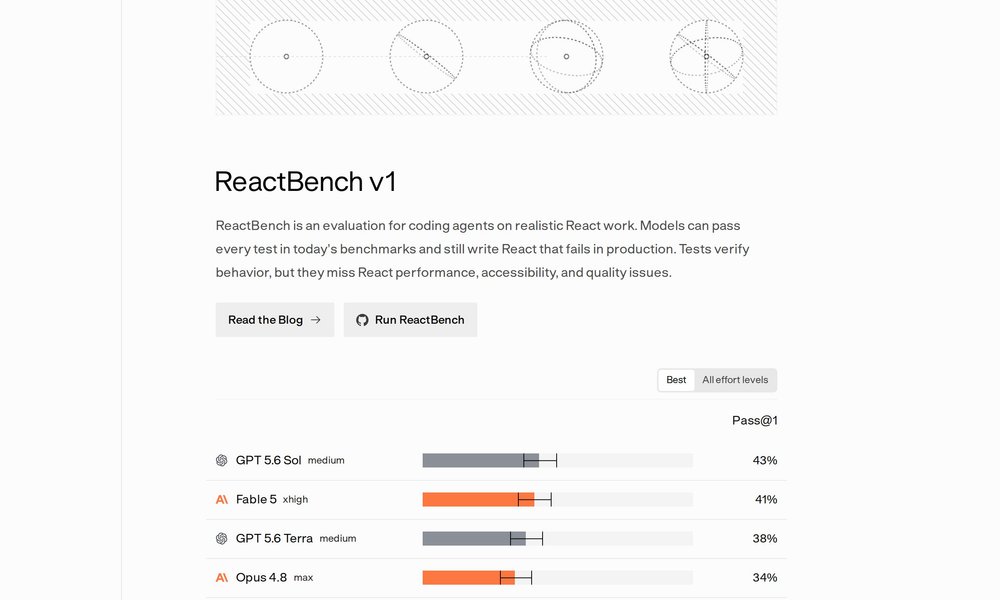
A primary development in this sector is the introduction of ReactBench, a specialized evaluation platform designed to test coding agents on real-world React engineering tasks rather than superficial unit test pass rates. Built by the team behind React Doctor, ReactBench assesses models based on production-ready component shipping, accessibility standards, and code quality. Industry observers view this as a necessary maturation of AI metrics, moving away from theoretical benchmarks toward tangible frontend utility.
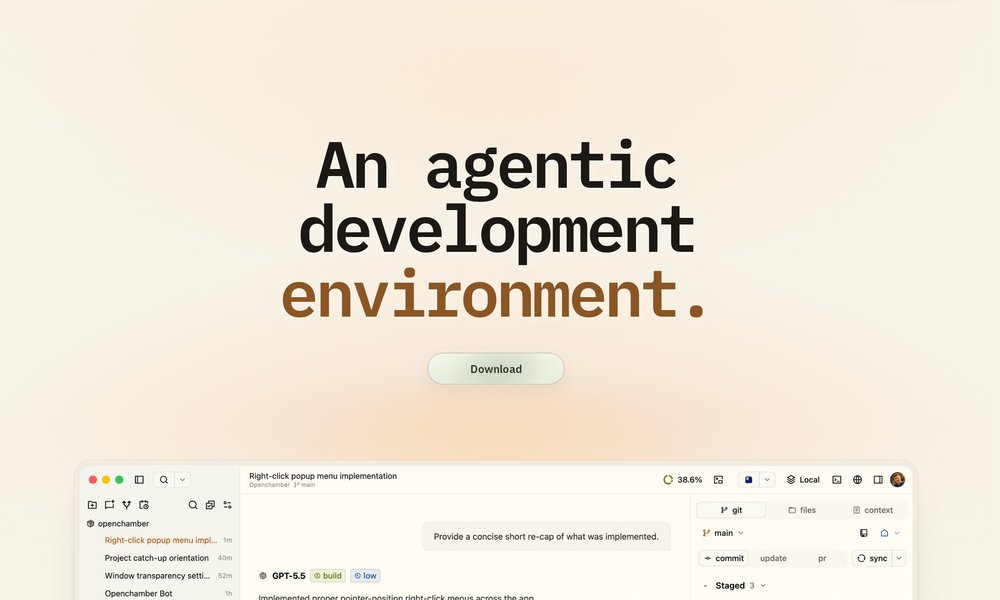
Complementing evaluation suites are execution environments and configuration protocols designed to tame agent verbosity and streamline multi-model workflows. OpenChamber emerged as an open-source, agentic development environment supporting macOS, Windows, and browser interfaces. It facilitates parallel multi-model runs via an integrated Agent Manager, remote tunnel access, and multi-window workflows.
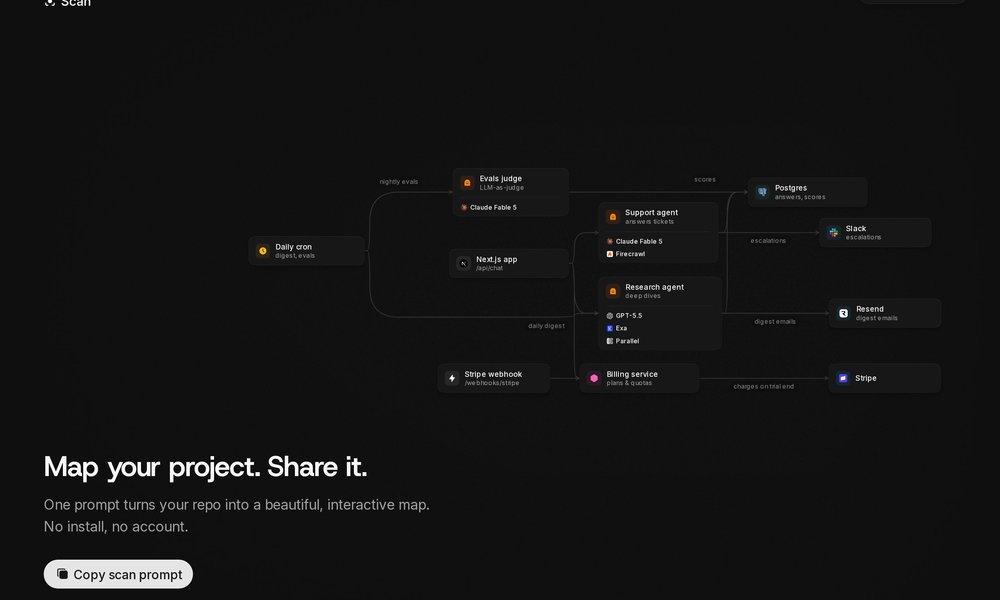
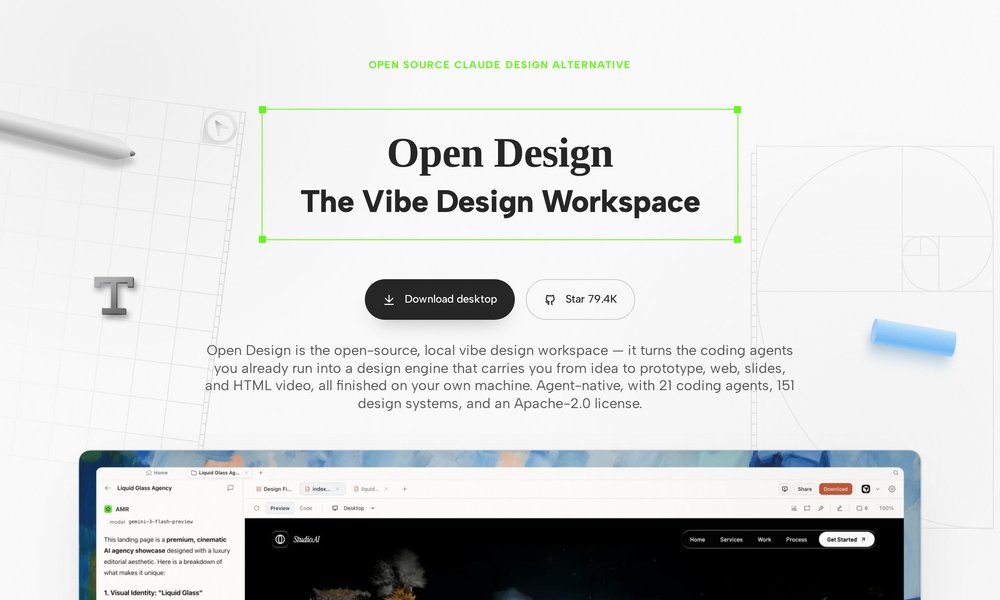
Simultaneously, the release of ponytail—a specialized ruleset designed for AI coding configurations—addresses the critical issue of code bloat. Benchmarks indicate that integrating ponytail reduces AI output verbosity by up to 54 percent without compromising safety or functionality, answering a long-standing developer grievance regarding excessive and redundant code generation. For codebase visualization, Foglamp Scan provides zero-setup architectural mapping directly through coding agent prompts, allowing engineers to instantly parse unfamiliar repositories without manual installation or account creation. Furthermore, Open Design bridges the gap between engineering and visual design, serving as an open-source alternative to proprietary workspace engines by converting coding agents into localized design systems capable of multi-format exports.
Modernizing Local Development Environments and Compilers
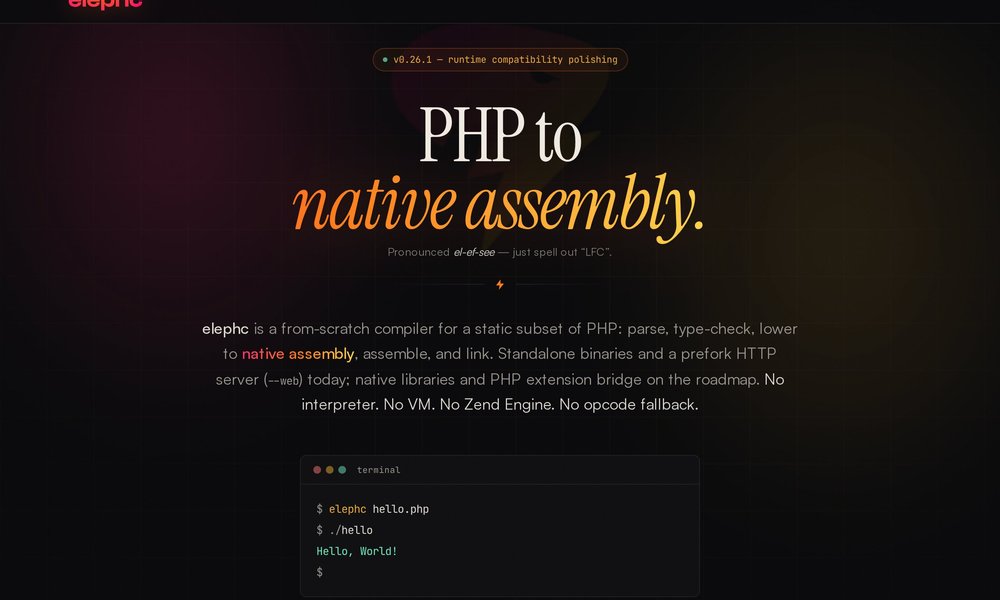
Beyond AI orchestration, July 2026 introduced disruptive breakthroughs in traditional compilation and local server management. Most notably, the debut of elephc challenged decades of web development paradigms by compiling a static subset of PHP directly into native assembly, bypassing the Zend Engine, interpreters, and virtual machines entirely. Featuring over 400 built-in functions, 21 data types, and thousands of automated tests, elephc generates standalone binaries and prefork HTTP servers, enabling developers to ship high-performance PHP applications without a traditional runtime environment.
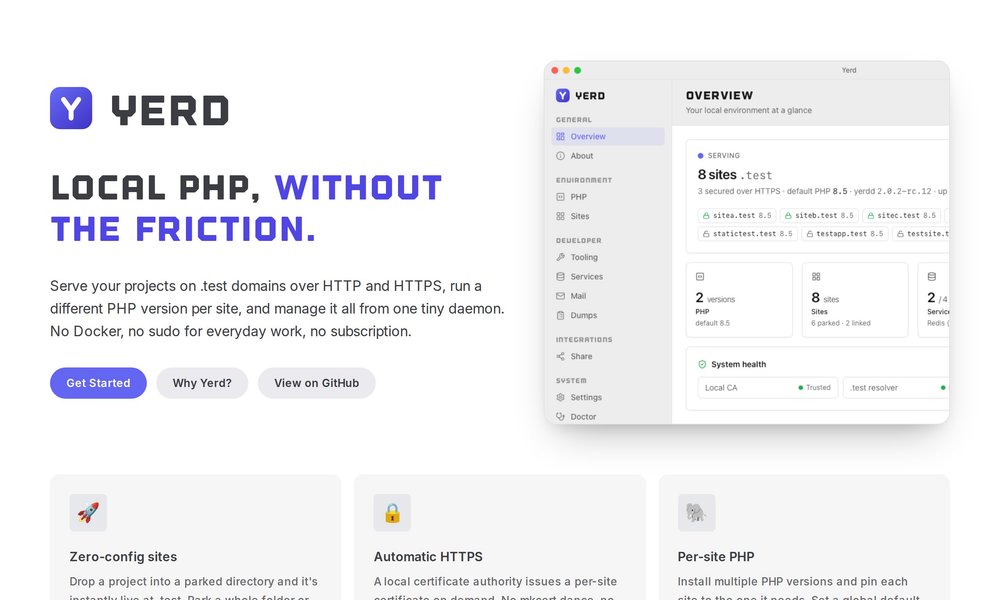
For developers maintaining traditional PHP stacks, Yerd arrived as a lightweight alternative to existing desktop management tools. Operating as an 8 MB daemon without Docker or Electron dependencies, Yerd supports multiple PHP versions, automated .test domains with HTTPS, and comprehensive database management systems including MySQL, MariaDB, PostgreSQL, and Redis.
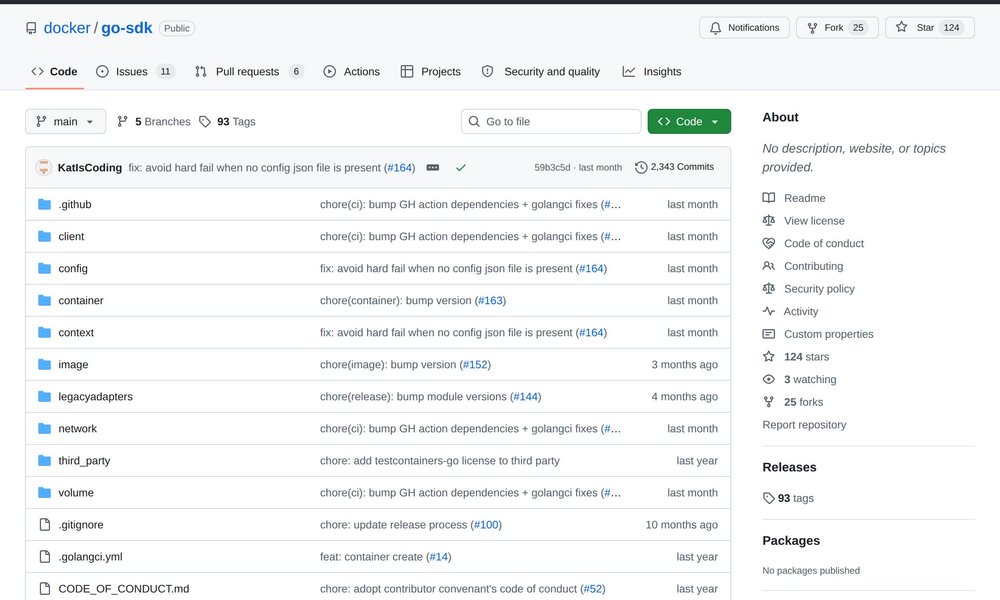
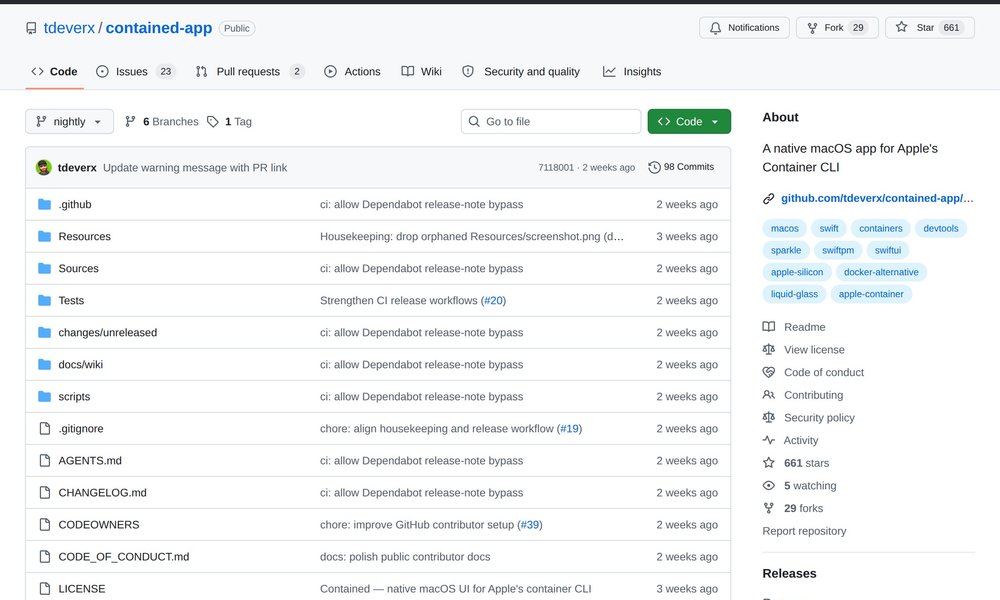
Containerization workflows on Apple Silicon also received significant upgrades. Contained, a native SwiftUI graphical user interface for Apple’s Container CLI, delivers a polished management experience for containers, images, volumes, and networks. Requiring macOS 26 and leveraging modern system design principles, Contained bridges the gap between raw command-line containerization and native desktop usability. In the Go programming ecosystem, the official Docker Go SDK was released to simplify container orchestration, image pulling with advanced authentication, and automated port allocation for integration testing environments.
Advanced Enterprise Networking, Authentication, and Self-Hosting
The infrastructure sector saw a heavy emphasis on sovereign, self-hosted services designed to reduce enterprise dependence on centralized cloud providers and SaaS monopolies.
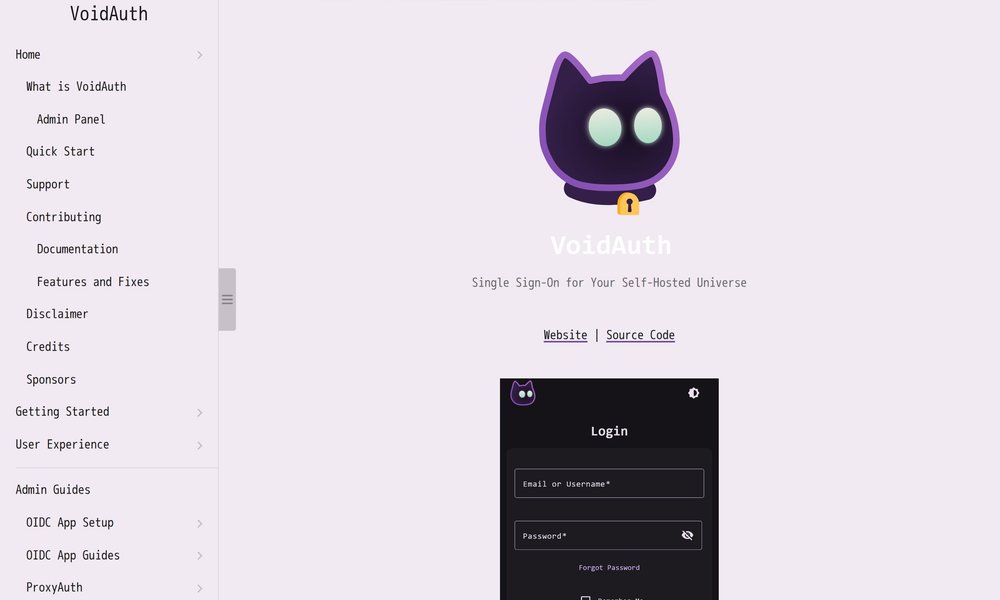
In the realm of security and identity management, VoidAuth introduced an open-source Single Sign-On (SSO) solution tailored for self-hosted architectures. Supporting OpenID Connect, Lightweight Directory Access Protocol (LDAP), passkeys, multi-factor authentication (MFA), and encrypted PostgreSQL or SQLite data persistence, VoidAuth provides a unified authentication gateway for distributed internal services.
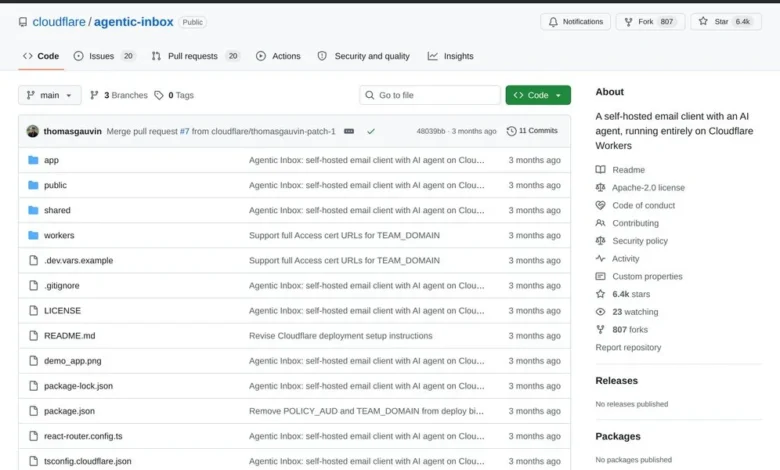
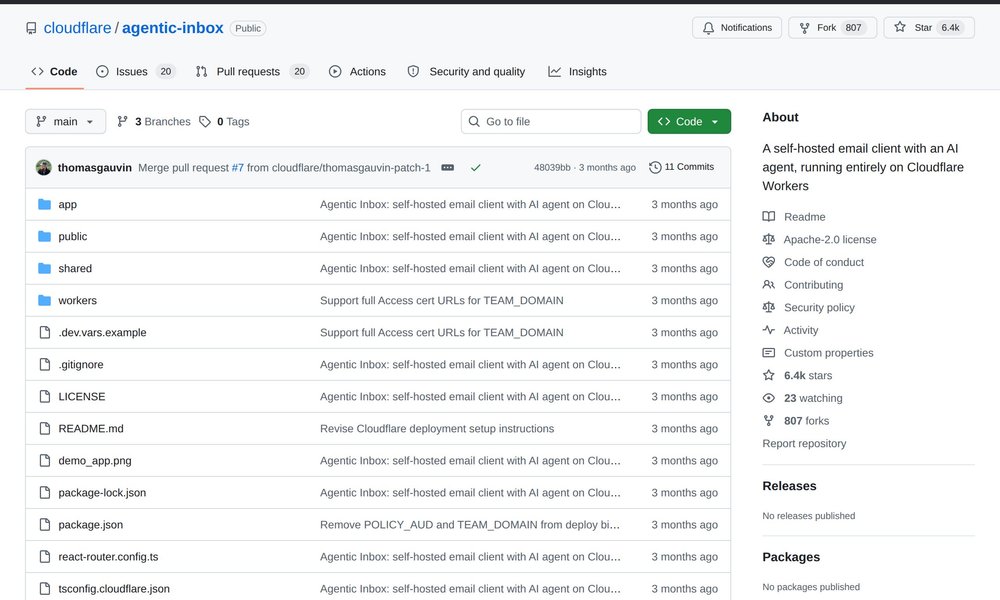
Email architecture and serverless integration intersected with the launch of Cloudflare Agentic Inbox. Operating entirely on Cloudflare Workers, Durable Objects with embedded SQLite, and R2 object storage, this self-hosted email client integrates an autonomous AI agent capable of parsing incoming messages, searching conversational histories, and drafting responses without the operational overhead of traditional mail server maintenance.
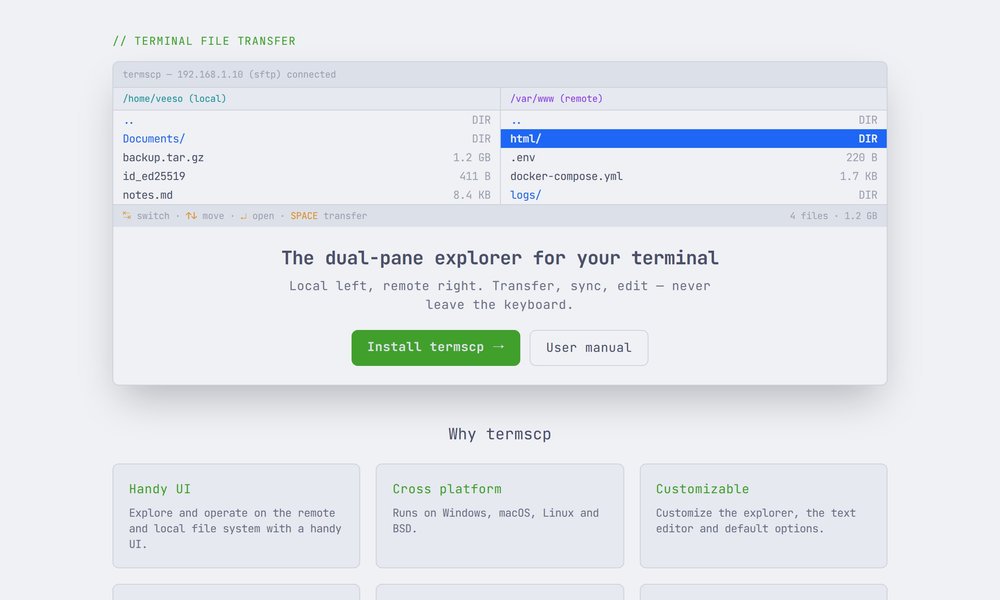
Cross-protocol file transfer and remote system administration were similarly streamlined by TermSCP. This terminal file transfer explorer provides a unified Text User Interface (TUI) supporting Secure Copy Protocol (SCP), Secure File Transfer Protocol (SFTP), File Transfer Protocol (FTP/S), Amazon S3, Kubernetes, Server Message Block (SMB), and WebDAV. By integrating system keychain credential storage and cross-platform compatibility across Windows, macOS, Linux, and BSD, TermSCP consolidates fragmented remote asset management into a single utility.
Content Publishing, Collaboration, and Workflow Utilities
Publishing and collaboration tools rounded out the July 2026 software cycle, focusing heavily on structured knowledge management and productivity enhancement.
Automattic contributed to the WordPress ecosystem with the release of Cortext, a native plugin designed to construct robust knowledge bases directly within standard WordPress installations. Eschewing proprietary third-party SaaS formats, Cortext utilizes native WordPress storage structures to offer nested pages, typed collections, and multi-view publishing pipelines.
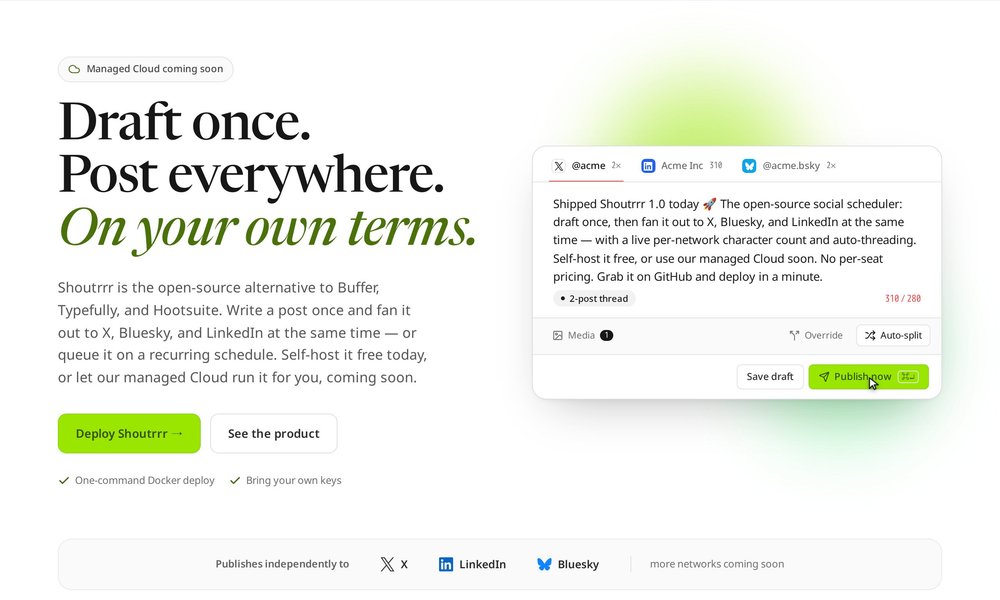
For digital marketers and multi-platform creators, Shoutrrr launched as an open-source alternative to commercial social media management suites like Buffer and Hootsuite. Supporting simultaneous draft publishing across platforms such as X, Bluesky, and LinkedIn, Shoutrrr features encrypted credential management, team workspaces, and scheduled queuing via Docker deployment models.
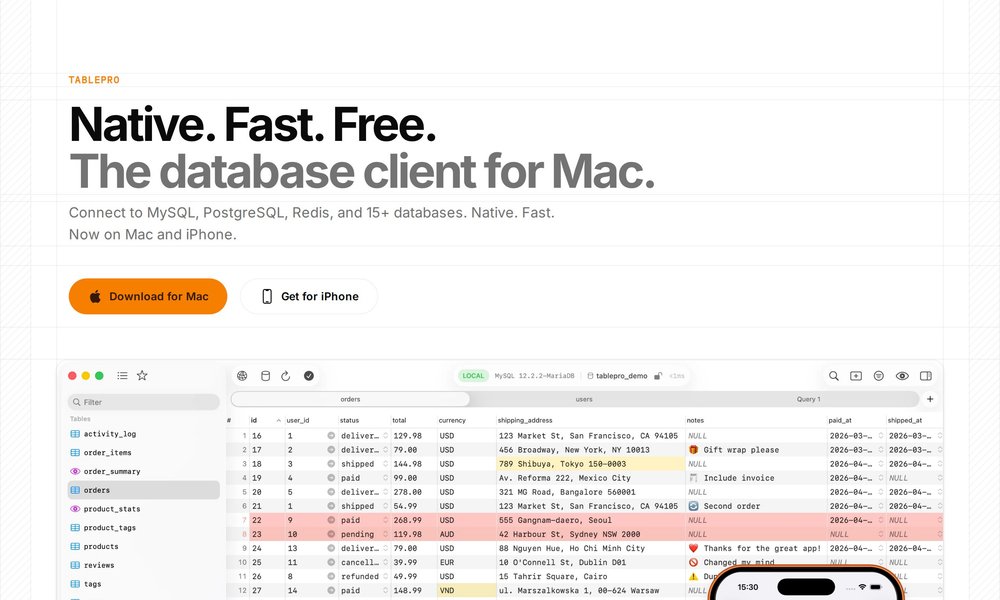
Database administration experienced a major client upgrade with TablePro, a native application for macOS and iOS supporting over 21 database engines, including MySQL, PostgreSQL, MongoDB, Redis, and SQLite. Equipped with a Vim-enabled SQL editor, an embedded AI assistant, and iCloud synchronization, TablePro targets multi-database engineering workflows.
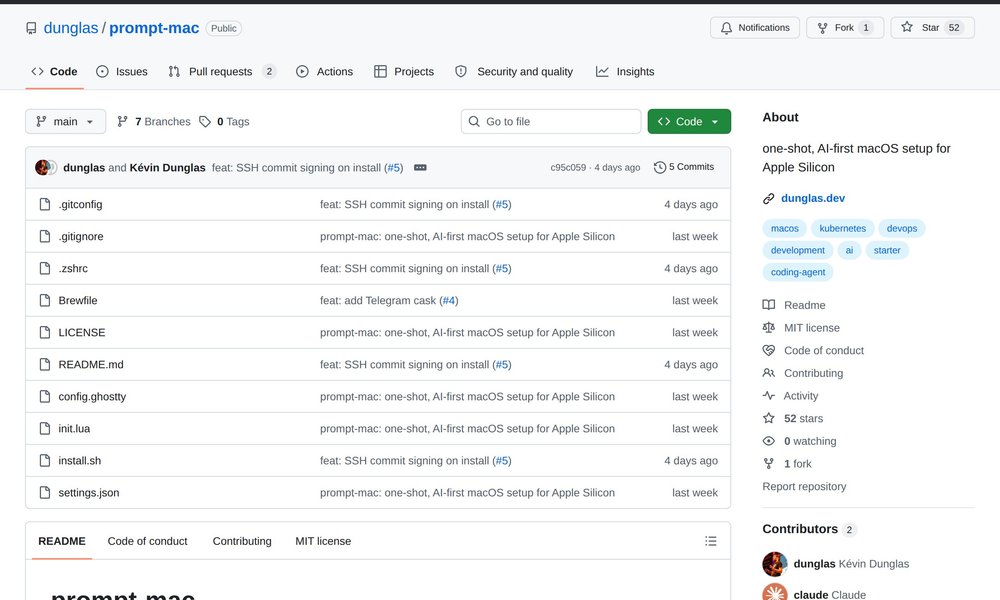
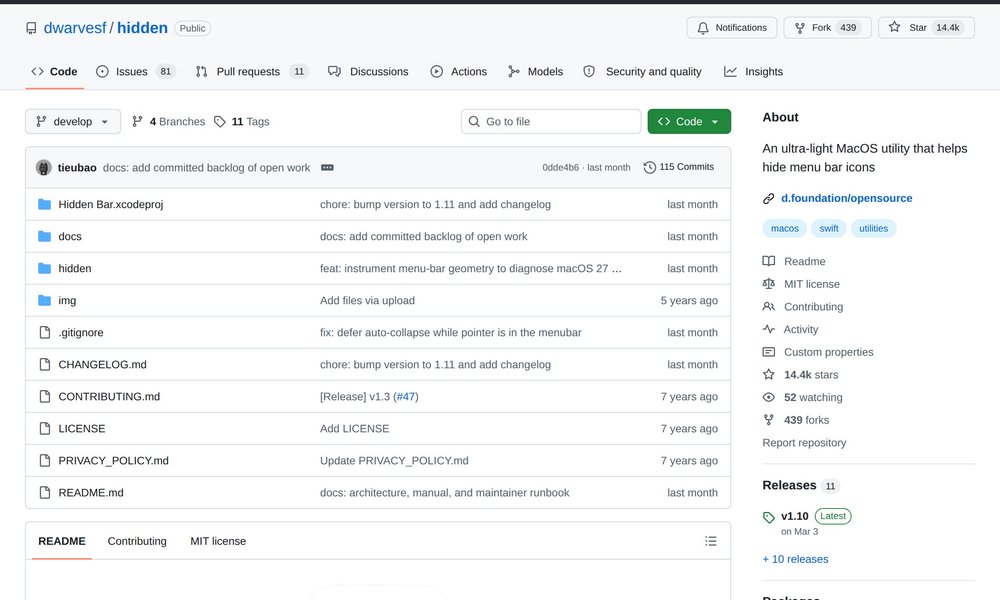
Code review efficiency was simultaneously enhanced by Codiff, a minimal local diff viewer that generates LLM-powered code walkthroughs, supports inline commenting for GitHub and GitLab, and exports reviews directly to Markdown formats. Finally, desktop utility enhancements included Hidden Bar, a lightweight macOS menu bar manager that allows users to declutter interface elements through custom toggles and keyboard shortcuts, and prompt-mac, a single-command idempotent provisioning script configured to rapidly initialize clean macOS environments optimized for modern AI development workflows.
Industry Implications and Future Outlook
The rapid convergence of localized AI tooling, native compilation frameworks, and sovereign self-hosted infrastructure in July 2026 underscores a fundamental recalibration within the software engineering community. Developers are increasingly prioritizing computational efficiency, data privacy, and deterministic control over managed cloud dependencies. As frameworks like elephc redefine application compilation, and evaluation suites like ReactBench establish rigorous standards for autonomous agents, the threshold for production-grade software engineering continues to rise. Industry analysts project that the subsequent quarters will see accelerated enterprise adoption of these hybrid AI-human development environments, permanently altering how digital infrastructure is deployed, managed, and maintained.