LG Electronics to Purge Residential Proxy SDKs from Smart TV App Store Following Security Warnings

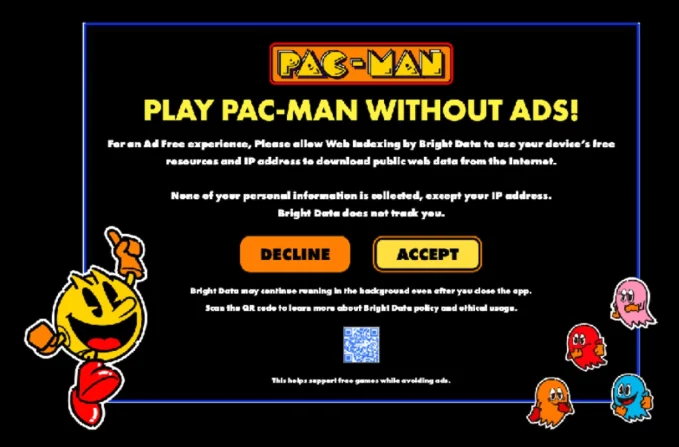
LG Electronics USA has officially announced a sweeping initiative to identify and suspend applications within its smart TV ecosystem that surreptitiously or overtly convert consumer hardware into residential proxy nodes. The decision follows a series of alarming reports from cybersecurity researchers indicating that a significant portion of the software available on the LG webOS platform has been bundled with specialized software development kits (SDKs) designed to monetize user internet bandwidth. This move marks a pivotal moment in the ongoing struggle to secure the Internet of Things (IoT) landscape, as major manufacturers begin to reckon with the privacy and security implications of third-party monetization strategies that turn living room appliances into components of global traffic-routing networks.
The Discovery of the Proxyware Epidemic
The catalyst for LG’s policy shift was a comprehensive investigative report released in early July by Spur, a security firm specializing in the analysis of proxy networks and digital identity. The research focused on the prevalence of "proxyware"—legitimate-looking applications that contain hidden or secondary functions allowing third parties to route internet traffic through the host device’s connection.
According to the data provided by Spur, more than 42 percent of the games, utilities, and media apps available for download on the LG webOS store contained residential proxy SDKs. The situation was similarly concerning for Samsung’s Tizen operating system, where more than 25 percent of the analyzed applications were found to be serving as proxy nodes. These SDKs effectively turn a consumer’s television into a "residential proxy," a highly valuable commodity in the digital economy because traffic originating from a home IP address is less likely to be flagged as "bot" activity or blocked by websites compared to traffic from data centers.
Residential proxies are frequently used for large-scale web scraping, price monitoring, and bypassing regional content restrictions. However, they are also a preferred tool for cybercriminals looking to mask their origins while conducting credential stuffing attacks, fraud, or distributing malware. By utilizing a smart TV as a relay point, an anonymous third party can browse the web using the homeowner’s digital identity, potentially implicating the consumer in illegal activities they did not authorize or understand.
LG’s Official Stance and Enforcement Strategy
In response to the findings, LG Senior Vice President John Taylor confirmed that the company is taking aggressive steps to sanitize its app store. In communications with security analysts and media outlets, Taylor emphasized that the use of LG smart TVs as residential proxy nodes is not a sanctioned or intended function of the webOS platform.
"A residential proxy network is not an intended use for LG smart TVs, and LG Electronics is working with developers to remove the residential proxy option from their apps on the webOS platform," Taylor stated. He further clarified that the company has initiated a rigorous review process. Developers who have integrated these SDKs into their software are being issued ultimatums: remove the proxy components immediately or face permanent suspension from the platform.
Taylor noted that the evaluation process for developer-submitted apps is being significantly strengthened to prevent the re-introduction of such SDKs in the future. This indicates a shift from a relatively permissive "open-market" approach to a more curated and security-conscious vetting process, similar to the standards maintained by major mobile operating system providers like Apple.
The Economics of Proxyware: Why Developers Participate
The proliferation of proxy SDKs is driven primarily by the search for alternative monetization models. As consumers become increasingly resistant to traditional advertising and "freemium" upsells, app developers—particularly those creating simple utilities like screensavers, file managers, or retro-style games like Pac-Man—have turned to proxy providers for revenue.
Companies such as Bright Data (formerly Luminati) offer SDKs that developers can easily integrate into their code. In exchange for a per-user fee or a share of the bandwidth revenue, the developer agrees to turn their users’ devices into nodes for the proxy provider’s network. In many cases, the user is presented with a choice: pay for the app, watch intrusive advertisements, or "share" their idle internet resources to keep the app free.
While proxy providers like Bright Data insist that their networks are built on "consent and responsibility," security advocates argue that the nature of this consent is often dubious. In a smart TV environment, the "consent" prompt may be a one-time pop-up that is easily cleared by a child or a guest who does not understand the technical or legal ramifications of allowing an unknown third party to use the home’s internet connection.
Bright Data, which was identified by Spur as a primary provider of these SDKs, defended its business model in a statement, noting that its practices have undergone independent audits and that users must explicitly opt-in. "Every peer opts in through a dedicated screen and receives value in return," the company claimed. However, the Spur report suggests that the "value" received by the user—such as access to a simple game—is vastly outweighed by the potential security risks and the consumption of the user’s upload bandwidth.

Technical Risks and Local Network Vulnerabilities
Beyond the ethical concerns of bandwidth harvesting, the presence of proxy SDKs on a smart TV poses tangible security risks to the local home network. When a device becomes a proxy node, it essentially opens a tunnel between the public internet and the private home network.
While proxy providers claim to implement technological "firewalls" to prevent their customers from accessing other devices on the proxy user’s network, these safeguards are not infallible. Security researchers have previously documented instances where "proxyware" was exploited to facilitate lateral movement within a network. In early 2024, the "Kimwolf" botnet was identified as a threat that specifically targeted local network vulnerabilities through compromised IoT devices.
Furthermore, smart TVs are rarely equipped with the same level of security software—such as antivirus or advanced firewalls—found on PCs or smartphones. They are "set-and-forget" devices that often remain powered on and connected to the internet 24/7, making them ideal, low-maintenance nodes for a proxy network. The lack of a user-friendly way to audit network traffic on a TV means that most consumers would never know their device is being used as a relay for thousands of global connections.
Broader Context: A Pattern of Questionable Software Partnerships
LG’s move to clean up its app store comes at a time when the company’s software practices are under intense scrutiny. While the removal of proxy SDKs is a positive step for consumer privacy, LG has recently been criticized for other controversial software inclusions.
A recent investigation by the hardware-focused media outlet Gamers Nexus revealed that certain high-end LG LCD monitors were automatically installing McAfee security software on users’ Windows PCs. This installation occurred through software drivers delivered via Windows Update, often without a clear prompt or the user’s explicit permission. The incident sparked a backlash among tech enthusiasts, who viewed the move as an overreach and a return to the era of "bloatware" being bundled with essential hardware drivers.
This pattern suggests a tension within LG between its hardware engineering excellence and its corporate efforts to find new "recurring revenue" streams through software partnerships. The purge of residential proxies indicates that the company recognizes that some monetization strategies pose too high a risk to brand reputation and user safety.
Chronology of the Proxyware Crackdown
The timeline of events leading to LG’s announcement reflects a growing awareness of IoT-based proxy networks within the cybersecurity community and law enforcement:
- Late 2023 – Early 2024: Security researchers observe a spike in residential proxy traffic originating from non-traditional computing devices, including smart refrigerators and televisions.
- May 2024: Global law enforcement agencies, including the FBI, take action against major proxy platforms like 911.re and NetNut, which were found to be utilizing botnets and non-consensual proxy nodes for criminal activity.
- July 2, 2024: Spur.us publishes its groundbreaking study, "Smart TV Apps: The New Frontier for Residential Proxy SDKs," detailing the 42% infection rate on LG webOS.
- Mid-July 2024: LG Electronics USA conducts an internal audit and begins communicating with developers regarding the removal of proxy SDKs.
- July 22, 2024: LG officially confirms its plan to suspend non-compliant apps and strengthen its review process.
Implications for the Smart Home Industry
LG’s decision is likely to send shockwaves through the smart home industry. As the first major TV manufacturer to take a hard line against residential proxy SDKs, LG is setting a precedent that others, such as Samsung, Sony, and Vizio, may be forced to follow.
For consumers, this serves as a reminder that "free" apps often come with hidden costs. The security community recommends that smart TV users regularly audit the apps installed on their devices and remain wary of utilities from unknown developers that request extensive network permissions.
For the proxy industry, the crackdown represents a significant blow to the "residential" supply chain. As major platforms close their doors to these SDKs, proxy providers may seek even more covert ways to embed their software in consumer electronics, leading to a continued "cat-and-mouse" game between security researchers and monetization firms.
LG’s proactive stance, while necessitated by the scale of the Spur findings, represents a necessary evolution in IoT management. By acknowledging that a television should be a media consumption device rather than a profit-generating node for third-party traffic, LG is taking a critical step toward reclaiming the integrity of the modern living room. As the review process continues, the industry will be watching closely to see if other manufacturers prioritize user privacy over the lucrative, yet hazardous, world of proxyware monetization.
Related posts: